Understanding Reverse Auctions: A Comprehensive Guide for Institutional Investors

Explore the ins and outs of reverse auctions as a powerful tool for institutional investors to save on costs in this comprehensive guide.
Introduction to Reverse Auctions
A reverse auction is an auction format where sellers compete against one another by submitting the lowest possible prices for goods or services being offered by a buyer. In this article section, we’ll explore what a reverse auction is and why it has become increasingly popular among corporations and governments as a procurement strategy.
Understanding Reverse Auctions: How It Works and Its Popularity
In a reverse auction, the usual dynamics are reversed; instead of the seller initiating an auction by setting an asking price, the buyer starts the process by releasing a request for goods or services. Interested sellers then submit their bids with the lowest price they’re willing to accept for providing the desired good or service. The buyer then awards the contract to the seller with the most competitive bid.
This unique format gained popularity through the use of internet-based online auction tools that enabled multiple sellers to connect and compete in real time. Reverse auctions are widely adopted by large corporations and government entities as a cost-effective means of procuring raw materials, supplies, and services. Some industries where reverse auctions have become common include accounting, customer service, and the procurement of goods and services from public sector organizations such as governments.
The Advantages of Reverse Auctions: Price Savings and Time Efficiency
One reason for their popularity is the significant cost savings achieved by increasing competition among potential suppliers. Buyers can leverage reverse auctions to negotiate down prices effectively, saving valuable time and resources compared to traditional procurement methods involving multiple rounds of price negotiation with individual suppliers. This increased competitiveness allows buyers to secure better pricing for their organization.
However, as with any purchasing strategy, it’s essential to weigh the potential benefits against the potential risks involved in reverse auctions. In the next sections, we will discuss some of the challenges that can arise when implementing a reverse auction and offer insights on best practices for successful outcomes.

How a Reverse Auction Works
The concept of a reverse auction might seem counterintuitive to the traditional understanding of auctions, which typically involves a seller initiating the bidding process to sell goods or services at the highest possible price. However, in a reverse auction—also known as an “inverse auction” or “decreasing bid auction”—the roles are reversed: buyers put out requests for goods or services and invite multiple sellers to compete for their business by submitting bids for the lowest possible price they’re willing to accept.
In this section, we will explore how a reverse auction functions in detail. First and foremost, it is crucial to understand that reverse auctions are suitable for situations where there is a large pool of potential sellers competing for a specific good or service. For example, governments, institutions, and corporations often employ reverse auctions when seeking bids on raw materials, supplies, or services like accounting or customer service.
To initiate the reverse auction process, buyers release requests for goods or services (RFS), detailing their requirements and outlining a deadline by which sellers must submit their offers. As sellers respond to these requests, they provide their best bids, aiming to secure the contract with the lowest possible offer. Buyers can then compare the submitted bids and choose the winning bidder based on price, ultimately awarding the contract to the seller who offers the most attractive terms.
Reverse auctions gained prominence with the advent of internet-based auction tools, which made it easier for multiple sellers to connect with buyers in real-time. Since then, reverse auctions have become a popular and effective procurement strategy for large organizations seeking to lower costs by increasing competition.
However, it’s essential to note that not all goods or services are suited for reverse auctions. For instance, when only a few sellers offer the required good or service, a reverse auction might not be the best option due to a limited competitive landscape. Moreover, there is a risk that quality may suffer if buyers solely focus on the lowest bids. Adequate communication and well-defined specifications are crucial to prevent suboptimal results from winning bids.
In the next section, we will delve into the benefits of using reverse auctions and discuss their potential drawbacks in detail, providing real-life examples to illustrate how they operate in practice.

Benefits of Using Reverse Auctions
In today’s market, competition drives prices down, making it essential for buyers to find ways to lower their costs without compromising on quality. This is where reverse auctions come into play. A reverse auction is a competitive bidding process in which sellers bid against each other to offer the lowest possible price for goods or services required by a buyer. In this section, we will delve into the benefits of using reverse auctions and discuss their significance for institutional investors.
Price Savings through Increased Competition
One key advantage of reverse auctions is the significant cost savings they provide through increased competition among sellers. As multiple sellers compete for a contract, they are motivated to lower their bids to win the business. The result? A lower price for the buyer, translating into substantial savings on large-scale purchases.
Time Efficiency
Another advantage of reverse auctions is time efficiency. In traditional negotiation processes, buyers may have to engage in extensive back and forth with multiple sellers to secure the best price. With a reverse auction, however, all negotiations take place simultaneously as sellers submit their bids, streamlining the purchasing process.
Bidding Platforms and Technology
The rise of sophisticated online bidding platforms has made it easier for buyers to conduct reverse auctions and manage the bidding process seamlessly. These platforms provide a centralized hub where sellers can access real-time information about the auction, submit their bids, and communicate with each other. The automated nature of these tools also helps ensure fairness and transparency throughout the entire process.
Institutional Applications
Reverse auctions have gained considerable popularity in corporate and government circles due to their ability to deliver significant cost savings while maintaining quality standards. In particular, they are used extensively for procuring raw materials, commodities, and services such as accounting and customer service. The U.S. Department of Defense (DoD) is an excellent example of a major organization that frequently employs reverse auctions to procure goods and services efficiently.
Quality Concerns
While price savings and time efficiency are compelling reasons for using reverse auctions, it’s essential to acknowledge potential trade-offs. In a competitive bidding environment where sellers may be pressured to lower their prices to win contracts, quality could be compromised if buyers fail to communicate clear specifications or thoroughly assess the capabilities of bidders. To mitigate this risk, buyers must ensure that all requirements are detailed and explicitly stated in the auction documentation, and potential suppliers are thoroughly vetted before being invited to participate in the reverse auction process.
Forward Auctions vs. Reverse Auctions
While the concept of a reverse auction is gaining popularity, it’s important to understand its differences from a forward auction. In a forward auction, the seller initiates the bidding process and sets an initial price for their goods or services, with buyers then making competitive offers to purchase. The final sale price is determined based on the highest bidder’s offer. Reverse auctions, on the other hand, involve the buyer setting specifications and inviting sellers to submit their lowest possible bids.
In conclusion, reverse auctions can be an effective strategy for institutional investors looking to lower costs while maintaining quality in a competitive marketplace. By understanding the benefits and potential challenges of this procurement method, buyers can make informed decisions about when and how to use reverse auctions to their advantage.
Drawbacks of Using Reverse Auctions
While reverse auctions offer numerous benefits to organizations looking to acquire goods and services at the lowest possible cost, there are several potential drawbacks that must be considered. The main issue lies in sacrificing quality for savings. As a buyer, it is essential to remember that lower prices may not always result in the best overall value for your business.
When a large number of sellers bid against each other in a reverse auction setting, there is a strong temptation for them to underbid their competitors and sometimes even sacrifice quality to win the contract. This can lead to suboptimal goods or services being delivered, which might not meet the desired standards.
Another concern with reverse auctions is the risk of incorrect or incomplete communication between buyers and sellers regarding contract specifications. Misunderstandings about the scope and requirements of a project can lead to bidders submitting prices based on unrealistic expectations. This misalignment can cause complications during the execution of the agreement, potentially leading to delays, rework or even litigation.
Lastly, it’s essential to recognize that reverse auctions might not be suitable for every category of goods and services. If a particular good or service has limited sellers in the market, utilizing a reverse auction may not guarantee sufficient competition, and buyers could miss out on better pricing opportunities elsewhere. In such cases, it is advisable for organizations to consider alternative procurement methods like forward auctions, negotiated contracts or even single-source arrangements.
To mitigate these potential issues when conducting a reverse auction, thorough communication with bidders is crucial. Clearly defining the project requirements and ensuring that all involved parties have a complete understanding of the scope will help create a level playing field for competition. Additionally, employing reputable vendors and establishing robust evaluation criteria can ensure that quality concerns are addressed during the bid evaluation process, ultimately allowing organizations to balance price savings with desired outcomes.

Example of a Reverse Auction: Government Contracts
Reverse auctions have gained significant traction when it comes to government procurement processes, making them an essential tool for winning contracts. In the context of government contracts, a reverse auction involves a request for a particular good or service, with multiple contractors bidding on their costs to deliver the required specifications.
A reverse auction process is initiated by a buyer, such as a government entity, when they need a certain good or service. The buyer, in this case, typically posts a message outlining the project requirements and a deadline for interested parties to submit price proposals. This may involve bids for complex projects like construction, IT services, or even goods such as medical supplies.
The winning bidder in a reverse auction is the contractor willing to deliver the specified project at the lowest cost. The underlying goal of reverse auctions in government procurement processes is to invite competition and drive down prices for needed goods and services.
While reverse auctions have their benefits, such as time and cost savings, they do come with certain caveats. One potential issue arises when focusing too much on low bids may lead contractors to overlook the importance of quality in delivering a project. Additionally, it’s essential for buyers to clearly communicate all project specifications and requirements to potential bidders to prevent suboptimal quality goods or services from being awarded contracts.
An example of a successful reverse auction application in government procurement is the U.S. General Services Administration (GSA) and their Multiple Award Schedule (MAS) program. This program enables contractors to compete for government business through an online reverse auction platform, resulting in lower costs while ensuring quality services and goods.
In summary, reverse auctions are a powerful procurement tool for governments and corporations alike. When executed effectively, they can result in significant cost savings while ensuring a competitive process. However, it is important to maintain focus on both price and quality when engaging with this approach. In the case of government contracts, a clear communication strategy and well-defined project requirements are vital to ensuring successful reverse auction outcomes.

Forward Auctions vs. Reverse Auctions
When considering auctions for procuring goods or services, many organizations turn to either forward auctions or reverse auctions, both of which offer distinct advantages and disadvantages. While a forward auction is a standard process where sellers put up items for bidding among buyers, a reverse auction follows the opposite principle: buyers request offers from potential sellers. Understanding this fundamental difference between the two types can significantly impact the success of your investment or business strategy.
In a forward auction, the seller puts an item up for sale and sets a minimum price known as a reserve price. Buyers submit bids, aiming to outbid each other for the item. The highest bidder wins the auction by paying the price set by the winning bid, which could be more than the reserve price if all bidders exceed it. Forward auctions are commonly used in selling real estate or art pieces to individuals seeking a high-value asset.
On the other hand, reverse auctions involve buyers posting requests for goods or services and receiving bids from potential sellers who underbid each other to win the contract. In this type of auction, the winning bidder is the seller offering the lowest price. Reverse auctions are popular among corporations and governments seeking to minimize procurement costs by inviting competition and driving down prices for raw materials, supplies, or services like accounting and customer service.
Here’s a side-by-side comparison of forward and reverse auctions:
| Forward Auction | Reverse Auction |
|—|—|
| Seller puts item up for sale with a minimum price (reserve price) | Buyer requests offers from potential sellers |
| Buyers submit bids to outbid each other | Sellers bid the lowest price they are willing to accept |
| The highest bidder wins by paying the winning bid | The lowest bidder wins the contract |
| Works best for unique, high-value items or when a specific seller is known | Effective for procuring goods and services with many potential sellers |
| Buyers pay more due to competition between bidders | Sellers may sacrifice profit margins for the chance to win the contract |
Both auction types have their merits, but it’s crucial to understand the circumstances that favor each approach. Forward auctions are best suited for high-value items when a specific seller is known or desired, such as in real estate transactions or art sales. Conversely, reverse auctions provide significant advantages for buyers seeking to minimize procurement costs through increased competition and time efficiency when dealing with multiple sellers of similar goods or services.
For institutional investors, understanding the implications of forward and reverse auctions is essential when considering investment opportunities in various industries, such as commodities or contracting. The ability to analyze these auction structures and their potential impact on prices, profit margins, and market dynamics can lead to informed investment decisions that maximize returns while minimizing risks.

Best Practices for Holding a Successful Reverse Auction
To ensure the success of your reverse auction, consider these best practices:
1. Thoroughly Specify Contract Requirements
Detailed contract specifications are crucial when conducting a reverse auction. Be as clear and detailed as possible about what you’re looking for in terms of goods or services, delivery timelines, quality standards, and any other necessary requirements to secure the best possible outcome.
2. Pre-Qualify Bidders
Only invite bids from prequalified suppliers that meet your organization’s criteria. This step can help ensure a level playing field, prevent time wasters, and maintain the integrity of the competitive process.
3. Provide an Effective Communication Channel
Choose a clear and effective communication channel for all parties involved in the reverse auction to facilitate seamless exchange of information between you and potential bidders. This could be an email thread or a dedicated online platform designed specifically for conducting reverse auctions.
4. Set Realistic Timelines
Set realistic timelines for the entire process, from issuing the request for proposals (RFP) to awarding the contract and completing the transaction. Be aware of potential bottlenecks in your organization that could delay progress and factor them into your planning.
5. Select a Suitable Bidding Platform
Consider using a reverse auction platform specifically designed for this purpose, such as BidNet or ReverseBids. These platforms offer features tailored to the reverse auction process, including real-time visibility of bid submissions, communication tools, and automated notifications to keep all parties informed.
6. Evaluate Multiple Factors Beyond Price Alone
While price is an essential consideration in a reverse auction, it should not be the only factor determining your decision. Assess other factors that could impact the overall value of the partnership, such as the supplier’s reputation, experience, delivery record, and responsiveness.
7. Conduct Due Diligence on Winning Bidders
Perform thorough background checks and due diligence on the winning bidder to ensure they can deliver what they promise in terms of quality, timeliness, and overall fit with your organization’s needs and values.
By following these best practices, you can increase the likelihood of a successful reverse auction, helping you save time, reduce costs, and build valuable partnerships.

Real-life Examples of Reverse Auctions
One prominent example of reverse auctions in action comes from the public sector. In 2016, the U.S. General Services Administration (GSA) launched an initiative called “Bid Lab” to test reverse auction mechanisms for procurement contracts. By utilizing this process, GSA was able to reduce the average price of services by approximately 35% compared to traditional procurement methods.
Another example is from the private sector—in 2018, Amazon launched its “Request for Price” (RFP) platform, an internal reverse auction system that has helped the tech giant secure competitive pricing when acquiring supplies or services from numerous vendors. In a similar vein, Walmart and IBM are known for their successful implementation of reverse auctions to source a vast range of products and services.
In the context of government contracts, reverse auctions have proven their value in various industries such as IT, construction, transportation, and energy. For instance, when the Massachusetts Bay Transportation Authority (MBTA) needed to procure 20 new locomotives for commuter rail service, it used a reverse auction process to obtain competitive quotes from suppliers. The winning bidder provided an offer that was 13% lower than the initial budgeted price, leading to significant cost savings for the MBTA.
Reverse auctions also have applications in less traditional areas. For instance, the UK-based organization Carbon Trust used a reverse auction format in 2014 to encourage businesses to sell their excess renewable energy capacity back to the grid. This innovative approach helped create a market for renewable energy and led to substantial price decreases for consumers as well as increased revenue for participating companies.
These examples illustrate that reverse auctions can provide significant value to both public and private entities, offering considerable cost savings while retaining competitive quality. By understanding the advantages and limitations of this purchasing method, businesses and governments alike can make informed decisions about when to employ reverse auctions and how best to do so for optimal results.
Conclusion: Should You Use a Reverse Auction?
Understanding when to employ reverse auctions can significantly benefit your organization’s bottom line. By implementing this competitive procurement method, you may be able to save time and money on goods and services that have numerous sellers. However, there are situations where reverse auctions might not be the best fit. In this final section, we will explore when reverse auctions make the most sense and examine their alternatives.
When to Use Reverse Auctions
Reverse auctions provide numerous advantages for buyers when they have the luxury of a competitive marketplace with multiple sellers. By leveraging this competition, organizations can secure lower prices for goods and services than if they had to individually negotiate deals with each supplier. Moreover, reverse auctions save time as all necessary communications occur on one platform rather than having to engage in individual discussions with various potential providers.
Situations that ideally suit reverse auctions include:
– When the good or service is homogeneous (meaning it’s similar from seller to seller)
– The buyer has a large number of potential sellers
– Price is the primary concern
– The buying process involves a standardized set of requirements
Alternatives to Reverse Auctions
Not all procurement scenarios call for reverse auctions. In fact, there are instances where alternative methods may be more suitable or even superior. These alternatives include:
1. Direct negotiations: When dealing with only one supplier or having a long-term business relationship with a preferred provider, negotiating directly can be the most efficient route.
2. Sealed bids: In situations where quality and specifications are crucial, sealed bids can help ensure that the most capable and qualified suppliers win contracts.
3. Traditional auctions: When trying to acquire unique or custom goods or services, traditional forward auctions can be a better option since they allow buyers to set minimum acceptable prices and attract high-quality sellers.
Weighing the Pros and Cons
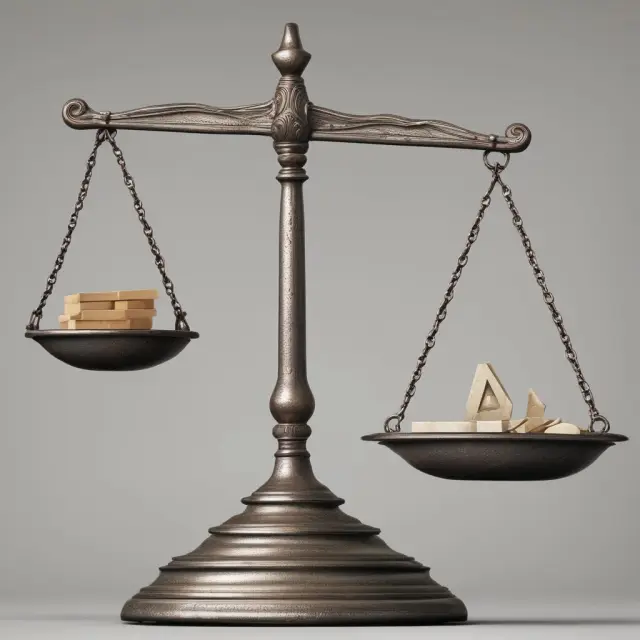
Reverse auctions are not a one-size-fits-all solution. It is essential to evaluate your organization’s needs, priorities, and circumstances before deciding whether this method aligns with your procurement strategy. While they offer substantial savings through increased competition, potential downsides include the risk of sacrificing quality for cost savings or ending up with suboptimal services from sellers who focus too much on low bids instead of delivering high-quality solutions.
In conclusion, reverse auctions can be a powerful tool when procuring goods and services in competitive markets where price is the primary concern. However, it’s important to carefully consider alternative methods and understand your organization’s priorities before making a decision. By balancing cost savings with quality and carefully considering various procurement strategies, you will ensure that your business remains agile and effective in today’s fast-paced marketplace.

FAQs on Reverse Auctions
What are reverse auctions?
A reverse auction is a purchasing method where sellers bid against each other for the opportunity to provide goods or services at the lowest possible price. In contrast, a forward auction is initiated by a seller and buyers bid to acquire the item.
When should I consider using a reverse auction?
Reverse auctions can save time and money through increased competition. They are ideal when there are numerous sellers available in the market and price is a major factor. However, it’s important to ensure that thorough contract specifications are communicated to potential bidders to prevent suboptimal quality goods or services from winning.
How does a reverse auction work?
- A buyer puts out a request for a good or service and invites businesses to submit price bids.
- The lowest bidder becomes the winner, securing the contract at their quoted price.
- Contract negotiations can follow between the winning bidder and the buyer for non-price related factors, such as quality or delivery schedule.
What are the benefits of a reverse auction?
- Cost savings through increased competition.
- Efficient purchasing process by allowing multiple sellers to bid in real-time.
- Transparency in pricing and bidding among potential suppliers.
What are the drawbacks of a reverse auction?
- Lower prices may lead to sacrificing quality if specifications aren’t clearly defined.
- The complexity of setting up and managing an effective reverse auction can be time-consuming.
- Limited control over intangibles like timeliness, reliability, or innovation.
What is the difference between a forward auction and a reverse auction?
In a forward auction, a seller initiates the sale with an asking price and buyers submit bids to acquire the item at the lowest possible price. In contrast, in a reverse auction, a buyer seeks competitive offers from sellers by inviting them to bid on providing goods or services at the lowest possible price.
 Next entry · No. 4,458Understanding Reverse Culture Shock: A Phenomenon Among Global Business Travelers
See also
-
 No. 5,696
30 Sep 2025
19 min
Understanding White Elephants in Finance and Investment
Business Strategy
No. 5,696
30 Sep 2025
19 min
Understanding White Elephants in Finance and Investment
Business Strategy -
 No. 3,089
27 Feb 2025
27 min
Market Leaders: Understanding the Dominant Players in Various Industries
Business Strategy
No. 3,089
27 Feb 2025
27 min
Market Leaders: Understanding the Dominant Players in Various Industries
Business Strategy -
 No. 3,051
25 Feb 2025
24 min
Make to Stock (MTS): A Production Strategy for Matching Inventory with Anticipated Consumer Demand
Business Strategy
No. 3,051
25 Feb 2025
24 min
Make to Stock (MTS): A Production Strategy for Matching Inventory with Anticipated Consumer Demand
Business Strategy -
 No. 5,751
04 Oct 2025
21 min
Wirehouse Brokers: What They Are and Their Role in Today’s Financial Markets
Business Finance
No. 5,751
04 Oct 2025
21 min
Wirehouse Brokers: What They Are and Their Role in Today’s Financial Markets
Business Finance -
 No. 5,713
01 Oct 2025
19 min
Understanding Wholesale Banking: Services, Benefits, and Examples
Business Finance
No. 5,713
01 Oct 2025
19 min
Understanding Wholesale Banking: Services, Benefits, and Examples
Business Finance -
 No. 5,500
14 Sep 2025
21 min
Virtual Currencies: Understanding the Basics of Digital Representations of Value
Crypto
No. 5,500
14 Sep 2025
21 min
Virtual Currencies: Understanding the Basics of Digital Representations of Value
Crypto