Declaration Of Trust: Meaning, Importance, and Differences in the U.S. and U.K.

Understand the meaning, importance, differences between the U.S. and U.K., components, legal requirements, roles, managing, and benefits of a declaration of…
What is a Declaration of Trust?
In essence, a declaration of trust refers to a document or statement that outlines the terms and conditions under which a trustee manages assets for the benefit of one or more beneficiaries. The declaration identifies these assets, specifies the trust’s purpose, designates the beneficiaries, and defines the roles and responsibilities of both the grantor (the person creating the trust) and the trustee (the individual or entity responsible for managing the trust).
In the U.S., a declaration of trust may be either written or oral, depending on state laws. When it is written, the document lays out the terms governing the trust’s management, including instructions for making distributions to beneficiaries and succession planning for the trustee. By creating a formal declaration of trust, the grantor establishes a clear framework for managing their assets and ensures that their wishes are carried out upon their passing or incapacitation.
In some instances, the terms of a declaration of trust may differ significantly from state to state. For this reason, it is essential to consult with an experienced estate planning attorney to ensure full compliance with all applicable laws and regulations. This expertise will provide peace of mind knowing that your declaration of trust is legally binding and effective in protecting your assets and supporting your beneficiaries’ financial futures.
It is important to note that the term ‘declaration of trust’ has a different meaning in the United Kingdom (U.K.) than it does in the U.S. In the U.K., a declaration of trust refers to an agreement among individuals who share joint ownership of property for the benefit of one or more parties other than themselves. This type of declaration is governed by the Trustee Act 2000 and enables those involved to maintain ownership and control over the property while securing the interests of all beneficiaries.
Regardless of the jurisdiction, understanding what a declaration of trust represents and how it functions is crucial for estate planning and asset protection. In the following sections, we will discuss its key components, legal requirements, roles and responsibilities, and benefits in further detail.

Key Components of a Declaration of Trust
A declaration of trust is an essential document in estate planning and asset protection strategies that serves several functions. At its core, it outlines how specific assets will be held for the benefit of one or more beneficiaries, and it appoints a trusted individual or entity (trustee) to oversee the management and distribution of these assets. Let’s delve deeper into the fundamental components of a declaration of trust:
Assets
The declaration of trust identifies the assets that will be included within the trust. These assets may include real estate, investments, bank accounts, personal property, or other valuable items. The specificity and detail given to this component depend on the complexity of the trust.
Beneficiaries
Beneficiaries are those individuals or entities named in the declaration of trust who will ultimately benefit from its provisions. Their roles can vary – some may be primary beneficiaries, while others may be contingent beneficiaries. It’s important to specify the relationship between the grantor (the person creating and funding the trust) and the beneficiaries in the document.
Trustee
A trustee is a third-party individual or entity appointed by the grantor to manage the assets of the trust according to its provisions. This role can be filled by a friend, family member, professional advisor, or an institution. The trustee’s responsibilities include investing and managing the trust’s assets, distributing income and principal to the beneficiaries as outlined in the declaration, and ensuring that the trust is being administered according to the grantor’s wishes.
Flexibility in State Laws
Depending on the state where the declaration of trust is drafted, certain requirements may need to be met for it to be considered valid. For instance, some states require a written declaration while others permit oral declarations. Additionally, various parties involved in the trust – such as the grantor, beneficiaries, and trustee – must understand their respective roles and responsibilities according to state law.
Powers of Trustees
Trustees are granted specific powers that enable them to carry out their duties effectively. These powers may include the ability to invest assets, make distributions to beneficiaries, or sell or exchange property. However, it’s crucial for these powers to be clearly defined in the declaration of trust to avoid any potential misuse or confusion.
Revocability and Amendments
A declaration of trust can either be revocable or irrevocable, depending on the grantor’s wishes. A revocable trust allows the grantor to modify its terms at any time before their death. In contrast, an irrevocable trust cannot be altered without the consent of all beneficiaries.
Differences between U.S. and U.K. Declaration of Trusts
It’s essential to distinguish the definition and application of a declaration of trust between the U.S. and the U.K., as they differ significantly in their meaning and usage. The U.S. definition primarily focuses on managing assets for the benefit of others, while the U.K.’s definition revolves around co-ownership of property.
Professional Assistance
Drafting a declaration of trust requires careful consideration and legal expertise to ensure its validity and effectiveness. Consulting with experienced estate planning professionals is crucial for anyone looking to create or modify one. By understanding the key components, differences, and benefits of a declaration of trust, you can make informed decisions about your asset protection and estate planning strategies.
Legal Requirements for a U.S. Declaration of Trust
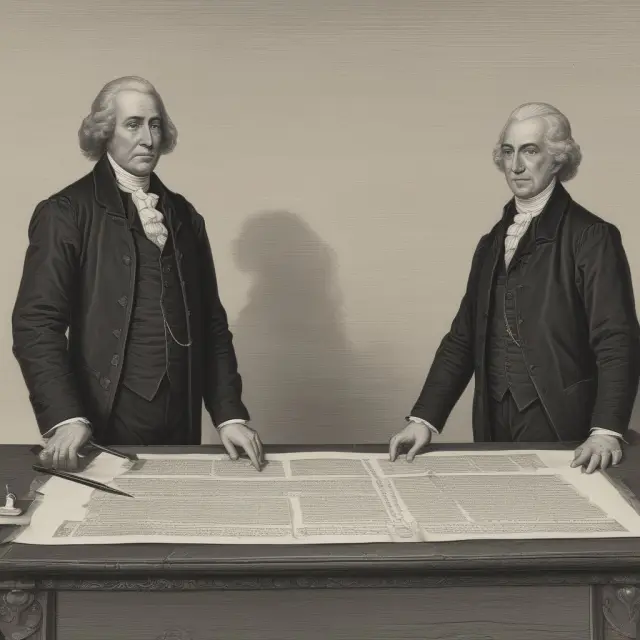
A declaration of trust is a crucial document in establishing a trust under U.S. law. This section will detail the specific legal requirements for creating a valid declaration of trust in the United States, including written vs oral declarations and various parties involved in the execution process.
Written vs Oral Declarations
While some states allow an oral declaration to create a trust, others require a written declaration. A written declaration is often preferred since it provides proof that a trust exists, and its terms are clearer than oral agreements. It’s essential for grantors to understand their state’s requirements regarding the form of a declaration of trust to ensure proper execution.
Parties Involved
Three primary parties play significant roles in creating and managing a declaration of trust: the grantor (also known as the settlor or trustor), the trustee, and the beneficiary. The grantor creates the trust and transfers assets into it. The trustee manages the trust’s assets for the beneficiary according to the terms outlined in the declaration of trust.
Grantor: The grantor is the person who creates a trust by transferring assets to the trustee and executing the declaration of trust. They may be able to modify or revoke the trust during their lifetime depending on state law. Once they pass away, the trust will continue to operate according to its terms.
Trustee: The trustee is responsible for managing the trust’s assets and ensuring that the beneficiaries receive distributions as outlined in the declaration of trust. A trustee may be an individual or a financial institution and must act solely in the best interest of the beneficiary.
Beneficiary: The beneficiary receives the benefits of the trust, which can include income, capital gains, or specific assets. They do not have control over the trust but have the right to receive distributions according to the declaration of trust’s terms.
By understanding these roles and requirements, grantors, trustees, and beneficiaries can collaborate effectively to create a solid declaration of trust that meets legal guidelines and achieves their desired outcomes.

Grantor, Trustee, and Beneficiary Roles and Responsibilities
In a declaration of trust, three main parties come into play: the grantor, trustee, and beneficiaries. The grantor is the one who sets up the trust by transferring ownership of assets to the trustee for the benefit of designated beneficiaries. Once the assets are transferred to the trust, the grantor retains various levels of control depending on the terms outlined in the declaration of trust.
The trustee holds legal title to the trust’s assets and has a fiduciary duty to manage those assets according to the stated goals or purposes defined within the declaration of trust for the benefit of the beneficiaries. This can include managing investments, distributing income, and ensuring that tax obligations are met.
The beneficiaries, on the other hand, have equitable title to the trust’s assets and receive the financial benefits of the trust as outlined in the agreement. They do not hold legal title to the assets but have a vested or contingent interest depending on the terms of the declaration of trust.
The relationship between these three parties is defined by specific roles and responsibilities:
1. Grantor
A grantor (also called settlor or trustor) has several key duties and powers:
– Decides which assets to transfer to the trust
– Determines who will serve as the trustee and any successor trustees
– Defines the terms of the trust, including the purpose, distribution rules, and tax considerations
– Can modify or terminate the trust under specific conditions
2. Trustee
A trustee holds several important roles and duties:
– Manages and invests trust assets according to the declaration of trust’s instructions
– Ensures that taxes are paid on behalf of the trust and its beneficiaries
– Provides financial reports and accountings to the grantor and beneficiaries as required
– Makes distributions to beneficiaries based on the trust terms, ensuring compliance with tax laws
3. Beneficiary
A beneficiary’s role is primarily to receive the benefits of the trust in accordance with the declaration of trust. Depending on the type of trust and its provisions, a beneficiary may be entitled to:
– A specific amount or percentage of assets
– Income from the trust during their lifetime or at specified ages
– The remainder or reversionary interest (i.e., what remains in the trust after other distributions have been made)
By clearly understanding these roles and responsibilities, grantors, trustees, and beneficiaries can ensure that a declaration of trust achieves its intended goals and delivers the desired outcomes for all parties involved.

Managing a Declaration of Trust
A declaration of trust appoints a trustee to manage assets for the benefit of a designated individual or group of individuals. The document defining the terms and conditions of this arrangement is crucial in ensuring that both the trustor (grantor) and beneficiaries are aware of their roles and responsibilities regarding asset management.
The declaration outlines the powers granted to the trustee, which can include investment decisions, distributions to beneficiaries, or the sale of assets. Trustees have a fiduciary duty to act in the best interest of the beneficiaries, making it essential for them to be well-versed in their responsibilities and duties.
Assets held within a declaration of trust can vary widely. They may include real estate, securities, cash, or even personal property. The declaration must provide clear instructions on how these assets are to be managed, including investment strategies, distributions, and tax planning considerations. It’s essential that the trustee remains informed about market trends, legal changes, and other factors affecting the trust’s assets.
When it comes to managing a declaration of trust, there are several key aspects to consider:
1. Investment Strategies: The trust document should outline investment objectives, risk tolerance, time horizon, and liquidity needs for the trust’s assets. The trustee must choose appropriate investment vehicles to meet these goals while adhering to the trust’s guidelines and legal requirements.
2. Distributions: Determine when distributions are to be made to beneficiaries based on the trust document’s instructions, the grantor’s wishes, or other factors such as the beneficiary’s age, education, or needs. The declaration must also specify how distributions should be calculated and whether they should be made in a lump sum or in installments over time.
3. Tax Planning: A trust can provide significant tax advantages for both grantors and beneficiaries. Trustees need to understand the various tax implications of managing assets within the trust, including income taxes, capital gains taxes, estate taxes, and generation-skipping transfer taxes. They may need to work with tax professionals to ensure proper documentation and reporting.
4. Record Keeping: Proper record keeping is essential for a declaration of trust’s success. Trustees should maintain detailed records of all trust transactions, including asset purchases, sales, distributions, and tax filings. These records will be important for both the trustee and the beneficiaries when reporting to various government agencies or handling tax filings.
5. Trustee Succession Planning: A well-designed declaration of trust should include provisions for succession planning in case the original trustee becomes unable to perform their duties due to illness, incapacitation, or death. The trust document should specify who will take over as trustee and how this transition will occur seamlessly to minimize disruption and ensure continuity.
6. Trustee Powers: A declaration of trust must grant the trustee the necessary powers to effectively manage the assets within the trust. These powers may include the ability to sell or exchange assets, borrow money, or hire professional advisors. However, the trust document should also specify any limitations on these powers to prevent potential mismanagement or conflicts of interest.
7. Trustee Compensation: The declaration must outline how the trustee will be compensated for their services. This may include a fixed fee, a percentage of assets under management, or an hourly rate. It is essential that the compensation arrangement is fair and transparent to both parties.
8. Legal and Fiduciary Duties: Trustees must adhere to strict legal and fiduciary duties when managing a declaration of trust. These duties include acting in the best interest of the beneficiaries, providing regular updates on trust activities, maintaining confidentiality, and avoiding conflicts of interest. The trust document should provide clear guidance on these obligations and the consequences for non-compliance.
In conclusion, managing a declaration of trust requires careful planning, attention to detail, and an understanding of complex legal and financial issues. A well-drafted declaration can offer significant benefits in terms of asset protection, tax savings, and estate planning. However, it is essential that the grantor, beneficiaries, and trustee work together closely to ensure the trust’s long-term success.
By following these guidelines and seeking professional advice when necessary, trustees can effectively manage a declaration of trust, providing peace of mind for all parties involved while maximizing the financial benefits for generations to come.

Trustee Succession Planning and Powers
A declaration of trust is an essential document for managing assets for the benefit of others, but it’s crucial to consider what happens when the trustee is unable to fulfill their duties due to illness, incapacitation, or death. Succession planning ensures a smooth transition and preserves the trust’s original purpose.
In the context of a declaration of trust, succession refers to the process by which a new trustee takes over from an existing one when the latter is no longer able to perform their duties. The declaration should outline this contingency to ensure that the transfer occurs according to the grantor’s wishes and maintains the intended benefits for the named beneficiaries.
The powers of a successor trustee depend on the specific terms of the declaration of trust. In some cases, a successor trustee may have the authority to make important decisions regarding investments, distributions to beneficiaries, or the sale of assets. However, other trusts may restrict the successor trustee’s actions to more administrative tasks, such as filing taxes and distributing income.
It is essential for grantors to discuss their preferences with their legal advisors when drafting the declaration of trust to ensure that the document clearly outlines the intended succession plan and the specific powers granted to the successor trustee.
In some cases, the declaration may call for a co-trustee or an alternate trustee. Co-trustees share duties and responsibilities, allowing them to make decisions collectively and reducing the possibility of disputes. Alternate trustees assume the role of the primary trustee only when necessary, such as upon death or incapacitation. The declaration must specify these arrangements to ensure that everyone involved is aware of their roles and responsibilities.
To secure the stability and longevity of a trust, grantors should consider succession planning as part of the overall estate planning process. Planning for potential changes in the trustee role enables families to navigate the challenges that may arise over time while preserving the trust’s original objectives and maintaining the well-being of its beneficiaries.

Declaration of Trust vs. U.K.
A declaration of trust in the United States and the United Kingdom has distinct meanings and implications for trust creation and ownership. While both legal systems allow for a declaration of trust to establish a trust, their definitions and applications vary significantly. Let us delve into understanding these differences between the two jurisdictions.
In the U.S., a declaration of trust serves as an essential document that outlines the creation of a trust, appoints a trustee, identifies the assets subject to the trust, and establishes guidelines for managing those assets on behalf of designated beneficiaries. This type of trust is also commonly referred to as a “common law trust” or “express trust.” The U.S. Uniform Trust Code generally governs its application, but each state’s laws may impose specific requirements that vary from one jurisdiction to another.
On the other hand, in the United Kingdom (U.K.), a declaration of trust has a more limited purpose than in the United States. In this context, it is used to record an agreement between parties involved in the ownership and distribution of property, where multiple individuals are intended to benefit from the property without necessarily being joint tenants or tenants in common. The U.K.’s Trustee Act 2000 provides the legal framework for a declaration of trust in this jurisdiction.
It’s essential to recognize these differences when creating, implementing, and managing trusts to ensure adherence to the specific regulations applicable to each situation. Understanding the nuances between U.S. and U.K. declarations of trust can prevent misunderstandings and potential legal disputes. In the following sections, we will discuss various components of a declaration of trust in the United States and its unique aspects when compared to the U.K.
Stay tuned for the upcoming sections discussing key components, legal requirements, grantor, trustee, beneficiary roles, managing a declaration of trust, trustee succession planning, and benefits.
Importance of Seeking Legal Assistance
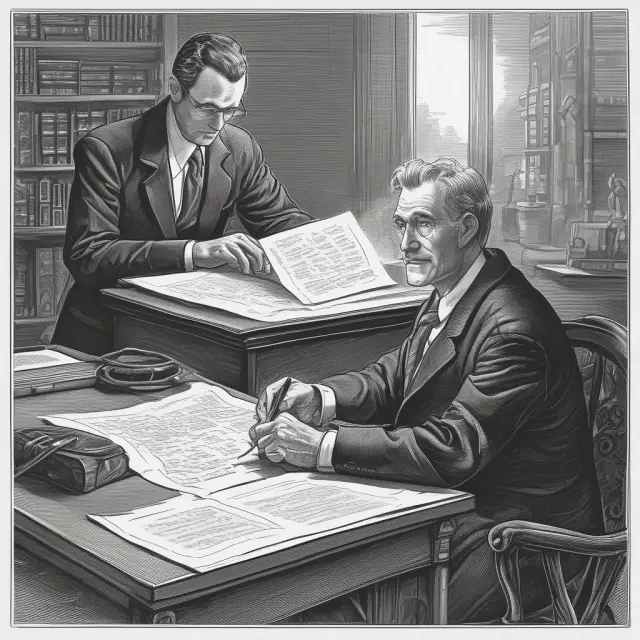
When it comes to declaring a trust, it is crucial to secure the help of legal professionals. This is especially true for those drafting their own declaration or modifying an existing one, as the process can be complex and fraught with potential pitfalls. Here’s why consulting a lawyer is essential:
1. Compliance with State Laws
State laws differ significantly regarding the creation of declarations of trust. Some states require the document to be written while others accept oral declarations, and the procedures for executing the trust may vary. A legal professional can ensure that all the necessary requirements are met to make the declaration valid, thus avoiding costly mistakes or delays in its implementation.
2. Understanding Trustee Roles and Powers
A trustee holds significant responsibilities when overseeing the assets within a trust. Their duties include managing the trust’s finances, maintaining records, distributing income to beneficiaries, and ensuring that the trust is administered according to its terms. An experienced attorney can provide invaluable guidance on these matters, including choosing appropriate investment strategies, planning for succession, and addressing any potential tax implications.
3. Protecting Beneficiary Interests
A declaration of trust defines the rights and responsibilities of both the grantor (the person creating the trust) and the beneficiaries. Ensuring that the document protects their interests is essential to the long-term success of the trust. A legal professional can help draft provisions for asset distribution, address potential conflicts of interest, and clarify any ambiguous terms within the declaration.
4. Navigating Complex Trust Structures
In some cases, a declaration of trust may involve complex structures such as multiple trusts, charitable contributions, or special purpose trusts. Legal guidance can help navigate these intricacies and ensure that all aspects of the trust are properly documented and executed.
5. Avoiding Common Mistakes
Creating a declaration of trust involves careful planning, attention to detail, and an understanding of legal requirements. A single mistake can compromise the entire document or lead to unnecessary complications. Working with an attorney can help avoid common errors, such as ambiguous language, inconsistent provisions, or incomplete information.
In conclusion, seeking the assistance of a legal professional is crucial when drafting or modifying a declaration of trust. Their expertise ensures compliance with state laws, clarifies trustee roles and responsibilities, protects beneficiary interests, navigates complex structures, and avoids potential mistakes. By collaborating with an attorney, individuals can establish a solid foundation for their trust, setting the stage for long-term success.

Benefits and Considerations of a Declaration of Trust
A well-drafted declaration of trust offers numerous advantages to individuals engaging in estate planning or asset protection strategies. By specifying the terms, conditions, and purpose of a trust, this document enables greater control over how assets are managed and distributed among beneficiaries. The following are some primary benefits of utilizing a declaration of trust:
1. Estate Planning
A declaration of trust can serve as an integral part of estate planning by allowing individuals to designate specific assets to be held for the benefit of others. This approach offers various benefits, such as minimizing taxes, avoiding probate, and providing control over how and when assets are distributed. For example, a person may choose to create a revocable trust that can be amended or revoked at any time during their lifetime.
2. Asset Protection
A declaration of trust can offer valuable asset protection benefits by enabling individuals to separate their personal assets from those held in trust for the benefit of others. This can help safeguard assets from potential creditors, lawsuits, and other liabilities that may arise during an individual’s lifetime or after their passing. By transferring ownership of certain assets to a trust, those assets are no longer considered part of the grantor’s estate, which can provide additional benefits in terms of tax planning and asset distribution.
3. Tax Planning
A declaration of trust can also offer significant tax advantages, particularly when it comes to minimizing estate taxes, gift taxes, and income taxes. For instance, individuals can utilize a declaration of trust to transfer assets to beneficiaries while minimizing the overall tax liability for both parties. Additionally, some trusts, such as grantor-retained annuity trusts (GRATs) or irrevocable life insurance trusts (ILITs), can offer additional tax benefits that can help reduce the overall burden of taxes on both the grantor and the beneficiaries.
4. Flexibility and Control
A declaration of trust allows individuals to maintain a high degree of flexibility and control over their assets while also providing for the needs and interests of their beneficiaries. For instance, they can specify how assets are to be managed, invested, and distributed based on specific conditions or milestones. Additionally, individuals can appoint successor trustees to take over management duties in the event of their illness, incapacitation, or death.
5. Probate Avoidance
By using a declaration of trust to distribute assets after one’s passing, individuals can help their beneficiaries avoid the often lengthy and costly probate process. This can provide significant time and financial savings for those left behind while also maintaining privacy as the terms of the trust remain confidential.
It is essential to consult with legal professionals when drafting, implementing, or modifying a declaration of trust to ensure that all legal requirements are met and that the document accurately reflects the grantor’s wishes. By working with experienced attorneys, individuals can enjoy the peace of mind that comes from knowing their assets are being managed effectively and that their loved ones will be taken care of according to their specific intentions.

FAQs about Declaration of Trust
A declaration of trust is an essential document that plays a crucial role in estate planning and asset protection. Below, we answer some common questions regarding declarations of trust.
What is a declaration of trust?
A declaration of trust appoints a trustee to manage assets held for the benefit of one or more beneficiaries. This document outlines essential details such as the identity of the grantor (the person creating the trust), the trustee, and the trust’s purpose and objectives.
Is a declaration of trust mandatory?
Some states require declarations of trust to be in writing; others allow for oral declarations. It’s always recommended that you consult with legal professionals to ensure your trust is validly executed under your state laws.
What are the primary components of a declaration of trust?
- Grantor: The person who creates the trust
- Trustee: The individual or entity appointed by the grantor to manage and protect the assets
- Assets: The property or funds that will be held in trust
- Beneficiaries: The individuals who will benefit from the trust
- Purpose: The reason behind creating the trust
- Succession planning: Information on how the trustee’s role is handled upon illness, incapacitation, death, etc.
How is a declaration of trust created?
Typically, the grantor creates the trust by preparing and executing the document. Depending on state laws, it may be necessary to have witnesses or notarize the document. Consult your attorney for guidance specific to your situation.
What powers does a trustee hold within a declaration of trust?
A trustee’s powers depend on what is outlined in the declaration of trust. Some common responsibilities include managing assets, investing funds, and distributing income or principal to beneficiaries as per the trust’s objectives.
Can a declaration of trust be revoked or amended?
Yes, depending on the specific terms of the declaration of trust, you can modify or terminate it. Consult with legal professionals for guidance on how to make changes.
What is a living trust vs. a declaration of trust?
A living trust and a declaration of trust are similar but distinct concepts. A living trust refers to a trust established by someone during their lifetime. In contrast, a declaration of trust is the document that outlines the terms and conditions of the trust itself.
Can I use a declaration of trust for business purposes?
Yes, declarations of trust can be used in various contexts, including holding and managing business assets or protecting intellectual property rights. Consult legal professionals to learn more about applying a declaration of trust to your business needs.
 Next entry · No. 921Understanding the Declining Balance Method: An Accelerated Depreciation Technique for Assets with Rapidly Decreasing Values
See also
-
 No. 4,465
21 Jun 2025
24 min
Understanding Revocable Trusts: Advantages, Disadvantages, and How They Work for Professional and Institutional Investors
Finance Policy
No. 4,465
21 Jun 2025
24 min
Understanding Revocable Trusts: Advantages, Disadvantages, and How They Work for Professional and Institutional Investors
Finance Policy -
 No. 2,539
14 Jan 2025
20 min
Understanding Irrevocable Trusts: A Comprehensive Guide for Institutional Investors
Business Finance
No. 2,539
14 Jan 2025
20 min
Understanding Irrevocable Trusts: A Comprehensive Guide for Institutional Investors
Business Finance -
 No. 4,944
30 Jul 2025
20 min
Understanding Testamentary Trusts: An Effective Tool in Estate Planning
Financial Education
No. 4,944
30 Jul 2025
20 min
Understanding Testamentary Trusts: An Effective Tool in Estate Planning
Financial Education -
 No. 1,162
05 Aug 2024
20 min
A Comprehensive Guide to Dynasty Trusts: Wealth Preservation Across Generations
Finance Policy
No. 1,162
05 Aug 2024
20 min
A Comprehensive Guide to Dynasty Trusts: Wealth Preservation Across Generations
Finance Policy -
 No. 590
01 May 2024
22 min
Understanding Calls in Finance: Options or Auctions?
Financial Tools
No. 590
01 May 2024
22 min
Understanding Calls in Finance: Options or Auctions?
Financial Tools -
 No. 5,094
11 Aug 2025
20 min
Understanding Trust Property: A Comprehensive Guide for Institutional Investors
Business Finance
No. 5,094
11 Aug 2025
20 min
Understanding Trust Property: A Comprehensive Guide for Institutional Investors
Business Finance