Demystifying Unsubscribed: Understanding the Concept and Implications for Investors

Demystifying Unsubscribed: Understanding the concept and implications for investors - What is it? Reasons, consequences & FAQs
What is Unsubscribed?
In the context of an Initial Public Offering (IPO), unsubscribed shares refer to the portion of an offering that remains unsold before its official launch date. The significance of this term lies in the fact that the demand for these shares falls below the supply, often indicating several reasons why the company and its underwriters may have overpriced the IPO.
Understanding Subscription in IPOs
Before delving deeper into unsubscribed shares, it is essential to clarify what an IPO subscription means. In this context, a subscription refers to orders placed by investors for newly-issued securities before they are publicly issued. These shares come directly from the company and are not yet traded on secondary markets through brokers.
Price Sensitivity in IPOs
A successful IPO is characterized by an optimal number of subscriptions, enabling the company to set a fair price for its shares and raise the necessary capital. However, when an IPO is overpriced—resulting in unsubscribed shares—it can negatively impact the issuer’s ability to achieve its fundraising goals. This section will explore various reasons why IPOs may result in unsubscribed shares and their implications for companies.
Reasons for Unsubscribed Shares
- Overpriced IPO: An overpriced IPO is a common reason for unsubscribed shares, as investors are reluctant to purchase securities if they believe the price is too high, leading to low demand.
- Company issues: Financial irregularities or corporate management problems can also deter investors from subscribing to an IPO.
- Market conditions: A general lack of interest in the market due to economic instability or other factors may lead to unsubscribed shares.
- Failure to generate investor interest: Inadequate marketing and promotion efforts can result in low awareness among potential investors, leading to fewer subscriptions.
- Poor timing: An ill-timed IPO, especially during periods of financial and economic stress, can lead to low demand for securities and unsubscribed shares.
Underwriting an IPO: Who Picks Up the Unsubscribed Portion?
In cases where an IPO fails to meet its fundraising objectives due to unsubscribed shares, the issuer may be left with underwriters who will purchase the remaining portion of the offering. This arrangement enables the issuer to receive the necessary capital while minimizing the impact on the overall price per share and ensuring a successful listing.
In conclusion, understanding the concept and implications of unsubscribed shares is crucial for investors and companies alike, as it allows for a more informed decision-making process during an IPO. By gaining a clearer picture of the factors that influence demand for securities and the potential consequences for issuers, stakeholders can better assess their investment opportunities and mitigate risks associated with unsubscribed shares.

IPO Subscription: An Overview
An Initial Public Offering (IPO) is an essential milestone for a company that wishes to go public and raise capital from investors. However, before a company’s shares are officially listed on an exchange, potential buyers can express their interest by subscribing to the offering in advance. This practice helps the issuing company determine demand and set an appropriate share price. The unsubscribed portion refers to the remaining shares that fail to attract subscriptions from investors prior to the IPO’s official launch.
Understanding Subscription and Unsubscribed Shares
The term subscription in the IPO context signifies a commitment or order placed by an investor for newly-issued securities before they are publicly traded. Institutions often place these orders, with each share representing an agreement to buy at a predetermined price during the offering period. The process helps investors secure the shares they desire without waiting in long queues, and it provides companies with insight into demand levels for their shares.
In contrast, unsubscribed shares are those that remain unsold before the IPO. When an IPO fails to attract sufficient interest from potential buyers, these remaining shares become available only on secondary markets after the offering. If the share price is perceived as overpriced or if the underlying company has faced recent negative events, investors may choose not to participate in the primary offering and instead wait for a more attractive entry point.
Impact of Unsubscribed Shares on Companies
Being unsubscribed can have significant consequences for a company going public. Failing to raise the anticipated capital can disrupt its day-to-day operations, growth plans, or even its very existence. As such, understanding the factors that contribute to an unsubscribed IPO is crucial for potential investors and issuers alike. In the sections below, we will discuss various reasons why an IPO might not attract sufficient subscriptions and explore alternative funding methods that companies can consider when facing an unsuccessful offering.
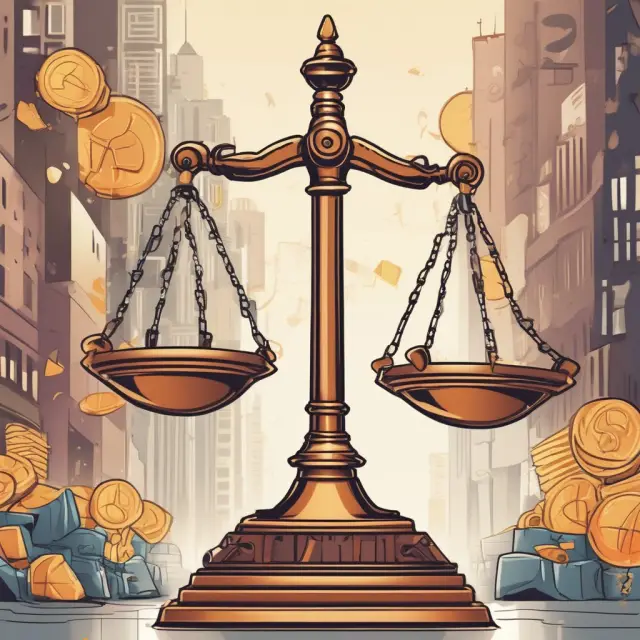
IPOs: The Importance of Setting the Right Price
In the world of finance and investments, an IPO’s success hinges on setting the right price for its shares. Companies going public aim to raise capital for their growth plans and day-to-day operations. An IPO subscription refers to orders placed by investors for newly-issued securities before they are officially issued. These shares are directly bought from the company, not through a broker in the secondary market. Unsubscribed shares represent the portion of any stock that remains unsold before the IPO and can be a significant indicator of investor demand.
The Importance of Price Sensitivity
Price sensitivity is crucial in determining a successful IPO. If an issuer sets an overly high price, it may result in unsubscribed shares. Companies issuing IPOs generally have a target capital raising goal. Unsubscribed shares mean that the company won’t be able to meet its objectives, potentially causing disruptions in their day-to-day operations or growth plans.
Reasons for Unsubscribed Shares
Besides an overpriced IPO, companies may face other reasons for unsubscribed shares:
- Problems with the company, such as financial irregularities or corporate management issues
- Lack of interest from investors due to insufficient marketing and promotion or lack of awareness about the IPO
- Adverse overall market conditions
- Timing issues, especially during times of economic stress
The Impact on Companies
Unsubscribed shares can have significant consequences for companies:
- Debt financing
- Raising money through government grants
- Opening up additional financing rounds for existing investors
- Selling the company as an alternative to an IPO.
Success Stories
Despite unsuccessful IPOs and unsubscribed shares, some companies have managed to turn things around:
- Facebook: The social media giant experienced a lackluster initial public offering in 2012, but its share price has since skyrocketed.
- Microsoft: After an underperforming IPO in the late 80s, the tech titan went on to become one of the world’s leading companies.
FAQs: Commonly Asked Questions About Unsubscribed Shares
- What is an unsubscribed IPO? An unsubscribed IPO refers to shares that remain unsold before the official release date, indicating low demand from investors.
- How do unsubscribed shares affect a company’s stock price? The price of unsubscribed shares can rise or fall based on market conditions and investor sentiment.
- Who buys unsubscribed shares? If an IPO is unsubscribed, the issuing company may require underwriters to purchase any unsubscribed shares.
- How are IPO underwriting fees structured? Underwriters earn a fee for their services, usually based on a percentage of the IPO proceeds.

Reasons for Unsubscribed Shares
An IPO being unsubscribed is a situation where demand for newly issued shares does not meet the supply. There are several factors that can contribute to this situation. Let’s delve into some of these reasons, ensuring that potential investors have a clear understanding of the concept.
Price Sensitivity: An Overpriced IPO
One primary reason for unsubscribed shares is an overpriced initial public offering (IPO). When a company sets its IPO price too high, it may deter potential investors from purchasing shares. This situation arises when underwriters fail to accurately gauge the market’s demand and determine an optimal offering price that balances supply and demand. As a result, some stocks go unsubscribed due to their perceived overvaluation.
Company-Specific Issues
Another reason for unsubscribed shares is when a company faces issues such as financial irregularities or corporate management problems that raise concerns among potential investors. These issues may deter investors from purchasing newly issued shares, leading to a portion of the offering going unsubscribed. In some cases, companies can address these issues through transparency and effective communication with their stakeholders.
Market Conditions: Timing is Everything
Overall market conditions also play a significant role in determining whether an IPO will be subscribed or unsubscribed. For instance, if the market experiences economic instability or financial stress, potential investors may shy away from new offerings to minimize risk. During these periods, demand for new shares tends to decrease, resulting in unsubscribed portions of IPOs.
Underwriting and Setting the Right Price
Underwriters are responsible for setting the offering price of an IPO. They work with the issuing company to determine the optimal price based on market conditions, company fundamentals, and investor demand. However, if underwriters overprice the shares or fail to gauge the market’s response correctly, an unsubscribed portion may result.
Avoiding the Impact: Alternative Funding Methods
When a company faces an unsubscribed IPO, it must consider alternative funding methods. These alternatives include debt financing, government grants, and additional financing rounds for existing investors. Companies can also explore selling their business or other strategic moves to secure capital when faced with unsubscribed shares. By being aware of these options, companies can weather the financial challenges that come with an unsuccessful IPO and continue their growth strategies.
Success Stories: Overcoming Unsubscribed Shares
Despite the potential challenges of having an unsubscribed portion in an IPO, several successful companies have managed to turn things around. For instance, Twitter’s initial public offering was undersubscribed due to concerns over its revenue model and valuation. However, the company continued to grow and adapt, eventually becoming a major player in the tech industry. Other examples include LinkedIn and Facebook, which also experienced unsubscribed portions of their IPOs but managed to bounce back and become successful companies.
FAQs: Understanding Unsubscribed Shares
What are unsubscribed shares?
Unsubscribed shares refer to the portion of an IPO that remains unsold when demand does not meet the supply.
Why is being unsubscribed a concern for issuing companies?
Being unsubscribed can prevent companies from raising the necessary capital to fund their day-to-day operations and growth plans. It may also signal to investors that the IPO was overpriced or that there are underlying issues with the company.
How do underwriters determine the price of an IPO?
Underwriters consider various factors, such as market conditions, company fundamentals, and investor demand, to set the offering price for an IPO. Accurately determining this price is essential to minimizing unsubscribed shares and maximizing proceeds for the issuing company.
What happens to unsubscribed shares after an IPO?
Unsubscribed shares can be purchased by the underwriting bank(s) or resold on the secondary market once they become publicly traded. These shares may trade at a premium or discount depending on market demand and overall investor sentiment.
Can companies take steps to avoid having unsubscribed shares in their IPO?
Yes, companies can work with underwriters to accurately price their offerings based on market conditions and potential investor interest. They can also focus on addressing any underlying company issues or misconceptions that may deter investors from purchasing newly issued shares.

Underwriting an IPO: Who Picks up the Unsubscribed Portion?
When a company goes public through an initial public offering (IPO), it hopes to attract a large number of investors interested in purchasing its shares. In many cases, demand for these new securities can exceed supply, leading to an oversubscription situation. However, it’s essential to understand that there is also the possibility of an IPO being undersubscribed or having unsubscribed shares. In this context, we will discuss the role underwriters play in buying unsubscribed portions during the IPO process.
First and foremost, it’s crucial to differentiate between subscribed and unsubscribed shares. Subscribed shares are those for which investors have made an agreement with the company or its underwriters ahead of the IPO release. Unsubscribed shares, on the other hand, are those that remain unsold before the official offering date. This means the demand for these securities is lower than the supply.
In the context of an IPO, companies aim to raise a specific amount of capital from their offerings. An IPO underwriter is typically responsible for helping the issuing company set an appropriate offering price and gauge investor interest. If an IPO is undersubscribed or has unsubscribed shares, it may not meet its intended capital-raising target.
Underwriters play a significant role in the buying of unsubscribed shares. When an IPO is unsubscribed, the issuing company may require the underwriter to purchase any or all of the remaining portion of the unsold shares. This ensures that the entire offering can be sold, even if not fully subscribed by outside investors.
The process of buying and selling unsubscribed shares can have implications for the price of an IPO as a whole. If a significant portion of shares goes unsold, it may indicate to the market that the company has priced its securities too high. This might cause the overall share price to drop after the IPO.
However, the underwriting bank may still make a profit from selling these unsubscribed shares on the secondary market following the official offering date. By doing so, they can recoup their costs and potentially generate a return for their clients or shareholders.
It’s important to note that this arrangement is not always straightforward, and the specific terms of underwriting contracts may vary. Companies and their underwriters may negotiate pricing, fees, and other aspects of the deal. This can influence how unsubscribed shares are treated and who ultimately bears any losses in the case of a less-than-successful offering.
In conclusion, understanding the dynamics of unsubscribed shares within an IPO process is essential for investors, companies, and market analysts alike. The role of underwriters in purchasing these unsold securities plays a significant part in ensuring that offerings can be fully sold while maintaining fair pricing and valuation standards.

IPO Underwriting Fees: How Are They Structured?
Understanding IPO underwriting fees is essential for companies looking to go public through an initial public offering (IPO). The fee structure plays a significant role in determining the overall cost of conducting an IPO. In this section, we will explain how these fees are structured and what they entail for both issuing companies and underwriters.
The Role of Underwriting Banks
An investment bank acts as an underwriter when it manages the process of selling securities on behalf of a company. The underwriter takes responsibility for setting the offering price, determining the number of shares to sell, and finding buyers interested in purchasing those shares. They aim to strike a balance between setting a fair price that attracts demand while generating adequate capital for the issuing company.
Fees:
Underwriting banks earn their compensation through fees. These fees consist of both a fixed fee (often referred to as the “underwriting discount”) and a variable fee called the spread. The underwriting discount is typically a percentage of the total offering size, while the spread is the difference between the price at which the shares are sold to investors (the offer price) and the price the underwriter pays for those same shares (the purchase price).
Fixed Fee
A fixed fee, also known as the underwriting discount, is a percentage of the total amount raised in the IPO. It typically ranges from 1% to 7%, depending on factors like the offering size, industry sector, and complexity of the deal. For instance, smaller offerings may attract higher fees, while larger deals might have lower fees. The fixed fee compensates underwriters for their time and efforts during the IPO process, including preparing the necessary documentation, roadshows, and marketing efforts.
Variable Fee
The variable fee is referred to as the spread, which represents the difference between the offer price and the purchase price. Underwriters aim to buy the shares at a lower price than they sell them for, making this the more lucrative aspect of their compensation. The spread can vary depending on market conditions and demand for the stock.
Costs Covered by Issuers
Issuers also cover other costs related to the IPO process that are not directly tied to underwriting fees. These may include filing fees, printing costs, legal fees, and accounting expenses. In some cases, issuers may agree to reimburse underwriters for certain out-of-pocket expenses related to marketing materials or travel expenses during the roadshow.
The Importance of Effective Underwriting
Effective underwriting is crucial for a successful IPO as it plays a significant role in setting the offering price and generating investor interest. If the price is too low, companies may leave money on the table. Conversely, if the price is set too high, it could lead to an unsubscribed IPO and potential delays or cancellations. Underwriters play a critical role in balancing these factors and ensuring that the issuer maximizes its capital raise while minimizing dilution for existing shareholders.

Consequences of Unsubscribed Shares for Companies
An unsuccessful IPO can result in significant repercussions for a company, particularly when it comes to unsubscribed shares. In an ideal situation, companies aim for their initial public offerings (IPOs) to generate substantial capital inflows from investors. However, when the demand for newly issued stocks falls short of expectations, the issuing company is left with unsubscribed shares that may impact its future financial performance and strategic plans in various ways.
Understanding the Implications of Unsubscribed Shares
Unsubscribed shares represent a portion of an IPO’s total offerings that remain unsold before the securities hit the market. This can be caused by several factors, including an overpriced stock or unfavorable overall market conditions, which discourage investors from making their orders ahead of the official release date. For companies facing unsubscribed shares, the consequences may extend beyond the initial offering and impact long-term growth prospects.
Financial Implications of Unsubscribed Shares
An unsuccessful IPO might force a company to reconsider its financing methods if it fails to raise sufficient capital during its offering. In such cases, a company could consider alternative funding strategies like debt financing or government grants. However, these alternatives may come with their own disadvantages that companies must weigh carefully before pursuing them.
Impact on Company Growth and Operational Plans
When an IPO fails to generate the anticipated level of interest, it can hinder a company’s plans for growth and expansion. The lack of capital could potentially disrupt day-to-day operations or put financial strain on the business. Additionally, having unsubscribed shares might negatively affect the issuing company’s reputation among investors, making it more challenging to secure funding in the future.
Underwriting and IPO Pricing Considerations
Investment banks underwriting an unsuccessful IPO may face pressure to purchase the unsold portion of the offering, as the issuing company might require the guaranteed funds for operational needs. However, this can lead to further financial implications for both parties. For the investment bank, buying the unsold shares could result in additional risks, particularly if market conditions deteriorate or demand remains low.
Preparing for an Unsubscribed IPO
Given the potential consequences of an unsuccessful IPO, it is crucial that companies and their underwriters carefully consider various factors before launching a public offering. Setting the right price point for the securities, taking market conditions into account, and effectively communicating the company’s value proposition to investors are essential steps in maximizing the chances of a successful offering.
Company Examples: Success Stories and Lessons Learned
Despite the challenges that can come with unsubscribed shares, some companies have managed to turn their fortunes around after experiencing an initial setback. Analyzing these success stories can offer valuable insights into the strategies employed by these companies in response to a lackluster IPO performance, helping others to learn from their experiences and navigate the complexities of public offerings.

Alternative Funding Methods: Debt Financing or Grants?
When an IPO fails to meet expectations and ends up with unsubscribed shares, companies are left searching for alternative funding methods. In such a scenario, they have three primary options at their disposal: debt financing, grants, or opening up additional financing rounds for existing investors.
Debt Financing
Debt financing is an attractive alternative to IPOs when a company encounters unsubscribed shares. This method involves taking on short-term or long-term loans from financial institutions and other lenders to fund their operations and growth plans. By securing debt financing, businesses can avoid the risk of diluting shareholder equity by issuing more shares. Furthermore, it allows them to maintain control over their company without having to relinquish ownership stakes to external investors.
Grants:
Another funding option for companies facing unsubscribed shares is grants. These are financial awards given by governments or other organizations to support research and development, business expansion, or innovation projects. By securing a grant, businesses can receive a substantial influx of non-dilutive capital that does not need to be repaid. This can help them to continue their operations without having to dilute shareholder equity or take on additional debt.
Additional Financing Rounds for Existing Investors
When unsubscribed shares occur, companies may also turn to existing investors for additional financing rounds. In these instances, businesses can approach their current investors and seek their support in raising the necessary capital to meet their operational needs. This approach has several advantages over IPOs and debt financing:
- Lower Dilution Risk: Since the shares are already held by existing investors, the company does not face the risk of diluting its equity by issuing new shares to external investors.
- Quicker Capital Infusion: The process of securing funding from existing investors is typically faster than that of IPOs or debt financing rounds. This enables companies to address their immediate capital requirements more efficiently.
- Reduced Costs: Raising funds through existing investors usually comes with lower transaction costs as compared to the expenses associated with debt financing or IPOs. By avoiding underwriting and other fees, businesses can keep more of the proceeds for themselves.
Success Stories
There are several examples of companies that have successfully navigated the challenges presented by unsubscribed shares. One such example is Square, Inc., which initially went public in 2015 but saw its stock price struggle to gain traction. The company’s stock remained unsubscribed for several months following its IPO, but it managed to turn things around through a combination of strategic initiatives and investor relations efforts. By focusing on growth strategies and demonstrating progress in key areas, Square was eventually able to attract the attention of institutional investors and individual traders.
Another successful example is Dropbox, which had an unsubscribed IPO in 2018. Despite facing a lackluster market reception initially, the company continued to execute on its business strategy and showcase its growth potential. As a result, it was eventually able to win over investors and saw its stock price surge in the following months.
FAQs:
Question: How do IPO underwriters determine the offering price?
Answer: Underwriters work with the company to assess market conditions, competition, and other factors when determining the offering price for an IPO. They aim to set a fair price that will attract investors while also generating sufficient demand to ensure a successful offering.
Question: What happens if all shares in an IPO are not sold?
Answer: If all shares in an IPO are not sold, any unsold shares become unsubscribed and remain with the issuing company. These unsubscribed shares can be offered at a later date or sold through alternative funding methods, such as debt financing or grants.
Question: Why do companies need to go public?
Answer: Companies typically choose to go public so they can raise capital for their operations and growth plans without having to take on excessive debt. Going public also allows companies to access a larger pool of investors and gain increased exposure in the market.

Success Stories: Companies that Thrived Despite Unsubscribed Shares
Unsubscribed shares are often seen as a setback for companies going public, but some have managed to turn things around and achieve success despite them. Here are a few examples of companies that have experienced unsubscribed shares in their IPOs but went on to thrive.
One notable example is Google (GOOGL). In 2004, the search engine giant’s IPO was originally priced at $108 per share, which was considered high by many investors. Consequently, the IPO was undersubscribed, with only about half of the shares offered being sold. However, Google’s strong growth potential and its unique business model quickly attracted attention, driving the stock price upwards. By the end of 2004, Google’s stock had more than doubled in value.
Another example is Facebook (FB). In 2012, Facebook held one of the largest IPOs in history, but it was met with a lukewarm response from investors. The stock price dropped significantly in its first few days of trading, leaving many shares unsold. Despite this initial setback, Facebook continued to grow and innovate, adding new features and expanding into new markets. Today, it is one of the most valuable companies in the world.
Twitter (TWTR) also experienced unsubscribed shares during its IPO in 2013. The stock price initially struggled after the offering, but Twitter’s ability to grow its user base and generate revenue through innovative advertising strategies helped turn things around. Today, the company is a major player in the social media landscape, with a significant impact on public discourse and cultural trends.
These examples demonstrate that unsubscribed shares are not always a sign of failure or poor performance. Companies with strong business models and growth potential can still attract investors and achieve success after an unsuccessful IPO. The key is to focus on the long-term vision and strategy, rather than short-term market fluctuations.

FAQs: Commonly Asked Questions About Unsubscribed Shares
Question 1: What is an unsubscribed share?
Answer: An unsubscribed share refers to a portion of shares in an IPO that remain unsold before the actual release date. This implies a lack of investor interest and often indicates that the offering price may be too high for the market.
Question 2: Why is it important to understand unsubscribed shares?
Answer: Unsubscribed shares play a significant role in IPOs as they indicate the demand level for the company’s stock and can impact its overall pricing. Companies relying on an IPO for funding may face challenges if their offering fails to secure sufficient subscriptions, leading to potential disruptions in their day-to-day operations or growth strategies.
Question 3: What are some reasons why an IPO might be unsubscribed?
Answer: An IPO can be unsubscribed due to various factors such as an overpriced offering, financial irregularities within the company, poor marketing and promotion efforts, overall market conditions, or unfavorable timing.
Question 4: What happens if a company issues more shares than are demanded?
Answer: If a company offers more shares than what is demanded in an IPO, the unsubscribed portion may be purchased by the underwriting bank(s) at their discretion, or the company could consider alternative methods of financing to meet its fundraising goals.
Question 5: How can a company recover from having an unsubscribed IPO?
Answer: Companies experiencing an unsuccessful IPO may explore various funding options such as debt financing, government grants, and opening up additional rounds for existing investors, or even selling the business if necessary. Successful companies that have faced unsubscribed IPOs include Dropbox, Facebook, and Microsoft.
Question 6: What is the role of underwriters in an unsubscribed offering?
Answer: In an unsubscribed offering, underwriters may purchase the portion of shares that remain unsold. They are typically guaranteed a fee for their services as part of their agreement with the issuing company, and they can absorb any potential losses due to pricing discrepancies or changes in market conditions.
Question 7: How do IPOs get priced, and why does price matter?
Answer: IPO prices are determined by investment banks through a process called underwriting. A company’s IPO price plays a crucial role as it sets the baseline for future share valuation and can significantly impact investor demand. An overpriced IPO may deter potential investors, while an underpriced one could lead to overcrowding in the market and potential instability.
Question 8: Can individual investors purchase unsubscribed shares?
Answer: Unsubscribed shares from an IPO can only be purchased after the official release through secondary markets or brokers. However, it is important for investors to note that demand for these shares may not be as high due to the lack of initial interest during the IPO process.
 Next entry · No. 5,319Understanding Unsuitable Investments: Suitability vs Fiduciary Responsibility
See also
-
 No. 5,845
12 Oct 2025
18 min
Understanding and Utilizing Year-Over-Year (YOY) Analysis in Finance and Investment
Business Finance
No. 5,845
12 Oct 2025
18 min
Understanding and Utilizing Year-Over-Year (YOY) Analysis in Finance and Investment
Business Finance -
 No. 5,717
01 Oct 2025
18 min
When Issued: Understanding Pre-Issuance Transactions in Finance and Investment
Business Finance
No. 5,717
01 Oct 2025
18 min
When Issued: Understanding Pre-Issuance Transactions in Finance and Investment
Business Finance -
 No. 5,469
11 Sep 2025
21 min
Venture Capital-Backed IPOs: A Strategic Exit Strategy for Venture Capitalists and Entrepreneurs
Business Finance
No. 5,469
11 Sep 2025
21 min
Venture Capital-Backed IPOs: A Strategic Exit Strategy for Venture Capitalists and Entrepreneurs
Business Finance -
 No. 5,218
21 Aug 2025
18 min
Understanding Undivided Accounts in IPO Underwriting: Eastern vs Western Arrangements
Business Finance
No. 5,218
21 Aug 2025
18 min
Understanding Undivided Accounts in IPO Underwriting: Eastern vs Western Arrangements
Business Finance -
 No. 3,845
01 May 2025
16 min
Understanding Overallotments: A Powerful Tool for Underwriters and Companies
Business Finance
No. 3,845
01 May 2025
16 min
Understanding Overallotments: A Powerful Tool for Underwriters and Companies
Business Finance -
 No. 3,637
14 Apr 2025
17 min
Understanding Offerings: Initial Public Offerings, Secondary Market Offerings, and Non-IPO Securities
Business Finance
No. 3,637
14 Apr 2025
17 min
Understanding Offerings: Initial Public Offerings, Secondary Market Offerings, and Non-IPO Securities
Business Finance