Exchange of Futures for Physical (EFP): Understanding OTC Derivatives in Commodities Trading

Learn about Exchange of Futures for Physical (EFP), a popular OTC derivative in commodities trading. Gain insights into its benefits, risks, and real-world…
Introduction to Exchange of Futures for Physical
Exchange of futures for physical (EFP) is an integral component of commodities trading in the derivatives markets. This section sheds light on the fundamentals of EFP, its significance, and how it sets itself apart from other over-the-counter (OTC) derivatives.
What Is Exchange of Futures for Physical?
An exchange of futures for physicals (EFP) is a customized agreement between two counterparties to trade a futures contract with the underlying asset, instead of the paper derivative itself. This arrangement can be executed for opening a new futures position, closing an existing one, or exchanging one futures position for another in the commodities market.
A critical aspect of EFPs is that they are transacted off-exchange as OTC derivatives, making them more flexible and adaptable to large transactions and unique needs compared to standard futures contracts traded on an exchange. This section provides a comprehensive understanding of what makes EFPs unique and their benefits for commodities trading.
Benefits of Exchange of Futures for Physical
EFPs offer several advantages that distinguish them from other OTC derivatives:
- Efficiency in Large Transactions: EFPs enable large transactions to occur off-exchange, preserving market integrity and ensuring that the market price remains unaffected by the trade. This is particularly relevant when dealing with commodity producers who need to hedge their positions or regulate production.
- Regulation of Production and Hedging: EFPs play a crucial role in allowing commercial entities to manage risks associated with their inventory, prices, and production schedules. The flexibility offered by OTC derivatives makes it an essential tool for producers seeking to balance supply and demand dynamics.
- Market Depth and Liquidity Considerations: In situations where large transactions could disrupt market liquidity or impact pricing, EFPs allow counterparties to execute the deal off-exchange without affecting the broader market. This is particularly useful for commodities with thinly traded markets or when a significant shift in supply and demand dynamics occurs.
Understanding the intricacies of Exchange of Futures for Physical will provide valuable insights into the complex world of commodity trading and risk management, paving the way for further exploration into the nuances of other OTC derivatives and their applications in various industries. In the following sections, we’ll delve deeper into examples of EFP transactions, how they work, and the advantages and disadvantages associated with this valuable trading strategy.
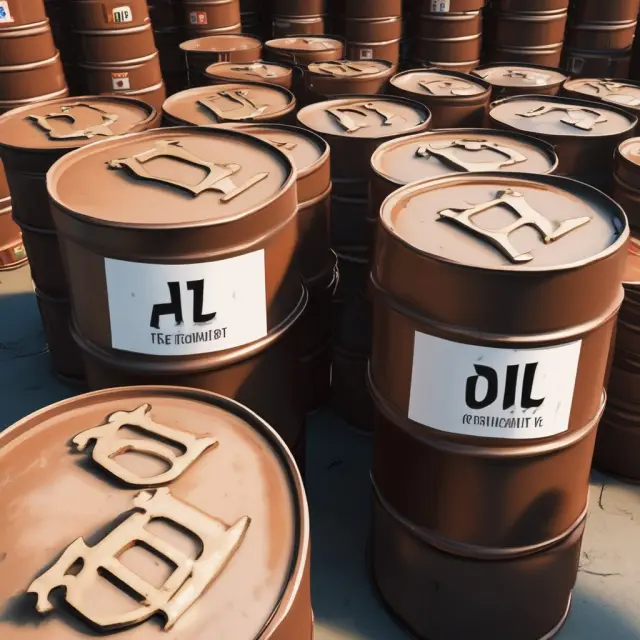
What is an Exchange of Futures for Physical?
An exchange of futures for physical (EFP) refers to a private agreement between two parties to swap a futures contract with the actual underlying asset. EFPs are traded over-the-counter (OTC), and they provide significant benefits for large commercial entities looking to manage their production, hedge risks, and maintain market liquidity.
Unlike traditional futures markets, which involve trading standardized contracts on a regulated exchange, EFP transactions remain private between the transacting parties. When a trade is executed, the resulting position (either long or short) is not disclosed to the public, making these transactions useful for entities seeking confidentiality and avoiding market impact.
The exchange of futures for physicals involves a conversion of a futures contract into the actual underlying asset. The two parties agree on the number of contracts to be exchanged and set a mutually acceptable price at which the exchange will take place, either in cash or in-kind. Once the terms are agreed upon, the transaction is registered with the relevant exchange.
The main advantages of an EFP include:
- Efficiency: Large transactions can be executed without affecting market prices, allowing both parties to maintain confidentiality and avoid significant slippage.
- Regulation of production and hedging: Commercial entities use EFPs to manage their production and commodity inventory levels by converting futures positions into the physical asset or vice versa.
- Market depth and liquidity considerations: Large transactions can be executed without influencing the market, ensuring market depth and liquidity.
Real-world Example of Exchange of Futures for Physical in the Oil Industry
A common example of an exchange of futures for physical is a transaction between an oil refiner and a producer. The refiner wants to secure future barrels of crude oil at favorable prices, while the producer wants to lock in their current inventory prices. By agreeing on the quantity and price, they can execute the EFP privately, allowing both parties to achieve their objectives without affecting the market.
In conclusion, an exchange of futures for physical is a valuable tool used by large commercial entities to manage production, hedge risks, and maintain market liquidity while avoiding market impact. By understanding its workings and benefits, we can appreciate the significance of EFPs in commodities trading and their role in maintaining a healthy and efficient marketplace.
FAQs (optional)
Question: How does an exchange of futures for physical differ from other derivatives?
Answer: EFPs allow two parties to exchange a futures contract for the underlying asset, whereas swaps involve exchanging cash flows between counterparties based on underlying assets or interest rates. Futures contracts are standardized, whereas swaps can be customized.
Question: How do commercial entities use Exchange of Futures for Physical?
Answer: Commercial entities use EFPs to manage their production by converting futures positions into the physical asset (or vice versa) and to hedge risks. This helps them lock in prices, maintain market liquidity, and avoid market impact.
Question: Can small traders or investors participate in Exchange of Futures for Physical transactions?
Answer: Due to their size and complexity, Exchange of Futures for Physical transactions are typically executed by large commercial entities and not suitable for individual traders or investors.

Benefits of Exchange of Futures for Physical
An exchange of futures for physical (EFP) offers several advantages over traditional futures markets, especially for large commercial entities in the commodity sector. These benefits include:
1. Efficiency in Large Transactions: EFPs facilitate large transactions between two parties without significantly impacting market prices due to their OTC nature. By keeping these transactions private, counterparties can execute large deals with predetermined pricing arrangements that would not be feasible through the public exchange.
2. Production and Hedging Regulation: Commercial entities engaged in commodities production often rely on EFPs to manage risks associated with price volatility and inventory management. These agreements enable producers to sell their physical assets (for example, oil or natural gas) against corresponding futures contracts, thereby hedging their positions and regulating the timing of sales.
3. Market Depth and Liquidity Considerations: EFPs can provide increased market depth and liquidity by allowing counterparties to transact with each other in large, customized deals that may not be available on the public exchange due to low trading volumes or wide bid-ask spreads. The OTC nature of these transactions also helps maintain a stable market environment by ensuring that price swings are not artificially influenced by large non-speculative trades.
An example of Exchange of Futures for Physical in Action
The most common examples of EFP transactions occur in the oil and gas sector. Commercial entities, such as producers and refiners, can take advantage of the benefits listed above to manage their risks more efficiently:
– A producer, bullish on oil prices, may hold a large inventory of crude oil but needs to sell it at a certain point. They could enter into an EFP transaction with a refiner who is concerned about rising oil prices and wants to secure future barrels for its operations. The producer could agree to deliver physical crude oil in the future while receiving futures contracts from the refiner, effectively locking in their position while avoiding selling at current market rates.
– A refiner, looking to close a futures position, may approach a producer with a large inventory of crude oil that they need for their operations. Through an EFP transaction, the refiner can acquire physical crude oil from the producer and deliver the corresponding futures contracts, offsetting their futures position while securing the needed barrels for their business.
These transactions maintain market stability by not disrupting pricing information through public disclosure, allowing large commercial entities to manage risks effectively without significantly influencing market dynamics.

Examples of Exchange of Futures for Physical
One of the most compelling applications of exchange of futures for physical (EFP) can be found in large transactions within the commodities sector. In contrast to standard spot or futures trading, EFP allows two parties to negotiate a private agreement outside the regulated marketplace where one party exchanges a futures contract for the underlying physical asset. This exchange can be used to open a new futures position, close an existing one, or simply switch positions between futures and physicals.
An excellent example of EFP’s utility lies within the oil and gas industry. In this context, a producer holding a significant inventory of crude oil may believe that prices are on the rise and wishes to maintain a bullish position. Conversely, a refiner might anticipate price escalation and look for a secure supply solution. The two parties can engage in an EFP transaction where the producer transfers physical oil to the refiner in exchange for the future contracts, thus benefiting both entities: the refiner closes its futures position while the producer locks in its bullish stance.
To illustrate this further, consider a producer with 1 million barrels of crude oil in inventory and a strong belief that prices will continue to ascend. Simultaneously, a refiner is concerned about escalating prices and wishes to secure supply for future delivery. Both parties, recognizing their shared bullish outlook, discuss the potential benefits of an EFP transaction.
The producer agrees to deliver 1 million barrels of crude oil directly to the refiner at an agreed-upon price and date in the future. In return, the refiner transfers 1,000 futures contracts representing 1,000 barrels per contract for a total of 1 million barrels to the producer. This private exchange transaction goes unregistered with the market until it is formally registered with the relevant exchange, thereby preserving confidentiality and maintaining market efficiency.
The EFP’s advantages are manifold: large transactions like this one can impact the market significantly if executed within it, potentially disrupting pricing dynamics. By conducting an exchange outside of the regulated marketplace, both parties can avoid this disruption and transact at a price that reflects their mutual agreement. Additionally, EFPs offer greater flexibility when dealing with financial instruments requiring large volumes or complex structures.
However, EFP transactions also present certain risks, such as counterparty credit risk, operational risk, systemic risk, and market risk. In the following sections, we’ll delve deeper into these aspects, offering a more comprehensive understanding of the advantages, disadvantages, regulations, and compliance considerations surrounding exchange of futures for physical transactions.

How an Exchange of Futures for Physical Transaction Works
An exchange of futures for physical (EFP) represents a private agreement between two parties in which they swap their respective interests in a futures contract for the underlying asset itself. The process involves several steps, ensuring that both parties agree on all terms prior to registering the transaction with the relevant commodity exchange. Here’s an overview of how this works:
- Identification of parties and agreement on terms: Both counterparties need to agree on a mutually beneficial price and other terms before initiating the EFP transaction, such as quantity, quality specifications, delivery schedule, and location. The parties may negotiate these terms based on market conditions or their individual needs and preferences.
- Confirmation and execution of the deal: Once both sides have reached an agreement, they confirm the details of the exchange in writing. This can be done through a trade confirmation system or by any other mutually agreed means. The parties then exchange their positions—one party gives up its futures contract(s), while the other relinquishes the underlying physical asset(s).
- Registration with the exchange: After completing the swap, both parties register the transaction with the relevant commodity exchange to make it an official part of the market record. The exchanged positions are recorded in the daily trade report, but the actual price at which the deal was executed remains confidential between the counterparties.
- Settlement and delivery: Once registered, the transaction is settled and the parties proceed with the agreed-upon settlement and delivery terms, either immediately or at a later date. This can include transfer of ownership and payment for the underlying physical asset(s) or financial instrument(s).
The exchange of futures for physical (EFP) process offers significant benefits to participants in commodities markets. Large transactions can be executed more efficiently without affecting market prices, as price information remains confidential. Furthermore, it provides commercial entities with valuable tools for managing their risks and regulating production, while ensuring that the underlying assets are delivered to the appropriate parties.

Advantages and Disadvantages of Exchange of Futures for Physical
Exchange of futures for physical (EFP) offers several benefits to participants in commodity markets. One significant advantage is the efficiency it provides for large transactions, enabling market participants to execute offsetting positions without affecting the underlying market price. Additionally, EFPs can serve as an essential tool for commercial entities looking to hedge their production and manage risks.
Efficiency in Large Transactions
One of the main reasons commercial entities opt for exchange of futures for physical transactions is the increased efficiency they provide for large transactions. In a commodity market where prices can be volatile, executing a large transaction through the open market can create significant price slippage and impact the overall market price. With EFPs, counterparties can agree on a private price and execute offsetting positions outside the exchange, thereby minimizing slippage and preserving market depth.
Market Depth and Liquidity Considerations
Exchange of futures for physical transactions can be especially useful when large market participants need to execute trades that would significantly impact the liquidity and depth of a specific commodity market. In such cases, an EFP transaction can help maintain market stability while ensuring both parties receive the benefits they seek from their respective positions.
Regulation of Production and Hedging for Commercial Entities
For commercial entities operating in the commodity markets, exchange of futures for physicals offer a means to manage production risks and regulate output levels. By engaging in EFP transactions, these entities can lock in prices for future deliveries, thereby protecting themselves against potential price volatility that could negatively impact their bottom line.
Disadvantages of Exchange of Futures for Physical
While the benefits of exchange of futures for physical are numerous, there are also some disadvantages that must be taken into consideration. The primary concerns stem from the lack of transparency involved in these transactions and potential risks associated with manipulation. As prices and transaction details are not publicly disclosed, it can make it more challenging to assess market conditions and monitor counterparty risk effectively. Additionally, there is a risk that large transactions could be used for market manipulation if executed improperly or without proper oversight.
In conclusion, exchange of futures for physicals offers significant advantages for commodity market participants looking for increased efficiency, hedging tools, and production regulation. However, it’s essential to recognize the potential risks associated with these transactions and maintain appropriate regulatory oversight to mitigate those risks and ensure fair and transparent markets for all involved parties.

EFP Regulations and Compliance
An Exchange of Futures for Physical (EFP) is a privately negotiated off-exchange derivatives transaction where a futures contract is exchanged for the underlying physical asset or cash equivalent. This type of OTC derivative has become increasingly important in the commodities market, allowing commercial entities to hedge their production risks and manage their supply chains more efficiently. Regulatory bodies play a crucial role in EFP transactions, ensuring transparency and reducing potential risks associated with these agreements.
Regulation of Exchange of Futures for Physical
The Commodity Exchange Act (CEA) and the Commodity Futures Trading Commission (CFTC) are the primary regulatory bodies responsible for overseeing exchange of futures for physical transactions within the United States. The CEA defines commodities as “all agreements or contracts for future delivery of any commodity.” EFPs fall under this definition, making them subject to regulation by the CFTC and relevant exchanges.
To ensure compliance with regulations, EFP transactions must meet specific conditions:
- The parties involved in the transaction must be eligible contract participants (ECPs) or professionals as defined by the CEA.
- The physical delivery of the underlying asset or cash equivalent must take place at a location acceptable to both parties.
- The price and quantity of the futures contract and physical asset or cash equivalent must be agreed upon between the parties prior to execution.
- The exchange must be notified in writing within three business days after the transaction is executed.
- The transaction must be registered with the exchange within five business days after the confirmation of the agreement between the parties.
- Both parties must provide the exchange with proof that the physical delivery or cash settlement has taken place.
- If the underlying asset is a commodity, the transaction must be reported to the Commodity Futures Trading Commission (CFTC) through the appropriate reporting mechanism.
These regulations aim to maintain market transparency and prevent manipulation in the market. By ensuring that EFP transactions are reported, regulators can monitor open positions and identify any potential risks or abnormal market activity. This not only helps protect investors but also strengthens the overall integrity of the commodities market.

Risks Associated with Exchange of Futures for Physical
Exchange of futures for physical (EFP) transactions involve significant risks that must be carefully weighed by both parties before executing such an agreement. While the benefits of EFPs are numerous, it is crucial to consider potential risks as well. This section discusses market risk, credit risk, operational risk, and systemic risk associated with these types of transactions.
Market Risk
Market risk refers to the possibility that a security’s price will decline due to changes in overall market conditions. EFP transactions can be subject to market risks since both parties are entering into an agreement based on their individual expectations of future market movements. If those expectations fail to materialize, one party could face significant losses. For example, suppose a producer and refiner agree to an EFP transaction for crude oil at a certain price, but the actual price at delivery differs from the agreed-upon price due to changes in supply or demand conditions. In this case, the party who has lost out on the market movement will bear the financial consequences of the difference between the agreed-upon and the actual prices.
Credit Risk
Credit risk is the possibility that a counterparty may fail to fulfill its contractual obligations, such as making timely payments or delivering the underlying asset. In an EFP transaction, credit risk exists for both parties involved as they enter into a private agreement outside of the exchange’s clearing system. This means there is no guarantee that the counterparty will fulfill their part of the bargain. For instance, if a producer delivers physical oil to a refiner under the terms of an EFP transaction but the refiner fails to pay for the delivered oil or defaults on the futures contract, the producer is left with significant credit risk exposure.
Operational Risk
Operational risk refers to risks that could result from inadequate or failed internal processes, people, and systems. For exchange of futures for physicals, operational risks might include issues related to documentation, communication, or logistics. Inaccurate or incomplete documentation can lead to misunderstandings between the parties, while poor communication may cause delays or misunderstandings regarding delivery schedules or other contract terms. Logistical challenges, such as difficulties with the transportation or storage of the underlying asset, could further complicate the transaction and potentially result in financial losses for one or both parties.
Systemic Risk
Systemic risk is the potential for a single event or chain of events to cause widespread disruption throughout an entire market or even multiple markets. EFP transactions can pose systemic risks due to their size and complexity. Large transactions that involve the exchange of futures for physicals have the potential to significantly impact commodity prices if they are not executed in a way that is transparent and understood by the market. For instance, a large EFP transaction could be interpreted as bearish or bullish sentiment on a particular commodity, leading to price movements that may not reflect the underlying fundamentals of supply and demand. As such, it’s essential for regulators and market participants to closely monitor these transactions to prevent any potential negative consequences to the overall stability of the markets.
In conclusion, while exchange of futures for physicals (EFP) offers numerous benefits for both commercial entities and financial institutions, it also comes with inherent risks that should be carefully considered before engaging in such a transaction. By understanding these risks—market risk, credit risk, operational risk, and systemic risk—parties can mitigate potential losses and enter into EFP agreements with confidence.

Exchange of Futures for Physical vs. Other Derivatives
One of the most significant advantages of Exchange of Futures for Physical (EFP) over other derivatives like swaps and futures contracts lies in their flexibility. While both swaps and futures serve valuable purposes, they differ from EFPs in various aspects.
Futures Contracts: In a futures contract, the buyer commits to purchasing an underlying asset at a predetermined price (the future price) on a specific date (the expiration date). The seller, in turn, obligates themselves to delivering the underlying asset upon maturity. This setup is ideal for speculators and hedgers who aim to gain exposure to the price movements of an underlying asset without physically owning it. However, when large transactions take place between commercial entities, EFPs can be more suitable due to their unique features.
Swaps: A swap is a financial derivative instrument where two parties exchange cash flows based on a notional amount and agreed-upon interest rates or other variables like commodity prices. Swaps are generally used for hedging interest rate risk and other market risks. The primary difference between EFPs and swaps is that the former involves the physical transfer of underlying assets, while the latter deals with cash flows only. As a result, swap transactions do not provide the same level of production regulation or market depth benefits that EFPs offer to commercial entities.
Comparing EFPs to futures contracts and swaps highlights their unique strengths:
1. Production Regulation: For commodity producers, EFPs offer an opportunity to manage their risk by regulating production based on the agreed-upon delivery dates and quantities. This is particularly beneficial for those dealing with perishable or volatile commodities whose pricing can be significantly influenced by market conditions.
2. Market Depth and Liquidity: Since EFP transactions occur off-exchange, they provide a means for large commercial entities to execute offsetting trades without disrupting the underlying markets. This is especially critical in situations where the size of the transaction could potentially impact market prices or cause unwarranted volatility.
3. Customized Terms: EFPs allow participants to negotiate custom terms based on their unique needs, including price, quantity, delivery dates, and other conditions that might not be available through standard futures or swap contracts.
In summary, understanding the differences between Exchange of Futures for Physical, futures contracts, and swaps is essential for commodity market participants. Each instrument has its advantages and disadvantages depending on the specific circumstances. Commercial entities often rely on EFPs to manage production risk, maintain market depth, and negotiate custom terms that cater to their unique requirements.

Conclusion and Future Outlook for Exchange of Futures for Physical
The exchange of futures for physical (EFP) has proven its value within commodities trading markets, offering numerous advantages that cannot be replicated through traditional futures markets alone. By allowing two parties to exchange a futures contract for the underlying asset, EFPs enable efficient large-scale transactions, facilitate production regulation, and provide market depth and liquidity in situations where the market depth may not otherwise be sufficient. The benefits of utilizing an EFP are particularly evident when considering commercial entities dealing with significant quantities of commodities or financial instruments.
In industries such as oil and gas, refiners and producers often face the necessity of hedging their positions to minimize risk and stabilize inventory levels. The exchange of futures for physicals is a valuable tool that allows both parties to meet their objectives without impacting market prices significantly. By agreeing to a privately negotiated price, they can avoid altering the pricing mechanism in the market and maintain transparency while minimizing slippage.
Moreover, EFPs are increasingly relevant as commodities markets evolve and regulations adapt to accommodate new technologies and trading practices. For instance, the growing role of blockchain technology and digital currencies in commodity trading could potentially influence the way exchange of futures for physical transactions are conducted. In this context, it is essential to keep abreast of regulatory updates that may impact EFP usage and compliance.
As the importance of risk management and hedging continues to increase within various industries, so does the demand for effective solutions such as EFPs. To summarize, the exchange of futures for physical remains a vital component of commodities trading, offering numerous benefits to participants looking to manage large transactions efficiently, regulate production, and navigate complex market dynamics. By staying informed about the latest developments in this area, traders can remain competitive and maximize their opportunities within the evolving landscape of commodities markets.
Frequently Asked Questions
- What are the advantages of using EFP over traditional futures markets? EFPs provide several benefits when compared to traditional futures markets. They enable large transactions without affecting market prices significantly, offer greater flexibility in pricing negotiations, and facilitate production regulation.
- How can commercial entities use EFP to manage their risks? Commercial entities can use EFPs to hedge positions, regulate inventory levels, and lock in future prices for the underlying commodities or financial instruments involved in the transaction. This allows them to minimize risk and maintain operational efficiency.
- Is it possible for small traders or investors to participate in EFP transactions? While EFPs are predominantly used by large commercial entities, they may also be available to smaller traders or investors depending on the specific terms of the arrangement and market conditions. However, due to their complexity, small traders might find other derivatives more suitable for their needs.

FAQs – Frequently Asked Questions about Exchange of Futures for Physical
Question 1: What are the advantages of using EFP over traditional futures markets?
Answer 1: EFP offers several advantages when compared to traditional futures markets. One significant advantage is that it allows large transactions to take place privately, without affecting market prices. Since EFPs are traded OTC, the actual price at which the transaction is executed remains confidential between the parties involved. This can be beneficial for commercial entities seeking to hedge their positions or regulate production in a more discreet manner. Additionally, using EFP can save time and resources as the transaction does not need to be conducted on an exchange with the associated trading fees.
Question 2: How can commercial entities use EFP to manage their risks?
Answer 2: Commercial entities often rely on EFPs to mitigate various types of risk, including production risk and price risk. For instance, a commodity producer may enter into an EFP transaction with a consumer or processor to secure pricing for their future output while locking in their costs. This allows the producer to manage their cash flow and maintain a more stable financial position. Alternatively, an entity seeking to hedge against price volatility can engage in an EFP to exchange their inventory of physical commodities for futures contracts, allowing them to lock in prices and reduce their exposure to market fluctuations.
Question 3: Is it possible for small traders or investors to participate in EFP transactions?
Answer 3: While large commercial entities are the primary participants in EFP markets, smaller traders and investors may also have opportunities to engage in these types of transactions under certain circumstances. Smaller players might participate in EFPs through brokerage firms or banks that facilitate the transactions on their behalf. However, it’s important to note that the volume and complexity of OTC derivatives like EFPs are typically better suited for larger market participants with significant financial resources and a deeper understanding of the underlying commodities markets.
 Next entry · No. 1,386Understanding Exchange Rates: A Comprehensive Guide for Institutional Investors
See also
-
 No. 1,492
23 Sep 2024
18 min
Understanding the Role of Fixed Income Clearing Corporation (FICC) in the U.S. Financial Markets
Finance Policy
No. 1,492
23 Sep 2024
18 min
Understanding the Role of Fixed Income Clearing Corporation (FICC) in the U.S. Financial Markets
Finance Policy -
 No. 1,463
19 Sep 2024
18 min
Foreign Currency Convertible Bonds: A Comprehensive Guide for Institutional Investors
Finance Policy
No. 1,463
19 Sep 2024
18 min
Foreign Currency Convertible Bonds: A Comprehensive Guide for Institutional Investors
Finance Policy -
 No. 1,403
10 Sep 2024
24 min
Exploring the Complexity of Exotic Options: Understanding Exotic Option Types for Professional Investors
Finance Policy
No. 1,403
10 Sep 2024
24 min
Exploring the Complexity of Exotic Options: Understanding Exotic Option Types for Professional Investors
Finance Policy -
 No. 3,398
25 Mar 2025
21 min
Negative Gearing: Understanding the Tax Strategy for Professional Investors
Business Finance
No. 3,398
25 Mar 2025
21 min
Negative Gearing: Understanding the Tax Strategy for Professional Investors
Business Finance -
 No. 3,277
15 Mar 2025
21 min
Mortgage Brokers: An Intermediary Connection between Lenders and Borrowers
Mortgage
No. 3,277
15 Mar 2025
21 min
Mortgage Brokers: An Intermediary Connection between Lenders and Borrowers
Mortgage -
 No. 2,931
15 Feb 2025
22 min
Understanding Listed Companies: Benefits, Requirements, and Processes
Business Finance
No. 2,931
15 Feb 2025
22 min
Understanding Listed Companies: Benefits, Requirements, and Processes
Business Finance