Geolocation in Financial Services: Tracking Transactions and Enhancing Customer Experience
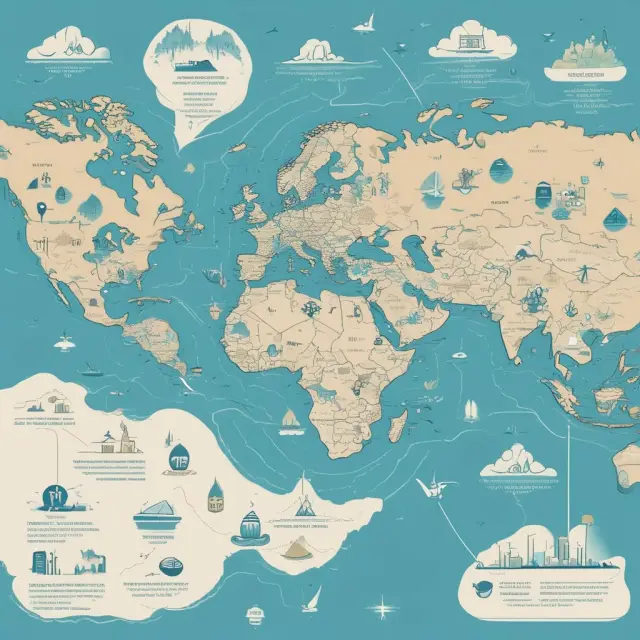
Exploring how Geolocation transforms everyday life and enhances Customer Experience in Financial Services through Fraud Detection, Convenience, and Improved…
Understanding Geolocation: Definition, Uses, and Methods
Geolocation is an essential aspect of modern technology, allowing us to determine the physical location of electronic devices using various methods such as IP addresses or GPS. Essentially, geolocation uses positioning systems to pinpoint latitude and longitude coordinates or, more practically, a physical address for both mobile and desktop devices. This location data can be harnessed in numerous ways, especially within the financial services industry, where it plays a crucial role in preventing fraud, enhancing customer experience, and facilitating convenient transactions.
Geolocation’s Applications
IP addresses are one method used to determine a device’s location, providing information on country, region, state, city, or postal code. More advanced geolocation can provide exact positioning coordinates for tracking wildlife, cargo shipments, and other purposes. In everyday life, we frequently encounter geolocation services when shopping online for local items, ordering food from nearby restaurants, or locating the closest ATM.
Geolocation in Financial Services
Financial institutions have embraced geolocation to bolster their offerings and improve customer service. Here are some ways that geolocation is utilized within the financial sector:
- Payments: By matching a customer’s phone location with where their payment card is being used, banks can detect potential fraudulent transactions. If the two locations do not align, the card may be flagged for review. When the locations match, customers are spared from any service disruptions that might arise due to suspected unusual activity.
- Insurance Claims Processing: Geolocation technology streamlines insurance claims processing and reduces the number of fraudulent or exaggerated claims by enabling policyholders and adjusters to communicate and assess damages in real-time through web-based platforms. This leads to increased customer satisfaction and fewer complaints from regulatory bodies, benefiting both insurers and their clients.
- Banking: Bluetooth beacons are increasingly being used within banking to provide customers with new levels of convenience. These beacons can allow for contactless ATM access outside of business hours using mobile phones, eliminating the need for physical cards. Furthermore, they improve in-branch service by notifying employees when a customer has been waiting in a line too long and directing them to an available agent.
Geolocation’s Advantages and Challenges
The integration of geolocation technology within financial services offers several advantages: improved fraud prevention, increased convenience for customers, and enhanced overall service experiences. However, there are also challenges that must be addressed, such as data security, privacy concerns, and ensuring that the technology is accessible to all users regardless of device or connectivity limitations.
Geolocation’s Impact on Financial Services: Privacy, Trust, and Security
As with any technology, geolocation raises questions about privacy and security. Consumers need to be aware of how their location data is being used and who has access to it. Financial institutions must prioritize data protection to protect both the customer’s information and their reputation. It is essential for companies to be transparent regarding their data usage policies, offering users the ability to opt out or delete their geolocation history as needed. This transparency fosters trust, ultimately driving successful implementation of geolocation technology within financial services.

Geolocation in Everyday Life
The term “geolocation” is a combination of two words: “geography” and “location.” It refers to the use of location technologies such as GPS or IP addresses to identify and track the whereabouts of connected electronic devices. Geolocation has become increasingly popular due to its wide range of applications, especially in our everyday lives.
In today’s world, geolocation is extensively used for various purposes. For instance, have you ever wondered how you can find a product at a nearby store while shopping online? Or perhaps ordered food from your favorite restaurant after searching for it on Google Maps? All these actions involve using geolocation services.
Let’s explore some real-life examples of geolocation in action:
Shopping:
When you browse through an e-commerce website, it may ask for your permission to use your location data to offer tailored suggestions based on stores or products nearby. This helps you find what you need more quickly and efficiently, as the online platform can narrow down its search results to show you only relevant options. By using geolocation, retailers can provide a more personalized shopping experience for their customers.
Food Delivery
Food delivery services such as DoorDash, Grubhub, or Uber Eats use geolocation technology to identify your location and display restaurants that deliver to your area. You can even track the progress of your order in real-time using a map, making it easier for you to plan your meal and time accordingly.
ATM Usage
Many banks allow their customers to withdraw cash from an ATM without using a physical card by using geolocation technology. If you have a mobile banking app on your phone, you can enable location services, which will let you access your account and complete transactions through the app. Geolocation technology ensures that only authorized users are able to perform transactions at the specified ATM location.
Geolocation has become an indispensable part of our daily lives, offering numerous advantages in various industries. In the financial sector, it plays a significant role in ensuring convenience, security, and accuracy. We will delve deeper into how geolocation is transforming financial services in subsequent sections, but first, let’s explore its applications beyond finance. Stay tuned!
Understanding Geolocation: Definition, Uses, and Methods
——————————————————-
Geolocation is the ability to track a device’s whereabouts using GPS, cell phone towers, WiFi access points, or a combination of these technologies. Devices such as smartphones, laptops, and tablets can all use geolocation. In this article, we will discuss geolocation in detail, particularly its uses and methods.
Geolocation refers to the use of location technologies such as GPS or IP addresses to identify and track the whereabouts of connected electronic devices. Since these devices are often carried on an individual’s person, geolocation is often used to track the movements and location of people and surveillance. Geolocation has a broad variety of uses and methods. For example:
- IP addresses can be used to determine country, region, state, city, or postal code.
- Geolocation can be used to determine time zone and exact positioning coordinates, such as for tracking wildlife or cargo shipments.
- If you have ever shopped online and wanted to find an item in a nearby store, ordered food online after searching for a local restaurant, or sought out the closest ATM, you have used geolocation services.
In the next section, we will discuss some practical applications of geolocation in everyday life, focusing on shopping, food delivery, and ATM usage. Keep reading to discover more about how this powerful technology can make your life easier and more convenient!
Geolocation in Financial Services: An Overview
Geolocation refers to the use of location technologies such as GPS or IP addresses to identify and track the whereabouts of connected electronic devices. This cutting-edge technology is increasingly being utilized by financial institutions to offer customers added convenience, fraud prevention, and personalized services. Geolocation’s applications within the finance sector are manifold, ranging from payment processing to insurance claims processing.
Understanding Geolocation’s Uses in Financial Services:
In the realm of payments, geolocation technology plays a pivotal role in detecting potential fraud. By matching the location of a user’s mobile device with the location where their payment card is being used, financial institutions can swiftly identify possible instances of fraudulent activity. If these locations do not align, the transaction may be flagged and reviewed for further examination. On the other hand, if the locations match, customers benefit from uninterrupted service without any delays caused by the normal detection of unusual card usage.
Insurance claims processing is another area where geolocation technology excels. By utilizing geolocation data, insurance providers can streamline their claims process and reduce instances of fraudulent or exaggerated claims. Through platforms that integrate real-time communications, policyholders can connect with their insurance agents for assessing damage, and insurers can efficiently manage claim files. Additionally, the use of live video calls enables detailed evaluation and documentation of damages.
Banking is another sector benefiting from geolocation technology. Bluetooth beacons have led to enhanced convenience through mobile apps that enable customers to access branch ATMs using their phones outside regular business hours. Furthermore, this innovation empowers bank employees with real-time notifications about long queues at teller lines. This way, they can promptly reassign waiting clients to alternative service desks for a more efficient customer experience.
However, as geolocation technology brings numerous benefits, it also raises concerns regarding privacy and data security. It is vital that financial institutions ensure transparency when using this data and communicate clearly with their customers about how the information is being handled and shared. Additionally, consumers must be given the ability to opt-out of sharing their location data or delete their history if desired. By prioritizing trust and privacy, financial service providers can effectively implement geolocation technology while maintaining the loyalty of their clients.

Payments: Geolocation for Fraud Detection and Convenience
Geolocation plays a crucial role in payments by enabling financial institutions to detect potential fraud and offer convenient mobile app experiences. In the realm of payment security, geolocation is a powerful tool that can help prevent fraudulent transactions. By tracking a user’s location when making purchases through their smartphone or other connected device, banks and card issuers can match the transaction location with the user’s current whereabouts.
For instance, if a debit or credit card associated with an account is used for a purchase that significantly deviates from the customer’s typical spending habits or usual location, the financial institution may flag this unusual activity as potentially fraudulent and alert the account holder. This quick identification process can save both the consumer and the issuer from potential financial losses due to unauthorized transactions.
Moreover, geolocation offers a convenient experience for customers by allowing mobile apps to provide personalized services based on their location. For example, a user may receive targeted promotions or special offers for local businesses when they are near a store or restaurant. This feature not only enhances the customer’s shopping experience but can also drive foot traffic to nearby businesses, benefiting both consumers and merchants.
Furthermore, geolocation in payments helps make transactions more secure by offering two-factor authentication (2FA) solutions. For instance, users might be required to enter a code sent to their phone or use biometric verification methods like Touch ID or Face ID for added security when making purchases from unfamiliar locations or on unsecured networks. This added layer of protection helps ensure that even if someone gains access to the user’s payment information, they cannot complete fraudulent transactions without the necessary 2FA authentication.
However, it is essential that financial institutions strike a balance between utilizing geolocation for security and convenience while respecting consumers’ privacy concerns. Ensuring transparency about data collection and usage, offering opt-in/opt-out options, and providing clear communication around how user information will be used can help build trust with customers and maintain their loyalty.
In conclusion, the integration of geolocation technology in payments offers significant benefits for both financial institutions and consumers alike. It enables faster fraud detection and prevention while also enhancing convenience through targeted services and location-based promotions. By striking a balance between security and privacy, financial institutions can foster trust with their customers and maintain a competitive edge in the ever-evolving digital landscape.

Insurance Claims Processing: Geolocation’s Impact on Customer Experience
Geolocation is an increasingly essential component in the insurance industry as it streamlines claims processing, enhances customer satisfaction, and minimizes fraudulent claims. By integrating geolocation technology into their processes, insurers can provide a seamless experience for policyholders, while reducing the risk of potential losses from fraud.
Understanding Geolocation’s Role in Insurance Claims Processing
The integration of geolocation into insurance claims processing significantly enhances customer experience by allowing quick and accurate assessment of damages. An insurance claims platform that incorporates geolocation can determine a policyholder’s location during the filing process, ensuring that their claim is handled efficiently. This real-time data exchange enables insurers to better manage their resources, prioritize claims, and assign adjusters to specific areas based on demand.
A Visual Claims Platform
A visual claims platform allows policyholders to engage with their insurance agents using a web-based real-time communications platform. Through live video calls, policyholders can provide detailed information about the extent of their loss, ensuring that the claim is settled fairly and accurately. The agent can take screenshots, zoom in, or use the phone’s flashlight for additional details, creating comprehensive records for the customer’s file.
Benefits of Geolocation in Insurance Claims Processing
The implementation of geolocation technology results in numerous benefits for insurers and policyholders alike. Policyholders receive faster claims processing and a more convenient process, while insurers reduce fraudulent or exaggerated claims and maintain customer trust. By using real-time data, insurers can minimize response time, ensuring that policyholders are satisfied with the claim payments they receive and preventing potential regulatory complaints.
Challenges of Geolocation in Insurance Claims Processing
Despite its advantages, the implementation of geolocation technology in insurance claims processing comes with challenges. Privacy concerns must be addressed, as customers may not want their location data to be shared for unrelated purposes without their consent. Insurers must also ensure that their employees adhere to strict privacy protocols and only access location data when necessary. Clear communication with customers about how location data is being used is crucial in maintaining trust and transparency. By addressing these challenges, insurers can harness the power of geolocation technology to enhance the claims process for all parties involved.
In conclusion, geolocation plays a pivotal role in insurance claims processing by improving efficiency, increasing accuracy, reducing fraud, and enhancing customer satisfaction. With clear communication and robust privacy protocols in place, insurers can harness geolocation technology to streamline their processes and provide a more convenient experience for policyholders.

Banking: Bluetooth Beacons Enhance Convenience and Service
The integration of geolocation technology into the banking industry is revolutionizing the way customers access their financial services. With the use of Bluetooth beacons, banks are offering enhanced convenience and improved service to their clients.
Bluetooth beacons function by utilizing low-energy radio signals to transmit information to smartphones or other devices. In banking, these beacons provide several advantages:
1) ATM Access: Banks installing Bluetooth beacons near their Automated Teller Machines (ATMs) enable contactless transactions. Customers can withdraw cash or make deposits using only their mobile device, without the need for a physical card. This convenience is especially important during non-business hours when traditional ATM cards cannot be used.
2) In-branch Service: Bluetooth beacons within bank branches identify customers as they enter and alert staff of their presence. Bank employees can then approach clients to offer assistance, providing a personalized customer experience. Additionally, Bluetooth beacons help in managing queue lines more effectively by notifying employees when it is time for them to attend to the next person in line.
The use of geolocation technology through Bluetooth beacons not only benefits customers but also provides banks with valuable data that can inform marketing efforts and improve overall operational efficiency.
However, as with any technology, concerns regarding privacy and security arise when it comes to using location-based services in financial institutions. It is essential for financial services companies to prioritize transparency and ensure clients are fully informed about how their geolocation data is collected, stored, and used. Consistent communication and providing customers with the option to opt-out of such services helps maintain trust and ensures a positive experience for all parties involved.
In conclusion, the integration of Bluetooth beacons in banking provides numerous advantages, including increased convenience and improved customer service. However, it is crucial for financial institutions to address privacy concerns and ensure they handle geolocation data responsibly to maintain their clients’ trust and adhere to regulatory requirements.

Geolocation and Privacy Issues
Privacy concerns are a crucial element when it comes to implementing geolocation technology within the financial services sector. As consumers become increasingly reliant on digital transactions and location-based applications, understanding and addressing privacy implications is paramount for companies offering such services. Geolocation technology, which enables tracking devices based on GPS or IP addresses, provides significant advantages in various sectors like payments, insurance claims processing, and banking (Brown, 2018). However, it can also raise concerns about customer data handling and potential breaches.
Understanding the Privacy Concerns
Privacy issues surrounding geolocation technology primarily revolve around the collection, storage, and sharing of user data. When financial services organizations use geolocation to offer personalized services or prevent fraud, customers’ location information might be shared with third parties or used for unintended purposes if proper safeguards are not in place. These concerns can lead to a lack of trust between consumers and organizations, potentially impacting the overall user experience.
Best Practices for Privacy Protection
To address these issues effectively, financial services companies must adopt best practices for handling customer data using geolocation technology. Some essential steps include:
- Transparency: Clearly communicating to users how their location data will be used and who it might be shared with is vital. Companies should provide detailed privacy policies that outline their data handling procedures and allow users to opt-out if they choose.
- Secure Data Storage: Ensuring data security by implementing strong encryption methods, multi-factor authentication, and access controls for sensitive customer information is a priority in preventing unauthorized access or data breaches.
- Employee Training: Properly educating employees about privacy policies and handling procedures can minimize the risk of internal data misuse or disclosure. Regular training sessions should be conducted to keep staff up-to-date on industry standards and best practices.
- Data Minimization: Collecting only the necessary data to provide a service and deleting it once its usefulness has expired is crucial in maintaining user privacy. Companies must have clear policies and procedures for data disposal and retention.
- User Control: Offering users control over their data, including the ability to delete or modify location history, can help build trust and encourage adoption of location-based services (Riley & Jansen, 2017).
By following these best practices, financial institutions can effectively address privacy concerns while reaping the benefits of geolocation technology. Companies that prioritize transparency, security, data minimization, and user control are more likely to build trust among their customer base and foster a positive user experience.
Benefits of Geolocation in Financial Services: Prevention, Convenience, and Customer Experience
Geolocation technology has been a game changer in various industries, particularly within the financial sector. This section highlights three primary advantages gained by integrating geolocation into financial services: prevention, convenience, and customer experience.
Prevention: One of the most significant benefits of using geolocation technology in the financial industry is fraud detection. Financial institutions can utilize geolocation to identify potential instances of payment card theft by matching the location of a user’s mobile device with the location where their payment card is being used. If these locations do not match, the financial institution can immediately flag and prevent fraudulent transactions from taking place. This protection offers peace of mind to both the user and the financial institution.
Convenience: Geolocation technology is making day-to-day banking more convenient for customers by allowing them to access services on the go. For example, insurance claims processing apps can use geolocation to assess damage and provide a fair settlement amount based on real-time data. This technology enables quicker claim payouts and fewer instances of customer dissatisfaction or complaints. Additionally, geolocation is improving banking experiences through the use of Bluetooth beacons. These beacons allow customers to access branch ATMs with their mobile phones outside of business hours for added convenience and reduced wait times at teller lines.
Customer Experience: Geolocation technology also plays a pivotal role in enhancing overall customer experience. For instance, users can use geolocation to locate nearby stores to purchase products or find the closest ATM with ease, offering a more personalized and seamless banking journey. Moreover, insurance companies employing geolocation technology provide customers with an opportunity for live video calls with agents for faster claim assessment and resolution, resulting in increased satisfaction.
However, while these benefits are substantial, it is important to acknowledge the potential privacy concerns surrounding the use of geolocation technology in financial services. In the next section, we’ll discuss best practices and methods for handling customer data responsibly while incorporating geolocation technology into financial services offerings.

Challenges of Implementing Geolocation Technology in Financial Services
While geolocation brings significant benefits to financial services, it also comes with challenges that need to be addressed for its successful adoption. One of the main concerns is privacy and data security. The financial industry deals with sensitive information, and protecting customers’ privacy while collecting location data is essential. Companies must implement robust data security protocols to protect against potential data breaches and ensure customer trust. This includes securing databases, applying encryption techniques, and implementing multi-factor authentication to restrict access to the collected data.
Another challenge lies in integrating geolocation technology with existing systems and applications. Financial institutions need to invest in upgrading their infrastructure to support real-time location data processing, which may require significant resources and expertise. They must also ensure that their applications are compatible with various geolocation methods, such as GPS, Wi-Fi, or IP addresses.
To implement geolocation technology, financial services organizations need to consider both the regulatory landscape and their customers’ expectations. Regulatory compliance is crucial in the financial industry. Companies must ensure they comply with all relevant laws and regulations, such as the General Data Protection Regulation (GDPR) and the Children’s Online Privacy Protection Act (COPPA), when collecting location data from their customers. They also need to be transparent about how this data will be used and share it only with authorized third parties.
Lastly, financial institutions must consider the potential impact on customer experience. Geolocation can offer numerous benefits, such as enhanced convenience and personalized services, but it can also lead to privacy concerns. Companies must address these concerns by providing clear communication about data collection practices, offering opt-out options, and implementing robust security measures to protect customers’ location data. Additionally, they need to be transparent about any partnerships or collaborations with third parties that involve sharing location data for marketing purposes.
In conclusion, geolocation technology offers significant potential benefits to financial services organizations. It can help prevent fraud, enhance customer experience, and improve operations. However, implementing this technology comes with challenges related to privacy, regulatory compliance, integration, and customer expectations. To successfully adopt geolocation in financial services, companies must invest in robust data security measures, comply with relevant regulations, ensure compatibility with various geolocation methods, and communicate transparently with their customers about data collection practices. By addressing these challenges, financial institutions can leverage the power of geolocation to improve operations and offer innovative services that cater to the evolving needs of their customers.

FAQ: Common Questions about Geolocation in Financial Services
What is Geolocation and how does it work?
Geolocation refers to the use of location technologies such as GPS or IP addresses to identify and track the whereabouts of connected electronic devices. Financial institutions may use geolocation services to detect potential fraud, offer convenient access to nearby ATMs or branches, and improve insurance claims processing efficiency. Geolocation technology works by using various positioning systems to determine a device’s location down to latitude and longitude coordinates, allowing financial services companies to gain valuable insights into their customers’ movements and activities.
How does geolocation affect my privacy?
Privacy is an essential concern when it comes to geolocation in financial services. Users must ensure they trust the organization handling their location data and understand how it will be used. Financial institutions need to establish clear policies regarding data usage, security, and sharing practices to maintain customer confidence. Be transparent about your geolocation policies and enable users to opt-in or out as required.
Can financial services companies track my movements without my consent?
No, financial services companies cannot track your movements without your consent. Consumers must explicitly grant permission for their location data to be accessed by the institutions they deal with. Most mobile apps will prompt you to allow or deny access to location services when first using them. Be cautious about sharing too much personal information and be sure to read the privacy policy of any new financial apps before enabling geolocation services.
How does geolocation help prevent fraud in financial services?
Geolocation plays a significant role in preventing fraudulent transactions by matching the location of a customer’s phone with the location where their payment card is being used. If these locations do not align, potential fraud can be detected and the card shut down to protect the customer from unauthorized transactions. In this way, geolocation technology helps maintain financial security for both customers and institutions.
What are some examples of how geolocation is used in financial services?
Geolocation is a versatile technology with numerous applications within the financial sector. It can be utilized to enhance payment security through location-based fraud detection, streamline insurance claims processing by verifying claimants’ locations, and offer banking convenience through contactless ATM access or branch appointments based on proximity. These uses contribute to improving customer experience while minimizing operational costs and reducing potential risks for financial institutions.
 Next entry · No. 1,790The Power of Compounding: Understanding the Concept of Geometric Mean in Finance and Investment
See also
-
 No. 5,831
11 Oct 2025
21 min
Understanding X-Mark Signatures: Legal Implications and Requirements for Validity
Legal & Contracts
No. 5,831
11 Oct 2025
21 min
Understanding X-Mark Signatures: Legal Implications and Requirements for Validity
Legal & Contracts -
 No. 3,702
20 Apr 2025
19 min
Open Banking: The Future of Financial Services or a Privacy Nightmare?
Finance Policy
No. 3,702
20 Apr 2025
19 min
Open Banking: The Future of Financial Services or a Privacy Nightmare?
Finance Policy -
 No. 1,601
10 Oct 2024
17 min
A Comprehensive Guide to Forensic Accounting: Unraveling Financial Crimes
Accounting
No. 1,601
10 Oct 2024
17 min
A Comprehensive Guide to Forensic Accounting: Unraveling Financial Crimes
Accounting -
 No. 5,929
19 Oct 2025
19 min
Unraveling the Web of Lies: Understanding the Infamous ZZZZ Best Ponzi Scheme
Business Finance
No. 5,929
19 Oct 2025
19 min
Unraveling the Web of Lies: Understanding the Infamous ZZZZ Best Ponzi Scheme
Business Finance -
 No. 5,802
08 Oct 2025
16 min
WorldCom: The Largest Telecom Accounting Scandal in US History
Business Finance
No. 5,802
08 Oct 2025
16 min
WorldCom: The Largest Telecom Accounting Scandal in US History
Business Finance -
 No. 5,714
01 Oct 2025
17 min
Understanding Wholesaling: How it Works in Business and Finance
Business Finance
No. 5,714
01 Oct 2025
17 min
Understanding Wholesaling: How it Works in Business and Finance
Business Finance