High Close: Understanding Stock Manipulation through Artificially Inflated Closing Prices

Learn about the high close in stock markets and its role as a tool for manipulating prices through techniques like pump and dump or poop and scoop. Discover…
Introduction and Definition of High Close
A high close refers to a manipulative tactic employed by traders during the final minutes of trading in the financial markets. This strategy involves artificially inflating the closing price, thereby giving the misconception that the stock has performed exceptionally well. The significance of a high close lies within its potential impact on small, low-liquidity stocks and other securities. Understanding the concept of a high close is essential to investors as it can provide insight into potentially manipulated trading activities.
The closing price marks the final trade before the end of a trading session. This figure is crucial for various applications, such as creating traditional line stock charts and calculating moving averages. Given the attention paid to closing prices by serious investors, stock manipulators attempt to create buzz around specific stocks by manipulating their prices during these final moments.
High Close: A Form of Stock Manipulation
The use of high close as a stock manipulation technique has gained popularity in securities with low liquidity and significant information asymmetry. By making small trades at unusually high prices, manipulators can create the illusion of a successful stock rally. This strategy, known as the high close, is particularly prevalent in micro-cap stocks due to their limited trading volume.
The practice of manipulating closing prices has various forms, including the pump and dump and the poop and scoop. In the case of a pump and dump, traders artificially inflate a stock’s price and subsequently sell it off once unsuspecting investors have entered the market, leaving these late investors holding losses. The inverse of this technique is the poop and scoop, where a manipulator damages a reputable company’s stock price, only to later buy back their shares at a lower price.
Example of High Close Manipulation
Consider the example of Company ABC, which starts its day trading at $0.30 with a consistent closing price of $0.32 for ten consecutive weeks. A trader, XYZ, takes a position in company ABC with the belief that the stock’s price will surge to $1 within the coming weeks. In the final minutes of trading, XYZ engages in large-volume purchases, inflating ABC’s stock price to $0.60. The manipulation draws attention from other micro-cap traders who follow suit, causing the stock to pass the $1 mark after two days.
Detecting High Close Manipulations with Candlestick Charts
Candlestick charts provide investors with a visual representation of a stock’s price movement over a specific period. They consist of bars displaying the opening, closing, highest, and lowest prices for each trading session. By analyzing the patterns in these charts, traders can potentially detect high close manipulations. Significant price jumps during the final minutes of trading could indicate potential manipulation, warranting further investigation.
Regulatory Considerations and Penalties for High Close Manipulation
Stock market regulations attempt to prevent high close manipulation through various measures such as monitoring trading activities and imposing penalties on violators. Regulators consider these practices illegal due to their potential harm to unsuspecting investors. Penalties range from fines to criminal charges, depending on the severity of the manipulative activities.
Historical Precedents and Cases of High Close Manipulation
High close manipulation has a long history in financial markets. One well-known case is that of Athena Capital Research, a high-frequency trading firm accused by the SEC of manipulating closing prices for thousands of NASDAQ-listed stocks using an algorithm called Gravy between June and December 2009. The intent was to boost liquidity and push stock prices up to benefit their positions. This case resulted in a $1 million settlement.
Prevention Strategies for High Close Manipulation
Investors can employ various strategies to protect themselves from potential high close manipulations. One such approach is focusing on fundamental analysis, which involves examining the financial and economic factors that influence a company’s stock price instead of relying solely on closing prices. Technical indicators like candlestick charts can also help identify unusual price movements, potentially indicating manipulative activities.
High Close Manipulation in the Context of Hedge Funds and Institutional Investors
Hedge funds and institutional investors may be impacted by or involved in high close manipulations. As significant players in the financial markets, their trading actions can contribute to market volatility. However, they are also more likely to have access to insider information, making them less susceptible to manipulation. Regulators closely monitor their activities to prevent any illegal practices.
Conclusion: The Importance of Transparency and Regulation in the Financial Markets
Understanding high close manipulations is crucial for investors seeking to navigate the financial markets. By remaining informed about this practice, traders can protect themselves from potential losses and contribute to market fairness and transparency. Enhancing regulatory oversight, promoting investor education, and fostering a culture of ethical trading practices are essential components in maintaining the integrity of the financial markets.

Understanding Closing Prices
In financial markets, closing prices hold significant importance as they represent the last sale price before the close of a trading session. This price serves as the basis for various calculations such as moving averages and the creation of traditional line stock charts. The widespread attention given to closing prices makes them an attractive target for stock manipulators who attempt to create a false appearance of success or failure through manipulation techniques like high closes.
The Importance of Closing Prices
A high close is a strategy in which traders artificially inflate the price during the final minutes of trading, leaving other investors with the impression that the stock had a successful day. This practice is most effective in stocks with low liquidity and high information asymmetry. The importance of closing prices lies in their role as benchmarks for performance calculations and investor sentiment analysis.
Understanding High Closes: A Manipulation Technique
A high close involves small trades conducted at inflated prices right before the market closes. This manipulative tactic can significantly impact a stock’s perceived value, often encouraging other investors to make buy decisions based on this false perception of success. While some might argue that a high close does not hold any material economic consequence if there are multiple investors acting based on fundamentals (Fried, 2000), traders should be cautious when relying solely on closing prices to gauge the performance of micro- and small-cap stocks.
Detecting High Closes: Candlestick Charts as a Tool
Candlestick charts offer valuable assistance in identifying potential manipulation in closing prices. These charts display various patterns that can signal trading activity, providing investors with essential insights to make informed decisions. By analyzing the size and formation of candlesticks during a high close period, traders can uncover hidden price movements and potential manipulative activities.
Regulatory Response: Legal Implications and Penalties
Regulators closely monitor stock market activities for evidence of manipulation, including high closes. The Securities and Exchange Commission (SEC) has taken action against companies and individuals involved in such practices, imposing fines and penalties as consequences. For instance, Athena Capital Research paid a $1 million penalty in 2014 following allegations that they used an algorithm to manipulate closing prices of thousands of NASDAQ-listed stocks (SEC, 2014).
Historical Precedents: Examples of High Close Manipulations
Numerous historical examples illustrate the consequences and impact of high close manipulations on stock markets. These instances include Athena Capital’s case and other less publicized events where traders have successfully influenced closing prices to their advantage, often causing financial losses for unsuspecting investors.
Implications and Strategies: Moving Forward
Investors must remain vigilant when dealing with high-risk markets that may be susceptible to manipulation tactics like high closes. By employing a combination of fundamental analysis, technical indicators, and careful monitoring, traders can minimize their exposure to potential stock market manipulations and make informed investment decisions.
Conclusion: The Imperative of Transparency and Regulation
Transparency and regulation are crucial components in maintaining a fair and efficient financial market. High closes represent only one aspect of the broader issue of stock market manipulation. By staying informed, employing effective strategies, and advocating for increased regulatory scrutiny, investors can protect themselves from potential manipulation tactics while fostering trust and confidence within the financial industry.

How High Close Manipulations Occur
A high close is a strategic tactic employed by stock manipulators, where they make small trades at inflated prices during the final minutes of trading sessions. This technique, often referred to as ‘painting the tape’, aims to artificially inflate a stock’s closing price, creating an illusion of market strength. Manipulations using high close are most common in stocks with low liquidity and significant information asymmetry.
Understanding the Mechanics
To manipulate a high close, traders place orders at unusually high prices during the final moments of trading sessions. Since the stock market closes based on the last trade price before the close, these trades significantly impact the reported closing price. For example, if Company XYZ’s stock is trading at $30 throughout the day but experiences a high close manipulation, traders may execute trades at $35 in the final seconds. As a result, the reported closing price becomes $35, giving an erroneous impression of a bullish trend.
Techniques and Consequences
The most common techniques used to manipulate a high close are pump and dump schemes and their inverse counterpart, poop and scoop. In a pump and dump scheme, the perpetrator artificially inflates the stock price through false or misleading information, after which they sell off their shares at an inflated price, leaving unsuspecting investors holding devalued stocks. Conversely, in a poop and scoop manipulation, the manipulator artificially deflates the stock price by spreading negative rumors before buying back the stocks at lower prices once the market reacts.
Detecting High Close Manipulations
Although high close manipulations can be difficult to detect, investors can employ various tools and strategies to mitigate the risks. One of the most effective methods is analyzing candlestick charts, which reveal information about price movements during specific time frames, including unusual trading patterns or spikes. By observing these signs, investors can make informed decisions based on the market’s true sentiment rather than manipulated data.
Regulatory Actions and Consequences
Regulators, such as the Securities and Exchange Commission (SEC), have taken steps to deter high close manipulations by enforcing strict regulations and imposing penalties. For instance, in 2014, Athena Capital Research was fined $1 million for manipulating closing prices of thousands of NASDAQ-listed stocks using their Gravy algorithm. These actions serve as reminders that attempts to manipulate markets will be met with swift consequences.
Conclusion
High close is a form of stock manipulation where traders artificially inflate a stock’s closing price in the final moments of trading sessions. By understanding how these manipulations occur and their consequences, investors can make more informed decisions and protect themselves from potential losses. Staying vigilant, utilizing appropriate tools, and following regulatory guidelines are essential components of any successful investment strategy.
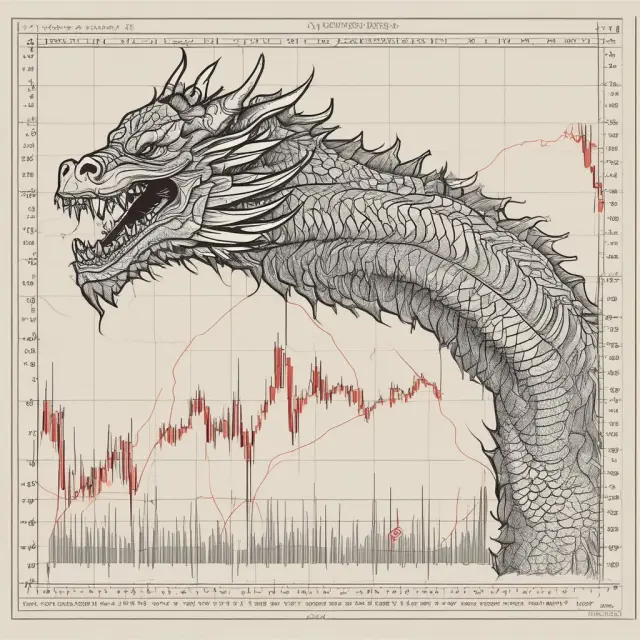
Detecting a High Close: Candlestick Charts
A high close is a stock manipulation strategy where traders make trades at unusually high prices during the final minutes of trading sessions. Understanding how to detect this form of manipulation can be crucial for investors, particularly those dealing with low liquidity stocks or those in informationally asymmetric markets. One effective way of identifying potential high close manipulations is by using candlestick charts.
Candlestick charts are a popular tool among traders and technical analysts for analyzing stock prices. They provide visual representations of price action over a set period. Each candlestick represents the opening, closing, high, and low prices within that time frame. The unique appearance of each candlestick provides valuable information about market sentiment, price trends, and potential manipulation.
When analyzing candlestick charts for signs of high close manipulation, look for unusually large price jumps at the end of a trading session. This can be particularly evident if there is little to no volume during that time. A sudden spike in closing prices without significant accompanying volume could suggest manipulative activity.
For instance, if a stock with historically consistent closing prices suddenly experiences a sharp increase in its last few trades before the close, it might indicate an attempt at high close manipulation. This is especially true if no significant news or fundamental developments have occurred that would justify the sudden price jump.
Investors can use candlestick charts to detect other forms of manipulation as well, such as pump and dump schemes or poop and scoop tactics. By monitoring price trends and analyzing volume patterns, investors can gain a better understanding of market behavior and potentially avoid falling victim to these manipulative strategies.
While the high close is not inherently illegal, it can be problematic if used excessively or in a deceptive manner. As such, it’s crucial for traders and investors to remain vigilant and informed about potential manipulation attempts and their potential consequences. By combining technical analysis tools like candlestick charts with fundamental research and a solid understanding of market dynamics, investors can minimize their risk and make more informed decisions.

Regulatory Considerations and Penalties for High Close Manipulation
The high close manipulation technique involves traders artificially boosting a stock’s closing price during the final minutes of trading. This strategy is more common in stocks with low liquidity and high information asymmetry. Such activities can lead to financial consequences, as investors might make investment decisions based on these inflated prices.
Regulators take high close manipulation seriously due to its potential impact on market integrity and investor confidence. The United States Securities and Exchange Commission (SEC) has taken action against several firms for engaging in such practices. For instance, in 2014, the SEC charged Athena Capital Research with attempting to manipulate the closing prices of thousands of NASDAQ-listed stocks by placing aggressive trades in the stock’s final two seconds (Athena, 2014). The firm was accused of using an algorithm called Gravy to boost liquidity and push up the prices of these stocks for their benefit. Athena agreed to pay a $1 million penalty to settle the charges.
High close manipulation can also violate various securities laws such as:
1. Securities Act of 1933: This law requires that all offers and sales of securities be registered, except for certain exemptions. Manipulating the closing price for a stock could potentially lead to a violation if the manipulation results in an offer or sale of that security.
2. Exchange Act of 1934: The Exchange Act regulates trading activities on national securities exchanges and markets. Manipulating the closing price may violate Rule 10b-5, which prohibits fraudulent and manipulative acts and practices.
3. National Market System Plan (NMS Plan): NMS Plan is a set of rules designed to ensure fair and orderly trading in securities quoted or traded on an automated quotation system. Manipulating the closing price could lead to violations under this plan if it involves false or misleading information, quote manipulation, or other prohibited activities.
The penalties for high close manipulation can be severe, including fines, criminal charges, and potential debarment from the securities industry. For individual traders, the consequences could also include a damaged reputation and financial losses.
Investors should be aware of these risks and consider using tools like candlestick charts and other technical indicators to identify unusual price movements or patterns that may suggest manipulation. Additionally, staying informed about regulatory developments and market trends can help investors protect their investments from potential high close manipulations.

Historical Precedents and Cases of High Close Manipulation
A high close, also known as a “closing price manipulation,” is an insidious form of stock market manipulation that has been around for decades. The strategy involves manipulators artificially inflating the closing price by making small but significant trades in the final minutes of trading to create the illusion of demand and attract unsuspecting investors. This section will explore historical examples of high close manipulations, their impact on financial markets, and the regulatory responses to such cases.
The practice of manipulating the closing price can be traced back to the early 20th century when stock exchanges did not have sophisticated systems for recording real-time prices. The use of closing prices as a benchmark became more widespread in the 1970s with the advent of electronic trading platforms and the increasing popularity of index funds that calculate their net asset values based on these closing prices.
One notable case of high close manipulation occurred in 2014, when the Securities and Exchange Commission (SEC) charged high-frequency trading firm Athena Capital Research with illegally manipulating the closing prices of thousands of NASDAQ-listed stocks using an algorithm called Gravy. The SEC’s complaint alleged that between June and December 2009, Athena made rapid-fire trades in the final seconds of almost every trading day to boost liquidity for these stocks and push their prices up, profiting from its positions in these manipulated stocks.
Although the use of high closes is not explicitly outlawed, such actions can violate various securities laws, including those related to market manipulation and insider trading. For example, Section 10(b) of the Securities Exchange Act of 1934 makes it illegal to use or employ any manipulative or deceptive devices or contrivances in connection with the purchase or sale of any security.
Another infamous case of high close manipulation was the so-called “pump and dump” scam, which became widespread during the dot-com boom of the late 1990s. In this scheme, manipulators would artificially inflate the price of a stock by spreading false or misleading information to lure unsuspecting investors into buying the shares at an elevated price. Once enough investors had bought in, the manipulators would sell their own holdings at a profit, leaving the late-arriving buyers with substantial losses when the true value of the stock was revealed.
More recently, a high close manipulation scheme involving a Canadian mining company named NQR Corp. came to light in 2017. In this instance, an individual named Ali Nazari used a complex web of fake identities and trading accounts to create the impression that there was significant demand for the stock by making trades in the final minutes of each trading day. The scheme succeeded in driving up the price of NQR shares from CAD 0.17 to CAD 0.34 over a two-month period, netting Nazari over CAD 6 million in profits before the manipulation was discovered.
These historical examples demonstrate that high close manipulations can have significant consequences for investors and financial markets. As regulators continue to scrutinize such activities, it is crucial for investors to be aware of the risks and take steps to protect themselves from potential manipulations. In the next section, we will discuss how candlestick charts and other technical indicators can help investors detect suspicious trading patterns that may indicate high close manipulation.

High Close and Stock Market Efficiency
Stock markets are considered efficient when stock prices reflect all available information, making it challenging for investors to gain an edge through price manipulation tactics like high close. The efficient market hypothesis (EMH) suggests that stock prices adjust quickly to new information and that the market is unbiased and fair. This concept plays a crucial role in determining if a high close has any impact on the stock market’s efficiency.
Understanding Stock Market Efficiency
The concept of stock market efficiency was first introduced by Burton Malkiel in his book “A Random Walk Down Wall Street.” The EMH asserts that it is impossible to consistently outperform the overall market because prices adjust instantaneously to all publicly available information. Consequently, investors cannot base their investment decisions solely on historical data or past performance since markets are assumed to be unpredictable and random.
High Close and Its Effectiveness in Manipulating Markets
Despite the stock market’s efficiency, high close manipulation attempts continue due to the belief that a significant price increase at the closing bell may create a momentum effect that carries over into the following trading day. This momentum can attract other investors and ultimately result in a short-term price surge. However, given the EMH, it is challenging for these manipulations to be sustained since prices should adjust quickly to any new information, including the manipulated high close.
High Close: An Exception?
The debate surrounding high close’s potential impact on stock market efficiency continues due to its unique nature. The high close is a one-time event that does not affect future trading; it only has an impact on the final price at which stocks are settled for the day. Therefore, some argue that it may not violate the EMH since it does not provide any predictive power or alter the fundamental value of a company.
Candlestick Charts to the Rescue
Investors can use candlestick charts to assess if there were any trading manipulations in a stock’s closing price. These charts display the open, high, low, and close (OHLC) prices for a particular time frame, enabling traders to evaluate trends and patterns that might indicate potential manipulation attempts. For instance, a sudden surge in the closing price without any significant changes during the day may raise red flags and warrant further investigation.
A Case Study: The SEC vs. Athena Capital Research
Although high close manipulations are hard to detect, the Securities and Exchange Commission (SEC) has taken legal action against firms engaging in such practices. In 2014, Athena Capital Research, a high-frequency trading firm, was charged with manipulating closing prices for thousands of NASDAQ-listed stocks using its algorithm, Gravy. The firm made up over 70% of the total trading volume during the final seconds of trading at NASDAQ between June and December 2009, aiming to boost available liquidity and push stock prices up. Although Athena paid a $1 million penalty to settle the charges, this case illustrates that even sophisticated market participants are not immune to regulatory scrutiny when it comes to high close manipulation attempts.
Conclusion
The stock market’s efficiency is a crucial concept for investors seeking to understand how prices are determined and whether manipulations like high closes can impact their investments. While the EMH makes it challenging to sustain these manipulations, traders may still attempt them due to the potential momentum effect they create. Investors must remain vigilant and use tools such as candlestick charts to assess suspicious price movements and protect their portfolios from potential manipulation attempts.

Prevention Strategies for High Close Manipulation
Awareness is key when it comes to preventing high close manipulations from affecting your investment decisions. While it’s almost impossible to prevent stock manipulation altogether, there are several strategies that can help investors protect themselves from falling victim to this potentially costly practice:
1. Focus on Fundamentals: While closing prices can be manipulated, the underlying fundamentals of a company remain crucial for long-term success. Instead of relying solely on the price movement, thoroughly analyze the financial statements, business model, and competitive landscape of a company before making investment decisions.
2. Use Candlestick Charts: High close manipulations can be identified by studying candlestick charts. These charts display a stock’s open, high, low, and closing prices in a graphical format. By observing the relationship between the opening and closing price, you might be able to determine whether there were any significant trades made at the end of a trading session that could potentially manipulate the closing price.
3. Diversify Your Portfolio: Spreading investments across various sectors can help reduce exposure to individual stocks susceptible to manipulation. By maintaining a diversified portfolio, investors can mitigate losses from potential high close manipulations in individual stocks and minimize overall risk.
4. Stay Updated on Regulatory Developments: Keep an eye on regulatory developments and market trends related to stock manipulation. This knowledge can help you make informed decisions about your investments and potentially reduce exposure to companies or situations that might be at risk for manipulation.
5. Monitor Trading Activity: By keeping track of trading volume, average daily volume, and unusual activity, investors may be able to identify suspicious trading patterns and potential high close manipulations. A sudden increase in trading volume, large block trades, or an abnormal price movement could all be indicators of potential manipulation.
6. Consult Professional Services: When dealing with complex securities or situations, it’s wise to consult professional services like financial advisors and investment managers. Their expertise can help you navigate the intricacies of the stock market and potentially protect your investments from high close manipulations and other risks.

High Close Manipulation in the Context of Hedge Funds and Institutional Investors
The potential impact of high close manipulations goes beyond individual investors, extending to hedge funds and institutional investors. Given their sizeable capital base, the repercussions could be substantial in terms of profitability and market reputation. While these entities may not necessarily engage in such activities, they can unwittingly become victims or even facilitators.
Hedge funds are known for employing sophisticated trading strategies, including high-frequency trading, quantitative analysis, and arbitrage opportunities. Their significant financial resources make them potential targets for manipulators looking to artificially boost the price of a stock through a high close manipulation. A hedge fund that owns a significant stake in a target stock may be tempted by the allure of short-term profits when they observe an apparent rally due to high close manipulations. Consequently, they might buy more shares during the final minutes of trading, further fueling the price increase before selling their position post-manipulation.
On the other hand, institutional investors may be less likely targets but could still inadvertently facilitate high close manipulations through passive investing strategies like index funds and exchange-traded funds (ETFs). The use of closing prices as a benchmark for these investment vehicles makes them susceptible to potential price distortion. A single stock’s manipulated closing price would affect the composition and value of an index or ETF, leading to misrepresentation of its overall performance and impacting the broader market.
Regulators remain vigilant against high close manipulations in all forms, including those involving hedge funds and institutional investors. The Securities Exchange Commission (SEC) has taken action against various entities for attempting such manipulations. In 2014, Athena Capital Research, a high-frequency trading firm, was charged with using an algorithm to manipulate the closing prices of thousands of NASDAQ-listed stocks by making aggressive trades in the final seconds of each day. The firm paid $1 million as a penalty to settle the charges.
In conclusion, while high close manipulations may seem insignificant in isolation, they can have far-reaching implications for investors and financial markets as a whole. Understanding their mechanics and potential consequences is crucial for all market participants, including individual investors, hedge funds, and institutional investors alike. By staying informed and adopting effective strategies to detect and protect against manipulations, investors can mitigate risks and maximize returns.

Conclusion: The Importance of Transparency and Regulation in the Financial Markets
The high close is just one of several manipulative tactics used by stock market participants, emphasizing the significance of transparency and regulation in maintaining fair financial markets. By understanding how this tactic works and its implications, investors can protect themselves against potential deceptions.
A high close occurs when traders make small trades at inflated prices during the closing minutes to give an impression that the stock is performing exceptionally well. This strategy, primarily employed in stocks with low liquidity and significant information asymmetry, has the potential to significantly impact the overall market sentiment and investor decisions. The use of candlestick charts can help investors identify suspicious price movements, offering a valuable tool for detecting potential manipulation.
Regulators play a crucial role in mitigating the negative effects of such tactics by enforcing stringent regulations and penalizing offenders. In 2014, the Securities and Exchange Commission (SEC) brought charges against Athena Capital Research, a high-frequency trading firm, for manipulating closing prices in thousands of NASDAQ-listed stocks through rapid-fire trades. The settlement cost Athena $1 million, demonstrating that regulatory bodies take stock market manipulation seriously.
The importance of transparency and regulation extends beyond individual cases. Transparent markets foster investor confidence, encourage efficient price discovery, and create a level playing field for all participants. Regulators play an essential role in maintaining this transparency, ensuring that investors are well-informed and have access to accurate information.
Investors can also employ strategies like fundamental analysis and technical indicators to make informed decisions and protect themselves from manipulation. Staying informed about market trends, understanding the underlying fundamentals of securities, and conducting thorough research are essential components of a successful investment strategy.
The financial markets are dynamic entities where participants seek opportunities for personal gain. While manipulative tactics like high closing can create short-term advantages, they undermine the long-term integrity of the markets. Transparency and regulation are vital to ensuring that investors have access to accurate information and fair market conditions, fostering a more stable, trustworthy, and efficient financial system.
FAQs about High Close Manipulation
A high close is a strategy in stock manipulation where traders make trades at artificially inflated prices during the last minutes of trading to create an illusion of market interest or strength. In this section, we aim to answer some frequently asked questions regarding high close manipulations and their implications on investors and trading strategies.
What is a High Close in the context of stock markets?
A high close refers to the price of a security at the end of a trading session. Manipulators can take advantage of this price by making trades during the last minutes to manipulate it, creating a false impression about the stock’s performance.
Why is a High Close used for stock manipulation?
Manipulators use high close manipulations to artificially inflate the closing price of a stock and attract unwitting investors, who may believe that the stock has strong fundamentals or is experiencing positive market sentiment when in reality, its actual value remains unchanged.
Which stocks are most susceptible to high close manipulation?
Stocks with low liquidity and high information asymmetry are more vulnerable to high close manipulations since smaller trades can significantly impact their prices without a substantial increase in trading volume or fundamental changes.
Can I detect a High Close through candlestick charts?
Yes, investors can use candlestick charts to identify potential manipulation. A large price gap between the opening and closing prices with a relatively small trading range during the day may indicate a high close. However, it is essential to note that not every large price gap implies manipulation; other factors like market sentiment or news events may also cause such gaps.
What are the consequences of High Close manipulations for investors?
High close manipulations can result in financial losses for unwitting investors who purchase stocks at inflated prices only to find the prices collapsing once manipulators sell their positions. Moreover, these manipulations undermine investor confidence and integrity within the financial markets, potentially damaging long-term investment strategies.
How do regulators respond to High Close manipulations?
Regulators like the Securities and Exchange Commission (SEC) have taken measures against high close manipulations. In 2014, for instance, they charged Athena Capital Research with manipulating the closing prices of thousands of NASDAQ-listed stocks by making aggressive trades in the final seconds of trading. The firm ended up paying $1 million as a penalty to settle the charges.
How can I protect myself from High Close manipulations?
Investors can adopt several strategies to mitigate the risk of falling victim to high close manipulations. These include conducting thorough fundamental analysis, monitoring market news and events, and using technical indicators like moving averages or candlestick charts to identify potential price anomalies. Additionally, staying informed about market trends and being cautious when dealing with stocks that exhibit sudden price jumps without any substantial underlying developments can help investors avoid high close manipulations.
 Next entry · No. 2,119The Higher Education Act of 1965 (HEA): A Comprehensive Guide for Institutional Investors
See also
-
 No. 5,210
20 Aug 2025
20 min
Understanding Underwriting Groups: A Temporary Association of Investment Bankers and Broker-Dealers
Business Finance
No. 5,210
20 Aug 2025
20 min
Understanding Underwriting Groups: A Temporary Association of Investment Bankers and Broker-Dealers
Business Finance -
 No. 4,539
27 Jun 2025
21 min
Understanding Rule 144: Selling Restricted, Unregistered, and Control Securities
Business Finance
No. 4,539
27 Jun 2025
21 min
Understanding Rule 144: Selling Restricted, Unregistered, and Control Securities
Business Finance -
 No. 4,265
04 Jun 2025
19 min
Understanding Quoted Prices: The Basics for Institutional Investors
Business Finance
No. 4,265
04 Jun 2025
19 min
Understanding Quoted Prices: The Basics for Institutional Investors
Business Finance -
 No. 4,144
25 May 2025
17 min
Understanding Proxy Statements and How They Impact Shareholder Decision Making
Business Finance
No. 4,144
25 May 2025
17 min
Understanding Proxy Statements and How They Impact Shareholder Decision Making
Business Finance -
 No. 2,988
19 Feb 2025
19 min
Understanding Long/Short Funds: A Guide for Institutional Investors
Business Finance
No. 2,988
19 Feb 2025
19 min
Understanding Long/Short Funds: A Guide for Institutional Investors
Business Finance -
 No. 2,971
18 Feb 2025
20 min
Understanding Lock-Up Agreements: What They Are and How They Impact IPOs
Business Finance
No. 2,971
18 Feb 2025
20 min
Understanding Lock-Up Agreements: What They Are and How They Impact IPOs
Business Finance