Historical Returns: Understanding Past Performance to Inform Future Investments

Historical returns are the gains or losses an investment actually produced over past periods, usually stated as a percentage including price change plus dividends or interest. Under SEC Rule 482, mutual fund ads quoting performance must show one-, five- and ten-year average annual total returns and state that past performance does not guarantee future results.
Correction: This entry's example gives the S&P 500 a 44.27% return for 2020 from a 4,670.68 close. The index closed 2019 at 3,230.78 and 2020 at 3,756.07, a 2020 price return of about 16.3% before dividends.
Introduction to Historical Returns
Historical returns refer to past performance data used in financial analysis to evaluate investment opportunities, inform predictions, and measure risk. Understanding historical returns is crucial for both individual and institutional investors, as it provides valuable context when assessing market conditions and making informed decisions (Ritter & Ulph, 2014). By examining historical return patterns, we can gain insights into how assets or markets react to various economic and external factors (Bodie et al., 2018).
Calculating Historical Returns
Historical returns can be calculated for any asset class, including stocks, mutual funds, real estate, commodities, and exchange-traded funds (ETFs) (Financial Analysts Journal, 2013). The process involves determining the percentage change in an investment’s value over a specific time frame. For example, to calculate the historical return for the S&P 500 index from January 1, 2020, to December 31, 2020:
- Find the opening price of the S&P 500 on January 1, 2020: 3,239.58
- Find the closing price of the S&P 500 on December 31, 2020: 4,670.68
- Calculate the difference between the closing and opening prices: 1,431.10
- Divide the difference by the opening price: 1,431.10 / 3,239.58 = 0.4427 or approximately 44.27%
The historical return is often reported as an annualized percentage, making it easier to compare different investment opportunities over extended periods.
Understanding Historical Returns Data
Historical returns can help investors understand the volatility, risk, and reward potential of various assets (Shiller, 2015). However, historical return data must be interpreted carefully as past performance does not guarantee future results. It’s important to consider the unique economic conditions, market trends, and external factors that influenced historical returns (Fama & French, 2013). For instance, a stock or asset with strong historical returns may still carry risks based on changing economic circumstances.
Historical returns can also provide context for understanding the relative performance of different investment strategies (Shiller, 2015). For example, comparing the historical performance of growth stocks versus value stocks can help investors determine which approach has been more effective in various market conditions.
Applying Historical Returns to Different Asset Classes
Historical returns data can be used to analyze a wide range of investment opportunities, including stocks, bonds, real estate, and commodities (Shiller, 2015). For instance, analyzing historical stock price trends can help investors understand the cyclical nature of the market. In contrast, examining historical bond yields can shed light on interest rate fluctuations over time.
Historical returns are also essential for evaluating the performance of mutual funds and exchange-traded funds (ETFs) (Financial Analysts Journal, 2013). By comparing the historical returns of different funds, investors can determine which funds have outperformed their benchmarks or competitors. Additionally, historical returns can help investors assess a fund manager’s ability to generate alpha, which is the excess return generated compared to a relevant benchmark index.
Comparing Historical Returns in Different Economic Conditions: Recessions
Historical returns can offer insights into how different asset classes perform during economic downturns and recessions (Shiller, 2015). For example, studying the historical performance of stocks during previous recessions can help investors understand the risks and potential rewards of investing during uncertain economic conditions. Understanding how various assets have responded to past recessions can also inform investment strategies for managing risk in a downturn.
In conclusion, historical returns analysis plays an essential role in investment decision-making by providing context and valuable insights into past performance. While historical returns do not guarantee future results, they help investors understand the risks, rewards, and volatility of different asset classes and investment strategies. By studying historical returns data, investors can make informed decisions based on a clear understanding of market trends and economic conditions.

Calculating Historical Returns
Historical returns are vital indicators in finance that represent an investment’s performance over a particular period in the past. These returns are crucial when trying to forecast future trends, making informed decisions based on historical market data, and assessing risk. In this section, we’ll delve deeper into understanding how to calculate historical returns and explore their relevance in various contexts.
Definition and Formula for Historical Returns
Historical returns represent the net change in an investment’s value over a specific time period. To calculate historical returns, you subtract the initial price from the final price and divide the result by the initial price. This calculation is often expressed as a percentage:
Historical Return = (Final Price – Initial Price) / Initial Price * 100%
Let’s consider an example to better understand this concept. Suppose you invested $5,000 in the S&P 500 index on December 31, 2018, and sold your investment for $6,000 on December 31, 2019. To calculate the historical return, follow these steps:
- Subtract the initial price from the final price: $6,000 – $5,000 = $1,000
- Divide the result by the initial price: $1,000 / $5,000 = 0.2
- Multiply the quotient by 100 to get the percentage: 0.2 * 100% = 20%
In this case, your historical return was 20%. This means that your investment grew by 20% over the year.
Implications and Significance of Historical Returns
Historical returns are essential in finance and investing for various reasons:
- Understanding past performance: By analyzing historical returns, investors can gain insights into how investments have behaved under different market conditions, identify trends, and inform future investment decisions.
- Comparing different investments: Investors use historical returns to evaluate and compare the performance of different securities, assets, or investment vehicles to make informed choices based on their objectives.
- Benchmarking against benchmarks: Historical returns enable investors to measure the performance of their investments against specific benchmarks, such as a particular index or market sector, for asset allocation purposes.
- Risk management and portfolio diversification: Understanding historical returns helps investors assess risks associated with different assets, allocate capital efficiently, and construct well-diversified portfolios that mitigate potential losses.
In the next section, we’ll discuss how historical returns data can be interpreted within the context of technical analysis. We’ll explore charting patterns and trends, providing valuable insights for short-term and long-term investment strategies.

Understanding Historical Returns Data
Historical returns play a vital role in financial analysis, offering valuable insights into past performance that can inform investment decisions. By examining historical return data, investors can learn how an asset or market has reacted to various economic conditions and external factors. Understanding historical returns is essential for investors looking to forecast future trends and assess risk, especially when considering long-term investment strategies. In this section, we will delve deeper into the meaning and significance of historical returns data, including its usefulness, limitations, applications across different asset classes, and how it intersects with technical analysis.
Historical return data is derived from past financial performance metrics, enabling investors to evaluate trends, identify patterns, and make informed decisions about future investments. When studying historical returns, there are several key concepts to keep in mind:
1. Average Historical Returns vs. Actual Price Movements
One common misconception is that average historical returns represent the actual price movements of an asset or investment. However, this isn’t the case. While average historical returns help measure overall performance over a specified period, they don’t account for short-term fluctuations in prices or market volatility. This distinction is crucial because it highlights the importance of understanding both the average historical return and the actual price movements when analyzing investment performance.
2. Usefulness and Limitations of Historical Return Data
Historical return data holds immense value, as it offers a wealth of information about past performance trends and patterns. By studying historical returns, investors can:
– Assess long-term trends and identify potential opportunities or risks based on past market behavior.
– Develop expectations for future returns by analyzing historical trends and identifying any correlations between specific economic factors and asset performance.
– Gauge the risk level of an investment by examining historical volatility, which can help inform risk management strategies.
However, it’s important to remember that historical return data has its limitations. Past performance is not a guaranteed predictor of future results, and external factors such as regulatory changes, economic shifts, and geopolitical events can drastically impact market trends. Additionally, historical returns do not account for transaction costs or taxes, which can significantly affect overall investment returns.
3. Applications: Stocks, Mutual Funds, Real Estate, Commodities
Historical return data is applicable across various asset classes, including stocks, mutual funds, real estate, and commodities. By examining historical returns for these assets, investors can gain insights into their performance trends, identify patterns, and make informed investment decisions. For example:
– Stocks: Historical returns data for individual stocks can help investors evaluate a company’s financial health and performance over time. This information is vital when assessing the stock’s value as an investment opportunity.
– Mutual Funds: Mutual funds consist of a diversified portfolio of stocks, bonds, or other securities. By analyzing the historical returns for mutual funds, investors can gauge the overall performance of different investment strategies and asset classes.
– Real Estate: Historical return data for real estate investments offers insights into market trends, property value appreciation, and rental income growth rates over time. This information is essential when considering purchasing or investing in a property.
– Commodities: Commodities such as gold, oil, or agricultural products have unique historical performance characteristics that can influence price movements and investment strategies. Analyzing historical returns for these commodities helps investors understand the factors driving their market trends and potential opportunities for investment.
In conclusion, historical return data is an indispensable tool for investors seeking to understand past performance and make informed decisions about future investments. By examining average historical returns, analyzing price movements, and considering the limitations of this data, investors can glean valuable insights into market trends and identify patterns that can help inform their investment strategies across various asset classes.
Stay tuned for the next section, where we will explore how historical return data is used in technical analysis to interpret chart patterns and forecast potential price movements.

Historical Chart Patterns in Technical Analysis
The significance of historical returns extends beyond quantitative calculations. Investors also rely on technical analysis to interpret the story told through historical data visualization. Historical chart patterns can offer insights into potential market trends and reveal valuable information about investors’ behavior.
Technical analysis is a methodology that forecasts price movements by studying charts and patterns derived from historical market data. This approach relies on the premise that past price trends may recur in the future, making historical returns an essential tool for chartists. By examining historical chart patterns and trends, investors can potentially make informed decisions about when to enter or exit positions.
For instance, understanding historical support and resistance levels can help determine entry points or provide insights into potential exit strategies. Support levels represent price areas where buying interest is strong enough to prevent further declines in price, while resistance levels indicate a price level that has acted as a barrier to price appreciation in the past (see Figure 1).
Figure 1: S&P 500 chart displaying support and resistance levels.
Another crucial aspect of technical analysis is identifying trends. Trends can be defined by their duration, with short-term trends lasting several days or weeks, intermediate trends lasting a few months, and long-term trends spanning years. By examining historical returns, investors can identify potential trend directions and make informed decisions based on the prevailing trend (see Figure 2).
Figure 2: Trends identified through S&P 500 historical price data.
One popular chart pattern used in technical analysis is the triangle pattern (see Figure 3), which can indicate a potential price breakout or reversal. This pattern forms when the price action creates a symmetrical triangle shape on the chart, with a narrowing range between the high and low prices as time progresses. Triangle patterns are often associated with a period of consolidation before a significant price move, making them valuable for investors seeking to capitalize on potential market shifts (see Figure 3).
Figure 3: S&P 500 chart displaying a triangle pattern.
Although technical analysis can be effective in predicting short-term price movements, it is essential to keep in mind that historical returns and patterns do not necessarily guarantee future outcomes. As markets and economies are dynamic systems influenced by numerous factors, it is crucial to consider the context of each situation carefully before making investment decisions based on historical chart patterns alone.
In conclusion, historical returns analysis plays a crucial role in both fundamental and technical analysis, providing valuable insights into past performance that can inform future investment strategies. By examining historical trends and chart patterns, investors can make informed decisions about market entry and exit points, asset allocation, and risk management strategies. However, it is important to remember that historical data is not a guarantee of future results and should be used in conjunction with other forms of analysis for best results.
Comparing Historical Returns in Different Economic Conditions: Recessions
Recessions are a significant economic downturn characterized by declining economic activity across various sectors of an economy, usually lasting several months. Recessions can cause market volatility and uncertainty among investors, making historical return analysis a valuable tool for understanding potential risks and opportunities.
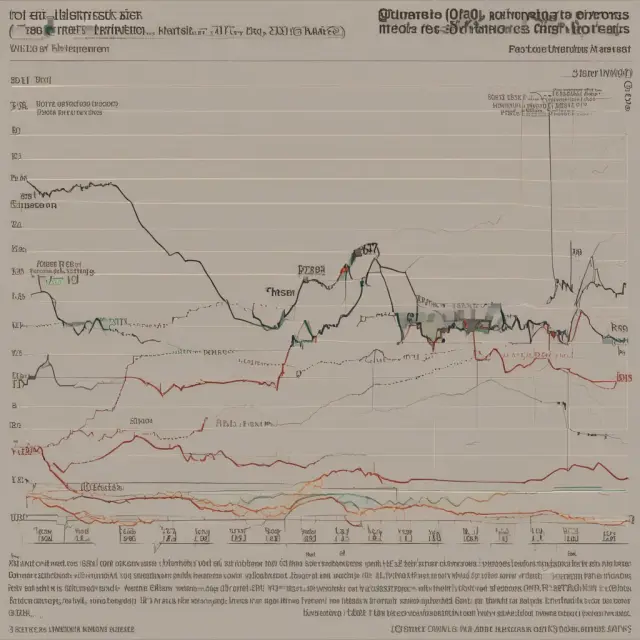
Historical returns during recessions are often compared to provide context on how past markets behaved during similar conditions. However, it’s essential to recognize that each recession carries unique drivers and economic conditions. For instance, the 2008-2009 recession was primarily driven by the housing market crash and the financial crisis, while the 1973-1975 recession was influenced by high inflation and rising oil prices (Figure 1).
Fig. 1: Historical returns during recessions (1946-2020)
When examining historical returns during recessions, we observe that stocks tend to experience significant volatility but generally recover within a few years. For example, the S&P 500 dropped by approximately 38% during the 2008-2009 recession but rebounded with an average annualized return of around 16% from its trough to the end of 2014 (Figure 2).
Fig. 2: S&P 500 historical returns during the 2008-2009 recession
Understanding these past trends does not guarantee future results, but it can inform investors about potential risks and opportunities in various economic conditions. For instance, if there are indications of a recession or heightened uncertainty, an investor might consider a more conservative investment strategy like allocating funds towards bonds instead of stocks. Conversely, if historical data suggests that the market has generally recovered well from past recessions, the investor may opt to maintain their existing portfolio.
In conclusion, analyzing historical returns during recessions can offer valuable insights for investors. However, it’s essential to recognize the unique economic conditions and drivers behind each recession when interpreting the data. By combining historical return analysis with fundamental and technical analysis, investors can develop informed investment strategies that help navigate various economic conditions.
Advantages and Limitations of Historical Returns Analysis
Understanding historical returns plays a crucial role in making well-informed investment decisions. By analyzing past performance data, investors can gain valuable insights into various market conditions and trends that can inform their strategies going forward. However, it’s essential to acknowledge both the advantages and limitations of this approach.
Benefits of Historical Returns Analysis:
- Identifying Trends: Historical returns allow us to observe how various securities or asset classes have behaved in specific economic environments. For example, analyzing historical returns for stocks, bonds, or commodities can reveal long-term trends and help investors predict future price movements based on past patterns.
- Predicting Market Reactions: Investors can use historical data to anticipate market reactions to various events such as recessions, inflation, or interest rate changes. This understanding can be crucial in making strategic asset allocation decisions and managing risk effectively.
- Gauging Risk: Historical returns analysis helps assess the inherent risk associated with different investments by providing a benchmark for evaluating future performance relative to past trends.
- Informing Portfolio Management: Historical returns are essential for constructing and managing diversified portfolios. By analyzing historical data, investors can optimize their portfolio allocation to maximize returns while minimizing risk exposure.
Limitations of Historical Returns Analysis:
- Past Performance Does Not Guarantee Future Results: Historical return analysis does not ensure future results will follow the same pattern as the past. Markets and economies are dynamic systems, and factors that influenced historical performance may change, making it essential to consider the current economic context and potential external shocks.
- Lack of Context: Analyzing historical returns alone might not provide a complete understanding of an investment’s underlying fundamentals. Investors must also consider other aspects such as the company’s financial statements, industry trends, and macroeconomic factors to make informed decisions.
- Short-Term Data Is Less Reliable: Historical return analysis is more effective for long-term trends than short-term price movements due to the volatility and uncertainty that can impact shorter time frames.
- Depends on Accurate Data: The reliability of historical returns analysis relies heavily on the accuracy and completeness of the data used. Investors must be diligent in sourcing reliable data and ensuring its validity to make informed decisions.
In conclusion, historical returns analysis offers valuable insights into investment performance over time, allowing investors to identify trends, predict market reactions, and inform portfolio management strategies. However, it’s essential to acknowledge the limitations of this approach and consider other factors such as financial statements, industry trends, and macroeconomic conditions when making investment decisions.

Historical Returns in Fundamental vs. Technical Analysis
When discussing historical returns, it’s essential to understand that there are different approaches to analyzing this data. Two popular investment analysis methods, fundamental analysis and technical analysis, each use historical returns differently. In this section, we will discuss these approaches and how they contribute to understanding past performance in the context of future investments.
Fundamental Analysis vs. Technical Analysis:
First, let’s define both fundamental and technical analysis:
- Fundamental Analysis: This approach examines a company’s financial health by analyzing its income statement, balance sheet, cash flow statement, and other qualitative factors to assess the intrinsic value of an investment.
- Technical Analysis: In contrast, technical analysis is focused on market data, such as price movements and volume trends, to forecast future price directions and trends using historical patterns and trends.
Historical Returns in Fundamental Analysis:
Fundamental analysis relies heavily on historical returns to evaluate a company’s past performance and future potential. Analysts use various financial ratios and key performance indicators (KPIs) derived from the historical data to assess the stock’s value relative to its peers and industry benchmarks. These ratios include Price-to-Earnings (P/E), Price-to-Book (P/B), and Return on Equity (ROE). By examining these metrics, fundamental analysts can determine if a stock is overvalued or undervalued compared to its historical averages. Additionally, they can use historical trends in the industry or sector to predict future performance based on the company’s financial health.
Historical Returns in Technical Analysis:
Technical analysis primarily focuses on analyzing historical returns through chart patterns and trends to forecast potential price movements and trends in the security or market. Technical analysts use various tools like moving averages, trendlines, support/resistance levels, and Fibonacci retracement to identify trends and predict future price targets. They analyze historical chart data for signs of bullish or bearish patterns that may indicate upcoming price changes. By studying the past performance in this way, technical analysts can make informed decisions on when to enter or exit a position based on current market conditions.
Advantages and Limitations:
Both fundamental and technical analysis have their advantages and limitations when using historical returns data. Fundamental analysis provides a deeper understanding of a company’s financial health and future growth prospects, allowing investors to make informed decisions based on solid financial data. However, it may not always provide accurate forecasts as external factors can influence market conditions.
Technical analysis, on the other hand, offers valuable insights into historical price trends and patterns, which can help predict short-term price movements. However, it may not capture the complete picture of a company’s financial situation and is more suited for traders looking to capitalize on short-term opportunities rather than long-term investors.
In conclusion, understanding historical returns in both fundamental and technical analysis is essential when making informed investment decisions. While fundamental analysis focuses on the intrinsic value of an investment through financial data, technical analysis concentrates on historical price trends and patterns to forecast future market movements. By combining the insights from these two approaches, investors can develop a well-rounded perspective and make more effective investment decisions based on both quantitative and qualitative factors.
FAQ:
What is the difference between fundamental and technical analysis?
Fundamental analysis focuses on a company’s financial health, while technical analysis looks at market data to forecast price movements using historical trends and patterns.
How can I calculate historical returns for a specific stock or index?
Subtract the most recent closing price from the oldest one, divide by the oldest price, and multiply by 100 to get the percentage change over the specified period.
What is the importance of historical returns in investment analysis?
Historical returns provide valuable insights into past performance that can help inform investment decisions, predict future trends, and assess potential risks.
How do I apply historical returns in asset allocation?
Use historical returns to identify top-performing sectors or asset classes and allocate a portion of your portfolio accordingly to maximize potential gains while minimizing risk.
What are the limitations of using historical returns for investment decisions?
Historical returns may not accurately predict future performance due to changing market conditions, economic factors, or other external variables that can impact the security’s value. It is essential to consider these factors when making investment decisions based on historical data.

Using Historical Returns to Inform Asset Allocation and Risk Management Strategies
Historical returns play a crucial role in asset allocation and risk management strategies, guiding investors’ decisions on where to allocate their resources and how to manage potential risks. By analyzing historical performance data, investors can develop a better understanding of past trends, identify patterns, and estimate future expected returns.
Determining Asset Allocation
Asset allocation is an essential component of investment planning that involves distributing assets among different asset classes, such as stocks, bonds, real estate, or commodities. Historical returns help investors determine the optimal mix for their portfolio based on their risk tolerance, time horizon, and financial goals. By analyzing historical performance data, investors can identify the potential rewards and risks associated with each asset class and allocate resources accordingly. For example, an investor might choose to allocate a larger portion of their portfolio towards stocks if they believe that historical returns indicate a strong long-term trend in the stock market.
Risk Management Strategies
Historical returns can also be used to inform risk management strategies by helping investors understand the potential downside risks associated with their investments. By analyzing historical performance data, investors can identify trends and patterns related to market downturns, allowing them to take steps to minimize potential losses. For instance, an investor might choose to use stop-loss orders or hedging instruments based on historical data that indicates a heightened risk of market volatility.
Example: Implementing Historical Returns Analysis in Asset Allocation and Risk Management Strategies
To illustrate the practical application of historical returns analysis, let us consider an example of an investor planning for retirement in ten years. By analyzing the historical performance of various asset classes, such as stocks, bonds, real estate, or commodities, the investor can identify trends and patterns to inform their asset allocation strategy. For instance, if historical data indicates that stocks have provided strong long-term returns with a moderate level of volatility, while bonds offer lower but more consistent returns, the investor might choose to allocate a larger portion of their portfolio towards stocks. However, recognizing the inherent risks associated with stocks, they may also implement risk management strategies like using stop-loss orders or diversifying their stock holdings across multiple sectors and asset classes to minimize potential losses.
In conclusion, historical returns analysis provides valuable insights for investors looking to make informed decisions on asset allocation and risk management strategies. By analyzing past performance data, investors can identify trends and patterns that can help inform their investment decisions, manage risks effectively, and ultimately achieve their financial goals. It is essential to remember that historical returns do not guarantee future results but offer a useful framework for understanding the potential rewards and risks associated with various asset classes.

Implications for Professional and Institutional Investors
Historical returns analysis plays a crucial role in informing investment decisions for professional and institutional investors. By examining historical return data, these investors can gain insights into past market trends and apply them to their current strategies.
Firstly, understanding historical returns helps professional investors assess the performance of their portfolios and identify underperforming assets. Investment managers may use historical return analysis as a benchmark for measuring the success of their portfolio management strategies. They can compare the actual returns against expected returns, adjusted benchmarks, or industry averages.
Secondly, historical returns enable institutional investors to optimize their asset allocation strategies. For instance, they can analyze the historical performance of various asset classes, such as stocks, bonds, real estate, or commodities, and allocate funds accordingly based on past trends. Additionally, understanding historical returns aids in risk management by providing insight into the volatility of different investments and helping to inform diversification strategies.
Institutional investors also use historical returns analysis for long-term strategic planning purposes. They can analyze market data to identify emerging trends or patterns and adjust their portfolios accordingly. For example, they might invest in specific sectors that have historically outperformed during economic downturns or in industries poised for growth based on past trends.
Moreover, historical returns analysis plays a significant role in the context of risk management for institutional investors. They can use historical data to assess potential risks and devise strategies to minimize their exposure to negative market conditions. For example, they may employ hedging techniques or create contingency plans based on historical return data.
In conclusion, historical returns analysis provides valuable insights for professional and institutional investors. It helps them assess past performance, optimize asset allocation strategies, manage risks, and inform strategic planning decisions. However, it’s important to remember that while historical returns can offer useful context, they do not guarantee future outcomes. The complex nature of the financial markets necessitates a nuanced approach to investment strategy, one that combines both fundamental and technical analysis and remains adaptable in the face of ever-evolving market conditions.

FAQ: Frequently Asked Questions About Historical Returns
What is the significance of historical returns in investment?
Historical returns serve as a valuable tool in finance, enabling us to analyze trends and patterns that inform our understanding of past market behavior. By examining historical returns data, investors can make informed decisions regarding asset allocation and risk management strategies.
How are historical returns calculated?
To calculate historical returns, subtract the most recent price from the oldest price in the dataset, then divide the result by the oldest price. The percentage obtained represents the historical return.
What investments can be analyzed using historical returns?
Historical returns analysis is applicable to a wide range of investment types, including stocks, mutual funds, real estate, commodities, and more. By assessing the historical performance of these various assets, investors can evaluate trends, make forecasts, and adjust their portfolios accordingly.
What role does technical analysis play in examining historical returns?
Technical analysts use historical return data to identify trends or patterns in market behavior that might influence future price movements. This approach is especially relevant for short-term price fluctuations, but longer-term trends tend to be driven by economic conditions and company performance.
What are the limitations of historical returns analysis?
Historical returns analysis has its limitations since past performance does not guarantee future outcomes. Additionally, historical returns may not account for changes in market dynamics or external factors that could significantly impact investment decisions. It is essential to use historical data in context and consider other relevant information when making investment decisions.
What insights can we gain from analyzing historical returns during recessions?
Examining historical returns during recessions helps us understand how various asset classes have responded to economic downturns. By recognizing these trends, investors can prepare for potential market volatility and adjust their strategies accordingly to minimize risk and optimize portfolio performance.
What are the benefits of using historical returns analysis in portfolio management?
Historical returns analysis plays a critical role in informed decision-making regarding asset allocation and risk management. By understanding past trends, investors can make data-driven choices about which investments to include in their portfolios and adjust them according to market conditions. Additionally, historical returns can provide valuable context for evaluating the performance of different investment strategies over time.
How accurate are predictions based on historical returns?
While historical returns analysis offers valuable insights, it does not guarantee future accuracy. Markets are dynamic systems influenced by numerous factors, making it important to consider a range of information sources and perspectives when making investment decisions. Historical data should be used as one tool among many in the investment process.
What’s the difference between historical returns and fundamental analysis?
Historical returns analysis is concerned with past performance, focusing on trends and patterns that can inform future market behavior. In contrast, fundamental analysis examines a company’s financial statements, industry conditions, and other quantitative and qualitative factors to assess its intrinsic value. Both approaches offer unique perspectives and can be used in conjunction to enhance investment decision-making.
How frequently should historical returns be analyzed?
There is no definitive answer to this question as it depends on individual investor preferences, market conditions, and the nature of the investments being made. Regular analysis of historical returns can help investors stay informed about trends and adjust their strategies accordingly, but over-reliance on historical data may lead to neglecting current developments that could significantly impact investment performance. A balanced approach that incorporates both historical data and real-time market information is recommended for effective investment decision-making.
 Next entry · No. 2,137Understanding Historical Volatility: Measuring Market Risk for Institutional Investors
See also
-
 No. 5,668
28 Sep 2025
18 min
Weighted: Understanding the Impact and Importance of Weighting in Finance and Investment
Business Finance
No. 5,668
28 Sep 2025
18 min
Weighted: Understanding the Impact and Importance of Weighting in Finance and Investment
Business Finance -
 No. 5,283
26 Aug 2025
20 min
Understanding the Universe of Securities: Definitions, Segmentation, and Analysis
Business Finance
No. 5,283
26 Aug 2025
20 min
Understanding the Universe of Securities: Definitions, Segmentation, and Analysis
Business Finance -
 No. 5,200
19 Aug 2025
16 min
Understanding Underweight: When Portfolios and Stocks Fall Short of Expectations
Business Finance
No. 5,200
19 Aug 2025
16 min
Understanding Underweight: When Portfolios and Stocks Fall Short of Expectations
Business Finance -
 No. 4,013
15 May 2025
19 min
Portfolio Investment: A Comprehensive Guide for Professional and Institutional Investors
Investments
No. 4,013
15 May 2025
19 min
Portfolio Investment: A Comprehensive Guide for Professional and Institutional Investors
Investments -
 No. 1,343
02 Sep 2024
21 min
Understanding Exchange-Traded Funds (ETFs): Types, Benefits, and How to Buy
Investments
No. 1,343
02 Sep 2024
21 min
Understanding Exchange-Traded Funds (ETFs): Types, Benefits, and How to Buy
Investments -
 No. 5,813
09 Oct 2025
18 min
Understanding Wrap Accounts: A Comprehensive Guide for Institutional Investors
Business Finance
No. 5,813
09 Oct 2025
18 min
Understanding Wrap Accounts: A Comprehensive Guide for Institutional Investors
Business Finance