Home Modifications: Making Homes Accessible for People with Different Physical Abilities
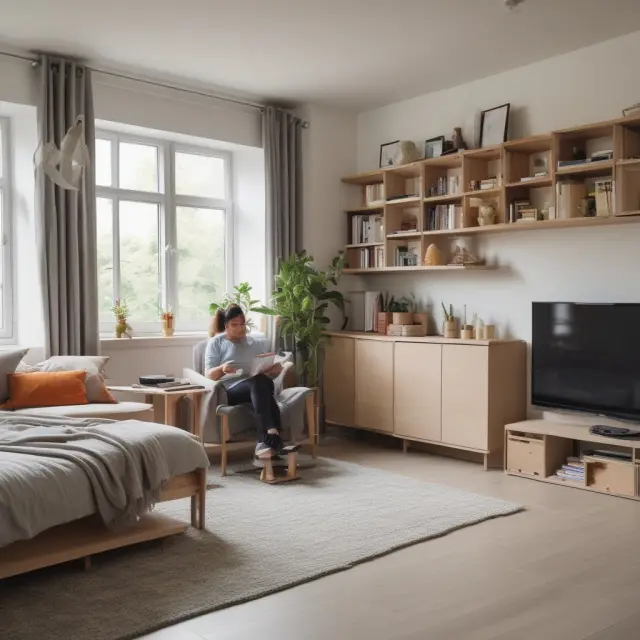
Learn the importance and benefits of home modifications for individuals with disabilities and elderly population. Discover common projects like ramps…
Introduction to Home Modifications
Home modifications refer to alterations made to homes specifically designed to meet the needs of individuals with physical limitations or disabilities. These modifications help create a safe living environment that caters to their unique requirements, promoting independence and improving overall quality of life (1). Home modifications can range from minor adjustments such as repositioning light switches for easy reach, to major renovations like installing wheelchair ramps or creating barrier-free bathrooms. The Americans with Disabilities Act (ADA) outlines the necessary standards for accessible design in public accommodations; however, home modifications extend these considerations beyond commercial spaces and into residential settings (2).
The Importance of Home Modifications
Home modifications play a vital role in ensuring that people with disabilities or aging seniors can live safely and independently in their own homes. These alterations enable them to manage daily tasks without assistance, reducing the need for institutional care and increasing overall independence (3). Moreover, home modifications significantly contribute towards improving mental health and fostering feelings of self-worth in individuals by allowing them to maintain a sense of control over their living environment (4).
Key Takeaways
Home modifications are alterations made to homes specifically designed to meet the needs of individuals with physical limitations or disabilities. These modifications promote independence, enhance overall quality of life, and reduce the need for institutional care. They can range from minor adjustments like repositioning light switches to major renovations such as installing wheelchair ramps or creating barrier-free bathrooms.
- Home modifications cater to individuals with physical limitations or disabilities, ensuring safe living environments that promote independence and overall quality of life.
- Home modifications range from minor adjustments like repositioning light switches to major renovations like installing wheelchair ramps or creating barrier-free bathrooms.
- The Americans with Disabilities Act (ADA) outlines necessary standards for accessible design in public accommodations, but home modifications extend these considerations into residential settings.
Understanding Home Modifications
Home modifications refer to alterations made to a house to accommodate the needs of individuals with different physical abilities, including disabilities and elderly persons. These changes ensure that the inhabitants can live safely and independently. While some home improvements or renovations share similarities with home modifications, they serve distinct purposes. Home modifications primarily focus on making homes more accessible for people with varying physical capabilities.
In contrast to home improvement projects intended to upgrade a property for aesthetic reasons, home modifications cater to functional necessities. The Americans with Disabilities Act (ADA) sets standards for accessible design in public accommodations, including automatic doorways, ramps, elevators, and wheelchair-friendly water fountains. Home modifications for private residences follow similar principles, tailored to individual needs.
Home modifications can encompass a diverse range of adjustments, from cost-effective solutions such as removing throw rugs or replacing doorknobs to more substantial projects like installing ramps, grab bars in bathrooms, and walk-in tubs. The cost for these modifications varies significantly: while minor adjustments might only require an investment of a few hundred dollars, larger renovations could cost several thousands.
For elderly individuals who wish to age gracefully in their own homes but face structural barriers, home modifications are essential. Many homes constructed prior to the widespread consideration of accessibility requirements may pose challenges to older adults’ independence. With home modifications, these issues can be addressed, enabling seniors to remain in their homes without the need for a caretaker or relocating to an assisted living facility.
Home modifications take on additional significance considering the increasing elderly population and the desire for many individuals to age at home. According to AARP Foundation research, 90% of older adults surveyed expressed a preference for staying in their homes as long as possible. Home modifications play a vital role in making this feasible while enhancing safety and independence.
In the following sections, we will discuss various types of home modifications suitable for individuals with disabilities and elderly persons, examples of these projects, the costs involved, funding options, and professional certifications.
Home Modifications for People with Disabilities
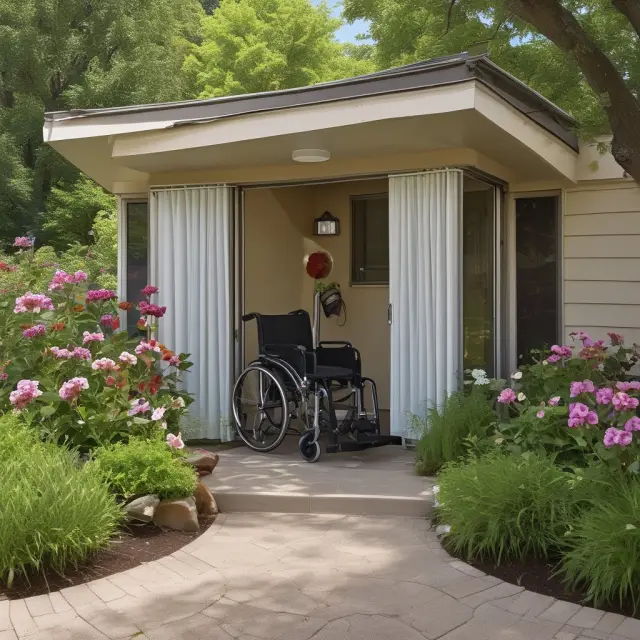
A home modification tailored to individuals with disabilities refers to any adaptation made to a dwelling to enhance accessibility and enable independent living. These modifications are crucial for ensuring equal opportunities for people with different physical abilities and can greatly impact their daily lives. Examples of such modifications include installing wheelchair ramps, grab bars in bathrooms, roll-in showers, door openers, and accessible kitchens.
Wheelchair Ramps: Installing a ramp is one of the most common home modifications for people with mobility impairments. A properly designed ramp can provide easy access to the entrance or multiple levels within a house. Ramp designs can range from portable models to permanent installations, depending on specific needs and budgets.
Grab Bars: Grab bars installed in bathrooms are an essential modification for individuals who require additional support while using the toilet, shower or bathtub. These bars provide extra stability and safety, enabling users to maintain their independence while reducing the risk of falls.
Roll-in Showers: A roll-in shower is a specially designed shower with a level entry, enabling easy access for wheelchair users. This modification is essential for individuals who may find traditional showers difficult to navigate or enter due to mobility challenges.
Door Openers: Automatic door openers are valuable modifications for people with limited dexterity or mobility. Installing these devices on doors can help them maintain their independence by providing convenient access in and out of the house.
Accessible Kitchens: A kitchen modification may include lowering countertops, installing pull-out shelves, and adjustable cabinets to accommodate wheelchair users. Accessible kitchen designs make cooking and meal preparation easier for individuals with disabilities, improving their overall quality of life.
These modifications contribute significantly to ensuring a safe, comfortable living environment for people with disabilities. By making homes more accessible, we can help promote independence and inclusion while providing equal opportunities for all members of our communities.
Home Modifications for Elderly Population
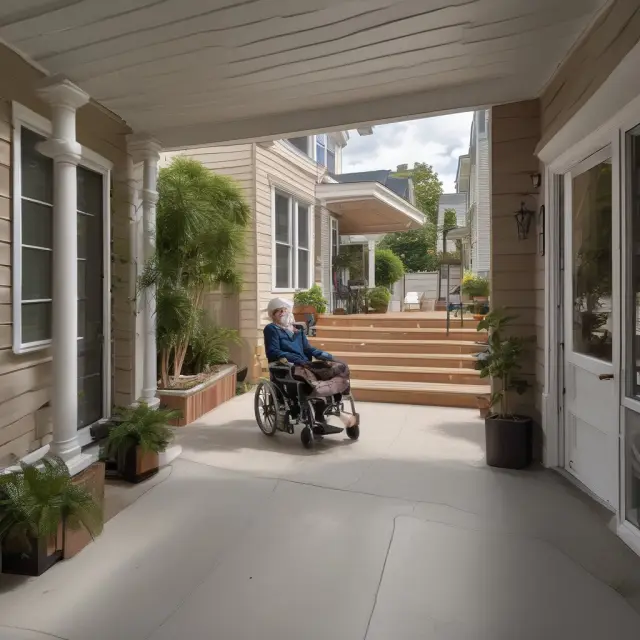
As we age, our homes may no longer meet our needs. Structural barriers can hinder an elderly individual’s independence and force them to consider moving into retirement homes. However, with home modifications tailored to their requirements, seniors have the opportunity to live comfortably in their own homes. While many homes were built without accessibility considerations, numerous home modifications cater specifically to this demographic.
For instance, a single-story house may not be suitable for an elderly person as they might face challenges navigating stairs. In such cases, installing a stairlift or building a ramp can provide a solution. Ramps can range from portable ones for short-term usage to permanent structures customized according to the home’s layout and individual requirements. Additionally, door openers offer assistance in entering and exiting their homes with ease.
Moreover, simple home modifications like installing easy-to-use fixtures, grab bars, and rails can significantly improve safety and independence. Digital displays for computers and temperature controls cater to seniors’ changing visual and dexterity needs. The addition of security systems provides peace of mind and added protection against potential hazards.
The benefits of staying at home with modifications extend beyond comfort and convenience; they also include cost savings. In the U.S., the National Resource Center on Supportive Housing and Home Modifications offers valuable resources, such as training, education courses, and technical assistance, helping seniors live safely in their homes for longer periods while minimizing expenses related to relocation or caretaking services.
The cost of these modifications varies significantly based on project scope and individual needs. While some projects might require only a few hundred dollars, larger renovations could cost tens of thousands or even more. Fortunately, various financing options are available for homeowners, making it easier to afford necessary modifications. These include grants, insurance coverage, and low-interest loans through government programs and private organizations dedicated to supporting seniors’ independence and safety in their homes.
To ensure successful home modification projects, it is crucial to consult professionals with experience in this area. Professionals can assess the individual’s needs, evaluate structural issues, and suggest suitable modifications that comply with regulations such as the Americans With Disabilities Act (ADA). Furthermore, contractors who specialize in home modifications may offer reduced rates and sliding-scale fees based on a senior’s income and ability to pay.
As home modifications grow increasingly popular, assistive technology also plays an essential role in facilitating these projects. Smart home systems, voice recognition software, wearable sensors, and other technological innovations can significantly improve the overall experience of living independently at home for seniors.
Common Home Modification Examples
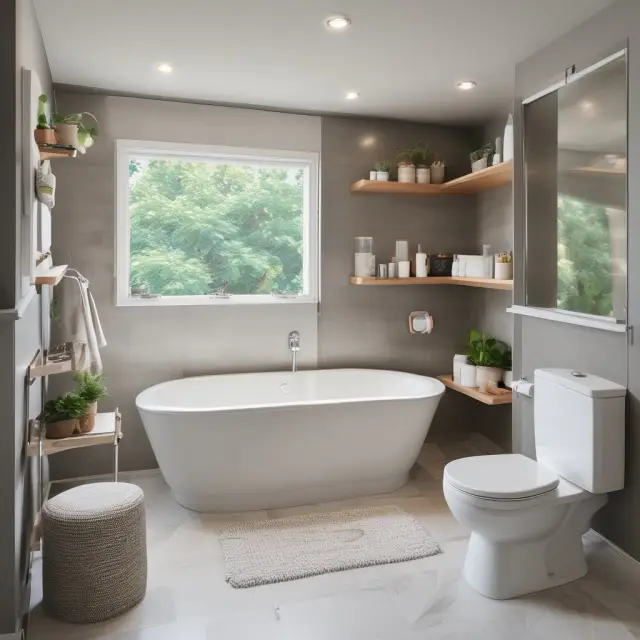
Home modifications can encompass a wide array of adjustments to better accommodate individuals with different physical abilities, enhancing their independence and overall quality of life in the comfort of their own homes. These adaptations run the gamut from minimal alterations to more extensive renovations, with various costs depending on the scope of the project. Let’s delve into some common home modification examples, which include digital displays, temperature controls, easy-to-use fixtures, grab bars or rails, door openers, security systems, ramps, and walk-in tubs.
1. Digital Displays: Incorporating large, clear, and high contrast digital displays for computers, smartphones, and televisions can be an essential modification for individuals with vision impairments or hearing difficulties. These displays enable users to access critical information more easily, improving their overall experience.
2. Temperature Controls: Adjustable temperature controls for heating and cooling systems help individuals maintain their preferred temperature while ensuring comfort and energy efficiency. For people with mobility issues, using thermostats with touchscreens or voice-activated features can make a significant difference in daily life.
3. Easy-to-Use Fixtures: Installing easy-to-use fixtures for light switches and faucets can be vital for individuals with limited dexterity. These modifications allow users to operate appliances with minimal effort, making their homes more accessible and user-friendly.
4. Grab Bars or Rails: Installing grab bars or rails in strategic locations, such as bathrooms and staircases, provides additional safety and support for individuals who may have difficulty with balance and mobility. These additions can prevent falls and make everyday tasks less strenuous.
5. Door Openers: Automatic door openers are an excellent home modification solution for individuals using wheelchairs or those dealing with mobility challenges. These devices enable users to effortlessly access rooms, making their homes more accessible and convenient.
6. Security Systems: Installing home security systems can provide peace of mind and safety for individuals who may need assistance in emergencies. These systems offer features such as medical alert pendants, emergency response services, and remote monitoring capabilities to ensure users’ wellbeing.
7. Ramps and Stairlifts: Providing ramp access or installing stairlifts can be crucial modifications for people with mobility challenges, including wheelchair users. Ramps enable easy entry and exit from homes, while stairlifts offer safe transportation between floors without the need to navigate stairs.
8. Walk-in Tubs: Installing walk-in tubs can help individuals with limited mobility access a safer bathing experience. These bathtubs are designed with doors that open and allow easy entry and exit, providing users with the confidence to bathe independently while maintaining their safety.
In conclusion, home modifications come in all shapes and sizes, tailored to meet the unique needs of individuals with different physical abilities. From simple adaptations like digital displays to more extensive renovations like walk-in tubs or ramps, these changes contribute significantly to enhancing independence and improving overall quality of life in the comfort of one’s own home.
Preparing Your Home for Modifications
Home modifications can make all the difference for individuals who have different physical abilities, allowing them to live more independently and safely in their own homes. Whether you’re planning home modifications for yourself or a loved one, it is crucial to ensure that the process goes smoothly and effectively addresses your needs. Here are some essential steps to prepare your home for modifications:
Consulting Professionals
When considering home modifications, consulting professionals is highly recommended. These professionals can conduct assessments of your current living situation to identify specific requirements and evaluate the scope of modifications needed. Look for experts in home modifications, assistive technology, or occupational therapy. Their expertise will help ensure that all necessary adaptations are made, keeping safety and accessibility at the forefront.
Evaluating Personal Needs
Understanding your unique situation and needs is crucial when planning home modifications. Consider factors such as mobility limitations, hearing impairments, vision challenges, or other physical abilities. By clearly identifying these requirements, professionals can create a customized plan to enhance your quality of life at home.
Ensuring Safety
Safety should always be a top priority during the home modification process. Ensure that all modifications meet relevant safety standards and codes. Additionally, consider additional safety measures such as installing smoke detectors, emergency response systems, or securing loose rugs to prevent slips and falls. By implementing these measures, you’ll not only create a more accessible living space but also ensure peace of mind for both yourself and your loved ones.
The importance of consulting professionals cannot be overstated when it comes to home modifications. They have the expertise needed to assess specific requirements, evaluate the scope of work required, and ensure safety during the process. By involving them early on in your planning stage, you can feel confident that the outcome will be a more accessible, comfortable, and safe living environment tailored to your unique needs.

Costs and Funding Options for Home Modifications
Understanding the Expense of Making Your Home Accessible
Home modifications can be a significant investment, and it’s crucial to be well-versed in the various financing options available to help offset these costs. While some modifications might only cost a few hundred dollars, larger projects could set you back thousands. Understanding the overall expense will ensure that you are fully prepared before embarking on this journey.
Cost Factors in Home Modifications
Several factors impact the cost of home modifications, including:
- Complexity of the project
- Size of the area to be modified (e.g., bathrooms, kitchens)
- Type of modification
- Contractor rates and availability
- Accessibility to your location
- Use of specialized equipment or materials
Financing Options for Home Modifications
Funding home modifications can be achieved through various sources:
- Federal Programs (HUD, VA, Medicare)
- State Programs (Home Modification Grants)
- Local Assistance Programs (Community Development Block Grants)
- Insurance Companies
- Personal Savings or Home Equity Loans
- Non-Profit Organizations and Charities
- Crowdfunding
Government Funded Programs
The U.S. Department of Housing and Urban Development (HUD), Veteran’s Administration (VA), and Medicare offer programs designed to assist with home modification costs for specific groups, including seniors and individuals with disabilities:
– HUD: The Office of Multifamily Housing Programs offers a variety of resources and grants for housing and accessibility modifications.
– VA: The Specialized Adaptive Housing (SAH) Grant assists veterans and their families with the costs of home modifications when a service-connected disability requires it.
– Medicare: The Medicaid State Plan Home and Community Based Services (HCBS) Waivers provide financial support to individuals in need of home modifications.
State and Local Grants
The availability of state programs and local assistance grants may depend on your location, but they are worth investigating as potential sources of funding for home modifications:
– State Home Modification Grants: The National Resource Center on Supportive Housing and Home Modifications maintains an up-to-date list of state agencies that offer grant opportunities.
– Community Development Block Grants: These federal grants fund projects that benefit low to moderate income individuals, including those requiring home modifications for accessibility purposes.
Insurance Companies
Homeowners’ insurance policies may cover some of the costs associated with making your home accessible. Check with your provider to see what they offer and explore any possibilities available through your policy.
Personal Savings or Home Equity Loans
Using personal savings, a home equity loan, or line of credit can help you finance home modifications if other options aren’t viable. Be sure to consult a financial advisor before making such decisions.
Non-Profit Organizations and Charities
Organizations like Rebuilding Together, Habitat for Humanity, and Operation Homefront may provide services or grants to support individuals in need of home modifications. Research the qualifications and application process for each organization carefully.
Crowdfunding
Platforms such as GoFundMe, Indiegogo, or Kickstarter can help raise funds for your project, but keep in mind that success depends on effectively communicating the purpose and impact of your project to potential donors.

Home Modification Contractors and Certifications
When considering home modifications, it’s crucial to hire a certified contractor to ensure that the necessary alterations are made correctly, efficiently, and safely. A contractor with experience in accessibility modifications can help you navigate through various considerations, including assessing your needs, evaluating costs, and ensuring safety. Here are some steps to finding a qualified home modification professional:
1. Understanding Certifications: Look for contractors who hold certifications related to home modifications from organizations such as the National Association of the Remodeling Industry (NARI), the Aging in Place University (AiP), or the Universal Design Living Laboratory (UDLL). These certifications demonstrate their expertise and commitment to the industry’s best practices for creating accessible homes.
2. Local Resources: Consult local resources, such as the National Resource Center on Supportive Housing and Home Modifications, AARP Foundation, and your Area Agency on Aging, for recommendations on qualified contractors in your area. These organizations can help you connect with professionals who have a proven track record of completing home modifications.
3. Check References: Before hiring a contractor, always ask for references from their previous clients. Contact these individuals to discuss their experiences working with the contractor, including project execution and communication throughout the process. Positive reviews can provide valuable insights into a contractor’s reliability and quality of work.
4. Insurance: Ensure that the contractor carries appropriate insurance coverage, such as workers’ compensation and liability insurance, for the home modification project. This will protect both you and the contractor in case of accidents or damages during the project.
5. Costs and Financing: Discuss upfront costs with the contractor, including any potential financing options that may be available. Some contractors offer reduced rates and sliding-scale fees based on a senior’s income and ability to pay, while others might provide financing or connect you with financial assistance resources.
6. Compliance with Regulations: Ask about the contractor’s knowledge of local building codes and ADA requirements. Ensuring compliance is critical for your home modification project’s success and safety.
Hiring a certified contractor is crucial to ensuring that the home modifications are carried out correctly, efficiently, and safely, allowing you or your loved one to live comfortably and independently in a modified home.
Assistive Technology for Home Modifications
Assistive technology plays a crucial role in enabling people with disabilities to live independently and safely by enhancing their ability to navigate their environment and perform daily tasks. It is an integral part of home modifications, often complementing or replacing physical alterations. Assistive technology encompasses a wide range of devices from low-tech items like grab bars and door openers to advanced technologies such as smart home systems, voice recognition software, wearable sensors, and more.
Smart Home Systems: Smart homes equipped with automated systems, sensors, and voice control offer immense benefits for people with disabilities or limited mobility. Voice-activated assistants like Amazon Alexa or Google Assistant can be used to operate various appliances, lights, and even temperature controls remotely, making home life more accessible and convenient.
Voice Recognition Software: Text-to-speech (TTS) software can be an invaluable tool for individuals with mobility or visual impairments. This technology converts written text into spoken words, enabling users to access information hands-free, and improving their overall independence and productivity.
Wearable Sensors: Wearable sensors are another significant assistive technology that enables real-time monitoring of vital signs, physical activity levels, and other health metrics. These devices can alert caregivers or medical professionals in case of emergencies, providing peace of mind for individuals with chronic conditions and their families.
Other Assistive Technologies: Several other assistive technologies can help make homes safer, more accessible, and user-friendly for people with disabilities. These include door openers, which are particularly useful for individuals in wheelchairs or those with limited upper body strength; ramps and stairlifts, which provide a means to access multiple floors within their home; grab bars and handrails, which help maintain safety and stability in the bathroom; and security systems to ensure peace of mind.
Conclusion:
The integration of assistive technology into home modifications is revolutionizing the way we create accessible environments for people with disabilities or limited mobility. These technologies provide a multitude of benefits by enhancing independence, improving accessibility, and increasing overall quality of life. By staying informed about the latest advancements in assistive technology and collaborating with professionals specializing in these devices, homeowners can ensure that their homes remain safe, functional, and accessible for years to come.
FAQs on Home Modifications
What are home modifications?
Home modifications are alterations made to a residence to meet the needs of people with different physical abilities, as outlined by the Americans With Disabilities Act (ADA). These changes include installing ramps, grab bars, or other fixtures that make a home more accessible and safer for individuals with disabilities.
What is the difference between home modifications and improvements?
Home modifications specifically refer to alterations made to a home to accommodate people with different physical abilities, while home improvements typically focus on enhancing a property’s value or aesthetics. Home modifications can sometimes include home improvements but are primarily concerned with making the living environment more accessible.
How much do home modifications cost?
The price of home modifications varies greatly depending on the extent of the project. Simple modifications like installing grab bars may only cost a few hundred dollars, while larger projects could cost thousands of dollars or more. For extensive renovations, financing options and grants may be available.
What resources are available for home modifications?
The National Resource Center on Supportive Housing and Home Modifications is a valuable resource for those seeking to make accessibility improvements to their homes. This organization offers training, educational courses, and technical assistance for home modification projects.
Are home modifications covered by insurance?
Most homeowners insurance policies do not cover the cost of home modifications. However, some grants or financing options may be available to help offset the expense. Consulting with a professional in this field can provide more information on potential funding opportunities.
What are the benefits of home modifications for elderly individuals?
Home modifications can make it possible for elderly individuals to live independently and safely in their own homes, reducing the need for costly caregivers or retirement homes. Common modifications include installing grab bars, walk-in tubs, stairlifts, and wheelchair ramps.
Who should be consulted when planning home modifications?
It is crucial to work with certified contractors and professionals experienced in making home modifications for individuals with different physical abilities. They can ensure that the project adheres to ADA guidelines, accommodates specific needs, and maintains a safe living environment.
 Next entry · No. 2,183Home Office Expenses: Deductions, Calculations, and Examples for Institutional Investors
See also
-
 No. 3,818
29 Apr 2025
17 min
Understanding Other Post-Retirement Benefits: Dental, Vision, Legal, and Tuition
Retirement
No. 3,818
29 Apr 2025
17 min
Understanding Other Post-Retirement Benefits: Dental, Vision, Legal, and Tuition
Retirement -
 No. 155
07 Apr 2024
19 min
Understanding the Americans with Disabilities Act (ADA) – Protecting Equal Opportunities for People with Disabilities in Employment and Public Life
Consumer Rights
No. 155
07 Apr 2024
19 min
Understanding the Americans with Disabilities Act (ADA) – Protecting Equal Opportunities for People with Disabilities in Employment and Public Life
Consumer Rights -
 No. 4,222
01 Jun 2025
22 min
Improving Individual and National Quality of Life: Understanding the Factors That Matter
Consumerism
No. 4,222
01 Jun 2025
22 min
Improving Individual and National Quality of Life: Understanding the Factors That Matter
Consumerism -
 No. 5,903
17 Oct 2025
24 min
Zero Percent Financing: What It Is and Why It Might Be More Expensive Than You Think
Business Finance
No. 5,903
17 Oct 2025
24 min
Zero Percent Financing: What It Is and Why It Might Be More Expensive Than You Think
Business Finance -
 No. 5,901
17 Oct 2025
19 min
Zero-Lot-Line Houses: Understanding Pros and Cons for Institutional Investors
Real Estate
No. 5,901
17 Oct 2025
19 min
Zero-Lot-Line Houses: Understanding Pros and Cons for Institutional Investors
Real Estate -
 No. 5,897
17 Oct 2025
19 min
Mastering Zero-Gap Condition: Achieving Interest Rate Risk Immunization for Financial Institutions
Financial Education
No. 5,897
17 Oct 2025
19 min
Mastering Zero-Gap Condition: Achieving Interest Rate Risk Immunization for Financial Institutions
Financial Education