Intertemporal Choice: Understanding How Current Decisions Affect Future Financial Opportunities

Understand the significance of current decisions in shaping future financial opportunities through intertemporal choice.
Introduction to Intertemporal Choice
Intertemporal choice is an essential concept in finance and economics, as it describes how decisions made today can significantly affect future financial opportunities. The ability to postpone consumption or invest funds can lead to increased consumption levels at a later stage. Conversely, prioritizing current consumption over future savings might limit the number of available options for long-term financial goals.
Intertemporal choice influences both individuals and corporations alike, as it determines investment strategies, spending habits, and retirement planning. Understanding how to effectively navigate these choices is crucial in ensuring a solid financial foundation for the present and future. In this section, we’ll discuss intertemporal choice’s relevance and significance in personal finance and business decisions.
Description of Intertemporal Choice
Intertemporal choice refers to the process of deciding on current consumption versus future opportunities based on available resources and preferences. Theoretically, by not consuming today, an individual can accumulate wealth that will lead to enhanced consumption possibilities in the future. Conversely, prioritizing present consumption could limit long-term financial options.
Personal Finance
For individuals, intertemporal choice centers around spending habits and savings strategies for retirement. An individual who saves today sacrifices immediate consumption but experiences increased utility as their savings grow over time. Conversely, those who prioritize current needs and wants could find themselves with limited financial resources available for long-term goals like a comfortable retirement or homeownership.
Corporate Intertemporal Choice
For corporations, intertemporal choice plays an essential role in investment decisions aimed at maximizing returns over the short term and long term. Balancing current profits against future growth is a crucial aspect of corporate strategy, as both aspects contribute to overall success and shareholder value. Companies face unique challenges when making intertemporal choices, including market conditions, competitive pressures, and regulatory requirements.
Understanding Intertemporal Choice
Being aware of the implications of intertemporal choice is essential in achieving long-term financial objectives. The presence of budget constraints often requires individuals to make tradeoffs between present consumption and future opportunities. While it might be tempting to prioritize current needs, a focus on future goals can lead to greater financial security and peace of mind.
Real-life Example
Consider an individual who decides to make a large purchase that exceeds their budget, requiring additional financing or dipping into savings or retirement funds. Such choices can have long-lasting consequences on future wealth, potentially affecting an individual’s ability to save for retirement or pay off debt. For instance, a sudden loss of employment could compound the financial impact of a poor intertemporal choice, leaving an individual with few options and significant challenges in recovering from their decision.
External Factors
External factors like job opportunities, market conditions, and unforeseen events can also influence intertemporal choices. For example, a professional might face the dilemma of choosing between two employment offers with varying salaries and benefits when considering long-term financial goals. Making informed decisions that maximize both present and future wealth is essential in navigating intertemporal choice successfully.

Decisions Impacting Personal Finances
Intertemporal choice is an essential economic concept that revolves around making decisions today that can significantly affect future opportunities. The theory behind intertemporal choice assumes that people can consume either now or in the future, and their decisions in the present moment shape what they can consume later on. In practice, this concept plays a vital role in our daily lives as individuals and organizations alike grapple with balancing short-term needs against long-term objectives.
For the average person, intertemporal choices predominantly center on personal spending habits and savings decisions. While it may be tempting to spend money on immediate wants or needs, consciously considering the potential long-term implications of our current financial choices is crucial for securing a comfortable future.
Let’s examine the consequences of an example involving an individual making a large purchase that goes beyond their usual budget:
- Exorbitant Purchase: Suppose an individual spends a considerable amount on an extravagant purchase, such as a dream vacation or a luxury car, which requires financing methods like personal loans, credit card debt, or even withdrawing funds from retirement accounts. This action results in a decline in the person’s available assets for future savings and investments.
- Impact on Retirement: The decision to spend money on non-essential items today may compromise long-term financial goals such as retirement plans. An individual might be forced to delay their intended retirement age or seek alternative sources of income, potentially affecting the quality of life in later years. External factors can also complicate matters, as sudden changes in employment or income can create further obstacles when trying to recoup losses and make up for missed savings opportunities.
- Alternative Intertemporal Choices: Employment decisions are another area where intertemporal choices come into play. A professional faced with two job offers, each presenting contrasting salaries and employment conditions, must consider how their choice will impact future financial opportunities:
– High-stress Job with Higher Salary: This choice could yield more retirement benefits but may involve long hours and high stress levels.
– Low-stress Job with Lower Salary: The alternative offers a better work-life balance, but the resulting lower salary may result in fewer retirement funding options or less money set aside for future needs.
In conclusion, intertemporal choice plays an essential role in shaping our financial futures through various aspects of our daily lives, from spending habits and savings decisions to employment opportunities. Consciously considering the long-term implications of our choices can help individuals make more informed decisions that secure their financial wellbeing both now and in the future.

Intertemporal Choice for Companies
Intertemporal choice is a crucial concept in finance and investment, particularly when it comes to corporate decision-making regarding investments. Intertemporal choice refers to the company’s current decisions that can significantly impact its future growth potential (Miller & Modigliani, 1960). Companies engage in intertemporal choices by investing resources in projects or assets with various rates of return. The primary objective is to maximize their net present value.
Consider a company deciding between two investment opportunities: Project A and Project B. Both investments have the potential for attractive returns, but they differ significantly in their time horizons. Project A promises a higher rate of return but requires an upfront investment with a relatively short payback period. In contrast, Project B has a lower return rate but will yield benefits over an extended period.
When making intertemporal choices, companies must weigh the returns against the risks and consider their time horizons. Companies’ decision-making process in this context is shaped by several factors, such as the opportunity cost of capital, the company’s growth opportunities, and the risk tolerance level (Auerbach & Schlarbaum, 1997).
For instance, a young technology startup might opt for higher-risk intertemporal choices to secure its long-term growth. The founders may invest in Research and Development (R&D) initiatives that carry significant upfront costs but have the potential for substantial returns over time. Alternatively, mature companies might focus more on shorter-term investments with lower risk and a quicker payback period.
By applying intertemporal choice principles to corporate finance, companies can make strategic decisions that balance short-term needs and long-term growth objectives. Moreover, understanding the concept of intertemporal choice can help investors assess a company’s investment prospects and evaluate its financial health.
References:
Auerbach, A. J., & Schlarbaum, M. (1997). Intertemporal choice in the corporate sector: An overview. Journal of Economic Perspectives, 11(4), 51-62.
Miller, H. J., & Modigliani, F. H. (1960). The dividend-price ratio and expected earnings growth rates. Review of Economics and Statistics, 52(3), 323-335.
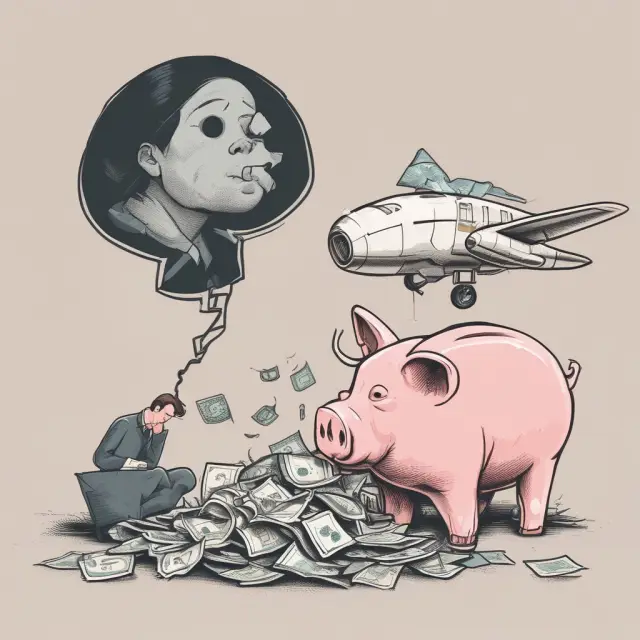
Present Bias: The Human Tendency to Favor Current Needs
Intertemporal choice refers to the decisions individuals make today that can significantly impact their future financial opportunities. A crucial concept in behavioral finance, present bias highlights our tendency to prioritize immediate needs and wants over long-term objectives (Shefrin & Thaler, 1988). Understanding present bias and its role in intertemporal choice is essential for making informed financial decisions that cater to both short-term and long-term goals.
The preference for instant gratification often leads individuals to make choices detrimental to their future wealth. For instance, an excessive purchase can limit the funds available for retirement or other long-term objectives. The impact of such a decision depends on the size of the expenditure, as well as any external factors that might affect future income.
Present bias is evident when individuals choose to consume more in the present despite its potential consequences on their future opportunities. In the context of intertemporal choice, making decisions based on instant gratification can lead to a reduced ability to meet long-term financial objectives, such as saving for retirement or paying off debt.
An example of this phenomenon is an individual who takes out a personal loan, maxes out credit cards, or withdraws funds from their retirement savings to pay for a lavish trip around the world. Although this expenditure provides immediate pleasure and relief, it depletes resources essential for long-term financial goals. Furthermore, unforeseen circumstances like job loss can make it difficult for individuals to recoup these expenses and prepare adequately for future financial needs.
Present bias also influences employment decisions, leading professionals to prioritize short-term benefits over long-term consequences. For instance, a high-stress, high-paying position might seem attractive initially due to its immediate advantages like higher compensation or the potential for additional pension plans. However, choosing this career path may come at the expense of better work-life balance and less funding for future retirement goals.
To mitigate present bias’s negative impact on intertemporal choices, it is crucial to understand the long-term consequences of current decisions. By considering both short-term needs and long-term objectives, individuals can make financially sound choices that ensure a stable financial future. Planning and budgeting are effective strategies for creating a balance between satisfying present desires and saving for the future.
In conclusion, intertemporal choice plays an essential role in our financial decisions, as they often have consequences far beyond the present moment. Present bias is a significant factor shaping intertemporal choices, with individuals commonly prioritizing current needs over long-term objectives. By recognizing present bias and its impact on intertemporal choices, individuals can make well-informed decisions that cater to both short-term and long-term goals, ensuring a stable financial future.

Impact of Large Purchases on Intertemporal Choices
Intertemporal choice is an essential concept in economics, describing how present decisions can significantly influence future financial opportunities (Bhattacharya, 1987). This idea underpins the importance of considering long-term consequences when making choices that involve our finances. An excellent illustration of intertemporal choice’s impact is observed when individuals make significant purchases.
Consider an individual who decides to go on a costly vacation, exceeding their usual budget. To finance this purchase, they may take out loans, max out credit cards, or even withdraw funds from retirement accounts. While the individual gains immediate gratification from this expenditure, it can limit their ability to save for future financial goals, such as retirement.
Research shows that people tend to exhibit present bias when making intertemporal choices (Loewenstein, 1993). This tendency makes individuals more inclined towards satisfying current needs and wants instead of focusing on long-term objectives. The consequences can be substantial, as seen in the example above. In a worst-case scenario, an unforeseen event like job loss could leave the individual facing insufficient funds to cover both their immediate financial obligations and their future retirement plans.
These choices also extend beyond personal finance. Corporations face similar intertemporal decisions when making investments (Hirshleifer & Rasmussen, 2001). Companies may choose to invest in research and development projects that provide long-term growth over short-term profits. Alternatively, they might prioritize dividend payouts to shareholders instead of reinvesting profits back into the company.
The impact on retirement planning is particularly noteworthy when examining intertemporal choices related to large purchases (Freeman & Munnell, 2015). A substantial expenditure can significantly decrease an individual’s ability to save for their future financial needs. The choice made today has implications that span multiple years, potentially impacting the quality of life in retirement.
Understanding intertemporal choice’s role is crucial when assessing how large purchases affect retirement planning. As individuals consider making significant financial decisions, it is essential to weigh both short-term and long-term consequences carefully. By doing so, they can make informed choices that provide immediate gratification while not compromising their future financial security.
References:
Bhattacharya, A. K. (1987). Consumer choice in uncertain futures: Theories and applications. Cambridge University Press.
Freeman, M. S., & Munnell, A. H. (2015). Consumption smoothing and retirement savings. Journal of Political Economy, 123(4), 829-862.
Hirshleifer, J., & Rasmussen, E. R. (2001). Intertemporal choice under uncertainty: A survey and analysis of methods and applications. Journal of Economic Perspectives, 15(3), 71-94.
Loewenstein, H. (1993). Preference reversals as tests of temporal self-control: The case of ‘boring’ versus ‘exciting’ choices. Quarterly Journal of Economics, 108(2), 569-588.

Intertemporal Choice in Employment Decisions
Understanding Intertemporal Choice in Personal Finance and Employment
Intertemporal choice is an essential concept in finance and economics, signifying the impact of current decisions on future opportunities. The employment landscape presents a unique perspective on intertemporal choice, as decisions made today can influence both present well-being and long-term financial stability. In this context, we explore how salary, job demands, and retirement plans come into play when making intertemporal choices regarding employment.
The Impact of Employment Decisions on Intertemporal Choice
A career choice can significantly affect our consumption patterns, savings opportunities, and overall financial future. When evaluating potential jobs, individuals must consider more than just the immediate salary offer; they should also weigh the long-term implications of various employment decisions. For instance, a job that pays a lower salary but offers a better work-life balance might enable an employee to maintain a healthy savings rate and secure a comfortable retirement, as opposed to a high-paying position with demanding hours that may hinder their ability to save adequately for future needs.
The Role of Salary in Intertemporal Choice
While salary is a crucial factor when choosing employment opportunities, it only provides part of the picture in determining the long-term financial implications. The way an individual manages the income they earn also plays a significant role in their financial success. A person may decide to live beyond their means and spend excessively while earning a high salary. Alternatively, someone earning a lower salary but living below their means can save more for retirement and enjoy greater financial security.
Job Demands and Retirement Planning
When making intertemporal choices in employment decisions, job demands are another important factor to consider. A career with demanding hours or physically taxing work might impact an individual’s ability to plan for a comfortable retirement. The energy required to perform the job may lead an employee to focus on present consumption and delay saving for their future needs. In contrast, a less demanding job can enable an employee to allocate more resources towards retirement savings, resulting in a more financially secure future.
Balancing Present Needs and Future Objectives
Striking a balance between satisfying current needs and preparing for the long-term is essential when making intertemporal choices regarding employment. While it’s vital to prioritize present well-being and financial stability, neglecting retirement savings in favor of immediate gratification could lead to significant challenges in the future. For example, an individual might choose a high-paying job with demanding hours but struggle financially during retirement due to insufficient savings.
Conclusion
The decisions we make regarding our employment can significantly impact both our present and future financial situations. As such, it’s essential to weigh various factors when considering potential career choices. By carefully evaluating salary offers, understanding the implications of job demands on retirement planning, and striking a balance between present needs and long-term objectives, individuals can make informed intertemporal choices that secure their financial wellbeing for years to come.

Impact of External Factors on Intertemporal Choices
External factors can significantly influence individuals’ and companies’ intertemporal choices, shaping their future financial opportunities. Understanding these forces is essential for making informed decisions that cater to both short-term needs and long-term objectives.
For individuals, unanticipated events like employment changes, market conditions, or personal circumstances can impact intertemporal choices. For example, an expensive purchase may require the individual to take on additional debt or liquidate assets dedicated to long-term goals. Consequently, it could result in delayed retirement, reduced savings growth, and a shortfall of funds during retirement years.
Considering the instance of a sudden employment loss, a person’s intertemporal choices can lead to financial challenges when they need to pay off accumulated debt and secure alternative sources of income. The loss of assets due to excessive spending prior to this event might exacerbate these issues. In contrast, having a solid savings strategy with an emergency fund in place can help mitigate the impact of unforeseen circumstances on long-term financial goals.
Incorporating External Factors into Intertemporal Planning
External factors’ influence on intertemporal choices is not limited to individuals. Companies also face these pressures when making investment decisions. For instance, external factors like interest rates, inflation, and economic conditions impact the profitability of long-term investments. Companies need to consider how these factors might change during the investment period to make informed decisions that balance short-term profits with future growth opportunities.
Moreover, companies’ access to credit markets can also affect their intertemporal choices. In a favorable economic climate, businesses may choose to invest heavily and expand operations, increasing their long-term profit potential. Conversely, in times of market uncertainty or financial instability, companies might opt for more conservative strategies that focus on short-term gains.
External factors, such as government policies, can also shape intertemporal choices. For example, regulations that favor renewable energy sources can encourage businesses to invest in green technology, leading to long-term environmental and financial benefits. Similarly, tax incentives or subsidies for education and training can influence individuals’ decisions about their education and career paths.
Balancing Short-Term Needs with Long-Term Objectives
To effectively navigate intertemporal choices amid external factors, it is essential to balance short-term needs against long-term objectives. A well-thought-out financial strategy that includes emergency funds, diversified investments, and a realistic retirement plan can help individuals prepare for the future while accommodating present needs. Companies, too, can create long-term growth strategies by considering external factors’ potential impact on their investments.
In conclusion, intertemporal choices involve making decisions that have consequences for both the present and future. Understanding how external factors affect these choices is crucial for individuals and companies alike. By recognizing the importance of balancing short-term needs with long-term objectives, you can make informed decisions that help secure a better financial future.

Balancing Near-Term and Long-Term Objectives
Intertemporal choice refers to decisions made today that can impact our financial situation in the future. Balancing our short-term needs against long-term objectives is a crucial aspect of intertemporal choice, especially for individuals’ personal finances and retirement planning. By saving or investing today, we are sacrificing current consumption, but we’re also paving the way for increased opportunities in the future.
Intertemporal choice can be illustrated through an example: making a large purchase today could significantly affect our long-term financial goals. For instance, if someone decides to pay for an expensive vacation right now and takes on debt to finance it, they might find themselves with fewer resources available for retirement savings later. This could potentially lead to the need for supplemental income or postponed retirement plans.
Intertemporal choice is a common issue faced by individuals in various situations. For example, a person deciding between two employment opportunities must consider the long-term implications of each offer. One job might provide a higher salary but come with increased demands and stress levels. Another opportunity may offer a lower salary but have better work-life balance. Making the choice that prioritizes immediate needs over future objectives could lead to financial consequences.
Avoiding present bias – the tendency to prefer current consumption over future benefits – can help individuals make more informed intertemporal choices. Present bias often leads people to focus too much on their immediate desires, which may hinder their ability to plan for long-term objectives. By acknowledging and planning for the potential impact of our decisions on future financial opportunities, we can better balance near-term needs with long-term goals.
Staying committed to a saving or investment strategy is crucial in managing intertemporal choices effectively. Consider setting up automatic transfers from your checking account into a retirement savings account each month. This way, you’re taking care of future financial needs without even thinking about it. Additionally, avoid unnecessary debt accumulation, which can hinder your ability to save and invest for the future.
As a rule of thumb, focus on balancing immediate gratification with long-term gains to ensure your financial health in the future. By making conscious decisions that prioritize both short-term needs and long-term objectives, you can create a strong foundation for your financial future.

Planning for Retirement: The Role of Intertemporal Choice
Understanding the importance of intertemporal choice is essential when it comes to planning and preparing for retirement. This concept refers to how decisions made today can significantly impact our financial opportunities in the future. In the context of personal finance, making wise intertemporal choices revolves around balancing current needs and savings for long-term objectives.
One primary example of intertemporal choice involves an individual deciding between spending money on short-term needs and wants versus saving and investing it to secure a comfortable retirement. This decision is often influenced by the present bias, which encourages people to prioritize immediate satisfaction over future needs. For instance, someone might choose to take a pricey vacation instead of allocating extra funds toward retirement savings.
However, such a choice can lead to adverse consequences in the long run. By focusing on current consumption and neglecting future financial goals, an individual’s retirement planning could be negatively affected. The impact becomes even more pronounced when considering external factors like market conditions or unforeseen circumstances, such as a job loss.
Moreover, intertemporal choice plays a significant role in corporate investment strategies. Companies must consider the future consequences of their current financial decisions while seeking to maximize returns on investments (ROI). This decision-making process is essential for ensuring long-term growth and sustainability.
Another aspect of intertemporal choice involves employment decisions, which can significantly impact an individual’s retirement planning. A professional might be faced with a choice between two job offers: one that pays a higher salary but demands more hours and work pressure or another with lower pay but better work-life balance. The decision made now could influence future retirement opportunities, as the amount of funds saved and available for pension plans may vary.
It’s crucial to be aware of intertemporal choice when making decisions regarding personal finances, especially when planning for retirement. Balancing near-term needs with long-term objectives can help ensure a secure financial future. In the next section, we will discuss how individual spending habits and savings choices impact retirement planning in detail.
FAQs on Intertemporal Choice:
What is intertemporal choice?
Intertemporal choice refers to decisions made now that can significantly impact future opportunities. In personal finance, it pertains to balancing current needs and long-term savings for retirement planning.
How does present bias affect intertemporal choices in retirement planning?
Present bias encourages individuals to prioritize immediate satisfaction over future financial goals. This can lead to neglecting retirement planning and making choices that could negatively impact long-term financial security.
What role does intertemporal choice play in corporate investment strategies?
Companies must consider the future consequences of their current financial decisions while seeking to maximize returns on investments. Intertemporal choice is vital for ensuring long-term growth and sustainability.
How do employment decisions factor into intertemporal choices?
Professional decisions regarding job offers can influence retirement planning as they affect the amount of funds saved and available for pension plans. The choice made now could significantly impact future opportunities and financial security.

FAQs on Intertemporal Choice
Intertemporal choice is a critical concept in finance and economics that helps us understand how present decisions impact future opportunities. FAQs below offer answers to common questions regarding intertemporal choice, its significance, and practical applications.
What is Intertemporal Choice?
Intertemporal choice refers to the decisions individuals make that can influence future financial possibilities. By saving today, an individual could consume more in the future or invest for growth. Conversely, consuming excessively now could limit future consumption levels due to reduced savings. Companies face similar intertemporal choices through investment strategies that determine their long-term growth and profitability.
How do Spending Habits Impact Intertemporal Choices?
Personal spending habits significantly influence future financial opportunities. Choosing to save or invest excess earnings can result in greater wealth and a more comfortable retirement, while overspending might force individuals into difficult financial situations requiring them to make trade-offs that impact long-term goals.
What is the Role of Intertemporal Choice for Companies?
Companies face intertemporal choices through investment strategies aimed at maximizing profits and long-term growth. For instance, investing in research and development can lead to groundbreaking innovations, but these decisions require significant upfront costs. Alternatively, focusing on immediate profitability might yield short-term gains while sacrificing potential long-term success.
What is Present Bias?
Present bias refers to the human tendency to favor present needs and wants over future concerns. This behavior can lead individuals to make intertemporal choices that prioritize current satisfaction over long-term benefits, potentially limiting their future financial opportunities.
How Does a Large Purchase Impact Intertemporal Choices?
Making significant purchases, such as taking out loans for luxury items or withdrawing retirement funds to cover expenses, can have lasting impacts on an individual’s intertemporal choices. By reducing savings, individuals may face challenges in achieving long-term goals and maintaining a secure financial future.
What is the Impact of External Factors on Intertemporal Choices?
External factors, like job loss or market conditions, can significantly affect an individual’s intertemporal choices. A sudden change in circumstances may force individuals to adapt their spending habits, potentially limiting their long-term financial objectives.
What Strategies Can Help Individuals Balance Short-Term Needs and Long-Term Goals?
Balancing short-term needs and long-term goals requires careful planning and discipline. Creating a budget, setting savings targets, and implementing sound investment strategies are all crucial steps in maintaining a balance between current consumption and future wealth accumulation.
 Next entry · No. 2,475Understanding an Inter-Vivos Trust: A Living Trust to Avoid Probate and Minimize Taxes
See also
-
 No. 2,874
10 Feb 2025
22 min
Lifestyle Creep: The Hidden Threat to Your Retirement Savings
Personal Finance
No. 2,874
10 Feb 2025
22 min
Lifestyle Creep: The Hidden Threat to Your Retirement Savings
Personal Finance -
 No. 4,607
02 Jul 2025
19 min
Substantially Equal Periodic Payments (SEPP): Understanding This Penalty-Free Method of Early Retirement Withdrawals
Retirement
No. 4,607
02 Jul 2025
19 min
Substantially Equal Periodic Payments (SEPP): Understanding This Penalty-Free Method of Early Retirement Withdrawals
Retirement -
 No. 5,939
11 Sep 2026
14 min
Emergency Fund: How Much and Where to Keep It
Personal Finance
No. 5,939
11 Sep 2026
14 min
Emergency Fund: How Much and Where to Keep It
Personal Finance -
 No. 5,038
06 Aug 2025
19 min
Traditional IRA: Understanding the Basics of Pre-Tax Retirement Savings
Personal Finance
No. 5,038
06 Aug 2025
19 min
Traditional IRA: Understanding the Basics of Pre-Tax Retirement Savings
Personal Finance -
 No. 4,843
21 Jul 2025
17 min
Understanding Take-Home Pay: Differences Between Gross Income and Net Income
Personal Finance
No. 4,843
21 Jul 2025
17 min
Understanding Take-Home Pay: Differences Between Gross Income and Net Income
Personal Finance -
 No. 4,562
28 Jun 2025
21 min
Maximizing Your Savings: Understanding Savings Accounts
Personal Finance
No. 4,562
28 Jun 2025
21 min
Maximizing Your Savings: Understanding Savings Accounts
Personal Finance