Mastering Cash Management: Strategies for Individuals and Businesses

Learn the fundamentals of cash management through expert strategies for individuals and businesses, covering functions, tools, metrics, and best practices.
Understanding Cash Management: Definition and Importance
Cash management refers to the deliberate process of managing cash inflows and outflows for an individual or business. It is essential for ensuring financial stability, liquidity, and profitability. Proper cash management can help individuals maintain a healthy personal financial situation, while businesses benefit from improved liquidity, optimized working capital, and efficient cash utilization.
The Importance of Cash Management: A Comprehensive Approach
Cash is a vital asset for both individuals and businesses. Managing this resource effectively involves monitoring daily transactions, maintaining an adequate balance, and making informed decisions about cash investments and financing. Effective cash management helps in overcoming liquidity problems, minimizing the cost of borrowing, improving operational efficiency, and increasing profitability.
The Role of Cash Management in Personal Finances
For individuals, cash management involves creating a budget, maintaining an emergency fund, setting financial goals, and managing debts while maximizing savings. Individuals also need to understand their liquidity needs and prioritize saving for future goals without compromising daily expenses or future opportunities. Proper cash management can result in better control over personal finances, enhanced peace of mind, and long-term wealth creation.
The Role of Cash Management in Businesses
For businesses, cash management is more complex due to the larger scale and increased complexity of transactions. Effective cash management for businesses includes forecasting cash flows, managing accounts receivable (AR) and payable (AP), optimizing working capital, and implementing internal controls to minimize risks. Companies may choose to outsource cash management functions to external service providers or financial institutions that offer specialized services.
Cash Management Metrics: Key Performance Indicators (KPIs) for Effective Cash Management
Monitoring specific metrics is essential for evaluating the success of cash management strategies. Liquidity ratios such as the quick ratio and current ratio, solvency ratios like debt-to-equity and interest coverage ratios, and operational efficiency metrics provide valuable insights into the overall health and efficiency of an individual or business’s cash management strategy.
Cash Management Tools and Technologies: Enhancing Cash Control and Efficiency
Advancements in technology have led to a variety of tools and solutions designed to optimize cash management for individuals and businesses. These include electronic payment systems, mobile banking applications, automated savings programs, and advanced cash forecasting software that help streamline transactions, minimize errors, and improve overall efficiency.
The Power of Cash Management: Real-World Examples and Success Stories
Effective cash management strategies have been adopted by various individuals and businesses across industries to overcome challenges and achieve long-term success. Case studies provide valuable insights into successful cash management techniques and their real-world impact on financial stability, profitability, and overall business growth.

Cash Management Functions: Overview of Responsibilities
Cash management refers to the process of effectively handling cash inflows and outflows for both individuals and businesses. Proper cash management is essential for maintaining financial stability, improving liquidity, and ultimately contributing to overall financial health. Let’s delve deeper into the various functions that cash managers are responsible for:
Maintaining Cash Balances
Cash balance refers to the available funds in a business or an individual’s account that can be used to pay their obligations as they come due. Maintaining optimal cash balances is crucial for both individuals and businesses. For individuals, it ensures access to emergency funds and a steady inflow of income. For businesses, it helps ensure the ability to cover ongoing expenses and debts.
Investing Excess Cash
Cash management also involves making informed decisions on how to invest excess cash. This includes determining the best interest rates for savings accounts, certificates of deposit (CDs), or other investment vehicles while taking into consideration risk factors.
Managing Cash Flows
Cash flow is a critical component of cash management. Properly managing cash flows involves forecasting and planning future cash needs based on expected revenues and expenses. This allows organizations to optimize their cash positions, minimize borrowing costs, and reduce the risk of late payments or penalties.
Key Performance Indicators
To evaluate the effectiveness of cash management, various key performance indicators (KPIs) are used to measure success in this area. Some of these KPIs include liquidity ratios such as quick ratio, current ratio, and debt-to-equity ratio; solvency ratios like interest coverage ratio and cash flow to debt ratio; and operational efficiency metrics like days sales outstanding (DSO) and days payable outstanding (DPO).
Tools and Technologies
Effective cash management requires the use of various tools and technologies. Internal controls, such as segregation of duties, dual control, and periodic reconciliations, help manage risks and ensure operational efficiency. Electronic payment systems, like automated clearing house (ACH) transfers and electronic funds transfer at point-of-sale (EFTPOS), simplify the process of making and receiving payments while minimizing manual intervention.
Cash Management for Individuals
For individuals, managing cash effectively involves creating and maintaining a budget, setting up an emergency fund, automating savings, and monitoring spending habits. These strategies help ensure adequate cash flow to meet immediate needs and long-term financial goals.
Cash Management for Businesses
Business cash management is more complex due to larger transaction volumes and varying cash inflows and outflows. Effective cash management includes forecasting future cash flows, managing accounts receivable and payable, optimizing working capital, and minimizing borrowing costs. The use of cash flow statements, which provide an overview of a company’s cash inflows and outflows, is essential for businesses looking to manage their cash efficiently.
By understanding the various functions and responsibilities of cash management, individuals and businesses can make informed decisions that lead to improved liquidity, optimized cash positions, reduced risk, and enhanced financial stability.

Key Cash Management Metrics
Effective cash management is essential for both individuals and businesses to ensure financial stability and optimal use of resources. While maintaining a sufficient cash balance is vital for meeting immediate obligations, excess cash should also be managed wisely. In this section, we’ll explore crucial cash management metrics that provide insights into the efficiency and success of cash management strategies.
Liquidity Ratios
Liquidity ratios, including the quick ratio and current ratio, assess a company or individual’s ability to pay short-term obligations using current assets. These ratios help evaluate financial health and risk exposure by revealing how well cash is being managed in relation to debt.
Quick Ratio: The quick ratio determines a business’s ability to cover its immediate debts using only quick or readily convertible assets, such as cash, marketable securities, and accounts receivables. A higher quick ratio indicates better liquidity and financial strength.
Current Ratio: This liquidity ratio compares current assets (cash, inventory, and accounts receivable) to current liabilities, providing an overall assessment of a company’s ability to meet its short-term obligations. Generally, a current ratio greater than 1 implies sufficient liquidity.
Solvency Ratios
Solvency ratios evaluate a firm’s long-term debt repayment ability by comparing assets, liabilities, and income. Key solvency ratios include:
Debt to Equity Ratio: Measures the relationship between total liabilities and shareholder equity; a lower ratio is preferred as it suggests less financial leverage.
Debt to Assets Ratio: Calculates the proportion of assets financed by debt, with a lower percentage implying stronger balance sheets.
Cash Flow to Debt Ratio: Evaluates a company’s ability to generate cash flow (operating and financing) to cover its debt obligations.
Interest Coverage Ratio: Measures a firm’s ability to pay interest expenses using earnings before interest, taxes, depreciation, and amortization (EBITDA). A higher ratio indicates better financial health.
Cash Management Strategies
Monitoring these ratios regularly helps determine the success of cash management strategies. By focusing on liquidity and solvency, companies can:
– Optimize investments for idle cash balances
– Improve financing rates
– Manage risk more effectively
– Enhance overall financial performance
In conclusion, effective cash management is a crucial element of financial success for individuals and businesses alike. By understanding and applying key metrics like liquidity ratios (quick ratio and current ratio) and solvency ratios, entities can evaluate their financial health, identify potential risks, and optimize strategies for managing their cash assets.

Cash Management Tools and Technologies
In today’s digital age, managing cash effectively is no longer limited to using paper checks, envelopes, and manual record-keeping. Advanced tools and technologies are available to both individuals and businesses to efficiently manage their cash inflows and outflows. Let’s delve deeper into some of the most common cash management tools and technologies:
1. Internal Controls
Internal controls help ensure that cash transactions are processed in an efficient, secure, and compliant manner. Companies implement various checks and balances to maintain a strong internal control environment. These can include segregation of duties, dual approval processes, and reconciliation procedures for bank statements. Proper internal controls help companies mitigate the risk of fraudulent activities and improve overall financial reporting accuracy.
2. Electronic Payment Systems
Electronic payment systems like Automated Clearing House (ACH) transfers, wire transfers, and online bill payments have revolutionized cash management. They offer numerous benefits:
– Increased speed and convenience
– Reduced paperwork and processing times
– Enhanced security features
– Improved accuracy through automated reconciliation processes
3. Treasury Management Systems (TMS)
Treasury management systems enable businesses to manage their cash balances, forecast future cash needs, optimize liquidity, and execute transactions in real-time. With features like cash concentration, cash pooling, and interest rate optimization, TMS solutions help companies improve their working capital, reduce the cost of cash, and minimize operational risk.
4. Virtual Wallets
Virtual wallets or structured cash pools allow organizations to consolidate funds from various bank accounts into a single digital account. This makes it easier for businesses to manage their cash flows, optimize interest earnings, and improve internal control by reducing the number of manual transactions.
5. Automated Cash Management Tools
Automated cash management tools like automated reconciliation and reporting systems help companies streamline their cash management processes. These tools can reduce manual workloads, improve accuracy, and provide real-time visibility into cash balances, transactions, and exception reports.
6. Predictive Analytics and AI
Predictive analytics and artificial intelligence are transforming cash management by providing insights into future cash flows, identifying trends, and helping organizations make informed decisions about their liquidity needs. These advanced technologies enable real-time forecasting of cash positions and proactive risk mitigation strategies.
By incorporating these cash management tools and technologies into their operations, individuals and businesses can optimize their cash positions, minimize operational risk, and improve overall financial performance.
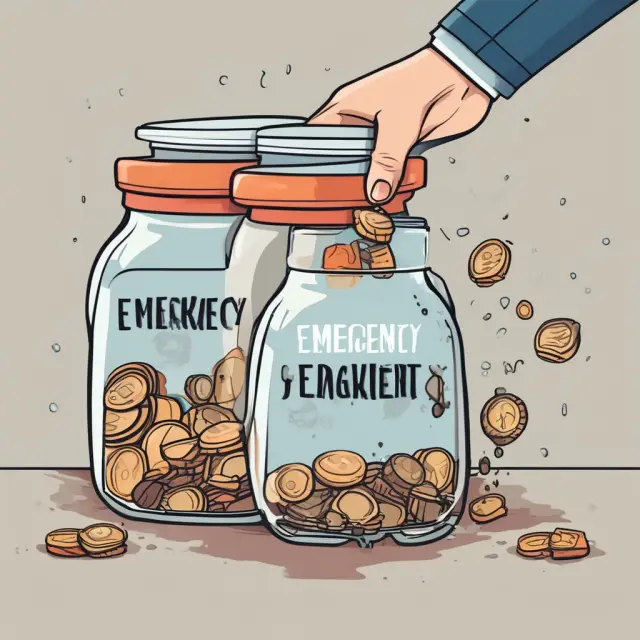
Cash Management for Individuals: Strategies and Best Practices
Effective cash management is crucial for individuals as well as businesses to ensure financial stability and prosperity. As primary assets, managing cash flows wisely can help meet obligations, build savings, and optimize returns on idle funds. This section explores strategies and best practices for effective cash management in the personal finance realm.
1. Budgeting: A solid budget is the foundation of efficient cash management. It allows individuals to track income and expenses, identify potential discrepancies, and allocate resources accordingly. By balancing anticipated inflows with planned outflows, individuals can make informed decisions about spending, saving, and investing their hard-earned money.
2. Emergency Funds: Building an emergency fund is essential for unexpected financial emergencies or loss of income. Aiming for three to six months’ worth of living expenses, this safety net provides peace of mind and helps avoid having to dip into long-term investments during a crisis.
3. Automated Savings Programs: Setting up automated savings programs can help individuals save effortlessly by transferring a predetermined amount from checking to savings accounts on a regular basis. This strategy ensures consistent savings while also taking advantage of compound interest over time.
4. Monitoring Cash Flows: Keeping track of cash inflows and outflows is vital for understanding financial health. By analyzing spending patterns, individuals can identify areas where they may be able to save money or adjust their budgets accordingly. This proactive approach enables better decision making and improved financial stability.
5. Electronic Payment Systems: Adopting electronic payment systems like direct deposit, automatic bill payments, or mobile wallets streamlines the process of managing cash and reduces the need for physical checks or cash. These solutions not only save time but also help minimize potential errors in record keeping.
Effective cash management is an ongoing process that requires diligence and commitment. By implementing these strategies and best practices, individuals can take control of their finances, secure a strong financial foundation, and build long-term wealth.

Cash Management for Businesses: Strategies and Challenges
Effective cash management is crucial for businesses to meet payment obligations, plan for future expenditures, and maintain adequate financial stability. Cash management strategies and challenges vary significantly between individuals and corporations due to the complexities involved in managing business finances. In this section, we’ll explore some of the key strategies and challenges businesses face when managing their cash.
Strategies:
1. Cash Forecasting: To ensure a company remains financially stable, it’s essential to predict future cash inflows and outflows accurately. Cash forecasting involves analyzing historical data, trends, and upcoming events (e.g., seasonality or contract payments) to estimate future cash positions. By implementing reliable cash forecasting techniques, businesses can make informed decisions regarding liquidity management, capital planning, and investment opportunities.
2. Managing Accounts Receivable (AR): Companies must efficiently manage their AR to optimize working capital and improve overall cash flow. This includes implementing effective billing practices (e.g., offering discounts for early payment), establishing credit policies, and using automated invoicing and payment systems to streamline the collections process.
3. Managing Accounts Payable (AP): Similar to AR management, optimizing AP processes can help businesses reduce costs, improve cash flow, and maintain good relationships with suppliers. This includes negotiating discounts for early payments, implementing electronic payment methods, and automating payment processing to ensure timely and accurate payments.
Challenges:
1. Complexity: Businesses face multiple cash inflows and outflows that require careful management. These include operating activities (e.g., managing working capital), investing activities (e.g., purchasing equipment or making strategic investments), and financing activities (e.g., obtaining loans or issuing stock). Balancing these various cash needs while minimizing risk can be a complex undertaking.
2. Liquidity: Ensuring adequate liquidity is essential for businesses to meet their financial obligations, especially during periods of unexpected growth or economic downturns. Businesses must strike a balance between holding sufficient cash reserves and investing excess cash to maximize returns while minimizing risk.
3. Risk Management: Properly managing risks related to cash management, such as operational risk (e.g., fraud) and market risk (e.g., interest rate fluctuations), is crucial for maintaining financial stability. Implementing strong internal controls, monitoring cash flows, and working with reputable financial institutions can help businesses mitigate these risks effectively.
By focusing on strategies such as effective cash forecasting, AR/AP optimization, and addressing the challenges of complexity, liquidity, and risk management, businesses can successfully manage their cash and maintain a strong financial position.

The Role of Banks in Cash Management
When it comes to cash management, banks play a pivotal role for both individuals and businesses. By utilizing banking services, individuals can manage their cash assets efficiently while earning an interest or return on their idle funds. Businesses, meanwhile, can benefit from various cash management tools that help them optimize their cash positions and mitigate risks associated with managing large inflows and outflows. In this section, we will discuss the essential functions of banks in cash management and explore how individuals and businesses can leverage banking solutions to manage their cash effectively.
1. Electronic Payment Systems: Banks offer various electronic payment systems that facilitate efficient and secure cash transactions. These include automated clearing house (ACH) transfers, wire transfers, and online bill payments. Such services enable users to easily move funds between accounts, pay bills, and transfer money to third parties. Individuals can use these tools to manage their personal finances while businesses benefit from streamlined payment processing that can help reduce the workload on their internal accounting teams.
2. Cash Pooling: Cash pooling is a technique used by companies to consolidate cash balances across various bank accounts, allowing them to maximize interest earnings and optimize liquidity. This involves setting up a central account where surplus cash from subsidiaries or affiliates can be deposited and redistributed as needed. By utilizing this strategy, businesses can maintain adequate cash levels in operational accounts while earning higher returns on their excess funds.
3. Cash Concentration: Cash concentration is a related strategy that focuses on grouping cash balances into a single account to improve liquidity and streamline cash management processes. This approach involves transferring cash from lower-tiered bank accounts into a higher-tiered account (often held at the primary banking institution) on a regular basis. The centralized account offers easy access to funds, facilitates intercompany transactions, and enhances operational efficiency by reducing the need for multiple accounts and manual transfers.
4. Online Banking: With online banking services, users can manage their cash through various digital channels, such as web portals or mobile apps. This allows individuals to monitor account balances, make transfers, and pay bills from anywhere, at any time. For businesses, online banking offers features like remote deposit capture (RDC) for checks, real-time transaction reporting, and integrated accounting systems that simplify cash management tasks.
5. Cash Management Tools: Banks provide a range of tools designed to help individuals and businesses manage their cash effectively. These include cash forecasting, which uses historical data and trends to predict future cash inflows and outflows; cash concentration, as mentioned earlier; and cash position reporting that provides real-time visibility into available cash balances across all accounts. Additionally, banks offer services like lockbox solutions for handling incoming checks and automated clearing house transfers that streamline the payment process.
6. Cash Management Consulting: Larger businesses may require specialized advice from banking professionals to create and implement comprehensive cash management strategies. These consulting services can help optimize cash flows, reduce administrative overhead, and minimize risk by providing expert guidance on areas like treasury management, working capital, and investment opportunities. By partnering with banks for this service, companies can benefit from the expertise of experienced financial professionals who can help them navigate complex cash management challenges.
In conclusion, banks are indispensable partners in cash management for individuals and businesses alike. Through various tools, technologies, and services, banking institutions enable users to manage their cash efficiently, optimize returns, minimize risk, and streamline operations. By understanding the role of banks in cash management and exploring how these offerings can be leveraged, individuals and businesses can make informed decisions about managing their cash and improving their overall financial performance.

Cash Management Strategies: Best Practices for Investing and Financing
Effective cash management goes beyond merely holding and managing cash; it also includes investing excess cash to generate returns and optimizing financing rates to minimize costs. This section outlines best practices for individuals and businesses in making the most of their cash assets through strategic investments and financing arrangements.
For Individuals
- High-Yield Savings Accounts: Maximize returns on idle cash by keeping funds in high-yield savings accounts or money market mutual funds. These financial instruments typically provide higher interest rates compared to traditional savings accounts.
- Short-Term Certificates of Deposit (CDs): Consider purchasing short-term CDs as a low-risk investment option. These time-bound deposits offer competitive interest rates and are insured by the Federal Deposit Insurance Corporation (FDIC) up to $250,000 per account.
- Treasury Securities: For those seeking safer yet more lucrative options, US Treasuries can be an attractive alternative. These government securities have low risk due to their backing by the US government and offer fixed interest rates.
- Peer-to-Peer Lending: Investing in peer-to-peer lending platforms like LendingClub or Prosper allows individuals to earn returns on their cash deposits through funding loans issued by these companies. This avenue comes with higher risk but potentially higher returns.
- Automated Savings Programs and Rounding-Up Apps: Establishing automatic savings plans or using rounding-up apps can help individuals save money, enabling them to build an emergency fund or invest more effectively in the long term.
For Businesses
- Cash Reserves: Maintaining sufficient cash reserves is essential for businesses to meet their obligations and manage unexpected expenses. A well-designed cash reserve strategy balances liquidity with investment opportunities.
- Money Market Mutual Funds: Corporations can invest in money market mutual funds as a means to earn higher yields on their short-term cash surpluses, while maintaining easy accessibility and liquidity.
- Treasury Bills: Companies seeking to optimize cash management may consider investing in US Treasury bills or bonds for short-term financing needs. These instruments provide stable returns with minimal risk.
- Factoring Receivables: By selling accounts receivable at a discount to third parties, businesses can generate immediate cash and improve their liquidity while reducing the time spent on collecting outstanding payments from clients.
- Invoice Financing: Companies may choose to leverage their unpaid invoices as collateral to secure financing from banks or alternative lenders. This strategy provides quick access to capital while allowing the business to maintain control over its operations.
- Short-Term Loans and Lines of Credit: Establishing a short-term line of credit or obtaining a loan can offer businesses additional flexibility in managing their cash flows, especially during periods of increased operational expenditures.
- Cash Flow Forecasting: Implementing accurate cash flow forecasting techniques can help businesses optimize cash investments and financing arrangements by anticipating future needs and planning for optimal liquidity levels. This can be achieved through the use of specialized software or outsourcing this task to professional advisors.
Cash management strategies play a crucial role in maintaining financial stability, enhancing profitability, and ensuring the long-term success of both individuals and businesses. By exploring various investment opportunities and financing arrangements, cash managers can effectively manage their resources and optimize cash flows for a stronger financial future.

Case Studies: Effective Cash Management in Action
Real-world examples of effective cash management strategies implemented by individuals and businesses across various industries can provide valuable insights into best practices. In this section, we will explore a few case studies that demonstrate how entities have managed their cash flows successfully.
1. Personal Cash Management: The Power of Automation
Sarah, a single mother of two, had been struggling to manage her household finances effectively. She wanted to pay bills on time while also saving for emergency expenses and future goals. Sarah decided to implement a cash management strategy that focused on automating her bill payments and setting up automatic savings deposits. By utilizing her bank’s online platform, she was able to schedule recurring monthly payments for rent, utilities, and other fixed expenses. This not only helped her avoid late payment fees but also ensured that the money was always available when it was needed. Additionally, she set up automatic transfers from her checking account to a savings account every month, allowing her to build an emergency fund and save for long-term goals. Sarah’s experience demonstrates how automating cash management tasks can help individuals manage their finances more efficiently and effectively.
2. Business Cash Management: Leveraging Technology for Streamlined Payments
XYZ Corporation, a midsize manufacturing firm, faced numerous challenges with managing its accounts payable (AP) process manually. The company was dealing with a high volume of invoices and was experiencing significant delays in processing payments. To address these issues, XYZ decided to invest in an electronic payment system. This technology enabled the company to automate the entire AP process, from receiving and approving invoices to making payments electronically. The implementation of this solution reduced the average time it took to process an invoice from 10 days to just two days, saving XYZ a considerable amount of time and resources while also improving its supplier relationships.
3. Multinational Cash Management: Centralizing Controls for Optimized Funds Transfer
Global Enterprises, a large multinational corporation, had been managing cash transfers between various subsidiaries through multiple banks and payment methods. The lack of centralization led to inefficiencies and high transaction costs. To streamline its cash management process, Global Enterprises implemented a single global bank account structure. This allowed the company to consolidate all its cash balances into one account and manage funds transfers more efficiently. By centralizing its cash management operations, Global Enterprises was able to reduce transaction costs, improve liquidity, and maintain better control over its financial resources.
In conclusion, effective cash management is a vital component of any individual or business’s financial health. The case studies above illustrate how automation, technology, and centralization can help individuals and companies manage their cash flows more efficiently and effectively. By learning from these examples, you can implement best practices in your own cash management strategies and optimize your financial outcomes.

FAQs About Cash Management
Cash management is an integral part of financial planning and stability for both individuals and businesses alike. It involves managing cash inflows and outflows to maintain liquidity, improve profitability, and meet obligations. In this section, we answer some frequently asked questions about cash management and its importance.
What is Cash Management?
Cash management refers to the process of effectively handling a company or individual’s cash assets. It includes maintaining proper balances, investing idle cash, managing cash flows, and optimizing financing rates to meet current and future financial obligations.
Why is Cash Management Important for Individuals?
For individuals, cash management is crucial for maintaining a stable financial situation. Effective cash management allows you to save money, invest excess cash, and budget efficiently. It also ensures that you have enough cash on hand to cover emergencies or unexpected expenses.
Why is Cash Management Important for Businesses?
Businesses rely on cash management to maintain liquidity, manage cash flows, and make strategic financial decisions. Proper cash management helps businesses meet their obligations, optimize financing rates, and improve profitability.
What is the Role of Banks in Cash Management?
Banks provide various services to help individuals and businesses effectively manage their cash. These include online banking tools, cash management platforms, and investment opportunities that make managing cash more accessible and efficient.
What are the Key Metrics for Cash Management?
Some essential metrics for evaluating cash management success include liquidity ratios (quick ratio and current ratio), solvency ratios (debt to equity, debt to assets, cash flow to debt, and interest coverage ratio), and working capital balances. These metrics help businesses analyze their financial health and make informed decisions about their cash management strategies.
What are the Challenges of Cash Management for Businesses?
Businesses face numerous challenges when managing their cash, including forecasting cash flows, managing accounts receivable and payable, optimizing working capital, and complying with regulations. Effective cash management requires a strategic approach and robust systems to address these challenges.
What are the Best Practices for Cash Management?
Some best practices for effective cash management include improving accounts receivables (encouraging early/on-time payments), investing excess cash wisely, seeking better financing rates, implementing internal controls to prevent fraud, and optimizing cash flows through automated systems and electronic payments.
What is the Importance of Internal Controls in Cash Management?
Internal controls play a critical role in maintaining effective cash management for businesses. They help ensure proper handling of cash transactions, reduce the risk of fraud, and improve operational efficiency. Implementing robust internal control systems can significantly enhance a company’s financial stability and success.
 Next entry · No. 630Understanding the Cash Ratio: A Key Liquidity Metric for Professional Investors
See also
-
 No. 648
14 May 2024
21 min
Understanding the Catalog of Federal Domestic Assistance (CFDA): A Comprehensive Guide for Institutional and Professional Investors
Business Strategy
No. 648
14 May 2024
21 min
Understanding the Catalog of Federal Domestic Assistance (CFDA): A Comprehensive Guide for Institutional and Professional Investors
Business Strategy -
 No. 636
12 May 2024
19 min
Understanding Cash Budgets: Short-Term and Long-Term Planning for Institutional Investors
Business Strategy
No. 636
12 May 2024
19 min
Understanding Cash Budgets: Short-Term and Long-Term Planning for Institutional Investors
Business Strategy -
 No. 567
30 Apr 2024
24 min
Understanding Business Models: Types and Strategies for Making Profit
Business Strategy
No. 567
30 Apr 2024
24 min
Understanding Business Models: Types and Strategies for Making Profit
Business Strategy -
 No. 527
28 Apr 2024
24 min
Understanding Different Types of Brokerage Accounts: Full-Service, Discount, and Robo-Advisors
Business Strategy
No. 527
28 Apr 2024
24 min
Understanding Different Types of Brokerage Accounts: Full-Service, Discount, and Robo-Advisors
Business Strategy -
 No. 5,939
11 Sep 2026
14 min
Emergency Fund: How Much and Where to Keep It
Personal Finance
No. 5,939
11 Sep 2026
14 min
Emergency Fund: How Much and Where to Keep It
Personal Finance -
 No. 4,843
21 Jul 2025
17 min
Understanding Take-Home Pay: Differences Between Gross Income and Net Income
Personal Finance
No. 4,843
21 Jul 2025
17 min
Understanding Take-Home Pay: Differences Between Gross Income and Net Income
Personal Finance