Maximizing Your Credit Score with Zero Balance Cards
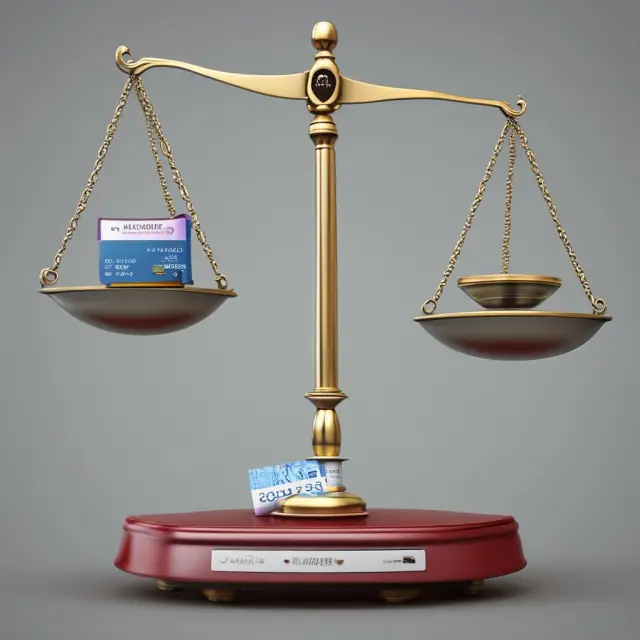
Maximize your credit score by maintaining a zero balance on select cards. Discover benefits, methods, and real-world examples.
Introduction to Zero Balance Cards
A zero balance card is an essential tool for maintaining a good credit score. This type of card has no outstanding balance of debt and can be achieved either by paying off the full amount each month or simply refraining from making purchases on the card. In today’s world, where most people rely on credit cards for their daily expenses, it’s crucial to understand how zero balance cards work and their benefits.
Benefits of Maintaining Zero Balance Cards
The primary advantage of a zero balance card is its contribution to improving your credit score by helping reduce overall credit utilization ratio. Your credit utilization ratio is the amount of debt you have compared to your available credit limit, and maintaining a low utilization ratio (ideally below 30%) is essential for a good credit score. A zero balance card, as part of your overall credit profile, can help decrease your overall utilization ratio and contribute to a better credit score.
Additionally, by using a zero balance card with rewards or incentives programs, you can enjoy the benefits without incurring any interest charges. This strategy allows you to reap the advantages that come with these cards while avoiding the pitfalls of debt accumulation and high-interest payments.
Methods for Achieving a Zero Balance
To maintain a zero balance card, you have two primary options: either pay off your monthly balances in full or refrain from making any purchases on the card. Paying off your balances each month ensures that you avoid incurring interest charges and keeps your credit utilization ratio low. Refraining from using your card for new purchases also maintains a zero balance by preventing any additional debt.
Impact on Credit Utilization Ratio
A lower overall credit utilization ratio can significantly impact your credit score positively. Keeping a zero balance card is an effective strategy to decrease your overall utilization ratio and contribute to improved creditworthiness. However, it’s crucial to consider the potential implications when combining zero balance cards with other cards in your portfolio. Adding additional cards may increase your overall credit limit, which can indirectly impact your utilization ratio if you maintain high balances on your other cards.
History of Zero Balance Cards
In the past, some credit card companies would charge inactivity fees if their customers failed to make regular purchases using their credit cards. This practice was eliminated through the Credit CARD Act of 2009; however, annual fees on zero balance cards are still allowed. Keeping an account open with a zero balance can be advantageous for users since it helps decrease their overall credit utilization ratio and maintains access to any associated rewards or incentives programs without incurring interest charges.
Real-World Example of Zero Balance Card
Consider the following example: suppose you have three credit cards, each with a different balance and limit:
- A zero balance card with a $5,000 credit limit
- A card with a $1,000 balance and a $4,000 credit limit
- A card with a $2,000 balance and a $3,000 credit limit
Your total combined credit limit is $12,000, and your combined balance is $3,000. With a utilization ratio of 25%, keeping the zero balance card active can help lower your overall credit utilization ratio by decreasing the denominator (credit limit) without affecting the numerator (balance).
Balance Transfer Strategies for Achieving Zero Balance
If you find it difficult to maintain a zero balance on your current card due to high-interest rates, a balance transfer to a lower interest rate card can be an effective strategy. Remember, though, that balance transfer fees should also be taken into account when calculating potential savings. By using this approach, you can lower your overall credit utilization ratio while paying off your debts more efficiently.
In conclusion, understanding zero balance cards and their benefits is crucial for maintaining a good credit score by reducing overall credit utilization ratios. This strategy allows cardholders to enjoy the advantages of rewards programs without incurring interest charges or accumulating debt. Keeping a zero balance card as part of your overall credit portfolio can be an essential tool for improving your creditworthiness and securing favorable loan terms and conditions.

Benefits of Maintaining Zero Balance Cards
Zero balance cards offer several advantages for consumers who want to maintain good credit scores. By keeping their credit card balances at zero, borrowers can reduce their overall credit utilization ratio. This is important because credit utilization plays a significant role in determining your creditworthiness and score.
A low credit utilization ratio indicates that the borrower has a responsible approach towards managing their finances. It shows potential lenders that the individual only uses a small percentage of their available credit, which is considered a good sign. Maintaining a zero balance card helps to keep this ratio low.
In addition to improving your credit score, keeping a zero balance on your cards allows you to take full advantage of rewards and incentives offered by credit card companies without accruing interest charges. Many consumers enjoy the benefits of cash-back programs, travel points, or other perks without actually carrying a balance from month to month. This is an excellent strategy for managing your personal finances while maintaining good credit health.
For those who pay their balances in full each month, the practice of keeping zero balance cards is already a familiar one. However, even those who occasionally carry a balance can benefit from this approach. By prioritizing a few high-interest debts and transferring them to a card with lower interest or no interest for an introductory period, consumers can effectively maintain a zero balance on their primary credit card while working towards paying off their remaining debts more efficiently. This strategy not only helps improve your credit utilization ratio but also provides you with the ability to save money on interest costs over time.
In conclusion, maintaining a zero balance card is an essential part of effective financial management and can lead to significant improvements in both personal finances and credit scores. By understanding the benefits of this approach and making informed decisions regarding your credit cards, you’ll be well on your way towards achieving a better financial future.

Methods for Achieving a Zero Balance
Maintaining a zero balance card is an excellent way to boost your credit score by reducing your overall credit utilization ratio. This method involves paying off the full outstanding balance on your credit card before or by the due date, ensuring that your account reflects no debt. Alternatively, you can also maintain a zero balance card by avoiding making any purchases on it whatsoever.
Paying Off Balances Each Month
One way to ensure a zero balance is to pay off the full outstanding amount owed on your credit card before or by the due date. By doing so, you prevent interest charges and keep your account’s balance at zero. This method works well for those who manage their expenses carefully and prefer using credit cards for the rewards and incentives they offer without incurring any debt. Paying off balances each month is an effective strategy to maintain good credit standing since it reduces your overall level of credit utilization ratio.
Refraining from Making Purchases on the Card
Another method for maintaining a zero balance card is by simply refraining from making any purchases using that specific card. This approach can be particularly useful if you’re unable to pay off balances in full each month, but still want to ensure that your credit utilization ratio remains low. By keeping this card untouched, it will reflect a zero balance and contribute to an overall reduction in your credit utilization ratio.
Impact on Credit Utilization Ratio
Your credit utilization ratio is calculated by dividing the total amount of revolving debt you owe by your total available credit limit. A lower credit utilization ratio demonstrates responsible credit usage, making it a crucial factor in determining your creditworthiness. By maintaining a zero balance card, you can help decrease your overall credit utilization ratio, potentially leading to an improved credit score. However, keep in mind that closing unused accounts might increase your credit utilization ratio, as the total available credit limit decreases while your outstanding debt remains unchanged. Therefore, it’s essential to weigh the pros and cons of maintaining multiple cards with zero balances against closing them.
Maintaining a good credit score is crucial for securing loans, credit cards, and other financial opportunities at favorable interest rates. Regularly reviewing your credit reports, paying bills on time, using only a small percentage of available credit, minimizing new credit inquiries, and closing unnecessary accounts can all contribute to maintaining a strong credit standing. By utilizing zero balance cards effectively, you’re taking an important step in managing your credit profile wisely.
Impact on Credit Utilization Ratio
Maintaining zero balance cards can have a significant impact on your credit utilization ratio, which is an important factor in determining your credit score. Your credit utilization ratio measures the percentage of your available credit that you are currently using. A lower credit utilization ratio indicates that you use less of your available credit, making you a more responsible borrower. Conversely, a high credit utilization ratio indicates that you are using a significant portion of your available credit, which could potentially harm your credit score.
By maintaining a zero balance card, you can reduce your overall credit utilization ratio. This is because any debt that is reported to the credit bureaus as an outstanding balance contributes to your total debt amount and therefore increases your credit utilization ratio. For example, suppose you have three credit cards with the following balances and credit limits:
– Credit Card A: $0 balance, $5,000 limit
– Credit Card B: $1,000 balance, $4,000 limit
– Credit Card C: $2,000 balance, $3,000 limit
The total debt amount reported to the credit bureaus for this scenario is $3,000. However, if you were to close the account with a zero balance (Credit Card A), your new total debt amount would be $4,000 and your total available credit would decrease from $12,000 to $9,000. This would result in a higher utilization ratio of 44.4% ($4,000 debt / $9,000 credit).
Maintaining a zero balance card does not only help to lower your overall credit utilization ratio; it also allows you to continue enjoying the benefits of rewards programs and cash-back incentives without incurring any interest charges. However, it is important to note that maintaining multiple zero balance cards could potentially increase your overall credit utilization ratio if your total debt amount remains the same but your total available credit increases. Therefore, it is essential to weigh the benefits of maintaining a zero balance card against the potential impact on your credit utilization ratio and overall financial situation.
To better understand your current credit situation and how maintaining a zero balance card can affect your credit utilization ratio, you can check your credit report regularly. This will give you insight into your current debt balances and available credit limits, allowing you to make informed decisions about your credit usage and ultimately improve your credit score.

History of Zero Balance Cards
The history of zero balance cards is a fascinating one. In the past, some credit card companies used to charge their customers inactivity fees if they failed to make regular purchases using their credit cards. This practice, however, was made illegal through the passage of the Credit CARD Act in 2009. Despite this change, credit card issuers are still allowed to charge annual fees on their cards.
Assuming a zero balance card does not have an annual fee, keeping the account open can be beneficial for several reasons. One significant advantage is the impact it has on your overall credit utilization ratio. Credit utilization refers to the amount of debt you owe compared to the total amount of available credit. A lower credit utilization ratio indicates that you are responsible with managing your debts and can increase your chances of obtaining loans or credit cards with favorable terms.
Maintaining a zero balance card helps to decrease your overall credit utilization ratio by increasing the amount of available credit without increasing your debt. For example, if you have three credit cards – one with a $5,000 limit and no outstanding balance, another with a $4,000 limit and a $1,000 balance, and a third with a $3,000 limit and a $2,000 balance – your combined credit limit is $12,000. However, when considering the $3,000 outstanding balance on one of your cards, your total debt equals $3,000.
By keeping the zero balance card open and not closing it, your available credit increases to $15,000 ($12,000 from other cards + $3,000 from the zero balance card). Consequently, your overall utilization ratio drops significantly – from 25% ($3,000/$12,000) to only 20% ($3,000/$15,000). This improvement in your credit utilization ratio can contribute positively to your credit score.
Additionally, zero balance cards allow users to enjoy rewards and incentives offered by their credit card issuers without incurring any interest costs. By paying off the balance each month, cardholders can take advantage of cash-back programs, travel rewards, or other perks without accumulating debt. This strategy is especially effective for those who frequently use credit cards for everyday expenses, such as groceries, gasoline, and dining out.
In summary, maintaining a zero balance card can lead to better credit scores due to the lower overall utilization ratio it offers. By keeping these accounts open and making timely payments each month, users can reap the rewards of their financial responsibility while also securing themselves a brighter future in terms of favorable loan or credit card offers.

Real World Example of Zero Balance Card
A zero balance card is an excellent tool for maintaining a healthy credit score. This type of card allows users to keep their credit utilization ratio low by ensuring that they never carry a balance from one month to the next. A lower credit utilization ratio can lead to improved credit scores, as it indicates to lenders that you are managing your debt responsibly.
Let’s explore a real-world example of how zero balance cards can help improve your credit score. Suppose you have three credit cards: Card A with a $5,000 limit and no balance, Card B with a $4,000 limit and a $1,000 balance, and Card C with a $3,000 limit and a $2,000 balance. Your overall credit limit is $12,000, while your combined balances total $3,000, giving you an overall utilization ratio of 25%.
However, if you were to close the zero balance card (Card A), your credit limit would drop to $9,000, and your combined balance would still be $3,000. In this scenario, your new utilization ratio would skyrocket to over 33%. This significant increase in utilization ratio could negatively impact your credit score.
Instead of closing Card A, it’s recommended that you keep it active and maintain its zero balance status. By doing so, your overall utilization ratio remains at 25%, which is a much more favorable figure for your credit score.
This example demonstrates the importance of understanding how zero balance cards can help manage your credit utilization ratio and ultimately improve your credit score. Keep in mind that not all credit cards come without an annual fee, so it’s essential to carefully consider the costs before making a decision. By choosing the right card for your financial situation, you can enjoy the benefits of a lower credit utilization ratio while also maximizing rewards and incentives.

Balance Transfer Strategies for Achieving Zero Balance
Maintaining a zero balance card can significantly improve credit scores by reducing overall credit utilization ratios. However, high-interest debts from other cards might hinder your efforts in this regard. This is where the strategy of transferring balances from higher-interest cards to lower-interest ones comes into play. Balance transfers are essentially moving existing credit card debt from one account to another. By doing so, you can take advantage of lower interest rates on a new card, reducing your monthly payments and potentially saving money over time. Moreover, balance transfer offers often come with an introductory period during which no interest is charged, making it the perfect opportunity to pay down a significant portion of the debt.
However, it’s essential to carefully consider potential fees associated with balance transfers before making the switch. Balance transfer fees typically amount to 3-5% of the transferred amount, and these costs can quickly offset any savings gained from lower interest rates. Therefore, it’s crucial to calculate the net impact of a balance transfer on your overall financial situation before deciding whether or not to pursue this strategy.
Another factor that should be considered when weighing the benefits of a zero balance card is your credit utilization ratio. The percentage of available credit you use at any given time significantly influences your credit score. Lowering your credit utilization ratio can lead to an increase in your credit score, making it a worthwhile goal for those striving to maintain good financial health. By transferring high-interest debt to a zero balance card with a lower interest rate or by paying off the transferred debt more quickly due to lower monthly payments, you can effectively lower your overall credit utilization ratio and improve your credit score in the process.
To determine whether a balance transfer is the best option for you, carefully assess your current financial situation and weigh the potential benefits against the associated costs. A combination of good financial habits and smart card usage will help ensure that you maintain a strong credit profile while making the most out of the rewards and incentives offered by your cards.

The Importance of Good Credit Score
Your credit score significantly impacts your ability to secure loans and credit cards. Lenders use your credit history and credit score as key factors in determining your eligibility for loans and the terms they offer. A good credit score can lead to lower interest rates and better terms for various types of loans, such as mortgages, auto loans, and personal loans.
When it comes to applying for a mortgage, lenders often look at two different credit scores: FICO and VantageScore. Both scoring models assign a score between 300 and 850 based on your credit history. Lenders may consider both your overall credit score and the specific scores from each model when reviewing your application.
A higher credit score can also help you secure better terms on car loans. Auto lenders typically use the FICO scoring model to evaluate borrowers’ creditworthiness. A good credit score can lead to a lower interest rate, smaller down payment, and shorter loan term. This not only saves you money in the long run but can also make your monthly payments more manageable.
When applying for personal loans, lenders may use various scoring models to assess your creditworthiness. Some lenders might look at FICO or VantageScore, while others might consider proprietary scores. Regardless of the specific model used, a solid credit score can lead to better loan terms and more favorable interest rates.
Maintaining a good credit score is essential for securing favorable financial opportunities. To achieve this goal, it’s important to regularly review your credit reports, pay bills on time, use only a small percentage of available credit, minimize new credit inquiries, and close unnecessary credit card accounts. By following these best practices, you can maintain a good credit score and unlock the benefits of favorable loan terms and better credit card offers.
Keep in mind that maintaining a zero balance card is just one part of the equation when it comes to improving your credit score. While having a zero balance card can help lower your overall credit utilization ratio, you must also focus on other factors that impact your creditworthiness. By combining smart financial habits with a well-managed credit profile, you’ll be well on your way to securing the best possible terms for loans and credit cards.

Maintaining a Good Credit Score Long-Term
A good credit score is essential for obtaining loans and credit cards with favorable terms. A lower credit score may translate into higher interest rates and less attractive loan or credit card offers. Therefore, it’s crucial to practice sound financial habits that will help maintain a high credit score. One such habit involves maintaining zero balance cards.
Regularly Reviewing Credit Reports
First, make it a habit to regularly review your credit reports from all three major bureaus (Equifax, Experian, and TransUnion) for any errors or discrepancies that may negatively affect your credit score. By checking your credit reports, you’ll be able to address any inaccuracies and keep your credit profile up-to-date.
Paying Bills on Time
Secondly, always pay your bills on time to maintain a positive payment history. Late payments can remain on your credit report for seven years, impacting your credit score negatively. By making timely payments, you’ll build and strengthen your credit profile.
Using Only a Small Percentage of Available Credit
Thirdly, use only a small percentage of your available credit to keep your overall utilization ratio low. A lower credit utilization ratio demonstrates to potential lenders that you are responsible in managing your credit, which can lead to higher approval odds and better loan or credit card terms.
Minimizing New Credit Inquiries
Fourthly, limit the number of new credit inquiries that appear on your credit report. Each time a creditor checks your credit report, it results in a hard inquiry. A high number of hard inquiries within a short period can negatively impact your credit score. Be sure to only apply for credit when necessary and space out applications if possible.
Closing Unnecessary Credit Card Accounts
Lastly, close unnecessary credit card accounts that are not essential. While having multiple credit cards may help increase your overall available credit, closing inactive or underused accounts can lead to a decrease in your total available credit, raising your utilization ratio and potentially negatively impacting your credit score. Instead, maintain only the necessary cards for your financial needs and prioritize those with no annual fees and low interest rates. By following these habits, you’ll be able to maintain a high credit score over time.

FAQs about Zero Balance Cards
What is a credit utilization ratio?
A credit utilization ratio measures the percentage of your available credit that you’ve borrowed against. It is calculated by dividing your outstanding balance by your total credit limit and multiplying the result by 100 to express it as a percentage. For example, if you owe $3,000 on a credit card with a $12,000 limit, your utilization ratio would be 25%.
Can I have multiple zero balance cards?
Yes! Maintaining multiple zero balance cards can help improve your overall credit score by decreasing the amount of available credit that you’re utilizing. This strategy is especially effective when combined with other strategies such as making all monthly payments on time and keeping old credit accounts open to increase your credit history.
Why is my credit score important?
A good credit score can help you secure favorable loan terms, lower interest rates, and increased credit limits. A high credit score also makes it easier to qualify for new lines of credit when needed.
Is it possible to maintain a zero balance on a card with an annual fee?
Yes! While maintaining a zero balance on a card with an annual fee may seem counterintitive, the benefits that come from having a long history of paying your bills on time and keeping a low balance utilization ratio can outweigh the cost of the annual fee. Additionally, many rewards programs offer significant enough incentives to offset the annual fee.
How often should I check my credit report?
It is recommended that you check your credit report at least once a year, but more frequent checks may be necessary if you have recently applied for a loan, credit card, or are planning to make a large purchase. Regularly checking your credit report helps you stay on top of any discrepancies and ensures that all information reported is accurate.
 Next entry · No. 5,886Understanding Zero-Beta Portfolios: Constructing a Portfolio with Zero Systematic Risk
See also
-
 No. 3,715
21 Apr 2025
17 min
Understanding Open-End Credit: Types, Advantages, Disadvantages, and Impact on Credit Score
Personal Finance
No. 3,715
21 Apr 2025
17 min
Understanding Open-End Credit: Types, Advantages, Disadvantages, and Impact on Credit Score
Personal Finance -
 No. 815
13 Jun 2024
19 min
Understanding Your Credit Card Balance and its Impact on Your Credit Score
Personal Finance
No. 815
13 Jun 2024
19 min
Understanding Your Credit Card Balance and its Impact on Your Credit Score
Personal Finance -
 No. 4,469
21 Jun 2025
22 min
Revolving Credit: Understanding the Flexible Financial Tool for Institutional and Professional Investors
Business Finance
No. 4,469
21 Jun 2025
22 min
Revolving Credit: Understanding the Flexible Financial Tool for Institutional and Professional Investors
Business Finance -
 No. 5,942
13 Sep 2026
19 min
How Long It Takes to Pay Off a Credit Card at $8,000 and 22.15%
Personal Finance
No. 5,942
13 Sep 2026
19 min
How Long It Takes to Pay Off a Credit Card at $8,000 and 22.15%
Personal Finance -
 No. 5,936
08 Sep 2026
14 min
Debt Avalanche vs Snowball: Which Pays Off Faster
Personal Finance
No. 5,936
08 Sep 2026
14 min
Debt Avalanche vs Snowball: Which Pays Off Faster
Personal Finance -
 No. 5,280
26 Aug 2025
20 min
Understanding Universal Default: What You Need to Know About This Credit Card Provision
Personal Finance
No. 5,280
26 Aug 2025
20 min
Understanding Universal Default: What You Need to Know About This Credit Card Provision
Personal Finance