Monopsonies in Finance and Investment: Understanding the Power of a Single Buyer

Understand the power dynamics of a single buyer in various markets through an exploration of monopsonies. Discover their characteristics, causes, impacts on…
Overview of Monopsonies
A monopsony is an economic term used to describe a market structure in which a single entity holds all the purchasing power for a specific good or service. This condition arises when there is only one buyer, often referred to as a monopsonist, and it presents distinct challenges compared to traditional competitive markets. Monopsonies can lead to various economic implications, such as price distortions, market inefficiencies, and potential harm to sellers.
Monopsonies are characterized by the absence of competition from other buyers. The monopsonist has significant bargaining power due to its singular role in the market, allowing it to set wages or prices based on its needs and circumstances. Monopsonies can occur in various industries and sectors, including agriculture, labor markets, and technology, among others.
The term “monopsony” comes from two Greek words: “monos,” meaning single, and “opsonia,” referring to the act of purchasing. Understanding this market condition requires a closer examination of its unique features, causes, impacts, and differences from monopolies. In the following sections, we will delve deeper into these aspects, providing a comprehensive overview of monopsonies in finance and investment.
Characteristics of Monopsonies
Monopsonies have several distinctive market characteristics that set them apart from competitive markets. These include a single buyer, low bargaining power for sellers, and market inefficiencies. We will discuss each of these aspects in detail to gain a better understanding of the monopsony’s implications and consequences.
1. One Buyer: In a monopsony, there is only one buyer, which grants them substantial market power and control over the price and quantity of goods or services purchased. This unique feature gives rise to various economic implications, as we will explore in subsequent sections.
2. Low Bargaining Power for Sellers: Due to the single buyer’s dominance, sellers are relatively weak and have reduced bargaining power. In a monopsony, sellers may agree to lower prices or accept unfavorable terms because of the limited alternatives. This can lead to market inefficiencies and potential distortions.
3. Market Inefficiencies: Monopsonies can result in market inefficiencies when the single buyer purchases less of a good or service than would be produced in a more competitive market. This may force producers to cut wages, store unsold inventory, or reduce prices below profitable levels to remain competitive.
The next sections will discuss the causes of monopsonies, their impact on prices and wages, real-life examples, labor markets, monopolies vs. monopsonies, and competition policy considerations. Stay tuned for more insights into this crucial topic in finance and investment.
[Continue with the remaining sections as outlined above]

Characteristics of a Monopsony Market
A monopsony, unlike the commonly understood monopoly, refers to a market condition where only one entity acts as the buyer. While similar to a monopoly, the defining feature that sets these two economic concepts apart lies within their unique entities – monopsonies are dominated by a single buyer, whereas monopolies are controlled by a single seller.
In a monopsony market, this dominant buyer holds significant control over the purchasing price and quantity of goods or services due to various factors such as geographical limitations, low competition, or exclusive government regulations that restrict access for other buyers (Bakshi & Rabi, 2015).
Monopsonies have distinct characteristics that differentiate them from competitive markets. Understanding these features is crucial for investors and financial analysts in various industries:
1. One Buyer
The most apparent characteristic of a monopsony is the presence of only one buyer, which grants them an unrivaled level of control over market prices and quantities. In such markets, sellers are typically confronted with limited bargaining power, forcing them to accept lower prices in order to maintain business relationships or secure consistent sales (Levy & Peck, 2014).
2. Low Bargaining Power for Sellers
The buyer’s significant market control results in reduced bargaining power for sellers. This disadvantageous position can lead to lower prices and less product volume sold within the monopsonized market.
3. Market Inefficiencies
Monopsonies often experience market inefficiencies as buyers purchase fewer goods or services compared to what would be produced under competitive conditions. This can result in several negative consequences for sellers, such as forced lower wages, unsold inventory, and unprofitable prices (Bakshi & Rabi, 2015).
The presence of monopsonies in various markets, particularly labor, raises concerns regarding potential economic implications on workers and their wages. In the next sections, we will examine the causes of monopsonies, real-life examples, and the impact of monopsony on prices and wages. Additionally, we will discuss how competition policy addresses this market condition and its key differences with a monopoly.
References:
Bakshi, V., & Rabi, B. (2015). Monopsonies in Labor Markets. Federal Reserve Bank of St. Louis Review, 97(3), 349-369.
Levy, F., & Peck, H. (2014). Market Power and the Minimum Wage: Evidence from the Fast Food Industry. Journal of Political Economy, 122(4), 781-815.

Causes of Monopsonies
A monopsony, as previously mentioned, is a market condition where a single entity controls the buying side in a market. The characteristics that differentiate a monopsony from other market situations primarily lie within the controlling entities and their unique features. In this section, we delve deeper into the various scenarios that can result in a monopsony.
One common cause of monopsonies is geographical isolation or high transportation costs, which restrict potential competitors’ entry into the market. For instance, agricultural markets in rural areas or regions where transportation costs are exceptionally high may only have one buyer, as shipping goods to other markets becomes uneconomical. This can limit the number of buyers and make it challenging for newcomers to compete in the market, allowing the monopsonist to dictate prices and terms.
Another cause of monopsonies is unique consumer demands. When there is limited demand for a specific product or service, only one buyer might be willing to purchase the good, resulting in a monopsony. In developing countries, for example, agriculture production is often geographically isolated due to its location. With limited demand for these goods on an international scale and significant transportation costs, local governments and food processing companies are frequently the only buyers for the produce. This leaves farmers with little bargaining power, as they must sell to the dominant buyer in order to sell at all.
High barriers to entry can also result in monopsonies. Regulations or high capital requirements can make it difficult for new buyers to enter a market and compete with the existing player, giving them significant control over the market. Market consolidation is another potential cause of monopsonies. For instance, when several buyers merge, they may collectively control a substantial share of the market, creating a monopsony. The post-merger market would then have only one company purchasing goods or services instead of several.
Lastly, government requirements can lead to a monopsony in specific markets. When the government is the sole buyer for a particular product, it holds significant control over the buying side, creating a monopsony. In some cases, governments may enter into contracts that restrict sellers’ ability to contract with other buyers or limit their capacity to supply goods and services to broader markets.
Understanding the root causes of monopsonies is crucial for both investors and policymakers as they aim to promote economic efficiency and protect the interests of consumers and producers. By recognizing these market dynamics, we can develop strategies to mitigate potential negative consequences and create a more competitive and innovative environment.
Impact on Prices and Wages
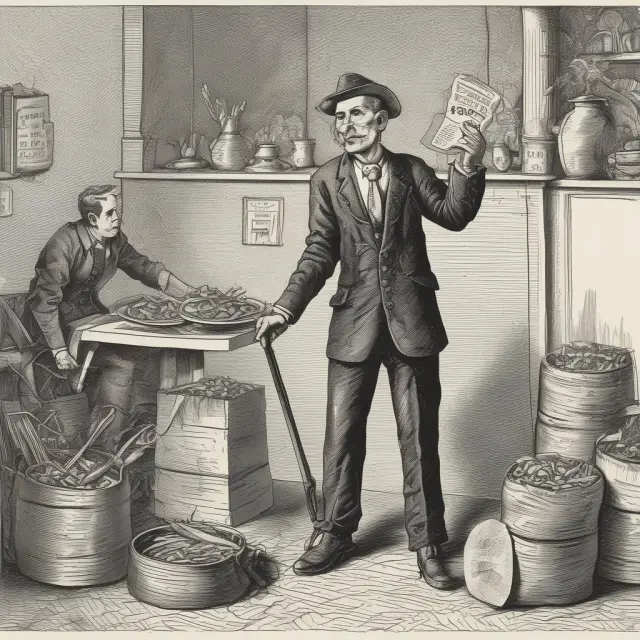
Monopsonies have significant influence over prices and wages in the markets they dominate. Since only one buyer exists, their bargaining power is substantial, leading to potential issues with fair compensation for sellers. The primary impact of a monopsony on market prices and wages can be observed through both the employer’s perspective (as the monopsonist) and the employee or supplier’s point of view.
From the Employer’s Perspective: As a monopsonist, the employer holds the power to set wages. This is particularly true in labor markets where the employer may be the sole employer in the region. The workers have little choice but to accept the offered wage or leave the area entirely. In some cases, this can lead to lower wages and reduced economic opportunities for employees.
From the Employee’s Perspective: For suppliers or employees, a monopsony means they face limited bargaining power when negotiating wages with their employer. The monopsonist, being the sole buyer in the market, holds all the cards. This can result in lower wages and reduced purchasing power for the workers.
Agricultural Markets: Monopsonies are commonly observed in agricultural markets, where a single buyer (or a few large buyers) dominates the purchase of crops from farmers. In these situations, the monopsonist sets the prices paid to farmers. Farmers may feel pressured to accept lower prices due to their limited alternatives for selling their produce. Monopsonies can also result in unfair compensation for farmers, as they lack the bargaining power to negotiate prices effectively.
Monopsony in Labor Markets: The labor market is another area where monopsonies are prevalent. In such cases, employers hold significant power over wages due to their control of job opportunities. Workers may have limited choices and be forced to accept lower wages or move to other areas in search of better employment conditions. Monopsonies can lead to wage stagnation and income inequality, particularly for low-skilled workers.
Monopsony and Wages: The impact of monopsonies on wages is a cause for concern among economists and policymakers. The lack of competition in the labor market can result in suppressed wages and reduced purchasing power for workers. In recent years, there has been growing interest in addressing wage stagnation and income inequality through labor market reforms aimed at increasing competition and reducing the influence of monopsonies.
Monopsony vs. Monopoly: Though monopsonies and monopolies share some similarities (both involve a single entity controlling the majority of the market), they differ significantly in terms of their impact on prices and wages. A monopolist sets prices based on supply and demand, whereas a monopsonist sets wages based on labor availability and competition among potential employees. Understanding these differences is crucial for policymakers, economists, and businesses striving to create fair market conditions that promote economic growth and opportunity for all market participants.

Examples of Monopsonies
Monopsonies are a fascinating and less discussed market condition characterized by the presence of just one buyer in a market of numerous sellers. Though it may seem paradoxical, monopsonies share striking similarities with their more well-known counterpart, monopolies. In contrast to a monopoly, which features a single seller, a monopsony has a solitary buyer, the monopsonist, dominating market dynamics. This power imbalance can lead to significant consequences for industries such as agriculture, labor markets, and technology.
One of the most prominent examples of a monopsony lies within agriculture. In developing countries, agricultural products in remote or isolated regions often have limited demand and transportation infrastructure. Consequently, only local governments or large food processing companies are capable of purchasing these goods due to their geographical constraints. This unique market arrangement gives those buyers immense power, enabling them to set prices and wages at levels that favor themselves.
Another instance of a monopsony occurs in the labor market when there is a single employer in a particular industry or region. In such situations, this employer holds a significant advantage over potential employees due to their limited employment opportunities. As a result, workers may be compelled to accept lower wages or unfavorable working conditions.
The technology sector has been criticized for monopsony practices, specifically with regards to engineering labor markets. With only a few major players controlling the industry and the high demand for skilled engineers, these companies can influence wages and suppress them to their advantage while maximizing profits. This is an example of oligopsony, where multiple buyers collaborate to exert market power.
Geographical isolation also plays a crucial role in creating monopsonies. When transportation costs are high or access to the market is limited, it becomes challenging for competitors to enter and challenge the dominant buyer’s position. This can lead to market inefficiencies, such as lower wages for workers or reduced investment in innovation.
In conclusion, monopsonies provide valuable insights into economic power dynamics, particularly in markets where a single buyer holds significant influence over prices, wages, and innovations. Understanding these market conditions is crucial for both policymakers and businesses to create an equitable and competitive market environment.

Monopsony in the Labor Market
A monopsony exists when a single buyer dominates a labor market, granting them significant control over wages and working conditions. This unique market condition, similar to a monopoly but focusing on demand instead of supply, can result in wage suppression and limited opportunities for workers. In this section, we will explore the impact of monopsonies within the labor market, providing examples of their consequences and potential reforms.
Monopsony’s Effect on Wages and Working Conditions
In a monopsonized labor market, employers possess substantial power over wages and employment terms due to having a monopolistic control over the available jobs in the area. This can lead to wage suppression for workers as employers can dictate lower wages because of the limited bargaining power among potential employees. The monopsonist employer is often the largest or only employer, leaving employees with no alternative options but to accept the offered wages and working conditions.
Furthermore, since a single employer holds the majority of the market share, they can manipulate the labor supply, potentially resulting in longer hours, reduced benefits, and suboptimal working conditions for employees. This is particularly problematic when it comes to low-wage jobs, where workers may not have the ability or resources to negotiate better terms with their employers.
Examples of Monopsonies in Labor Markets
Monopsonies can manifest themselves in various industries and sectors, such as agriculture, manufacturing, and technology. For instance, in rural areas that heavily rely on a specific agricultural crop, a single buyer, like a large processing company or a cooperative, may dominate the market. The workers involved in the production of this commodity have limited choices for employment, leaving them susceptible to lower wages and unfavorable working conditions due to the monopsony’s influence.
Similarly, within the technology sector, top-tier companies like Apple, Microsoft, Google, and Facebook hold significant market power. These firms not only set industry trends but also control a large portion of the employment opportunities for skilled labor such as engineers or data scientists. The concentration of talent and resources can lead to wage suppression and limited bargaining power for potential employees.
Monopsony Reforms and Potential Solutions
To mitigate the adverse effects of monopsonies on wages and working conditions, policymakers and economists have proposed various reforms and solutions:
1. Encouraging Competition: One way to reduce the impact of a monopsony is by increasing competition among employers in a given labor market. This can be achieved through measures such as lowering barriers to entry or implementing antitrust policies that prevent mergers that could further consolidate industry power.
2. Collective Bargaining: Another solution to address the power imbalance between a monopsonist employer and its workers is through collective bargaining. This allows employees to negotiate and agree on wages, hours, and working conditions as a group, strengthening their bargaining power against an individual employer.
3. Enhancing Worker Mobility: Policymakers can also focus on improving worker mobility by eliminating restrictive covenants like non-compete agreements or no-poaching arrangements that limit employees’ ability to move between jobs and negotiate better wages and working conditions.
By understanding the implications of monopsonies in labor markets, policymakers and industry stakeholders can work towards implementing solutions that promote fair wages, improve working conditions, and encourage a more balanced and competitive marketplace.

Monopsonies and Monopolies: Key Differences
The terms “monopoly” and “monopsony” are often used interchangeably due to their similar-sounding names and the fact that they both result in market control by a single entity. However, it’s essential to understand the key differences between these two market structures to grasp how they impact various industries and economies.
Monopolies and monopsonies differ primarily based on the controlling entities within each market situation. A monopoly is characterized by a single seller in a market with multiple buyers, while a monopsony refers to a market dominated by a single buyer with multiple sellers. The distinction lies in the controlling entities’ positions on the demand and supply sides of the market.
Monopolies arise when there is only one seller (or a small group of sellers) controlling the entirety or near-entirety of a specific product or service in a given market. This single seller, also known as the monopolist, has the power to set prices and influence quantities based on their control over the supply side of the market. Monopolies are characterized by upward pricing pressure as the lack of competition results in higher prices for consumers.
In contrast, monopsonies occur when there is only one buyer or a small group of buyers controlling the purchasing power within a market. In a monopsony, this single buyer (or monopsonist) has the power to set wages and influence prices based on their control over the demand side of the market. Monopsonies result in downward pricing pressure as the lack of competition among sellers leads to lower prices for the monopsonist.
Another significant difference between these two market structures lies in their impact on innovation and productivity. Monopolies may hinder innovation due to a lack of competition, leading to stagnant product development and potential inefficiencies. On the other hand, monopsonies can lead to lower wages for workers as sellers have limited bargaining power and are forced to accept lower prices to remain competitive or simply to secure employment.
Understanding these differences between monopolies and monopsonies is crucial for investors, policymakers, and economists looking to analyze market structures and make informed decisions in various industries. By recognizing the unique aspects of each market situation, stakeholders can develop strategies for maximizing profits, promoting competition, and ensuring fair wages and prices for all participants.

Monopsonies and Competition Policy
A crucial aspect of competition policy revolves around understanding the role of monopsonies, as they significantly impact free trade, economic efficiency, and market competition. Monopsonies, characterized by a single buyer in a market, can wield substantial power due to their unique position, particularly when it comes to setting wages and negotiating prices with suppliers.
Monopsonies can manifest in various industries, including agriculture, labor markets, and technology, among others. The impact of monopsonies on these markets can be profound, as they often lead to market inefficiencies, low prices, and limited innovation. Moreover, a significant imbalance arises when the power lies solely with one buyer while sellers have minimal bargaining power.
Competition policy plays a vital role in addressing monopsonies by ensuring that competition is fostered and market participants are given equal opportunities to thrive. This can be achieved through various means, such as enforcing antitrust regulations, promoting transparency, and encouraging new market entrants to boost competition and challenge the power of dominant buyers.
A key objective in competition policy is to ensure that markets remain competitive and free from monopolistic practices that suppress innovation and limit consumer choice. In the case of monopsonies, it’s crucial to recognize their potential impact on wages, prices, and overall economic efficiency.
For instance, when a single buyer dominates the market, they may be able to drive down wages, forcing other employers to follow suit in order to remain competitive. This can lead to lower wages for workers, ultimately reducing their purchasing power and potentially impeding economic growth. Monopsonies can also create distortions in labor markets by allowing buyers to manipulate wage levels, limiting the incentives for innovation, and constraining productivity growth.
To mitigate the negative effects of monopsonies on wages and market efficiency, competition policy must focus on promoting competitive hiring practices, preventing collusion between buyers, and encouraging new entrants to challenge dominant buyers. By fostering a competitive environment, policymakers can help ensure that wages remain fair and that workers are provided with opportunities for growth and advancement.
Moreover, competition policy should address the potential role of monopsonies in limiting innovation by promoting an open marketplace where ideas and products can thrive. This can be achieved through policies that encourage entrepreneurship, provide incentives for businesses to invest in research and development, and create a regulatory environment conducive to fostering a competitive and dynamic marketplace.
In conclusion, monopsonies play a significant role in shaping markets and the economy at large. Their impact on wages, prices, and innovation underscores the importance of competition policy in addressing the potential pitfalls associated with this market condition. By ensuring that competition remains robust and that buyers are held accountable for their actions, policymakers can help create a vibrant, efficient, and innovative economy that benefits all participants.

Economic Concerns and Criticisms
Monopsonies, as market conditions dominated by a single buyer, are often met with economic concerns and criticisms. These fears primarily stem from the impact of monopsonies on labor markets, productivity, and wages. Monopsonies can lead to wage suppression and reduced bargaining power for sellers, creating potential issues with fair compensation.
One concern is that a monopsony could significantly reduce overall wages for both buyers and sellers. With only one buyer in control of the market, there are limited options for suppliers to negotiate better terms or seek alternative buyers. This leads to lower prices and potentially unfair compensation for those supplying goods or services. The lack of competition among buyers may also discourage innovation and investment in quality improvements.
Monopsonies can significantly impact productivity as well. In a competitive market, sellers strive to improve their processes and offerings to attract and retain customers. However, when faced with a single buyer, there is less incentive to invest in these improvements since the seller has limited negotiating power. Additionally, the monopsonist may not value the long-term growth of the industry, further stunting innovation and progress.
Critics argue that monopsonies can have particularly damaging consequences for the labor market. When a single employer holds significant power in a region, wages for employees are often suppressed as they agree to lower compensation due to the lack of alternatives. This wage control drives down costs for the employer and increases profit margins, but it may not align with fair market value for labor.
The technology engineering market offers one example of this issue. With only a few large tech companies in control of the sector, these firms have faced accusations of conspiring on wages to minimize labor costs. This wage suppression not only harms individual workers but can also lead to declining productivity and rising inequality.
Efforts to address monopsonies include policy interventions aimed at promoting competition and protecting worker rights. Some proposed solutions include enhanced scrutiny of mergers for adverse labor market effects, banning non-compete covenants that restrict low-wage workers, and prohibiting no-poaching arrangements among establishments within a single franchise company. By fostering more competitive markets and safeguarding worker bargaining power, these measures may help alleviate some of the concerns surrounding monopsonies.

FAQ: Monopsony in Finance and Investment
Monopsony is an economic concept referring to a market situation in which a single entity, the monopsonist, acts as the sole buyer. This section offers answers to frequently asked questions about this phenomenon’s definition, causes, impacts, and solutions.
What exactly is a monopsony?
A monopsony is a market condition where only one entity holds significant power as the sole purchaser. In contrast, a monopoly denotes a market dominated by a single seller. Monopsonies may lead to downward pricing pressure, affecting wages and prices for both buyers and sellers.
What sets a monopsonist apart?
Monopsonists gain a unique advantage due to their controlling role in the market. For instance, they can set wages or negotiate favorable terms with suppliers. Monopsonies may form in industries with geographical isolation, low product demand, high barriers to entry, or as a result of government regulations.
How does a monopsony affect prices and wages?
In a monopsonized market, the buyer has significant bargaining power, which can lead to lower prices from wholesalers. This advantage extends to wages, potentially suppressing them for sellers with minimal bargaining power.
Can you provide examples of monopsonies in finance and investment?
Some industries susceptible to monopsony include agriculture, labor markets, and technology. For instance, Ernest & Julio Gallo has been accused of being a monopsonist due to their immense buying power over grape growers. In the labor market, major tech companies like T-Mobile or Sprint can wield influence in wages for engineering positions.
What is the relationship between monopolies and monopsonies?
Monopsony and monopoly are two sides of the same coin; while one buyer dominates a monopsony market, one seller dominates a monopoly market. Understanding these concepts is crucial for comprehending market dynamics and potential impacts on prices, wages, and competition.
What are some criticisms of monopsonies in finance and investment?
Critics argue that the dominance of a single buyer can influence pricing power and stifle innovation and wages. Economists have proposed various reforms to address these concerns, such as heightened scrutiny on mergers, banning non-compete covenants, and prohibiting no-poaching arrangements among establishments belonging to a single franchise company.
 Next entry · No. 3,261Understanding Monte Carlo Simulation: A Tool for Modeling Uncertainty in Finance and Investment
See also
-
 No. 2,745
31 Jan 2025
21 min
Understanding the Complexities of the Labor Market: Supply, Demand, and Beyond
Business Strategy
No. 2,745
31 Jan 2025
21 min
Understanding the Complexities of the Labor Market: Supply, Demand, and Beyond
Business Strategy -
 No. 4,376
13 Jun 2025
17 min
A Comprehensive Guide to Understanding Remuneration: Types, Differences, and Synonyms
Business Finance
No. 4,376
13 Jun 2025
17 min
A Comprehensive Guide to Understanding Remuneration: Types, Differences, and Synonyms
Business Finance -
 No. 2,666
25 Jan 2025
20 min
Justified Wages in Finance and Investment: Market Dynamics, Work Experience, and Skills
Business Finance
No. 2,666
25 Jan 2025
20 min
Justified Wages in Finance and Investment: Market Dynamics, Work Experience, and Skills
Business Finance -
 No. 2,573
17 Jan 2025
18 min
Understanding the Impact and Importance of the Jackson Hole Economic Symposium
Business Finance
No. 2,573
17 Jan 2025
18 min
Understanding the Impact and Importance of the Jackson Hole Economic Symposium
Business Finance -
 No. 2,215
19 Dec 2024
19 min
The Attractive Server Economic Index: A Dubious Indicator of Recession
Business Finance
No. 2,215
19 Dec 2024
19 min
The Attractive Server Economic Index: A Dubious Indicator of Recession
Business Finance -
 No. 2,087
09 Dec 2024
17 min
The Help-Wanted Index: A Leading Indicator of the Labor Market’s Health
Business Finance
No. 2,087
09 Dec 2024
17 min
The Help-Wanted Index: A Leading Indicator of the Labor Market’s Health
Business Finance