Navigating Political Risks in International Business: An Insight into Wal-Mart’s Approach

Navigating Political Risks in International Business: An Insight into Wal-Mart's Approach. Understand definition, types, impact & mitigation of political…
Understanding Political Risk in International Business
Political risk refers to the potential threat an investment’s returns may face due to political changes or instability in a particular country. This risk encompasses various forms of political uncertainties that can negatively impact business operations and investment performance, especially over longer time horizons. The risks stem from factors like changes in government, legislative bodies, foreign policymakers, or military control.
Political instability could lead to financial losses for businesses or even the inability to recoup investments. To fully grasp political risk’s implications, it’s essential to recognize its differences from other investment risks, such as market risk and liquidity risk.
Types of Political Risks: A Closer Look
Several political risks can impact businesses operating internationally. These risks emanate from governments’ decisions and policies that may affect individual companies, industries, or entire economies. Some common political risks include but are not limited to:
- Taxes: Changes in tax regulations or rates can significantly impact a company’s financial performance.
- Spending: Governments can influence economic conditions by adjusting their spending levels.
- Regulation: New laws and regulations can have far-reaching consequences, such as increased costs or operational challenges for businesses.
- Currency valuation: Fluctuations in currency exchange rates can impact the financial performance of companies operating in foreign markets.
- Trade tariffs: Imposed trade barriers can affect supply chains and increase production costs.
- Labor laws: Changes to labor regulations, such as minimum wages or working hours, can influence a company’s overall operational costs.
- Environmental regulations: Stringent environmental regulations can impact businesses operating in industries with high environmental risk.
- Political unrest: Protests and political instability can create uncertainty and disrupt business operations.
- Confiscation of assets: In extreme cases, governments may seize a company’s assets or nationalize their operations entirely.
Understanding these risks is crucial for businesses seeking to invest in foreign markets as they can significantly impact investment returns and a company’s overall financial performance.
In the following sections, we will further explore how political risks manifest themselves, the role of insurance in mitigating these risks, and Wal-Mart’s approach to managing political risks.
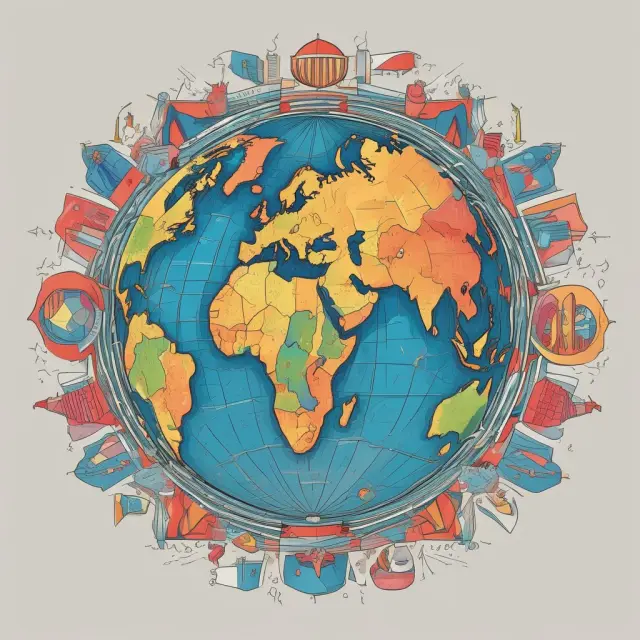
Types of Political Risks: A Closer Look
Political risks pose a significant challenge for businesses that operate across borders as they can have a substantial impact on investment returns. Political risks refer to risks that stem from political instability or changes in a country, including changes in governments, legislative bodies, foreign policymakers, and military control. These risks are particularly relevant for businesses with long-term investment horizons, and are also known as “geopolitical risks.”
Understanding Political Risks
The unpredictability of political risks makes them challenging to assess and quantify. While it is possible to insure against certain types of political risks, such as war and terrorism, others remain difficult to mitigate fully. The potential consequences of political instability can range from reduced returns on an investment to the complete loss of capital.
Types of Political Risks: Changes in Government, Legislation, and Policymakers
Political risks can come from a variety of sources. One common risk is a change in government or political leadership. In some cases, changes in leadership can result in new policies that may negatively impact businesses. For example, a new administration may introduce regulations that increase costs for companies or alter tax laws. Additionally, foreign policymakers’ decisions, such as imposing trade tariffs or implementing currency controls, can significantly affect the operations of multinational businesses.
Other Political Risks: Impact on Industries and Economies
Political risks can also impact industries and economies in various ways. For instance, changes in tax policies, labor laws, spending, and environmental regulations can significantly alter a company’s profitability or competitiveness. Currency valuation is another political risk that businesses must consider as fluctuations in exchange rates can affect their profitability. Additionally, military conflicts, civil unrest, and other forms of instability can disrupt supply chains, create logistical challenges, and increase costs for businesses.
Mitigating Political Risks: A Look at Wal-Mart’s Approach
Wal-Mart, a leading multinational retailer, has outlined various political risks it faces in its 2015 10-K filing with the Securities and Exchange Commission (SEC). Among these risks are potential political and economic instability in countries where foreign suppliers operate. This instability could lead to labor problems or foreign trade policies that might be imposed, negatively affecting Wal-Mart’s supply chain.
In its regulatory, compliance, reputational and other risks section, the company mentions several political risks. These include legislative, judicial, regulatory, and political/economic risks. For example, political instability in specific countries can result in legal and regulatory constraints that may impact Wal-Mart’s operations. Additionally, local product safety and environmental laws, tax regulations, labor laws, trade policies, and currency regulations are all political risks the company must consider as they can significantly affect its profitability and competitiveness in various markets.
Brazil: An Example of Complex Political Risks
Wal-Mart specifically mentions Brazil when discussing regulatory, compliance, reputational and other risks. Given the complexity of federal, state, and local laws in this country, managing political risks effectively in Brazil requires a deep understanding of its legal system and the ability to adapt quickly to changes. Wal-Mart’s experience illustrates the importance of proactive risk management for businesses operating in politically volatile environments.

Political Risks and Business: Impact on Industries and Economies
Political risks pose significant challenges for businesses as they can result in economic instability, affecting industries and economies at large. These risks can manifest through taxes, spending, regulation, currency valuation, trade tariffs, labor laws, and environmental regulations. Let’s explore these various political risks and their impact on the business landscape:
1. Taxes: Changes to tax policies can have profound implications for businesses. In some cases, increased taxes may deter investment, while in other scenarios, they can help generate revenue for governments and stimulate economic growth. For multinationals with operations across jurisdictions, keeping abreast of constantly evolving tax laws is crucial.
2. Spending: Government spending decisions impact industries and economies differently. Infrastructure investments, for example, can boost economic development and create new opportunities, while austerity measures can lead to reduced public services and potential social unrest. Understanding the political context behind government spending decisions is essential for businesses seeking long-term success in volatile markets.
3. Regulation: Changes to regulatory frameworks can significantly affect industries and individual companies. For instance, new environmental regulations could impact energy-intensive industries like manufacturing or mining. Likewise, labor laws could influence hiring practices, wages, and working conditions. Keeping up with the latest developments in regulatory policies is critical for businesses looking to minimize risk and stay competitive.
4. Currency Valuation: Political instability can cause currency volatility, posing challenges for companies dealing in international markets. Fluctuating exchange rates impact profitability, especially for firms that rely heavily on imports or exports. To mitigate the risks of currency swings, businesses may adopt various strategies such as hedging, forward contracts, or employing local staff to manage currency risk.
5. Trade Tariffs: Protectionist measures like trade tariffs can affect industries and economies in significant ways. By imposing taxes on imports, governments aim to protect domestic industries from foreign competition. However, these measures can lead to retaliation by other nations, escalating into full-blown trade disputes that disrupt international markets. Understanding the political context and potential repercussions of trade tariffs is vital for businesses operating in the global marketplace.
6. Labor Laws: Labor laws can have a profound impact on industries and economies. Changes to labor regulations, such as minimum wage increases or worker protections, could affect hiring practices, wages, and overall competitiveness of industries. Companies must keep track of these evolving labor laws to navigate the complex landscape of international business and ensure compliance with local regulations.
7. Environmental Regulations: Strict environmental regulations can pose challenges for businesses, particularly those in industries that rely heavily on natural resources or have significant emissions. Compliance with these regulations requires substantial investment and expertise, but failure to comply could result in fines, reputational damage, or even legal action. As the pressure to address climate change and other environmental concerns grows, companies must be prepared to adapt their operations to meet evolving regulatory requirements.
Understanding the potential impact of these political risks on industries and economies is crucial for businesses seeking long-term success in an increasingly complex global landscape. By keeping up with the latest developments and staying informed about the political context of various markets, companies can minimize risk and position themselves for growth in a rapidly changing world.
Insuring Against Political Risks: An Overview
Political risk insurance is a vital tool for multinational corporations seeking to mitigate or eliminate specific political risks that can negatively impact their investments, especially those with long-term horizons. These risks include changes in government, legislative bodies, foreign policymakers, or military control. Political risk insurance helps businesses focus on their core operations while offering protection against potential losses due to unforeseen political instability or upheaval.
Types of Political Risks: A Closer Look
When discussing political risks, it’s important to understand that they can manifest in a variety of ways. Political risks are not always easy to quantify and may impact an investment’s returns through multiple avenues. Some common types of political risks include:
- Regulatory changes
- Expropriation
- War or terrorism
- Nationalization
- Currency instability
- Political violence
- Changes in tax policy
- Changes in trade policies
- Labor issues
- Environmental regulations
Understanding the Impact of Political Risks on Investment Returns
Political risks can significantly affect investment returns, ranging from minor setbacks to complete losses. These risks can impact various aspects of a business, such as cash flow, revenue growth, and asset value. By insuring against political risk, businesses can safeguard their investments and reduce their overall exposure to these uncertainties.
Insuring Against Political Risks: The Role of International Agencies and Government Bodies
Political risk insurance is typically provided by international agencies or government bodies. These organizations offer coverage for various types of political risks, such as war, terrorism, expropriation, currency instability, and regulatory changes. By purchasing this insurance, businesses can protect themselves from potential losses that could stem from unforeseen political events in the countries where they operate.
Exploring Wal-Mart’s Approach to Political Risk Management: Key Strategies
Wal-Mart Stores Inc., a multinational retail corporation with operations worldwide, is one company that has effectively managed political risks through strategic planning, risk assessment, and operational flexibility. By acknowledging the potential impact of political risks in its filings with the Securities and Exchange Commission (SEC), Wal-Mart demonstrates its commitment to identifying and mitigating these risks, allowing it to maintain focus on its business fundamentals.
Understanding Political Risks in Wal-Mart’s Operations: Impacts on Suppliers and Regulatory Compliance
One of the ways political risk can impact a company like Wal-Mart is through potential instability in the countries where foreign suppliers operate. Labor problems, political and economic instability, or foreign trade policies and tariffs can all pose threats to a company’s supply chain. In addition, regulatory compliance is another area where political risks play a significant role. Businesses must navigate complex legal, judicial, regulatory, and political/economic risks at various levels of government, including federal, state, and local, as well as in other countries.
In conclusion, understanding political risks is crucial for any multinational business seeking to operate in an increasingly interconnected and unpredictable global economy. Political risk insurance plays a vital role in mitigating or eliminating specific political risks that can impact investment returns, allowing businesses to focus on their core operations while reducing overall exposure to these uncertainties. Companies like Wal-Mart that effectively manage political risks through strategic planning, risk assessment, and operational flexibility are best positioned to thrive in this environment.

Case Study: Wal-Mart and Political Risks
Wal-Mart is a multinational retail corporation operating in over 27 countries worldwide. The company’s annual 10-K filings with the Securities and Exchange Commission (SEC) highlight various political risks that could potentially impact its business operations. Let us explore these risks in detail, using Wal-Mart as an example.
Understanding Political Risks for Wal-Mart
Political risk refers to the potential negative impact on a corporation’s investment returns due to political changes or instability. These risks are particularly relevant for businesses with extensive international operations. For Wal-Mart, this means assessing risks associated with political upheaval, changes in government policies, and various regulatory frameworks around the world.
Types of Political Risks Affecting Wal-Mart
In its fiscal 2015 10-K filing, Wal-Mart outlined several political risks that could impact its business:
- Supplier risks: Instability in countries where foreign suppliers operate could pose a significant risk to Wal-Mart’s supply chain. Labor issues and trade policies with tariffs imposed could further complicate matters.
- Regulatory, compliance, reputational, and other risks: Political instability can lead to changes in legal frameworks that affect Wal-Mart’s operations. This may include tax regulations, labor laws, environmental regulations, trade policies, and currency regulations. For instance, Brazil is mentioned specifically due to its complex federal, state, and local laws.
Managing Political Risks: A Closer Look at Wal-Mart’s Approach
Wal-Mart employs several strategies to manage the political risks associated with its international business operations:
- Strategic planning: The company carefully plans its entry into new markets by closely assessing potential risks and regulatory requirements. This proactive approach allows Wal-Mart to mitigate or remove specific risks before they impact its business.
- Risk assessment: By continuously monitoring political environments, Wal-Mart can identify early warning signs of instability or changing regulations. This knowledge empowers the company to adapt and respond accordingly, minimizing the potential negative consequences.
- Operational flexibility: By maintaining operational flexibility, Wal-Mart is able to pivot its business strategies in response to political changes. For example, adjusting product offerings or sourcing locations can help mitigate risk while maximizing opportunities.
In conclusion, understanding and managing political risks are crucial for multinational corporations like Wal-Mart. By identifying potential risks and implementing effective risk management strategies, companies can navigate the complex and ever-changing global business environment with greater confidence.

Political Risks and Wal-Mart’s Suppliers
As Wal-Mart expands globally to seek out new markets and sources for its vast supply chain, it is not immune to political instability in the countries where its foreign suppliers operate. Political risks can significantly impact these businesses and ultimately have a ripple effect on Wal-Mart’s bottom line. In their annual filings with the Securities and Exchange Commission (SEC), companies like Wal-Mart disclose various political risks, especially those pertaining to their global supply chains.
One of the most prominent examples is mentioned in Wal-Mart’s Fiscal 2015 10-K filing under the “Operating Risks and Uncertainties.” In this section, they discuss potential political and economic instability in countries where foreign suppliers operate as a significant risk factor. The impact of these risks can come from several sources: labor problems, trade policies, or even military conflicts that disrupt supply lines.
Wal-Mart also acknowledges the importance of regulatory compliance when it comes to managing political risk in its international operations. In their Fiscal 2015 10-K filing under “Regulatory, Compliance, Reputational and Other Risks,” Wal-Mart outlines specific risks associated with legislative, judicial, regulatory, and political/economic risks. Brazil was explicitly mentioned as a country where they face complex legal and regulatory frameworks that could affect their ability to operate efficiently.
To manage these risks, Wal-Mart employs strategic planning, risk assessment, and operational flexibility in its international business operations. This includes monitoring global events closely, establishing local relationships, maintaining contingency plans, and engaging in transparent communication with suppliers and governments to mitigate potential issues. By taking a proactive approach, companies like Wal-Mart can minimize the impact of political risks on their business operations and ensure long-term growth in an increasingly interconnected world.
In conclusion, political risk is one of the most significant challenges faced by multinational businesses like Wal-Mart when expanding into international markets. By understanding the various types of political risks and implementing effective strategies for managing these risks, companies can minimize disruptions to their operations, protect their investments, and maintain a positive reputation among shareholders and stakeholders.
In its annual reports and filings with the Securities and Exchange Commission (SEC), Wal-Mart consistently identifies political instability in countries where foreign suppliers operate as a major risk factor for their business. By acknowledging these risks and implementing strategies to mitigate them, Wal-Mart is better prepared to face the challenges of operating internationally while maintaining its competitive edge.

Regulatory, Compliance, Reputational and Other Risks: An Overview
Political risks are a significant concern for multinational businesses like Wal-Mart, especially when it comes to regulatory, compliance, reputational, and other risks. Political instability in various forms can negatively impact business operations, investor returns, and shareholder value. In this section, we delve deeper into some of the risks identified by Wal-Mart in its annual reports and filings with the Securities and Exchange Commission (SEC).
One of the critical risks that companies like Wal-Mart face is the impact of government actions on their operations. Political instability could stem from changes in governments, legislative bodies, or other foreign policymakers, including military control. While political risk is notoriously challenging to quantify due to limited sample sizes, it can have far-reaching consequences for businesses and investors alike.
Types of Risks: Regulatory, Compliance, Reputational and Other Political Risks
Businesses often encounter various risks resulting from political decisions made by governments at various levels – federal, state, or local. These risks can significantly impact individual companies, industries, and economies as a whole. Some common types of regulatory, compliance, reputational, and other political risks include:
- Taxes: Changes in tax policies or rates could lead to increased costs for businesses, potentially affecting their profitability.
- Spending: Unpredictable government spending can create uncertainty for businesses, especially when it comes to infrastructure development or social programs.
- Regulation: New regulations can impose additional costs on businesses, impacting their competitiveness and potentially requiring changes to business practices or investments.
- Currency valuation: Fluctuating exchange rates could affect the profitability of international operations for multinational companies like Wal-Mart.
- Trade tariffs: Tariffs and other trade policies can raise the cost of goods and create additional barriers to international commerce.
- Labor laws: Minimum wage increases, working hour restrictions, or labor regulations could add costs or create operational challenges for businesses.
- Environmental regulations: Stricter environmental regulations could lead to increased costs for companies in industries with significant environmental impact.
- Legal and judicial risks: Changes in the legal landscape can result in costly lawsuits, potential fines, or reputational damage.
- Political instability: Protests, social unrest, and political instability can disrupt business operations and negatively affect investor confidence.
- Geopolitical risks: Wars, terrorism, or other forms of geopolitical instability can create significant uncertainty for businesses operating in volatile regions.
Wal-Mart’s Approach to Political Risks: Insurance and Mitigation Strategies
Some political risks can be insured against through international agencies or government bodies. Political risk insurance allows management and investors to focus on business fundamentals while protecting them from potential losses caused by political instability. This is an essential tool for multinationals like Wal-Mart, which has operations in numerous countries around the world.
In its filings with the SEC, Wal-Mart mentions specific risks related to suppliers, regulatory compliance, and other political issues that could impact its business. By understanding these risks and implementing strategies to mitigate them, Wal-Mart is better positioned to manage political instability and protect investor confidence in an increasingly volatile global business environment.
In the following sections, we will discuss these risks in more detail and examine how Wal-Mart addresses them through strategic planning, risk assessment, and operational flexibility. We’ll also explore real-life examples of political risks and their impact on multinational businesses like Wal-Mart, as well as the company’s approach to managing these risks in various countries.
Case Study: Political Risks and Wal-Mart’s Suppliers
Wal-Mart identifies potential political and economic instability in the countries where foreign suppliers operate as a significant risk factor. This instability could lead to labor problems, trade policies, and tariffs that might disrupt supply chains or increase costs. For example, strikes, protests, or government interventions could impact the production schedules of Wal-Mart’s suppliers, potentially resulting in lost sales and reputational damage.
In its fiscal 2015 10-K filing with the SEC, Wal-Mart outlines its risks associated with suppliers: “Our business involves sourcing merchandise from suppliers located in various countries around the world. Political or economic instability in these countries could negatively impact our suppliers and their ability to manufacture and deliver merchandise.” By managing this risk effectively, Wal-Mart can maintain a steady supply chain and minimize disruptions caused by political instability.
Regulatory, Compliance, Reputational and Other Risks: Conclusion
Political risks are an inherent part of operating a multinational business, and companies must be prepared to address these challenges effectively to protect their investments, operations, and reputation. By understanding the various types of political risks, implementing mitigation strategies like political risk insurance, and staying informed about global events, businesses can better manage the complex regulatory, compliance, reputational, and other political risks that come with operating in an increasingly interconnected world.
In the next section, we’ll explore how Wal-Mart manages its regulatory, compliance, reputational, and other political risks in more detail, focusing on specific examples and strategies. We’ll also discuss the importance of understanding the impact of these risks on individual businesses and industries, as well as their broader implications for the global economy.
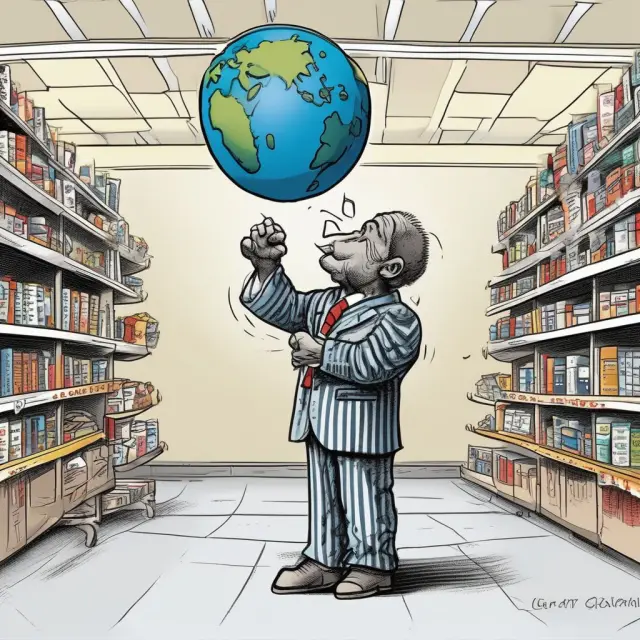
Wal-Mart’s Approach to Political Risk Management: Key Strategies
In managing political risks, multinationals like Wal-Mart employ various strategies for mitigating potential losses or even removing risks entirely. Wal-Mart is a global leader in retail and has identified the importance of understanding the geopolitical landscape in its international business operations. The company’s approach to political risk management includes strategic planning, risk assessment, and operational flexibility.
Strategic Planning: One key strategy is extensive research and strategic planning. Wal-Mart dedicates resources to analyzing potential risks and identifying ways to mitigate them before they impact their business. This can include diversifying its supplier base, adjusting sourcing locations based on geopolitical conditions, and building relationships with local authorities and organizations. The company also carefully considers expansion plans in high-risk countries, taking into account the political climate, economic stability, and potential regulatory hurdles.
Risk Assessment: Another strategy involves ongoing risk assessment to monitor for any changes that could impact their business. This may include regular updates on political developments, engaging local consultants or advisors, and maintaining open lines of communication with governments and regulators. Wal-Mart’s 10-K filing illustrates the importance of continuous risk evaluation through its identification of various risks associated with foreign suppliers, including political instability and economic uncertainty in their host countries, labor issues, and trade policies.
Operational Flexibility: A third strategy is operational flexibility to adapt to changing conditions. This can include contingency plans for disruptions such as strikes, riots, or government actions that could impact its supply chain or stores. Wal-Mart also maintains a strong logistics network to minimize the impact of transportation disruptions. Additionally, the company’s size and resources allow it to navigate complex regulatory environments more effectively than smaller businesses, enabling them to adapt and thrive in volatile political landscapes.
Case Study: Political Risks and Wal-Mart’s Suppliers
Political instability or economic uncertainty in a supplier’s country can pose significant risks to multinational corporations like Wal-Mart. In its fiscal 2015 10-K filing, the company acknowledged potential risks associated with foreign suppliers, including labor problems and government actions that could disrupt their ability to source goods from those countries. For instance, strikes or political unrest can halt production, resulting in supply chain disruptions and higher costs for Wal-Mart. In response, the company has implemented several strategies to mitigate these risks, such as diversifying its supplier base, working with multiple suppliers in the same country to minimize reliance on a single entity, and maintaining strong relationships with local authorities to facilitate communication and collaboration in addressing potential issues.
In conclusion, managing political risks is an essential aspect of international business operations for multinationals like Wal-Mart. By employing strategies such as strategic planning, risk assessment, and operational flexibility, businesses can navigate geopolitical challenges and minimize the impact on their bottom line. Understanding these risks and how to manage them effectively is crucial for long-term success in an increasingly interconnected global economy.

Political Risks and Emerging Markets: An Insight into Brazil
Brazil is a prime example of a country with an intricate political landscape that poses significant risks to businesses, particularly multinationals like Wal-Mart. The South American nation has experienced considerable turmoil over the last few years, which has affected various aspects of its economy and business environment. In this section, we’ll delve deeper into Brazil’s complex legal, regulatory, and political landscape as referenced in Wal-Mart’s filings.
First, let’s discuss the nature of political risks in Brazil. Political risk is defined as the potential for changes in government policy or instability that may negatively impact an investment. In the case of Brazil, these risks encompass a variety of factors, including corruption scandals, political unrest, and economic instability.
One of the most significant political risks facing Wal-Mart in Brazil is the ongoing investigation into widespread corruption known as Operação Lava Jato (Operation Car Wash). The scandal has resulted in numerous high-profile arrests of politicians, business leaders, and public officials. As a result, Wal-Mart has had to restructure its management team and undertake extensive due diligence to maintain compliance with Brazilian regulations.
Furthermore, political instability, fueled by social unrest and economic woes, poses another risk. Mass protests against government policies, such as the rise in transportation fares (known as “Vale do Inferno”), have caused significant disruption to businesses and affected consumer confidence. This instability is further compounded by the ongoing economic downturn, which has seen Brazil’s economy shrink for two consecutive years.
Legal, regulatory, and political risks in Brazil are not limited to corruption and instability. Other factors include tax regulations, labor laws, and environmental concerns. For instance, Wal-Mart mentioned the need to comply with local product safety regulations in its filings. This is particularly relevant given the recent discovery of lead in toys imported from China, which has led to increased scrutiny of international trade and importation processes.
Moreover, Brazil’s complex labor laws present significant challenges for multinationals like Wal-Mart. Minimum wage increases, along with proposed changes to labor legislation, have put pressure on companies to rethink their hiring practices and compensation policies. Additionally, environmental regulations can pose a challenge given the country’s vast natural resources and large agricultural sector.
To mitigate these risks, Wal-Mart has implemented several strategies, including ongoing risk assessments and operational flexibility. By staying informed of political developments in Brazil and adjusting its business operations accordingly, Wal-Mart is able to navigate this complex landscape and continue growing its presence in the country.
In conclusion, understanding the intricacies of political risks in emerging markets like Brazil is crucial for multinational businesses looking to expand their global footprint. By staying informed, maintaining transparency, and adapting to changing circumstances, companies can mitigate these risks and thrive in challenging environments.

FAQs: Common Questions about Political Risks for Businesses
Political risks are a significant concern for businesses as they can significantly impact investment returns. What exactly constitutes political risk?
Political risk refers to the potential negative consequences on investments due to changes in government, legislative bodies, foreign policymakers or military control. These risks can make it difficult for investors and companies to withdraw capital from their investments, leading to reduced returns or even total loss.
What are some types of political risks that businesses may face?
Political risks take various forms. They could result in increased costs due to changes in taxes, spending, regulation, currency valuation, trade tariffs, labor laws, and environmental regulations. These risks can also influence business operations through factors like instability or even the inability to withdraw capital from investments.
What industries or economies are most affected by political risks?
Political risks impact a wide range of industries and economies. They can cause significant disruptions, especially in developing countries with complex regulatory frameworks and uncertain legal environments. For example, international businesses operating in regions undergoing political transitions or experiencing economic instability could face challenges due to these factors.
How can companies mitigate the impact of political risks?
One way for companies to reduce exposure to political risks is by purchasing political risk insurance. Political risk insurance helps protect against losses arising from war, terrorism, and other unforeseen events that can impact business operations and investment returns. By insuring against these risks, management and investors can focus on core business fundamentals rather than the potential impact of external factors.
What about Wal-Mart? How does this retail giant manage political risks?
Wal-Mart, a multinational corporation, faces various political risks in its operations, including those related to suppliers and regulatory compliance. The company has outlined some of these risks in its annual filings with the SEC. For instance, it mentioned potential political instability and economic challenges in countries where foreign suppliers operate, as well as labor issues and trade policies that could negatively impact its business. In addition, Wal-Mart highlighted various regulatory, compliance, reputational, and other risks in its filings, including complex legal frameworks, environmental regulations, tax requirements, and local labor laws.
In summary, political risks are an essential consideration for businesses operating internationally. Understanding these risks and their potential impact on industries, economies, and individual companies is crucial to making informed investment decisions. By taking a proactive approach and utilizing risk management tools like insurance, companies can effectively mitigate the risks and concentrate on core business fundamentals.
 Next entry · No. 4,007Understanding Ponzi Schemes: Unraveling a Fraudulent Investment Strategy
See also
-
 No. 3,286
16 Mar 2025
19 min
Mothballing: A Strategic Approach to Preserving Capital Goods for Future Use
Business Finance
No. 3,286
16 Mar 2025
19 min
Mothballing: A Strategic Approach to Preserving Capital Goods for Future Use
Business Finance -
 No. 5,853
13 Oct 2025
21 min
Understanding Yellow Knights: From Hostile Takeover Attempts to Mergers of Equals
Business Strategy
No. 5,853
13 Oct 2025
21 min
Understanding Yellow Knights: From Hostile Takeover Attempts to Mergers of Equals
Business Strategy -
 No. 5,693
30 Sep 2025
24 min
Understanding White Label Products: Benefits, Types, and Real-life Examples
Business Strategy
No. 5,693
30 Sep 2025
24 min
Understanding White Label Products: Benefits, Types, and Real-life Examples
Business Strategy -
 No. 4,734
12 Jul 2025
20 min
Stakeholder Management: Understanding the Various Interests Within a Company
Business Strategy
No. 4,734
12 Jul 2025
20 min
Stakeholder Management: Understanding the Various Interests Within a Company
Business Strategy -
 No. 4,268
05 Jun 2025
23 min
Understanding the Race to the Bottom: Competition Beyond Ethical Standards
Business Strategy
No. 4,268
05 Jun 2025
23 min
Understanding the Race to the Bottom: Competition Beyond Ethical Standards
Business Strategy -
 No. 4,029
16 May 2025
18 min
Understanding the Power-Distance Index (PDI): An Essential Measurement for Institutional Investors
Business Strategy
No. 4,029
16 May 2025
18 min
Understanding the Power-Distance Index (PDI): An Essential Measurement for Institutional Investors
Business Strategy