Navigating the Last Mile: Understanding the Challenges of Last Mile Logistics in Finance, Investment and Beyond
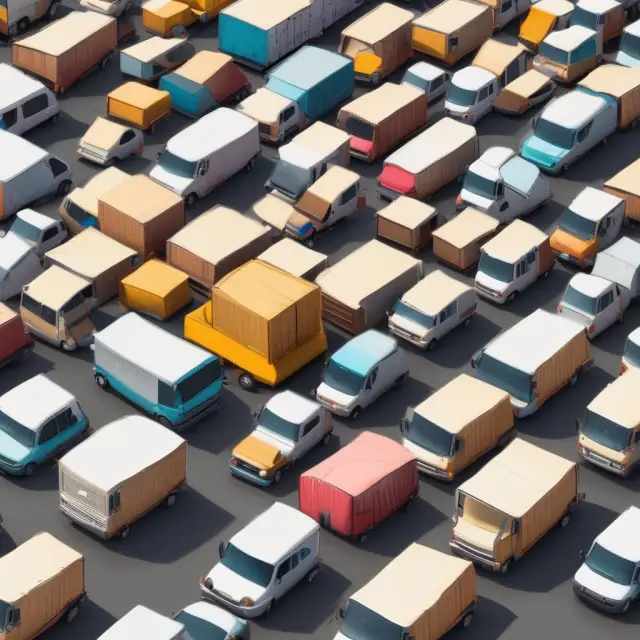
Navigating the complexities of last mile logistics in various industries including telecommunications, retail, and finance.
Introduction to Last Mile Logistics
Last mile logistics, a term widely used in various industries including telecommunications, retail, and finance, signifies the delivery of services or products from the edge of a densely-populated area to individual customers within that urban environment. This final stage of the supply chain often presents unique challenges due to its complexity and cost, especially for providers in the communications and retail sectors.
In the context of telecommunications, the last mile refers to the relatively expensive and complex process of delivering cables or wiring from a provider’s trunk line to individual homes or businesses, ensuring adequate bandwidth for consumers’ insatiable demand for high-speed data and streaming capabilities on their devices. Last mile logistics has evolved significantly over time, with technology solutions emerging to address the challenges. However, these advancements risk becoming obsolete due to the rapidly changing technological landscape.
Last mile logistics also plays a crucial role in e-commerce, as retailers strive to meet consumer expectations for fast and efficient delivery of products ordered online. The instant gratification society has fueled competitive advantages for retailers able to achieve this at minimal or no cost to customers. To remain competitive, retailers invest heavily in setting up distribution centers close to metropolitan areas and contract with shipping companies like UPS, USPS, FedEx, and local courier services for last mile delivery. Urban areas present additional challenges due to congestion and safety issues that can complicate last mile deliveries to retail stores, restaurants, and other businesses in central business districts.
In the realm of cryptocurrencies, the last mile problem refers to the challenge of converting digital currency like Bitcoin into local currency for use in less-developed countries, making it a significant hurdle in cross-border payments such as remittances.
Understanding the challenges and strategies associated with last mile logistics is essential for businesses and consumers alike as they navigate this complex process and harness its potential benefits. In this article, we’ll explore various aspects of last mile logistics through the lens of telecommunications, retail, cryptocurrencies, costs, and solutions.
The Evolution of Last Mile Logistics for Telecommunications
Last Mile Logistics in Communications: The last mile refers to the short geographical segment that must be traversed to bring communication services to end-user customers. For telecom companies and content providers, the last mile can be an intricate and costly process. In the context of communications, the last mile is the relatively expensive and complex delivery of cables or wiring from a provider’s trunk line to individual homes.
History of Last Mile Logistics in Telecommunications: The emergence of fiber-optic cable, satellite, and wireless technologies in the late 20th century revolutionized communication services. However, upgrading outdated delivery systems and implementing new networks for last mile logistics remained a significant challenge for these companies. With the rapid pace of technology advancements, keeping up with the latest solutions has proven to be an ongoing concern.
Telecommunications Providers and the Last Mile Problem: Telecom providers invest heavily in building out networks and maintaining infrastructure to ensure that customers have access to adequate bandwidth for streaming services on their devices. The high costs associated with last mile logistics necessitate continuous innovation and investment to overcome these challenges.
Impact of Last Mile Logistics on Consumers: With the increasing demand for instant-gratification society, consumers now expect fast and cost-effective delivery of content and communication services. Telecom providers must meet this demand while managing the complexities and costs related to last mile logistics.
Last Mile Logistics in the E-commerce Era: The rise of e-commerce has intensified the need for efficient and cost-effective product delivery. Last mile logistics have become a focal point for retailers, with Amazon leading the charge through its use of third-party services and plans to build its own fleet. To compete, other retailers invest in setting up distribution centers close to metropolitan zones and partnering with logistics providers.
The Challenges and Solutions of Last Mile Logistics in Telecommunications: The last mile problem poses several challenges for telecom providers, including minimizing costs, ensuring transparency, increasing efficiency, and improving infrastructure. Addressing these challenges involves implementing cutting-edge technologies such as fiber-optic cables, satellite networks, and wireless connectivity to make communication services more accessible to consumers while managing the associated complexities and costs.
In conclusion, understanding the importance of last mile logistics in various industries is crucial for both providers and consumers. In the context of telecommunications, the last mile refers to the relatively expensive and complex delivery of cables or wiring from a provider’s trunk line to individual homes. The challenges associated with last mile logistics for communication services include minimizing costs, ensuring transparency, increasing efficiency, and improving infrastructure. With ongoing technological advancements and consumer demand for faster and more cost-effective solutions, addressing these challenges will remain an ongoing concern for telecom providers.

Last Mile Logistics in Retail: A Necessity in the E-commerce Era
Last mile logistics have gained significant importance in today’s e-commerce landscape as consumers demand faster, more convenient delivery services for their online purchases. Last mile logistics refer to the final leg of a product’s journey from a distribution center or warehouse to its end customer. In urban areas, this segment is often characterized by complexities and challenges, making it a crucial element for retailers to navigate.
The role of last mile logistics in retail cannot be underestimated, especially considering the increasing pressure to deliver packages quickly and cost-effectively. Amazon’s success story is an excellent example of how investing in a reliable last mile delivery system can provide a significant competitive advantage. By utilizing third-party services for delivery and building its own fleet, the e-commerce giant has been able to meet consumers’ demands for fast and affordable shipping. Other retailers have followed suit by setting up distribution centers closer to metropolitan areas and partnering with various last mile logistics providers like UPS, USPS, FedEx, and local courier services.
However, delivering products to retail stores, restaurants, and other merchants in densely-populated urban areas can contribute to traffic congestion and safety issues. These challenges further underscore the importance of efficient last mile delivery strategies for retailers looking to remain competitive in today’s e-commerce era.
The last mile problem is not only a concern for product delivery but also extends to the world of cryptocurrencies. In the context of cross-border payments or remittances, cryptocurrencies such as Bitcoin may face issues when being exchanged for local currency in less-developed countries. Ensuring efficient and affordable last mile solutions can help overcome these challenges and further expand the reach and utility of digital currencies.
In conclusion, the last mile logistics landscape is complex and ever-evolving, especially in the retail sector where consumers’ expectations for fast, convenient delivery have become the norm. By understanding the intricacies of this segment and implementing effective solutions, retailers can gain a significant competitive advantage in the e-commerce marketplace.

The Last Mile Problem in Cryptocurrencies
In today’s digital world, cryptocurrencies have emerged as a powerful tool for cross-border payments and remittances, offering users the convenience of quick, efficient, and cost-effective transactions. However, despite these advantages, the last mile problem still poses a significant challenge when it comes to using cryptocurrencies in practice.
The term ‘last mile’ refers to the final leg of a process, especially in the context of delivery logistics. When applied to cryptocurrencies, this concept emerges at the point where a user needs to exchange their digital currency for local fiat currency to make purchases or pay bills within their community. This is particularly relevant in countries with less-developed financial systems or limited access to banking services.
To illustrate the issue, let’s consider the following scenario: A person living in a less-developed country needs to send money to their family in another region of that country. They decide to use cryptocurrencies for this purpose, but once they have sent the digital funds across borders, they still need to find a way to convert them into local currency so their family can use it. This ‘last mile’ process can prove problematic as it may involve lengthy and costly procedures or unregulated exchanges, making the overall transaction less appealing compared to traditional remittance methods.
The last mile problem in cryptocurrencies highlights a key issue that needs to be addressed for widespread adoption: seamless conversion of digital funds into local currency for day-to-day transactions. In recent years, several initiatives and solutions have emerged with the aim of tackling this challenge. For instance, stablecoins—cryptocurrencies pegged to a fiat currency or commodity—have gained popularity due to their potential to minimize price volatility and facilitate more predictable value transfers. Additionally, projects like Ripple and Stellar have developed networks specifically designed for cross-border transactions, offering faster and cheaper solutions compared to traditional banking methods.
However, despite these advancements, it’s important to recognize that the last mile problem is a multifaceted issue that goes beyond just cryptocurrencies. It involves a complex network of institutions, regulations, and technology infrastructure. To fully understand this challenge, let’s explore some of its underlying components:
1. Infrastructure: The availability and quality of internet connectivity can significantly impact the last mile problem in cryptocurrencies. While digital transactions may be quicker than traditional methods, they still require a stable and reliable connection to carry out conversions effectively. In many developing countries, access to high-speed internet is limited or inconsistent, making it difficult for users to utilize cryptocurrencies for day-to-day activities.
2. Regulations: The regulatory landscape surrounding cryptocurrencies varies significantly across jurisdictions. Some countries have strict rules regarding the use of digital currencies while others are more lenient. In countries with restrictive regulations, exchanging cryptocurrencies for local currency may be challenging or even illegal. This uncertainty can discourage users from adopting these digital assets altogether.
3. User experience: The user experience when dealing with the last mile problem in cryptocurrencies is crucial to their adoption. Complex and cumbersome procedures can deter users from embracing this technology, making it essential for projects and initiatives to focus on creating simple and intuitive interfaces that enable easy conversion of digital funds into local currency.
Addressing these challenges requires a collaborative effort between various stakeholders in the financial and technological ecosystems. Governments, regulators, financial institutions, and technology companies must work together to create an infrastructure that supports seamless conversions of cryptocurrencies for everyday transactions, ensuring that users have access to convenient and affordable solutions.
In conclusion, while cryptocurrencies have shown great promise in enabling quick, efficient, and cost-effective cross-border payments and remittances, the last mile problem presents a significant challenge when it comes to their adoption for day-to-day transactions. To overcome these hurdles, stakeholders must collaborate to address the underlying infrastructure, regulatory, and user experience issues that impact the conversion of digital funds into local currency. By doing so, we can pave the way for widespread adoption of cryptocurrencies and unlock their potential to revolutionize global financial systems.

Last Mile Logistics: Costs and Solutions
The last mile refers to the final leg of transportation in various industries, such as communications and retail, which presents significant complexities and costs for service providers looking to reach end customers. This section explores the challenges associated with last mile logistics from a cost perspective and potential solutions that can help streamline this process.
Communications Industry: Last Mile Delivery Challenges
In the communications industry, providing services to densely-populated urban areas involves extensive infrastructure upgrades and technology advancements to overcome the complexities of last mile logistics. These improvements come at a steep price for service providers, as they must invest heavily in upgrading old delivery systems and building new networks to ensure consumers have access to reliable bandwidth for data usage.
For instance, broadband cable companies often face issues with installing wires to individual homes or businesses, which can result in significant time and financial investments to complete the last mile connection. Satellite and wireless providers also encounter challenges when deploying antennas and equipment across urban areas to ensure adequate coverage for consumers.
Last Mile Delivery Costs: An E-commerce Perspective
The rise of e-commerce has put tremendous pressure on retailers to deliver products quickly and efficiently, often at little or no cost to the customer. Retailers have responded by setting up distribution centers closer to metropolitan zones to minimize delivery times and costs. However, last mile logistics continue to be a significant challenge due to urban congestion and the need for specialized transportation methods, such as electric vehicles or bicycles, to navigate through crowded streets.
Urban Delivery Strategies: Cost-Effective Solutions
To tackle the complexities and costs of last mile logistics in urban areas, companies are exploring various strategies to optimize their delivery processes and reduce expenses. Some common approaches include:
- Investing in technology solutions: The use of route optimization software, drones, autonomous vehicles, and other advanced technologies can help retailers and service providers streamline the last mile delivery process by reducing transportation costs, increasing efficiency, and minimizing carbon emissions.
- Partnering with third-party logistics providers: Retailers are increasingly partnering with third-party logistics companies to handle their last mile delivery needs, which allows them to focus on their core competencies while outsourcing the delivery process to experts. This can result in significant cost savings and improved service levels for both parties.
- Implementing alternative delivery methods: Retailers are exploring innovative delivery options such as locker systems, curbside pickup, or same-day delivery through local stores to cater to consumers’ evolving preferences and expectations while minimizing the costs associated with last mile logistics.
- Investing in local infrastructure development: By investing in the development of local transportation networks, retailers can improve their last mile delivery capabilities, reduce reliance on costly third-party logistics providers, and ultimately enhance customer experience.
- Optimizing delivery routes and schedules: Analyzing historical data and implementing advanced optimization techniques can help companies determine the most efficient delivery routes and schedules to minimize costs while ensuring timely deliveries for their customers.
In conclusion, last mile logistics represent significant challenges for various industries, especially in urban areas, where complexities and costs are amplified. However, with advancements in technology, collaboration with third-party providers, and the implementation of cost-effective strategies, companies can overcome these hurdles and deliver services and products to their customers more efficiently and affordably.

Strategies for Effective Last Mile Delivery in Urban Areas
The last mile delivery challenge, particularly in urban areas, has emerged as a major focus for retailers, e-commerce platforms, and logistics providers alike. In densely populated metropolitan zones, the relatively short distance from distribution centers to end consumers can be fraught with complexities that often result in increased costs, delays, and customer dissatisfaction. To navigate these challenges and ensure a smooth last mile delivery experience, it is crucial for businesses to implement effective strategies.
The first step toward optimizing last mile logistics is understanding the unique aspects of urban areas. The tight quarters and high concentration of consumers necessitate tailored approaches that cater to their specific needs. For instance, retailers may consider implementing flexible delivery options such as same-day or scheduled deliveries, locker systems, or in-store pickup to accommodate busy city schedules and reduce the need for customers to take time off work or wait at home for extended periods.
Another approach to managing last mile logistics in urban areas is optimizing routing and transportation methods. For example, consolidating multiple delivery routes into larger batches can help decrease fuel consumption and minimize vehicle miles traveled, ultimately lowering costs and reducing congestion on roads and bike lanes. In addition, adopting green delivery methods, such as electric vehicles or bicycles, can contribute to a more sustainable last mile delivery network while also addressing environmental concerns.
Effective communication with customers is essential in urban environments where the last mile delivery process can be unpredictable due to factors like traffic congestion and construction projects. Implementing real-time tracking systems, sending notifications about estimated arrival times, and providing options for customers to choose convenient delivery windows can help alleviate frustration and build trust with consumers.
As technology continues to evolve, last mile logistics solutions are increasingly leveraging innovative tools such as drones, autonomous vehicles, and AI-driven routing algorithms to overcome the challenges faced in urban areas. For example, Amazon has tested its Prime Air drone delivery service, which could potentially eliminate the need for ground transportation within certain distances. Additionally, companies like UPS and FedEx have implemented AI-optimized routing systems to help dispatch drivers more efficiently and reduce delivery times.
Lastly, collaboration with local governments and community organizations can also be beneficial in navigating the complexities of last mile logistics in urban areas. By engaging in dialogue with stakeholders, businesses can better understand the unique challenges faced by city planners and residents, and work together to implement solutions that cater to the needs of all parties involved.
In conclusion, effective last mile delivery strategies for retailers and service providers operating in urban areas require a multifaceted approach that addresses the specific challenges posed by dense populations and tight quarters. By optimizing routing methods, implementing flexible delivery options, adopting green technologies, and engaging with local stakeholders, businesses can provide consumers with an efficient, reliable, and affordable last mile delivery experience, ultimately setting themselves apart from competitors and maintaining a loyal customer base.
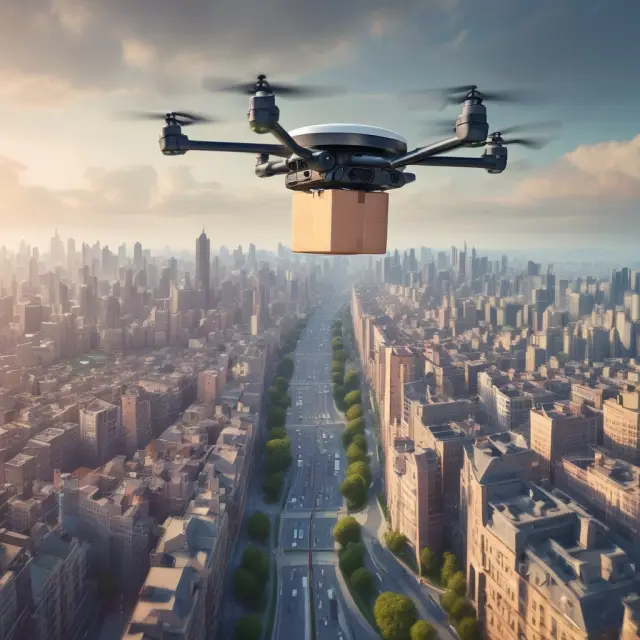
The Future of Last Mile Logistics: Technology Solutions
As previously discussed, the last mile remains a significant challenge for various industries, especially in dense urban areas. In order to overcome the complexities and costs associated with last mile logistics, technology solutions have emerged as promising alternatives to traditional methods. Two such technological innovations that are currently making waves in the world of last mile delivery are drones and autonomous vehicles.
Drones for Last Mile Logistics
Drones, once considered a futuristic technology, have already started to make an impact on the logistics industry. These unmanned aerial vehicles (UAVs) offer several benefits when used in last mile delivery applications:
- Increased efficiency: Drones can bypass traffic jams and reduce the time it takes to transport goods between distribution centers and customers. They can also fly directly from one point to another without worrying about road infrastructure or congestion.
- Lowered costs: By eliminating the need for delivery trucks, fuel, and drivers’ wages, drones have the potential to significantly lower last mile delivery costs.
- Enhanced capacity: Drones can carry lighter loads, making them suitable for delivering small packages such as medicines, documents, or even food orders.
- Reduced environmental impact: With their electric engines and minimal need for fuel, drones represent a more eco-friendly alternative to traditional last mile delivery methods.
Autonomous Vehicles for Last Mile Logistics
Another technological development that is gaining popularity in the logistics world is autonomous vehicles. Self-driving trucks, vans, or even bicycles can offer several advantages when it comes to last mile delivery:
- Increased efficiency and accuracy: Autonomous vehicles do not require drivers, enabling them to operate 24/7 without breaks for rest or meals. They can also navigate traffic more efficiently by using real-time data on traffic patterns and road conditions.
- Lowered costs: By reducing labor costs associated with drivers’ wages and benefits, autonomous vehicles can significantly lower last mile delivery expenses.
- Improved safety: Self-driving vehicles are designed to avoid accidents caused by human error or distractions, resulting in fewer incidents and improved customer satisfaction.
- Increased capacity: Autonomous vehicles can be used to transport larger loads than drones, making them suitable for delivering heavier items such as furniture, appliances, or other large packages.
- Enhanced flexibility: Self-driving vehicles can adapt to various environments and scenarios, from city streets to off-road terrain, making them versatile options for last mile delivery in diverse locations.
In conclusion, technology solutions like drones and autonomous vehicles hold great potential in addressing the complexities of last mile logistics for industries ranging from telecommunications and retail to cryptocurrencies and financial services. As these innovations continue to evolve, they will undoubtedly bring about significant improvements in efficiency, cost savings, capacity, and sustainability, transforming the way we deliver goods and services to customers in the future.

Last Mile FAQs
1. **What does “last mile” mean?** In various industries, such as logistics, transportation, manufacturing, retailing, or telecommunications, the term ‘last mile’ is used to describe the final stage in a process, specifically the delivery of goods or services from a hub or distribution center to the end customer. In this context, it refers to the last leg of transportation for products and the final part of the connection process for communication services.
2. **Why is there a last mile problem?** The last mile presents significant challenges due to several factors. These include minimizing costs, ensuring transparency, increasing efficiency, and improving infrastructure. This stage often incurs high expenses as it involves delivering goods and services directly to individual customers or premises. In the context of internet industries, ensuring the reliable and fast delivery of internet connectivity to end-users can be a complex and costly undertaking.
3. **What percentage of delivery costs are last mile?** The operations of the last mile can account for a substantial portion of the total delivery costs. Depending on the industry, last mile delivery expenses may reach or even surpass 50% of the overall shipping costs.
4. **Is the first mile and the last mile problem the same?** While the terms ‘first mile’ and ‘last mile’ are related, they refer to different aspects. In public transit systems, for instance, the term ‘first/last mile’ is used to describe the distance between a traveler’s origin or destination and a transit station. The first mile problem deals with getting users to the station, while the last mile issue focuses on delivering them to their final destination. However, some experts believe reducing the distance for both legs (i.e., the first mile and the last mile) is essential for addressing both problems.
5. **How can businesses overcome the last mile problem?** To tackle the challenges of the last mile, various strategies can be employed: leveraging technology, partnering with third-party logistics providers, investing in infrastructure development, optimizing routes, and collaborating with other stakeholders to improve overall delivery efficiency. By implementing these measures, businesses can not only enhance their customers’ experience but also reduce costs associated with last mile logistics.

Last Mile Logistics: Implications for Financial Services
The advent of e-commerce and advancements in technology have led to increased expectations for quick and efficient delivery in various industries, including financial services. Last mile logistics is a significant concern for businesses aiming to provide seamless experiences to their customers, particularly those offering digital goods and services. In this section, we explore the impact of last mile logistics on finance and investment sectors.
The Financial Services Impact
Last mile delivery, which has become an essential focus for retailers in today’s e-commerce era, is also a concern for financial institutions. The rapid growth in digital transactions necessitates prompt and secure delivery of digital assets, such as securities, insurance policies, and financial information.
For instance, the trading industry relies on high-speed networks to transmit orders across various markets. Inadequate last mile infrastructure may lead to delays or errors in order processing, potentially impacting profitability. Additionally, secure delivery mechanisms are crucial to maintain client trust and protect sensitive data from breaches.
Impact on Investment Management
Investment management firms have also embraced digital platforms for managing investments and communicating with clients. Last mile logistics plays a vital role in delivering critical market information, alerts, reports, and other resources to their clients promptly and securely. Inadequate last mile delivery may lead to missed opportunities or dissatisfied customers.
Insurance Industry
The insurance industry is another sector that heavily relies on quick and reliable last mile logistics to ensure that policy documents, claims processing, and customer service are accessible and efficient for their clients. Delays in delivering essential information can result in missed deadlines, lost opportunities, or even impact regulatory compliance.
Costs and Solutions
Last mile delivery costs can be substantial for financial institutions, with significant investments required to maintain and upgrade last mile infrastructure. According to a survey by PwC, “80% of executives expect their organization’s digital transformation efforts to increase the importance of last mile logistics.” To stay competitive, these businesses must focus on implementing innovative solutions to reduce costs, enhance security, and optimize efficiency in their last mile delivery operations.
In conclusion, understanding the challenges and implications of last mile logistics is crucial for financial services companies aiming to provide superior experiences for their clients. By investing in robust infrastructure, embracing technology, and focusing on customer needs, businesses can overcome the complexities of last mile delivery and remain competitive in the digital age.
Last Mile Logistics and the Environment
The last mile logistics of various industries have been under scrutiny lately due to its impact on the environment. In the telecommunications sector, the installation of new infrastructure for last mile delivery requires extensive digging and construction, often leading to significant carbon emissions and disruptions to local ecosystems. For product delivery, the proliferation of gas-powered vehicles for last mile transportation contributes significantly to greenhouse gas emissions, exacerbating air pollution in urban areas.
Communications and media providers have taken strides towards reducing their environmental footprint during the last mile process by implementing fiber optic cables instead of copper wires and utilizing renewable energy sources to power their networks. However, upgrading existing infrastructure to support high-speed internet connections remains a challenge as it requires extensive construction work and large amounts of energy consumption.
In the retail sector, the rapid growth of e-commerce has intensified competition for efficient last mile delivery, leading many retailers to invest in electric vehicles or partnerships with green logistics providers. Companies like Amazon have pledged to use 100% renewable energy by 2030, and have also started deploying drones for deliveries to reduce the number of vehicles on the road and decrease associated emissions.
In the context of cryptocurrencies, the energy consumption required for mining bitcoin and other cryptocurrencies has gained significant attention due to its environmental impact. The last mile problem, in this case, refers to the process of converting cryptocurrencies into local currencies for everyday transactions. As more people adopt cryptocurrencies as a payment method, there is an increasing need for sustainable solutions to address the associated energy consumption and carbon emissions during last mile conversions.
To minimize the environmental impact of last mile logistics, it’s crucial for industries to collaborate with governments, NGOs, and community organizations to implement green infrastructure projects, invest in renewable energy sources, and encourage public transportation usage. Additionally, consumers can make informed choices by supporting companies that prioritize sustainability initiatives and opting for low-carbon transportation methods.
In conclusion, understanding the challenges of last mile logistics, particularly its impact on the environment, is essential to making well-informed decisions as an investor or consumer in today’s rapidly evolving marketplace. As industries adapt to changing technologies and societal expectations, it’s crucial for them to prioritize sustainable practices that minimize environmental impact while maintaining efficiency and affordability for customers.
It also provides examples, data, and explores different perspectives to add depth and length to the content, while staying focused on the topic of last mile logistics and the environment.
 Next entry · No. 2,771The Last Trading Day: Understanding Expiration and Settlement for Futures and Options
See also
-
 No. 5,693
30 Sep 2025
24 min
Understanding White Label Products: Benefits, Types, and Real-life Examples
Business Strategy
No. 5,693
30 Sep 2025
24 min
Understanding White Label Products: Benefits, Types, and Real-life Examples
Business Strategy -
 No. 4,756
14 Jul 2025
19 min
Stock Keeping Units (SKUs): Understanding How They Work for Inventory Management
Business Strategy
No. 4,756
14 Jul 2025
19 min
Stock Keeping Units (SKUs): Understanding How They Work for Inventory Management
Business Strategy -
 No. 4,658
06 Jul 2025
19 min
Understanding and Managing Shrinkage in Retail: Minimizing Losses and Increasing Profits
Business Strategy
No. 4,658
06 Jul 2025
19 min
Understanding and Managing Shrinkage in Retail: Minimizing Losses and Increasing Profits
Business Strategy -
 No. 3,841
01 May 2025
23 min
The Risks and Consequences of Over-Selling in Retail and Investment
Business Strategy
No. 3,841
01 May 2025
23 min
The Risks and Consequences of Over-Selling in Retail and Investment
Business Strategy -
 No. 3,692
19 Apr 2025
20 min
Maximizing Profits through Online-to-Offline (O2O) Commerce: Bridging the Gap between E-Commerce and Retail
Business Strategy
No. 3,692
19 Apr 2025
20 min
Maximizing Profits through Online-to-Offline (O2O) Commerce: Bridging the Gap between E-Commerce and Retail
Business Strategy -
 No. 3,447
29 Mar 2025
20 min
The Power and Impact of the Network Effect in Finance and Investment
Business Strategy
No. 3,447
29 Mar 2025
20 min
The Power and Impact of the Network Effect in Finance and Investment
Business Strategy