Understanding the Functionality and Importance of a Last Will and Testament in Finance and Investment

Understand the importance & functionality of a Last Will & Testament in finance & investment through this comprehensive guide. Learn components, process…
Introduction to Last Wills and Testaments
A last will and testament is an essential estate planning tool that offers several benefits for individuals who want to ensure their assets are distributed according to their wishes upon their demise. This legal document allows you to designate beneficiaries, appoint a guardian for minor children, specify funeral arrangements, reduce potential probate costs, minimize estate taxes, and provide for the care of special needs individuals or pets. In this section, we will discuss what a last will and testament is, its key components, and its importance in the context of finance and investment.
What Is a Last Will and Testament?
A last will and testament, often referred to as just a ‘will,’ is a legally binding document that outlines a person’s wishes regarding their assets and dependents upon their death. It specifies how your property and possessions are to be distributed among your beneficiaries, appoints an executor to manage the distribution process, and can provide for minor children or dependents. In simple terms, it ensures your final wishes are carried out and that your loved ones receive the inheritance you intend for them.
Components of a Last Will and Testament:
1. Identification of assets and property
When drafting your will, you’ll need to identify all your assets, including bank balances, real estate, personal possessions, investments, and business interests. This is crucial to ensure that the executor understands what property is subject to probate and how it should be distributed.
2. Designation of executor and guardian (if applicable)
An executor plays a pivotal role in managing your estate after your death. They oversee the administration of your will, pay any debts, and distribute assets as per your instructions. You may also choose to designate a guardian for minor children or dependents if you have not already done so through other means.
3. Creating Your Last Will and Testament:
To create a valid will, certain requirements must be met. Generally speaking, you should be of sound mind, age (18 or older depending on your jurisdiction), and have identified your assets and beneficiaries. You will also need to sign the document in front of witnesses, typically two unrelated individuals.
In the following sections, we’ll delve deeper into the various components of a last will and testament and discuss their importance in detail. By understanding the ins and outs of this critical estate planning tool, you’ll be better equipped to make informed decisions regarding your financial future and the well-being of your loved ones.
Components of a Last Will and Testament
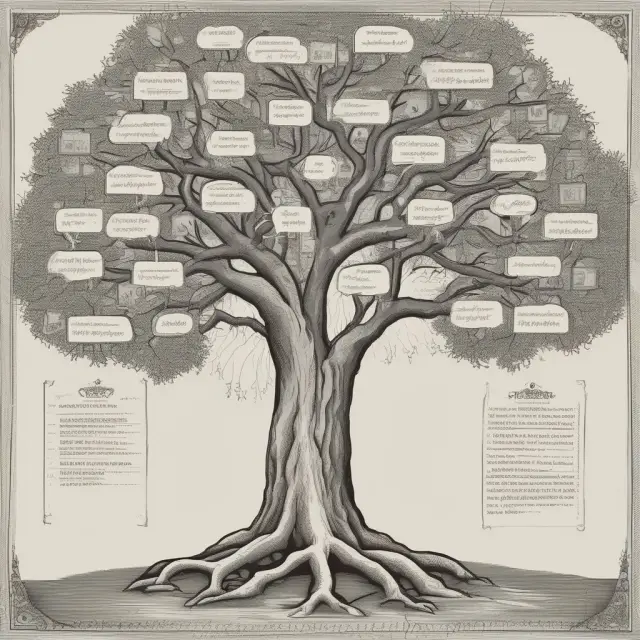
When drafting a last will and testament, it is essential to identify the components required to make your wishes clear and legally binding. A well-prepared will enables you to distribute assets and manage arrangements for dependents, financial interests, businesses, and charitable donations according to your desires. Here, we explore three primary elements of a last will and testament: identification of assets and property, designation of an executor, and the role of a will in creating an estate plan.
Identification of Assets and Property
Your will should specify what assets you wish to bequeath after your death. This can include bank balances, real estate, personal possessions, and other tangible or intangible property. It is crucial to accurately detail the extent and location of your belongings for proper distribution to beneficiaries. When identifying assets, consider assets that are not part of your probate estate, such as jointly held property, retirement accounts with named beneficiaries, or financial assets like stocks, bonds, or mutual funds.
Designation of Executor and Guardian for Minor Children
An executor is the person responsible for ensuring your last wishes are carried out according to the instructions set forth in your will. Choosing a trustworthy and competent executor is crucial. They are accountable for managing the probate process, paying any debts or taxes, and distributing your assets to designated beneficiaries. If you have minor children, it’s essential to designate a legal guardian who will care for them in the event of your passing. This individual should be someone you trust completely, as they will raise your children and make important decisions regarding their upbringing.
The Role of a Last Will and Testament in Creating an Estate Plan
A last will and testament is often the cornerstone of an estate plan. It directs the distribution of assets after death but can also be used to create a foundation for managing your overall financial affairs during your lifetime. A comprehensive estate plan may include other documents, such as trusts, powers of attorney, or medical directives, that further protect your interests and provide peace of mind.
Understanding these components will help you make informed decisions when drafting your last will and testament and ensure that your wishes are carried out upon your death.
Creating Your Last Will and Testament
A last will and testament is a crucial legal document outlining your wishes regarding the distribution of assets after your passing. This section will discuss the requirements for creating a valid will, including age, soundness of mind, and asset identification. Additionally, we’ll explore different types of wills such as simple, joint, testamentary trust, and living wills.
Requirements for Creating a Valid Will
First, it is essential to understand that creating a valid last will and testament involves several requirements: you must be of a specific age, possess soundness of mind, and clearly identify your assets and beneficiaries.
Age Requirement: The minimum age requirement for making a legally binding will varies by jurisdiction. Generally speaking, most states set the age at 18 or older, while some may require applicants to be 21 years old. It is always recommended that you check your specific state’s laws regarding minimum age requirements.
Soundness of Mind: In order for a will to be considered valid, the person creating it (called the testator) must have a sound mind at the time of execution. This means they must possess testamentary capacity – the ability to understand the nature and extent of their property, comprehend that they’re making a will, and know who their heirs are.
Asset Identification: It is vital to accurately identify your assets and beneficiaries in your last will and testament. This includes all real estate holdings, financial investments (stocks, bonds), personal belongings, and any other assets that you wish to distribute. Failure to do so may lead to complications during the probate process or potential disputes among beneficiaries.
Types of Wills
Now let’s delve into the different types of wills: simple, joint, testamentary trust, and living wills.
Simple Will: A simple will outlines your assets and their distribution to named beneficiaries. It is often referred to as a “plain will” or an “ordinary will.” You can choose an executor (a trusted individual responsible for carrying out the will’s instructions) and designate a guardian for minor children in this type of will.
Joint Will: A joint will is typically used by married couples, where both spouses create a single will naming each other as the primary beneficiary. Once one spouse passes, the remaining spouse inherits all the assets, effectively creating an “automatic” will. However, this type of will may lack flexibility if circumstances change and can present issues when it comes to probate and estate tax planning.
Testamentary Trust Will: This type of will establishes a trust to manage and distribute property on behalf of named beneficiaries. It is particularly useful for special needs beneficiaries, minors, or other individuals who may not be ready to manage assets independently. The trust can outline specific rules regarding asset distribution and the management structure, offering greater control over how your estate is managed posthumously.
Living Will: A living will (also known as an advance directive) is not a last will and testament but rather a separate legal document that outlines your wishes regarding medical care should you become unable to make decisions on your own due to illness or incapacity. It specifies the types of life-sustaining treatments you do or don’t want in such situations. By creating a living will, you ensure your healthcare preferences are respected and provide peace of mind for your loved ones.

What a Last Will and Testament Covers
A last will and testament is an essential document that outlines your final wishes regarding the distribution of your assets after your death. In this section, we delve deeper into what exactly a will covers.
Firstly, it’s important to note that a will handles the disposition of various types of personal property, such as bank balances and real estate. It allows you to specify who should receive these assets upon your demise. This can include friends, family members, charities, or other organizations. In some cases, a will may also allow for the creation of trusts to ensure that the assets are managed according to specific conditions or stipulations.
Moreover, a last will and testament deals with arrangements for dependents and financial interests. For instance, it can establish guardianship for minor children, providing them with security and care after your passing. It also offers direction for handling investments, businesses, and other assets that require special consideration.
Additionally, a will enables you to make charitable donations in accordance with your wishes. By specifying organizations or causes that hold significance to you, you can leave a lasting impact on the world beyond your immediate sphere of influence.
It’s crucial to understand what a last will and testament does not cover to ensure comprehensive estate planning. Assets held jointly, life insurance policies with designated beneficiaries, and retirement accounts typically bypass probate court and do not require distribution through a will. Similarly, funeral plans should be addressed in separate documentation as they are usually carried out shortly after death.
In the following sections, we’ll explore the process of creating a last will and testament, common misconceptions surrounding the document, and the importance of accessibility and updating your will regularly. By gaining a thorough understanding of this important financial instrument, you’ll be better prepared to make informed decisions about securing your future and protecting your loved ones.

What a Last Will and Testament Doesn’t Cover
A last will and testament is an essential estate planning document that outlines how a person wishes to distribute their assets upon death. However, it doesn’t cover every aspect of managing property and finances. In this section, we’ll discuss the limitations of a last will and testament in regards to specific types of assets and procedures.
1. Property held jointly or in living trusts
A last will and testament only applies to your individually owned assets. If you hold property jointly with someone else, such as a bank account, real estate, or vehicle, it won’t pass through probate upon your death. Instead, the surviving owner will automatically inherit the property without the need for a will. Likewise, if you have established a living trust during your lifetime to manage and distribute assets, those assets are also excluded from the probate process.
2. Funeral plans
Funeral arrangements should be handled separately from a last will and testament. While it’s essential to plan and document your wishes regarding end-of-life matters, these instructions shouldn’t be included in a will due to timing concerns. The will is typically not accessed until after the funeral has taken place. Instead, consider creating a separate document for your funeral plans or informing family members about your preferences.
3. Life insurance policies, retirement accounts, stocks, bonds, or other financial assets
Life insurance policies and retirement accounts often have beneficiaries designated on the account forms. These assets bypass probate court and are distributed directly to the named beneficiaries when you pass away. Similarly, stocks, bonds, and other financial assets held in brokerage accounts with completed beneficiary forms will also be transferred outside of probate.
Avoiding Probate
Probate is a legal process where the court ensures that a deceased person’s final wishes are carried out as stated in their will. While probate is necessary for managing and distributing some assets, it can lead to lengthy proceedings and significant costs. By understanding what isn’t covered under a last will and testament, you can take steps to minimize or bypass the probate process altogether. For example, you can establish trusts, designate beneficiaries on financial accounts, or hold joint property with others. These strategies can help simplify the distribution of your assets and save time and money for your loved ones during an emotionally challenging time.
Importance of Avoiding Probate with a Last Will and Testament
The probate process refers to the court-supervised distribution of a deceased person’s assets according to their last will and testament. However, going through probate can have significant implications for beneficiaries and executors alike, including time delays, legal fees, and potential complications. Understanding how to reduce or bypass probate using trusts and other methods is essential when creating a comprehensive estate plan.
Probate Process and its Implications
The probate process can be lengthy and complicated, often taking several months and sometimes even years to complete, depending on the value of the estate and the jurisdiction’s laws. During this time, legal fees are incurred for the executor’s services, as well as the court costs involved. Moreover, during probate, the beneficiaries cannot access their inheritance until the process is concluded.
Bypassing or Minimizing Probate
To minimize or bypass the probate process entirely, it’s essential to understand which assets are considered probate assets and which are not. Probate assets include real estate, bank accounts, and personal property that you own in your individual name at the time of your death. However, certain types of assets can be exempted from probate if they have designated beneficiaries. These assets may include life insurance policies, retirement accounts, stocks, bonds, or other financial assets with completed beneficiary designations.
Trusts as an Alternative to Probate
Creating a trust is another effective method for avoiding probate and ensuring the timely transfer of assets to your intended beneficiaries. Trusts allow you to designate a trustee to manage and distribute your assets according to your wishes, while bypassing the probate process altogether. Common types of trusts include living trusts and testamentary trusts, which can be designed based on your unique circumstances and estate planning goals.
Estate Planning Considerations
It’s essential to consult with a legal professional or financial advisor when creating an estate plan. They can help you understand the laws in your jurisdiction regarding probate, trusts, and tax implications. Additionally, they can guide you through the process of drafting a will, setting up trusts, and ensuring that all necessary documents are executed correctly to minimize delays and complications for your beneficiaries.
Conclusion:
Understanding the probate process and its potential implications is crucial when creating an estate plan. By minimizing or bypassing probate through the use of trusts and other strategies, you can ensure a more efficient distribution of your assets to your intended beneficiaries while reducing legal fees and saving valuable time for all involved parties.

Planning Your Estate with a Last Will and Testament
Having created an outline of your assets, identified the role of an executor, and designated beneficiaries or guardians for dependents, it’s time to consider how you want your estate to be managed after your death. Here are some strategies and considerations for planning your estate with a last will and testament:
Arranging Care for Minor Children and Special Needs Individuals
A well-drafted will can help ensure that the care of minor children or special needs individuals is handled according to your wishes in case of your untimely death. You may designate an individual or a couple as a legal guardian(s) within the document, providing them with the power to make decisions related to the well-being and upbringing of your dependents. This can bring peace of mind knowing that your children will be cared for by trusted individuals who share your values and goals.
Minimizing Estate Taxes through Trusts
Estate taxes can significantly reduce the value of an estate, leaving fewer assets available to loved ones upon death. To minimize or avoid these taxes, various trusts may be established during the estate planning process. One common strategy is to create a trust that transfers property to the beneficiaries over a specific period while bypassing the probate process and reducing estate tax liability. Trusts can also provide greater control over how and when assets are distributed.
Setting up a Power of Attorney or Medical Directive
A power of attorney and medical directive serve important roles in managing your finances and healthcare decisions if you become unable to do so yourself due to incapacity. While they can be set up separately, they may also be incorporated into your will to ensure a comprehensive estate plan. A power of attorney grants another person the legal authority to make financial decisions on your behalf, while a medical directive outlines specific instructions regarding your healthcare treatments and end-of-life wishes.
By incorporating these elements into your last will and testament, you’ll not only provide for the distribution of your assets but also ensure that dependents, financial interests, businesses, and charitable donations are handled in accordance with your wishes. Remember that estate planning is an ongoing process that should be revisited periodically to reflect changes in circumstances such as marriage, divorce, births or adoptions, moves, and other life events.

Common Misconceptions About Last Wills and Testaments
Many people harbor misconceptions about last wills and testaments, which can hinder their understanding of the importance of this critical legal document. In this section, we’ll debunk three common myths surrounding wills.
Myth: You don’t need a will if you have a trust.
This is not entirely true. While a trust serves an essential role in managing and distributing assets during your lifetime or after death, it doesn’t replace the necessity of having a valid last will and testament. A trust can handle some aspects of an estate plan but doesn’t cover all matters such as minor children, appointing guardians, or specifying funeral arrangements. Additionally, a trust may not take effect until you become incapacitated or pass away. A will ensures that your wishes are carried out for matters outside the purview of your trust.
Myth: A will is only for the wealthy or elderly.
A will isn’t exclusive to the wealthy or elderly; it applies to anyone who wants control over how their assets are distributed after death. This includes young adults, middle-aged individuals, and seniors alike. The misconception may stem from the belief that creating a will is an expensive process. However, inexpensive options like online will makers now make obtaining a last will and testament accessible to everyone.
Myth: You can’t change your mind once it’s signed.
While it’s true that a signed will becomes legally binding upon your death, you can revoke or amend it at any time by creating a new one. As long as you remain mentally competent, you can change the beneficiaries and executor of your will to reflect your current wishes. Additionally, a codicil, which is an addition or amendment to your existing will, allows for minor changes without having to draft an entirely new document.
In summary, a last will and testament plays a pivotal role in ensuring that your assets are distributed according to your desires after death. Debunking these common myths can help you understand the importance of this essential estate planning tool.

Making Your Last Will and Testament Accessible
After drafting a last will and testament, it’s essential to ensure that your loved ones can access the document when needed. Properly storing and sharing your will is crucial for a smooth distribution of your assets upon your passing. Let us explore some ways to make your last will and testament accessible.
1. Storing Your Will
Storing your will in a safe location is important, as it protects the document from damage or loss. Many people choose to store their wills in bank safety deposit boxes; however, this could lead to complications during probate since the executor might need access to the box. Instead, consider keeping a copy of the signed and witnessed original at home and another with your attorney. This arrangement ensures that both you and the executor have copies for reference while maintaining security and ease of access.
2. Sharing Your Will With Beneficiaries and Executors
Ensure that your beneficiaries and executor(s) are aware of your last will’s location and their respective roles in carrying out its instructions. Giving them this information allows them to prepare for the probate process and eases potential stress during a difficult time.
3. Regular Updates
As life changes, so may your assets and relationships with loved ones. Regularly updating your last will and testament ensures that it reflects your current wishes and protects you from potential complications. You can review and amend your will every few years or when significant milestones occur, such as marriage, divorce, the birth of a child, or the passing of a beneficiary.
4. Revoking an Old Will
If you’ve created multiple wills throughout your life, make sure to revoke any previous ones that are no longer relevant. This action prevents confusion and potential disputes among your heirs during probate proceedings.
5. Estate Planning Tools
Your last will and testament is the cornerstone of a comprehensive estate plan. Additional tools like durable powers of attorney, advanced medical directives, and trusts can complement a will by addressing various aspects of managing your affairs while you’re still alive or incapacitated. Be sure to familiarize yourself with these instruments and consult your attorney for advice on implementing them alongside your last will and testament.
By following these guidelines, you create a solid foundation for making your last will and testament accessible, understandable, and effective in carrying out your wishes.

FAQs About Last Wills and Testaments
What is a last will and testament, and how is it different from a living trust?
A last will and testament is a legal document outlining the distribution of your assets after your death. A living trust is an estate planning tool that lets you manage your property during your lifetime and pass it to beneficiaries outside of probate upon your passing.
How do I create a valid last will and testament?
To make a valid will, you must be of sound mind, identify your assets and intended recipients, designate an executor, sign the document in the presence of witnesses, and follow state-specific requirements.
What can’t be included in a will?
Property held jointly or through living trusts is not subject to probate and therefore cannot be included in a will. Additionally, funeral plans, life insurance policies with designated beneficiaries, retirement accounts, and financial assets are typically excluded from wills.
Is it necessary to hire a lawyer to create a last will and testament?
While hiring a lawyer is an option for drafting a will, it’s not mandatory in every situation. Many online services offer affordable will-making solutions, allowing individuals to create legal documents at their own pace and convenience.
What happens if I die without a will?
If you die without a will, your assets will be distributed according to the laws of intestacy within your state. This may not align with your wishes or intentions. A last will and testament ensures that your property is allocated as you desire.
Can I change my will once it’s been signed?
Yes, you can modify a last will and testament at any time. To do this, create a new will or write a codicil, which is a legal amendment to an existing will, specifying your updates.
What is probate, and how does it affect my estate after my death?
Probate is the court-supervised process of validating and distributing a deceased person’s assets according to their will or state intestacy laws if no will exists. The process can be time-consuming and expensive due to legal fees and court costs. However, some assets may not need to go through probate, depending on how they are owned or titled.
Can a last will and testament help minimize estate taxes?
A last will and testament itself cannot minimize estate taxes. Still, it can be used in conjunction with other estate planning tools like trusts to reduce potential tax liabilities. Consulting a financial professional is recommended for the most effective strategies.
Is it necessary to update my will after significant life events?
Yes, you should update your last will and testament following major life changes such as marriage, divorce, birth or adoption of children, moving to a new state, and the death of an executor or beneficiary. Regularly reviewing and revising your will ensures that it accurately reflects your current wishes and circumstances.
 Next entry · No. 2,770Navigating the Last Mile: Understanding the Challenges of Last Mile Logistics in Finance, Investment and Beyond
See also
-
 No. 2,476
09 Jan 2025
22 min
Intestacy: What Happens When You Die Without a Will?
Business Finance
No. 2,476
09 Jan 2025
22 min
Intestacy: What Happens When You Die Without a Will?
Business Finance -
 No. 5,732
03 Oct 2025
18 min
Understanding Wills: A Comprehensive Guide for Professional Investors
Legal & Contracts
No. 5,732
03 Oct 2025
18 min
Understanding Wills: A Comprehensive Guide for Professional Investors
Legal & Contracts -
 No. 2,165
15 Dec 2024
19 min
Understanding Holographic Wills: A Legal Alternative to Traditional Wills
Legal & Contracts
No. 2,165
15 Dec 2024
19 min
Understanding Holographic Wills: A Legal Alternative to Traditional Wills
Legal & Contracts -
 No. 5,759
05 Oct 2025
22 min
Understanding ‘With Benefit of Survivorship’: Joint Tenancy, Probate Process & Estate Planning Alternatives
Business Finance
No. 5,759
05 Oct 2025
22 min
Understanding ‘With Benefit of Survivorship’: Joint Tenancy, Probate Process & Estate Planning Alternatives
Business Finance -
 No. 5,579
21 Sep 2025
18 min
Expediting Probate: Understanding Waivers of Notice
Business Finance
No. 5,579
21 Sep 2025
18 min
Expediting Probate: Understanding Waivers of Notice
Business Finance -
 No. 3,388
24 Mar 2025
17 min
Understanding Negative Returns: Losses in Finance and Investment
Business Finance
No. 3,388
24 Mar 2025
17 min
Understanding Negative Returns: Losses in Finance and Investment
Business Finance