Operating Leases: Understanding the Pros, Cons, Accounting, and Differences from Finance Leases

Learn about the definition, benefits, differences, accounting treatment, real-life examples and advantages of Operating Leases. Understand Pros & Cons.
What Is an Operating Lease?
An operating lease is a contractual agreement between a lessee and a lessor, which grants the former the right to use an asset for a specified period without assuming ownership or title. The most common types of assets involved in operating leases are those with long, useful lives such as real estate, aircraft, and machinery. Operating leases enable businesses to acquire valuable resources while avoiding the upfront capital expenditures associated with purchasing these assets outright (Sullivan & Brown 2018).
The primary benefits of an operating lease include:
- No ownership responsibility: Under an operating lease, the lessee is not responsible for maintaining or insuring the asset. These obligations rest on the lessor.
- Lower upfront costs: Operating leases allow businesses to obtain assets at a lower initial cost as compared to purchasing them outright (PwC 2021).
- Flexibility in lease terms: The length of an operating lease can be tailored to align with the specific operational requirements of a business. This offers greater flexibility when it comes to managing asset expenses and cash flow.
- Improved access to capital: Operating leases help businesses preserve their existing cash reserves by spreading the cost of acquiring assets over time (PwC 2021).
In contrast, a finance lease is an alternative arrangement under which a business assumes ownership of the asset at the end of the lease term. Finance leases have distinct accounting implications for both lessees and lessors, with greater emphasis placed on balance sheet recognition. In comparison, operating leases are primarily accounted for as operating expenses (IFRS 16 Leases 2016).
Understanding the key differences between operating and finance leases is crucial in navigating the various financial reporting requirements and implications. In subsequent sections, we will delve deeper into the mechanics of operating leases and their accounting treatment to provide a more comprehensive understanding of this important financing tool.
References:
– IFRS 16 Leases (2016). International Accounting Standards Board.
– PwC (2021, January). Understanding the new lease standard: What it means for you. PricewaterhouseCoopers LLP.
– Sullivan, M., & Brown, C. (2018). Operating Leases vs. Finance Leases: An Overview. AccountingWEB.com.

Operating Leases vs. Finance Leases: Differences and Comparison
When it comes to lease agreements, two primary types are commonly recognized – operating leases and finance leases. While both allow a lessee to use an asset owned by another entity (the lessor), they differ in terms of ownership rights, accounting treatment, and obligations. In this section, we will delve into the intricacies of operating leases and their differences from finance leases.
An operating lease is defined as a contract that grants a business the right to use an asset for an agreed-upon period without assuming any ownership responsibilities. This type of lease agreement is most commonly used when renting real estate, aircraft, or equipment with long life spans, such as vehicles, office machinery, or specialized industrial equipment. In this arrangement, the lessee is responsible for maintaining the asset and returning it in a similar condition upon expiration.
In contrast, a finance lease is a contract that not only permits the use of an asset but also transfers ownership to the lessee once all other obligations have been fulfilled. Under a finance lease, the lessor may retain some degree of control over the asset, like setting certain usage limitations or purchasing it back at a predetermined price upon expiration. In essence, a finance lease functions as a form of indirect financing for the acquisition of an asset.
Operating and finance leases have distinct advantages and disadvantages for lessees:
Operating Lease Advantages
– No ownership or transfer of title to assets
– Lower upfront costs due to cheaper renting fees
– Flexibility in lease term length
– Reduced risk as maintenance obligations rest with the lessor
– Ability to upgrade equipment without purchasing
Operating Lease Disadvantages
– No equity buildup or asset appreciation potential
– Higher long-term costs due to continuous lease renewals and rent escalations
– Less flexibility in modifying the leased asset
Finance Lease Advantages
– Eventual transfer of ownership and assets
– Lower borrowing costs as interest rates are often lower than rental fees
– Potential tax benefits for capitalizing an asset on balance sheets
Finance Lease Disadvantages
– Higher upfront costs due to a lump sum payment or balloon payments
– Obligation to maintain and insure the asset throughout its entire life
– Less flexibility in disposing of or changing assets
From an accounting standpoint, operating leases have seen significant changes in recent years. In 2016, the Financial Accounting Standards Board (FASB) released ASC Topic 842 – Leases, requiring companies to recognize operating leases on their balance sheets as a right-of-use asset and a liability. This change aimed to provide a more transparent representation of a business’s financial position by recognizing the value of operating lease assets and liabilities.
As we have explored the fundamental differences between operating and finance leases, it is clear that each comes with its unique advantages and disadvantages. When deciding which type of lease agreement best fits a business’s needs, factors such as upfront costs, maintenance responsibilities, desired ownership rights, asset utilization, and future disposal plans should all be carefully considered.
In the following sections, we will further delve into the mechanics of operating leases, their accounting treatment, real-life examples, and changes in reporting standards. By gaining a comprehensive understanding of this essential financial instrument, you will be better equipped to make informed decisions regarding your organization’s lease agreements.

How Operating Leases Work
Operating leases, also known as service or rental contracts, are agreements between a lessor and a lessee, permitting the use of an asset without transferring ownership. This arrangement can be advantageous for businesses seeking to utilize assets that are expensive, large, or have long useful lives. Historically, operating leases played a significant role in managing balance sheets by enabling firms to keep substantial assets and corresponding liabilities off their financial statements (FASB 2016). However, the Financial Accounting Standards Board (FASB) changed the landscape of lease accounting with the release of ASU 2016-02 – Leases. This update mandated that all leases with terms longer than one year be recognized as assets and liabilities on the balance sheet.
Operating leases typically involve long-term commitments for equipment, such as aircraft, vehicles, office space, or specialized machinery. As a result, the lessee assumes responsibilities for maintenance, insurance, and other related costs. Conversely, the lessor retains ownership of the asset and is responsible for managing its disposal at lease expiration. The benefits of an operating lease include:
- Reduced upfront expenses: Companies can use the assets without the burden of purchasing them outright.
- Flexibility to upgrade equipment: The lessee has the option to return or replace the leased asset when the term concludes.
- Predictable costs: Regular lease payments provide a clear view into the organization’s future expenditures.
- Tax benefits: Operating lease expenses are generally tax-deductible as ordinary and necessary business expenses.
However, it is essential to note that there are disadvantages associated with operating leases, such as potential higher long-term costs, loss of equity, and the need for continuous negotiation of lease terms when they expire. The following example illustrates a real-life application of an operating lease for a restaurant’s generator rental:
Example: A local Italian restaurant needs a backup generator to ensure business continuity in case of power outages. Instead of purchasing a generator, the owner chooses to enter into an operating lease agreement with a supplier. By renting the generator for a monthly fee, the restaurant benefits from using the necessary equipment without having to bear the upfront costs and long-term responsibilities associated with ownership.
In conclusion, operating leases offer companies a valuable alternative to purchasing expensive assets outright. With predictable payments, tax advantages, and flexibility, these contracts have become increasingly popular in various industries. However, it is crucial for businesses to evaluate both the benefits and potential drawbacks of operating leases when making decisions regarding their capital expenditures.
FAQs: Operating Leases Explained
What Is an Operating Lease?
An operating lease is a contractual agreement between a lessor and lessee that enables the use of an asset without transferring ownership rights to the lessee.
How Is an Operating Lease Different From a Finance Lease?
The primary distinction lies in the fact that with a finance lease, the lessee assumes ownership of the asset at the end of the term, while with an operating lease, ownership remains with the lessor.
What Are Some Common Assets Involved in Operating Leases?
Typically, operating leases are used for long-term commitments to equipment like aircraft, vehicles, office space, and specialized machinery.
Why Use an Operating Lease Instead of Buying the Asset Outright?
Operating leases offer benefits such as reduced upfront costs, predictable payments, tax advantages, and flexibility in terms of asset upgrades or replacements. However, it’s essential to evaluate the potential long-term costs and drawbacks.
How Does Operating Lease Accounting Differ From Finance Lease Accounting?
Under the new lease accounting standard (ASC 842), operating leases are required to be recognized as assets and liabilities on a company’s balance sheet, while finance leases have been accounted for as such for many years.

Advantages and Disadvantages of an Operating Lease
An operating lease is an attractive option for businesses looking to acquire assets without taking on ownership responsibilities. This type of arrangement can offer numerous benefits, such as lower upfront costs, flexibility in lease terms, and the absence of long-term commitment. However, it also comes with certain disadvantages that must be carefully considered before making a decision. In this section, we’ll dive deeper into the advantages and disadvantages of an operating lease.
Advantages:
No Ownership: With an operating lease, a business does not assume ownership rights of the asset. This can be particularly beneficial for companies with significant cash flow requirements or limited resources to maintain the assets themselves. The lessor retains responsibility for maintenance and repairs, which can save businesses time and money while reducing operational risks.
Renting May Be Cheaper: Operating leases often come with lower rental costs compared to purchasing outright. This is particularly true for expensive items such as real estate, aircraft, or specialized equipment. In this way, operating leases enable smaller or newer businesses to access essential assets without incurring the large upfront investment required for purchasing them.
Short-Term: Operating leases offer flexibility and are often structured with shorter lease terms. This allows businesses to adjust their asset utilization as their needs change, ensuring they’re only paying for the period in which the asset is required.
Disadvantages:
No Equity Financing Costs: One downside of an operating lease is that it does not contribute to equity financing costs like a loan or bond issuance would. This can limit a business’s ability to build long-term wealth and strengthen its balance sheet through asset ownership.
Might Pay More Than Market Value: Depending on the length of the lease, businesses might end up paying more than the market value for an asset. Although renting allows access to essential assets without large upfront costs, this additional expense can add up over time, particularly if lease terms are extended or renewed.
Continuous Terms Renegotiation: Operating leases often require periodic renegotiation of terms and rates. Lessors may take advantage of these opportunities to raise fees or modify agreement terms, potentially increasing the lessee’s overall costs.
In conclusion, an operating lease is a valuable tool for businesses seeking to access essential assets without taking on ownership responsibilities. Its advantages include lower upfront costs, flexibility in lease terms, and reduced operational risks. However, it also comes with disadvantages such as limited equity financing, potential overpayment of market value, and the need for continuous term renegotiations. Careful consideration of these factors can help businesses make informed decisions when evaluating an operating lease as a viable financial solution.
Operating Lease Accounting: The Impact on Balance Sheets
One significant change in lease accounting came with the introduction of the Financial Accounting Standards Board (FASB) Accounting Standard Update 2016-02, or Topic 842. This standard brought about a shift in how operating leases are accounted for on a company’s balance sheet.
The new lease accounting standards require lessees to recognize and record a right-of-use asset (ROU) and a lease liability when entering into an operating lease with a lease term longer than 12 months. The ROU asset represents the lessee’s right to use the leased asset for the lease period, while the lease liability reflects the present value of future lease payments. This change ensures that operating lease assets and liabilities are reflected on the balance sheet, providing users with more accurate information regarding a company’s financial position, risk profile, and cash flows.
However, leases shorter than 12 months can be accounted for as an expense using the straight-line method. This change helps to create a more faithful representation of a business’s rights and obligations concerning leased assets, reducing manipulation of balance sheet information and offering greater transparency. It is important to note that this standard does not apply to certain types of leases such as intangible asset leasing, exploration for or use of nonregenerative resources, biological assets leases, inventory leases, or assets under construction.
In the context of a restaurant example mentioned earlier, recognizing an operating lease as a right-of-use asset and a lease liability on the balance sheet would improve the accuracy of the financial statements. The right-of-use asset will represent the generator’s benefits the restaurant receives from using it for a specific period, while the lease liability will reflect the present value of the future rental payments due to the equipment lessor.
In conclusion, the shift in operating lease accounting has significant implications for businesses, as it requires more accurate reporting and greater transparency regarding leased assets and liabilities on their balance sheets. The changes brought about by FASB Accounting Standard Update 2016-02 aim to provide financial statement users with a better understanding of the risks, obligations, and cash flows associated with operating lease agreements.
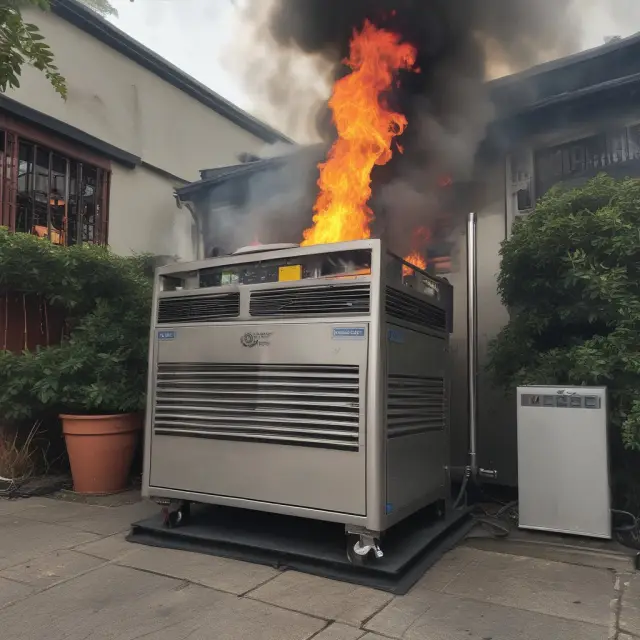
Example of an Operating Lease: A Restaurant’s Generator Rental
Operating leases are commonly used by businesses for assets with long, useful life spans that need regular replacement or upgrading to maintain operations, such as vehicles, office equipment, industrial machinery, and real estate. For instance, a restaurant owner might decide to lease a large generator instead of purchasing one outright due to the significant cost involved.
Let’s consider the case of “Delish Diner,” a popular eatery that prides itself on serving top-quality meals, maintaining a comfortable dining environment, and ensuring optimal food preservation. Delish Diner recognizes the importance of having a backup power source to prevent business disruptions due to power outages or equipment failures. However, investing in an expensive generator might not be financially feasible for the restaurant’s budget at that time.
In this scenario, the restaurant owner would choose to lease a generator under an operating lease agreement with a reputable equipment rental company. The contract specifies the lease term, rental payments, and the responsibilities of each party involved – the lessor (equipment rental company) and the lessee (Delish Diner).
Under GAAP rules, since the lease term is more than one year, Delish Diner must recognize the generator as an asset and a liability on its balance sheet. The asset represents the right-to-use the generator during the lease term, while the liability signifies the obligation to pay the rental fees to the lessor throughout the lease period.
This operating lease arrangement benefits both parties involved. Delish Diner does not have to incur the high upfront cost of purchasing a new generator, and it can use the asset for as long as needed without worrying about maintenance or ownership responsibilities. Meanwhile, the equipment rental company earns regular rental income and retains ownership of the generator until the lease term expires.
This example illustrates how an operating lease functions in real-world business applications, providing valuable insights into the benefits of leasing instead of purchasing expensive assets while managing financial risks effectively.

Accounting for Operating Leases: Changes in Standards and Implementation
Operating lease accounting, traditionally governed by GAAP rules, has seen significant changes since the release of Accounting Standards Update 2016-02, Leases (Topic 842). This update brought about a paradigm shift for lessees, requiring them to recognize operating leases as assets and liabilities on their balance sheets. However, it is essential to understand that not all leases are affected equally.
Under the new standard, all leases with a lease term of 12 months or longer must be recognized as assets (right-of-use) and liabilities (lease liability) on the lessee’s balance sheet. These assets and liabilities correspond to the rights and obligations arising from the lease agreement between the lessor and lessee, respectively.
While this change aimed to provide a more faithful representation of a business’s rights and obligations regarding leases, it is important to note that the following leases remain exempt: intangible asset leasing, exploration for or use of nonregenerative resources, biological assets leases, inventory leases, or assets under construction.
When comparing operating lease accounting with finance lease accounting, it is crucial to understand their fundamental differences. Operating leases and finance leases share similarities in that they are both treated as a right-of-use asset and a lease liability. Both these types of leases are recorded on the company’s balance sheet, affecting various financial ratios like debt-to-equity, return-on-assets, or solvency if significant amounts of leased assets are used by companies. However, operating and finance leases possess distinct characteristics:
Operating lease characteristics include retained ownership (asset) by the lessor during and after the lease term, absence of bargain purchase options (BPO), terms that are less than 75% of the asset’s estimated economic life, present value of lease payments below 90% of the asset’s fair market value, and risks/benefits remaining with the lessor.
In contrast, finance leases transfer ownership to the lessee at the end of the lease term through a bargain purchase option, which allows the lessee to buy an asset for significantly less than its fair market value. Finance lease terms equal or exceed 75% of the asset’s estimated useful life, present value of lease payments equals or exceed 90% of the asset’s original cost, and risks/benefits are transferred to the lessee.
This change in accounting standards has brought about several implications for both lessees and lessors. For lessees, this change signifies additional reporting requirements and a more comprehensive evaluation of leases during financial statements preparation. Additionally, the new lease classification rules may impact debt covenants, key performance indicators (KPIs), and potential tax implications.
For lessors, this update might lead to increased transaction complexity, higher accounting compliance costs, and changes in their customers’ reporting practices. It is crucial for both lessees and lessors to stay informed about the latest developments related to lease accounting standards and be prepared to adapt to these changes effectively.
In conclusion, understanding operating lease accounting and its implications under the new ASC Topic 842 standard is essential for businesses engaging in leasing arrangements. By recognizing assets and liabilities on their balance sheets, companies can maintain a more accurate representation of their financial position while providing stakeholders with transparent and comparable information.
This knowledge will help lessees make better-informed decisions regarding lease structure, termination or renewal possibilities, and capital planning strategies, while lessors can leverage this understanding to optimize their portfolio performance and effectively manage risk. Staying informed about these changes is crucial for companies in various industries to maintain competitive advantages and adapt to the evolving financial reporting landscape.

Operating Lease vs. Finance Lease: A Comparative Analysis of Accounting
When discussing operating and finance leases, it is essential to consider their accounting implications. While both types of leases are essential for businesses seeking to use assets without assuming the risks and responsibilities of ownership, they differ significantly in how they impact a company’s financial statements. In this section, we will explore the intricacies of operating and finance lease accounting and discuss the significant differences between these two lease types.
Operating Leases vs. Finance Leases: The Accounting Difference
Understanding the distinction between operating and finance leases is essential to recognize their respective impacts on a company’s financial statements. Both lease types involve renting an asset for a specified period, but the accounting treatment varies due to different risk transfer agreements and economic substance.
Operating Leases: Accounting Considerations
Under Accounting Standards Update (ASU) 2016-02, Leases, also known as Topic 842, operating leases must be recognized on the balance sheet under a right-to-use (RoU) asset and a lease liability. This change in accounting standards aimed to provide a more faithful representation of an organization’s assets and liabilities, making it easier for stakeholders to assess a company’s financial position.
Operating lease accounting generally applies to leases with terms ranging from one to seven years or less than 10% of the asset’s useful life. The following are essential characteristics of operating leases:
- Ownership remains with the lessor both during and after the lease term.
- Bargain purchase options are not permitted in an operating lease.
- Lease terms typically account for less than 75% of the asset’s estimated economic life.
- The present value of lease payments is generally below 90% of the asset’s fair market value.
- Risks and benefits remain with the lessor throughout the lease term.
When a business enters into an operating lease, the right-to-use asset (RoU) represents the company’s right to use the asset for the lease term. Simultaneously, a lease liability represents the obligation of the lessee to make rental payments under the agreement. As the lease progresses, the RoU asset decreases as the lessor maintains ownership, and the lease liability reduces with each rent payment made by the lessee.
Finance Leases: Accounting Implications
In contrast, finance leases represent a transfer of both risks and benefits associated with an asset from the lessor to the lessee upon expiration of the lease term. With a finance lease, ownership is transferred to the lessee at the end of the lease term. This arrangement results in different accounting treatment for finance leases compared to operating leases.
Finance lease accounting follows the same principles as operating leases with respect to RoU assets and lease liabilities on the balance sheet. However, unlike operating leases, finance leases may include bargain purchase options that allow the lessee to buy the asset at a price lower than its fair market value when the lease terminates. Additionally, finance leases typically encompass terms equal to or exceeding 75% of the asset’s estimated useful life and have present values that meet or surpass 90% of the asset’s original cost.
Comparing Operating Lease Accounting vs. Finance Lease Accounting
Both operating and finance leases impact a company’s financial statements, but their accounting treatment varies due to differences in risk transfer agreements and economic substance. The table below highlights essential aspects of operating lease accounting versus finance lease accounting:
| Aspect | Operating Lease | Finance Lease |
|———————-|—————–|—————|
| Ownership | Remains with the lessor | Transferred to lessee at lease termination |
| Risk transfer | Lessor retains risks and benefits | Lessee assumes risks and benefits |
| Bargain purchase option| Not permitted | May be included |
| Lease term | Shorter than 75% of the asset’s economic life or less than 10% of its useful life | Equal to or exceeding 75% of the asset’s economic life |
| Present value | Below 90% of the asset’s fair market value | Above or equal to 90% of the asset’s original cost |
| Accounting treatment | Right-to-use (RoU) assets and lease liabilities on balance sheet | RoU assets and lease liabilities on balance sheet, but with additional consideration for bargain purchase options |
In conclusion, both operating leases and finance leases serve a crucial role in allowing businesses to use assets without assuming the risks and responsibilities associated with ownership. However, it is essential to understand their distinct accounting implications to make informed decisions regarding financial reporting and stakeholder communication. By recognizing the differences between operating lease accounting and finance lease accounting, companies can better assess their financial position and effectively allocate resources for long-term growth.

FAQs: Operating Leases Explained
What is an operating lease?
An operating lease is a contractual agreement between two parties, where one party (lessee) gains the use of a specific asset from another party (lessor), while the lessor retains ownership throughout the lease term. These agreements are beneficial for lessees as they provide access to assets without the upfront costs and long-term responsibilities associated with ownership.
How is an operating lease different from a finance lease?
A finance lease transfers both the risks and rewards of asset ownership to the lessee, whereas in an operating lease, the lessor retains these obligations. Finance leases result in the creation of an asset and liability on the lessee’s balance sheet. Operating leases don’t require balance sheet recognition under current GAAP rules unless they meet specific criteria.
What are some advantages and disadvantages of operating leases?
Advantages:
- Flexibility: Operating leases enable organizations to upgrade assets as needed, without the commitment or expense of purchasing them outright.
- Reduced costs: Paying a lower, ongoing rental fee instead of an upfront capital expenditure can be more economical for businesses.
- Simplified accounting: Operating lease expenses are recognized on an income statement and do not impact the balance sheet until a specific lease threshold is met.
Disadvantages:
- Lack of equity build-up: Since operating leases don’t result in assets being added to the lessee’s balance sheet, there’s no potential for long-term capital gains or appreciation of asset value.
- Continuous renegotiation: The lessor and lessee must negotiate a new lease term whenever the previous one expires, potentially resulting in rate increases or additional costs.
What types of assets are typically covered by operating leases?
Operating leases most commonly apply to long-term assets that have significant utility over multiple years, such as real estate, aircraft, and equipment with extended useful lives, like vehicles, office equipment, or heavy machinery.
Can a company account for an operating lease on its balance sheet?
According to current GAAP rules, operating leases do not require balance sheet recognition unless they meet specific criteria, such as a lease term of 12 months or more. The leased asset and the corresponding liability are only recorded if the present value of the lease payments exceeds 90% of the asset’s fair market value or the lease contains a bargain purchase option.

Conclusion: The Role and Significance of Operating Leases for Businesses
Operating leases play a crucial role in the business world, providing an alternative to purchasing assets outright. This financial tool is particularly beneficial for companies seeking flexibility, lower costs, or those that cannot afford the upfront expenses associated with purchasing essential equipment or property. In this section, we will discuss the significance of operating leases and their impact on businesses.
An operating lease offers several advantages that make it a popular choice among businesses, including:
1. Lower Upfront Costs
Operating leases allow companies to access valuable assets without paying the full purchase price upfront. Instead, they pay a series of rent payments over the term of the lease. This can help smaller or newer businesses that may not have the financial resources to invest in expensive equipment or real estate.
2. Flexibility and Convenience
Operating leases offer businesses greater flexibility as they do not require long-term commitments. Companies can easily upgrade or replace assets when needed, providing them with the agility to adapt to changing market conditions. Furthermore, operating leases enable businesses to focus on their core competencies while outsourcing nonessential functions, such as asset maintenance.
3. Tax Advantages
Operating lease payments are generally tax-deductible as an operating expense. This can help businesses improve their cash flow and reduce their overall tax burden, providing a significant financial benefit.
4. Risk Management
Operating leases offer risk management advantages for businesses by allowing them to transfer the risks associated with asset ownership to the lessor. This can include risks related to maintenance, insurance, and obsolescence.
5. Improved Financial Ratios
The accounting treatment of operating leases changed in 2016, requiring companies to recognize lease assets and liabilities on their balance sheets for leases longer than 12 months. This new standard (ASC Topic 842) provides a more accurate representation of a business’s rights and obligations regarding leases, making financial reporting more transparent and reliable.
Despite these advantages, there are also disadvantages to consider when opting for an operating lease:
1. Higher Long-Term Costs
Operating lease payments can amount to higher long-term costs due to the potential for rent increases over the lease term or the possibility of paying more than the market value for the asset at the end of the lease. Additionally, companies must account for the leased asset and liability on their balance sheets, which could impact key financial ratios like debt-to-equity.
2. Less Control Over Assets
Operating lease arrangements provide less control over assets compared to purchasing them outright. Companies do not have ownership rights or decision-making authority regarding the use of the leased asset during and after the lease term. Furthermore, they may not have any bargain purchase options in operating leases, which could limit their ability to buy the asset at a reduced price once the lease is over.
3. Complexity and Accounting Challenges
Operating lease accounting can be complex and time-consuming due to the need to separately recognize lease assets and liabilities on the balance sheet. Additionally, lease accounting can differ from country to country, leading to potential compliance issues for multinational organizations.
4. Potential for Lease Abuse
Operating leases were historically used as a tool to hide debt and manipulate financial ratios by keeping both assets and liabilities off the balance sheet. However, new accounting standards have addressed this issue, requiring companies to recognize lease assets and liabilities on their balance sheets. This makes financial reporting more transparent and accurate, providing investors with a clearer picture of a company’s true financial position.
In conclusion, operating leases play an essential role in the business world by offering flexibility, lower upfront costs, tax advantages, and risk management benefits to organizations that need access to valuable assets without taking on ownership. While there are disadvantages associated with operating leases, such as higher long-term costs, less control over assets, and complex accounting challenges, the benefits often outweigh the drawbacks for many businesses. As financial reporting evolves and accounting standards continue to adapt, it is crucial for businesses to understand how operating leases impact their finances and make informed decisions regarding their use.
 Next entry · No. 3,739Operating Leverage: Understanding Fixed and Variable Costs in Finance and Investment
See also
-
 No. 2,812
06 Feb 2025
20 min
Understanding Legal Separation: A Comprehensive Guide for Institutional Investors
Business Finance
No. 2,812
06 Feb 2025
20 min
Understanding Legal Separation: A Comprehensive Guide for Institutional Investors
Business Finance -
 No. 5,500
14 Sep 2025
21 min
Virtual Currencies: Understanding the Basics of Digital Representations of Value
Crypto
No. 5,500
14 Sep 2025
21 min
Virtual Currencies: Understanding the Basics of Digital Representations of Value
Crypto -
 No. 5,751
04 Oct 2025
21 min
Wirehouse Brokers: What They Are and Their Role in Today’s Financial Markets
Business Finance
No. 5,751
04 Oct 2025
21 min
Wirehouse Brokers: What They Are and Their Role in Today’s Financial Markets
Business Finance -
 No. 4,162
27 May 2025
20 min
Understanding Put Options: The Essentials for Institutional Investors
Business Finance
No. 4,162
27 May 2025
20 min
Understanding Put Options: The Essentials for Institutional Investors
Business Finance -
 No. 3,675
17 Apr 2025
17 min
Understanding On-Us Items: Benefits, Processes, and Comparisons with Other Forms of Transactions
Business Finance
No. 3,675
17 Apr 2025
17 min
Understanding On-Us Items: Benefits, Processes, and Comparisons with Other Forms of Transactions
Business Finance -
 No. 3,649
15 Apr 2025
19 min
Offshore Banking Units: What They Are and How They Operate
Business Finance
No. 3,649
15 Apr 2025
19 min
Offshore Banking Units: What They Are and How They Operate
Business Finance