Quote Stuffing: A High-Frequency Trading Tactic with Regulatory Concerns

Quote stuffing is entering and cancelling large numbers of orders in rapid succession to flood a market's quotation system, slowing data and other traders' executions. The CFTC's 2013 guidance lists bids or offers placed or cancelled to overload a quotation system as an example of spoofing, which US commodities law bans.
What is Quote Stuffing?
Quote stuffing is a strategic tactic employed by high-frequency traders (HFTs) to gain an edge over competitors through manipulating market data with flooded quotes. This practice involves placing and promptly canceling large orders in quick succession, overwhelming competitors who may lose precious time in processing them effectively. Quote stuffing, initially suspected of contributing to the infamous “flash crash” in 2010 where the Dow Jones Industrial Average (DJIA) dropped by 1,000 points within minutes, is a controversial technique that has faced regulatory scrutiny due to its potential impact on market efficiency.
High-Frequency Trading and Quote Stuffing: A Powerful Duo
Understanding quote stuffing requires an introduction to high-frequency trading (HFT). HFT refers to the use of sophisticated algorithms, powerful computers, and direct market data feeds that enable traders to execute trades at exceptionally high speeds. While HFT itself is not illegal, quote stuffing can be considered fraudulent when traders intentionally manipulate market data through the rapid generation of quotes in an attempt to mislead competitors, gaining a pricing edge.
Market Making vs. Quote Stuffing: A Fine Line
Quote stuffing is a more aggressive form of quote flooding or quote insertion – tactics used by both market makers and high-frequency traders. Market making involves quoting both bid (buy) and ask (sell) prices to facilitate liquidity, while quote stuffing involves overwhelming the exchange with excessive quotes that can degrade the market’s efficiency.
Regulatory Crackdown on Quote Stuffing: A Brief Overview
Since its inception, regulatory bodies have closely monitored quote stuffing activities and imposed penalties on HFT firms for violating exchange rules, including those related to quote stuffing, front-running, and price manipulation. The Securities and Exchange Commission (SEC), Commodities and Futures Trading Commission (CFTC), and the Financial Industry Regulatory Authority (FINRA) have all taken action against HFTs for quote stuffing-related infractions.
Research Insights: Quote Stuffing’s Effect on Markets and Liquidity
Quote stuffing’s implications on market efficiency, liquidity, volatility, and pricing have been a topic of ongoing research and debate within the financial community. Several studies, including those from ResearchGate, Nanex, and the CFA Institute, suggest that quote stuffing practices negatively impact markets by raising prices and decreasing liquidity.
Regulatory Measures to Combat Quote Stuffing: A Step Forward?
In response to concerns regarding quote stuffing’s effects on market efficiency, regulators such as the New York Stock Exchange (NYSE) and FINRA have introduced new rules to address the issue. Rule 5210 (Publication of Transactions and Quotations), implemented by both the NYSE and FINRA, aims to prohibit certain quote stuffing activities that are deemed disruptive to market stability. Additionally, other proposals seek to increase minimum time periods before buy or sell quotes can be canceled to level the playing field for all market participants.
Quote Stuffing’s Impact on Market Participants: Winners and Losers
The consequences of quote stuffing extend beyond its regulatory implications. Institutional investors, HFTs, retail traders, and securities exchanges are all affected by this strategic tactic. While some gain an edge over competitors, others may suffer from increased market volatility and decreased liquidity.
Quote Stuffing’s Role in Flash Crashes: Connecting the Dots
The correlation between quote stuffing and flash crashes has been a topic of ongoing debate within the financial community. Some researchers argue that quote stuffing can exacerbate market instability, contributing to sudden price drops or surges. The infamous 2010 “flash crash,” where the DJIA dropped by 1,000 points in minutes, is an example of how quote stuffing may impact the broader financial landscape.
In summary, quote stuffing is a strategic tactic employed by high-frequency traders that can manipulate market data and potentially impact market efficiency, liquidity, and pricing. Its implications on various market participants and regulatory bodies have been extensively researched and debated in recent years. As the financial industry continues to evolve, quote stuffing will remain a topic of interest for researchers, regulators, and market participants alike.
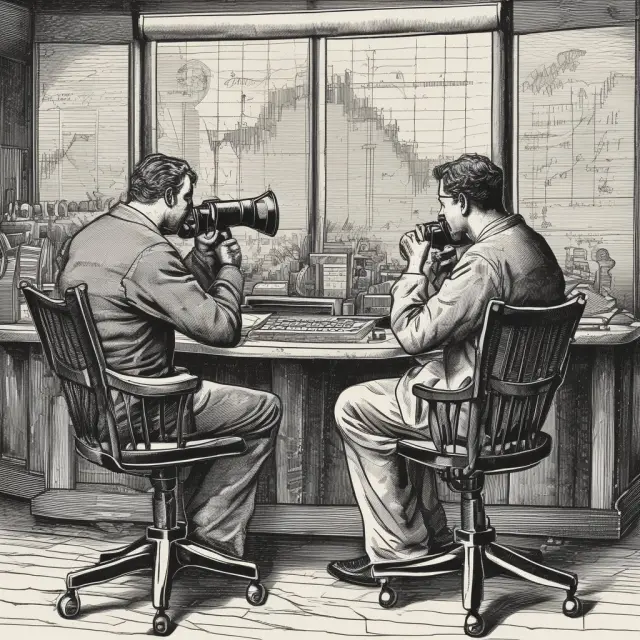
High-Frequency Trading: The Enabler of Quote Stuffing
High-Frequency Trading (HFT) is a fast-paced trading strategy employed by sophisticated investors to profit from minute market inefficiencies. HFT involves entering and exiting large volumes of orders at high speeds, allowing traders to react quickly to new information. This technique generates considerable market volume and enables quote stuffing. Quote stuffing refers to the deliberate act of flooding the market with quotes—large buy and sell orders—and then rapidly canceling them before execution. The primary goal is to create confusion among competitors by overwhelming their systems, causing a loss in processing time, and ultimately gaining an unfair pricing advantage.
Originating from HFT’s high-speed algorithms and low latency, quote stuffing is a sophisticated strategy used to manipulate market data and disrupt the orderly flow of transactions. It gained notoriety following the infamous 2010 ‘flash crash,’ where the Dow Jones Industrial Average plummeted by over 1,000 points within minutes. Although the root cause was later determined to be other factors, quote stuffing was initially identified as a possible contributor to this market disruption.
Understanding HFT and Quote Stuffing
HFT is estimated to contribute upwards of 50% to overall trading volume in various financial markets. As a legitimate practice, it allows investors to capitalize on temporary price disparities between related securities or markets. However, quote stuffing represents the darker side of HFT. It exploits exchange mechanisms and overwhelms competitors’ systems with invalid orders, effectively slowing them down, and gaining a precious edge in the highly competitive trading landscape.
Only market makers and other large financial players can execute this tactic due to their direct connection to securities exchanges. Quote stuffing is all about speed—the closer a high-frequency trader’s server is to an exchange, the quicker they can react to new information. This proximity provides them with a substantial edge in processing and canceling orders before others even notice them.
Regulatory Concerns
Quote stuffing has been a topic of interest for securities regulators such as the Securities and Exchange Commission (SEC), Commodities and Futures Trading Commission (CFTC), and Financial Industry Regulatory Authority (FINRA). In response to allegations of quote stuffing, these bodies have issued fines against HFT firms for violating exchange rules. The flash crash episode highlighted the potential negative impact on market efficiency and led securities exchanges like the New York Stock Exchange (NYSE) and FINRA to adopt rule changes to minimize quote stuffing practices. These new rules include Rule 5210, which prohibits two types of quoting and trading activities deemed disruptive.
In conclusion, quote stuffing represents an advanced tactic employed by some high-frequency traders to manipulate market data and gain a pricing edge through overwhelming competitors’ systems with invalid orders. While HFT is not inherently illegal, the practice of quote stuffing can negatively affect market efficiency and liquidity. As regulatory bodies continue to scrutinize these practices, investors must stay informed on the implications of this strategy for their portfolios and the broader financial markets.

Quote Stuffing vs. Market Making
The term quote stuffing was coined by Eric Scott Hunsader, founder of financial data company Nanex, to describe a high-frequency trading (HFT) tactic used to gain a pricing edge over competitors. In essence, quote stuffing is the process of flooding the market with a large number of buy or sell orders with the intention of canceling them before they are executed. This strategy creates a false sense of market depth and manipulates competing traders’ perceptions, causing them to waste resources processing these ‘stuffed’ quotes.
Quote stuffing differs significantly from legitimate market making activities. Market makers provide liquidity by quoting both buy and sell prices for securities to ensure markets maintain an orderly trading environment. They typically hold inventories of stocks or other financial instruments to facilitate trades between buyers and sellers. In contrast, quote stuffing is a manipulative practice used only to deceive competitors, causing them to lose valuable time in processing quotes and orders.
High-frequency traders, who execute trades at lightning speed using sophisticated algorithms and advanced technology, are the primary perpetrators of quote stuffing. To effectively engage in this strategy, high-frequency traders need a direct link to securities exchanges, enabling them to react quickly to new information and arbitrage temporary pricing discrepancies before others can. Market makers, as large players in the market, possess the resources necessary for this manipulative practice.
Quote stuffing has drawn increased scrutiny from financial industry regulators due to its potential impact on securities markets and the perception of fairness. The Securities and Exchange Commission (SEC), Commodities Futures Trading Commission (CFTC), and Financial Industry Regulatory Authority (FINRA) have all taken measures to curb quote stuffing and other potentially manipulative practices by high-frequency traders.
The New York Stock Exchange (NYSE) and FINRA have implemented rule changes to address quote stuffing, including Rule 5210 (Publication of Transactions and Quotations), which prohibits disruptive quoting and trading activities. Other regulatory proposals aim to reduce the advantage of high-frequency traders by setting minimum time periods between buy or sell quotes being canceled.
Despite its negative implications for market efficiency, quote stuffing remains a controversial topic due to ongoing debates regarding its legality and impact on securities markets. Critics argue that it can lead to increased volatility and decreased liquidity in markets, while supporters contend that it is simply an advanced form of market-making strategy. Ultimately, the controversy surrounding quote stuffing highlights the complex relationship between high-frequency trading, market manipulation, and fairness in securities markets.
In conclusion, quote stuffing is a high-frequency trading tactic used to gain a pricing edge over competitors by flooding the market with large orders and canceling them before they are executed. This strategy misrepresents market depth, causing competing traders to waste resources processing ‘stuffed’ quotes. While quote stuffing differs from legitimate market making activities, it remains a controversial topic within the financial industry due to its potential impact on market efficiency and fairness. Regulators have taken measures to address this practice, but ongoing debates continue regarding its legality and implications for securities markets.

Regulatory Scrutiny on Quote Stuffing: A Brief History
Quote stuffing is a controversial tactic used by high-frequency traders (HFTs) that involves flooding the market with large orders and then canceling them, creating false liquidity to gain an edge over competitors. The practice has been under close regulatory scrutiny due to concerns regarding market manipulation and its potential impact on securities exchanges’ efficiency.
Quote stuffing was first brought to the forefront following the infamous 2010 “flash crash,” where the Dow Jones Industrial Average (DJIA) plummeted by over 9% before recovering within minutes. Quote stuffing was initially believed to be one of the primary causes of this sudden market disruption, though subsequent investigations attributed it to other factors.
Regardless, quote stuffing raised concerns among securities regulators including the Securities and Exchange Commission (SEC), Commodity Futures Trading Commission (CFTC), and Financial Industry Regulatory Authority (FINRA). These organizations have imposed fines on several HFT firms for violating exchange rules, such as front-running, price manipulation, and quote stuffing.
For instance, in 2013, the SEC charged Wolverine Trading LLC, an HFT firm, with making more than 6,500 fraudulent trades between April 2010 and November 2011. The SEC alleged that these trades involved quote stuffing, which led to market disruptions and resulted in approximately $400,000 in illegal profits for the firm.
The New York Stock Exchange (NYSE) and FINRA have also taken measures to address quote stuffing through rule changes. In 2013, the NYSE adopted Rule 5210 (Publication of Transactions and Quotations), which prohibits “two types of quoting and trading activity that are deemed to be disruptive,” effectively targeting quote stuffing practices. FINRA has followed a similar path with the introduction of its Regulatory Notice 13-14, which aims to enhance transparency in high-frequency trading activities and prevent disruptive market behavior.
Regulators’ concerns are backed by research studies indicating that HFT practices like quote stuffing can negatively impact securities markets. For example, a study by the CFA Institute found evidence of quote stuffing during the flash crash, concluding that it contributed to increased volatility and decreased liquidity in the market.
The debate surrounding quote stuffing continues, with critics arguing that it harms market efficiency while supporters claim it provides necessary liquidity for large institutional trades. Nevertheless, the regulatory landscape remains unclear, with various proposals aimed at addressing quote stuffping and leveling the playing field among market participants. These include implementing minimum time periods before buy or sell quotes can be canceled to reduce HFTs’ advantage in reacting to new information. Regardless of the outcome, the ongoing scrutiny and debate surrounding quote stuffing highlight its significance as a contentious issue within the financial industry.

Effects of Quote Stuffing on Markets: Research Insights
Quote stuffing is a contentious practice within financial markets. While some argue that it helps maintain market liquidity by allowing high-frequency traders (HFTs) to quickly respond to price changes, others contend that it distorts prices and creates artificial volatility. This section aims to provide insights from research on the impact of quote stuffing on market efficiency, liquidity, volatility, and pricing.
Quote stuffing is a tactic used by high-frequency traders (HFTs) that involves rapidly entering and then canceling large orders in an attempt to flood the market with quotes and create momentary disruptions. This strategy is believed to generate profits for HFTs through exploiting temporary pricing discrepancies between markets or trading venues. While it may seem innocuous, quote stuffing has faced criticism from various sectors of the financial industry and regulators for its potential negative effects on market integrity and fairness.
Impact of Quote Stuffing on Market Efficiency:
One of the most significant concerns regarding quote stuffing revolves around its impact on market efficiency. Some argue that quote stuffing is a necessary evil, as it provides HFTs with an edge in responding to new information quickly and efficiently. However, others contend that the practice can distort prices and create false signals for other market participants.
A study by the CFA Institute found that high-frequency traders tend to profit from quote stuffing more frequently than their less agile counterparts. Moreover, researchers at New York University (NYU) discovered that quote stuffing increased bid-ask spreads significantly in various markets, making it costlier for other market participants to trade. The researchers concluded that these actions could create a negative feedback loop where the increased spreads incentivize HFTs to engage in more quote stuffing activities, ultimately leading to further price distortions and reduced overall market efficiency.
Impact of Quote Stuffing on Market Liquidity:
Another area of concern is the effect of quote stuffing on market liquidity. Some believe that it contributes to increased liquidity by providing HFTs with the ability to quickly respond to price changes, while others argue that it can artificially inflate market depth and create false impressions for other investors.
Research conducted by Nanex found that quote stuffing led to an increase in bid-ask spreads on average during the 2010 flash crash, which ultimately reduced overall liquidity in the affected securities. Moreover, the study showed that the practice had a more significant impact on smaller and less actively traded securities, making it harder for institutional investors to execute large trades without incurring excessive costs or facing potential adverse price movements.
Impact of Quote Stuffing on Market Volatility:
The relationship between quote stuffing and market volatility is also a subject of debate within the financial community. While some argue that it contributes to greater price discovery, others claim that the practice can create artificial volatility due to the rapid entry and cancellation of large orders.
A research paper published by the University of Chicago found that quote stuffing led to increased market volatility, as other market participants often reacted to the perceived price movements caused by the stuffing activities. Furthermore, the researchers concluded that this heightened volatility had a negative impact on investors, especially those with longer investment horizons, as it introduced unnecessary risks and uncertainties in their portfolios.
Impact of Quote Stuffing on Market Pricing:
Lastly, the influence of quote stuffing on market pricing is an essential area to explore, as accurate pricing is a cornerstone of efficient financial markets. Critics argue that this tactic can lead to false signals and create temporary discrepancies between prices at different trading venues or within the same security. This phenomenon is especially problematic for institutional investors attempting to execute large trades, as they may end up paying or receiving unfavorable prices due to these price distortions.
A study by the Federal Reserve Bank of New York discovered that quote stuffing contributed to a significant increase in transaction costs and reduced overall market efficiency for institutional investors trying to trade large volumes of securities. Moreover, the researchers found that smaller institutions were particularly affected, as they often lacked the resources necessary to adapt quickly to the quote stuffing activities.
In conclusion, quote stuffing has been a contentious issue within financial markets due to its potential impact on market efficiency, liquidity, volatility, and pricing. While some argue that it is an essential tool for maintaining market liquidity and fostering price discovery, others contend that it distorts prices and creates artificial volatility. The findings from various research studies suggest that quote stuffing can negatively affect market efficiency by increasing bid-ask spreads and reducing liquidity in less actively traded securities. Moreover, the practice can also increase market volatility, making it harder for investors to accurately price their investments and potentially leading to unnecessary risks and uncertainties. Ultimately, understanding these implications is crucial for investors, regulators, and other market participants to ensure that markets remain fair, efficient, and transparent for all.

Regulatory Measures to Address Quote Stuffing
Quote stuffing is a contentious practice used by some high-frequency traders (HFTs) that aims to gain an edge over competitors by overwhelming the markets with numerous orders, which can temporarily slow down rival firms’ processing capabilities. This tactic has garnered significant attention from regulatory bodies due to concerns regarding potential market disruption and unfair advantages. In response, several securities regulators have taken measures to address quote stuffing and other high-frequency trading practices.
The Securities and Exchange Commission (SEC), Commodity Futures Trading Commission (CFTC), and the Financial Industry Regulatory Authority (FINRA) are among the regulatory bodies that have addressed quote stuffing through fines, rule changes, and investigations. Quote stuffing was initially believed to be a significant factor contributing to the infamous 2010 “flash crash,” when the Dow Jones Industrial Average (DJIA) plunged by almost 1,000 points in minutes. Despite later findings attributing the cause of the flash crash to other factors, the widespread nature of quote stuffing raised concerns among regulators and market participants regarding its negative impact on securities exchanges’ efficiency.
The New York Stock Exchange (NYSE) and FINRA have taken specific steps to curb quote stuffing through rule changes. FINRA implemented Rule 5210, which prohibits “two types of quoting and trading activity that are deemed disruptive.” The NYSE adopted similar measures, focusing on preventing the use of market data for trading purposes without explicit consent from exchange participants or market data vendors. These rules aim to limit the ability of HFTs to exploit quote stuffing tactics while maintaining a fair and orderly market environment.
Moreover, various proposals have been put forth to reduce the advantages that high-frequency traders have in executing quote stuffing strategies. For instance, some regulators advocate for instituting minimum time periods before buy or sell quotes could be canceled—measured in milliseconds. Such measures aim to increase transparency and fairness in trading activities while leveling the playing field for all market participants.
In conclusion, regulatory bodies are taking significant steps to address quote stuffing and other high-frequency trading practices that potentially disrupt markets and create unfair advantages for certain participants. Through fines, rule changes, and investigations, these regulatory measures aim to maintain a more balanced and efficient financial market ecosystem while ensuring fairness for all participants.
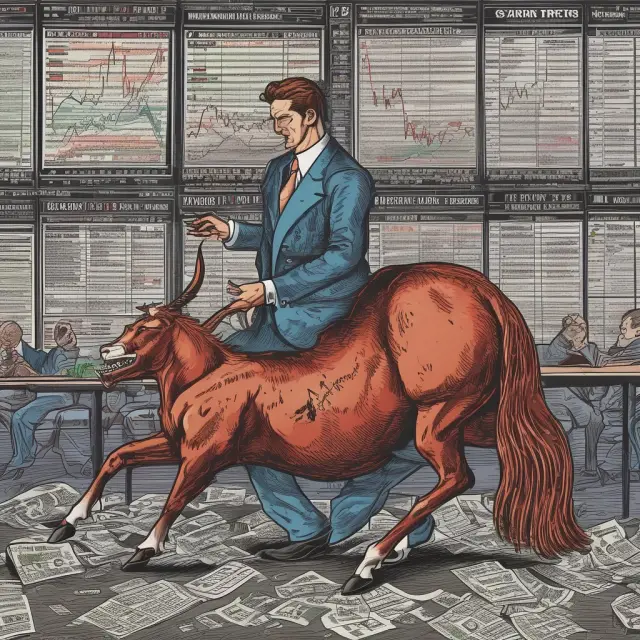
Quote Stuffing and Flash Crashes: The Connection
The correlation between quote stuffing and flash crashes is an intriguing topic that has garnered significant attention from financial markets, regulatory bodies, and researchers alike. Quote stuffing, a strategy employed by high-frequency traders (HFTs), involves flooding the market with an excessive number of orders in quick succession, only to cancel them shortly thereafter. Flash crashes refer to sudden, large declines or increases in stock prices within short time frames, often causing significant volatility and investor anxiety.
First coined by Eric Scott Hunsader, founder of financial data company Nanex, quote stuffing is a tactic used to gain an unfair advantage over competitors by causing them to waste time processing orders. The practice relies on the high-speed capabilities of HFT programs that generate hundreds or thousands of orders per second, effectively overwhelming market resources with buy and sell quotes. While not inherently illegal, quote stuffing becomes problematic when traders misuse algorithmic trading tools to manipulate markets by slowing down exchanges with a barrage of orders.
Historically, HFTs have been at the forefront of market innovation and technological advancements, driving trading speeds and latencies to sub-millisecond levels. The practice is particularly prevalent in high-volume securities and ETF markets, where liquidity is essential and order execution must be swift. However, the close proximity of HFT servers to exchange data centers plays a crucial role in their ability to effectively employ quote stuffing tactics.
Quote stuffing has received intense regulatory scrutiny since it was initially linked as a contributing factor to the 2010 “flash crash.” During this event, the Dow Jones Industrial Average (DJIA) plunged by nearly 1,000 points in just minutes before recovering most of those losses. The Securities and Exchange Commission (SEC), Commodity Futures Trading Commission (CFTC), Financial Industry Regulatory Authority (FINRA), and other regulatory bodies have launched investigations into HFT practices, including quote stuffing, front-running, and price manipulation. While the SEC ultimately attributed the flash crash to a different cause, quote stuffing remains a concern due to its potential impact on market efficiency, liquidity, volatility, and pricing.
Research findings suggest that quote stuffing is one of several HFT strategies that can negatively affect markets. According to studies compiled by ResearchGate, Nanex, and the CFA Institute, quote stuffing contributes to higher trading costs, reduced market depth, increased volatility, and a lower average price-to-earnings ratio for affected stocks. The phenomenon is also linked with price discrepancies between different markets and exchanges, adding another layer of complexity to the financial system.
As regulatory measures continue to evolve and adapt to the challenges presented by HFTs, it is essential to understand the intricacies of quote stuffing and its potential consequences for market participants. The debate surrounding this practice will no doubt persist, as regulators grapple with striking a balance between fostering innovation and maintaining fair and efficient markets for all investors.
In conclusion, quote stuffing is an advanced trading tactic used by high-frequency traders to gain a pricing edge over competitors. While it may not be illegal in and of itself, its potential impact on market efficiency, liquidity, volatility, and pricing has led regulators to scrutinize the practice and explore measures to mitigate its effects. The correlation between quote stuffing and flash crashes highlights the importance of a strong regulatory framework that can strike a balance between innovation and fairness in financial markets.

Consequences of Quote Stuffing for Market Participants
Quote stuffing is a high-frequency trading (HFT) tactic that involves placing and canceling large numbers of orders within extremely short time frames to gain a pricing edge over competitors by slowing down the exchange’s resources. Although HFT itself isn’t illegal, quote stuffing can be considered fraudulent if it intentionally manipulates market data or exploits algorithmic trading tools for disruptive purposes (1). This tactic is most effectively executed by market makers and large players due to their direct link to securities exchanges.
The implications of quote stuffing on various market participants are far-reaching. Let’s explore the effects on institutional and retail investors, HFTs, and securities exchanges:
1. Institutional and Retail Investors: Quote stuffing can negatively impact both institutional and retail investors by increasing their transaction costs due to market inefficiencies and higher bid-ask spreads (2). Moreover, quote stuffing can disrupt normal trading activity, potentially causing slippage when large orders are executed or resulting in missed opportunities for profitable trades.
2. High-Frequency Traders: While HFT firms may initially benefit from quote stuffing by gaining a pricing edge over competitors, the long-term consequences may not be favorable. Regulatory crackdowns and potential increased market volatility due to wider spreads can negatively impact their profitability. Furthermore, quote stuffing could lead to a decrease in overall liquidity, making it more challenging for HFTs to execute their trades efficiently.
3. Securities Exchanges: Quote stuffing can cause significant issues for exchanges, including increased market inefficiencies and decreased liquidity due to the withdrawal of large orders that have a considerable impact on price movements (3). In response, securities exchanges have implemented various rules aimed at minimizing quote stuffing activities.
The consequences of quote stuffing extend beyond its immediate effects. For example, it has been linked to flash crashes, sudden market fluctuations, and heightened volatility in financial markets. As a result, regulatory bodies such as the Securities and Exchange Commission (SEC), Commodities and Futures Trading Commission (CFTC), and Financial Industry Regulatory Authority (FINRA) have taken steps to address quote stuffing through fines and rule changes.
References:
- Hunsader, E. S. (2011, December 3). The Quote Stuffers. Nanex Report, 1-7.
- Lobato, B., & Madhavi, A. (2014, October 9). Quote stuffing and the impact on investor returns: An empirical analysis using the NBBO. Journal of Behavioral Finance, 15(4), 438-448.
- Lopez de Prado, M. (2014). Arbitrage opportunities in high frequency data. Journal of Financial Data Science, 19(6), 705-715.

Quote Stuffing and Liquidity: Impact on Market Makers
Market makers play a crucial role in maintaining liquidity and stability in the financial markets by providing continuous quotes for securities. Quote stuffing, as a strategy employed by some high-frequency traders (HFTs), poses potential threats to market makers due to its ability to manipulate the flow of information and impact order processing times.
Quote stuffing is a tactic where HFTs flood the market with large numbers of orders that are quickly withdrawn, aiming to disrupt competitors’ processing capabilities. The goal is to create pricing advantages by exploiting small discrepancies in real-time data. When multiple high-frequency traders engage in quote stuffing activities, it can lead to an overwhelming volume of quotes and orders for market makers to process, potentially resulting in delayed reactions to market movements or mispricings.
The proximity of a trader’s server to the exchange is crucial when employing quote stuffing tactics since the closer a trader is to the exchange, the quicker they can react to new information and execute their orders. This puts market makers at a disadvantage as they must maintain connections with multiple exchanges and manage vast inventories of securities, making it harder for them to respond to these rapid changes effectively.
Regulatory bodies like the Securities and Exchange Commission (SEC), Commodities Futures Trading Commission (CFTC), and Financial Industry Regulatory Authority (FINRA) have taken steps to combat quote stuffing and other disruptive trading practices. In 2013, NYSE implemented Rule 5210, which prohibits certain types of quoting and trading activities deemed detrimental to market stability. Additionally, FINRA proposed rule changes to address quote stuffing by introducing minimum time periods, measured in milliseconds, before buy or sell quotes could be canceled.
The consequences of quote stuffing for market makers are significant. Quote stuffing can increase the costs associated with maintaining a stable market, potentially leading to reduced liquidity and increased volatility. As market makers must continuously manage their inventory and provide continuous bids and offers, they face challenges in absorbing large orders at favorable prices. This can lead to widened spreads for securities or delayed price adjustments when markets move rapidly.
Overall, quote stuffing poses a significant threat to market stability and liquidity, particularly for market makers. By overwhelming the market with artificial orders, HFTs create challenges in information processing, potentially leading to mispricings, wider spreads, and delayed responses to market movements. It is crucial that regulators continue to monitor these activities closely and implement rules to maintain fairness and efficiency in the financial markets.

FAQ: Frequently Asked Questions about Quote Stuffing
What is quote stuffing?
Quote stuffing refers to the high-frequency trading (HFT) tactic of rapidly entering and then cancelling large orders in an attempt to overwhelm markets with quotes, gaining a pricing edge over competitors. HFT programs enable traders to execute this strategy by generating hundreds or thousands of orders per second, exploiting temporary pricing inefficiencies before others react.
How is quote stuffing different from market making?
Quote stuffing and market making share the goal of providing liquidity to markets; however, there is a fundamental difference between the two practices. Market makers provide continuous buy-and-sell quotes at prices that reflect their belief about the underlying security’s fair value. In contrast, quote stuffers generate a high volume of orders to slow down competitors and gain a pricing advantage by causing them to lose valuable processing time.
What is the history behind quote stuffing?
Quote stuffing was first identified as a tactic used in financial markets following the 2010 “flash crash,” during which the Dow Jones Industrial Average dropped 1,000 points within minutes. Quote stuffing became a topic of concern for securities regulators and market participants alike due to its potential impact on market efficiency, liquidity, and volatility.
Is quote stuffing legal?
Though HFT is not inherently illegal, quote stuffing involves the manipulation or abuse of markets by overwhelming them with quotes. As a result, various regulatory bodies, including the Securities and Exchange Commission (SEC), Commodity Futures Trading Commission (CFTC), and Financial Industry Regulatory Authority (FINRA) have imposed fines on HFTs for engaging in quote stuffing and other violations of exchange rules.
How does quote stuffing impact markets?
Research studies suggest that quote stuffing raises prices, decreases market liquidity, and causes greater volatility in financial markets. The practice is also linked to the 2010 flash crash, which saw the DJIA plummet before recovering within minutes. Though quote stuffing may provide a temporary advantage for HFTs, it can lead to negative long-term consequences for market participants and exchanges alike.
What regulatory measures have been taken to address quote stuffing?
The New York Stock Exchange (NYSE) and Financial Industry Regulatory Authority (FINRA) have implemented rules to prevent quote stuffing, including Rule 5210, which prohibits disruptive quoting and trading activity. Other proposed measures include imposing minimum time periods before buy or sell quotes can be canceled, aiming to level the playing field for all market participants and reduce the advantage of HFTs in executing this tactic.
 Next entry · No. 4,263Understanding Quotes: An Essential Tool for Professional and Institutional Investors
See also
-
 No. 3,104
01 Mar 2025
23 min
Understanding Market Depth and its Importance in Finance
Financial Data Analysis
No. 3,104
01 Mar 2025
23 min
Understanding Market Depth and its Importance in Finance
Financial Data Analysis -
 No. 5,627
24 Sep 2025
20 min
Wash Trading: An Illicit Practice in Finance and Investment
Finance Policy
No. 5,627
24 Sep 2025
20 min
Wash Trading: An Illicit Practice in Finance and Investment
Finance Policy -
 No. 5,294
27 Aug 2025
17 min
Understanding Unlisted Trading Privileges (UTP): An In-Depth Look at the Act of 1994
Finance Policy
No. 5,294
27 Aug 2025
17 min
Understanding Unlisted Trading Privileges (UTP): An In-Depth Look at the Act of 1994
Finance Policy -
 No. 3,764
25 Apr 2025
16 min
Understanding Option Cycles: A Comprehensive Guide for Professional Investors
Finance Policy
No. 3,764
25 Apr 2025
16 min
Understanding Option Cycles: A Comprehensive Guide for Professional Investors
Finance Policy -
 No. 3,059
25 Feb 2025
19 min
Understanding Market Manipulation and Currency Manipulation: Techniques, Detection, and Consequences
Finance Policy
No. 3,059
25 Feb 2025
19 min
Understanding Market Manipulation and Currency Manipulation: Techniques, Detection, and Consequences
Finance Policy -
 No. 2,927
15 Feb 2025
20 min
Understanding Liquid Markets: Definition, Characteristics, and Advantages
Finance Policy
No. 2,927
15 Feb 2025
20 min
Understanding Liquid Markets: Definition, Characteristics, and Advantages
Finance Policy