Scarcity: Understanding the Fundamental Economic Concept of Opportunity Cost

Exploring the fundamental economic concept of scarcity and its impact on markets, resources, and consumer behavior.
Definition of Scarcity
Scarcity is a fundamental economic concept described by Lionel Robbins as “the science which studies human behavior as a relationship between ends and scarce means which have alternative uses.” Essentially, scarcity represents the opportunity cost of allocating limited resources in economics. Every product, from gum to a book of matches, has an underlying scarcity because someone had to invest resources to create it that could have been used elsewhere instead.
Natural Resources as Scarcities
While some natural resources may appear abundant and free, such as clean air or water, they ultimately prove scarce when taking into account the costs required to preserve their quality and availability for future generations. Climate is a prime example of a valuable yet intangible resource whose costs are often overlooked but significant in terms of the economic activity discouraged to prevent pollution, as well as value for health and quality of life.
Relative Scarcity of Inputs
The concept of scarcity applies not just to goods and services but also to inputs used for their production, such as labor or land. For instance, a hypothetical widget manufacturing process may require 20 workers per manager, making the relatively scarce resource in this context the workers compared to the managers available.
Scarcity and Market Equilibrium
When scarcity impacts markets, it can result in market shifts and higher prices due to decreased supply relative to demand. Scarcity can be attributed to changing market conditions or structural causes such as mismanagement or inequality.
Dealing With Scarcity: Increasing Supply and Reducing Demand
To cope with scarcity, societies can either increase the availability of goods and services or reduce demand through various means like market prices or government intervention. The ability to do so comes with its own limitations and challenges.
Scarcity and Intellectual Property Goods
Some goods may not seem scarce at first but have hidden costs, such as intellectual property like films, music, and even seemingly “free” stock trades that may not ensure best execution.
Understanding scarcity is crucial in economics as it highlights the importance of making choices regarding resource allocation based on their opportunity cost and demand-supply conditions. Scarcity can take many forms and can be seen in natural resources, goods, services, or production inputs. By recognizing the underlying scarcity inherent in all economic activities, we can make more informed decisions about how to allocate resources effectively and efficiently.

Natural Resource Scarcity
The concept of scarcity is a fundamental principle in economics, representing the opportunity cost of allocating limited resources. While every product, from gum to books, is scarce due to the resources required to produce them, natural resources have gained increasing attention for their economic costs and value. Even seemingly free goods like clean air and climate are becoming recognized as valuable and scarce resources, with significant costs associated with preserving them.
Clean Air: An Invisible Good
While clean air is often taken for granted, it is an essential resource that has become increasingly scarce due to the economic costs of protecting it from pollution. The costs can be measured in terms of discouraging economic activity to prevent pollution and maintain quality, as well as its value for human health and wellbeing. To preserve these benefits, governments regulate industries by requiring them to invest in pollution control equipment or adopt cleaner power sources. These regulations ultimately get passed on to consumers and taxpayers in the form of higher prices. In essence, breathing freely isn’t actually free; it comes with a cost.
The Value of Clean Climate
Climate is another natural resource that, while not tangible, carries significant economic costs due to climate change. The consequences for companies and society can be immense. As temperatures rise and weather patterns shift, the economic impact on agriculture, energy production, and infrastructure can be devastating. In response, governments and international organizations have made efforts to reduce carbon emissions and invest in clean technologies. The costs of these initiatives are substantial, but the potential benefits, such as preserving food security, preventing economic disruptions, and maintaining public health, make them a worthwhile investment.
Limited Resources: A Global Concern
Scarcity is not limited to natural resources. It can also be applied to production inputs like labor or land when their availability is restricted compared to their demand. The challenge of managing scarce resources and ensuring equitable distribution is a common concern for both individuals and societies, especially in the context of growing global population pressures and dwindling resources.
Government Interventions to Address Scarcity
Governments play a crucial role in dealing with scarcity by implementing policies aimed at increasing supply or reducing demand. For example, governments may invest in renewable energy sources to increase the available supply of clean power, create public works programs to put unemployed laborers to work, or implement price controls and subsidies to reduce the cost of essential goods for consumers. These interventions can help alleviate scarcity and improve overall economic welfare.
In conclusion, scarcity is a fundamental concept in economics that underscores the importance of managing limited resources effectively. By recognizing the value and costs associated with seemingly free natural resources like clean air and climate, as well as addressing the scarcity of essential production inputs through government interventions, societies can create more sustainable and equitable economic systems for all.

Relative Scarcity
Scarcity can be observed when factors or production inputs have alternative uses and limited availability. The concept of relative scarcity refers to the comparison between the supply and demand for specific resources in a given context. In economics, scarcity is an inherent aspect of the discipline since human beings live within a world with finite resources that necessitates choices about their allocation.
In Lionel Robbins’ definition of economics, scarcity is described as “a relationship between ends and scarce means which have alternative uses.” This fundamental concept can be better understood by considering labor as an example. If we imagine a hypothetical scenario in which there are 20 workers but only 5 managers required to produce a desired output, then workers become the relatively scarcer resource when compared to managers. This is because they are required in a ratio of 40:1 (workers per manager), while their availability in the labor pool is 4:1 (workers per manager).
However, scarcity isn’t limited to labor alone; it can also apply to other factors like land and capital. For example, if pasture land becomes the limiting factor in milk production, then land would be considered a relatively scarce factor since its availability falls short of meeting the demand for producing milk. Conversely, cattle could be deemed the relatively scarce factor if the herd size is the primary constraint for milk production.
Moreover, scarcity can also manifest as an increase in price due to changes in market equilibrium. This happens when either demand or supply shifts, leading to a decrease in the availability of a product or commodity relative to its demand. As a result, the price increases, reflecting the growing scarcity. These shifts can be influenced by various factors such as technological advancements, environmental conditions, and government regulations.
It is important to note that not all goods are scarce in terms of availability but may still carry an indirect cost. For instance, intellectual property like films, music, or software derives its scarcity from copyright protection, while inventors must secure patents for their creations to prevent imitators and protect their economic interests.
In summary, relative scarcity is a crucial concept in economics that helps us understand the availability of resources and the implications of allocation decisions. It allows us to make informed choices about how to allocate our limited resources efficiently while recognizing the opportunity cost involved. Understanding scarcity is essential for managing a modern economy where resources are limited but continually evolving, making it an essential topic for investors, entrepreneurs, and policymakers alike.

Scarcity and Market Equilibrium
The fundamental economic concept of scarcity is rooted in the reality that we live in a world with limited resources. Every product, no matter how seemingly insignificant, such as a pack of gum or a book of matches, is scarce because someone had to allocate resources to produce it. In economics, scarcity refers to the opportunity cost of allocating these limited resources, meaning that the choice to use them for one purpose means they cannot be used for another.
A classic example of scarcity can be seen in natural resources like clean air and a healthy climate. Although these resources may initially appear free and seemingly unlimited, their true value becomes apparent as environmental degradation occurs. Clean air is essential for human health, while maintaining a livable climate is crucial to preserving the planet’s ecosystems. The costs of protecting them can be substantial, leading governments to implement regulations and impose expenses on industries and consumers.
Moreover, scarcity is not limited to physical resources. It also applies to production inputs like labor or land when their availability relative to demand becomes an issue. In such cases, scarcity can lead to a change in market equilibrium, as the price of the resource rises due to diminished supply or increased demand.
For instance, imagine two labor inputs: workers and managers, with one manager required per 20 workers. Given an available labor pool consisting of 20,000 workers and only 5,000 managers, labor is the relatively scarce resource since it requires a ratio of 20 workers for every manager in production but outnumbers managers by only a ratio of 4 to 1.
In the context of scarcity as market mover, scarcity refers to a decrease in the supply of a product or commodity relative to demand over time. This scarcity could be caused by three primary factors: (1) an increase in demand, (2) diminished supply, or (3) structural issues like mismanagement or inequality.
It’s important to note that scarcity does not mean a product is hard to obtain; rather, it represents the opportunity cost of allocating limited resources. In market economies, this opportunity cost is reflected in market prices where supply equals demand. However, in a world of limited resources, many seemingly “free” goods may have indirect or hidden costs. For example, if free stock trades do not ensure best execution, it could result in an implicit cost.
To effectively deal with scarcity, societies can either increase supply or reduce demand. Increasing the availability of goods and services reduces overall scarcity; however, production capacity, land, time, and other factors may limit this approach’s effectiveness. Another way to manage scarcity is by reducing demand through market prices in market economies or quotas and rationing in command economies. Mixed economies often employ a combination of these methods.
In conclusion, scarcity is an essential concept in economics that represents the opportunity cost of allocating limited resources. It can be observed in natural resources like clean air, in production inputs such as labor or land, and in market equilibrium. Understanding the concept of scarcity is crucial for individuals and societies to make informed decisions about resource allocation and economic growth.

Dealing With Scarcity: Increasing Supply
One way to confront scarcity is by increasing the availability of goods and services through various means. The more resources at our disposal, the less we feel its impact. However, expanding supply comes with its limitations. Let’s examine how societies can cope with scarcity by increasing supply while acknowledging the inherent challenges.
Increasing Supply: Capacity Limitations
Limited production capacity is a primary challenge when dealing with scarcity. While technology and innovation continue to push boundaries, there are physical constraints that cannot be easily surpassed. For example, even with significant improvements in agricultural productivity, farmland remains a finite resource. Similarly, renewable energy sources like solar panels and wind turbines require land, materials, and labor to build, which are all subject to scarcity.
Increasing Supply: Land Availability
The availability of land is another crucial factor when discussing increasing supply as a response to scarcity. Agricultural products and extractive industries often depend on the accessibility of vast expanses of land for their operations. However, expanding farmland comes with environmental concerns, such as deforestation, desertification, or climate change impacts. Moreover, many countries face land tenure challenges that discourage investments in large-scale agricultural projects, further exacerbating scarcity in certain areas.
Increasing Supply: Time and Labor
Labor and time are essential factors in expanding supply, as most production processes require human intervention for various stages. In some cases, labor is the primary constraint. For instance, highly skilled workers may be in short supply, while low-skilled jobs often go unfilled due to low wages or lack of incentives. Furthermore, the availability and cost of energy can impact labor productivity significantly, as many industries require substantial amounts of energy to operate efficiently.
Increasing Supply: Sustainability Concerns
As societies seek to increase supply to alleviate scarcity, they often confront sustainability concerns. For example, some agricultural practices may lead to soil degradation, water pollution, or other environmental damage. Additionally, extractive industries can cause significant harm to ecosystems and communities, as seen in the cases of coal mining and oil drilling. Balancing economic growth with sustainable resource management is an essential challenge in dealing with scarcity through increasing supply.
Innovative Solutions: Technology and Alternatives
Despite the challenges, innovation offers potential solutions to expand supply and mitigate scarcity’s impact. For instance, advances in agriculture like precision farming, vertical gardens, and urban agriculture can increase production while minimizing resource depletion. Moreover, renewable energy sources like solar, wind, and hydroelectric power are becoming increasingly cost-effective alternatives to traditional energy sources, offering a more sustainable path forward.
In conclusion, increasing supply is an effective strategy for dealing with scarcity. However, it comes with inherent challenges related to capacity limitations, land availability, time and labor, and sustainability concerns. Innovation offers potential solutions through technological advancements and alternative production methods that can expand supply while mitigating scarcity’s impact.

Dealing With Scarcity: Reducing Demand
One effective strategy societies employ to address scarcity is by reducing demand for goods and services, ensuring resources are allocated efficiently while minimizing waste. This approach can be implemented through various mechanisms, such as market prices or government intervention.
In a free-market economy, prices serve as signals reflecting the relationship between supply and demand. When scarcity arises due to a decrease in available resources or an increase in demand, market prices adjust accordingly. As the price increases, consumers may reassess their spending priorities, leading them to consume fewer goods and services with the higher price tag. This reduction in demand helps restore equilibrium and ensures resources are allocated efficiently.
However, in some cases, markets alone may not be sufficient to address scarcity. Governments can employ various policies and interventions to help manage and reduce demand. These methods include:
Quotas: Setting limits on the quantity of a particular resource or product that can be consumed by individuals or businesses. For instance, governments may impose quotas on water usage during droughts to ensure resources are conserved for essential uses.
Rationing: Allocating limited resources among population groups based on priority, ensuring everyone has access to their basic needs and reducing overall demand for scarce goods. This approach can be particularly useful in times of war or crises when resources become extremely limited.
Price controls: Setting maximum prices for essential goods and services, making them more affordable for consumers. While this approach might seem counterintuitive to reducing demand, it can help prevent hoarding and profiteering during scarcity situations.
Subsidies: Providing financial assistance to individuals or businesses to help offset the cost of scarce resources. Subsidies can be effective in promoting more sustainable production methods and consumption patterns while ensuring essential services remain accessible to everyone.
In conclusion, reducing demand is an important strategy for managing scarcity, both through market mechanisms like prices and government intervention. By effectively utilizing this approach, societies can ensure resources are allocated efficiently, minimize waste, and promote a more equitable distribution of goods and services.

Goods Not Considered Scarce
While scarcity is a fundamental concept of economics, it does not strictly apply to all goods. The distinction between economic and non-economic goods depends on the cost or opportunity cost involved in their production, consumption, or use. Scarcity may not be an issue for some goods because they are easily reproduced or have no direct costs associated with their production or distribution. However, the indirect costs of these seemingly free or abundant goods can still impact individuals and societies significantly.
Intellectual Property
One example of a good that is often considered non-scarce includes intellectual property such as music, films, literature, and software. The ease with which one person can share or consume this content with others may lead to the perception that it is not scarce. However, the creators and owners of these works have incurred opportunity costs in producing them, and they may seek protection through copyrights and patents to prevent unauthorized use or copying. The indirect cost to consumers can manifest as subscription fees for streaming services or the potential for lower-quality pirated content.
Easily Reproduced Materials
Another category of seemingly non-scarce goods includes materials that are easily reproduced, such as water, clean air, and sunlight. These resources may be abundant in some areas but still have costs associated with their accessibility or preservation. For example, water can be free to collect from the rain or a nearby stream but requires energy to pump and filter before it is safe for consumption. Clean air may seem omnipresent but may require significant investment in pollution control technologies to maintain its quality for human health and wellbeing.
The indirect costs of these seemingly free resources can impact individuals and societies significantly, leading to increased healthcare expenses due to pollution or waterborne diseases, lower productivity from environmental degradation, and higher infrastructure investments to ensure access to clean air, water, and other essentials. In some cases, governments may intervene to regulate the production or consumption of these goods to address their indirect costs and ensure a more equitable distribution among population sectors.
Conclusion:
In conclusion, scarcity is an essential concept in economics that shapes our understanding of how resources are allocated, how markets function, and how societies make decisions about production and consumption. While not all goods can be considered scarce, even those perceived as abundant or free may have indirect costs that impact individuals, communities, and economies. As scarcity continues to play a significant role in shaping our world, it is essential to recognize its nuances and implications to make informed decisions about resource allocation and the potential for long-term economic growth and sustainability.

Scarcity in a Modern Economy
The concept of scarcity is fundamental to economics as it highlights the need for individuals and societies to allocate limited resources wisely. Every product we consume, from a pack of gum to a luxury car, is a result of someone’s decision to allocate resources towards its production instead of something else. Scarcity is not just about the availability of physical goods but also services like healthcare and education. In this modern era, scarcity plays a significant role in shaping our daily lives and economic systems.
Scarce Goods and Resources
The fact that resources are limited means that they must be allocated judiciously to meet society’s needs. While some natural resources might seem plentiful, such as clean air or water, they can still become scarce if their availability is diminished due to mismanagement or environmental degradation. The cost of protecting these resources for future generations often goes unrecognized in our daily lives but plays a crucial role in maintaining a sustainable economy.
Impact on Individuals
At the individual level, scarcity affects personal choices by requiring trade-offs and prioritization. For example, an individual might have to decide between buying groceries or paying for healthcare. Understanding scarcity and how it impacts personal decisions is essential for making informed choices and securing long-term financial stability.
Impact on Society
At the societal level, scarcity necessitates collective action and coordinated decision-making through institutions like governments, corporations, and nonprofits. Policymakers face the challenge of allocating resources in a fair and effective manner to address the needs of their population. For instance, they might invest in education to improve the workforce or infrastructure projects to stimulate economic growth.
Markets and Scarcity
In market economies, scarcity is reflected in the interplay between supply and demand as prices adjust to clear markets. Prices act as a signal for consumers and producers about resource availability and its value. When there is a shortage of a particular resource or good, prices rise, prompting suppliers to respond with increased production or consumers to reduce their consumption.
Dealing With Scarcity
Societies have various ways to deal with scarcity, such as increasing the supply of goods and services or reducing demand through market mechanisms or government intervention. For instance, governments might invest in research and development to increase productivity, or they could employ price mechanisms like subsidies or taxes to influence consumer behavior. Additionally, societies can adopt policies promoting resource conservation and reuse to mitigate scarcity’s impacts.
Scarcity’s Role in the Economy
Scarcity is at the heart of economic systems, shaping individual choices, market dynamics, and societal decision-making. It highlights the importance of making wise decisions about how resources are allocated and the need for continuous adaptation to changing circumstances. As economies evolve, understanding scarcity remains a critical foundation for creating sustainable and prosperous societies.
In conclusion, scarcity is an essential concept in economics as it illustrates the necessity of careful resource allocation and trade-offs. It impacts individuals and society by shaping personal decisions, market dynamics, and societal policies. By acknowledging and adapting to scarcity, we can work towards creating a more sustainable and prosperous future.
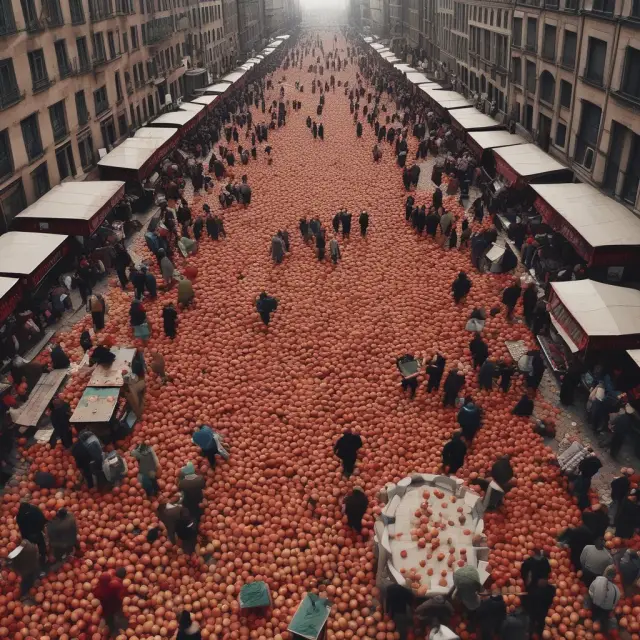
Scarcity and Markets
The concept of scarcity is a fundamental one in economics, which studies the relationship between ends and limited resources. Scarcity exists because we live in a world with limited resources that require choices about how they are allocated. Every product, from a pack of gum to a book of matches, is considered scarce since someone expended resources to produce it. Economists often refer to this concept as the scarcity of economic goods. However, the idea of scarcity doesn’t just apply to physical resources; intangible assets like clean air and a sustainable climate also face scarcity as their preservation involves costs and value.
In economics, scarcity conveys the opportunity cost of allocating limited resources. Scarcity is characterized by goods for which demand would exceed supply if they were free. The significance of scarcity can be understood through Lionel Robbins’ definition of economics: “Economics is the science which studies human behavior as a relationship between ends and scarce means which have alternative uses.” In a world where all resources were abundant, economists would have no subject matter to study.
When it comes to natural resources, scarcity often goes unnoticed since they may appear to be free. For instance, clean air and a sustainable climate have significant costs in terms of economic activity discouraged to preserve them, as well as health and quality-of-life benefits. The cost of these resources necessitates government intervention through regulations or market pricing mechanisms to ensure their preservation.
Moreover, scarcity is not only about limited physical resources; it can also refer to the relative availability of production inputs. For example, in a hypothetical widget production scenario where one manager is needed for every 20 workers, managers become relatively scarce when compared to the workforce. In this context, workers are the scarce resource since they’re required at a ratio of 20:1 relative to managers.
Scarcity plays a crucial role in markets as it influences market equilibriums and pricing mechanisms. A decrease in supply or increase in demand can lead to scarcity and higher prices. Scarcity can be induced by demand, supply, or structural issues. In the context of market economics, scarcity is denoted by rising prices, while command economies may resort to quotas or rationing. Mixed economies often employ a combination of both methods.
It’s important to note that scarcity doesn’t necessarily mean a resource is unavailable or difficult to obtain. A market price equating supply and demand ensures all those willing to pay the price can acquire it. However, seemingly free goods may have indirect costs. For example, inefficient stock trading might result in a cost if it fails to ensure best execution.
Societies deal with scarcity through various means: increasing supply and reducing demand. Increasing supply involves making more goods or services available to the population, which alleviates scarcity. However, expanding supply comes with limitations like production capacity and resource availability. Alternatively, societies can reduce demand by regulating pricing mechanisms or rationing resources as in command economies. Mixed economies may use a combination of both methods to strike a balance between supply and demand.
In summary, scarcity is an essential concept in economics that underlies the interplay between human needs and limited resources. Understanding scarcity allows us to analyze economic phenomena and make informed decisions regarding resource allocation in various contexts.
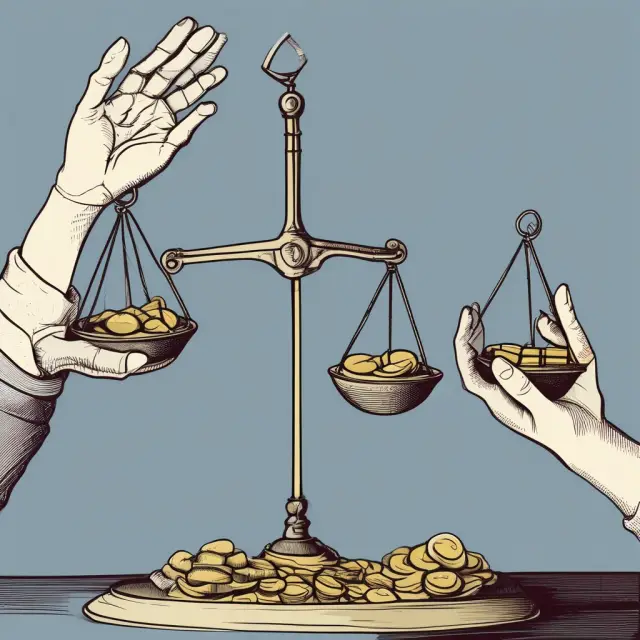
FAQ: Frequently Asked Questions About Scarcity
Scarcity is a fundamental concept in economics that refers to the limited availability of resources compared to human needs or desires. It’s an inherent reality in our world, and scarcity affects every aspect of life – from food and water to luxury goods, labor, and natural resources. Here are some commonly asked questions about scarcity and its implications:
What is the definition of scarcity in economics?
Scarcity refers to the condition where the supply of resources or goods is insufficient to meet all human needs or desires at zero cost. Scarcity drives economic decisions, as it compels individuals and societies to make choices about how best to allocate limited resources. In essence, scarcity signifies the opportunity cost of making one choice over another due to resource constraints.
Why are natural resources considered scarce?
While some natural resources like air and clean water appear abundant at first glance, they can become scarce as human activities deplete them or damage their quality. Clean air is a prime example, with its value extending beyond the absence of pollution to health benefits, climate protection, and the preservation of ecosystems. Governments often intervene to protect these resources by implementing regulations and setting standards that increase their cost, thereby reflecting their true scarcity.
What are relatively scarce factors?
Relative scarcity is the concept used in economics to describe the availability of various economic inputs or production factors. For instance, workers might be considered more scarce than land in a labor-intensive industry, as more laborers may be required per unit of output compared to available land. By understanding relative scarcities within an economy, policymakers and businesses can make more informed decisions about resource allocation and investment strategies.
How does scarcity impact market equilibrium?
Scarcity plays a crucial role in determining market equilibriums by influencing both demand and supply curves. When the availability of goods decreases relative to demand, their price will increase, creating a new equilibrium. The concept of scarcity helps explain why some resources become more expensive than others based on changing market conditions.
Does scarcity always imply that something is hard to obtain?
No, scarcity does not necessarily mean that a good or resource is difficult to acquire – it simply means that its availability relative to demand cannot meet all human needs at zero cost. This concept plays an essential role in markets as prices adjust to balance supply and demand.
Are there goods not considered scarce?
Although some goods appear to be freely available, scarcity can still exist in various forms. For example, intellectual property like music, films, or software may have indirect costs associated with piracy or suboptimal access. Additionally, some resources, such as time and attention, are limited and valuable despite being intangible. These seemingly free goods often carry hidden costs that should be taken into account when making economic decisions.
How can societies deal with scarcity?
Societies have various ways to address scarcity by increasing supply or reducing demand. Increasing supply through innovation, technological advancements, and resource exploration can help alleviate scarcity challenges. Alternatively, governments and businesses can implement measures to reduce demand by adjusting prices, setting quotas, or implementing rationing systems. A balanced approach that considers the interplay between supply and demand is essential in managing scarcity effectively.
In conclusion, scarcity is an inherent concept within economics that underpins human decision-making around resource allocation. Understanding its intricacies helps individuals, businesses, and policymakers make informed decisions about economic investments and resource management strategies. By appreciating the true value of resources and understanding the role of scarcity in markets, we can better navigate an increasingly complex world of limited resources and ever-growing human needs.
 Next entry · No. 4,567Understanding Scenario Analysis: Preparing for Multiple Financial Outcomes
See also
-
 No. 2,780
03 Feb 2025
22 min
Understanding the Law of Supply: A Comprehensive Overview
Economics
No. 2,780
03 Feb 2025
22 min
Understanding the Law of Supply: A Comprehensive Overview
Economics -
 No. 3,991
13 May 2025
20 min
A Deep Dive into Platinum: Understanding Its Uses, Markets, and Performance
Business Finance
No. 3,991
13 May 2025
20 min
A Deep Dive into Platinum: Understanding Its Uses, Markets, and Performance
Business Finance -
 No. 5,039
06 Aug 2025
20 min
The Tragedy of the Commons: An Economic Problem of Over-Consumption and Depletion
Economics
No. 5,039
06 Aug 2025
20 min
The Tragedy of the Commons: An Economic Problem of Over-Consumption and Depletion
Economics -
 No. 4,808
18 Jul 2025
20 min
Understanding Supply Shocks: Definition, Causes, Examples and Impact on Prices
Economics
No. 4,808
18 Jul 2025
20 min
Understanding Supply Shocks: Definition, Causes, Examples and Impact on Prices
Economics -
 No. 4,805
18 Jul 2025
22 min
Understanding the Supply Curve: Key Concepts and Factors Affecting This Economic Indicator
Economics
No. 4,805
18 Jul 2025
22 min
Understanding the Supply Curve: Key Concepts and Factors Affecting This Economic Indicator
Economics -
 No. 4,732
12 Jul 2025
20 min
Understanding Stagflation: The Economic Puzzle of Slow Growth, High Unemployment, and Inflation
Economics
No. 4,732
12 Jul 2025
20 min
Understanding Stagflation: The Economic Puzzle of Slow Growth, High Unemployment, and Inflation
Economics