Straight-Through Processing (STP): Automating Payments and Securities Trading

Explore the advantages of Straight-Through Processing (STP) in automating payments, securities trading and improving business analytics. Discover its…
Understanding Straight-through processing (STP)
Straight-Through Processing (STP) is an essential financial technology that has transformed the way we process payments and securities trades. This automated process eliminates manual intervention, streamlining transactions and reducing errors significantly. STP is widely used in various industries, particularly in payments and securities trading, where efficiency and accuracy are crucial.
The origins of STP date back to the 1970s when Automated Clearing Houses (ACH) and Society for Worldwide Interbank Financial Telecommunication (SWIFT) were introduced. These systems revolutionized payment processing by automating banking transactions and enabling faster, more reliable transfers.
In payments, STP enables businesses to make secure, efficient electronic transactions, significantly reducing the need for manual intervention. The introduction of cryptocurrencies has further advanced this technology, providing an alternative to traditional banking channels for faster and often lower-cost transactions.
When it comes to securities trading, STP plays a critical role in ensuring seamless, electronic settlements between parties involved. This not only saves time but also enhances market efficiency by reducing the number of errors and delays associated with manual processes.
In this section, we will explore the concept of STP, its history, benefits, and applications in payments and securities trading.
History and Evolution of STP
Straight-through processing can trace its roots back to the early 1970s when Automated Clearing Houses (ACH) and Society for Worldwide Interbank Financial Telecommunication (SWIFT) were established. These systems allowed for electronic funds transfer, marking a significant improvement from the telegraphic system that relied on manual input and human intervention. Over the decades, STP has continued to evolve, with advancements in technology enabling faster, more efficient transactions.
Payment Processing through STP
STP’s impact on payment processing has been substantial, reducing errors and streamlining transactions for businesses and individuals alike. The introduction of cryptocurrencies as a new form of straight-through processing further expands its reach, offering benefits such as faster transaction times and lower costs in comparison to traditional banking channels.
STP vs. Traditional Payment Methods
Comparing manual versus automated payment processes highlights the advantages of STP. Manual payment methods are prone to human errors, delays, and increased processing costs due to the need for intermediaries. In contrast, STP eliminates these issues, leading to faster, more reliable, and cost-effective transactions.
How STP Works in E-commerce
In today’s digital age, e-commerce relies heavily on STP for seamless transactions. Automated systems allow businesses to authenticate customers, process payments, and manage deliveries with minimal manual intervention, ensuring a smooth shopping experience for consumers.
Impact of STP on Business Analytics
By automating payment processing, STP offers valuable insights into business operations and customer behavior through improved tracking, forecasting, and predictive analysis capabilities. This data can be used to optimize processes, enhance decision-making, and identify new opportunities for growth.
Securities Trading via STP
In the securities trading industry, electronic settlements processed via STP have become the norm. By reducing errors and delays associated with manual processes, STP enhances market efficiency and allows for more accurate and timely transactions between parties involved in the secondary market.
Stay tuned for the next section where we will dive deeper into the advantages of implementing STP and discuss best practices for its successful adoption.

History and Evolution of STP
Straight-Through Processing (STP) can be traced back to the early 1970s when Automated Clearing Houses (ACH networks) and Society for Worldwide Interbank Financial Telecommunication (SWIFT) were first introduced. These groundbreaking innovations revolutionized banking payment transfers, upgrading them from telegraphic systems that involved manual Morse code entry.
In the US, ACH was primarily used for payroll direct deposits and represented an initial step towards automating payments. In Europe, SWIFT networked banks globally and significantly streamlined international payment processing. Since its inception, STP technology has continued to evolve, most notably with the advent of cryptocurrencies and fintech solutions.
Originally intended for payment processing, STP’s applications expanded to securities trading as electronic settlement processes gained traction. Today, STP is essential for market efficiency, ensuring that trades are settled quickly and accurately. Understanding the history and development of STP sheds light on its importance in modern finance and investment.
In the early days of STP, payment processing was a laborious process involving manual data entry and approval from multiple parties. SWIFT and ACH systems provided significant improvements by automating communication between financial institutions, but they still required some level of manual intervention. The 1970s marked the beginning of straight-through processing’s evolution towards fully automated transactions with minimal human interaction.
In the realm of payment processing, STP has been instrumental in increasing efficiency and reducing errors. Traditional methods often involved multiple departments at both ends of a transaction, which could lead to delays and miscommunications. With STP, routing and settlement information is electronically transferred between banks, eliminating the need for manual entry and decreasing processing times.
As technology advanced, cryptocurrencies emerged as a newer form of straight-through processing for transactions. Cryptocurrencies enable direct transfers between parties without requiring intermediaries or human intervention, offering significant advantages in terms of speed, cost, and security. Although still evolving, cryptocurrencies represent the next frontier in STP for payments and have already made a significant impact on the industry.
In summary, the history of straight-through processing underscores its importance in modern finance and investment. From its origins as an improvement over manual payment processing methods to its current role as a foundation for efficient securities trading, STP has played a crucial part in streamlining financial transactions and reducing errors. As technology continues to evolve, we can expect further advancements in straight-through processing that will continue to transform the way we manage payments and securities trades.
Payment Processing through STP
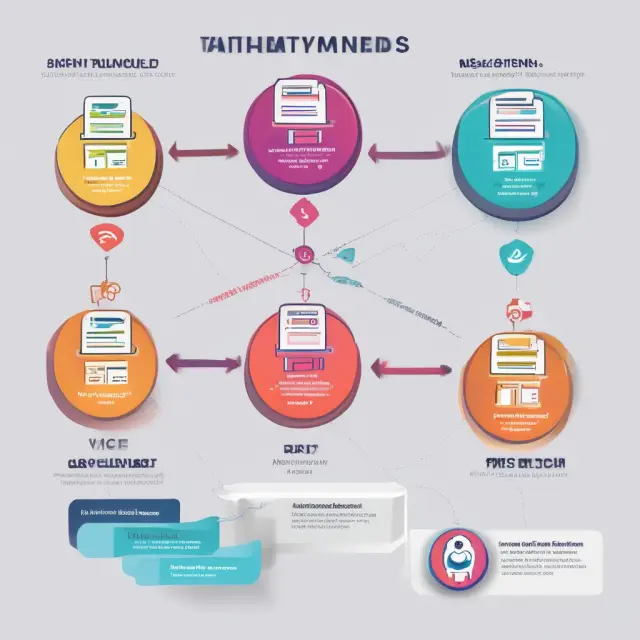
Straight-Through Processing (STP) refers to a payment processing method where transactions are executed entirely electronically without requiring manual intervention. The use of STP is particularly common in the areas of payments and securities trading. In this section, we’ll explore the benefits, process flow, and recent advancements such as cryptocurrencies in payment processing through Straight-Through Processing.
Origins and Development
The origins of STP can be traced back to the early 1970s when Automated Clearing Houses (ACH networks) started development in the United States for payroll direct deposits. Around this time, The Society for Worldwide Interbank Financial Telecommunication (SWIFT) was founded, enabling significant upgrades in banking payment transfers. Traditional manual methods, such as telegraphic systems, were replaced by automated processes with SWIFT and ACH forming the foundation for most domestic and international payment transfers.
The Evolution of STP
STP has come a long way since its early days, becoming an integral part of modern banking and financial services. The latest advancements include faster types of Straight-Through Processing, like those in cryptocurrencies, which offer alternatives to banks for processing electronic payments more efficiently than ever before.
Benefits of STP
Payments processed through STP eliminate the need for manual intervention, streamlining payment settlements and routing information while reducing errors, costs, and delays. The use of STP improves business analytics by enabling companies to track client behaviors, spending patterns, and costly delays or errors from customers or systems. Furthermore, STP allows businesses to automate transactions and offer multiple payment choices, enhancing sales efforts and revenue generation, as seen with e-commerce giants like Amazon.
Payment Processing Flow
In the context of payments, STP streamlines various stages of the process by removing manual interventions. This includes initializing payments through software or automated systems, confirming settlement details, and routing payments electronically without manual intervention from numerous departments or intermediary banks.
The Impact of STP in E-commerce
E-commerce has significantly benefited from Straight-Through Processing with the ability to authenticate customers online, sell products, initiate a payment, and deliver goods all through a few clicks. E-commerce businesses must integrate multiple payment solutions like Visa, Mastercard, American Express, or fintech options such as PayPal. This multifaceted approach enhances sales by offering various payment plans and installment credits to cater to diverse customer needs.
Recent Advancements
Advancements in technology have led to the emergence of cryptocurrencies like Bitcoin, which enable electronic transfers without intermediaries. The decentralized nature of cryptocurrencies removes the need for holding companies or banks and reduces costs. This modern form of STP allows users to make direct transactions between parties over a unique network.
In conclusion, Straight-Through Processing has transformed payment processing by eliminating manual interventions and reducing errors, delays, and costs. The use of technology in STP has allowed for the emergence of innovative solutions like cryptocurrencies, making transactions faster, cheaper, and more convenient than ever before.

STP vs. Traditional Payment Methods
In today’s fast-paced business world, time is money. Traditional payment methods such as manual checks and wire transfers have been replaced by automated systems like Straight-Through Processing (STP) to streamline transactions and reduce human intervention. STP has become a game-changer in the finance industry, particularly in payment processing and securities trading. In this section, we will explore how STP differs from traditional methods and the advantages it offers.
Comparing Manual versus Automated Payment Processes:
A traditional payment method involves manual intervention on both ends of the transaction, with multiple departments at each company handling the transfer. The process begins with initiating a payment through either the phone or software. Next, both parties must confirm settlement details via phone, email, or fax before manually inputting the information into their respective payment systems. Before the advent of ACH and SWIFT networks in the 1970s, telegraphic messages were used, which could take hours to days to complete a transfer (Federal Reserve Bank of San Francisco).
The need for human intervention comes with its own set of challenges: delays, errors, increased costs, instability, and lack of processing expectations. As businesses grew more complex, it was clear that an automated solution was necessary. STP emerged as the answer.
Benefits of Straight-Through Processing:
STP automates the entire payment process from initiation to confirmation without requiring human intervention. By eliminating manual processes and intermediaries, transactions become faster, more efficient, and cost-effective. In the case of international payments, STP reduces the need for extensive documentation and regulatory approval, allowing funds to be transferred quickly and securely.
Moreover, STP’s accuracy increases as there is less room for human error. It also provides transparency, enabling real-time tracking and monitoring of transactions (Worldpay). By automating payment processes, businesses can improve their cash flow and working capital efficiency while reducing operational costs.
Impact on E-commerce:
The evolution of e-commerce has made STP an essential component for businesses aiming to offer a seamless shopping experience. STP allows for real-time authentication of customers, initiation of payments, and delivery of products – all through a single platform. By offering multiple payment options, businesses cater to various customer preferences while ensuring secure transactions (Amazon).
In the era of cryptocurrencies and fintech companies, STP has become even more crucial in enabling faster and cheaper transfers without intermediaries, providing an edge over traditional banking methods.
Conclusion:
The advantages of straight-through processing are clear. By automating payment processes and reducing human intervention, businesses can save time, reduce costs, increase accuracy, and offer a seamless customer experience. As the finance industry continues to evolve, STP’s role will only become more significant.

How STP Works in E-commerce
Straight-Through Processing (STP) plays a vital role in e-commerce businesses by enabling automated transactions and payment choices for online sales. As e-commerce continues to evolve, the need for efficient and seamless processing is increasingly important for merchants and customers alike. By understanding how STP functions within e-commerce environments, we can grasp its significance in today’s digital economy.
First, let’s delve into some background: STP refers to an electronic transaction process with no manual intervention involved. Its most common applications are found in payment processing and securities trading. For a company to effectively implement STP in e-commerce, it must have the necessary systems and networking capabilities.
In the realm of e-commerce, STP significantly streamlines transactions by removing intermediaries and reducing the need for manual input or intervention. This results in faster processing times, improved accuracy, and enhanced security. E-commerce businesses can leverage STP to authenticate customers, facilitate sales, initiate payments, and manage product delivery – all through a single, automated platform.
Let’s explore how this process works:
1. Authentication: The e-commerce platform verifies the customer’s identity using secure methods like two-factor authentication or biometric data. This step ensures that only authorized users can access and make purchases on the website.
2. Sales processing: Once a customer completes a purchase, the e-commerce system automatically generates an invoice and processes the payment. This involves sending the necessary transaction details to the payment processor and initiating the transfer of funds.
3. Payment processing: The chosen payment method – such as credit/debit cards or digital wallets – is integrated into the STP process. The platform communicates with the respective payment gateway, which processes the transaction and sends a response indicating whether it was successful or not. This interaction happens instantaneously, ensuring that customers receive immediate feedback on their purchase attempt.
4. Delivery processing: Once the payment has been processed, the e-commerce system can automatically initiate product delivery if necessary. Alternatively, digital goods like software downloads or access to online content may be granted instantly upon successful transaction completion.
The benefits of using STP in e-commerce are manifold. By automating transactions and eliminating manual intervention, businesses can save time and resources while reducing the risk of errors and fraud. Moreover, real-time processing and automated communication between different systems ensure a better customer experience, leading to increased trust and loyalty.
One prominent example of STP’s successful implementation in e-commerce is Amazon. Its vast infrastructure enables seamless transactions, lightning-fast delivery, and personalized recommendations – all made possible through sophisticated automation and STP processes.
However, it is essential to note that implementing STP within an e-commerce business requires a solid technical foundation. This includes robust IT infrastructure, secure payment gateways, and reliable communication channels between various systems. Additionally, compliance with relevant data protection and privacy regulations is crucial for maintaining customer trust and avoiding potential legal issues.
In conclusion, understanding how Straight-Through Processing (STP) functions in e-commerce is essential for merchants looking to streamline transactions, provide a better customer experience, and stay competitive in the digital economy. By automating transactions and payment choices, STP enables faster processing times, improved security, and enhanced overall efficiency – ultimately contributing to the success of modern e-commerce businesses.

Impact of STP on Business Analytics
Straight-Through Processing (STP) not only revolutionized payments and securities trading but also brought significant improvements in business analytics. In today’s data-driven world, it is crucial for businesses to leverage information effectively to make strategic decisions. STP enables companies to access valuable insights from their financial transactions, enhancing operational efficiency and performance.
Businesses that have implemented STP systems witness a substantial improvement in tracking, forecasting, and predictive analysis capabilities. Let’s delve deeper into these benefits:
1. Enhanced Tracking: With STP, businesses can easily monitor their financial transactions in real-time. This level of visibility allows organizations to identify patterns, trends, and anomalies that may not be noticeable in manually processed data. By having a clearer understanding of cash inflows and outflows, companies can optimize working capital, manage liquidity more effectively, and identify potential risks or opportunities.
2. Accurate Forecasting: Real-time transaction processing provided by STP enables businesses to generate accurate forecasts based on current data instead of relying on historical information or estimates. By leveraging this real-time data, companies can make informed decisions about inventory management, production planning, and sales projections. This leads to improved operational efficiency and increased profitability.
3. Predictive Analysis: STP systems collect vast amounts of financial transaction data that can be analyzed using advanced machine learning algorithms to predict future trends and patterns. These predictions help businesses adjust their strategies in response to upcoming market changes or customer behavior shifts, ensuring a competitive edge over rivals.
For example, an e-commerce business can use STP to monitor customer spending habits and anticipate seasonal trends or demand fluctuations based on historical sales data and real-time transaction information. This knowledge enables the company to optimize inventory levels, pricing strategies, marketing campaigns, and staffing requirements to meet consumer demands.
In conclusion, Straight-Through Processing is more than just a method of automating financial transactions; it plays a vital role in unlocking valuable insights from business data. The ability to accurately track transactions, forecast future trends, and perform predictive analysis empowers organizations to make informed decisions, optimize operational efficiency, and ultimately improve overall performance.
As the world continues to shift toward digitalization and automation, businesses that embrace STP will reap the rewards of real-time data access, enhanced analytics capabilities, and a competitive edge in their industries.

Securities Trading via STP
One significant application of straight-through processing (STP) lies within securities trading. In today’s financial markets, virtually all secondary market trades involve electronic processing. While there is some human intervention in the initial trade placement, the subsequent settlement process is primarily automated through STP.
The Importance of STP in Securities Trading
Straight-through processing (STP) plays an integral role in securities trading as it ensures efficient and error-free transactions between counterparties. The ultimate goal is to minimize manual intervention and reduce the risk of human errors during the settlement process. With STP, trades can be automatically confirmed, validated, and settled between parties through secure electronic channels. By doing so, it significantly accelerates the securities trading lifecycle and enhances operational efficiency.
Electronic Settlement Process
The electronic settlement process refers to the exchange of financial assets or securities between counterparties, with the help of automated systems. This streamlined approach helps in reducing manual errors, increasing transaction speed and ensuring a high degree of accuracy. Once a trade is executed, the relevant information is automatically passed through an STP system for validation and confirmation. Both parties receive electronic confirmations of the transaction details. Assets are then transferred electronically, with funds being exchanged between their respective accounts in real-time or near real-time.
Impact on Market Efficiency
The widespread adoption of straight-through processing in securities trading has led to significant improvements in market efficiency. Faster settlement times enable investors and traders to realize profits more quickly, reducing the need for intermediaries and increasing liquidity within financial markets. Additionally, this increased automation lowers operational costs and reduces the likelihood of errors, which is crucial when handling large volumes of trades daily.
Modern Trends and Challenges in STP for Securities Trading
The rapid evolution of technology continues to bring new advancements to securities trading through STP. One prominent trend is the integration of blockchain technology, enabling decentralized, secure, and transparent transactions between counterparties. Another area of exploration includes real-time settlement systems like the Central Securities Depository (CSD) platform, which can further enhance market efficiency by minimizing settlement times and reducing operational risks.
However, the implementation and adoption of STP for securities trading come with challenges. Regulatory compliance is a significant concern due to the varying regulatory landscapes in different jurisdictions. Additionally, ensuring data security and protecting confidential financial information are essential aspects that must be addressed when implementing STP systems. As the industry continues to evolve, addressing these challenges will remain crucial for market participants looking to stay competitive while maintaining regulatory compliance and safeguarding their assets.

STP in the Modern World: Trends and Challenges
As Straight-Through Processing (STP) continues to evolve, it faces new trends and challenges that test its efficiency and adaptability. In this section, we discuss the growing impact of blockchain technology, data security, and regulatory considerations shaping STP’s future in both payments processing and securities trading.
1. Blockchain Technology:
Blockchain is a decentralized digital ledger system that offers an unprecedented level of transparency and security. This distributed database eliminates the need for intermediaries or third parties, enabling automated, peer-to-peer transactions. STP is one area where blockchain technology can significantly improve efficiency and reduce costs by minimizing or even eliminating manual processes.
In payments processing, blockchain’s transparency and decentralization make it a promising solution for cryptocurrencies and cross-border transactions, offering faster settlement times and enhanced security features. However, as the implementation of blockchain in payment systems continues to grow, it faces challenges such as scalability, regulatory compliance, and user experience.
2. Data Security:
With increasing STP adoption comes the need for robust data security measures to protect sensitive financial information from cyber-attacks. The widespread use of cloud computing and APIs in STP makes it essential to address data privacy and security concerns.
Implementing strong encryption, multi-factor authentication, and access control mechanisms are crucial to securing STP systems. Regularly updating software, performing vulnerability assessments, and implementing disaster recovery plans can help mitigate potential risks.
3. Regulatory Considerations:
STP is subject to various regulatory requirements in different industries, such as banking, insurance, and securities trading. Adhering to these regulations while maintaining efficiency and cost-effectiveness remains a constant challenge.
Regulatory bodies like the Financial Industry Regulatory Authority (FINRA) and Securities and Exchange Commission (SEC) enforce strict guidelines regarding data handling and transaction processing in the financial sector. Compliance with these regulations can lead to increased operational costs, potential delays, and the need for specialized expertise.
By understanding these trends and challenges, businesses and organizations can continue to harness the power of STP while addressing emerging issues and staying ahead of the competition.

Implementing STP: Best Practices
Once your business has embraced Straight-Through Processing (STP), you’ll want to ensure a smooth implementation process. Here are some best practices for integrating STP into your payment and securities trading systems.
1. Identify and assess current pain points: Begin by examining your existing processes to pinpoint any manual errors, delays, or inefficiencies. This understanding is crucial for choosing the right solution and setting realistic expectations.
2. Evaluate potential solutions: Consider various STP software options that cater to your industry-specific needs. Carefully review the features, costs, integrations, and customization capabilities of each offering.
3. Plan for data security: Protect sensitive financial information during implementation by adhering to regulations like PCI DSS, SOX, or GDPR. Implement strong encryption protocols, access controls, and regular data backups.
4. Choose the right integration approach: Opt for seamless integration by choosing an API-first solution that works with your existing infrastructure. This will make implementation smoother and allow you to adapt quickly to future changes.
5. Set up testing environments: Create a secure sandbox environment for testing STP processes before deploying them in production. This will help minimize risks, ensure accuracy, and prevent any disruption to your business operations.
6. Train staff on new systems: Educate employees about the benefits of STP, the new software features, and how to use it effectively. Provide thorough training materials and resources for a successful adoption.
7. Monitor system performance: Regularly monitor your STP implementation to track its progress, identify potential issues, and make necessary improvements. Utilize reporting tools and analytics to optimize processes and maximize efficiency gains.
8. Stay informed about updates: Keep abreast of any new regulations, industry trends, or software enhancements that impact your STP implementation. This will help you stay competitive and maintain a cutting-edge solution.
9. Develop contingency plans: Prepare for potential disruptions by creating contingency plans, such as backup systems, disaster recovery protocols, or alternative payment methods. This will ensure business continuity even during unforeseen circumstances.

FAQs on Straight-through processing (STP)
What exactly is Straight-through processing (STP)?
Straight-Through Processing (STP) is a methodology that allows for automated financial transactions, eliminating manual intervention. It is most commonly used in payment processing and securities trading but can be applied to various technical scenarios. STP’s origins trace back to the 1970s with the development of Automated Clearing Houses (ACH) and the Society for Worldwide Interbank Financial Telecommunication (SWIFT).
What are some benefits of using Straight-through processing?
STP offers numerous advantages including increased efficiency, speed, and accuracy in financial transactions. It streamlines the process by eliminating manual data entry, reducing errors and delays associated with traditional payment methods. Additionally, it improves business analytics by providing more data for tracking and forecasting.
How does Straight-through processing work?
In payments, STP involves linking up to a payment processing network to facilitate electronic transfers. In securities trading, the electronic settlement process ensures that trades are executed efficiently and accurately. STP relies on advanced coding for flagging or stopping suspicious transactions, improving security.
What is the history of Straight-Through Processing?
STP can trace its origins back to the 1970s with the introduction of Automated Clearing Houses (ACH) and the Society for Worldwide Interbank Financial Telecommunication (SWIFT). These systems significantly upgraded banking payment transfers, paving the way for further advancements in STP technology.
How does Straight-through processing differ from traditional payments?
Traditional payment methods required multiple manual steps and intermediaries, leading to delays, errors, and increased costs. STP automates these processes and offers real-time transactions, significantly improving speed and efficiency while reducing the potential for errors.
What is the role of Straight-through processing in e-commerce?
E-commerce relies heavily on STP to facilitate seamless payment processing. By automating transactions and offering multiple payment choices, businesses can enhance sales efforts and improve customer experience. This enables companies like Amazon to offer one-click purchasing and streamlined checkout processes.
What is the impact of Straight-through processing in securities trading?
In securities trading, STP ensures efficient electronic settlements, improving market efficiency and reducing errors. With near real-time transaction processing, traders can respond quickly to market changes and minimize potential losses.
How does Straight-through processing differ from manual processes?
STP eliminates the need for manual data entry, reducing human error and saving time. It also offers real-time transaction processing and improved tracking capabilities, making it a more efficient alternative to manual processes.
What is the role of Straight-through processing in business analytics?
STP provides valuable data that can be used for forecasting and predictive analysis, allowing businesses to make informed decisions based on accurate information. This can help improve cash flow efficiency and overall financial performance.
Is Straight-through processing only used for payments and securities trading?
No, while it is most commonly associated with these applications, STP can be utilized in a variety of technical scenarios to automate processes, increase efficiency, and reduce the potential for errors. This includes but isn’t limited to areas like insurance claims processing and account reconciliation.
 Next entry · No. 4,776Understanding Strangles: A Powerful Options Trading Strategy for Volatile Markets
See also
-
 No. 5,896
17 Oct 2025
18 min
Understanding Zero-Floor Limits: Protecting Against Fraud and Processing Every Transaction
Business Finance
No. 5,896
17 Oct 2025
18 min
Understanding Zero-Floor Limits: Protecting Against Fraud and Processing Every Transaction
Business Finance -
 No. 5,017
05 Aug 2025
20 min
Understanding Trade Credit: An Essential Tool in Business Financing
Business Finance
No. 5,017
05 Aug 2025
20 min
Understanding Trade Credit: An Essential Tool in Business Financing
Business Finance -
 No. 4,466
21 Jun 2025
18 min
Revolvers 101: Understanding Revolving Credit Lines and Their Uses for Institutional Investors
Business Finance
No. 4,466
21 Jun 2025
18 min
Revolvers 101: Understanding Revolving Credit Lines and Their Uses for Institutional Investors
Business Finance -
 No. 4,425
17 Jun 2025
20 min
Understanding Retail Banking: Services, Types, and Key Features
Business Finance
No. 4,425
17 Jun 2025
20 min
Understanding Retail Banking: Services, Types, and Key Features
Business Finance -
 No. 3,783
26 Apr 2025
17 min
Understanding Order Papers: Definition, Characteristics, Endorsement, and More
Business Finance
No. 3,783
26 Apr 2025
17 min
Understanding Order Papers: Definition, Characteristics, Endorsement, and More
Business Finance -
 No. 5,505
14 Sep 2025
19 min
Understanding Visa Cards: Types, Features and Services
Financial Education
No. 5,505
14 Sep 2025
19 min
Understanding Visa Cards: Types, Features and Services
Financial Education