Tenancy by the Entirety: A Comprehensive Guide for Married Couples on Shared Property Ownership

Tenancy by the entirety is a form of joint property ownership available only to married couples in states that recognize it. Each spouse owns an undivided interest in the whole property with a right of survivorship, and neither spouse can transfer their interest without the other's consent.
Introduction to Tenancy by the Entirety
Tenancy by the entirety, a unique form of property ownership for married couples, is an essential concept in understanding marital asset distribution and survivorship rights. This joint tenancy arrangement grants both spouses equal ownership and control over real estate, creating a right of survivorship that guarantees the surviving spouse’s full title to the property upon their partner’s death. In this comprehensive guide, we delve into the essence of tenancy by the entirety, its significant features, how it operates, and its implications.
Understanding Tenancy by the Entirety: An Overview
Tenancy by the entirety is a distinctive legal framework for married couples who jointly own property as a single entity. This arrangement signifies that each spouse has an undivided interest in the real estate, and their mutual consent is necessary for any major decisions or transactions involving the property. The key benefits of tenancy by the entirety include protection of survivorship rights, simplified estate planning, and creditor protection. By examining its characteristics and workings, married couples can make informed decisions about this form of property ownership.
Characteristics of Tenancy by the Entirety: Mutual Ownership, Survivorship, and Joint Decision-Making
At its core, tenancy by the entirety is marked by mutual ownership, survivorship, and joint decision-making. The mutual ownership feature signifies that each spouse holds equal legal rights to the property. This aspect requires spouses to share a unified vision for the property’s use and management. Additionally, tenancy by the entirety includes survivorship rights, which grant the surviving spouse automatic title to the property upon their partner’s passing. Lastly, joint decision-making ensures that both parties must agree on any major transactions related to the property.
Working with Tenancy by the Entirety: Implications and Examples
Tenancy by the entirety operates in various ways, including protecting spouses from potential liens when only one owes a debt, creating simplified estate planning processes, and establishing joint control over the property. For example, suppose a married couple purchases a house using tenancy by the entirety; each spouse will have equal ownership rights, meaning they both can make decisions about the property without needing their partner’s consent on minor matters. In contrast, major transactions like selling or mortgaging the property require mutual agreement.
Requirements for Tenancy by the Entirety: Marriage and State-Specific Regulations
The establishment of tenancy by the entirety depends on both marriage and state-specific regulations. The couples must be legally married at the time they acquire title to the property, and some states may have additional requirements, like registering the tenancy by the entirety agreement with a local government office or filing a declaration of tenancy with a county recorder’s office. Familiarizing yourself with these requirements is crucial to ensure proper implementation of this legal framework.
Advantages and Disadvantages of Tenancy by the Entirety: Balancing Protection and Limitations
Tenancy by the entirety offers numerous benefits, including protecting a surviving spouse from losing property upon their partner’s death, eliminating the need for probate, and offering creditor protection. However, it also comes with limitations, such as being limited to specific states and types of property, requiring equal ownership stakes and mutual agreement on all decisions, and not providing full protection from debts if both spouses are involved. Weighing these advantages and disadvantages can help married couples determine if tenancy by the entirety is the best choice for their unique situation.
Tenancy by the Entirety vs. Joint Tenancy: A Comparative Analysis
Though similar, tenancy by the entirety differs from joint tenancy in several ways. Joint tenancy allows multiple parties to co-own property with a right of survivorship but does not require marriage or mutual consent for decisions. Understanding these differences can provide insight into which type of tenancy is most suitable for your specific needs.
In conclusion, tenancy by the entirety provides married couples with unique advantages and implications when it comes to jointly owning real estate. By understanding its characteristics and requirements, you can make informed decisions about this form of property ownership, ensuring a solid foundation for your marital asset distribution and survivorship rights.

Key Characteristics of Tenancy by the Entirety
Tenancy by the entirety (TBE) is a unique and vital aspect of shared property ownership designed specifically for married couples. This legal arrangement grants spouses equal rights to a property and creates a right of survivorship, ensuring that one spouse inherits the other’s share when they pass away. In this section, we delve into the key features of tenancy by the entirety: mutual ownership, survivorship, and joint decision-making.
Mutual Ownership
When married couples choose to own property as tenants by the entirety, each partner is recognized as having an equal claim to the entire property – not just a percentage or share. This means that both partners share complete ownership rights, allowing them to enjoy, sell, or mortgage the property together without needing the other’s consent. This feature can lead to more effective communication and decision-making between spouses regarding their shared assets.
Survivorship:
One of the most significant advantages of tenancy by the entirety is survivorship – the automatic transfer of ownership from one spouse to another upon death. In this arrangement, when a tenant by the entirety passes away, their interest in the property is passed on to the surviving spouse without the need for probate. This not only simplifies the estate administration process but also provides peace of mind for couples knowing that their property will remain with their surviving spouse after they are gone.
Joint Decision-Making
Tenancy by the entirety requires mutual agreement between both spouses regarding the use, sale, or transfer of the shared property. This joint decision-making process ensures that both partners have an equal voice in managing the asset and maintaining their investment. It’s essential for married couples to maintain open communication about their financial goals and long-term plans when it comes to their tenancy by the entirety assets to avoid potential disagreements or misunderstandings.
By understanding these key characteristics of tenancy by the entirety, married couples can make an informed decision on whether this form of property ownership aligns with their financial objectives and goals for the future. In the next section, we will explore how tenancy by the entirety operates in practice and its implications for property ownership and legal rights.

How Tenancy by the Entirety Works
Tenancy by the entirety is an intriguing form of shared property ownership for married couples, allowing them to co-own real estate as a single legal entity with equal rights, survivorship, and mutual decision-making. This unique arrangement offers significant benefits like protection for surviving spouses and simplified estate planning.
To understand how tenancy by the entirety operates, consider these essential points:
1) Mutual Ownership: Tenants by the entirety jointly own the property and hold equal rights to it. Both are entitled to inhabit and utilize the property as they see fit. This unity requires both parties’ consent for major decisions such as selling or mortgaging the property.
2) Right of Survivorship: When one tenant dies, their interest in the property is automatically transferred to the surviving spouse. No probate is necessary, ensuring that the property remains securely within the family.
3) Legal Entity: Tenants by the entirety are treated as a single legal entity for property ownership and legal rights. This means creditors cannot place liens on any debt owed solely by one tenant against the tenancy by the entirety property, protecting both partners from potential financial risks.
4) Requirement for Marriage: Tenancy by the entirety is exclusive to married couples and cannot be established between other partnerships or relationships such as friends, siblings, or business associates. To qualify, both parties must be legally wed at the time they receive title to the property.
5) State-Specific Regulations: Tenancy by the entirety’s application varies from state to state. Some jurisdictions may limit its availability to real estate or homestead properties only or offer it to domestic partners as well. Familiarizing yourself with your state’s regulations is crucial to ensure eligibility and full benefits.
By understanding the intricacies of tenancy by the entirety, married couples can make informed decisions regarding their property ownership and safeguard their interests for a secure future.

Requirements for Tenancy by the Entirety
To establish tenancy by the entirety, a married couple must meet specific requirements. First and foremost, they need to be legally married at the time they receive title to the property in question. This arrangement does not extend to other types of relationships such as friends or business partners. While some states assume all marital couples own property as tenants by the entirety upon purchase, others require explicit declaration to establish this type of ownership.
The property can be any kind, ranging from real estate like a house or land to personal property like vehicles and collectibles. However, it is essential to check the specific regulations in your state since some jurisdictions restrict tenancy by the entirety only to real estate or homestead property. Furthermore, certain states may extend this arrangement to domestic partners or common-law marriages, so make sure to consult your state’s laws for more detailed information.
By entering into a tenancy by the entirety agreement, married couples acquire equal and undivided interests in their shared property. This means that each spouse has a legal right to use and manage the entirety of the property as they see fit, subject to mutual consent. Any major decisions regarding the property should be made jointly to maintain the integrity of this legal structure.
The significance of tenancy by the entirety lies in its right of survivorship, which ensures that if one spouse passes away, their interest is automatically transferred to the surviving spouse. This feature eliminates the need for probate proceedings and simplifies estate planning for married couples. Additionally, tenancy by the entirety offers protection against creditors’ claims on property owned only by one spouse. However, it is crucial to note that this form of ownership has limitations and disadvantages that must be carefully considered before deciding if it suits your specific situation.

Advantages of Tenancy by the Entirety
Tenancy by entirety offers significant advantages for married couples who wish to own property jointly. This unique form of property ownership comes with distinct benefits that can provide financial security, simplified estate planning, and protection against creditors. Below, we delve into the advantages of tenancy by entirety and how it differs from other forms of joint property ownership.
Protection for Surviving Spouses: A primary advantage of tenancy by the entirety is its right of survivorship, which automatically transfers the deceased spouse’s interest to the surviving spouse upon their passing. This eliminates the need for probate and ensures that the surviving partner maintains full control over the property.
Simplified Estate Planning: Tenancy by the entirety simplifies estate planning as the property automatically passes to the surviving spouse, thereby avoiding lengthy and costly probate processes. It also enables easy transfer of ownership without the need for wills or trusts, making it a preferred choice for many couples.
Creditor Protection: A tenancy by the entirety offers protection from creditors, ensuring that individual debts cannot be used to attach liens against property owned under this arrangement. This means that each spouse’s share remains untouched if only one partner has debts. However, it’s essential to note that tenancy by entirety does not protect the property from joint debts or any debts incurred by both partners.
Comparing Tenancy by the Entirety and Joint Tenancy: While tenancy by the entirety and joint tenancy are similar in their right of survivorship, there are significant differences between the two. One of the most notable distinctions is that tenancy by the entirety is exclusively available for married couples, while joint tenancy can be established between various types of relationships such as siblings or business partners. Additionally, tenancy by the entirety requires mutual agreement for all decisions regarding the property, whereas joint tenancy allows unilateral actions like selling or transferring shares.
In conclusion, tenancy by the entirety offers numerous advantages that make it an attractive choice for married couples seeking to own and manage property jointly. By providing protection for surviving spouses, simplified estate planning, and creditor protection, tenancy by the entirety can bring peace of mind and financial security to those embarking on this journey together.
It’s important to note that the specific laws governing tenancy by the entirety may vary from state to state, so it’s essential to consult a legal professional for guidance in your particular situation. By understanding the ins and outs of this unique form of property ownership, you can make informed decisions about securing your future and safeguarding your investments with your partner.

Disadvantages of Tenancy by the Entirety
Tenancy by the entirety is an attractive form of property ownership for married couples due to its numerous advantages, including the right of survivorship and creditor protection. However, like any legal arrangement, it comes with its disadvantages that married couples must consider before deciding to establish tenancy by the entirety.
One significant drawback of tenancy by the entirety is its limited availability. Unlike joint tenancy, which is widely accepted in all states, tenancy by the entirety is only recognized in twenty-five states and Washington D.C. (See list below). This can limit options for married couples who wish to establish this form of ownership outside these jurisdictions.
Another disadvantage is the lack of protection for certain debts. Although tenancy by the entirety offers creditors protection against debts owned solely by one spouse, it does not protect against joint debts. If both spouses co-sign a loan, for instance, and one partner fails to pay their portion, the creditor can still make a claim on the property under tenancy by the entirety.
Married couples intending to establish tenancy by the entirety should carefully evaluate their financial situation and potential debt obligations before proceeding with this form of ownership.
List of states that allow Tenancy by the Entirety: Alabama, Arkansas, Florida, Hawaii, Illinois, Indiana, Kentucky, Maryland, Massachusetts, Michigan, Mississippi, Missouri, New Jersey, New York, North Carolina, Ohio, Oklahoma, Oregon, Pennsylvania, Rhode Island, Tennessee, Texas, Vermont, Virginia, Washington, and Wyoming.
In conclusion, tenancy by the entirety is a powerful form of property ownership that grants married couples significant advantages, such as survivorship rights and creditor protection. However, its limited availability in specific states and lack of protection for joint debts may be disadvantageous for some couples considering this legal arrangement. Thoroughly understanding these pros and cons can help married couples make informed decisions about how they wish to own and protect their assets.
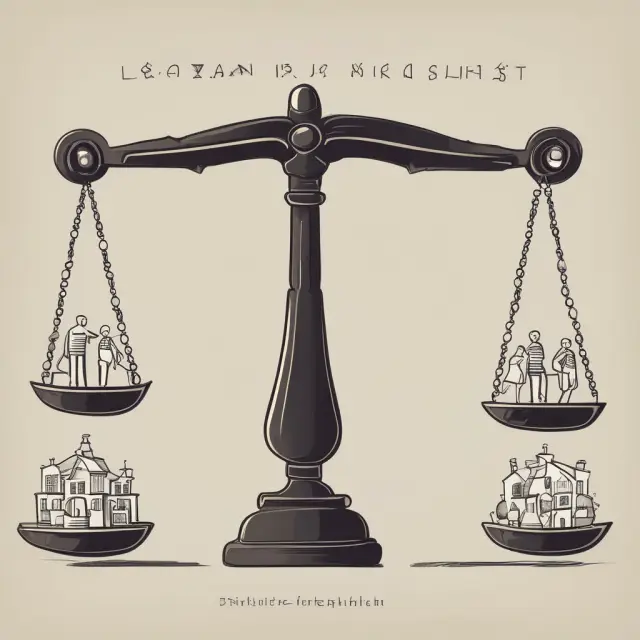
Tenancy by the Entirety vs. Joint Tenancy
Tenancy by the entirety and joint tenancy are two popular forms of shared property ownership reserved for married couples. While both arrangements involve mutual co-ownership, they differ in significant ways when it comes to rights, survivorship, and decision-making.
First, let us define joint tenancy: Joint tenancy is a type of property ownership where two or more parties hold equal shares of an asset. Each party has the right to use the entirety of the asset, and any share that one tenant dies, the remaining tenant(s) inherit that deceased partner’s share. The key characteristics of joint tenancy include:
- Right of survivorship: When one tenant passes away, their share is automatically transferred to the surviving tenant(s).
- Unlimited right of contribution: Each tenant has the ability to make contributions toward the property or maintain it, without affecting the others’ interest.
- Right to sell or transfer their share: Each tenant can sell, transfer, or bequeath their portion of the asset to an heir without the consent of other tenants.
- No need for probate: Since survivorship rights automatically transfer ownership, there is no requirement for probate when one tenant dies.
Now let’s compare joint tenancy with tenancy by the entirety:
Tenancy by the entirety, as previously discussed, is a unique form of property ownership where spouses hold equal stakes and manage their assets together as a single legal entity. The primary differences between tenancy by the entirety and joint tenancy include:
- Right of survivorship: Similar to joint tenancy, tenants by the entirety also enjoy the right of survivorship. However, only the surviving spouse inherits the deceased partner’s share in tenancy by the entirety, whereas in joint tenancy all remaining tenants inherit the departed tenant’s portion.
- Decision-making: In tenancy by the entirety, both spouses must agree on any decisions regarding their property. This mutual consent is necessary for major changes, such as selling or developing part of the property.
- No separate interests or shares: Unlike joint tenancy where each spouse holds a distinct share of the property, tenants by the entirety have an undivided and indivisible interest in their entire property. This means that neither spouse can sell or transfer their share without the other’s consent.
- Protection against creditors: In tenancy by the entirety, one spouse’s debt doesn’t affect the shared property; it remains protected from creditors’ claims unless both spouses owe that creditor jointly.
- Limited availability: Tenancy by the entirety is only available in certain states and jurisdictions. In comparison, joint tenancy is more widely accepted across different jurisdictions.
In summary, while both tenancy by the entirety and joint tenancy offer shared property ownership between married couples with survivorship rights, they differ in decision-making processes, separate interests, protection against creditors, and availability. It’s essential to understand these distinctions before deciding which form of co-ownership best suits your unique circumstances and goals.
If you found this article helpful, please consider sharing it on social media or leaving a comment below with your thoughts!

States That Allow Tenancy by the Entirety
Tenancy by the entirety is a unique form of joint property ownership that is exclusive to married couples in certain jurisdictions. This arrangement provides various benefits, such as simplified estate planning and protection for surviving spouses. However, it’s essential to understand the specific states where tenancy by the entirety is recognized and the conditions under which it can be established.
Twenty-five states (and Washington D.C.) support tenancy by the entirety: Alaska, Arkansas, Delaware, Florida, Hawaii, Illinois, Indiana, Kentucky, Maryland, Massachusetts, Michigan, Mississippi, Missouri, New Jersey, New York, North Carolina, Ohio, Oklahoma, Oregon, Pennsylvania, Rhode Island, Tennessee, Vermont, Virginia, Wyoming.
The availability and conditions of tenancy by the entirety can differ between jurisdictions. Generally speaking, a married couple qualifies for this form of property ownership if they jointly acquire title to real estate while being married at the time. By establishing tenancy by the entirety, each spouse holds an equal interest and is considered a co-owner with full rights to use and manage the property.
The right of survivorship plays a crucial role in tenancy by the entirety. When one spouse dies, their interest transfers automatically to the surviving spouse without the need for probate. This feature ensures that the surviving spouse maintains sole control over the property, providing stability during an emotionally challenging period and simplifying estate planning.
Tenancy by the entirety can offer various advantages, such as protection of a surviving spouse’s interests and simplified estate planning. However, it may not be suitable for every situation due to limitations on debt protection and its availability only in select states. As such, married couples considering this form of property ownership should carefully review their state-specific regulations before making a decision.
FAQ: Frequently Asked Questions about Tenancy by the Entirety
Question 1: What is tenancy by the entirety?
Tenancy by the entirety is a unique form of joint property ownership for married couples, where they co-own real estate as a single legal entity with equal rights and survivorship.
Question 2: Which states support tenancy by the entirety?
Twenty-five states (and Washington D.C.) allow tenancy by the entirety: Alaska, Arkansas, Delaware, Florida, Hawaii, Illinois, Indiana, Kentucky, Maryland, Massachusetts, Michigan, Mississippi, Missouri, New Jersey, New York, North Carolina, Ohio, Oklahoma, Oregon, Pennsylvania, Rhode Island, Tennessee, Vermont, Virginia, Wyoming.
Question 3: How does tenancy by the entirety differ from joint tenancy?
Tenancy by the entirety and joint tenancy both involve co-ownership with a right of survivorship, but tenancy by the entirety is exclusive to married couples while joint tenancy can include other relationships. Additionally, tenancy by the entirety offers stronger creditor protection for individual spouses.
Question 4: What happens when one spouse dies in a tenancy by the entirety arrangement?
Upon one spouse’s death, their interest automatically transfers to the surviving spouse without the need for probate. This survivorship feature ensures that the property remains under the control of the surviving spouse and simplifies the estate planning process.

Terminating Tenancy by the Entirety
When it comes to terminating tenancy by the entirety, there are several ways this can occur. Unlike joint tenancies, where a tenant can transfer their share to someone else without the consent of the other tenant or probate court, tenants by the entirety have more limited options for ending the arrangement. Here, we outline the primary methods for terminating a tenancy by the entirety: Mutual Agreement, Death, or Divorce.
1. Mutual Agreement
A tenancy by the entirety can be terminated when both spouses mutually agree to end it. This may happen in cases where the couple decides they no longer wish to share property ownership or are getting a divorce. Once an agreement has been reached, the spouses would typically sign a transfer deed or other legal document to transfer their interest in the property to one another. This document would be filed with the appropriate county recorder’s office to officially update the title and reflect the new ownership arrangement.
2. Death
Another way for a tenancy by the entirety to terminate is when one spouse passes away. In this case, survivorship takes effect: The surviving spouse automatically inherits the deceased spouse’s share of the property through right of survivorship. No probate proceedings are required since the spouses owned the property as a single legal entity. However, if the surviving spouse were to die shortly afterward, the property would need to be probated according to the terms of their will or intestacy laws.
3. Divorce
Upon divorce, tenancy by the entirety is terminated and converted into tenancy in common. This means that each spouse retains an equal ownership share of the property but can now sell, transfer, or bequeath their individual interest to third parties as they see fit without requiring consent from the other former spouse. The divorce decree would outline how the proceeds from any subsequent sale are to be divided among the divorcing couple. If either spouse wishes to remain in the marital home after the divorce, they would have to refinance the mortgage or buy out their ex-spouse’s share of the property.
When considering a tenancy by the entirety arrangement, it is essential to understand these termination options and how they may impact your long-term financial goals as a married couple. Be sure to consult with a real estate attorney or tax advisor for guidance tailored to your specific circumstances.

FAQ: Frequently Asked Questions about Tenancy by the Entirety
Tenancy by the entirety (TBE) is a unique form of joint property ownership available exclusively to married couples. This arrangement grants both spouses equal rights and interests in the property, while providing automatic survivorship upon one spouse’s passing. In this section, we will answer common questions regarding tenancy by the entirety.
Q: What is Tenancy by the Entirety?
A: Tenancy by the entirety is a legal arrangement where married couples own a property as a single entity. Each spouse holds equal interest and decision-making power over the property, with survivorship rights passing to the surviving spouse when one dies.
Q: What are the key features of Tenancy by the Entirety?
A: Tenancy by the entirety includes mutual ownership, survivorship, joint decision-making, and equality in managing and disposing of the property. The essential difference between TBE and other forms of co-ownership is that it’s an all-or-nothing arrangement – both spouses own 100% interest or none at all.
Q: What happens if one spouse dies?
A: When a spouse passes away, their ownership interest in the tenancy by the entirety property is automatically transferred to the surviving spouse. This eliminates the need for probate proceedings and allows the surviving spouse to maintain sole control of the property.
Q: Can creditors claim Tenancy by the Entirety property?
A: Creditors cannot place a lien against tenancy by the entirety property if the debt is owed only by one spouse. This protection makes TBE an attractive option for safeguarding assets and ensuring that a surviving spouse retains full ownership of the property.
Q: What states offer Tenancy by the Entirety?
A: Twenty-five states, along with Washington, D.C., recognize tenancy by the entirety. These states include Alaska, Arkansas, Delaware, Florida, Hawaii, Illinois, Indiana, Kentucky, Maryland, Massachusetts, Michigan, Mississippi, Missouri, New Jersey, New York, North Carolina, Ohio, Oklahoma, Oregon, Pennsylvania, Rhode Island, Tennessee, Vermont, Virginia, Wyoming, and the District of Columbia.
Q: How is Tenancy by the Entirety established?
A: To establish a tenancy by the entirety, spouses must purchase the property while married and hold title in both their names. By doing so, they create an undivided partnership with equal rights to use and control the property until death separates them.
Q: Can Tenancy by the Entirety be terminated?
A: Tenancy by the entirety can only be terminated by mutual agreement between the spouses or upon the death of one spouse. Divorce, however, converts tenancy by the entirety into tenancy in common, allowing each spouse to sell their respective share independently.
 Next entry · No. 4,927Understanding Tenancy in Common (TIC): A Comprehensive Guide for Investors
See also
-
 No. 5,440
08 Sep 2025
18 min
Understanding Variable Survivorship Life Insurance: A Cost-Effective and Flexible Investment Solution for Institutional Investors
Insurance
No. 5,440
08 Sep 2025
18 min
Understanding Variable Survivorship Life Insurance: A Cost-Effective and Flexible Investment Solution for Institutional Investors
Insurance -
 No. 5,371
03 Sep 2025
20 min
Understanding Usufruct: A Legal Right to Use and Benefit from Property
Business Finance
No. 5,371
03 Sep 2025
20 min
Understanding Usufruct: A Legal Right to Use and Benefit from Property
Business Finance -
 No. 2
28 Mar 2024
19 min
A-B Trusts: Minimizing Estate Taxes Through Joint Trusts for Married Couples
Financial Tools
No. 2
28 Mar 2024
19 min
A-B Trusts: Minimizing Estate Taxes Through Joint Trusts for Married Couples
Financial Tools -
 No. 5,620
24 Sep 2025
19 min
Understanding Warranty of Title in Real Estate Transactions: Protecting Your Interests as a Buyer
Real Estate
No. 5,620
24 Sep 2025
19 min
Understanding Warranty of Title in Real Estate Transactions: Protecting Your Interests as a Buyer
Real Estate -
 No. 4,254
04 Jun 2025
17 min
Quieting the Title: A Legal Process for Establishing Clear Real Estate Ownership
Real Estate
No. 4,254
04 Jun 2025
17 min
Quieting the Title: A Legal Process for Establishing Clear Real Estate Ownership
Real Estate -
 No. 4,253
03 Jun 2025
22 min
Quiet Title Action: Clarifying Property Ownership in Finance and Investment
Real Estate
No. 4,253
03 Jun 2025
22 min
Quiet Title Action: Clarifying Property Ownership in Finance and Investment
Real Estate