The Depository Trust and Clearing Corporation (DTCC): A Centralized Solution for Financial Markets Settlement and Processing

Explore the role of the Depository Trust & Clearing Corporation (DTCC) in streamlining financial markets through settlement, clearing, and information services.
Introduction to the Depository Trust and Clearing Corporation (DTCC)
The Depository Trust and Clearing Corporation, or DTCC, is an essential financial services company that plays a pivotal role in clearing, settling, and information processing for various securities products within the US markets. Established in 1999 as a result of the merger between the Depository Trust Company (DTC) and the National Securities Clearing Corporation (NSCC), this New York-based organization handles trillions of dollars in securities transactions daily. In essence, the DTCC acts as the central hub for processing trades between buyers and sellers through its subsidiaries.
Understanding the Role of Depository Trust and Clearing Corporation (DTCC) in Financial Markets
The DTCC is a crucial player in streamlining financial markets by providing netting services, automating transactions, and standardizing processes across various exchanges and equity platforms. The organization’s primary focus is to settle securities transactions between parties, ensuring the proper execution of trades and reducing market risk. By serving as the central clearinghouse for these transactions, it offers numerous benefits to investors, including increased efficiency, reduced costs, and heightened investor confidence.
The Importance of Settlement in Securities Transactions
Settlement is an integral part of securities transactions as it plays a significant role in confirming the exchange of funds and securities between parties. The process is essential for investors to maintain trust in the financial system, reducing market risk, and ensuring that trades are executed correctly. Through its subsidiaries, DTC and NSCC, the DTCC manages various aspects of settlement processes, providing a seamless experience for market participants.
How Depository Trust and Clearing Corporation (DTCC) Works: Centralizing, Automating, and Streamlining Financial Markets
The Depository Trust and Clearing Corporation’s (DTCC) operations revolve around centralizing, automating, and streamlining financial markets. When an investor initiates a trade through their broker, the transaction data is sent to DTCC’s National Securities Clearing Corporation (NSCC). After processing and recording the trade information, NSCC calculates net positions for each party involved in the transaction. Once calculated, the DTCC’s Depository Trust Company (DTC) initiates the settlement process by transferring securities from the selling broker to the purchasing broker while settling any monetary funds required. This automated and efficient process occurs within the same business day, providing a substantial reduction in processing times compared to the traditional paper-based methods used before its establishment.
Impact on Institutional Investors
Institutional investors significantly benefit from DTCC’s centralized clearing and settlement processes as it saves time and reduces costs compared to managing these processes manually. The organization’s netting services facilitate the summing of multiple transactions, reducing the number of invoices and payment settlements required between counterparties. This, in turn, leads to increased efficiency, reduced risk, and a more streamlined financial market infrastructure for institutional investors.
DTCC Fees: Understanding the Cost Structure of Clearing and Settlement Services
The DTCC generates revenue through various fees associated with clearing and settlement services. These fees can be attributed to the size of transactions, service level agreements, and other factors related to the specific financial instrument being traded. For instance, futures contracts may incur higher per-contract fees due to their long positions, spreading the cost over an extended period.
History of DTCC: A Chronology of Changes and Development in Clearinghouse Operations
The Depository Trust Company (DTC) was established in 1973 as a response to the inefficiencies associated with physical stock certificate exchanges, which required substantial resources for managing the process. In contrast, DTC’s electronic recordkeeping system provided a more efficient alternative. The National Securities Clearing Corporation (NSCC), another DTCC subsidiary, was formed in 1976 to address the need for multilateral netting and centralized settlement processes. Merged under the umbrella of the Depository Trust and Clearing Corporation (DTCC) in 1999, these entities have continued to adapt and innovate clearinghouse operations, ensuring they remain at the forefront of financial market infrastructure.
Understanding DTC vs. NSCC: Subsidiaries of the Depository Trust and Clearing Corporation (DTCC)
The Depository Trust Company (DTC) is a subsidiary that focuses on settling securities trades, moving securities for net settlements, processing corporate actions, underwriting, and other services. Its settlement services contribute to reduced costs and increased efficiencies by acting as the central repository for active securities and facilitating ownership changes.
The National Securities Clearing Corporation (NSCC), another DTCC subsidiary, provides clearing, settlement, risk management, and other financial services. NSCC also regulates multilateral netting, whereby transactions among multiple parties are summed up centrally instead of settling them individually, reducing the number of invoices and payment settlements required.
The Future of DTCC: Continued Innovation in Clearing, Settlement, and Risk Management
DTCC’s dedication to innovation ensures that it remains at the forefront of financial market infrastructure. Current initiatives include exploring distributed ledger technology (DLT) for clearing, settlement, and asset servicing applications, as well as developing an enhanced trade confirmation service to provide greater transparency and reduce processing times. DTCC continues its mission to provide reliable, efficient, and secure services while adapting to changing market conditions and technological advancements.
Frequently Asked Questions (FAQ) About Depository Trust and Clearing Corporation (DTCC)
What is the Depository Trust and Clearing Corporation (DTCC)?
Answer: The DTCC is a financial services company that provides clearing, settlement, and information services for various securities products within the US markets.
Who owns the DTCC?
Answer: The participants of the clearing agencies own the common shares of the DTCC.
What is the difference between DTC and DTCC?
Answer: DTC is a subsidiary that focuses on settling securities trades, moving securities for net settlements, processing corporate actions, underwriting, and other services. DTCC is the parent organization, which oversees DTC’s operations and manages financial risks.

Understanding the Role of the Depository Trust and Clearing Corporation (DTCC) in Financial Markets
The Depository Trust and Clearing Corporation (DTCC) is a pivotal player in the financial markets, serving as the centralized clearinghouse for various exchanges and equity platforms. Established in 1999 when DTC and NSCC merged, DTCC settles an impressive volume of securities transactions daily, playing a crucial role in automating, centralizing, standardizing, and streamlining financial markets.
Settlement is a significant component of securities transactions, contributing to investor confidence and minimizing market risk by ensuring that trades are executed properly and completed on time. With DTCC at the helm, the process for both institutional and retail investors remains efficient and reliable, reducing the need for physical record-keeping and manual exchange of certificates.
DTCC provides essential clearance, settlement, and information services for a comprehensive range of securities products such as government and mortgage-backed securities, corporate and municipal bonds, derivatives, mutual funds, money market instruments, alternative investment products, and insurance products. By managing the multilateral netting process, DTCC significantly reduces the amount of invoicing and payment settlements required between multiple parties, making transactions more manageable for all involved.
The DTCC’s impact on financial markets can be traced back to its origins. Prior to the establishment of DTCC subsidiaries like DTC in 1973 and NSCC in 1976, securities transactions relied heavily on physical recordkeeping, leading to significant costs and inefficiencies. The exchange of paper stock certificates was time-consuming and required extensive manual effort from brokerages. However, with the formation of DTCC and its subsidiaries, the automation of recordkeeping and multilateral netting processes revolutionized financial markets by reducing costs, improving efficiency, and increasing overall transparency.
In conclusion, the Depository Trust and Clearing Corporation (DTCC) plays a crucial role in the smooth functioning and growth of financial markets. By providing essential clearing, settlement, and information services for securities transactions, DTCC allows investors to buy and sell securities with confidence while minimizing market risk. Its impact on markets is significant, as it has facilitated automation, centralization, standardization, and streamlining processes to improve overall efficiency and reduce costs.

The Importance of Settlement in Securities Transactions
Settlement plays a crucial role in securities transactions. It ensures that trades are executed correctly and on time, providing investors with confidence in the market and reducing overall risk. The DTCC is instrumental in this process as it settles most securities transactions in the U.S., streamlining the financial markets by automating, centralizing, and standardizing processes.
When a trade occurs between two parties—for example, when an investor places an order through their broker and the trade is made with another broker or financial professional—the necessary information about that transaction is sent to the National Securities Clearing Corporation (NSCC), which provides clearinghouse services for the DTCC. The NSCC processes the trade, recording the net securities positions of both parties after the exchange and providing a report to the brokers involved. This report outlines any differences in balances or obligations between the two parties that need to be settled.
Once the NSCC has processed and recorded the trade, it provides settlement instructions to the Depository Trust Company (DTC), which manages the actual transfer of securities and funds between the parties. The DTC then transfers ownership of the securities from the selling broker’s account to that of the purchasing broker while simultaneously transferring the necessary funds from the buying broker to the selling broker.
Settlement is vital because it provides investors with confidence that their trades have been executed successfully and that they won’t lose money due to insolvent intermediaries. This process ensures that transactions are completed in a timely and accurate manner, allowing both parties to move on from the trade and focus on new opportunities.
The DTCC settles various securities products, including government and mortgage-backed securities, corporate and municipal bonds, derivatives, mutual funds, money market instruments, alternative investment products, and insurance products. The process for institutional investors is similar to that of retail investors, with both parties benefitting from the efficiency and cost savings provided by the DTCC’s settlement services.
Fees associated with clearing corporations vary depending on factors like transaction size, service level, and the type of instrument being traded. Investors who engage in multiple trades per day might experience significant fees due to the volume of transactions. In the case of futures contracts specifically, these fees can accumulate for investors as long positions allow them to spread the cost over an extended period.
The DTCC’s history is marked by its response to the inefficiencies and complications that arose from physical recordkeeping and paper stock certificates. The organization was founded in 1999 following the merger of the Depository Trust Company (DTC) and the National Securities Clearing Corporation (NSCC), which revolutionized securities transactions by automating, centralizing, and standardizing processes. Since then, the DTCC has continued to adapt to market changes and technological advancements, ensuring that it remains a vital part of the financial landscape.

How DTCC Works: Centralizing, Automating, and Streamlining Financial Markets
The Depository Trust and Clearing Corporation (DTCC) plays a pivotal role in the financial markets by providing essential clearing and settlement services that streamline processes and significantly reduce market risk. With the DTCC acting as the centralized clearinghouse for numerous exchanges and equity platforms, trillions of dollars in securities transactions are processed daily.
When investors place orders with their brokers, those transactions are sent to the National Securities Clearing Corporation (NSCC), a subsidiary of the DTCC, for processing. Once the trade is executed between two brokers or financial professionals, information about that transaction is relayed to the NSCC, which records and processes the details. This process results in netting services, allowing multiple parties to arrange transactions as a collective sum rather than settling them individually.
Netting reduces the overall number of settlements needed, thereby minimizing the amount of invoicing and payment settlements. Once the NSCC has completed its processing tasks, it reports back to the involved brokers or financial professionals with their net securities positions and the funds that are due for transfer.
The DTCC then comes into play, transferring the ownership of the securities from the selling broker’s account to the one who made the purchase. Simultaneously, the DTCC transfers the funds from the buying broker’s account to the account of the seller. This entire process typically occurs on the same day as the trade and is essential for maintaining investor confidence and reducing market risk.
Institutional investors follow a similar process when engaging in securities transactions. The DTCC ensures that these large-scale trades are executed efficiently, allowing them to save time and resources while minimizing financial risks associated with settlement processes.
The Role of Settlement in Securities Transactions
Settlement is an integral component of securities transactions as it ensures that trades are completed properly and on time. The process contributes significantly to investor confidence, reducing the risk of losing money due to solvent brokerage firms or intermediaries. Timely and accurate settlements ensure that investors can rely on their financial institutions to execute transactions efficiently and effectively.
The Depository Trust and Clearing Corporation (DTCC): A Centralized Solution for Financial Markets Settlement and Processing
When it comes to the world of securities transactions, the DTCC serves a vital role in centralizing, automating, and streamlining processes across multiple markets. By providing essential clearing and settlement services through its subsidiaries, the DTCC reduces market risk, saves time, and maintains investor confidence in an ever-changing financial landscape.

The DTCC’s Impact on Institutional Investors
Institutional investors represent a significant portion of global financial markets, making up a substantial share of trading volume and assets under management. As they deal with large sums of capital and complex transactions, institutional investors have unique requirements when it comes to clearing and settlement processes. The Depository Trust and Clearing Corporation (DTCC), through its subsidiaries National Securities Clearing Corporation (NSCC) and Depository Trust Company (DTC), caters to these needs by providing centralized, standardized, efficient, and secure solutions for managing complex transactions and reducing counterparty risk.
The process for institutional investors is similar in nature to the one for retail investors: when a trade occurs between two brokers or financial institutions, details about the transaction are sent to the NSCC or an equivalent clearinghouse for processing. After the clearinghouse has verified the trades and recorded them, it provides settlement instructions to the DTCC. The DTCC then processes these instructions by transferring ownership of securities from one account to another and settling any monetary transactions between the parties involved.
Institutional investors benefit significantly from this process due to its efficiency and cost savings. The centralized nature of the DTCC’s services ensures that trades can be executed swiftly and accurately, reducing the need for extensive internal record-keeping and manual processing. Furthermore, by streamlining transactions and netting obligations between multiple parties, the DTCC helps reduce overall counterparty risk and facilitate a more stable financial market for all participants.
Another way the DTCC reduces costs for institutional investors is through its scale and economies of scope. By handling such a large volume of daily transactions, the DTCC is able to spread fixed costs over a larger number of trades, ultimately resulting in lower costs per transaction. Additionally, the DTCC’s expertise in various financial instruments allows it to offer specialized clearing services for different asset classes, further catering to the diverse needs of institutional investors.
In conclusion, the Depository Trust and Clearing Corporation (DTCC) plays a vital role in ensuring the smooth functioning of financial markets by providing centralized clearing, settlement, and information services. For institutional investors, these services offer significant benefits through increased efficiency, cost savings, and reduced counterparty risk. The DTCC’s impact on this sector is undeniable, as it continues to adapt and innovate to meet the evolving needs of its clients.

DTCC’s Fees: Understanding the Cost Structure of Clearing and Settlement Services
The Depository Trust and Clearing Corporation (DTCC) is an integral part of the financial markets, providing essential services for securities transactions settlement and processing. One aspect that traders, investors, and financial professionals must consider when working with the DTCC is the associated fees for clearing and settlement services. In this section, we will explore the fee structure and factors influencing their size.
Clearing corporations like the DTCC act as third parties in a trade, facilitating the exchange of securities or futures contracts between two counterparties. As the intermediary, the DTCC charges fees for managing these trades. The size of the fee depends on several factors, including the transaction value and service level required.
For instance, large transactions or complex derivatives instruments may incur higher fees due to the additional resources needed to process them. Additionally, different types of securities and financial products come with varying clearing fees. For example, futures contracts often have smaller per-contract fees but can accumulate significant costs for investors who hold long positions over an extended period.
The DTCC’s fee schedule is transparent, detailing the charges for various services like trade confirmation, netting, and settlement processing. The pricing structure may vary depending on a client’s volume and the level of service they require. Some clients may opt for enhanced services that offer additional benefits, such as faster clearing cycles or priority access to certain data.
It is essential for traders, investors, and financial professionals to understand these fees when making strategic decisions regarding their investments or trading activities. By keeping informed about clearing and settlement fees, market participants can optimize their operations, minimize costs, and effectively allocate resources.
In conclusion, the Depository Trust and Clearing Corporation (DTCC) plays a vital role in the financial markets by providing crucial clearing and settlement services. Although understanding the fee structure for these services is essential, it’s just one aspect of the vast array of functions that the DTCC offers. Stay tuned as we further explore the importance of this company in centralizing, automating, and streamlining the world’s financial markets.
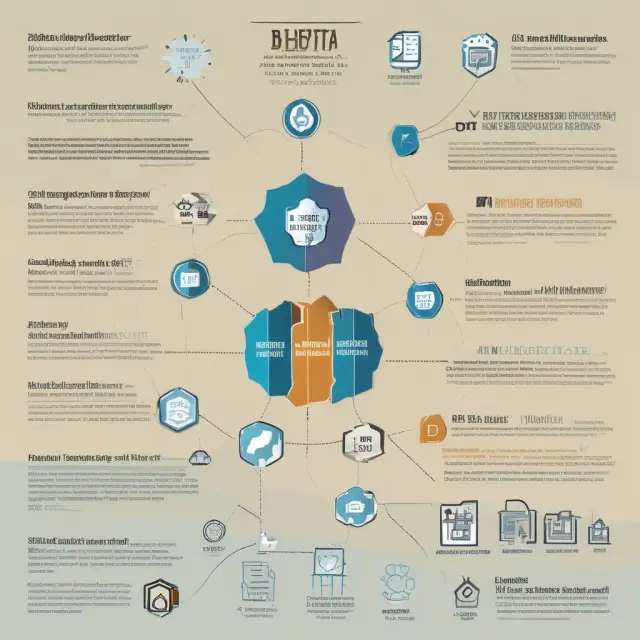
The History of DTCC: A Chronology of Changes and Development in Clearinghouse Operations
Founded as a merger of two entities, the Depository Trust Company (DTC) and the National Securities Clearing Corporation (NSCC), in 1999, the Depository Trust and Clearing Corporation (DTCC) emerged as an essential component of modern financial markets. Let us journey back through time and explore the significant milestones that shaped DTCC’s evolution:
Origin of DTC
Before the advent of the DTCC, securities settlement was a complex and labor-intensive process. The stock exchanges would close weekly to deal with the massive amount of paper-based stock certificates, leading to inefficiencies and high costs for brokerage firms. In 1973, the Depository Trust Company (DTC) was established to address this issue by acting as a central repository for securities certificates and providing settlement services for transactions between brokers. The DTC streamlined the process by eliminating the need for physical transfers of paper stock certificates, resulting in reduced costs and increased efficiency.
Formation of NSCC
In response to the need for multilateral netting—a more efficient approach to settling multiple trades among multiple parties simultaneously—the National Securities Clearing Corporation (NSCC) was founded in 1976. This new entity brought about a significant transformation as it allowed brokerages to settle transactions on a net basis, rather than individually, reducing the number of settlement obligations and the amount of cash movements.
Merger of DTC and NSCC
In the late 1990s, the financial markets experienced rapid advancements in technology and increasing competition among clearinghouses. To remain competitive, DTC and NSCC decided to merge in 1999. The result was the establishment of the Depository Trust and Clearing Corporation (DTCC), a unified entity encompassing the best of both worlds: the settlement services provided by DTC and the netting capabilities of NSCC.
The Impact of DTCC on Financial Markets
With the merger, DTCC became a centralized solution for securities processing, boasting an impressive market share in clearing and settling securities transactions across the United States. Its significant contributions to the financial markets include:
- Automating settlements through electronic recordkeeping
- Centralizing the netting process
- Streamlining securities transactions by reducing the need for physical certificates
- Enhancing risk management and reducing counterparty exposure
- Providing a single point of contact for market participants, simplifying communication and reducing redundancy.
Continued Innovation and the Future of DTCC
The DTCC has continued to adapt to changing market conditions and technological advancements, expanding its services to include alternative investment products, mutual funds, and insurance products. Today, it remains committed to innovation and growth as it strives to provide efficient, secure, and cost-effective clearing, settlement, and information services for a diverse range of financial instruments.
In conclusion, the Depository Trust and Clearing Corporation (DTCC) has transformed the landscape of financial markets by providing essential clearing, settlement, risk management, and asset servicing solutions for various securities products. Its history is marked by significant milestones, including the establishment of DTC in 1973 to eliminate the need for physical stock certificate transfers, followed by NSCC’s formation to promote multilateral netting, and eventually, the merger of both entities into the DTCC in 1999. By automating, centralizing, standardizing, and streamlining financial markets, the DTCC continues to shape the future of securities processing.

Understanding DTC vs. NSCC: Subsidiaries of the Depository Trust and Clearing Corporation (DTCC)
The Depository Trust and Clearing Corporation (DTCC) is a renowned financial services company that provides critical clearing and settlement services to various securities markets in the United States. When discussing DTCC, it’s essential to distinguish between its two primary subsidiaries: the Depository Trust Company (DTC) and the National Securities Clearing Corporation (NSCC). Let’s delve deeper into each of these entities and their distinct roles within the larger organizational structure.
The Depository Trust Company (DTC): The DTC, a subsidiary of the DTCC, acts as the central securities depository in the United States. Since 1973, it has been responsible for settling trades, managing securities transfers, and processing corporate actions. By serving as the central repository for millions of active securities, the DTC facilitates ownership changes and reduces costs through increased efficiencies. The DTC’s settlement services are a critical component of its operations; they provide automated, secure, and efficient processes that enable the exchange and transfer of financial instruments between parties involved in a securities transaction.
The National Securities Clearing Corporation (NSCC): Established in 1976, the NSCC is another key subsidiary within the DTCC group. Regulated by the Securities Exchange Commission (SEC), the NSCC offers clearing, settlement, risk management, and other financial services to participants in various securities markets. It also plays a crucial role in providing multilateral netting for its members, summing up transactions among several parties centrally rather than settling them individually. This approach reduces the volume of invoicing and payment settlements, contributing significantly to streamlined processes.
In summary, the DTCC serves as an essential umbrella organization that oversees and manages risk for its two primary subsidiaries: the DTC and the NSCC. The DTC acts as the central securities depository and provides critical settlement services, while the NSCC offers clearing, settlement, risk management, and other financial services, as well as providing multilateral netting solutions for participants in various securities markets.

The Future of DTCC: Continued Innovation in Clearing, Settlement, and Risk Management
The Depository Trust and Clearing Corporation (DTCC) has been a cornerstone of the American financial services industry for decades. With a legacy spanning over 45 years, the company’s role as a central clearinghouse and settlement organization has evolved to meet the changing demands of the global marketplace. As technology continues to advance and regulatory requirements become more stringent, DTCC remains committed to staying ahead of the curve.
One of DTCC’s most significant initiatives involves its ongoing efforts in digitalization and automation. The company is working closely with clients, industry groups, and regulators to develop solutions that will streamline processes, reduce costs, and improve operational efficiencies. This includes initiatives like Project Ion, a digital platform designed to enable straight-through processing (STP) of securities transactions.
Project Ion aims to provide a secure, cloud-based infrastructure for post-trade processing that will allow for real-time data sharing, automation, and reduced reliance on paper processes. This is expected to result in significant cost savings for both buyers and sellers in the financial markets while also improving settlement efficiency and reducing risk.
Another area of focus for DTCC is regulatory compliance. As regulatory requirements continue to evolve in response to market changes, the company has been working to adapt its services to meet these new demands. For example, DTCC’s recent implementation of Regulatory Reporting Factory (RRF) is a centralized reporting solution that streamlines data collection and validation for multiple regulatory reports across various asset classes. This platform is designed to reduce operational burden and risk by providing a more automated and standardized approach to regulatory compliance.
Innovation in risk management is also a critical component of DTCC’s future plans. The company is exploring the use of artificial intelligence (AI) and machine learning algorithms to enhance its risk modeling capabilities, allowing it to better anticipate market movements and identify potential risks before they become significant issues. By combining these advanced analytics with its existing services, DTCC aims to provide more proactive and effective solutions for managing risk in complex, global markets.
Lastly, the company is focusing on enhancing its customer experience by investing in user-friendly technology platforms, expanding its educational resources, and offering more customized solutions tailored to the unique needs of its clients. This commitment to customer service and innovation is expected to not only attract new customers but also retain existing ones as the financial services landscape continues to evolve.
In summary, DTCC’s future plans involve continued investment in digitalization, automation, regulatory compliance, and risk management initiatives. These efforts are designed to help the company adapt to market changes, enhance operational efficiencies, reduce costs for clients, and ultimately provide a more comprehensive suite of services that cater to the evolving needs of the financial industry. As DTCC looks forward, it remains committed to its mission of providing centralized clearinghouse services, settlement solutions, and risk management capabilities to help ensure a secure, stable, and efficient financial marketplace for all participants.

Frequently Asked Questions (FAQ) About the Depository Trust and Clearing Corporation (DTCC)
What is the Depository Trust and Clearing Corporation (DTCC)?
The Depository Trust and Clearing Corporation (DTCC) is a financial services company that plays a crucial role in the clearing, settlement, and information services for various securities products within the financial markets. The DTCC processes trillions of dollars of securities daily as the centralized clearinghouse for numerous exchanges and equity platforms.
What services does the Depository Trust and Clearing Corporation (DTCC) offer?
The DTCC provides a range of services, including clearance, settlement, and information services for various securities products such as government and mortgage-backed securities, corporate and municipal bonds, derivatives, mutual funds, money market instruments, alternative investment products, and insurance products. Additionally, it offers asset servicing, underwriting, and risk management through its subsidiaries.
Who owns the Depository Trust and Clearing Corporation (DTCC)?
The DTCC is owned by Participants of the Clearing Agencies holding common shares in the institution.
What role does the Depository Trust and Clearing Corporation (DTCC) play in securities transactions?
Settlement is a significant step in completing securities transactions, which the DTCC handles for most transactions in the U.S. By ensuring that trades are executed properly and on time, the settlement process contributes to investor confidence and reduces market risk. This is important as timely and accurate trades ensure that investors won’t lose their money with solvent brokerage firms or other intermediaries.
What are the differences between DTC and DTCC?
The Depository Trust Company (DTC), a subsidiary of the DTCC, focuses on settling securities trades and moving securities for NSCC net settlements while processing corporate actions, underwriting, and other services. The National Securities Clearing Corporation (NSCC), another subsidiary of the DTCC, provides clearing, settlement, risk management, and other financial services.
How does the Depository Trust and Clearing Corporation (DTCC) streamline the financial markets?
The DTCC automates, centralizes, standardizes, and streamlines financial markets by netting transactions among multiple parties centrally rather than settling them individually. This reduces the amount of invoicing and payment settlements required, making processes more efficient for all involved parties.
What is multilateral netting?
Multilateral netting is a process where multiple parties arrange for transactions to be summed up centrally instead of being settled individually. The Depository Trust and Clearing Corporation (DTCC) and its subsidiaries provide this service, allowing for more efficient financial markets by reducing the overall amount of invoicing and payment settlements needed.
What is the history of the Depository Trust and Clearing Corporation (DTCC)?
The National Securities Clearing Corporation (NSCC), a subsidiary of the DTCC, was founded in 1976 to overcome challenges arising from the exchange of physical stock certificates. The DTC, another subsidiary of the DTCC, was established in 1973 as a securities depository that eventually expanded its services to include settlement and clearing. Together, they have made significant strides in automating, centralizing, and standardizing financial markets since their creation.
 Next entry · No. 1,144Understanding Debt-to-Income (DTI) Ratio: The Importance and Limitations
See also
-
 No. 1,492
23 Sep 2024
18 min
Understanding the Role of Fixed Income Clearing Corporation (FICC) in the U.S. Financial Markets
Finance Policy
No. 1,492
23 Sep 2024
18 min
Understanding the Role of Fixed Income Clearing Corporation (FICC) in the U.S. Financial Markets
Finance Policy -
 No. 4,024
16 May 2025
20 min
Understanding Post-Trade Processing: Verifying Trades, Clearing, Settlement, and Reducing Risks in Financial Markets
Business Finance
No. 4,024
16 May 2025
20 min
Understanding Post-Trade Processing: Verifying Trades, Clearing, Settlement, and Reducing Risks in Financial Markets
Business Finance -
 No. 5,044
07 Aug 2025
21 min
Transaction Costs: Understanding Fees, Types, and Minimizing Their Impact on Your Investments
Finance Policy
No. 5,044
07 Aug 2025
21 min
Transaction Costs: Understanding Fees, Types, and Minimizing Their Impact on Your Investments
Finance Policy -
 No. 3,589
10 Apr 2025
19 min
Understanding the National Securities Clearing Corporation (NSCC): A Key Player in the Financial Industry
Finance Policy
No. 3,589
10 Apr 2025
19 min
Understanding the National Securities Clearing Corporation (NSCC): A Key Player in the Financial Industry
Finance Policy -
 No. 1,227
15 Aug 2024
20 min
Understanding Economic Indicators: A Comprehensive Guide for Institutional Investors
Finance Policy
No. 1,227
15 Aug 2024
20 min
Understanding Economic Indicators: A Comprehensive Guide for Institutional Investors
Finance Policy -
 No. 1,156
05 Aug 2024
21 min
Understanding the Durbin-Watson Statistic: Testing for Autocorrelation in Regression Analysis
Finance Policy
No. 1,156
05 Aug 2024
21 min
Understanding the Durbin-Watson Statistic: Testing for Autocorrelation in Regression Analysis
Finance Policy