The Dutch Tulip Bulb Market Bubble: A Timeless Parable of Greed and Excess

Discover the fascinating story of the Dutch Tulip Bulb Market Bubble - a timeless tale of greed, excess, and the human obsession with rare beauty.
Background: The Introduction of Tulips in Europe
Tulips first graced European soil in 1593 when a Dutch merchant returned from Constantinople with bulbs in his luggage. Initially, these exotic blooms were considered an expensive luxury reserved for the affluent. But as demand grew, professional cultivators began refining methods to grow and reproduce tulips locally in Holland.
By the 17th century, tulips had become a status symbol, with many in society vying for these vibrant blossoms. The emergence of broken bulbs – those displaying multicolored patterns – added fuel to the fire of demand and inflated prices.
Tulipmania: A Parable of Greed and Excess
The Dutch tulip bulb market bubble, known as tulipmania, is a legendary episode in economic history. It began in 1634 when the populace became captivated by these exotic and desirable flowers. As the passion for tulips intensified, prices skyrocketed to unprecedented heights, with one bulb fetching as much as six times an average person’s annual salary.
The origins of this bubble can be traced back to several factors:
- The desire for social status and prestige led individuals to purchase tulips as a sign of wealth and sophistication.
- Professional cultivators refined methods for producing and exporting high-quality bulbs, fueling demand from both domestic and foreign markets.
- Speculation and leveraged trading through derivatives contracts further intensified the price escalation.
- The introduction of “broken bulbs” with their unique multicolored patterns added to the allure and desirability of these flowers.
The consequences of tulipmania were far-reaching: it exposed the vulnerabilities of a burgeoning economy, strained relationships, and ultimately led to financial ruin for many. Yet, the story of this extraordinary event continues to resonate today as a timeless parable about human nature, greed, and excess.
The following sections will delve deeper into the various aspects of tulipmania: its causes, market dynamics, societal impact, and enduring legacy.

The Rise of Professional Tulip Cultivation
Professional cultivation methods and refined techniques for growing tulips locally emerged in Holland during the early 1600s, establishing a thriving business sector. The Dutch population was captivated by these exotic flowers due to their rarity and the allure of status symbols. As tulips became increasingly popular among the affluent classes, professional cultivators stepped up to meet the demand, creating an intriguing economic phenomenon that has persisted to this day.
Intriguingly, it was discovered that tulips could grow from seeds or buds on the mother bulb. While a bulb grown from seed would take seven to 12 years before flowering, a mature bulb itself could flower the following year. The emergence of so-called ‘broken bulbs,’ which displayed striped, multicolored patterns rather than solid colors due to a mosaic virus strain, sparked increased demand for these unique and rare tulips. This desirable variation fueled the escalating prices during the Dutch tulip bulb market bubble.
During the mid-1600s, the fascination with tulips permeated all levels of Dutch society, as Mackay documented in his classic analysis, ‘Extraordinary Popular Delusions and the Madness of Crowds.’ From merchants to chimney sweeps, everyone seemed to be caught up in this frenzy. The rapid increase in demand led to the establishment of regular markets for tulip sales on the Stock Exchange of Amsterdam and other major cities. Professionals traders, or stock jobbers, also entered the scene, hoping to capitalize on the seemingly unstoppable market trend.
As the mania reached its peak in 1637, prices began to plummet as confidence waned. Many investors were left holding bulbs they could no longer afford and declared bankruptcy. Despite the bubble’s collapse, it had a lasting impact on Dutch society. The event served as a cautionary tale against excessive consumerism and greed, as many reputations and relationships were destroyed due to unpaid debts incurred during the mania.
The Dutch tulip bulb market bubble has since been studied extensively by economists and historians, who continue to debate its true extent and significance. While some argue that it was a classic example of a speculative bubble fueled by irrational exuberance and the fear of missing out, others suggest that it was a rational response to contractual obligations and the production lag inherent in growing tulips. Regardless, the story of tulipmania remains an intriguing and captivating chapter in economic history.

Broken Bulbs: A Catalyst for Demand and Higher Prices
The discovery of ‘broken bulbs’ played a significant role in fueling the tulipmania bubble by driving demand for rare, unique, and multicolored tulips. The desirable, intricate patterns on these bulbs were a result of a mosaic virus strain that affected their appearance. The emergence of broken bulbs in the Dutch market introduced a new dimension to tulip trading and created an allure that transcended the traditional solid-colored bulbs.
Initially, professional cultivators in Holland had successfully refined techniques to grow and produce tulips locally, which led to a flourishing business sector. As demand for these exotic flowers grew among the Dutch society, broken bulbs became highly sought after due to their unique patterns and rarity. The production of such bulbs was complex, requiring careful cultivation and nurturing to develop the virus strain responsible for creating the multicolored patterns.
The emergence of professional cultivation methods in Holland provided a fertile ground for the growth and development of rare tulips, including those with broken bulbs. With their beautiful colors and intricate patterns, these unique flowers soon became an obsession among the Dutch people. By the early 1630s, the demand for broken bulbs had grown exponentially, leading to steep price increases and speculation.
The desirability of tulips with broken bulbs transcended social classes, and collectors from all walks of life eagerly sought them out. This created a surge in demand, driving the prices of these rare flowers to astronomical levels. The market’s escalation was further fueled by the belief that the price could only continue to rise, leading some to buy on credit and through derivatives contracts.
As the tulipmania bubble grew larger, professional traders capitalized on the trend and began purchasing large quantities of broken bulbs to sell at higher prices. The market’s upward momentum seemed unstoppable until a sudden shift in sentiment led to panic selling and widespread bankruptcies. Despite the eventual collapse of the market, the story of the Dutch tulipmania remains an enduring parable about the risks and perils of excessive speculation and greed.

The Tulip Craze: Sweep Over Holland (1634-1637)
In the early 1600s, tulips became a symbol of wealth and status in the Netherlands. Initially introduced as exotic imports, they quickly gained popularity among the affluent for their rarity and fragility. However, this desirability created an opportunity for professional cultivators who began refining techniques to grow and produce tulips locally. As these bulbs became more accessible, their allure spread beyond the upper echelons of society, leading to a massive surge in demand.
Towards the end of the 1630s, this fascination reached unprecedented levels, culminating in what is now known as the Dutch Tulip Bulb Market Bubble. The market was driven primarily by speculation, with many investing large sums of money on the hope that prices would continue to rise. This craze swept through all segments of Dutch society, from the wealthiest merchants to the poorest chimney sweeps.
At the height of tulipmania, a rare bulb could fetch as much as six times an average person’s annual salary, with some reaching prices equivalent to a mansion on the Amsterdam Grand Canal. This was largely due to the fact that growing tulips took considerable time and resources. Additionally, a phenomenon known as ‘broken bulbs’, which featured multicolored patterns, fueled demand for these rare bulbs.
The rapid escalation of prices sparked a sense of urgency among investors, with many purchasing bulbs on credit or through margin trading, hoping to sell them at a profit when the price increased further. This created an intricate web of interconnected trades and obligations, with both buyers and sellers depending on one another to fulfill their end of the bargain.
Despite warnings from some about the unsustainability of such excessive speculation, many continued to pour money into the market, believing that prices would only continue to rise. However, as early as 1635, signs of a slowdown began to emerge. Sellers found it increasingly difficult to locate buyers willing or able to pay exorbitant prices for bulbs.
This trend continued into 1637, when the bubble finally burst. With no viable market for their bulbs, many were left with debts they could not repay and had to declare bankruptcy. This event, while not catastrophic for the Dutch economy, did shake the foundations of society, as trust and relationships built on financial obligations were shattered.
Today, the tale of the Dutch Tulip Bulb Market Bubble serves as a cautionary reminder of the dangers of unchecked speculation and excess. It is often compared to other market bubbles, such as the dotcom boom at the turn of the millennium or the housing bubble in 2008, underscoring the enduring relevance of this historical event.
In the following sections, we will explore the origins of tulips in Europe and their introduction to Holland, the methods used for cultivation, the emergence of professional growers, and the eventual rise and fall of the infamous bubble.

Market Mania: Trading on Credit and Derivatives
The feverish demand for rare tulips during tulipmania did not only result from their exotic appeal but also from the leverage provided by credit and derivatives markets. The ease of access to credit allowed people to purchase bulbs beyond their means, escalating the bubble even further. According to an article in the Journal of Economic History, “By 1637, people were using contracts for future deliveries, which amounted to selling tulips not yet in bloom. These derivatives, known as options or futures, allowed buyers and sellers to speculate on price movements, potentially making a profit if prices rose.”
This trading practice amplified the market’s volatility, adding fuel to the fire of rising tulip prices. The widespread use of these financial instruments exacerbated the bubble phenomenon as people gambled on future price increases with minimal initial investment. The allure of potentially reaping substantial profits from a small outlay tempted many into the market, further inflating demand and prices for bulbs.
Moreover, credit allowed tulip speculation to reach wider demographics, as people could purchase bulbs based on future earnings or borrow from others to acquire them. The accessibility of credit not only enabled individuals to trade bulbs but also facilitated a thriving secondary market where traders could profit by buying and selling futures contracts.
The widespread use of credit and derivatives played a significant role in the tulipmania bubble, intensifying the speculative frenzy and contributing to the eventual collapse as the market became unsustainable. As people’s faith in the ever-rising prices began to wane, panic selling ensued, leading to massive losses for many and an economic downturn in the Dutch economy.
Despite the financial fallout that followed, the use of credit and derivatives in trading continues to be a crucial component of modern markets, illustrating the fine line between opportunity and risk that investors face when engaging in such activities.

The Fall of Tulipmania: The Bubble Bursts (1637)
As previously mentioned, by 1636, the tulip bulb market had reached unprecedented heights with prices skyrocketing beyond rational expectations. This was largely due to the growing number of speculators and investors who saw potential profits in purchasing and selling these rare bulbs based on future demand. However, it was not until the end of 1637 when the bubble finally burst, causing widespread panic and financial ruin.
The first signs of trouble emerged in February 1637 when rumors started to circulate that a large shipment of tulips from England had been lost at sea, which significantly impacted the Dutch market. This news fueled concerns about potential oversupply, leading some investors and traders to sell their holdings in bulk. Prices for tulip bulbs began to decline rapidly, causing panic among those who held large investments.
Despite these early warning signs, many people continued to hold on to their investments, hoping that prices would rebound. However, as more and more investors started to sell, the market collapsed in March 1637. This caused a domino effect across various sectors of Dutch society, as people were left with large debts they could not repay due to their significant losses in the tulip bulb market.
According to Charles Mackay’s account in Memoirs of Extraordinary Popular Delusions and the Madness of Crowds, many people had purchased bulbs on credit during the height of the bubble, expecting to sell them at a profit in the near future. With the sudden market collapse, these individuals were forced to declare bankruptcy as they could no longer afford to repay their debts.
The social and economic impact of tulipmania was profound. The event destroyed relationships built on trust, as people who had promised to pay high prices for bulbs refused to do so. It also led to a decline in confidence in the Dutch economy and its financial institutions, which took several years to recover.
Despite the devastating consequences of tulipmania, the lessons learned from this historical event continue to resonate today. The story serves as a reminder of the dangers of excessive speculation, debt, and irrational exuberance in financial markets. It also highlights the importance of understanding the fundamentals underlying asset prices and avoiding the temptation to chase after bubbles that are driven by crowd psychology rather than sound economic principles.
FAQ: Frequently Asked Questions about Tulipmania
What was the Dutch tulip bulb market bubble?
Tulipmania was a period of excessive speculation and investing in tulip bulbs in the Netherlands during the 17th century. Prices for these bulbs reached unprecedented heights, leading to significant financial losses when the market collapsed in early 1637.
How did tulipmania start?
The tulip bulb market began to gain momentum in the Netherlands during the late 1500s, with professional cultivators refining techniques to grow and produce these exotic flowers locally. However, it wasn’t until the early 1630s when tulips became highly sought-after status symbols that prices started to rise significantly.
What caused the Dutch tulip bulb market bubble to burst?
Several factors contributed to the collapse of the Dutch tulip bulb market, including oversupply concerns due to rumors of a large shipment from England and growing debt levels among those who had purchased bulbs on credit. These issues combined to create a domino effect, leading to widespread panic selling and significant financial losses for many investors.
What was the social impact of tulipmania?
The Dutch tulip bulb market bubble had profound social consequences, as it destroyed relationships built on trust and caused a decline in confidence in the Dutch economy and its financial institutions. It also highlighted the dangers of excessive speculation, debt, and irrational exuberance in financial markets.
What lessons can we learn from tulipmania?
The Dutch tulip bulb market bubble serves as a reminder of the importance of understanding the fundamentals underlying asset prices and avoiding the temptation to chase after bubbles that are driven by crowd psychology rather than sound economic principles. It also underscores the dangers of excessive speculation, debt, and irrational exuberance in financial markets.
What other historical events can be compared to tulipmania?
Similarities between tulipmania and other historical events include the South Sea Bubble, Mississippi Scheme, Beanie Babies, baseball cards, non-fungible tokens (NFTs), and shipping stocks. These examples all demonstrate the cyclical nature of asset bubbles and the importance of understanding underlying market dynamics to mitigate potential risks.

Tulipmania’s Legacy: Real-World Examples of Extreme Buying
The Dutch tulip bulb market bubble serves as a compelling example of human behavior when it comes to investing and the potential consequences of unchecked greed and speculation. Its echoes can still be felt in today’s financial markets, as we witness similar patterns in various asset classes that have experienced rapid growth followed by sharp declines. Let us examine some examples, such as Beanie Babies, baseball cards, non-fungible tokens (NFTs), and shipping stocks.
The Beanie Baby Phenomenon
Beanie Babies, those small stuffed animals filled with plastic pellets, gained immense popularity during the late 1990s. Their value skyrocketed due to the collectibility factor and limited availability of certain designs. Much like tulips, people paid exorbitant amounts for these toys in anticipation of even greater returns. The speculative buying frenzy continued until Ty Inc., Beanie Babies’ manufacturer, began producing more dolls than demand required, leading to a dramatic decrease in value.
Baseball Cards
Baseball cards have long been a favorite among collectors, with some reaching extraordinary prices. The T206 Honus Wagner card is considered the holy grail of baseball card collecting. In 2016, it sold for an astonishing $3.12 million at auction, making it one of the most valuable sports memorabilia pieces ever sold. Collectors were willing to pay a premium due to its rarity and historical significance. However, like tulips, baseball cards can also experience sharp declines in value when demand wanes or new trends emerge.
Non-Fungible Tokens (NFTs)
With the advent of blockchain technology, NFTs have taken the art world by storm. These digital assets represent ownership of unique items and are stored on a decentralized ledger, making them invaluable to collectors. The first NFT sale occurred in 2014 when an artist named Kevin McCoy sold his piece “Quantum” for $430. Fast forward to March 2021, and the record was shattered with Beeple’s “The First 5000 Days,” selling for a staggering $69 million. This rapid increase in value can be attributed to hype, FOMO (Fear Of Missing Out), and the potential for future gains. However, NFT markets are still new and highly volatile, making it uncertain whether their value will remain consistently high or experience sharp declines similar to tulips or other asset classes.
Shipping Stocks
Investors have also experienced tulipmania-like situations with shipping stocks in the early 21st century. The sector enjoyed a significant surge during the COVID-19 pandemic, driven by increased demand for goods and supply chain disruptions. In April 2020, the Vanmoor Group, a Dutch investment firm, purchased a container ship, the Benchajbou A, for $43 million with the intention of transforming it into a floating hotel. This transaction set off a wave of buying interest in other shipping stocks, causing their values to soar. However, as economies reopened and global trade resumed, shipping stock prices experienced a sharp decline, leaving many investors with significant losses.
Tulipmania’s Enduring Impact
The Dutch tulip bulb market bubble serves as a cautionary tale that continues to resonate in today’s financial markets. The rapid price increases and subsequent collapses are often described using the same terminology: bubbles, manias, and speculative frenzies. Understanding the underlying causes and consequences of tulipmania can help investors better navigate potential risks and make informed decisions when considering investments. As history has shown, excessive greed, hype, and a belief in future gains can lead to unsustainable asset price increases that eventually result in significant losses. In the end, it pays to remain vigilant and grounded in fundamentals rather than succumbing to market hysteria.
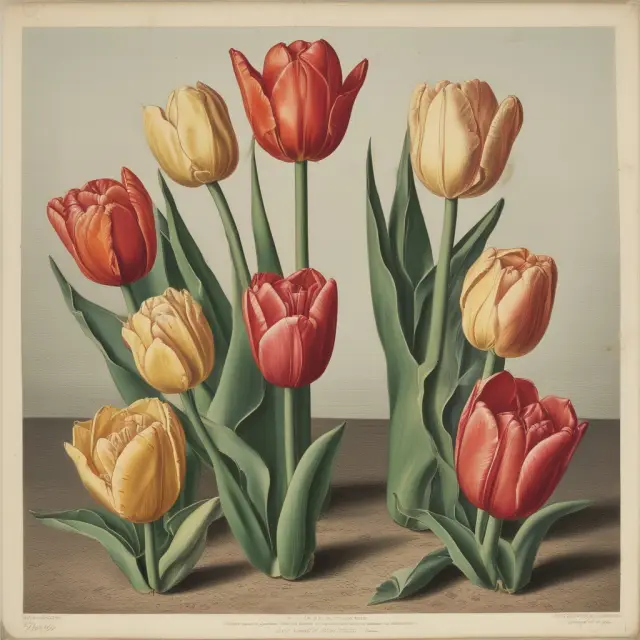
Did the Dutch Tulipmania Really Exist?
The story of the Dutch tulip bulb market bubble is one of the most well-known financial fables in history. It recounts a time when an obsession with rare and expensive tulips led to wild speculation, skyrocketing prices, and ultimately, mass bankruptcies. However, the authenticity and extent of this market mania have been questioned by scholars over the centuries.
Historically, tulips were introduced to Europe from Turkey in 1593. They quickly became a symbol of wealth and status among the affluent classes, especially in the Netherlands. As cultivation techniques improved, so too did the demand for these exotic flowers. Tulips were prized not only for their beauty but also for their rarity, as growing them required significant expertise and resources.
Among the most sought-after bulbs were those with a broken pattern – multicolored varieties that evolved from a mosaic virus. These rare and desirable bulbs fueled further interest in the tulip market, leading to increased demand and prices. However, it was not until the 1630s that the market took a dramatic turn, as speculation, credit transactions, and derivatives played a significant role in driving up the value of these bulbs.
The frenzy reached its peak between 1634 and 1637, with some rare tulips selling for as much as six times the annual salary of an average person. This period became known as tulipmania – a time when the ordinary industry of the Netherlands was neglected in favor of the allure of these expensive bulbs.
The financial consequences of this bubble were profound, with many people losing their fortunes due to failed investments and bankruptcies. However, recent scholarly perspectives have raised doubts about the true extent of tulipmania, suggesting that it might have been exaggerated as a cautionary tale of greed and excess.
One of these scholars is economist Earl Thompson, who has studied the economic aspects of tulipmania in detail. His research reveals that the prices of tulip bulbs were actually quite rational, given the contractual obligations between buyers and sellers. The production lag – the time it took for new bulbs to grow after being planted – prevented the market from adjusting quickly to price changes. Additionally, the contracts entered into by growers to sell their bulbs at a later date were enforced rigorously by the Dutch government, contributing to the perceived “bubble” phenomenon.
Another historian, Anne Goldgar, supports Thompson’s view that tulipmania was not an economic or speculative bubble in the traditional sense. Instead, she argues, it was a traumatic experience for the Dutch society due to broken relationships and reputations, as people failed to fulfill their contractual obligations after the bubble burst.
In conclusion, while the story of tulipmania remains a fascinating tale of human behavior and market speculation, recent scholarship suggests that it may have been overdramatized as a moral lesson in restraining greed and avoiding financial excess. The true impact of tulipmania on the Dutch economy and society is still debated among historians, but one thing is certain: it serves as an enduring reminder of the risks and rewards associated with investing in exotic commodities driven by public demand.

Tulipmania: A Rational Response to Contractual Obligations?
Earl Thompson, an economist, challenges the popular notion of tulipmania as a classic financial bubble by suggesting that it was instead a rational response to contractual obligations. The production lag between demand and supply, combined with legally binding contracts for future sales, created market efficiency rather than speculation-driven price increases.
The production cycle of tulips is essential to understanding Thompson’s perspective on the market’s behavior during the Dutch tulip bulb bubble. Unlike many commodities, tulips require a significant growing period before they can be harvested for sale. Consequently, it would have been impossible for cultivators to increase production in response to price increases that occurred during the 1630s.
In addition, Dutch growers entered into binding contracts for the future sale of their bulbs. These contracts, which were rigorously enforced by the government, prevented suppliers from selling their products to multiple buyers or withholding them from the market in hopes of higher prices. By ensuring a stable supply and consistent demand for tulips, these contracts effectively stabilized the market despite the speculation and price increases that characterized the bubble.
The data from these contracts supports Thompson’s argument that prices for tulip bulbs were dictated by economic fundamentals rather than irrational behavior or greed. In fact, according to economist Anne Goldgar, actual sales of new tulips remained at ordinary levels throughout the period, creating an oversupply in the market and further depressing prices by 1638.
Despite these findings, it is essential to recognize that while the price movements in the tulip bulb market might not have constituted a classic financial bubble, they nonetheless had significant consequences for the Dutch economy and society. The widespread belief in the existence of an irrational, unsustainable price bubble led to social and cultural shock when buyers failed to meet their contractual obligations. Although these defaults affected only a few individuals, they broke relationships and reputations based on credit and trust.
In conclusion, while tulipmania is often presented as a paradigm of greed and excess in financial markets, recent research by economists like Earl Thompson and Anne Goldgar challenges this interpretation. Instead, the Dutch tulip bulb bubble might have been a rational response to contractual obligations and economic fundamentals, with prices reflecting supply and demand rather than speculation or irrational behavior.
Thompson’s perspective on the market offers valuable insights into how seemingly irrational price movements can be grounded in economic realities. It also underscores the importance of recognizing the limitations of historical narratives and anecdotal evidence, as well as considering alternative interpretations when analyzing financial markets and their behavior.

Understanding Tulipmania’s Impact on Dutch Economy and Society
The aftermath of tulipmania left a significant impact on Dutch economy and society. While the financial aspect may be the most popularized narrative, the societal implications were equally profound, altering relationships, trust, and reputations in lasting ways.
Historically, the Dutch reaction to tulipmania was not just one of shock, but also concern for moral decay. According to Calvinist beliefs, wealth accumulation beyond necessity was considered ungodly and potentially corrupting. The obsession with rare tulips, especially among the lower classes, fueled fear that society would stray from its traditional values.
The crisis destroyed many relationships built on trust and financial obligations. As noted by Smithsonian Magazine, some of the wealthiest merchants were left in debt and declared bankruptcy following their inability to repay loans secured through tulip sales. Even those who had made a profit lost their reputations when buyers, often from lower classes, failed to pay for their bulbs.
This societal unrest did not just remain an issue within Holland, it spread throughout Europe as well. Charles Mackay’s account of the incident in his 1841 book ‘Memoirs of Extraordinary Popular Delusions and the Madness of Crowds’ added to the event’s infamy, further solidifying tulipmania as a cautionary tale of greed, excess, and financial speculation.
Despite its negative impact on relationships and reputations, tulipmania also played an important role in shaping the Dutch economy. The professional cultivation sector flourished, leading to a lasting demand for high-value bulbs. This not only established the foundation for modern flower farming but also contributed significantly to the country’s overall prosperity.
Today, the Dutch tulip industry remains a major part of their economic landscape, with over 2 billion bulbs being exported annually. Additionally, the cultural significance of tulips continues to be felt, not only in the Netherlands but globally as well. The story of tulipmania serves as an enduring reminder of how the pursuit of wealth and desire for status symbols can lead to unexpected consequences.

FAQ: Frequently Asked Questions about Tulipmania
What is the Dutch Tulip Bulb Market Bubble?
The Dutch tulip bulb market bubble, also referred to as tulipmania, represents one of the most famous financial bubbles and crashes in history. During this period, between 1634 and 1637, the value of rare tulip bulbs escalated dramatically due to excessive speculation and greed, with some bulbs selling for up to ten times the average person’s yearly salary.
What caused the Tulipmania bubble?
Tulips first arrived in Europe in the 16th century and were considered a symbol of luxury and wealth among the elite. As tulips gained popularity, professional cultivation methods improved, allowing for the production of rare bulbs with unique multicolored patterns. These “broken bulbs” became highly desirable, driving up demand and prices.
How did the Tulipmania bubble burst?
The market was primarily fueled by credit and derivatives, allowing investors to bet on future bulb prices without actually owning the physical bulbs. Once confidence in the market began to wane, sellers refused to honor their contracts and buyers were unable to pay their debts, leading to a domino effect of bankruptcies and the eventual collapse of the market.
What was the impact of Tulipmania on Dutch economy and society?
Although it did not cause significant economic damage, the Tulipmania bubble did lead to societal consequences, as trust and relationships were shattered when buyers failed to pay for bulbs they had agreed to purchase. The event became a cautionary tale against excessive greed and speculation in markets.
What are some real-world examples of extreme buying similar to Tulipmania?
Comparable phenomena to the Dutch tulip market bubble include the Beanie Babies craze, baseball cards, non-fungible tokens (NFTs), and shipping stocks. In each instance, investors exhibit irrational expectations and a collective belief that prices will continue to rise, leading to unsustainable market conditions and eventual crashes.
Did the Dutch Tulipmania really exist?
Recent scholarship casts doubt on the authenticity of the Tulipmania bubble, suggesting it may have been exaggerated as a cautionary tale against greed and excess in financial markets. Economists Earl Thompson and Anne Goldgar argue that the bubble might have resulted from contractual obligations and market efficiency rather than irrational exuberance.
What can we learn from Tulipmania?
The story of tulipmania serves as a reminder of the potential perils of excessive speculation, unrealistic expectations, and the influence of crowd psychology in financial markets. It highlights the importance of maintaining a rational perspective and understanding the underlying fundamentals of an investment.
 Next entry · No. 1,160Delivery Versus Payment (DVP): A Secure Settlement Process for Professional and Institutional Investors
See also
-
 No. 5,920
18 Oct 2025
20 min
Zombie Companies: Understanding the Dynamics and Risks
Business Finance
No. 5,920
18 Oct 2025
20 min
Zombie Companies: Understanding the Dynamics and Risks
Business Finance -
 No. 5,915
18 Oct 2025
19 min
Zombie Banks: Understanding Insolvent Financial Institutions Supported by Governments
Business Finance
No. 5,915
18 Oct 2025
19 min
Zombie Banks: Understanding Insolvent Financial Institutions Supported by Governments
Business Finance -
 No. 5,803
08 Oct 2025
19 min
Understanding the World Gold Council: Its Role in Gold Mining, Investment, and Consumption
Business Finance
No. 5,803
08 Oct 2025
19 min
Understanding the World Gold Council: Its Role in Gold Mining, Investment, and Consumption
Business Finance -
 No. 5,801
08 Oct 2025
24 min
Understanding the Role and Impact of the World Bank
Business Finance
No. 5,801
08 Oct 2025
24 min
Understanding the Role and Impact of the World Bank
Business Finance -
 No. 5,226
22 Aug 2025
20 min
Understanding the Basics of Unemployment Claims: A Comprehensive Guide for Institutional Investors
Business Finance
No. 5,226
22 Aug 2025
20 min
Understanding the Basics of Unemployment Claims: A Comprehensive Guide for Institutional Investors
Business Finance -
 No. 5,062
08 Aug 2025
20 min
Understanding Treasury Yields: Influence on Investors, Consumers, and the Economy
Business Finance
No. 5,062
08 Aug 2025
20 min
Understanding Treasury Yields: Influence on Investors, Consumers, and the Economy
Business Finance