The Evolution and Modern Landscape of Bookies and Sports Betting

Explore the fascinating world of bookmaking and sports betting through this comprehensive article on their history, operations, impact on culture, and…
Understanding the Role of a Bookie
A bookie, or bookmaker, plays a significant role in the world of sports betting as they manage odds, collect and distribute bets, and pay out winnings for their clients. The term “bookie” is derived from “book,” where bettors would write down their stakes and wagers in ledgers or “books.” Today’s bookmakers have evolved into professionals who utilize advanced data analysis and technology to calculate odds.
The primary function of a bookie is to provide betting opportunities for individuals while making a profit. They do this by setting odds, accepting and placing bets on behalf of clients, and collecting a commission on each bet, called the “vig” or “juice.” The goal for bookies is to strike a balance between the amount wagered on both sides of an event, ensuring that there is equal money risked. This way, they earn their profit while maintaining minimal financial risk.
Historically, bookmaking has been associated with illegal activities due to its association with gambling and underground betting rings. However, as attitudes towards sports betting have changed and legalization efforts have gained momentum in many parts of the world, bookmaking has become a legitimate profession. Despite these advancements, it remains essential to be aware of the laws and regulations governing sports betting and bookmaking in your area.
In recent times, technology has drastically transformed the way bookies operate. Advanced data analysis tools, online platforms, and real-time odds adjustments have made betting more accessible and convenient for individuals. As a result, modern bookies have to stay updated on market trends and adapt to new technologies to remain competitive in the ever-evolving landscape of sports betting.
In conclusion, understanding the role and functions of a bookie is crucial for anyone interested in participating in sports betting. Their expertise in calculating odds, setting lines, and managing risk plays an essential part in providing a fair and thrilling betting experience. Whether you’re a seasoned gambler or just starting out, it’s important to recognize the key role that bookies play and respect their contribution to the world of sports entertainment.
The History of Bookies and Sports Betting
Bookmaking, a term synonymous with sports betting, has evolved significantly throughout history. Though often associated with illicit activities, bookies have long played pivotal roles in facilitating bets on various sporting events. The concept of bookmaking can be traced back to ancient civilizations and has persisted through centuries, evolving as societal norms and laws have changed.
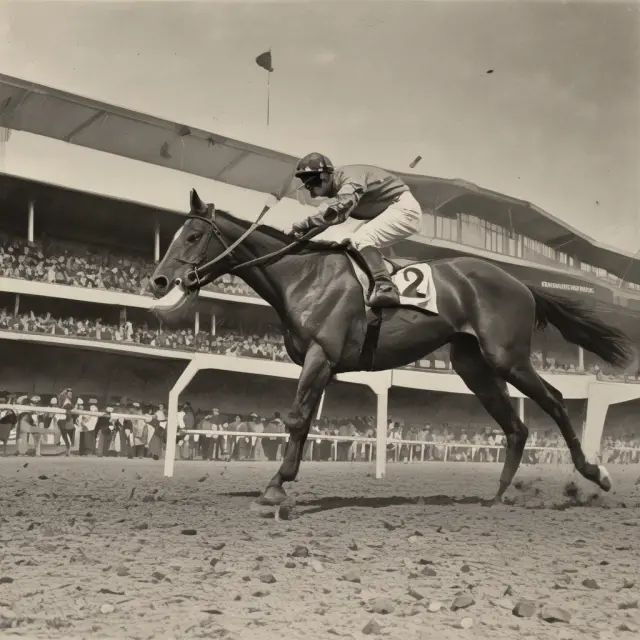
Originating in Europe, betting on horse races was a popular pastime for the aristocracy during the Middle Ages. In this era, bookies would employ runners to place bets with other bookies at neighboring racetracks, creating an interconnected network of gambling opportunities. The first known evidence of organized bookmaking dates back to 1283 when a document in Florence, Italy, mentioned that the practice was being regulated.
As European colonization spread across the globe, so did the love for sports and betting. In North America, early settlers brought their passion for gambling with them, leading to a thriving underground scene of bookmaking during the 1800s. The Pari-Mutuel System, which was developed in France around the same time, allowed bettors to pool their money together, creating a collective pot that would be paid out based on predetermined odds rather than through a bookie.
Fast forward to the 20th century, and bookmaking continued to thrive alongside evolving societal norms and technologies. The infamous Chicago Outfit, an organized crime group in the United States during Prohibition, controlled much of the illegal gambling scene. Their extensive network of bookies ensured a steady flow of revenue despite the legal challenges they faced.
As attitudes towards gambling began to change, so did the laws surrounding it. In 1961, Nevada became the first state in the U.S. to legalize sports betting, opening the doors to Las Vegas’ famous casinos and the professional bookmaking industry that emerged as a result. However, sports betting remained illegal in most of the country, leading to widespread use of illicit bookmaking operations throughout the 1980s and 1990s.
The landscape of bookmaking took another significant turn in May 2018 when the U.S. Supreme Court struck down the Professional and Amateur Sports Protection Act (PASPA), paving the way for states to legalize sports betting if they so chose. Since then, many states have followed Nevada’s lead, leading to a surge in revenue from sports betting.
The history of bookies and sports betting is rich with tales of risk-taking individuals who saw an opportunity to capitalize on the human desire for competition and gambling. From humble beginnings as runners delivering bets between racetracks to sophisticated businesses leveraging technology to process millions in wagers, bookmaking has proven itself as a resilient industry that continues to adapt to societal changes.
In the modern era, being a bookmaker is no longer confined to a dark alley or an underground operation; it can be a legitimate business conducted through licensed platforms and organizations. Yet, the risks and rewards remain the same, making it an attractive venture for those willing to embrace the challenge.

Setting Odds: A Crucial Aspect of Bookmaking
A crucial aspect of bookmaking involves determining odds, lines, and spreads for various sports events. A bookie acts as a neutral third party, setting the odds to ensure balanced betting among customers. The term “bookie” comes from “book,” referring to their record-keeping or “ledger” that lists all bets, winnings, and losses.
Understanding Bookies’ Oddsmaking Process
Bookies do not make their money by placing bets themselves; rather, they charge a commission on every bet facilitated, often referred to as the ‘vigorish’ or simply the ‘vig.’ This commission ranges from 5% to 10%, depending on the sport and the specific event.
For instance, in American football, point spreads are commonly used, while European soccer leagues may utilize fractional odds or decimal odds. The vig for different bet types also varies; for example, it’s typically higher for parlay bets than for single bets.
Determining the Odds
Bookies employ a variety of methods to calculate and set odds, such as using historical data, statistical models, and expert opinions. They analyze teams, players, past performance records, and external factors like injuries or weather conditions that may impact an event’s outcome.
The concept of ‘implied probability’ comes into play when determining the odds. Implied probability reflects the chance a particular outcome will occur based on the odds provided by the bookmaker. For example, if a team is given odds of 1/3, it implies that there’s an 85.7% (100% – 16.7%) chance the event will happen.
Lines and Spreads
Lines refer to money lines where the bettor wagers on the team or player to win a contest outright. In contrast, spreads involve predicting the margin of victory, also known as ‘point spreads’ in football or basketball. The favored team must cover the spread by winning by more points than the given margin for the bettor to win.
Balancing the Books
Maintaining a balanced book is essential for a bookie, ensuring that there’s an even amount of money wagered on both sides of the betting line. This allows the bookie to make their profit from the vigorish without taking on substantial risk themselves. The lines and spreads are adjusted based on the volume of bets placed, as well as changes in Vegas odds.
The Role of Technology
Advancements in technology have significantly impacted sports betting, making it more accessible, faster, and more convenient for customers. Bookies can now leverage software that calculates odds and displays lines and spreads automatically based on real-time data. They can also integrate multiple sports events into their platform for customers to bet on, increasing their reach and potential profits.
However, technology has not completely eliminated the role of a human bookmaker. While algorithms can provide an accurate starting point, bookies still need to use their expertise, knowledge, and understanding of their customer base to adjust odds when necessary and ensure balanced betting.
The Future
With sports betting becoming increasingly popular and legal in many parts of the world, the role of the bookie is evolving. Some are turning to online platforms, while others continue to operate traditionally. As technology advances, the role of the human bookmaker might change or even disappear, but they will undoubtedly remain a crucial player in the sports betting ecosystem for years to come.
Bookies’ Profit: The Concept of Vigorish
A bookie, often referred to as a “bookmaker,” plays a pivotal role in the dynamic world of sports betting. A bookie facilitates gambling for clients and manages risks by setting odds, accepting bets, and paying out winnings. However, it is essential to understand that their primary source of income comes from a percentage of each bet they process – the “vigorish,” commonly known as “vig.”
Understanding the Bookie’s Business Model
The term “bookie” has been associated with illicit activities due to historical context. Traditionally, bookies operated outside the law by taking bets on sporting events and managing risks for a fee. However, in the modern era, bookmaking has become a legitimate occupation in many parts of the world, especially with the growing acceptance and legalization of gambling and sports betting.
The bookie’s goal is to maintain balance in the books by adjusting the odds and ensuring an even distribution of bets on either side of a given event. This approach minimizes their risk while generating steady income through the commission on each bet placed.
The Vigorish: A Hidden Fee
Bookies generate revenue by charging a transaction fee, known as the vigorish or simply “vig,” for facilitating bets between clients. The vig is typically calculated as a percentage of the total amount wagered and ranges from 5% to 10%, depending on factors like the sport, event, and market conditions. For high-stakes events or special circumstances, bookies may charge more than 10% in the form of an extra premium.
For example, if you bet $100 on a team with odds of -200, your potential winnings are $50 ($100 x 0.5), but the bookie will also take a $10 commission (10% of the total amount wagered). This means that your net payout would be $40 instead of $50 if you win the bet.
The Role of Professional Bookmakers and Amateurs
The distinction between professional and amateur bookies lies in their resources, expertise, and scale of operations. Professional bookmakers employ advanced models for odds calculation, have access to vast databases of historical data, and work with large clientele bases. They are better equipped to handle complex bets, manage risks, and generate substantial profits.
Amateur bookies, on the other hand, usually operate at a smaller scale and may rely on their gut feelings or limited knowledge when setting odds. Their inability to effectively manage risk, lack of resources, and limited expertise can lead to inconsistent outcomes and financial losses.
In conclusion, understanding the role of a bookie and the concept of vigorish is crucial for anyone involved in sports betting. This knowledge can help bettors make informed decisions while ensuring they are aware of the inherent costs associated with the activity. By recognizing the importance of balance, risks, and odds management, individuals can approach the world of sports betting with a clearer understanding and potentially increase their chances of success.

Legality and Regulation of Bookmaking
Bookies operate in a legal gray area that varies from country to country. While some places view bookmaking as a legitimate business, others consider it a criminal activity. Let’s examine the history of bookmaking and its current regulatory landscape.
Bookmaking in History
Throughout history, bookmakers have played an intriguing role in gambling, sometimes operating legally and other times illegally. In Europe, gambling has been a common pastime since ancient Rome. Gambling houses were prevalent in Italy during the 17th century, while France saw its first gambling casino, Le Ridotto, open in Venice around 1638.
However, gambling faced restrictions as religious and moral concerns grew stronger. In Britain during the late 19th century, betting on horse racing was one of the few legal forms of gambling. The Gambling Act of 1845 recognized the legitimacy of betting shops, which eventually led to the rise of bookmakers.
The U.S., on the other hand, has had a tumultuous relationship with sports betting and bookmaking. In the early 20th century, gambling was widespread but illegal in most states. Bookies filled the gap by offering their services through underground networks. The 1960s saw an increase in organized crime-related sports betting as gangsters like Meyer Lansky, Bugsy Siegel, and Frank Costello entered the scene.
However, following public pressure and moral concerns, most states banned gambling throughout the late 20th century. Nevada was the exception, where it became a regulated industry. The trend continued until 2018 when the Supreme Court struck down the Professional and Amateur Sports Protection Act (PASPA), allowing individual states to decide their stance on sports betting.
Modern-Day Legality and Regulation
With the changing landscape of gambling laws, bookmaking has evolved significantly. In some countries like the U.S., the UK, Canada, and Australia, bookmakers are licensed and regulated by government entities. They must comply with various regulations to ensure fair business practices and consumer protection.
In other regions, such as Asia and parts of Europe, betting exchanges or illegal bookies may still operate in the shadows. The gray area in these jurisdictions makes it difficult for lawmakers to establish clear-cut regulations and enforce penalties against unlawful activities.
It is essential for individuals interested in becoming bookmakers to understand their country’s laws and regulations regarding gambling and sports betting. Failure to comply with local, state, or federal regulations can result in severe consequences, including fines, imprisonment, and damage to one’s reputation.
In conclusion, the role of a bookie has evolved significantly throughout history. Understanding the legality and regulation surrounding their business practices is crucial for anyone considering entering this field. The landscape continues to change as more jurisdictions legalize sports betting and establish regulations. As such, staying informed about these developments can help aspiring bookmakers navigate the complexities of this industry.

The Impact of Technology on Sports Betting
Technology has significantly transformed various industries, and sports betting is no exception. Bookies’ roles, business operations, and customers’ experiences have evolved as technology advances. This section delves into how technology revolutionized sports betting and its implications for bookmaking.
Firstly, advancements in technology have led to the automation of odds setting, bet processing, and payouts. With more sophisticated algorithms and real-time data analysis, bookies can quickly adjust their odds based on market changes and customer preferences. This not only improves efficiency but also allows bookmakers to offer a wider variety of betting markets.
Secondly, the emergence of digital currencies and blockchain technology has changed the way sports betting transactions are made. Crypto-enabled sportsbooks enable bettors to place bets using their preferred digital currency, allowing for quicker, cheaper, and more secure transactions. Moreover, decentralized betting platforms based on blockchain technology offer a higher level of security and transparency compared to traditional sports betting sites.
Thirdly, the introduction of mobile applications has made it easier than ever for bettors to place wagers from anywhere at any time. These mobile apps provide users with real-time odds, live in-play betting, and easy account management. With over 50% of global internet traffic now coming from mobile devices, the importance of a strong mobile presence cannot be overstated for bookmakers looking to attract and retain customers.
Fourthly, advancements in AI and machine learning have improved odds prediction models by analyzing vast amounts of data. Bookies can use these insights to adjust their betting lines and offer more competitive odds than their competitors. Additionally, these advanced analytics tools can help identify potential fraudulent activity and assist in risk management.
Lastly, the rise of social media has changed how bookmakers engage with customers and promote their brands. Social media platforms like Twitter, Facebook, and Instagram enable bookies to interact with bettors, offer exclusive promotions, and generate buzz around events or specific matches. Moreover, social media advertising can help reach a broader audience and potentially attract new customers.
In conclusion, technology has drastically impacted the landscape of sports betting, enabling more efficient operations, improved user experiences, and increased competition among bookmakers. As technology continues to evolve, it is essential for bookies to remain adaptive and embrace these advancements in order to stay competitive in today’s market.

Professional Bookmakers vs. Amateurs: A Comparison
When it comes to sports betting, there’s a clear distinction between professional bookmakers and amateurs. Understanding the differences between the two can help bettors make informed decisions about their involvement in this exciting industry.
Professional Bookmakers: Skills and Resources
A professional bookmaker is an experienced individual or organization that facilitates gambling, most commonly on sporting events. They set odds, accept and place bets, and pay out winnings on behalf of their clients. Here’s a look at some advantages that professional bookmakers hold over amateurs:
- In-depth expertise in sports analysis and statistics.
- Access to advanced modeling tools and algorithms.
- Familiarity with the latest betting trends and market fluctuations.
- Knowledge of the legal landscape and licensing requirements.
- Large databases containing historical data on teams, players, and events.
- Strong networks for gathering information and resources.
- Robust risk management strategies to minimize losses.
- Efficient systems for processing large volumes of bets quickly.
Amateur Bookmakers: Risks and Challenges
In comparison, amateur bookmakers may lack the necessary skills and resources to effectively manage their operations. Here are some risks and challenges they might face:
- Lack of knowledge about sports analysis and statistics.
- Limited access to advanced tools and algorithms.
- Inadequate understanding of betting trends and market fluctuations.
- Unfamiliarity with the legal landscape and licensing requirements.
- Smaller databases, making it harder to make informed decisions.
- Weak networks for gathering information and resources.
- Ineffective risk management strategies, leading to potential losses.
- Slow processing systems that may result in lost business opportunities.
The Role of Technology
Technology has played a significant role in leveling the playing field between professional bookmakers and amateurs. With advancements in data analysis, online platforms, and mobile applications, it’s now easier than ever for smaller-scale operators to access the same resources used by larger organizations. This democratization of information and tools can help amateur bookmakers gain a better understanding of the market and increase their chances of success.
Conclusion
In conclusion, the differences between professional bookmakers and amateurs in sports betting are vast. While professionals have years of experience, advanced tools, and extensive knowledge to manage their operations effectively, amateurs may struggle due to a lack of resources and expertise. As technology continues to evolve, however, the gap between the two is shrinking, giving more opportunities for amateur bookmakers to succeed in the industry.
The Importance of Setting Odds: Understanding How Bookies Determine Winning Probabilities
Determining odds plays a significant role in sports betting and can make or break a bookmaker’s success. By setting accurate odds, bookies maximize their potential for profit while minimizing losses. In this section, we will explore how bookies calculate odds and adjust them to ensure a balanced bettor pool.
Understanding Odds
Odds represent the likelihood of a particular outcome in sports betting. They can be expressed as decimal, fractional, or American format. For example:
– Decimal odds: 2.5 for a team to win
– Fractional odds: 3/1 in favor of a team losing
– American odds: +250 for a team to win
Calculating Odds
Bookies calculate odds based on various factors, including historical data, current form, and market sentiment. They may also use advanced modeling tools and algorithms to make more accurate predictions about the probability of an outcome. The goal is to set odds that encourage an equal amount of betting on either side while ensuring a profit for the bookie, known as the “vigorish” or “juice.”
Setting Initial Odds
When setting initial odds, bookies consider historical data on teams and players, injury reports, form trends, and other relevant factors. These odds are influenced by the perceived probability of a particular outcome occurring, such as Team A winning versus Team B. To ensure a balanced betting pool, the bookie may adjust odds to attract more bets on the less popular team or outcome.
Adjusting Odds Based on Market Demand
As more bets are placed, odds can change based on market demand. For example, if Team A receives an overwhelming number of bets, the bookie may adjust the odds to discourage further betting on that team and encourage betting on Team B instead. This process helps maintain a balanced pool and reduces the risk of significant losses for the bookie.
Money Management: The Importance of Managing Your Bankroll in Sports Betting
Effective money management is crucial for long-term success in sports betting. In this section, we will discuss various strategies to help you manage your bankroll efficiently and maximize your chances of profit.
Setting a Budget
The first step in managing your bankroll is setting a budget. Determine how much money you are willing to risk each week or month on sports bets. Make sure this amount is an amount you can afford to lose without affecting your daily life or financial stability. Stick to this budget and avoid betting more than you can afford, even when feeling tempted by large payouts.
Understanding Odds and Risk
When placing a bet, it’s essential to understand the odds of each outcome. Low-risk bets have higher odds of winning but usually offer lower payouts. High-risk bets have lower odds of winning but can result in substantial payouts. Be aware of the potential risks and rewards associated with each bet before making a decision.
Utilizing Bankroll Management Strategies
Bankroll management strategies can help you maximize your chances of profit and minimize losses. Some popular strategies include:
- Percentage-of-bankroll betting: Bet a consistent percentage (e.g., 2%) of your bankroll on each wager. This approach ensures that you maintain a balanced risk level across all bets.
- Kelly Criterion: A more sophisticated strategy where you calculate the optimal bet size based on the probability of winning and the available odds. This method can result in larger bets when the probability is high but requires careful calculations and understanding of odds.
- Diversification: Spread your bets across multiple events or sports to minimize losses if one bet fails. This strategy can help reduce risk but may limit potential profits.
- Stop-loss orders: Set a loss limit for each bet or session. If you reach that limit, stop betting and take a break to regroup and reassess your bankroll strategy.
- Record-keeping: Keep a record of your wins, losses, and bankroll balance to monitor your progress and adjust strategies as needed.
Understanding Your Bankroll Size and Stakes
Your bankroll size plays a significant role in determining the stakes you can afford to place on each bet. Be realistic about your bankroll size and avoid betting more than 5% of it on any single wager. This approach ensures that you have enough capital to weather short-term losses and continue placing informed bets.
Conclusion
Effective money management is a crucial component of long-term success in sports betting. By setting a budget, understanding odds and risk, and utilizing bankroll management strategies, you can minimize losses, maximize profits, and maintain financial stability while enjoying the thrill of making informed wagers on your favorite sports and teams. Remember that no strategy guarantees consistent wins but following these principles can help you make better decisions and stay in control of your betting habits.

Bookmaking in Popular Culture
The image and presence of bookies have been a significant part of popular culture for centuries. From novels, films, television shows, music, and video games, bookies have often appeared as intriguing characters who captivate audiences with their mysterious allure and the thrill of gambling. This section explores how bookmakers have been portrayed in various forms of media and the impact they’ve had on popular culture.
Bookies in Literature
Numerous novels, such as F. Scott Fitzgerald’s “The Great Gatsby,” have featured bookies as central or supporting characters. In this classic novel, the character Meyer Wolfsheim is portrayed as a notorious gambler and bookmaker who plays a pivotal role in organizing Gatsby’s spectacular parties and bringing together various characters in the storyline. This depiction highlights how the profession of a bookie could provide access to exclusive social circles and high-stakes games, further fueling the allure of this occupation.
Bookies in Movies
The cinematic portrayal of bookmakers has been varied, ranging from morally ambiguous characters to comedic and even heroic roles. In the iconic film “Rocky,” Mickey Goldmill acts as both a trainer and a bookmaker for Rocky Balboa, offering him odds on his fights while also providing guidance and support throughout his boxing journey. This representation emphasizes how bookmaking can be an integral part of the sports world, with bookies serving not only as facilitators but also advisors and mentors for athletes.
Bookies in Television
Television shows like HBO’s “Boardwalk Empire” have offered a more detailed exploration of the historical context surrounding bookmaking during the Prohibition era. This series provides an intriguing insight into how organized crime syndicates used sports betting to build their empires and consolidate power. By delving deeper into the history of bookies and their involvement in illegal activities, television shows can shed light on the complexities and nuances of this occupation while also providing a captivating narrative.
Bookies in Music
Music has often drawn inspiration from the world of bookmaking. Songs like “(Sittin’ On) The Dock of the Bay” by Otis Redding have lyrics referencing bookmaking, such as “But mama when I’m just about to climb out on the dock of the bay, one arm waving goodbye and my clothes getting wet.” This phrase evokes the image of a gambler placing a bet and waiting anxiously for the outcome. These allusions in music help reinforce the cultural significance of bookmaking in popular culture.
Bookies in Video Games
Video games like Grand Theft Auto: San Andreas include bookmakers as non-playable characters (NPCs) that players can interact with, offering an opportunity to place bets on various events. This representation highlights how bookmaking has become an integral part of the gaming industry, with many games incorporating this element to create a more immersive experience for players.
The Impact of Bookies in Popular Culture
Bookies have had a significant impact on popular culture by providing an air of mystery and intrigue surrounding gambling and sports betting. Their portrayal in various forms of media has often glamorized the occupation, leading many to be drawn towards it despite its inherent risks. As legalization efforts continue to expand across the U.S., bookies are becoming less associated with criminal activity and more accepted as legitimate business owners and operators within the sports betting industry.
The Role of Bookies in Modern Sports Betting
In the modern landscape of sports betting, the role of bookmakers has evolved significantly. With technological advancements, online betting platforms have made it easier for individuals to place bets from the comfort of their own homes, eliminating the need for a physical bookie. However, traditional bookmakers still play an essential role in maintaining the integrity and excitement of sports betting by offering unique and personalized services, such as providing expert advice on various markets, setting competitive odds, and building long-term relationships with clients.
In conclusion, the portrayal of bookies in popular culture has played a significant role in shaping public perception and fascination towards this profession. As the sports betting industry continues to evolve, bookmakers will undoubtedly continue to be an intriguing presence in our media landscape, inspiring countless stories, movies, songs, and games for generations to come.

The Future of Bookies and Sports Betting
With the Supreme Court’s 2018 ruling paving the way for sports betting legalization throughout the U.S., the bookmaking industry has witnessed substantial growth, innovations, and evolutions. Let us explore some intriguing trends and predictions shaping the future of bookies and sports betting.
Trend 1: Technological Advancements
Technology plays a vital role in modernizing various industries, including sports betting, and is expected to be a driving force behind the growth of bookmaking. Mobile applications, live streaming, artificial intelligence (AI), and blockchain technology are some technological trends revolutionizing how people bet on sports and interact with bookies.
Mobile Applications: The convenience of mobile devices has led to an increase in the popularity of mobile betting apps, with many bookmakers launching their own offerings. These apps provide users with various features like live odds updates, easy account management, and quick deposits and withdrawals.
Live Streaming: Live streaming provides fans with an immersive experience by enabling them to watch their favorite sports events in real-time from anywhere. This technology also opens new opportunities for bookies by offering in-play betting options, which can significantly enhance user engagement and revenue potential.
Artificial Intelligence (AI): AI algorithms can analyze historical data and make predictions about the outcome of a sporting event more accurately than humans. Implementing these systems into sports betting platforms enables bookies to offer personalized odds and better risk management while also providing enhanced customer experience and convenience.
Blockchain Technology: Blockchain technology, known for its transparency and security, could revolutionize various industries, including sports betting. By creating a secure, decentralized platform for placing bets and tracking transactions, bookies can improve the overall integrity of their operations and reduce potential fraudulent activities.
Trend 2: Mergers and Acquisitions
The recent wave of legalization has attracted considerable interest from various industries, including media conglomerates and tech companies, resulting in a flurry of mergers and acquisitions. These transactions can lead to increased competition and innovation in the sports betting market while also enabling companies to capitalize on economies of scale.
Trend 3: Expansion into International Markets
As more states in the U.S. legalize sports betting, bookmakers are looking beyond their borders for new opportunities to expand their businesses. Countries like Canada, Australia, and South America have already established thriving sports betting markets, offering vast potential for growth.
Trend 4: Regulation and Compliance
As the legalization of sports betting continues to spread across the U.S., bookies must comply with increasingly stringent regulations. This includes implementing measures such as responsible gaming initiatives, identity verification systems, and geolocation technology to ensure that they are operating within the bounds of local laws.
Trend 5: Focus on Customer Experience
With increased competition in the marketplace, bookmakers will need to differentiate themselves by providing a superior customer experience. This can include offering personalized odds, fast payouts, and excellent customer support. By focusing on enhancing the user experience, bookies can attract and retain customers while also generating positive word-of-mouth referrals.
In conclusion, the future of bookies and sports betting is filled with exciting opportunities for growth and innovation. As technology continues to advance and regulations evolve, bookmakers will need to adapt to maintain a competitive edge in this rapidly changing industry. By staying informed about the latest trends and developments, bookies can position themselves as leaders in this dynamic field.

Frequently Asked Questions (FAQ)
What does a bookie do?
A bookie is someone who facilitates sports betting by setting odds, accepting and placing bets on behalf of customers, and paying out winnings. Their goal is to maintain balance in the books by adjusting the odds as much as possible to minimize risk.
How does a bookie make money?
A bookie makes money primarily by charging a commission called “vigorish” or “vig” on each bet they facilitate, usually around 10%. Additionally, they may lend money to bettors at interest and offer various betting services for a fee.
What are lines and spreads in sports betting?
Lines and spreads refer to the odds that bookies calculate and adjust based on their expectations for which team or outcome will win an event. Lines represent the difference between the favorite’s and underdog’s chances of winning, while spreads show the margin of victory for each team.
Is it legal to be a bookie?
The legality of bookmaking depends on your location. Since the Supreme Court ruling in 2018, many states have legalized sports betting, which reduces the need for illegal bookmakers in those jurisdictions. However, gambling is still illegal in some areas and some people may choose to operate illegally to avoid taxes or other complications.
How do odds work?
Odds represent the probability of an event occurring based on the betting market’s collective perception of its likelihood. Bookies calculate and adjust odds using various factors, such as statistical models and casino actuaries’ predictions, and set lines and spreads accordingly.
What is a push in sports betting?
A push occurs when the final score or outcome matches the spread. In this case, neither side wins or loses, and the original bet amount is returned to the bettor. This result does not affect the bookie’s profit, as they charge a commission on each bet placed, regardless of its outcome.
 Next entry · No. 481Book Runners: The Lead Underwriters in Investment Banking
See also
-
 No. 813
13 Jun 2024
22 min
Understanding Creative Destruction: The Disruptive Force of Innovation
Business Strategy
No. 813
13 Jun 2024
22 min
Understanding Creative Destruction: The Disruptive Force of Innovation
Business Strategy -
 No. 458
24 Apr 2024
20 min
Understanding Boilerplate: The Use and Importance of Standardized Text in Finance, Contracts, and Technology
Business Strategy
No. 458
24 Apr 2024
20 min
Understanding Boilerplate: The Use and Importance of Standardized Text in Finance, Contracts, and Technology
Business Strategy -
 No. 358
15 Apr 2024
21 min
Bartering: The Oldest Form of Commerce Revitalized
Business Strategy
No. 358
15 Apr 2024
21 min
Bartering: The Oldest Form of Commerce Revitalized
Business Strategy -
 No. 432
23 Apr 2024
21 min
Bitcoin: Understanding the Digital Gold Rush
Crypto
No. 432
23 Apr 2024
21 min
Bitcoin: Understanding the Digital Gold Rush
Crypto -
 No. 5,757
05 Oct 2025
25 min
Understanding Wisdom of Crowds: The Collective Intelligence of Diverse Groups
Business Strategy
No. 5,757
05 Oct 2025
25 min
Understanding Wisdom of Crowds: The Collective Intelligence of Diverse Groups
Business Strategy -
 No. 5,333
31 Aug 2025
20 min
Understanding the Upper Class: Definition, Composition, Power, and Influence
Business Strategy
No. 5,333
31 Aug 2025
20 min
Understanding the Upper Class: Definition, Composition, Power, and Influence
Business Strategy