The Evolution of Knuckle-Busters: A Look into the History and Relevance of Manual Credit Card Imprinters

A knuckle-buster is a manual credit card imprinter, a mechanical device that presses a card's raised details onto a carbon-paper sales slip the customer signs. Electronic terminals have largely replaced it, but Visa's April 2026 rules still recognize a manual imprint of a card's embossed data as a card-present transaction.
Understanding Knuckle-Busters: An Overview of Manual Credit Card Imprinters
Knuckle-busters, also known as manual credit card imprinters or zip-zap machines, were essential tools for businesses in the early days of the credit card industry. The term “knuckle-buster” emerged because frequent use of these devices required employees to repeatedly press a lever, leading to calloused knuckles and the associated discomfort (Kroll, 1985).
The device operates by placing a customer’s credit card into the machine, followed by layering carbon paper forms over the card. A bar is then slid back and forth to create an impression of the embossed card information onto the transaction records. The customer signs these copies as authentication before parting with them (Hoover & Lowe, 1978). These records served multiple purposes – businesses retained a copy for their records, while the remaining copies were sent to banks and credit card companies for processing and record-keeping. Some manual imprinters even came equipped with a plate bearing the merchant’s name, address, and other vital information (Smith, 1982).
However, as technology evolved, knuckle-busters gradually lost their relevance. In 1979, electronic point-of-sale terminals were introduced, providing businesses with faster credit card transaction processing and approval times (Chase Paymentech, 2021). Knuckle-busters required manual labor for data entry and relied on fragile carbon copies which could easily become illegible over time. Despite their limitations, knuckle-busters remain a valuable backup solution for businesses that need to process transactions in the absence of electricity or computer networks (Lowe, 1984). They have also found a niche among fair vendors and merchants who prefer portable recording methods (Stern, 2020).
The utility of knuckle-busters has been impacted by several factors. The availability of carbon forms is decreasing, making them increasingly expensive and less accessible. Moreover, employees are often untrained in the use of manual imprinters, which can lead to longer processing times and potential errors (Chase Paymentech, 2019). Additionally, modern credit cards are frequently issued without embossed data, rendering knuckle-busters obsolete even for manual transactions. Nevertheless, they remain an essential part of financial history, symbolizing the evolution from paper records to electronic transactions in the credit card industry.
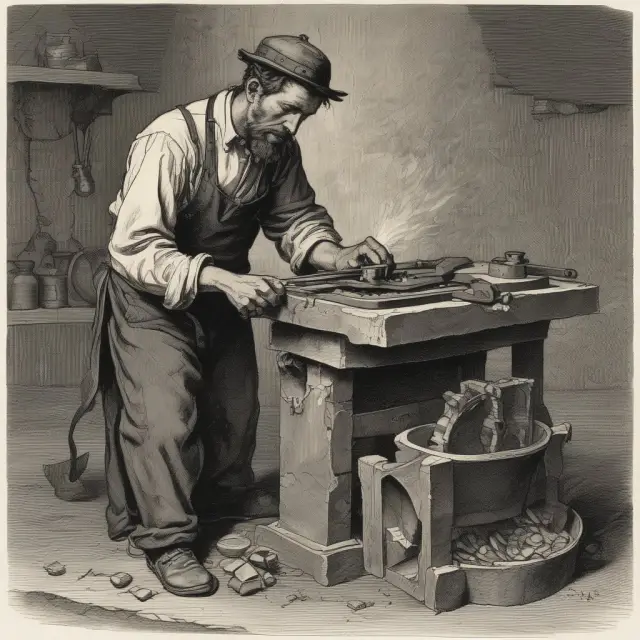
The Slang Term ‘Knuckle-Buster’: Origins and Significance
In the world of finance and commerce, slang terms can offer insight into the history of various business practices and tools. One such term is “knuckle-buster,” which gained popularity with the emergence of manual credit card imprinters. This colloquialism refers to devices used by merchants for recording credit card transactions prior to electronic point-of-sale terminals.
The origin of the term ‘knuckle-buster’ can be traced back to the physical demands these manual imprinting machines placed on the operators who utilized them daily. The process involved placing a customer’s credit card into the imprinter, laying carbon forms over it, and manually applying force by sliding a bar back and forth to create an impression of the embossed data. Over time, this repetitive motion could result in callouses and sore knuckles for those using these devices extensively.
Known alternatively as ‘zip-zap machines,’ the manual credit card imprinters became synonymous with knuckle-busters due to their impact on users’ hands. Their widespread use spanned from the infancy of the credit card industry until electronic point-of-sale (POS) terminals gained traction in the late 1980s.
The term ‘knuckle-buster’ does not only signify the discomfort experienced by those who used these manual devices; it also highlights an era where technology was less advanced and transactions were more laborious compared to today’s standards. With the advent of electronic POS terminals, merchants gained access to faster transaction processing times and reduced strain on their knuckles. However, knuckle-busters continue to serve a purpose as backup plans for businesses seeking to maintain manual records or operate in remote locations with limited resources.
Although manual imprinters may no longer be the primary choice for recording credit card transactions due to advancements in technology, it is essential to understand their historical significance and how they paved the way for modern payment processing methods. In the following sections, we will delve deeper into the functionality of knuckle-busters, their advantages, disadvantages, and how technological advancements impacted their usage.

Functionality of Knuckle-Busters: How Manual Transactions Were Processed
A knuckle-buster is an antiquated term used to describe early credit card imprinting machines, which enabled merchants to manually record and process transactions before the rise of electronic point-of-sale terminals. These devices earned their nickname due to the frequent bruises and callouses on the knuckles of users as a result of the repetitive pressing action required. To understand how these manual imprinters functioned, let us delve into the process behind recording a transaction using carbon paper and a knuckle-buster machine.
Firstly, a customer would present their credit card to the merchant at the point of sale. The merchant would then carefully place the card, embossed side up, in the designated slot within the imprinter. This ensured that the raised letters and numbers on the card’s surface were correctly aligned with the imprinter’s plate.
Next, the merchant would position carbon paper forms over the card. The paper sheets would be layered carefully, with each subsequent sheet sandwiching a card impression, allowing for multiple copies of each transaction to be produced. This step served several purposes: it facilitated the creation of duplicate records for the business, the customer, and the bank or credit card company involved in the transaction.
With all layers properly aligned, the merchant would then apply forceful but controlled pressure to a sliding bar within the imprinter. By moving this bar back and forth, the embossed information on the credit card was transferred onto the carbon paper forms, creating an impression of the card data for each layer. Once completed, each copy served as proof of sale, with customers signing the top copy as confirmation of the transaction.
The remaining copies were then utilized by the business and its financial institutions to process and record the transactions. Some knuckle-busters even came equipped with a plate bearing the merchant’s name, address, and other identifying information. Alternatively, merchants could opt for pre-printed carbon forms displaying their business details.
This painstaking process provided a method for conducting credit card sales manually when electrical power or computer networks were unavailable. Moreover, it remained useful to businesses catering to remote locations where technological advancements had not yet reached. However, the utility of knuckle-busters has waned in recent times due to various factors. The availability of carbon forms is declining, making them increasingly costly and hard to come by. Furthermore, fewer employees are trained in manual entry methods, making it a time-consuming process for businesses. Additionally, credit card companies have started issuing cards that lack embossed data, nullifying the ability of knuckle-busters to capture customer data even during manual transactions.
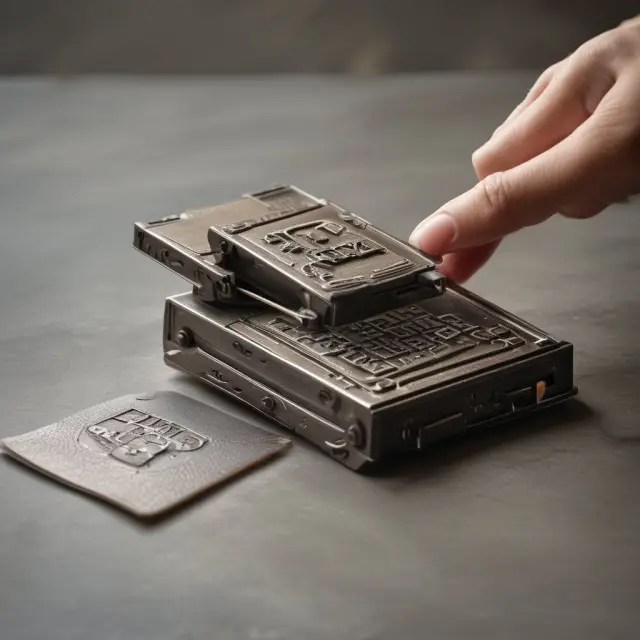
Advantages of Manual Credit Card Imprinters
Manual credit card imprinters, or as they came to be colloqually known, knuckle-busters, were instrumental tools for merchants in the early days of the credit card industry. These devices allowed businesses to create multiple copies of each customer transaction using a combination of carbon paper and embossed cards. With this process, each party involved – the customer, merchant, bank, and credit card company – could possess an identical record of the sale. This section sheds light on the advantages offered by manual credit card imprinters, including their portability and role as a backup plan for businesses.
The most obvious advantage of using manual credit card imprinters was their ability to create multiple copies of transactions with ease. By employing carbon paper and an embossed card, merchants could quickly record each transaction on several forms simultaneously. This redundancy ensured that all parties had access to identical records, reducing potential errors and streamlining reconciliation processes.
Another advantage was the portability of these devices. Manual credit card imprinters were compact, often battery-powered machines that merchants could bring with them to various locations such as trade shows or remote job sites. This mobility allowed businesses to process sales even when they weren’t physically present at their stores.
Lastly, manual credit card imprinters provided a backup plan for businesses in the event of technological failures, such as power outages or network interruptions. With a knuckle-buster, transactions could be recorded without relying on electricity or internet connectivity, ensuring that sales could still be processed during emergencies.
Although manual credit card imprinters were eventually rendered obsolete by electronic point-of-sale terminals, they continue to provide value for specific industries and situations. For example, fair vendors often rely on knuckle-busters due to their portability, while remote businesses may use them as a backup plan in case of power or connectivity issues.
However, the utility of manual credit card imprinters is compromised by several factors. The availability of carbon forms is diminishing, making them more expensive and difficult to find. Additionally, employees are often not trained on how to properly operate manual imprinters, which can lead to mistakes or errors during transactions. Furthermore, credit cards that are not embossed with customer data render manual imprinters useless for capturing essential transactional information.
Despite these challenges, the advantages offered by manual credit card imprinters – particularly their portability and role as a backup plan – make them an invaluable tool for specific businesses and industries.
Disadvantages of Manual Credit Card Imprinters
Manual credit card imprinters, colloquially known as knuckle-busters due to their repetitive nature and impact on the user’s hands, were widely used in businesses from the early days of the credit card industry until the 1980’s when electronic point-of-sale (POS) terminals began to dominate the market. These devices, which utilize carbon paper forms to create multiple copies of a transaction, provided several limitations that have been increasingly outweighed by technological advancements.
Firstly, manual credit card imprinters are comparatively time-consuming in processing transactions compared to their electronic counterparts. The process of manually entering the required data and then imprinting it onto carbon forms can be laborious for employees, leading to longer checkout lines for customers and additional effort for businesses. This drawback is further amplified when dealing with higher volumes of sales or multiple transactions at once, as each transaction requires a fresh set of carbon paper forms and careful handling to ensure legible records.
Moreover, the records produced by manual imprinters are inherently fragile. The carbon copies can easily become smudged or illegible over time, making it difficult for businesses to maintain accurate records and forcing them to constantly update their files. This issue is further compounded when attempting to process transactions involving disputes or returns, as the available record may not be sufficient evidence to support a claim.
As electronic point-of-sale terminals became increasingly popular, the availability of carbon forms began to decrease. As merchants and businesses transitioned to more modern methods of recording transactions, demand for carbon paper waned. This scarcity has led to an increase in prices, making manual imprinters a less cost-effective solution compared to their electronic alternatives.
Another disadvantage lies within the learning curve for employees required to utilize manual credit card imprinters effectively. Not all businesses have the resources or time to train employees on this outdated method of processing transactions, leaving many merchants unable to take advantage of a backup solution when electrical or computer networks are unavailable. Additionally, most credit card companies now issue cards with non-embossed data, making manual imprinters obsolete in recording transactions even when using a manual method.
Despite their limitations, manual credit card imprinters can still be valuable tools for certain businesses and industries. Portability and offline functionality remain essential benefits, particularly for fair vendors or remote locations where electricity and computer networks may not always be accessible. However, as technology advances and modern alternatives become more affordable and convenient, the relevance of knuckle-busters continues to shrink.
Impact of Technological Advancements on Knuckle-Busters
The introduction of electronic point-of-sale (EPOS) terminals marked the beginning of the end for knuckle-busters in the credit card industry, although they continue to play a niche role in specific applications. The first EPOS terminal was introduced in 1979 by IBM. These terminals offered several advantages over manual imprinters like knuckle-busters:
- Faster transaction processing: Electronic point-of-sale systems provided quicker verification and approval for transactions, as compared to the laborious process of manually creating carbon copies using knuckle-busters.
- Reduced wear on knuckles: The need to repeatedly press a bar over carbon paper forms was eliminated in electronic terminals, making them easier on the hands and wrists.
- Durable transaction records: Carbon copies created through manual imprinters are prone to degradation and illegibility with time. In contrast, electronic systems store transactions digitally, allowing for permanent and easily retrievable data.
- Remote connectivity: EPOS terminals can be connected to the internet or other communication networks, enabling merchants to process transactions instantly and securely regardless of their location.
Despite these advantages, knuckle-busters still have their place in today’s market. For businesses operating in remote locations or without electricity or reliable network access, manual imprinters serve as a crucial backup method for processing credit card transactions. Additionally, fair vendors often prefer to use manual imprinters due to the portable nature of these devices and the ability to easily maintain an offline record of transactions.
However, several factors hinder the widespread utility of knuckle-busters:
- Limited availability of carbon forms: As more businesses move towards electronic systems, the availability and cost of carbon transaction forms have decreased significantly, making manual imprinters less economically feasible for smaller merchants.
- Decline in employee proficiency: With fewer businesses relying on knuckle-busters, employees are often not trained in their use, leading to errors or reluctance when manually processing transactions.
- Increasingly non-embossed cards: Modern credit cards are less likely to have embossed data, rendering manual imprinters useless for recording customer information even during a manual transaction.
In conclusion, while technological advancements have largely replaced manual credit card imprinters such as knuckle-busters in most industries, they still hold value for specific applications and provide a backup option for businesses when faced with power or connectivity outages. However, the availability of carbon forms, employee proficiency, and the prevalence of non-embossed cards are significant challenges that must be addressed to maintain the utility of these devices in today’s market.
Modern Applications of Manual Credit Card Imprinters
Although manual credit card imprinters, or knuckle-busters, have largely been replaced by electronic point-of-sale (POS) terminals, they remain valuable tools for certain businesses and industries. These devices continue to be used in specific situations where electricity and computer networks are unavailable. One such example is fair vendors, who operate stalls at events without the luxury of a constant power supply or reliable internet connection. In these instances, manual credit card imprinters can provide an essential means of recording transactions and ensuring sales are processed efficiently.
Additionally, some businesses may choose to maintain a knuckle-buster as a backup method in case electronic terminals experience downtime. This can be particularly advantageous for small merchants who lack the resources to invest in sophisticated POS systems with redundancy features. In such cases, having a manual imprinter on hand can prevent lost sales and maintain customer satisfaction during unexpected technological difficulties.
Despite their continued relevance, several factors have limited the widespread use of manual credit card imprinters in today’s market. The availability of carbon forms is dwindling as more companies transition to digital record keeping. This trend has made carbon copies increasingly expensive and difficult for businesses to access. Furthermore, many employees are no longer trained on how to properly operate a knuckle-buster, further reducing its utility as a daily transaction processing tool.
The process of manually recording a credit card transaction using a knuckle-buster is also more time-consuming than swiping or inserting a card through an electronic terminal. The absence of real-time verification and approval processes can result in longer queues at checkout, negatively impacting customer experience. Moreover, each manual transaction carries the risk of not being authenticated correctly. This potential for error increases the importance of having well-trained staff to operate the device and maintain accurate records.
It is also worth noting that many modern credit cards no longer have embossed data, which makes them unsuitable for use in manual imprinters. The majority of credit cards now feature a magnetic stripe or an embedded chip, which can only be read by electronic terminals. As a result, the utility of manual credit card imprinters is becoming increasingly limited to specific industries and niches.
In conclusion, although knuckle-busters have been largely replaced by electronic POS terminals in most retail environments, they still offer value for certain businesses and industries. Their continued relevance lies primarily in their portability and utility as a backup plan or a solution for merchants operating in remote locations without access to electricity or reliable internet connection. However, the limited availability of carbon forms, declining expertise among employees, and the increasing prevalence of non-embossed cards pose significant challenges to the ongoing use of manual credit card imprinters.

Carbon Forms: Availability and Costs
The term ‘knuckle-buster’ gained popularity as an affectionate nickname for manual credit card imprinters due to their frequent usage, which often led to skinned knuckles and calluses. These devices, also known as zip-zap machines, played a significant role in the credit card industry from its inception until the rise of electronic point-of-sale (POS) terminals in the 1980s. Knuckle-busters functioned by using carbon paper to create multiple copies of transactions. Businesses used these copies for record keeping, while customers kept the signed forms as their receipts. Carbon transaction forms could either come pre-printed with a merchant’s name and contact information or be purchased separately.
Despite their historical significance, knuckle-busters have become less common due to advancements in technology. Electronic POS terminals provide faster verification and approval for transactions while also sparing the users from the physical discomfort of repeatedly using manual imprinters. However, these devices remain useful as a backup solution for businesses operating without electricity or computer networks. Furthermore, niche markets such as fair vendors continue to rely on them due to their portability and ease of use in remote locations.
However, there are several factors threatening the continued viability of knuckle-busters. The availability of carbon forms is waning, making these imprinters more expensive and difficult to acquire. Additionally, many employees lack training on using manual credit card imprinting techniques, further reducing their utility for businesses that do have them.
Manual entry of credit card transactions is a lengthier process than electronic methods, with each transaction carrying the risk of human error or invalid authentication. Furthermore, credit card companies increasingly issue cards without embossed data, making knuckle-busters obsolete in capturing customer information even during manual transactions. These challenges present significant hurdles for businesses considering adopting or continuing to use these machines.
The scarcity of carbon forms results from the obsolescence of manual credit card imprinting techniques, as electronic POS terminals have become the industry standard. This shift in technology has caused a decrease in demand for the forms, making them increasingly difficult and costly to obtain. The scarcity of these resources could ultimately force businesses still reliant on knuckle-busters to adapt or face potential disruptions in their operations.
The value of understanding the history and relevance of manual credit card imprinters lies in recognizing their role as a pioneering technology in the credit card industry. While technological advancements have rendered these machines less necessary, they still serve as an important reminder of the evolution of financial transactions and the impact that innovations can have on businesses and consumers alike.
Training Employees to Use Manual Credit Card Imprinters
Properly training employees on how to use a knuckle-buster is crucial for any business that relies on this outdated but still functional method of processing credit card transactions. With the rise of electronic point-of-sale terminals, the importance of manual credit card imprinters has diminished significantly. However, there are situations where a knuckle-buster remains an essential tool for businesses. Understanding how to use this device efficiently can save time and reduce errors in transaction processing.
To ensure your employees are well-versed in using the knuckle-buster, here are some steps to follow:
1. Familiarize Yourself with the Equipment: Before teaching your staff, make sure you have a clear understanding of how a manual credit card imprinter works. Acquaint yourself with its various components and functions.
2. Gather Necessary Materials: Make sure all the necessary materials are available, including the knuckle-buster machine itself, carbon transaction forms, and an embossed credit card. You may also want to consider purchasing a training manual or online tutorials.
3. Conduct Training Sessions: Schedule training sessions for your employees, either in small groups or one-on-one. Walk them through the process of using the knuckle-buster step by step, explaining each function and its importance.
4. Provide Practice Opportunities: Allow employees to practice using the knuckle-buster under supervision. Encourage them to ask questions and clarify any doubts they may have. Offering ample opportunities for hands-on experience will help increase their confidence and competence in operating the device.
5. Check Progress: Periodically review progress with each employee, assessing their proficiency and addressing any challenges or concerns that arise. Provide constructive feedback to improve performance and efficiency.
6. Encourage Continuous Learning: The credit card industry is always evolving. Keep up-to-date on new technologies, regulations, and trends that could impact your business’s reliance on manual credit card imprinters. Share this information with your team regularly, ensuring they are knowledgeable and prepared for the future.
Incorporating a knuckle-buster into your business operations involves more than just purchasing and using the device. Proper training of your employees is crucial to ensure accurate, efficient, and secure processing of credit card transactions. By following these steps, you can effectively integrate manual credit card imprinters into your daily business processes and provide excellent customer service despite technological limitations.

FAQs: Frequently Asked Questions about Knuckle-Busters
**What is a Knuckle-Buster?**
A knuckle-buster, also known as a manual credit card imprinter, is a device used to record credit card transactions manually before the emergence of electronic point-of-sale terminals. The term ‘knuckle-buster’ originated due to repeated use causing knuckle calluses and skin damage.
**How does a Knuckle-Buster work?**
The knuckle-buster imprints credit card data onto carbon paper forms using an embossing mechanism. By sliding a bar over the card, multiple copies of the transaction are generated. Customers sign these receipts to finalize the transactions, and businesses use the copies for processing and record-keeping.
**Why was the term ‘knuckle-buster’ adopted?**
The name ‘knuckle-buster’ arose from users developing calluses on their knuckles due to frequent usage of these devices. The term became synonymous with manual credit card imprinters as a result.
**When were Knuckle-Busters most commonly used?**
Knuckle-busters were extensively utilized by retailers from the inception of the credit card industry up until the mid 1980s, when electronic point-of-sale terminals began to gain traction.
**What are the advantages of using Knuckle-Busters?**
Manual imprinters offered portability and utility as a backup plan for businesses experiencing issues with electricity or computer networks. They could also be useful for merchants operating in remote locations where electronic systems were unavailable.
**Why did knuckle-busters fall out of use?**
The emergence of electronic point-of-sale terminals brought about faster verification and approval for transactions, easier processing, and more durable records compared to manual imprinters. Additionally, carbon copies are susceptible to damage and illegibility over time. However, knuckle-busters remain a viable alternative for businesses that value a physical record or wish to maintain the ability to process transactions manually.
**How can I purchase a Knuckle-Buster?**
Manual credit card imprinters are still available through various suppliers and online retailers. It is recommended to search for reputable sellers to ensure quality and compatibility with the types of credit cards your business uses.
**What is the future outlook for Manual Credit Card Imprinters?**
Though manual imprinters have largely been replaced by electronic systems, they continue to find use in specific applications such as fair vendors or merchants without access to electricity and computer networks. However, the availability of carbon forms is becoming increasingly limited due to their replacement by digital alternatives. As a result, businesses using knuckle-busters will need to consider the long-term implications of their choice, including additional training costs for employees and potential difficulties with recording transactions on non-embossed credit cards.
 Next entry · No. 2,730Understanding the KOF Economic Barometer: A Swiss GDP Growth Indicator for Institutional Investors
See also
-
 No. 822
14 Jun 2024
14 min
Credit Facilities: Types, Advantages, Disadvantages, and What They Cost
Corporate Finance
No. 822
14 Jun 2024
14 min
Credit Facilities: Types, Advantages, Disadvantages, and What They Cost
Corporate Finance -
 No. 5,882
15 Oct 2025
19 min
Zero-Based Budgeting: Understanding the Advantages, Disadvantages, and Process
Business Finance
No. 5,882
15 Oct 2025
19 min
Zero-Based Budgeting: Understanding the Advantages, Disadvantages, and Process
Business Finance -
 No. 5,836
11 Oct 2025
18 min
Understanding XRT: Ex-Rights Trading and Its Role in Finance
Business Finance
No. 5,836
11 Oct 2025
18 min
Understanding XRT: Ex-Rights Trading and Its Role in Finance
Business Finance -
 No. 5,826
10 Oct 2025
19 min
Understanding Wrongful Dishonor: What Happens When a Bank Fails to Honor a Valid Instrument?
Business Finance
No. 5,826
10 Oct 2025
19 min
Understanding Wrongful Dishonor: What Happens When a Bank Fails to Honor a Valid Instrument?
Business Finance -
 No. 5,618
24 Sep 2025
19 min
Understanding Warrant Premiums: A Comprehensive Guide
Business Finance
No. 5,618
24 Sep 2025
19 min
Understanding Warrant Premiums: A Comprehensive Guide
Business Finance -
 No. 5,551
18 Sep 2025
16 min
Understanding Voucher Checks: A Combination of a Check and a Voucher for Enhanced Auditing
Business Finance
No. 5,551
18 Sep 2025
16 min
Understanding Voucher Checks: A Combination of a Check and a Voucher for Enhanced Auditing
Business Finance