The Resource Curse: Why Some Countries with Abundant Natural Resources Underperform Economically

Exploring The Resource Curse: Understanding why some countries with abundant natural resources underperform economically. Key causes & solutions.
Understanding the Concept of the Resource Curse
The term ‘resource curse’ refers to an intriguing economic paradox that affects some countries with abundant natural resources – they underperform economically despite their riches. The resource curse, also known as the paradox of plenty or the resource trap, arises mainly when a country concentrates its capital and labor force in just one or two resource-dependent industries, neglecting investment in other major sectors. In this section, we will explore the concept of the resource curse, its causes, and key takeaways.
What is the Resource Curse?
The term ‘resource curse’ refers to the unexpected challenge faced by countries that are rich in natural resources yet experience stagnant economic growth or even contraction (Auty, 1993). When a country becomes heavily dependent on resource extraction industries, it can become overly reliant on the prices of these commodities. This vulnerability makes it difficult for these nations to continue developing their economies and diversifying beyond natural resources.
Causes of the Resource Curse
The resource curse arises when a country’s economic growth becomes too focused on resource-dependent sectors like mining or oil production. This phenomenon can occur due to multiple reasons:
- Overreliance on one commodity – When too much investment capital, labor force, and government revenue flow into just one industry, the rest of the economy may become weakened.
- Lack of economic diversification – Diversifying a nation’s economy is crucial for avoiding the resource curse. Countries with more diversified economies tend to be more resilient during global economic downturns than those with concentrated industries.
- Corruption and mismanagement – If a large share of a country’s wealth becomes concentrated in just a few industries, its government might abuse regulatory powers by awarding valuable contracts through bribes or other unethical means.
- External shocks – Countries that heavily rely on the sale of one resource to other nations are vulnerable to external shocks, like changes in commodity prices, which can significantly impact their economies and standard of living.
Key Takeaways of the Resource Curse
- The resource curse occurs when a country becomes overly reliant on extractive industries and neglects investment in other sectors.
- Diversification is crucial for countries to avoid the resource curse, as it leads to more resilient economies and long-term sustainable growth.
- Corruption, mismanagement, and external shocks can exacerbate the negative effects of the resource curse on a country’s economy and political stability.
Upcoming sections will delve deeper into the history behind the resource curse concept, notable examples like Angola and Saudi Arabia, and best practices for countries looking to reduce their dependence on resource extraction industries. Stay tuned!

How the Resource Curse Works: An Overview
The resource curse is a phenomenon that has puzzled economists for decades – why do countries with abundant natural resources often underperform economically compared to their less-endowed counterparts? This paradoxical situation, also known as the “paradox of plenty,” can be attributed to the concentration of production means in single resource-dependent industries.
When a country discovers significant natural resources, capital and labor tend to flock towards that industry, leading to rapid growth in the short term. However, this narrow focus on one sector can have detrimental long-term consequences for the economy as a whole. The country may become excessively dependent on the price of a particular commodity, leaving it vulnerable to economic shocks and stunted development in other sectors.
The resource curse is most commonly observed in developing economies that discover large natural resource deposits. Once a resource is discovered, available investment capital gravitates towards this sector, creating an industry-specific labor force, and often attracting government corruption. The abundance of resources can weaken the rest of the economy by diverting resources away from other sectors.
The term “resource curse” was coined by British economist Richard Auty in his 1993 book, Sustaining Development in the Mineral Economies: The Resource Curse Thesis. Auty argued that abundant natural resource wealth can adversely impact economic growth if a country does not use its resources to diversify its economy and develop other sectors.
Angola and Saudi Arabia are two prominent examples of countries that have been affected by the resource curse. Angolan economy, heavily dependent on oil and gas resources, generates approximately 75% of its national revenues from these industries. The country’s reliance on a single sector leaves it vulnerable to economic downturns if the price of oil falls or if there are disruptions in production.
In contrast, Saudi Arabia has managed to break free from the resource curse by diversifying its economy and reducing dependence on crude oil exports. The kingdom has increased exports of petroleum-related manufactured goods further up the value chain, such as petrochemicals, pharmaceuticals, and food processing industries. This strategic move enabled Saudi Arabia to strengthen its position in global markets and mitigate the risks associated with the resource curse.
In conclusion, the resource curse is a complex phenomenon that results from excessive dependence on natural resources. By focusing all production means on a single industry, countries can create an economic imbalance, leaving them vulnerable to external shocks and long-term underperformance. Diversification of economies through investment in various sectors has proven essential for breaking free from the resource curse and promoting sustainable growth.

The Resource Curse: Historical Context
The term “resource curse” refers to a perplexing paradox in which countries with an abundance of natural resources experience economic stagnation or even contraction, despite their apparent advantages. This concept was first introduced by economist Richard Auty in 1993 in his book Sustaining Development in the Mineral Economies: The Resource Curse Thesis. The resource curse is primarily driven by excessive concentration of a country’s capital and labor force within one or a few industries, often linked to natural resources such as mining or oil production.
Auty identified three main reasons for this phenomenon: a) over-reliance on a single commodity market leading to economic vulnerability; b) rent-seeking behavior among political elites, contributing to corruption and authoritarianism; and c) neglect of alternative economic sectors and human capital development. When a nation becomes overly dependent on resource extraction industries, it may face significant challenges in the long term. It becomes reliant on the price of that particular commodity, which can make it difficult for the country to develop its economy further.
The Resource Curse: An Historical Perspective
Auty’s work expanded upon earlier research, specifically focusing on resource-rich countries and their economic performance. This concept builds on earlier studies dating back to the 1950s that examined the relationship between natural resources, economic development, and political instability. One of the most influential works in this area was ‘The Economics of Extractive Industries’ by Amartya Sen and Jean Dreze (1993), which highlighted how resource abundance could lead to negative economic outcomes due to the diversion of resources from other sectors.
In the decades following these studies, the term ‘resource curse’ gained popularity among economists, political scientists, and development practitioners. It became increasingly clear that natural resource wealth alone was not enough to ensure long-term sustainable growth for a country. Instead, it appeared that the way in which resources were managed and how they were integrated into the economy could make all the difference.
As researchers continued to explore this phenomenon, they identified several factors contributing to the resource curse:
- The Dutch Disease: This economic term refers to the negative impact of a surge in resource revenue on non-resource sectors, leading to a real exchange rate appreciation and making it more difficult for other industries to compete with the resource sector. This can result in a decline in manufacturing and agriculture sectors as labor and capital move towards the booming resource industry.
- The rentier state: As governments increasingly rely on resource revenue, they may become overly reliant on external financing and international markets, leading to a lack of domestic investment and weak institutional development. This can result in an economy that is heavily dependent on foreign workers, which can create social instability.
- Political instability: Resource-rich countries often see increased political instability as governments and elites fight over the control and distribution of resource revenues. In some cases, this can lead to authoritarian regimes, corruption, or even civil conflict.
- Lack of economic diversification: When a country is too reliant on one or two resources, it can be at risk for negative economic consequences, as seen in the cases of Angola and Saudi Arabia. Diversifying the economy and investing in other sectors can help mitigate these risks and ensure more sustainable growth.
Understanding the historical context of the resource curse is crucial to appreciating its complexities and implications for countries seeking to manage their natural resources effectively. By examining past research, we can gain insights into the causes of this phenomenon and the strategies that have been successful in breaking free from it.
In the next section, we will explore how the resource curse manifests in Angola, a country heavily reliant on oil production, and the steps taken by Saudi Arabia to reduce its dependence on oil exports and diversify its economy.
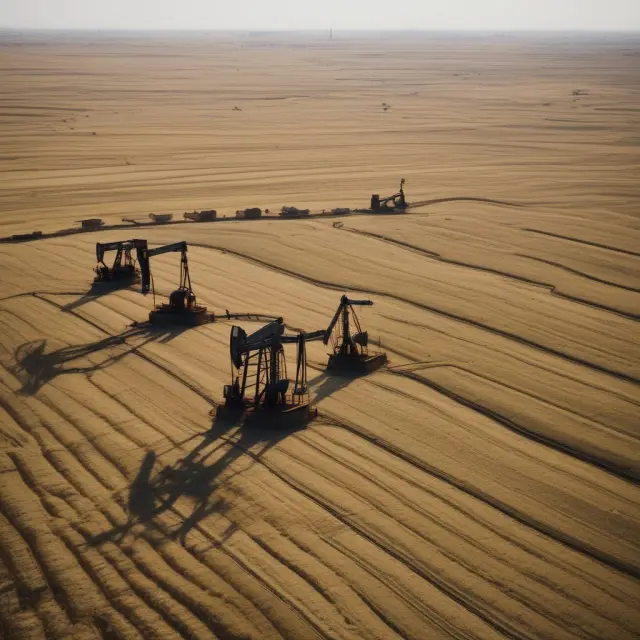
Resource-Dependent Economies: Angola as a Case Study
Angola, located on the western coast of Southern Africa, is home to over 34 million citizens whose livelihoods are heavily influenced by natural resources, particularly oil and gas. With roughly 75% of its national revenues coming from these sectors, Angola’s economy is extremely vulnerable to any significant decline in commodity prices. The country’s heavy reliance on oil and gas can be considered a textbook example of the resource curse – a situation where countries underperform economically despite possessing valuable natural resources.
The resource curse primarily occurs when a large portion of capital and labor force becomes concentrated within one or two industries. In Angola’s case, the government and population have historically invested their resources in the oil and gas sector, neglecting other potential sectors that could contribute to economic growth and diversification. As a result, the country’s economy is excessively reliant on the price of oil, which can leave it at risk for prolonged economic stagnation or even decline when commodity markets face downturns.
The resource curse phenomenon can be traced back to the 1990s, following Angola’s civil war that ended in 2002. The post-war reconstruction period brought significant international investment into the oil industry, with companies like Chevron and Total ramping up production. Though this period brought about short-term economic growth, it did little to address structural weaknesses within the broader economy. Consequently, Angola’s labor force, capital, and government resources became heavily concentrated in the oil sector – a situation that would ultimately lead to increased dependence on commodity prices and decreased focus on developing other key industries.
Adding to these challenges, the resource curse can also lead to negative socio-political consequences. The concentration of economic power in the oil industry can exacerbate authoritarianism and corruption. In Angola’s case, this is evident through the significant influence that the country’s ruling party, MPLA (Movimento Popular de Libertação de Angola), has maintained over the oil sector since the end of the civil war. With a monopoly on power and access to vast oil revenues, the MPLA has used resources to maintain its grip on political control while failing to address pressing socio-economic issues in other sectors.
In conclusion, Angola’s resource-dependent economy serves as a poignant reminder of the dangers associated with heavy reliance on natural resources and the potential pitfalls of the resource curse. The country’s future economic growth depends significantly on its ability to diversify beyond oil and gas, invest in other industries, and create a more equitable distribution of wealth across sectors.
To learn about how countries like Saudi Arabia managed to mitigate the resource curse or read about other real-world examples, please explore the subsequent sections in this article.

Saudi Arabia’s Journey Towards Diversification
Despite being one of the world’s largest oil-producing countries, Saudi Arabia has managed to break free from the resource curse’s grip through strategic economic diversification efforts. Understanding this journey is crucial as it illustrates how a country can transition from being heavily dependent on natural resources to becoming a more balanced and sustainable economy.
The resource curse refers to the paradoxical situation where countries rich in natural resources underperform economically (Auty, 1993). This predicament often occurs when a substantial portion of a nation’s labor force and capital becomes concentrated within a single industry, typically resource extraction. The result is an economy overly dependent on the price of a specific commodity, making it challenging to develop other sectors and ensuring long-term economic growth.
In the case of Saudi Arabia, its reliance on oil sales made up almost 89% of its total exports in 2014 (World Bank, 2015). This heavy focus left the country at the mercy of fluctuating global commodity prices and put it at risk of experiencing the negative consequences associated with the resource curse.
To break free from this dependence, Saudi Arabia launched its Vision 2030 program in 2016, which aimed to shift the country’s economy towards a more diversified one. This initiative, led by Crown Prince Mohammad bin Salman, focused on three main areas: economic development, social development, and national transformation (Vision 2030, 2022).
One of the key objectives under the economic development pillar was to increase the non-oil sector’s contribution to the country’s Gross Domestic Product (GDP) from 18% to 65%. This diversification strategy included various initiatives such as developing new industries, increasing foreign investment, and upgrading the skills of its workforce.
One of the most significant steps towards diversifying Saudi Arabia’s economy was the launch of the Financial Sector Development Program (FSDP) in 2017. This program aimed to boost the country’s private sector, develop a capital market, and enhance financial planning. By promoting financial institutions and enabling greater foreign investment, Saudi Arabia sought to create new jobs and economic opportunities beyond oil extraction.
Another area of focus was the travel, tourism, and entertainment industries. The primary goal was to make the kingdom a major destination for tourists. Additionally, the government aimed to boost household spending on entertainment and leisure through the construction of movie theaters and acquiring a stake in Live Nation.
These efforts have led to noticeable progress. In 2019, non-oil exports accounted for approximately 38% of total Saudi Arabian exports (World Bank, 2019). This shift away from oil dependence has made the country’s economy more resilient and less susceptible to the resource curse.
In conclusion, Saudi Arabia’s journey towards diversification serves as an essential case study for countries looking to break free from the resource curse. By implementing strategic economic initiatives and focusing on the development of non-resource industries, it has managed to reduce its dependence on oil sales while ensuring long-term sustainable growth.
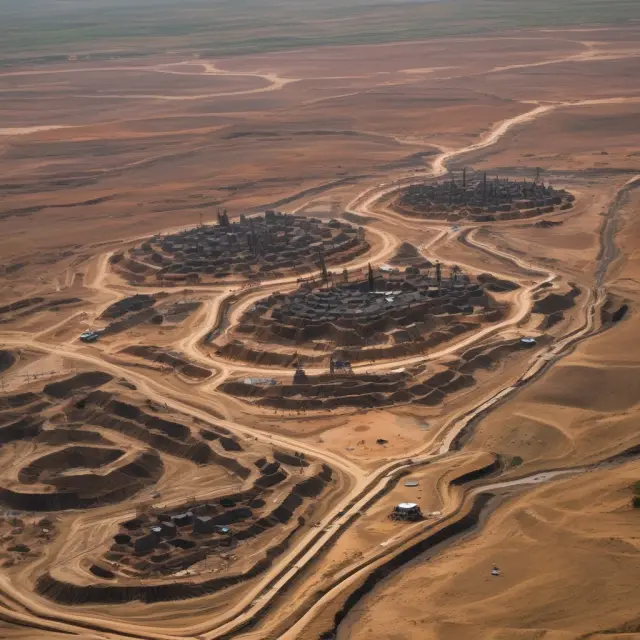
Resource Curse: Effects on Politics, Authoritarianism, Corruption and Conflict
The resource curse is not just an economic phenomenon; it also carries significant political implications for countries with abundant natural resources. The correlation between resource wealth and various negative outcomes, such as authoritarianism, corruption, and conflict, has been well-documented. In this section, we will explore the relationship between these issues and the resource curse in greater detail.
One of the most significant problems associated with the resource curse is the rise of authoritarian regimes. The abundance of natural resources can create a power imbalance, as governments wield significant control over their economies through their ownership of these resources. When these resources generate substantial revenue, the ruling elite may feel less pressure to provide services and opportunities for citizens, allowing them to maintain their grip on power.
Moreover, resource wealth can fuel corruption, as leaders are tempted to use their access to vast financial resources for personal gain. In some cases, the concentration of resources in specific industries can lead to a lack of transparency and accountability, creating opportunities for bribes and other illicit activities. Corruption not only undermines economic growth but also erodes trust between citizens and their government.
The resource curse is also linked to increased conflict, particularly in countries with large deposits of minerals or oil. The struggle over access to these resources can fuel tensions within a society, leading to violent conflicts between different ethnic groups or political factions. In some cases, external actors may become involved, complicating the situation further and potentially prolonging the conflict.
Angola serves as an excellent case study for understanding the consequences of the resource curse on politics, authoritarianism, corruption, and conflict. Despite its abundant natural resources, including oil and diamonds, this African nation remains plagued by political instability, widespread poverty, and rampant corruption. For decades, power has been concentrated in the hands of a small elite, which has used its control over the country’s resources to maintain its grip on power while neglecting the needs of the population.
However, not all resource-rich countries suffer the same fate as Angola. Saudi Arabia is an example of a country that managed to reduce its dependence on oil and diversify its economy, thereby avoiding some of the negative consequences of the resource curse. By investing in industries further up the value chain and encouraging private sector growth, Saudi Arabia has taken steps toward reducing its reliance on oil exports and insulating itself from economic shocks.
In conclusion, the resource curse is not limited to just economic implications; it also carries significant political consequences. The abundance of natural resources can fuel authoritarianism, corruption, and conflict, making it essential for resource-rich countries to prioritize diversification and economic development beyond their resource sectors.
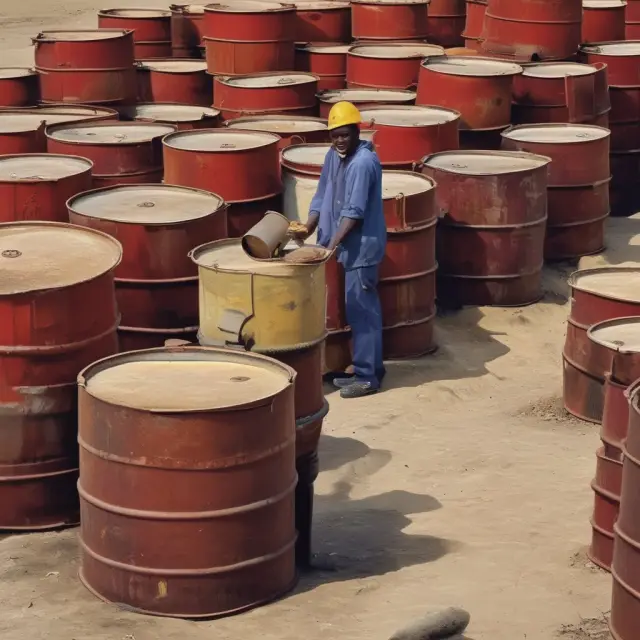
Real-World Examples: The Resource Curse in Petroleum-Rich Countries
The resource curse can be observed most notably in countries that have been blessed with significant petroleum reserves. This phenomenon can lead to several challenges, such as authoritarian regimes, increased corruption, and even conflict. Two prominent examples of resource-rich countries heavily dependent on oil sales are Angola and Saudi Arabia.
Angola: A Case Study in Resource Dependence
Angola, a country situated on the west coast of Southern Africa, is home to approximately 34 million citizens but faces a significant economic challenge due to its overreliance on natural resources, especially oil and gas. In fact, Angolan revenues from oil and gas represent an astounding 75% of the nation’s total national income (International Trade Administration, 2021). While this sector has brought substantial wealth to the country in recent decades, it also puts its economy at considerable risk due to volatile commodity prices.
Saudi Arabia: Overcoming the Resource Curse
Saudi Arabia, a fellow oil-rich nation, shares similarities with Angola regarding their natural resource endowments. However, Saudi Arabia has made significant strides in reducing its dependence on crude oil sales through strategic economic diversification. In 2017, the kingdom launched the Financial Sector Development Program to develop its private sector, establish a capital market, and enhance financial planning (Bloomberg, 2017). Additionally, Saudi Arabia has focused on expanding exports of petroleum-related manufactured goods to reduce reliance on crude oil. This approach can be seen as an attempt to move further up the value chain, thus limiting vulnerability to resource curse effects.
Despite its progress in diversification, Saudi Arabia continues to face challenges from the resource curse. The country’s economy remains heavily dependent on oil, with exports accounting for over $202.1 billion in 2021 (World Bank, 2021). To mitigate this risk, efforts to develop industries such as financial services, travel and tourism, and entertainment have been initiated. The goal is to make Saudi Arabia a leading destination for tourists and boost household spending on leisure activities like movie theaters and stake in Live Nation (Middle East Eye, 2021).
In summary, countries with a heavy reliance on selling natural resources, particularly petroleum, face significant challenges associated with the resource curse. Despite their wealth from natural resources, these nations may struggle to create sustainable economic growth due to volatile commodity prices and a lack of investment in other sectors. Angola and Saudi Arabia are prime examples of countries grappling with this paradoxical situation, but some have managed to make strides towards diversifying their economies and reducing the negative impacts of the resource curse.

Breaking Free from the Resource Curse: Success Stories and Best Practices
The resource curse can be a significant challenge for countries that rely heavily on natural resources for their economic growth. However, there are examples of nations that have managed to break free from the resource curse and diversify their economies to secure sustainable growth in the long term. In this section, we will delve into successful stories of countries that have overcome the resource curse and the best practices they have adopted in their journey towards economic diversification.
Angola: The Challenges and Opportunities
Angola, located on the west coast of Southern Africa, is home to a population of approximately 34 million people. The country’s economy heavily relies on commodities, especially oil and gas resources, which account for roughly 75% of its national revenues (International Trade Administration, n.d.). While being rich in natural resources has brought considerable wealth to Angola, it also makes the nation vulnerable to any large or sustained decline in commodity prices. Thus, Angola faces a significant challenge in breaking free from the resource curse and diversifying its economy.
However, there are opportunities for Angola to transition towards more sustainable economic growth by focusing on sectors such as agriculture, manufacturing, and services. One approach could be to encourage foreign investment and trade partnerships to develop these industries. For instance, Angola can leverage its strategic location in the Atlantic Ocean to become a regional hub for fishing and maritime industries (World Bank, 2018). Additionally, the country’s large agricultural potential can be tapped by improving infrastructure, offering incentives to farmers, and increasing investments in research and development.
Saudi Arabia: Reducing Dependence on Oil and Petroleum Products
Another example of a country that has successfully reduced its dependence on oil is Saudi Arabia. The kingdom’s oil exports accounted for more than $202.1 billion in 2021, making it one of the world’s largest exporters of crude oil (Statista, 2022). To break free from the resource curse, Saudi Arabia has been focusing on diversifying its economy by developing its industries further up the value chain, such as finance, tourism, entertainment, and manufacturing.
The Financial Sector Development Program was launched in 2017 to boost the country’s private sector, develop a capital market, and enhance financial planning (Saudi Arabia Ministry of Investment, n.d.). By diversifying into industries like finance, Saudi Arabia has been able to reduce its dependence on oil and petroleum products, making its economy more resilient in the face of fluctuations in global commodity prices.
Additionally, the kingdom aims to become a major destination for tourists by improving infrastructure, creating tourist attractions, and offering incentives (Saudi Arabia Ministry of Investment, n.d.). Developing tourism is another effective strategy for countries seeking to diversify their economies, as it generates employment opportunities, creates demand for goods and services, and can stimulate growth in other industries such as hospitality, transportation, and retail.
Best Practices for Breaking Free from the Resource Curse
Based on the experiences of Angola and Saudi Arabia, here are some best practices for countries seeking to break free from the resource curse and diversify their economies:
1. Encourage Foreign Investment: Attracting foreign investment can help create jobs, generate economic activity, and promote technological advancements in various sectors. Governments can offer incentives such as tax breaks, subsidies, or other forms of support to attract investors.
2. Focus on Value-Added Industries: Developing industries further up the value chain, such as manufacturing and services, can help countries break free from their dependence on primary commodities. This involves investing in research and development, improving infrastructure, and creating a favorable business environment.
3. Invest in Education and Human Capital: A well-educated workforce is essential for driving economic growth and competitiveness across various industries. Countries can invest in education, vocational training, and other human capital development programs to ensure that their labor force possesses the necessary skills to succeed in a diverse economy.
4. Develop Infrastructure: Improving infrastructure is crucial for attracting investment and enabling the efficient transportation of goods, services, and people. This includes investing in roads, ports, airports, energy, and water supply systems.
5. Foster Entrepreneurship and Small Businesses: Encouraging entrepreneurship and supporting small businesses can help create new economic opportunities and reduce dependence on resource-dependent industries. Governments can offer grants, loans, and tax incentives to startups and small businesses to encourage growth and innovation.
Conclusion
The resource curse is a significant challenge for countries that heavily rely on natural resources for their economic growth. However, as demonstrated by the examples of Angola and Saudi Arabia, there are strategies and best practices that can help countries break free from this curse and diversify their economies for sustainable long-term growth. By focusing on value-added industries, investing in education and human capital, fostering entrepreneurship, developing infrastructure, and attracting foreign investment, nations can reduce their dependence on primary commodities and create a more diverse and resilient economic landscape.

The Role of Foreign Investment in Avoiding the Resource Curse
The resource curse, a phenomenon that affects countries rich in natural resources yet underperform economically, can be mitigated or even prevented through foreign investment. Foreign investment plays a crucial role in helping countries diversify their economy and reduce reliance on resource-dependent industries.
Foreign investment offers several benefits to resource-rich nations seeking to break free from the resource curse:
- Diversification of Industries: By attracting foreign investors, resource-dependent countries can create new industries and grow beyond their commodity sectors. This diversification reduces the risks associated with being reliant on a single commodity’s price volatility.
- Technological Advancements: Foreign investment often comes with advanced technology that can be transferred to local businesses or institutions, helping them improve productivity and compete in global markets.
- Capital Inflow: Foreign direct investment (FDI) injects large amounts of capital into the economy, which can be used for infrastructure development and other long-term projects that contribute to economic growth.
- Skills Transfer: When foreign investors establish operations in a resource-rich country, they often bring with them skilled labor. This transfer of knowledge and expertise can lead to improved human capital and capacity within the local workforce.
- Stability: A stable political and economic climate is essential for attracting foreign investment. By creating a favorable business environment, countries can avoid instability arising from resource dependency and related conflicts.
Two prominent examples of countries that have successfully utilized foreign investment to reduce their dependence on natural resources are Angola and Saudi Arabia. While both have vast natural resources, their approaches toward economic diversification differ significantly.
Angola, a country located in Southern Africa, has one of the most resource-dependent economies in the world, with roughly 75% of its national revenues coming from oil and gas exports. To combat this issue, Angola has actively sought foreign investment to expand beyond its commodity sector. The country’s government has implemented various measures aimed at encouraging FDI, such as tax incentives for investors and streamlined business registration processes.
One of the most notable examples of successful foreign investment in Angola is in the agriculture sector. The World Bank, along with other international organizations, supported the establishment of a $230 million agricultural value chain project that focuses on increasing productivity in key crops like corn, sugarcane, and cassava. By expanding into agriculture, Angola aims to reduce its dependence on oil exports while also improving food security for its population.
Saudi Arabia, another resource-rich country with a significant portion of its economy tied to oil exports, has made substantial progress in diversifying through foreign investment. The kingdom’s Vision 2030 program outlines ambitious goals to reduce its dependence on oil revenue and boost non-oil industries. One way Saudi Arabia is doing this is by attracting foreign investors to set up operations in the country.
In the financial sector, Saudi Arabia has seen significant foreign investment with the launch of the Financial Sector Development Program in 2017. This program aims to develop the private sector, build a capital market, and enhance financial planning. Additionally, the government is investing $64 billion into the construction of new cities and other infrastructure projects, attracting international companies like Microsoft, Tesla, and Amazon to set up operations within its borders.
By fostering foreign investment in various industries and sectors, resource-rich countries can take meaningful steps toward reducing their dependence on natural resources and breaking free from the resource curse.

Conclusion: The Importance of Economic Diversification for Resource-Rich Countries
The concept of the resource curse highlights an intriguing paradox where countries rich in natural resources experience slower economic growth or even contraction, despite possessing valuable assets. Understanding this phenomenon requires acknowledging its root causes and the role of economic diversification as a potential solution.
The Resource Curse: An Overview
Resource-rich nations often face an inherent challenge – their economies can become excessively dependent on resource industries such as mining or oil production, leaving them susceptible to price volatility. When capital and labor force are heavily concentrated in these sectors, a country risks becoming overly reliant on the price of a particular commodity, making it difficult to develop other aspects of the economy.
The Resource Curse’s Historical Context
First documented by economist Richard Auty in his 1993 book “Sustaining Development in the Mineral Economies: The Resource Curse Thesis,” the resource curse has been observed in various developing countries across Africa, Latin America, the Middle East, and the former Soviet Union. In these nations, natural resources have often contributed to harmful effects such as authoritarianism, corruption, and conflict.
The Case of Angola
Angola, a country with 34 million citizens, is heavily dependent on its commodity exports, primarily oil and gas, generating around 75% of the nation’s national revenues. However, this concentration leaves the economy vulnerable to any major or prolonged decline in oil prices – as Angola experienced during the global financial crisis. Thus, Angola’s heavy reliance on natural resources has left it susceptible to the resource curse.
Saudi Arabia’s Journey Towards Diversification
Saudi Arabia, another significant player in the oil market, has managed to reduce its dependence on crude oil by investing in various industries. The Financial Sector Development Program was initiated in 2017, aiming to strengthen the private sector and enhance financial planning, while the travel, tourism, and entertainment sectors have also been developed to attract tourists and boost household spending.
Breaking Free from the Resource Curse: Success Stories and Best Practices
Economic diversification is crucial for resource-rich nations looking to avoid or mitigate the negative effects of a resource curse. Countries that succeed in diversifying their economies, like Botswana and Indonesia, tend to weather global economic cycles more effectively than those with concentrated economies. Best practices for diversification include investing in manufacturing industries, developing human capital through education, and fostering entrepreneurship.
The Role of Foreign Investment in Avoiding the Resource Curse
Foreign investment can play a crucial role in helping countries break free from the resource curse by providing access to new technology, skills, and markets. In turn, this can lead to the development of more diversified economies, reducing reliance on natural resources and making them less vulnerable to price volatility.
In conclusion, understanding the resource curse and its root causes is essential for resource-rich countries looking to develop their economies sustainably. By focusing on economic diversification as a solution, nations can reduce their dependency on any single industry or commodity, ultimately paving the way for long-term growth and prosperity.

FAQ: Frequently Asked Questions about the Resource Curse
What is the resource curse?
The term “resource curse” refers to the phenomenon where countries with abundant natural resources experience underperforming economies due to their reliance on a few resource-dependent industries. This condition often arises when a significant portion of capital and labor resources is directed towards extractive sectors, leaving other essential areas neglected.
What causes the resource curse?
The resource curse usually occurs as a result of a country focusing all its production means in a single industry like mining or oil production while neglecting investment in various key sectors. This dependence on one commodity makes it challenging for these countries to continue developing their economies sustainably.
What are the negative consequences of the resource curse?
A resource-dependent economy faces numerous challenges, including increased vulnerability to commodity price declines, weakened economic foundations, and potential political instability due to corruption and authoritarianism.
How did the term “resource curse” originate?
The term “resource curse” was first introduced by Richard Auty in his 1993 book “Sustaining Development in the Mineral Economies: The Resource Curse Thesis.”
Which countries are most affected by the resource curse?
Nations with heavy reliance on a single natural resource, especially petroleum, such as Angola and Saudi Arabia, are more susceptible to experiencing the resource curse. While Angola remains heavily dependent on oil and gas exports for its economy, Saudi Arabia has taken steps to diversify its industries.
What can countries do to mitigate or avoid the resource curse?
Economic diversification is crucial in avoiding the resource curse. By investing in a range of sectors outside their primary resource industry, these nations can reduce their vulnerability to price fluctuations and create a more balanced economy. This approach has been adopted by Saudi Arabia through initiatives like the Financial Sector Development Program and efforts to boost the travel, tourism, and entertainment industries.
 Next entry · No. 4,415Understanding Registered Education Savings Plans (RESP): A Canadian Government Initiative to Help Parents Fund Post-Secondary Education
See also
-
 No. 3,134
03 Mar 2025
21 min
Marxism: Understanding the Economic and Political Philosophy Behind Class Conflict, Socialism, and Communism
Economics
No. 3,134
03 Mar 2025
21 min
Marxism: Understanding the Economic and Political Philosophy Behind Class Conflict, Socialism, and Communism
Economics -
 No. 5,898
17 Oct 2025
17 min
Understanding Zero-Investment Portfolios: Theory and Limitations
Investments
No. 5,898
17 Oct 2025
17 min
Understanding Zero-Investment Portfolios: Theory and Limitations
Investments -
 No. 5,870
14 Oct 2025
20 min
Yield Tilt Index Fund: Enhancing Your Portfolio with Higher Yielding Investments
Investments
No. 5,870
14 Oct 2025
20 min
Yield Tilt Index Fund: Enhancing Your Portfolio with Higher Yielding Investments
Investments -
 No. 5,859
13 Oct 2025
20 min
Understanding Yield: A Comprehensive Guide for Institutional Investors
Finance Policy
No. 5,859
13 Oct 2025
20 min
Understanding Yield: A Comprehensive Guide for Institutional Investors
Finance Policy -
 No. 5,855
13 Oct 2025
20 min
Understanding Yen ETFs: Accessing the Japanese Currency through Exchange-Traded Funds
Finance Policy
No. 5,855
13 Oct 2025
20 min
Understanding Yen ETFs: Accessing the Japanese Currency through Exchange-Traded Funds
Finance Policy -
 No. 5,813
09 Oct 2025
18 min
Understanding Wrap Accounts: A Comprehensive Guide for Institutional Investors
Business Finance
No. 5,813
09 Oct 2025
18 min
Understanding Wrap Accounts: A Comprehensive Guide for Institutional Investors
Business Finance