The War Damage Corporation: Protecting Americans Against War-Related Property Damage during World War II

Explore The War Damage Corporation: a government-run initiative providing insurance coverage against war damages during WWII. Discover its background…
Background & Creation of the War Damage Corporation
During World War II, a pressing issue arose as private insurers displayed reluctance to offer property insurance coverage for potential damages related to war. With citizens seeking protection for their assets against the risk of war-related property damage, the United States government recognized a need to intervene. In 1941, Congress responded by introducing the War Damage Insurance Act, establishing the War Damage Corporation (WDC). The corporation was initially named the War Insurance Corporation but later changed to War Damage Corporation in 1942.
The rationale for this government initiative stemmed from the fact that private insurers viewed war-related damages as unprofitable and costly, making it difficult for them to provide affordable coverage to citizens. By stepping in and offering subsidized insurance against war damage risks, the WDC addressed the shortcoming faced by private insurers while providing a vital safeguard to homeowners and businesses.
Historical Context
The creation of the War Damage Corporation was significant as it marked a shift in legal thinking regarding war-related damages. Prior to World War II, precedent held that individuals did not have an automatic right to compensation for privately-owned property damage resulting from war. In contrast, governments now increasingly recognized and compensated citizens for such losses as they were beyond their control. The WDC was also a response to similar programs established in other countries.
Impact on Insurance Markets
Post-World War II, the War Damage Corporation continued to influence insurance markets. Its legacy can still be seen today with private insurance companies offering war-related coverage as an addendum to their standard policies or separate policy types for specific risks like terrorism and civil unrest. However, most insurance contracts contain war exclusion clauses, which absolve insurers from compensating clients for damages caused by war.
In conclusion, the War Damage Corporation played a pivotal role during World War II by addressing the issue of providing affordable coverage for war-related property damage. Though it was eventually abolished in 1947 and replaced with functions taken over by the Reconstruction Finance Corporation, its impact on insurance practices remains evident to this day.
Keywords: War Damage Corporation, World War II, Insurance, Property Damage, Legal Precedents, Modern Insurance Industry.

The Government’s Role in Providing Insurance Coverage During Wartime
Given the significant risk of extensive property damage posed by World War II, many Americans sought insurance protection to safeguard their assets against potential losses. However, private insurers were hesitant to offer war-risk coverage due to the immense financial burden that such policies might entail. Consequently, Congress established the War Damage Corporation (WDC) in 1941 as a government initiative to provide Americans with insurance coverage against damages caused by war events. This program was crucial because private insurers could not profitably offer such policies due to the potentially high costs involved.
Before the War Damage Corporation, there were no precedents for government intervention to provide compensation for war damage to private property in the United States. Historically, governments had been reluctant to acknowledge that individuals deserved any form of compensation for war-related damages. This perspective began to change as countries like the US and UK adopted the view that citizens should be compensated for losses resulting from war, which is beyond their control. Consequently, programs similar to the War Damage Corporation emerged in various countries, including the United Kingdom, during this period.
The creation of the War Damage Corporation signified a shift in legal thinking towards recognizing individuals’ right to compensation for damages caused by war events. Prior to this, President Ulysses S. Grant had opposed the idea of compensating property owners for war damages during the American Civil War. Grant believed that damages to private property due to war were a matter of ‘bounty rather than legal right.’ This perspective began to change as governments started recognizing the need to offer some form of compensation to citizens affected by wartime destruction.
Despite its importance, the War Damage Corporation was disbanded following World War II in 1947, with several of its functions being taken over by the Reconstruction Finance Corporation (RFC). However, its influence remains significant today, as some private insurers now offer policies specific to war-related damages. For instance, these include coverage for damages caused by weapons of mass destruction, acts of terrorism, or hijackings. It is worth noting that most insurance policies exclude war risks, and policyholders must purchase separate policies if they wish to be protected against such events.

Mission and Objective of the War Damage Corporation
The War Damage Corporation, established in 1941 during World War II, was a crucial response to the reluctance of private insurers to offer insurance coverage against war-related damages to American citizens. As tensions rose and the possibility of extensive property damage grew increasingly likely, many homeowners sought protection for their possessions through insurance policies from private providers. However, given that the potential extent of damage could be immense, private insurers faced significant challenges in offering affordable rates for these policies.
To bridge this gap, the US government stepped in to provide subsidized insurance against war-related property damage through the creation of the War Damage Corporation. The primary goal was to safeguard American citizens’ financial security during times of war and maintain economic stability while ensuring the affordability of insurance coverage for war damages. By taking on this responsibility, the US government set a precedent that influenced modern insurance markets and laid the groundwork for the development of specialized policies addressing terrorism, acts of civil unrest, hijackings, and weapons of mass destruction incidents.
The War Damage Corporation’s mission was significant as it introduced the idea that individuals were entitled to compensation for damages incurred due to war beyond their control. Prior to this period, the concept of compensation for private property damage caused by war was not universally accepted. Instead, such occurrences were viewed as outside the realm of legal entitlement. The War Damage Corporation’s establishment marked a turning point, with governments in the US and Europe gradually embracing the notion that individuals should be compensated for damages arising from war.
The legacy of the War Damage Corporation continues to reverberate through contemporary insurance markets, with many private insurers offering specialized policies addressing various forms of war-related risks. Although most standard insurance policies exclude coverage for damages related to war, the historical significance of the War Damage Corporation stands as a testament to its enduring impact on the industry and the evolving perspectives regarding compensation for damages arising from armed conflicts.
Legal Precedents & Impact on Modern Insurance Industry
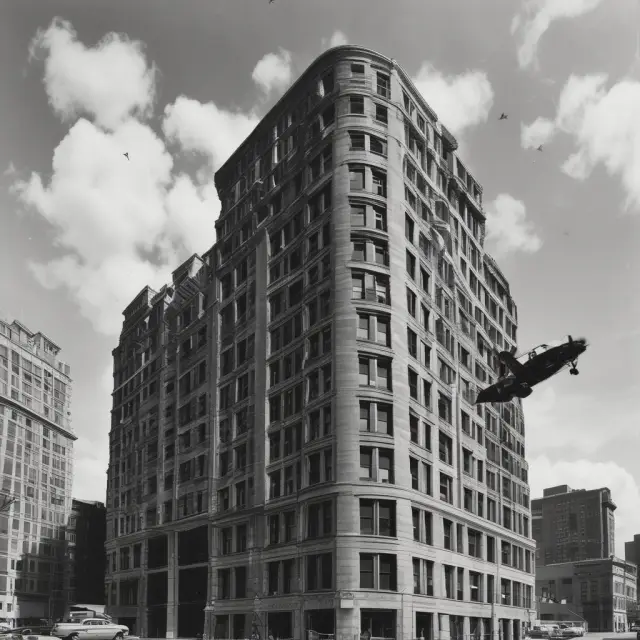
The creation of the War Damage Corporation during World War II marked a turning point in American legal thinking regarding insurance for property damaged due to war. Prior to this time, it was generally accepted that governments did not have an obligation to compensate individuals whose private property was destroyed or damaged by military actions. This belief can be attributed to the fact that damages caused by war were considered to fall under the category of “acts of God” and thus outside the scope of insurance coverage provided by private insurers.
However, as the possibility of extensive damage to American property during WWII became increasingly apparent, it was evident that most individuals could not afford the high premiums demanded by private insurers for war-risk coverage. Consequently, the United States government stepped in and established the War Damage Corporation in 1941 under the War Damage Insurance Act. This groundbreaking initiative made subsidized insurance available to American citizens against property damage caused by wartime activities.
The War Damage Corporation’s establishment had significant implications for both legal precedents and modern insurance practices. It set a new standard for government-backed insurance programs that would later provide coverage for other non-military risks, such as natural disasters or terrorist attacks. In addition to these more recent developments, the War Damage Corporation also influenced changes in insurance laws and regulations during the war itself.
One example of this is the U.S. government’s shift from viewing damages caused by war as a “matter of bounty” to acknowledging that individuals were entitled to compensation for their losses. This change in legal perspective was further solidified by the establishment of the War Damage Corporation and its subsequent success in providing insurance coverage for wartime damage.
The effects of this shift can still be seen in modern insurance practices, as many policies include war exclusion clauses that exempt insurers from covering damages caused directly or indirectly by military conflicts. However, some private insurers do offer specialized policies to cover war-related risks, particularly those involving terrorist attacks and acts of civil unrest.
The War Damage Corporation’s influence can also be observed in the creation and implementation of other government insurance programs. For instance, the United States Federal Flood Insurance Program was established in 1968, which provides subsidized coverage for property owners in areas prone to flooding. Similarly, the Terrorism Risk Insurance Act (TRIA) was passed in 2002, which mandates that insurers provide terrorism coverage and sets up a federal backstop for catastrophic losses caused by acts of terrorism.
These examples serve as a testament to the War Damage Corporation’s enduring impact on insurance markets and the way governments respond to significant risks. While the corporation itself is no longer in existence, its legacy continues to shape how individuals and businesses approach risk management, particularly when it comes to managing risk related to war and military activities.
Impact of World War II on War Damage Corporation
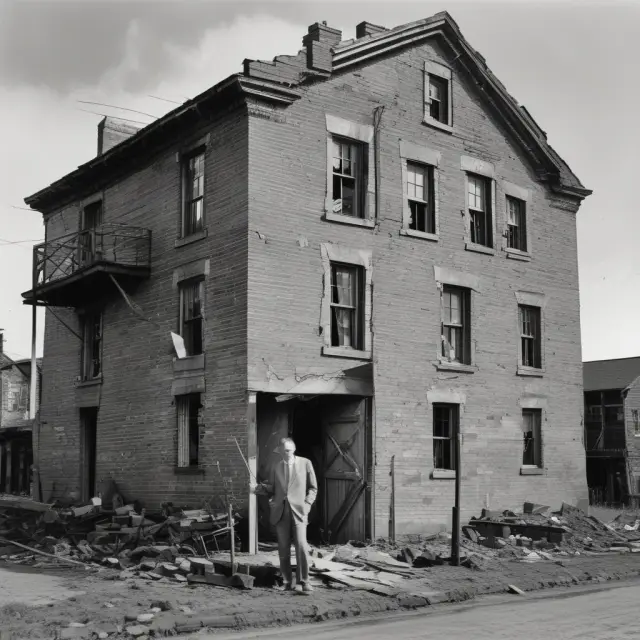
During the initial years of World War II, many American citizens expressed concerns about potential property damage as a result of the ongoing war efforts. To address this concern, private insurers were approached to provide insurance coverage against such damages. However, the private sector’s inability to offer affordable insurance policies due to the significant risks and potential costs led the U.S. government to step in and create the War Damage Corporation.
The War Damage Insurance Act of 1941 marked the beginning of this program, initially known as the War Insurance Corporation. The purpose was to provide American citizens with insurance coverage against war-related property damage at a subsidized rate. This initiative aimed to fill the gap left by private insurers who deemed offering such policies unprofitable.
Historically, the government’s stance towards compensation for war-damaged property had evolved during this period. Before World War II, there was no legal right to compensation for damages resulting from war. However, as war-related damage became a more common occurrence, governments began to recognize the need for providing citizens with financial assistance for such damages.
Influenced by European precedents and the need for public support during wartime, the U.S. government changed its stance. The War Damage Corporation was established as a result, marking an essential shift in legal thinking regarding war-related property damage and compensation.
The War Damage Corporation’s influence extended beyond the end of World War II. Its impact on the insurance industry can still be observed today through various private insurance policies that cover war-related damages like hijackings or acts of terrorism. However, most standard insurance policies exclude coverage for damages caused by wars.
The War Damage Corporation was officially disbanded in 1947 and its functions were eventually assumed by the Reconstruction Finance Corporation. Despite this, its historical significance remains as a precedent-setting initiative that protected American citizens from the financial burden of property damage during wartime.
Precedent and Legacy: A Lasting Impact on Insurance Markets
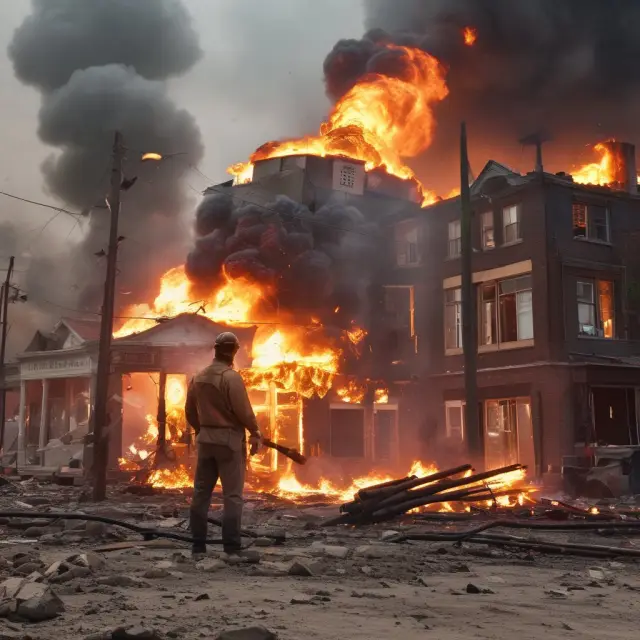
The War Damage Corporation’s impact on modern insurance markets is significant, as the government program set a crucial precedent for various insurance programs dealing with war-related damages and events. Prior to World War II, private property damage due to war was generally considered an uncompensated loss; however, the War Damage Corporation changed this notion through its establishment in 1941.
With the creation of the War Damage Corporation, the US government acknowledged that individuals should be compensated for war-related damage to their personal property. This shift in thinking led to a change in insurance practices and policies. The precedent set by the War Damage Corporation influenced legal frameworks in both the United States and Europe, as well as in other countries around the world.
One of the most striking examples of this legacy can be observed in various contemporary insurance products related to war damage. Insurers now offer specialized policies that cater to potential risks arising from acts of terrorism or military conflicts, such as hijackings or weapons of mass destruction. Some travel insurance plans even provide coverage for cancellations resulting from terrorist attacks.
Despite this evolution in insurance practices, the majority of standard insurance policies maintain war exclusion clauses. This means that insurers are not obliged to cover damages caused by war-related events. However, it is essential to note that these exclusions typically do not apply to losses stemming from acts of terrorism or hijackings.
Although the War Damage Corporation was disbanded following World War II, its impact continues to reverberate through insurance markets. Its influence extended beyond the United States, with similar programs being implemented in countries like the United Kingdom and other nations. The legacy of the War Damage Corporation serves as a reminder that governments can play a pivotal role in shaping insurance markets and providing citizens with essential protections during times of crisis.
The impact on the Reconstruction Finance Corporation (RFC) was also significant, as several functions assumed by the War Damage Corporation were taken over by the RFC following its disbandment. The RFC played a critical role in financing various emergency relief programs and initiatives, ensuring that citizens received aid during times of need. Ultimately, the War Damage Corporation’s legacy continued to be felt even after its formal dissolution.
The War Damage Corporation’s Functions & Operations
The War Damage Corporation, established during World War II in 1941, served a pivotal role in protecting American citizens from potential war-related property damage. With the ongoing conflict posing a significant risk to personal possessions, private insurers hesitated to offer insurance policies due to the immense scale of potential losses and unsustainable premiums for customers. To bridge this gap, the government stepped in, launching the War Damage Corporation with the objective of providing subsidized insurance against war damages (War Damage Insurance Act of 1941).
The War Damage Corporation took on daily operations that included underwriting and issuing policies, processing claims, and settling losses. They operated as an intermediary between policyholders and private insurers by offering a government-backed policy that could be more affordable and accessible to the public. The coverage extended to property damage resulting from military actions and enemy attacks, thus providing peace of mind for those worried about their possessions during wartime (War Damage Corporation, 1942).
The War Damage Corporation was initially known as the War Insurance Corporation until its name change in 1942. As part of the War Damage Corporation’s operations, they provided coverage against perils not typically covered by private insurers. One such peril was damage caused by enemy aircraft or explosives. Additionally, they extended coverage for property losses due to military action, even if those actions did not directly target the policyholder.
While most insurance policies excluded war-related damages, the War Damage Corporation’s comprehensive approach filled this gap. This precedent set by the War Damage Corporation influenced modern insurance practices, leading to specialized policies that offer protection against various forms of war damage such as acts of terrorism or hijackings. The organization’s functions and operations significantly impacted the way insurance companies handled wartime risks and losses.
The War Damage Corporation was eventually dissolved in 1947 with its functions being transferred to the Reconstruction Finance Corporation (RFC). Although no longer active, the legacy of this program lives on through various private insurance policies that cater to war-related damages.
Abolition of the War Damage Corporation
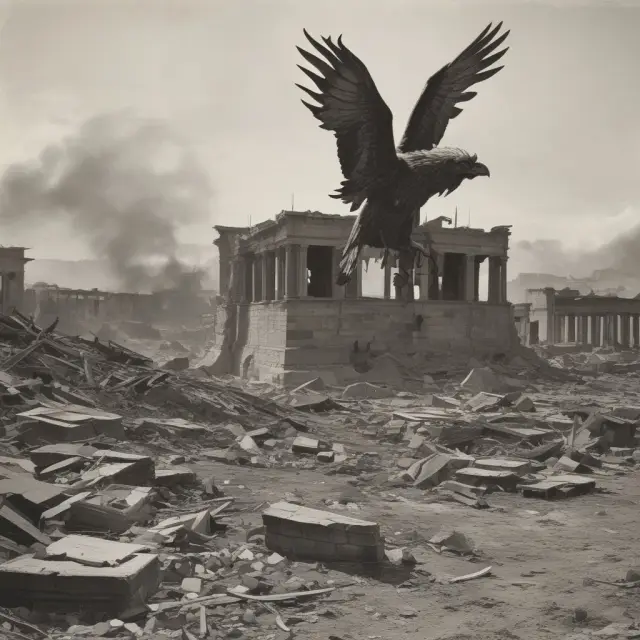
Following the conclusion of World War II, the War Damage Corporation’s role came to an end. The organization was officially abolished in 1947 and its responsibilities were subsequently transferred to the Reconstruction Finance Corporation (RFC). Despite being disbanded, the legacy of the War Damage Corporation continued to shape the modern insurance industry.
The period following World War II brought significant change for the War Damage Corporation as the government’s role in providing insurance against war damage began to evolve. The Rationale behind the Corporation’s creation, which was to fill the gap left by reluctant private insurers, became increasingly irrelevant as the industry adapted to the realities of war-related risks.
The War Damage Corporation’s abolition marked a shift in legal precedent and public opinion regarding compensation for property damages caused by war. Prior to its creation, governments generally held that individuals did not have an automatic right to compensation for such losses, considering them instead as acts of bounty rather than legal entitlement. However, the War Damage Corporation challenged this viewpoint. By offering insurance coverage to Americans during wartime, it set a new standard for government intervention in the realm of private property protection against war damage.
As a result of this shift, post-war governments and private insurers began reconsidering their stance on providing compensation for war damages. The War Damage Corporation’s legacy can be seen in various insurance policies that have emerged to cover risks such as acts of terrorism or war. While most modern insurance policies still include war exclusion clauses, the precedent set by the War Damage Corporation has paved the way for more comprehensive coverage in certain cases.
Insurers’ willingness to offer coverage for war-related damages significantly increased following World War II. This change can be attributed both to the experience gained during the War Damage Corporation era and to advancements in risk assessment and pricing techniques, which made it possible for insurers to profitably offer such policies.
The abolition of the War Damage Corporation signified not only a major development in the American insurance industry but also broader societal changes. This period saw governments, both in the United States and abroad, rethinking their stance on providing compensation for war-related damages and recognizing the value of protecting private property from wartime risks.

Contemporary Parallels: The U.S. Government’s Role in Post-9/11 Insurance Market
The events of September 11, 2001, brought a sense of vulnerability to the United States that mirrored the atmosphere felt during World War II. The devastating attacks on the World Trade Center and the Pentagon led many Americans to once again question their coverage for war-related damages. This time, the private insurance industry was in a far better position than it had been during WWII due to advances in risk modeling techniques and a more robust understanding of potential losses. However, there were still some challenges that called for government intervention to ensure market stability.
In response to the post-9/11 climate, Congress passed the Terrorism Risk Insurance Act (TRIA) in late 2002. This legislation provided a backstop for insurers against potential losses due to acts of terrorism. The program functioned similarly to the War Damage Corporation, as it required private insurance companies to share losses with the Federal government in the event of catastrophic terrorist attacks. By establishing this partnership, the government was able to prevent private insurers from facing financial ruin following a large-scale terrorist attack.
Since its inception, TRIA has been renewed several times, most recently in 2019 for another six years. The legislation has played a crucial role in ensuring that Americans are protected against potential losses related to terrorism and maintaining the stability of the insurance industry. Some argue that this government intervention has had a positive impact on the insurance market by providing insurers with predictability regarding their potential losses, enabling them to price policies appropriately based on risk assessments.
In summary, while the War Damage Corporation was specific to World War II, its precedent and influence have continued to shape insurance practices in the United States, particularly in response to large-scale catastrophic events such as 9/11. The government’s role in offering subsidized insurance against war-related damages has helped protect American citizens while also ensuring the long-term stability of the insurance industry.
FAQ:
What is the War Damage Corporation?
Answer: The War Damage Corporation was a U.S. government program that provided subsidized insurance against property damage caused by war. Established in 1941, it offered Americans protection against the potential losses stemming from wartime risks when private insurers were unable to profitably offer such coverage.
Why did the War Damage Corporation come into existence?
Answer: The War Damage Corporation came into existence as a response to the inability of private insurance companies to provide affordable war-related property damage insurance due to the perceived financial risks and potential catastrophic losses. The government stepped in to fill this gap by creating the program and offering subsidized coverage.
How did the War Damage Corporation influence modern insurance practices?
Answer: The War Damage Corporation had a lasting impact on the American insurance industry by setting a precedent for private insurers offering policies specific to war-related damage, such as damages related to weapons of mass destruction or acts of terrorism. Additionally, some aspects of the organization’s functions were adopted and continue to be utilized in programs like the Terrorism Risk Insurance Act.
What is the significance of the War Damage Corporation during World War II?
Answer: During World War II, the War Damage Corporation provided insurance coverage against war-related damages to American citizens at a subsidized rate due to private insurers’ inability to profitably offer such coverage. This program played a crucial role in protecting property owners and ensuring the stability of the American economy during wartime.
How does the War Damage Corporation relate to terrorism risk insurance?
Answer: The War Damage Corporation served as an early precedent for government intervention in providing subsidized coverage against catastrophic losses, such as those related to war or terrorism. This legacy is reflected in the Terrorism Risk Insurance Act, which shares similarities with the War Damage Corporation by offering backstop protection for insurers against potential large-scale losses.

Frequently Asked Questions (FAQ)
What exactly was the War Damage Corporation?
The War Damage Corporation was an initiative launched by the United States government during World War II to provide Americans with insurance against property damage caused by the war. With private insurers unwilling to offer coverage for such risks due to potential high costs, the government stepped in to subsidize these policies.
Why did the U.S. Government create the War Damage Corporation?
The primary reason behind the creation of the War Damage Corporation was to help American citizens insure against property damage resulting from war efforts when private insurers couldn’t affordably offer coverage due to potential high costs. This insurance program allowed individuals to protect their personal possessions, providing them with peace of mind during a time when war-related damage was a significant concern.
When was the War Damage Corporation established?
The War Damage Corporation was first established in 1941, initially under the name War Insurance Corporation and later being renamed to War Damage Corporation in 1942.
What types of damages did the War Damage Corporation cover?
The War Damage Corporation primarily focused on insuring Americans against war-related property damage, providing coverage for losses due to bombing raids, shellings, or other forms of military action. The organization’s objective was to protect citizens and their assets from financial burdens caused by damages beyond their control.
How long did the War Damage Corporation operate?
The War Damage Corporation officially operated from its creation in 1941 until it was abolished by the Act of Congress in 1947.
What impact did the War Damage Corporation have on modern insurance markets?
The War Damage Corporation’s precedent influenced legal thinking concerning property damages caused by war and shaped the way insurers approach these risks. Modern insurance practices include war exclusion clauses that exempt insurers from providing coverage for damages related to acts of terrorism, civil unrest, or war. However, some private insurance companies now offer specialized policies for war-related damage.
Why was the War Damage Corporation disbanded?
The War Damage Corporation was discontinued following World War II in 1947. Its functions were assumed by the Reconstruction Finance Corporation.
 Next entry · No. 5,600Understanding War Economies: Prioritizing National Security Amidst Conflict
See also
-
 No. 5,421
07 Sep 2025
17 min
Understanding Vandalism and Malicious Mischief Insurance: What It Covers and What It Doesn’t
Insurance
No. 5,421
07 Sep 2025
17 min
Understanding Vandalism and Malicious Mischief Insurance: What It Covers and What It Doesn’t
Insurance -
 No. 5,389
04 Sep 2025
19 min
Valuation Clauses in Insurance Policies: Understanding Replacement Cost, Actual Cash Value, and Agreed Value
Insurance
No. 5,389
04 Sep 2025
19 min
Valuation Clauses in Insurance Policies: Understanding Replacement Cost, Actual Cash Value, and Agreed Value
Insurance -
 No. 5,270
25 Aug 2025
18 min
Understanding United States Government Life Insurance (USGLI): Origins, Workings, and Impact
Insurance
No. 5,270
25 Aug 2025
18 min
Understanding United States Government Life Insurance (USGLI): Origins, Workings, and Impact
Insurance -
 No. 4,955
31 Jul 2025
18 min
Understanding Third-Party Insurance: A Comprehensive Guide for Institutional Investors
Insurance
No. 4,955
31 Jul 2025
18 min
Understanding Third-Party Insurance: A Comprehensive Guide for Institutional Investors
Insurance -
 No. 4,360
12 Jun 2025
20 min
Understanding Reinsurance: Types, Benefits, and How It Works
Insurance
No. 4,360
12 Jun 2025
20 min
Understanding Reinsurance: Types, Benefits, and How It Works
Insurance -
 No. 4,359
12 Jun 2025
21 min
Reinsurance Ceded: Understanding the Insurance Industry’s Risk Management Strategy
Insurance
No. 4,359
12 Jun 2025
21 min
Reinsurance Ceded: Understanding the Insurance Industry’s Risk Management Strategy
Insurance