Understanding Vandalism and Malicious Mischief Insurance: What It Covers and What It Doesn’t

Understanding Vandalism & Malicious Mischief Insurance: Coverage, causes, prevention tips, and the claims process
Introduction to Vandalism and Malicious Mischief Insurance
Vandalism and malicious mischief insurance is an essential component of most commercial and homeowner policies that helps protect property owners against financial losses due to intentional damage inflicted on their properties by vandals or malefactors. This type of coverage is crucial for institutional investors, as buildings left unoccupied, such as schools and churches, are often targeted by vandals who seek the thrill of damaging someone else’s property or take revenge. The costs associated with repairing damages caused by vandalism can be significant, making insurance coverage an indispensable safeguard against potential financial losses.
**Understanding Vandalism and Malicious Mischief: A Definition**
Vandalism and malicious mischief are terms used interchangeably in the insurance industry to refer to intentional damage inflicted on property. The primary distinction between these two terms lies in the vandal’s intentions; vandalism implies a deliberate act of destruction, while malicious mischief may not necessarily involve an explicit intention to cause harm but could still result in damage. Both perils are typically covered under standard insurance policies for the parts of the premises that the property owner is responsible for and any damaged personal property on-site.
**Common Causes and Examples of Vandalism**
Vandalism often stems from boredom, a desire to express displeasure or anger, or revenge. Some common causes of vandalism include:
- Delinquent teenagers seeking attention and excitement.
- Angry ex-partners wishing to cause damage out of spite.
- Groups taking advantage of unattended properties during off-hours.
- Criminals targeting buildings for theft, breaking in and vandalizing as they search for valuables.
For example, a disgruntled ex-spouse might vent their anger by spray painting obscenities on the walls of a house or smashing windows in an attempt to inflict emotional pain on their former partner. These acts are considered vandalism and may be covered under insurance policies if they exceed the specified deductible.
**Malicious Mischief: A Different Perspective**
Malicious mischief is closely related to vandalism but can occur unintentionally. For instance, a prank gone wrong, like a child accidentally damaging property while playing, could be considered an act of malicious mischief instead of vandalism if the child did not intend to harm anyone or anything.
**Coverage and Exclusions in Vandalism Insurance Policies**
Standard insurance policies that include vandalism coverage typically have higher deductibles for buildings that are unoccupied during certain hours, such as schools and churches. It’s essential for property owners to be aware of the specific terms and conditions of their policies, including common exclusions like:
- Vandalism losses on dwellings vacant for more than 60 days.
- Losses caused by actions committed by insured individuals against each other.
- Damages resulting from natural disasters or other covered perils.
By understanding these exclusions, property owners can take proactive measures to minimize their risk and reduce potential damage.

Defining Vandalism and Malicious Mischief
Vandalism and malicious mischief refer to two distinct forms of property damage, each characterized by different causes and implications for institutional investors. Vandalism is defined as the intentional destruction or injury of another person’s property without justification, while malicious mischief refers to damage that occurs with less intent but still has damaging consequences.
Understanding these terms is essential for institutional investors who must assess their risk and determine what coverage they need. Vandalism and malicious mischief are typically included in standard commercial or homeowner insurance policies, but it’s crucial to understand the limitations of this coverage.
Vandalism: Intentionally Damaging Property
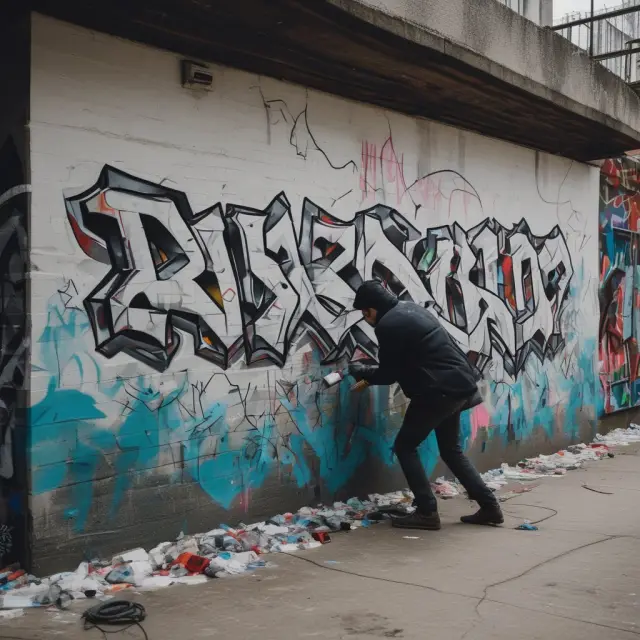
Vandalism is a deliberate act that involves intentionally damaging, destroying, or defacing another person’s property for various reasons, often fueled by anger, boredom, or thrill-seeking behavior. Examples of vandalism include graffiti on walls, broken windows, and slashed tires.
Vandalism can result in costly repairs and replacements for property owners. Institutional investors may want to consider the potential financial impact of this peril and take measures to mitigate risks by implementing security protocols, such as installing surveillance cameras or hiring security personnel.
Malicious Mischief: Unintentional Damage with Consequences
Malicious mischief is a less intentional form of property damage that still results in unwanted consequences for the property owner. Malicious mischief can occur when an action, like playing a loud radio or moving someone’s lawn furniture, unintentionally leads to damage or destruction.
Although malicious mischief may seem less harmful compared to vandalism, it can still lead to significant repair costs and financial losses for institutional investors. Property owners should ensure they have adequate insurance coverage for both types of perils to protect against potential damages caused by unintended consequences.
Understanding Vandalism and Malicious Mischief in Insurance
Vandalism and malicious mischief are often included as coverage under a standard fire policy or as an endorsement. Institutional investors should be aware that vandalism losses may carry higher deductibles for properties known to be unoccupied during specific hours of the day, such as schools and churches. Vandalism losses are typically not covered on dwellings vacant for over 60 days, nor for damages caused by named insureds or their actions.
In conclusion, it is crucial for institutional investors to understand vandalism and malicious mischief insurance coverage. This understanding enables them to evaluate potential risks, make informed decisions regarding insurance policies, and take proactive measures to protect their assets against intentional or unintentional damages.
Vandalism: Common Causes and Examples
Vandalism, defined as intentional destruction or injury to someone else’s property, is a common concern for institutional investors. According to the Federal Bureau of Investigation (FBI), vandalism accounts for about 16 percent of all reported property crimes in the United States. Understanding the most frequent causes and examples of vandalism can help institutional investors minimize their risks and ensure that they are adequately insured against this peril.
One significant cause of vandalism is personal disputes. Disgruntled ex-partners, for example, may seek revenge by damaging or destroying property. Alcohol often plays a role in these incidents, making them more impulsive and unpredictable. Insurers typically consider these types of losses covered under the vandalism and malicious mischief coverage.
Another common cause of vandalism is teenage pranks. According to a survey by the National Retail Federation (NRF), one in five retailers reported experiencing graffiti or vandalism during the past year, with most incidents attributed to adolescents. These acts are often committed out of boredom or rebellion and can cause significant damage to property and reputation. Institutional investors should consider enhancing their security measures during peak teenage hours and invest in preventive solutions such as graffiti-resistant coatings for walls.
Spray paint is the most common tool used in vandalism incidents. According to the Property Casualty Insurers Association of America (PCI), approximately 70 percent of all vandalism claims involve spray paint damage. Graffiti artists can cover large surfaces in a short time, leaving property owners with extensive repair costs. Institutional investors should consider installing motion-activated cameras and working closely with local law enforcement to deter graffiti artists and prevent repeat incidents.
A recent trend in vandalism is cyber attacks. Hackers or cybercriminals may target websites, databases, or networks, causing significant damage to an organization’s reputation and financial standing. While not covered under traditional vandalism insurance, these incidents can be addressed through separate cyber insurance policies. Institutional investors are advised to invest in robust cybersecurity systems and work closely with their IT teams and insurance providers to minimize the risk of cyber attacks.
In conclusion, understanding the common causes and examples of vandalism is crucial for institutional investors in protecting their assets and minimizing potential losses. By being proactive and informed, these investors can implement preventive measures and ensure that they have adequate coverage against this peril. In our next section, we will further explore malicious mischief, a related insurance risk, and discuss its implications for institutional investors.

Malicious Mischief: Understanding the Peril
When discussing insurance coverage related to property damage, vandalism and malicious mischief often come up as closely related concepts that can cause significant losses for institutional investors. While these terms are frequently used interchangeably, it is essential to understand their differences and implications.
Vandalism refers to deliberate destruction of another person’s property. Malicious mischief, on the other hand, involves intentional damage to someone else’s property without necessarily intending to cause substantial harm or financial loss. While both terms relate to property damage inflicted intentionally, malicious mischief often implies less severe damage than vandalism.
One example that illustrates the difference is graffiti on a wall. In this case, vandalism would be more applicable if the graffiti significantly defaces or ruins the wall and causes financial loss. Malicious mischief might apply if the graffiti is minor and does not cause significant damage or loss to the property.
Understanding these definitions and distinctions is crucial for investors because vandalism and malicious mischief insurance policies may cover one but not the other. Additionally, insurers often define these terms differently in their coverage agreements.
When dealing with vandalism or malicious mischief insurance claims, it’s essential to remember that each case is unique, and it’s crucial to consult your insurance provider for a clear understanding of what your policy covers and the potential implications.
Additionally, it’s important for institutional investors to take proactive measures to prevent vandalism or malicious mischief incidents on their properties. Installing security cameras, maintaining an active presence on-site, and establishing partnerships with local law enforcement agencies can help mitigate risks and reduce potential damage caused by these perils.
In conclusion, understanding the difference between vandalism and malicious mischief is crucial for institutional investors when it comes to insurance coverage and property protection. By familiarizing yourself with the definitions, implications, and potential insurance coverage options, you’ll be better equipped to make informed decisions and safeguard your investments.
What’s Typically Covered in Vandalism Insurance Policies?
Vandalism insurance policies, as part of comprehensive property insurance coverage, provide protection for losses arising from intentional damage inflicted on your property or personal belongings. The peril of vandalism is a common cause of loss for businesses and homeowners alike. Understanding what damages are typically covered under these policies can help you make informed decisions regarding the amount of coverage needed to safeguard your investments.
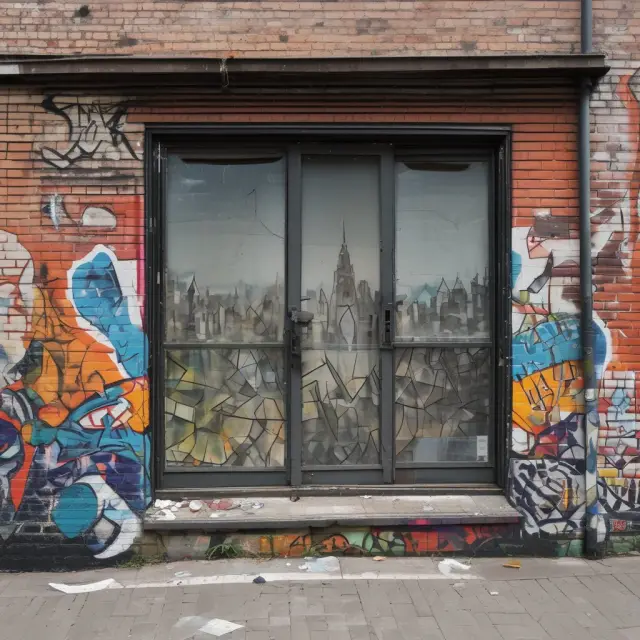
In essence, vandalism insurance covers any damage done to your property or belongings without consent. This includes graffiti, broken windows, and damaged fences, among other incidents. Furthermore, vandalism insurance extends protection to personal property located on the insured premises, such as computers, office equipment, or other business assets.
One of the most common sources of vandalism losses is damage inflicted by ex-partners or disgruntled individuals seeking revenge. In fact, according to the Insurance Information Institute (III), around 32% of all property damage claims from divorcing couples involved malicious destruction of property. If your former partner trashes your home, vandalism insurance can help offset the costs associated with repairs and cleanup.
Moreover, vandalism insurance often covers losses resulting from malicious mischief. Malicious mischief differs slightly from vandalism in that not all acts are intentional; some may be the result of carelessness or reckless behavior. For example, if an intoxicated person accidentally damages a landscaping feature on your property during a party, you may still file a claim under your vandalism insurance policy.
It is essential to recognize that not every loss is covered under a standard vandalism insurance policy. For instance, structures that have been vacant for over 60 consecutive days are no longer eligible for coverage due to the increased risk of vandalism. Additionally, if any insured individual commits the damage intentionally, the policy may not provide coverage. In such cases, it’s crucial to ensure your policies are up-to-date and reflect changes in occupancy or membership status.
The value of understanding what is typically covered under vandalism insurance lies in its potential to help mitigate the financial burden of property damage and provide peace of mind. As a responsible investor, being informed about the specifics of your coverage can save you time, money, and stress when the unexpected occurs.

Notable Exclusions from Vandalism Insurance
Vandalism and malicious mischief insurance policies generally provide comprehensive coverage for the damages caused intentionally to property or personal belongings, but there are certain exclusions that might not be immediately apparent to insured parties. Understanding these exceptions is crucial to ensure an accurate appraisal of potential risks and to maximize the benefits derived from having vandalism coverage.
The two most common exclusions in vandalism insurance policies include vacant properties and damages caused by the policyholders themselves.
Vacant Properties
A dwelling or structure is classified as vacant when it has been unoccupied for more than 60 days, meaning that there are no residents or tenants residing on-premises. Vandalism losses are not covered for dwellings that have been vacant for over 60 consecutive days. This exclusion applies because insurance companies consider a property to be at significantly higher risk of vandalism when it is unoccupied, making it essential for insureds to take additional measures and securities to protect their properties in such situations.
Self-Inflicted Damages
The second common exclusion from vandalism insurance policies pertains to damages caused by the policyholders themselves or any person listed as an insured under the policy. For instance, if a property owner intentionally destroys parts of their property, these damages will not be covered under the vandalism insurance policy, as it is considered an act of self-inflicted harm. This exclusion can also extend to instances where the actions of an insured’s family members or invitees result in losses due to vandalism, further emphasizing the importance of maintaining a clean and secure property.
In conclusion, being aware of these notable exclusions from vandalism insurance policies will help insureds make informed decisions about their coverage needs and ensure they are adequately prepared for potential risks. By understanding what is not covered under their policy, insureds can take proactive steps to protect themselves against losses due to vandalism or malicious mischief, as well as minimize any potential financial implications.

The Importance of Proper Documentation and Reporting
Vandalism and malicious mischief insurance is an essential coverage for property owners, including institutional investors, to secure protection from losses caused by intentional damage or destruction. By documenting all incidents of vandalism or malicious mischief and reporting them promptly to the insurance provider, policyholders can maximize their claim’s potential.
Documentation plays a crucial role in filing an accurate and successful claim. Homeowners and property managers must provide ample evidence that supports the extent and cause of the damage. This may include photographic or video records, incident reports from law enforcement or security personnel, as well as any relevant insurance forms. A comprehensive record will expedite the claims process and ensure reimbursement for losses covered by the policy.
Additionally, prompt reporting is essential to maintaining the validity of a claim. Most insurers require that policyholders submit incident reports within a specific time frame following the damage. Failure to report incidents in a timely manner may result in reduced or even denied claims. The documentation and reporting process also serve as evidence that policyholders are taking proactive measures to protect their property from further harm.
It is essential to understand that vandalism insurance has several exclusions, including damages resulting from vacant properties and those caused intentionally by the insured party. Vacant structures become attractive targets for vandals due to the reduced risk of being caught. Homeowners and investors must be diligent in monitoring their property when it is unoccupied to minimize losses. Additionally, damages inflicted by the policyholder or any named individuals on their insurance policy are not typically covered under vandalism or malicious mischief insurance.
In conclusion, proper documentation and reporting are vital aspects of maintaining a successful vandalism insurance claim. By following these guidelines and ensuring that all incidents are reported promptly to the insurance provider, property owners can mitigate losses, expedite the claims process, and maximize their recovery under their policy.

Tips for Preventing Vandalism: Best Practices
Vandalism and malicious mischief can lead to costly repairs, potential business interruption losses, and other financial burdens. To mitigate these risks, institutional investors can take proactive measures. Here are some best practices for preventing vandalism and minimizing damage:
- Secure Your Property: Install reliable security systems, such as surveillance cameras, alarm systems, motion sensors, and fencing. Regularly test these systems to ensure they’re functioning correctly. Inspect the property’s entry points for any weak areas that could be exploited by intruders.
- Maintain a Presence: Regularly patrol the premises or hire security personnel during unoccupied hours, if possible. This not only serves as an excellent deterrent against vandals but also helps maintain order and safety.
- Monitor Your Property Closely: Install security cameras and set up a system to regularly review their footage. Encourage tenants or employees to report any suspicious activity immediately. Regularly inspect the property for signs of damage or unauthorized access.
- Maintain Communication: Keep lines of communication open between building management, tenants, and local authorities. Ensure everyone is aware of security protocols and emergency contact information. This can help minimize response times during incidents and encourage a collaborative approach to maintaining security.
- Create an Inclusive Community: Foster a sense of community among the people who use or live on the property. Encourage regular meetings, events, and engagement opportunities that bring individuals together. A strong community can deter vandals and create a safer environment for all.
- Establish Clear Rules: Implement strict rules against trespassing, littering, graffiti, loitering, and other activities that could attract vandalism or malicious mischief. Communicate these rules clearly to tenants, employees, and the general public. Consistently enforce these rules to discourage unwanted behavior.
- Partner with Local Authorities: Establish a relationship with local law enforcement agencies, fire departments, and other emergency responders. Share information about your property’s security measures, its unique features, and any ongoing issues that could impact their response times. This collaboration can help improve the effectiveness of their services and support your efforts in maintaining security.
- Document Everything: Maintain an up-to-date inventory of all assets on the property, including personal property and structures. Regularly document any signs of vandalism or damage, taking detailed photographs and noting the exact location and extent of the issue. Keep these records securely stored for future reference.
- Implement a Crisis Management Plan: Develop a plan to handle potential crises, such as power outages, extreme weather events, or security breaches. Ensure that all stakeholders are aware of this plan and have access to it. Regularly review and update the crisis management plan to reflect changing circumstances or new risks.
- Stay Informed: Keep abreast of local crime trends and other potential threats to your property. This can help you anticipate vulnerabilities and implement targeted preventative measures, ensuring a safer environment for all.
By implementing these best practices, institutional investors can significantly reduce their risk of vandalism and malicious mischief, minimizing the financial impact of any potential damage or loss.

What Happens After a Claim is Filed?
Filing a claim for vandalism or malicious mischief damage can be a stressful experience, but the process is designed to help policyholders recover their losses as efficiently as possible. This section will provide an overview of what happens after you’ve filed a claim and the steps involved in receiving compensation.
First, contact your insurance company as soon as possible after discovering the damage. Provide them with detailed information about the incident, including location, time of occurrence, and any available evidence such as photographs or video footage. Your insurer will assign an adjuster to evaluate the claim and determine whether it meets the terms and conditions of your policy.
The adjuster may request additional documentation or visit the site to assess the damage firsthand. Once the evaluation is complete, the insurance company will issue a settlement offer. This offer typically includes the cost of repairing or replacing damaged property, as well as any additional expenses related to business interruption or loss of use. The settlement offer may also include the deductible that was agreed upon in your policy.
Policyholders have the option to accept or negotiate the initial offer. If you believe the offered amount does not cover the full extent of your losses, you can request a reevaluation or appeal the decision. Keep in mind that insurance policies often include specific guidelines regarding the appeals process and deadlines for submitting additional documentation.
Once an agreement on the settlement has been reached, the insurance company will issue payment to the policyholder. The method of payment may depend on your policy terms. In some cases, checks or electronic transfers are used, while others may involve direct payment to contractors or repair facilities.
In conclusion, filing a claim for vandalism or malicious mischief damage can be a complex and time-consuming process. However, understanding the steps involved and maintaining clear communication with your insurance company can help ensure a successful outcome. If you have any questions about the claims process, contact your insurance provider to discuss your specific situation and concerns.

Frequently Asked Questions about Vandalism and Malicious Mischief Insurance
1. **What is vandalism and malicious mischief insurance?** Vandalism and malicious mischief insurance provides coverage for losses resulting from intentional damage to your property or belongings. It’s typically included in basic commercial and homeowner insurance policies but may require a separate endorsement.
2. **What’s the difference between vandalism and malicious mischief?** Both vandalism and malicious mischief involve intentional harm to someone else’s property, but malicious mischief can also include accidents where no harm was intended. Vandalism is more deliberate and damaging in nature.
3. **What does vandalism insurance cover?** It covers damage to your property (buildings, structures) and personal belongings due to intentional acts of vandals. This includes graffiti, broken windows, slashed tires, and destruction of landscaping or other property improvements.
4. **Why is vandalism insurance important for institutional investors?** Institutions like schools, offices, and religious organizations are often targets for vandalism due to their unoccupied status during certain hours. This insurance protects against potential financial losses from intentional damage.
5. **What’s the average deductible for vandalism insurance?** The cost of a deductible varies depending on the level of coverage and property risk. For properties known to be unoccupied for extended periods, higher deductibles may apply.
6. **Who commits most acts of vandalism?** Angry ex-partners are the leading cause of vandalism insurance claims due to their desire for revenge and access to the target’s property. However, any individual with a motive and opportunity can commit an act of vandalism.
7. **What’s not covered by vandalism insurance?** Vandalism or malicious mischief losses are generally excluded if a dwelling has been unoccupied for over 60 days or the damage was caused by insured individuals themselves. Ensure your policy is up-to-date to avoid coverage gaps.
8. **How do I file a claim for vandalism or malicious mischief insurance?** File a police report and document all damages thoroughly with photographs and written descriptions. Then, contact your insurance company as soon as possible to initiate the claims process.
9. **Can I prevent vandalism on my property?** Yes! Implementing security measures like surveillance cameras, fencing, and regular patrols can deter potential vandals. Additionally, keeping a clean and well-lit property can reduce the likelihood of malicious mischief incidents.
 Next entry · No. 5,422Understanding Vanilla Strategies: Simple, Effective Approaches to Investing and Business
See also
-
 No. 5,599
22 Sep 2025
18 min
The War Damage Corporation: Protecting Americans Against War-Related Property Damage during World War II
Insurance
No. 5,599
22 Sep 2025
18 min
The War Damage Corporation: Protecting Americans Against War-Related Property Damage during World War II
Insurance -
 No. 5,389
04 Sep 2025
19 min
Valuation Clauses in Insurance Policies: Understanding Replacement Cost, Actual Cash Value, and Agreed Value
Insurance
No. 5,389
04 Sep 2025
19 min
Valuation Clauses in Insurance Policies: Understanding Replacement Cost, Actual Cash Value, and Agreed Value
Insurance -
 No. 755
02 Jun 2024
19 min
Contingency Planning: Preparing for Unexpected Negative Events in Finance and Investment
Business Strategy
No. 755
02 Jun 2024
19 min
Contingency Planning: Preparing for Unexpected Negative Events in Finance and Investment
Business Strategy -
 No. 5,849
12 Oct 2025
23 min
Yearly Renewable Term Reinsurance: Understanding the Basics and Uses
Insurance
No. 5,849
12 Oct 2025
23 min
Yearly Renewable Term Reinsurance: Understanding the Basics and Uses
Insurance -
 No. 5,824
10 Oct 2025
20 min
Understanding Written Premium: The Principal Source of Revenue for Insurance Companies
Insurance
No. 5,824
10 Oct 2025
20 min
Understanding Written Premium: The Principal Source of Revenue for Insurance Companies
Insurance -
 No. 5,779
07 Oct 2025
23 min
Understanding Workers’ Compensation Coverage A: What It Covers, Its Importance, and Employer Responsibilities
Insurance
No. 5,779
07 Oct 2025
23 min
Understanding Workers’ Compensation Coverage A: What It Covers, Its Importance, and Employer Responsibilities
Insurance