Watercraft Insurance: A Comprehensive Guide for Professional and Institutional Investors
Discover comprehensive guides on boat, yacht, and personal watercraft insurance for professional and institutional investors. Learn why it's essential and…
Introduction to Watercraft Insurance
Watercraft insurance refers to policies that offer protection for vessels with motor power exceeding 25 miles per hour (mph), including boats, yachts, and personal watercraft. The purpose of these insurance policies is to shield against financial losses arising from damages or accidents. In this comprehensive guide, we explore various aspects of watercraft insurance, including its types, importance, and structure.
Types of Watercraft and Their Respective Insurance Policies
Watercraft can be divided into three main categories based on size. Boats, with a length below 197 feet, are smaller vessels covered under separate boat insurance policies. Yachts, measuring over 197 feet in length, require specialized yacht insurance. Personal watercraft, such as Jet Skis or Sea-Doos, have their unique coverage – personal watercraft insurance.
Understanding the Need for Watercraft Insurance
Although not a legal requirement in many states, having watercraft insurance is essential for boat loans and marina rental agreements. It provides financial security against potential accidents, protecting owners from significant financial losses due to damages or third-party liabilities. Additionally, insurance policies can help cover costs related to property damage, towing, medical payments, and more.
Structuring Your Watercraft Insurance Policy
Watercraft insurance functions similarly to other types of insurance products. By paying a series of premiums, policyholders receive protection from unforeseen risks. The cost of a policy depends on factors like the size and age of the craft, intended usage, and the policyholder’s claims history.
The following sections delve deeper into the world of watercraft insurance, covering aspects such as different types of coverage, deductibles, and the importance of selecting an appropriate provider.
Boat Insurance: A Comprehensive Guide for Boat Owners
This section provides a detailed overview of boat insurance, discussing various coverages, deductibles, and the significance of actual cash value (ACV) versus agreed value (AV).
Yacht Insurance: A Comprehensive Guide for Yacht Owners
Exploring yacht insurance, including hull insurance, protection and indemnity (P&I), and important considerations when choosing a provider.
Personal Watercraft Insurance: A Comprehensive Guide for Jet Ski Owners
Detailed discussion on personal watercraft insurance, addressing the importance of having this coverage, differences from boat or yacht insurance, and potential cost savings through bundled policies.
Factors Affecting Watercraft Insurance Premiums
This section explores factors influencing watercraft insurance premiums, including location, vessel size, age, usage, and claims history.
Important Considerations When Choosing a Watercraft Insurance Provider
Guiding boat, yacht, and personal watercraft owners on how to select the right provider based on coverage options, reputation, financial strength, and customer service.
FAQ: Commonly Asked Questions About Watercraft Insurance
Addressing frequently asked questions about watercraft insurance policies, their importance, and the process of obtaining coverage.
Types of Watercraft and Their Respective Insurance Policies
Watercraft insurance encompasses three main types: boat insurance, yacht insurance, and personal watercraft insurance. Each type of watercraft requires a specific insurance policy tailored to its unique features and risks.
Boat Insurance
A vessel under 197 feet long is generally classified as a boat. While the definition can vary, a boat typically includes small craft like sailboats and powerboats with less than 25 mph horsepower. Most standard homeowners or renter’s insurance policies do not cover these boats comprehensively and lack liability coverage. Instead, boat owners often rely on dedicated boat insurance.
Boat insurance generally covers the following aspects:
- Theft
- Physical damage to the boat due to collisions, striking submerged objects, or vandalism
- Property damage caused by the boat
- Medical payments for injuries sustained by passengers and boat owners and their families
Insurance policies may offer two options: actual cash value (ACV) or agreed value (AV). ACV only covers the boat’s market value at the time of loss, while AV pays a pre-determined amount regardless of depreciation or wear and tear. Boat owners should consider other coverage options such as on-water towing, fuel spill liability protection, ice and freeze coverage, and personal effects coverage depending on their needs and budget.
Yacht Insurance
Larger vessels like yachts require more comprehensive insurance policies due to their size, cost, and unique risks. Yacht insurance typically covers the following aspects:
- Hull insurance
- Protection and indemnity (P&I)
Hull insurance provides coverage for physical damage to the yacht due to collisions, storms, or other perils. P&I covers third-party liability claims for injuries, damages, or legal fees. Both hull insurance and P&I policies offer agreed value coverage and may include additional coverages like onshore property damage, defense costs, and salvage expenses.
Personal Watercraft Insurance
Personal watercraft (PWC) such as Jet Skis, Sea-Doos, and WaveRunners require their own insurance policies due to their unique features and higher risks compared to boats. These small, powerful watercraft can easily reach speeds over 60 mph and are often not covered by homeowners insurance. PWC insurance covers the following aspects:
- Bodily injury to other parties
- Liability for injuries or damages caused by the PWC
- Theft of the PWC
- Towing in case of accidents
Deductibles and coverage limits depend on the specific policy and insurance provider, making it essential for PWC owners to shop around for a suitable policy based on their needs and budget.
In conclusion, understanding the differences between boat, yacht, and personal watercraft insurance is crucial for professional and institutional investors seeking comprehensive protection for their marine investments. By familiarizing yourself with the various features and coverages offered by each type of policy, you can make informed decisions to secure your assets while mitigating risks on the water.

Why Do I Need Watercraft Insurance?
Understanding the necessity of watercraft insurance goes beyond just protecting the investment made on a boat, yacht, or personal watercraft (PWC). It is also essential for securing peace of mind and financial security against potential liabilities arising from accidents, theft, or damages. This section will discuss why having watercraft insurance is important and how it benefits you as a professional or institutional investor in various aspects.
Firstly, obtaining watercraft insurance is necessary if you have taken out a loan for your vessel or are renting a marina slip. The lender or marina might require proof of adequate coverage before approving the loan application or allowing you to dock your boat on their premises. Additionally, being insured not only fulfills these requirements but also ensures protection against significant financial loss in case of unforeseen incidents.
Moreover, having watercraft insurance is crucial for managing risks associated with owning and operating a vessel. For instance, if you are responsible for an accident on the water that causes injury to other individuals or damage to their property, the legal and potential financial consequences can be substantial. Watercraft insurance provides liability coverage to protect you from such claims, ensuring your personal assets remain safe from being depleted by paying compensation or court judgments.
Furthermore, watercraft insurance covers a range of damages and losses beyond just physical damage to your boat or PWC. It includes theft, property damage caused to docks or other boats, medical payments for you and your passengers, and towing services if your vessel breaks down on the water. This comprehensive coverage not only shields you from unexpected costs but also allows you to focus on enjoying your time on the water without worrying about potential mishaps.
In conclusion, watercraft insurance is an essential investment that not only safeguards your asset against financial loss but also offers peace of mind while navigating the waters. By understanding its importance and the various benefits it provides, you can make informed decisions as a professional or institutional investor regarding insuring your boat, yacht, or PWC.
Understanding the Structure of Watercraft Insurance Policies
Watercraft insurance is not just about providing coverage for physical damages and losses; it also offers essential liability protection that can safeguard boat owners from financial catastrophes. The structure of watercraft insurance policies consists of different components, including coverages, deductibles, and liability limits.
Coverages:
Watercraft insurance policies typically offer a range of coverage options depending on the type of watercraft and specific risks you want to mitigate. Some common coverages include:
– Physical damage coverage for your boat or yacht, which pays for damages caused by perils like windstorms, fire, or collision with another vessel.
– Liability insurance, which covers third-party claims for bodily injury, property damage, and related medical expenses resulting from an accident involving your watercraft.
– Comprehensive coverage, which provides protection against various risks such as theft, vandalism, and storm surge damage.
– Uninsured boaters coverage, which protects you if another boat owner without insurance damages your vessel or injures your passengers.
– Fuel spill liability, which covers the cost of cleaning up oil or fuel that leaks from your watercraft in case of an accident.
Deductibles:
A deductible is the portion of a loss that you, as the policyholder, are responsible for paying out of pocket before the insurance company steps in to cover the rest. Deductibles vary depending on the type and value of your watercraft, but they can range from a few hundred dollars to several thousand dollars.
Liability Limits
Liability limits represent the maximum amount your insurance policy will pay out for third-party claims related to bodily injury or property damage arising from an accident caused by your watercraft. These limits are typically expressed as per incident (for individual accidents) and in aggregate (the total amount of coverage available over the entire policy term). Common liability limits range between $100,000 and $5 million, depending on the size and type of your vessel.
Understanding these components is crucial in selecting the right watercraft insurance policy that meets your unique requirements and budget. Remember to shop around for competitive rates from various insurers and consult with an experienced marine insurance professional to help you navigate the process and make informed decisions.
Boat Insurance: A Comprehensive Guide for Boat Owners
Understanding the Importance and Benefits of Boat Insurance
Boating is an exhilarating experience that offers endless possibilities on the water. However, owning a boat comes with significant financial responsibility, making it crucial to have proper insurance coverage in place. Boat insurance is essential for protecting your investment against potential damages, theft, or liabilities. This section will provide you with a comprehensive understanding of boat insurance and its key components.
Types of Coverage in Boat Insurance Policies
Boat insurance typically includes the following coverage types:
- Property Damage: Protection from physical damage to your boat due to collision or striking submerged objects.
- Comprehensive: Covers damages that occur when your boat is not in use, including theft, vandalism, windstorms, and lightning strikes.
- Liability Coverage: Protection from financial obligations if you’re found liable for property damage or personal injury to others while operating the boat.
- Uninsured/Underinsured Boater: Covers damages incurred due to collisions with uninsured or underinsured boaters, as well as personal injuries sustained from such accidents.
- Medical Payments: Coverage for medical expenses for you and your passengers due to an accident or injury while using the boat.
- Fuel Spill Liability: Protection against costs related to fuel spills caused by your boat.
- Trailer Coverage: Covers damages to your boat trailer during transit.
- Personal Effects: Protection for personal belongings on board, such as fishing gear and electronic equipment.
Deductibles and Agreed Value vs Actual Cash Value (ACV)
When purchasing boat insurance, understanding deductibles and the difference between actual cash value (ACV) and agreed value (AV) is vital:
- Deductibles: The amount you pay out-of-pocket before your insurance coverage begins to apply.
- Actual Cash Value (ACV): An insurance policy that pays the boat’s current market value at the time of loss, with depreciation factored in.
- Agreed Value (AV): A predetermined value for your boat, agreed upon by you and your insurer, which is paid out in full if there is a total loss.
When deciding between ACV or AV, it’s important to consider the age and condition of your boat, as well as your personal preference and budget.
Importance of Choosing the Right Boat Insurance Provider
Selecting the right boat insurance provider can make all the difference in ensuring you receive proper coverage and peace of mind while on the water:
- Reputation: Look for insurers with a strong reputation and positive customer reviews.
- Coverage Options: Ensure the company offers customizable policies that cater to your specific boating needs.
- Customer Service: Consider their claims process and overall customer service.
- Price and Discounts: Compare prices among providers and explore discount opportunities, such as bundling multiple policies or maintaining a clean boating record.
- Loyalty Programs: Check if they offer loyalty programs that reward long-term customers.
- Local Knowledge: Opt for an insurer with deep knowledge of your local boating regulations and conditions.
In conclusion, boat insurance is a vital investment for any boat owner, providing coverage against potential damages, theft, or liabilities on the water. By understanding the different types of coverage, deductibles, and choosing the right provider, you can ensure proper protection and peace of mind while enjoying your time on the water.
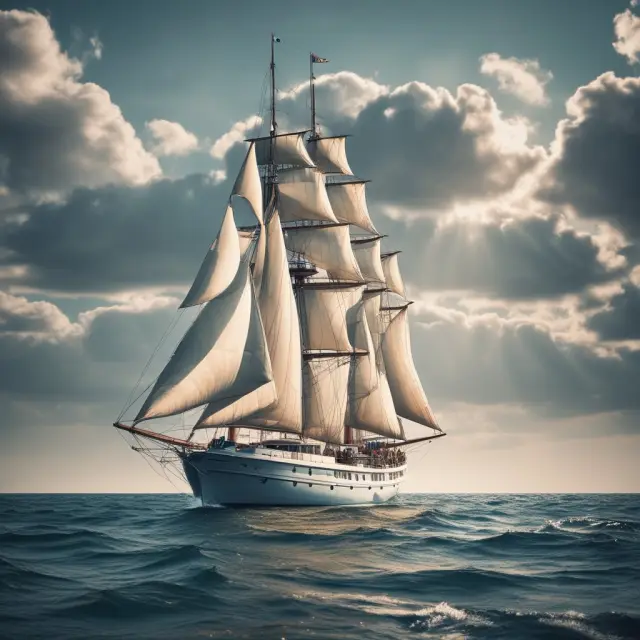
Yacht Insurance: A Comprehensive Guide for Yacht Owners
When it comes to yacht ownership, having the right insurance coverage is essential. Yacht insurance is a specialized form of marine insurance that protects yacht owners against damages and liabilities related to their vessels. In this section, we’ll delve into the specifics of yacht insurance, exploring its components and the importance of comprehensive coverage.
Understanding Yacht Insurance: Yacht insurance is an essential investment for anyone who owns a large watercraft, with hull insurance and protection and indemnity (P&I) being the two primary components. Hull insurance covers damages to the yacht itself, while P&I provides liability coverage for third-party claims related to bodily injury or property damage.
Hull Insurance
Hull insurance is an essential component of a comprehensive yacht insurance policy, covering physical damage to the yacht. It can be purchased on either an actual cash value (ACV) or agreed value (AV) basis. ACV pays out based on the depreciated value of the vessel at the time of the loss, while AV pays for the insured amount regardless of depreciation.
Coverage Options: A typical hull insurance policy will cover damages caused by various perils, such as windstorms, hurricanes, fires, theft, and vandalism. Some policies may also offer additional coverage options for events like oil spills or ice damage.
Deductibles and Limits: The cost of a yacht hull insurance policy is influenced by several factors, including the size of your vessel, its age, and usage. Deductibles for hull insurance are typically a percentage of the insured value, ranging from 1% to 5%. It is essential to understand deductibles and choose one that fits your budget.
Protection and Indemnity (P&I)
P&I insurance is another crucial component of a yacht insurance policy, offering coverage for third-party claims arising from bodily injury or property damage. This type of coverage is essential because maritime law can be complex, and legal fees can quickly add up in the event of an accident.
Coverage Options: P&I insurance typically covers various liabilities, including:
- Bodily injury to third parties
- Property damage to docks or other vessels
- Legal defense costs
- Liability for crew members
- Liability for water skiers and other passengers
- Loss of charter income
- Personal liability coverage for the yacht owner
Deductibles and Limits: P&I insurance policies usually have a deductible that can be chosen by the policyholder, often ranging from $0 to 10% of the insured value. The limit is typically a percentage of the vessel’s value or a specific dollar amount.
Factors Affecting Yacht Insurance Premiums: Several factors influence yacht insurance premiums, including:
- Size and age of the yacht
- Intended use (recreational or commercial)
- Geographic location
- Claims history
- Lay-up period (when the vessel is out of water)
- Navigational territory
- Fuel spill liability protection
- Personal effects coverage
- Ice and freeze coverage
- On-water towing and assistance
- Trailer coverage
When shopping for yacht insurance, it’s important to consider these factors carefully and compare policies from multiple providers to ensure you get the best coverage at a competitive price. By understanding the basics of yacht insurance and its components, you can make informed decisions and protect yourself against potential losses on the water.
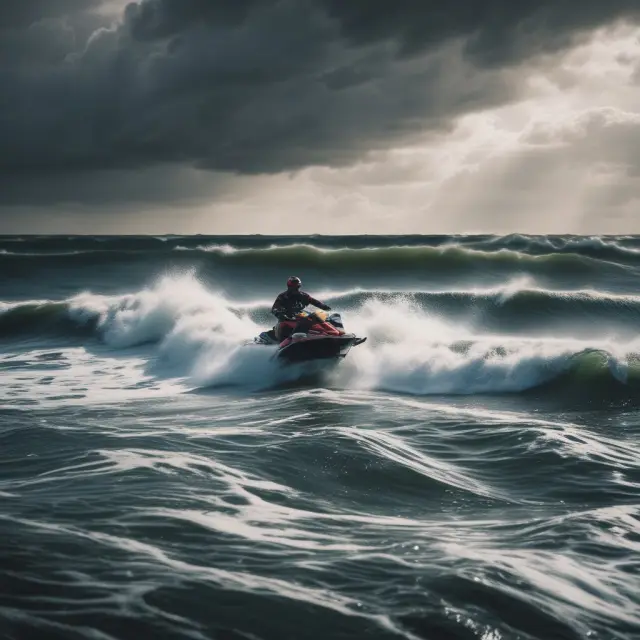
Personal Watercraft Insurance: A Comprehensive Guide for Jet Ski Owners
When it comes to personal watercraft like jet skis, Sea-Doos, and Yamaha Wave Runners, the thrills they bring come hand in hand with potential risks. While these recreational vehicles can offer a fun day on the water, the risks they pose make insurance coverage an essential investment for their owners. In this section, we’ll discuss why personal watercraft insurance is crucial and its unique features compared to boat or yacht insurance.
Personal Watercraft Insurance: What Is It?
Personal watercraft insurance provides financial protection against losses incurred when owning a jet ski, Sea-Doo, or any other type of recreational water vehicle. This coverage helps mitigate risks associated with using these watercraft, ensuring that the policyholder is financially secure against potential accidents, damages, and liability concerns.
Why Do I Need Personal Watercraft Insurance?
Unlike boat insurance and yacht insurance, personal watercraft insurance is typically not mandatory in many states. However, owning a jet ski or any other type of recreational water vehicle involves risks that can result in significant financial losses. These risks include:
- Bodily injury to another person
- Liability for injuries caused by uninsured watercraft operators
- Legal costs if sued due to an accident
- Theft
- Towing after an accident
- Damages to other boats, docks, or property
Despite not being a legal requirement in many areas, having personal watercraft insurance is still highly recommended. Many boat loan providers and marinas require owners to have this coverage as part of their rental agreements. Moreover, the risks associated with using these vehicles can lead to substantial financial losses that might exceed the value of the watercraft itself.
Key Components of Personal Watercraft Insurance
Personal watercraft insurance policies may vary from one provider to another, but they typically include the following coverage options:
- Liability coverage for bodily injury and property damage
- Coverage for medical payments
- Waivers for damage caused by specific perils such as floods or windstorms
- Towing services for accidents or breakdowns
- Replacement costs for accessories and personal effects
- Coverage for trailers or other equipment used in transporting the watercraft
- Ability to bundle multiple policies for discounted rates (if you own more than one craft)
Understanding Differences Between Personal Watercraft Insurance, Boat Insurance, and Yacht Insurance
While all three types of insurance serve the purpose of protecting vessels against financial losses, personal watercraft insurance stands out in several ways:
- Coverage for smaller, less expensive watercraft – Unlike boat or yacht insurance which caters to larger vessels, personal watercraft insurance is designed specifically for recreational vehicles like jet skis and Sea-Doos.
- Different underwriting criteria – Personal watercraft insurance providers focus on factors such as horsepower, usage patterns, and the age and condition of the watercraft.
- Lower premiums and more flexible coverage options – Since personal watercraft are typically smaller and less expensive than boats or yachts, the premiums for this type of insurance are generally lower. Additionally, personal watercraft insurance providers offer more flexible coverage options that cater to the unique needs of recreational water vehicle owners.
In conclusion, personal watercraft insurance is an essential investment for anyone who owns a jet ski, Sea-Doo, or any other type of recreational water vehicle. This coverage not only offers financial protection against potential accidents and damages but also provides peace of mind while enjoying the thrills that these vehicles offer. By understanding the unique features of personal watercraft insurance, you’ll be able to make an informed decision about the right policy for your needs.
Factors Affecting Watercraft Insurance Premiums
Understanding the various factors that can influence watercraft insurance premiums is essential for any professional or institutional investor looking to secure coverage for their fleet of boats, yachts, or personal watercraft. Insurers consider several aspects when calculating the cost of insurance policies. These include but are not limited to location, age, size, and usage.
Location:
The place where your vessel is primarily used can significantly impact your watercraft insurance premium. For example, if you reside in a region prone to natural disasters like hurricanes or tornadoes, your insurance costs may be higher due to the increased risk of damage. Additionally, boats docked in areas with high crime rates might face increased theft risks, resulting in elevated insurance prices.
Age:
Another significant factor influencing watercraft insurance premiums is the age of the vessel. As boats and personal watercraft age, they become more prone to wear and tear. Consequently, insurers may charge higher premiums for older vessels due to increased maintenance costs and potential repair expenses.
Size:
The size of your boat or yacht can also impact your insurance premium. Larger vessels, such as luxury yachts, typically require more extensive coverage and come with higher prices due to their value and the inherent risks associated with larger watercraft. In contrast, smaller boats and personal watercraft usually have lower insurance costs.
Usage:
Your intended use of the boat or personal watercraft also plays a role in determining your insurance premiums. For example, if you frequently engage in water sports activities like waterskiing or jet skiing, your policy might cost more due to the increased risk associated with these activities. Additionally, commercial usage, such as fishing or charter boats, may require specialized coverage and higher premiums than private recreational use.
Understanding how these factors affect your watercraft insurance premiums can help you make informed decisions when comparing different policies and providers. By considering the specific requirements of your fleet and shopping around for competitive rates, you can secure comprehensive coverage that meets your needs while minimizing costs.
Important Considerations When Choosing a Watercraft Insurance Provider
When shopping for watercraft insurance, selecting the right provider is crucial in ensuring comprehensive coverage and peace of mind. Several factors should be considered before making your decision:
1. Coverage Options: Different providers may offer varying levels of coverage, deductibles, and limits. Understanding your specific needs based on the type, size, and intended use of your watercraft will help you evaluate which provider offers the most suitable policy for you.
2. Reputation and Financial Strength: The financial stability and reputation of a potential insurer can significantly impact your claim experience should an incident occur. Researching their track record in handling claims efficiently and fairly is essential.
3. Customization: If you have specific needs, such as the need for on-water towing or ice coverage, it’s important to find a provider that can offer customizable options tailored to your unique requirements.
4. Additional Discounts: Inquiring about any available discounts, such as those for bundling multiple policies, being a safe boater, or having a clean driving record, could help you save on your premiums.
5. Claims Process: Understanding the claims process and how it is handled by various providers can be vital in ensuring that any potential issues are resolved efficiently and effectively. This can include factors such as ease of filing a claim, turnaround time for payment, and transparency throughout the process.
6. Customer Service: Having a responsive, knowledgeable customer service team to answer any questions or address concerns is an essential aspect when dealing with insurance providers. Being able to contact them easily and receive prompt assistance can make all the difference in managing your policy.
7. Renewal Policy: It’s important to consider whether the renewal terms offered by a provider are favorable, as well as any potential price increases or changes to coverage that may occur upon renewal.
By carefully considering these factors and conducting thorough research, you can make an informed decision when selecting a watercraft insurance provider that best suits your needs and budget.
FAQ: Commonly Asked Questions About Watercraft Insurance
Watercraft insurance is an essential investment for professional and institutional investors who own or plan to own boats, yachts, or personal watercraft (PWC). In this section, we will address some frequently asked questions about watercraft insurance to help you make informed decisions.
What is Watercraft Insurance?
Watercraft insurance is a type of coverage that safeguards your boat, yacht, or PWC against damages and financial losses. It covers various aspects, including physical damage, theft, liability for injuries to others, and medical payments for yourself and your passengers.
Why Do I Need Watercraft Insurance?
There are several reasons why you may need watercraft insurance:
a) Compliance with boat loans or rental agreements.
b) Protection from financial losses due to damages, theft, or liability claims.
c) Enhanced peace of mind while navigating the waters.
What Types of Watercraft Are Covered?
Watercraft insurance covers boats, yachts, and PWC with horsepower greater than 25 miles per hour (mph). The type of coverage depends on your vessel’s size:
a) Boat Insurance for vessels under 197 feet long.
b) Yacht Insurance for larger vessels and commercial craft.
c) Personal Watercraft Insurance for Jet Skis, Sea-Doos, and similar vehicles.
What Does Watercraft Insurance Cover?
Watercraft insurance policies typically include the following:
a) Physical damage to your watercraft.
b) Theft of your watercraft.
c) Liability coverage for injuries to others and their property.
d) Medical payments for you and your passengers.
What Factors Affect Watercraft Insurance Premiums?
Premiums vary depending on several factors, including:
a) The size, type, and horsepower of your watercraft.
b) Your vessel’s age and condition.
c) The intended usage of the watercraft.
d) Your driving record and claims history.
How Do I Choose a Watercraft Insurance Provider?
When selecting a provider, consider factors such as their reputation, coverage options, customer service, and financial stability. It is essential to shop around for quotes from multiple providers to find the best deal that fits your needs and budget.
 Next entry · No. 5,638Watered Stock: Understanding the Fraudulent Practice of Issuing Overvalued Shares
See also
-
 No. 5,974
08 Oct 2026
18 min
Term vs Whole Life Insurance: Which Is Better for Me?
Insurance
No. 5,974
08 Oct 2026
18 min
Term vs Whole Life Insurance: Which Is Better for Me?
Insurance -
 No. 5,839
12 Oct 2025
18 min
Understanding Yacht Insurance: Coverage and Key Considerations
Insurance
No. 5,839
12 Oct 2025
18 min
Understanding Yacht Insurance: Coverage and Key Considerations
Insurance -
 No. 5,804
08 Oct 2025
18 min
Understanding Worldwide Coverage: A Comprehensive Guide for Global Insurance
Insurance
No. 5,804
08 Oct 2025
18 min
Understanding Worldwide Coverage: A Comprehensive Guide for Global Insurance
Insurance -
 No. 5,707
01 Oct 2025
21 min
Understanding Whole Life Insurance: A Comprehensive Guide for Institutional Investors
Insurance
No. 5,707
01 Oct 2025
21 min
Understanding Whole Life Insurance: A Comprehensive Guide for Institutional Investors
Insurance -
 No. 5,653
26 Sep 2025
18 min
Understanding Wear and Tear Exclusions in Insurance Policies: What They Are and Why They Matter
Insurance
No. 5,653
26 Sep 2025
18 min
Understanding Wear and Tear Exclusions in Insurance Policies: What They Are and Why They Matter
Insurance -
 No. 5,607
23 Sep 2025
22 min
Understanding Warehouse-to-Warehouse Clauses in Insurance Policies: Protecting Goods from Warehouse to Destination
Insurance
No. 5,607
23 Sep 2025
22 min
Understanding Warehouse-to-Warehouse Clauses in Insurance Policies: Protecting Goods from Warehouse to Destination
Insurance