Understanding the Complexities of Water Rights: Riparian vs. Prior Appropriation

Understanding the complexities of water rights: riparian vs. prior appropriation. Learn about water rights, their impact on agriculture, mining operations…
What Are Water Rights?
Water rights define the legal privileges granted to property owners for utilizing and accessing bodies of water that border or exist on their lands. The importance of understanding water rights comes from the significant differences in how they are defined and implemented across the United States, particularly between riparian and prior appropriation states.
Riparian Rights: The Foundation of Water Access for Landowners
One common type of water rights is riparian rights. These rights grant landowners access to and usage of flowing bodies of waters like rivers and streams that run along the boundaries of their lands. This privilege often includes domestic uses such as bathing, drinking, watering gardens or livestock, and in some cases, non-domestic uses like irrigation, depending on local regulations.
In eastern states, riparian rights usually allow landowners to make reasonable use of the watercourse adjacent to their lands without interfering with the rights of other property owners downstream. These states often follow a government-regulated riparian system that requires individuals or companies to apply for permits from state agencies before diverting water for specific uses.
Littoral Rights: Accessing Large Bodies of Water
Another type of water rights, littoral rights, pertains to landowners whose properties border large navigable lakes, seas, and oceans. Landowners with littoral rights enjoy unrestricted access to the waters but typically own only the land up to the median high-water mark. This form of water right is most applicable for areas where tides and currents impact the bodies of water, and they do not flow consistently like rivers or streams.
Understanding How Water Rights Work
Water rights are considered appurtenant, meaning they run with the land instead of belonging to the owner. Should a property be sold, the new owner acquires the corresponding water rights, while the previous owner relinquishes theirs. Both riparian and littoral water rights have various restrictions and limitations depending on local laws and regulations.
The Importance of Regulations and Special Considerations in Water Usage
Conflicts often arise between the different types of water rights due to varying regulations, special considerations, and potential infringement on neighboring property owners’ rights. For instance, some states may prohibit commercial uses of water or limit the amount of water that can be diverted for agricultural irrigation purposes.
Agriculture and Irrigation: The Nexus of Water Rights and Agricultural Needs
Agriculture is an essential sector where water rights play a critical role, particularly in regions with limited rainfall or arid climates. Farmers may need to apply for permits and adhere to strict regulations when diverting water from rivers or other bodies of water for irrigation purposes. In some cases, farmers can access groundwater through wells to support their agricultural activities.
Conflicts Between Federal Legislation and Water Rights
The implementation of federal legislation like the Clean Water Act, National Environmental Policy Act, and Endangered Species Act has brought about significant challenges for landowners and water right holders in western states that follow the prior appropriation doctrine. These laws often restrict the use and diversion of water, which can lead to disputes between the federal government and individual property owners or municipalities.
Mining Operations: Balancing Water Rights with Environmental Needs
The mining sector is another industry where water rights play a crucial role in ensuring that operations can be carried out sustainably while adhering to environmental regulations. Mining companies may need to apply for permits and comply with strict conditions when diverting or utilizing water from various sources. In some cases, mine operators may be required to construct on-site wastewater treatment facilities to minimize the impact of their operations on local water systems.
Applying for Water Rights: A Comprehensive Guide
Obtaining water rights involves a comprehensive application process that may vary depending on the state and type of water right being sought. This process includes submitting detailed information about the intended use, location, and quantity of water required. Applicants are also expected to demonstrate how their proposed water usage will not interfere with existing riparian or prior appropriation rights of other landowners.
FAQs: Answers to Common Questions About Water Rights
Q: What is the difference between riparian and prior appropriation water rights? A: Riparian water rights grant access to flowing bodies of water that border a property, while prior appropriation water rights allow the first user to divert water from a source for beneficial use. Q: How are water rights determined in eastern states? A: In the eastern United States, most states follow a riparian doctrine where landowners have reasonable use of water adjacent to their properties. Q: What types of uses can I make with riparian water rights? A: Domestic uses such as bathing, drinking, and providing water for livestock are generally allowed under riparian water rights. In some cases, non-domestic uses like irrigation may also be permitted depending on local regulations. Q: What is the difference between domestic and non-domestic uses of water? A: Domestic use refers to activities such as bathing, drinking, and providing water for livestock, while non-domestic uses include agricultural irrigation, commercial applications, and industrial processes.
In conclusion, understanding water rights is essential for anyone who owns property that borders bodies of water or needs access to water for various purposes. Being aware of the differences between riparian and prior appropriation water rights, as well as special considerations for agriculture, mining operations, and government legislation, can help property owners make informed decisions regarding their water usage and ensure compliance with local regulations.
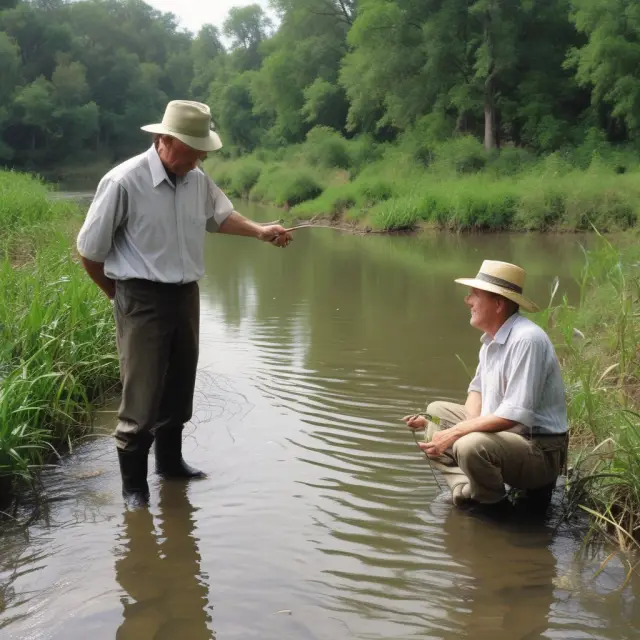
Types of Water Rights: Riparian vs. Prior Appropriation
Water rights play a crucial role in defining the legal relationship between property owners and bodies of water. Two primary types of water rights exist: riparian and prior appropriation. The choice of which type of water right applies to a specific land parcel depends on various factors, including the state’s geography, historical water laws, and the type of body of water in question.
Riparian Water Rights
In the context of water law, riparian rights refer to the legal privileges granted to property owners whose lands are adjacent to flowing bodies of water like rivers, streams, or lakes. With riparian rights, landowners are generally entitled to use the water for their needs, such as drinking, irrigation, and livestock watering. These rights vary widely depending on state regulations and local customs.
In eastern states, the riparian doctrine is usually observed, giving landowners a non-exclusive right to make reasonable use of the water adjacent to their property. This includes the right to divert a certain amount of water for domestic purposes as long as it doesn’t interfere with other users’ rights. In contrast, some eastern states might impose stricter regulations on water usage to protect the environment or ensure fair distribution among various user groups.
Littoral Water Rights
Littoral rights are another type of water rights that apply to landowners whose properties border large bodies of water like lakes, seas, or oceans. These rights grant access to the waters but not ownership beyond the mean high-water mark. Landowners can enjoy unrestricted access to the waters for recreational activities and other non-commercial purposes. However, in many instances, local laws impose restrictions on the removal or diversion of water from large bodies.
Prior Appropriation Water Rights
The prior appropriation doctrine is most commonly found in western states. This system grants the right to divert water to the first person who puts it to beneficial use. Once a user has secured these rights, they have priority over subsequent applicants for water from that source. Prior appropriation allows for more efficient water usage, as senior users can sell, lease, or transfer their rights to other parties.
The prior appropriation system is not without its complexities and controversies. Senior water right holders might sell their rights to junior users, creating potential conflicts between older and newer users. Additionally, environmental concerns have led some states to place restrictions on the diversion of water under prior appropriation systems.
Implications for Agriculture and Irrigation
Water rights significantly impact agriculture and irrigation practices in various ways depending on regional laws and customary practices. In riparian states, farmers may have more limited access to water resources due to stricter regulations designed to protect the environment or ensure fair distribution among users. Conversely, prior appropriation states allow for more flexibility for agricultural users as they can buy and sell water rights to adapt to changing conditions.
Mining Operations and Water Rights
Water rights also play a vital role in mining operations by determining the amount and availability of water that companies can use for various processes like separation, washing, and cooling. The acquisition and transfer of water rights can be a complex process involving extensive negotiations with government agencies and neighboring landowners. In some cases, mining companies may need to secure multiple permits or purchase multiple water rights to maintain their operations.
In conclusion, understanding the differences between riparian and prior appropriation water rights is crucial for property owners, farmers, miners, and developers. Familiarity with these concepts can help navigate regulatory frameworks and ensure compliance with local laws while maximizing potential water usage benefits.
KEY TAKEAWAYS
Understanding the differences between riparian and prior appropriation water rights is essential for property owners, farmers, miners, and developers. Riparian rights grant access to flowing bodies of water like rivers or streams, while prior appropriation rights are based on the order in which water is put to use. Different states have varying regulations regarding these rights, so it’s important to consult local laws for specific requirements.

Riparian Rights
Riparian rights are a crucial aspect of understanding water rights in the United States. These rights refer to the legal privileges granted to landowners situated along flowing bodies of water, such as rivers or streams. Under riparian law, property owners have the right to use the adjacent water resources for various purposes, including domestic uses like drinking, bathing, and watering livestock.
One essential difference between eastern and western states lies in their approach to riparian rights. In the east, riparian rights typically allow landowners to make reasonable use of the watercourse, which includes the right to extract water for domestic purposes without interfering with other users. However, the government regulates these uses in the form of permit applications and approvals to ensure that the water is not overused or diverted excessively.
In contrast, western states follow a different approach – the prior appropriation system. This method grants the first person who diverts water from a source for beneficial purposes (such as irrigation or mining) the right to continue using it. Historically, this system was implemented in response to the arid conditions and the high demand for water resources in western territories.
To illustrate how riparian rights differ between domestic and non-domestic uses, consider a landowner with a riverfront property. The owner can legally use the water for their own household needs, such as drinking or irrigation of small gardens, without any significant limitations. However, if the landowner wishes to divert water from the river for commercial purposes (e.g., agriculture or mining), they may need to obtain additional permits and adhere to stricter regulations.
It is worth noting that riparian rights can vary greatly depending on state laws and local regulations. For instance, in some areas, landowners might only be permitted to use the water for non-commercial purposes, while others could have more flexibility. As always, it’s essential to consult local authorities or legal experts for specific guidance regarding your unique situation.
The importance of understanding riparian rights extends beyond landowners along flowing bodies of water. For instance, these rights also play a significant role in the management and allocation of large lakes and navigable waters, such as seas and oceans. In these cases, the term “littoral rights” is used instead to describe the rights of property owners with land that borders such expansive bodies of water.
In conclusion, riparian rights represent an essential component of water rights in the United States, particularly for those owning property adjacent to flowing bodies of water. These rights can provide crucial access to essential resources and significantly impact commercial opportunities, making a solid understanding of the topic imperative for both landowners and policymakers alike.

Littoral Rights
Littoral rights, also known as shoreline rights or riparian rights for large bodies of water, are a unique form of water rights that provide access to lakes, seas, and oceans. For landowners who have property along the shores or border of navigable waters, it’s important to understand the distinction between riparian and littoral rights.
Riparian rights generally apply to flowing bodies of water like rivers and streams, while littoral rights pertain to large bodies of water such as lakes, seas, and oceans. Riparian rights are a type of water right awarded to landowners whose property is adjacent to these flowing bodies of water. These rights allow the landowner to use the water for various purposes, provided that it does not harm upstream or downstream neighbors.
However, when it comes to large bodies of water like lakes and oceans, things can be more complex. The concept of littoral rights has developed as a response to the unique challenges presented by navigable waters. Littoral rights ensure that landowners have unrestricted access to the waters for recreational purposes or for maintaining their property.
The ownership of the land along a body of water, however, only extends to the median high-water mark – the highest point to which water has reached during a flood tide. Beyond this point, the land remains under public domain. This concept is essential in understanding the relationship between littoral rights and landownership near navigable waters.
While having access to a lake or ocean might seem appealing, it’s important to recognize that littoral rights do not grant ownership of the water itself. In many cases, governments regulate the use of these bodies of water for various purposes, such as public health and safety, conservation, and recreation. Landowners with littoral rights should be aware of any local regulations or restrictions that might apply to their property and water usage.
Understanding the distinction between riparian and littoral rights is crucial for landowners whose properties border large bodies of water. By being informed about these rights and the unique challenges they present, landowners can effectively manage their property while complying with local regulations and ensuring the health of the aquatic ecosystem.

How Water Rights Work
Water rights are an essential element of land ownership that allows property owners access to bodies of water adjacent to their lands. However, the intricacies of water rights can vary significantly based on the type of water body and the region where the land is located. This section will provide a deeper understanding of how riparian and prior appropriation water rights function.
Firstly, it’s crucial to understand that water rights are appurtenant, meaning they run with the land and not to the owner. This means that if an oceanfront property is sold, the new owner gains the littoral rights and the seller relinquishes their rights.
Riparian Rights
Riparian rights refer to a type of water right awarded to landowners whose property is located along flowing bodies of water, such as rivers or streams. Landowners with riparian rights typically have the right to use the water for various purposes, including drinking, providing water for animals, bathing, and watering gardens. However, they might not be permitted to pump or remove water from the source without regulations and limitations.
In cases where a landowner holds property that includes a riverbank bordering on a flowing river, they can make use of the water for domestic purposes. These uses are considered reasonable under riparian doctrine and must not interfere with the reasonable use of another landowner downstream. For instance, in most eastern states with government-regulated riparian systems, individuals or companies must apply for a permit from the state agency to use the water. The state will determine if the projected water use is reasonable before granting the permit.
Littoral Rights
Landowners whose land borders large, navigable lakes and oceans have littoral rights, which pertain to their access to these bodies of water. While they have unrestricted access to the waters, they own the land only up to the median high-water mark. This means that any changes in ownership do not affect the water itself but rather the land adjoining it.
Understanding Conflicts between Water Rights and Federal Legislation
Federal legislation like the Clean Water Act, National Environmental Policy Act, and Endangered Species Act have posed challenges for both riparian and prior appropriation water rights in different ways. Some regulations aim to protect the environment by limiting the amount of water that can be diverted from their sources. This can conflict with the rights of landowners who may rely on the water for agricultural, commercial, or residential purposes.
Impact of Water Rights on Agriculture and Irrigation
Water rights play an essential role in agriculture and irrigation operations, particularly in regions where water scarcity is a concern. These rights determine the extent to which farmers can divert and use water from rivers, lakes, or underground sources for their crops. In some cases, governments may impose restrictions on water diversion to preserve water availability for domestic uses or to mitigate environmental concerns.
Applying for Water Rights
The process of applying for water rights can differ significantly between riparian and prior appropriation states. For example, riparian systems require a permit application and approval from the state agency to use the water, while prior appropriation states grant water rights based on the order of priority determined by the date when an individual first began using the water source.
In conclusion, understanding the intricacies of water rights is vital for property owners in regions where water access plays a crucial role in land development and agricultural practices. By familiarizing yourself with the different types of water rights and their regulations, you can make informed decisions about how to best utilize the water resources available on your property while respecting the rights of other landowners and complying with relevant federal legislation.
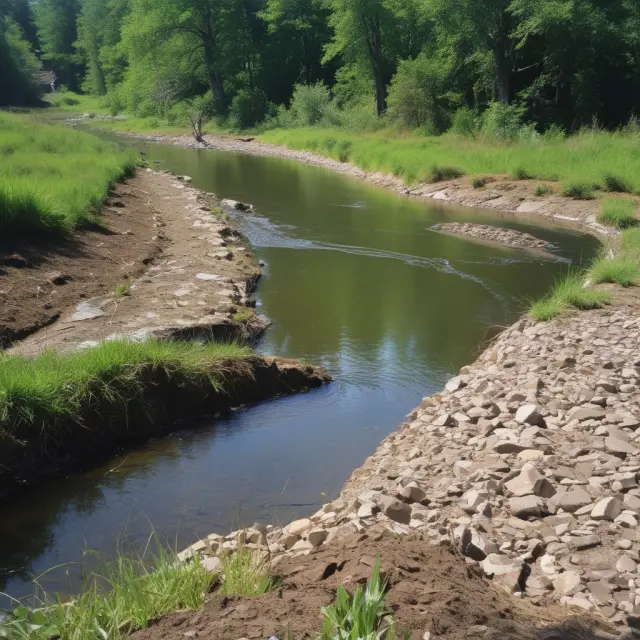
Special Considerations for Water Usage
Water rights can significantly impact various uses of bodies of water, including both domestic and commercial applications. In the context of riparian and prior appropriation systems, it is essential to understand the restrictions and limitations imposed on the usage of water.
Domestic vs. Commercial Use
Riparian rights primarily apply to domestic use, such as drinking, providing water for animals, bathing, or watering gardens. In contrast, commercial uses, like mining operations or irrigation for agricultural purposes, may require more extensive water diversion and usage. In some cases, landowners might need to secure additional permits to enable commercial water usage, particularly in states following the prior appropriation system.
Government-Regulated Riparian Systems in Eastern States
Eastern states with riparian systems regulate water use by requiring permits for individuals or companies seeking to make significant changes to the natural flow of bodies of water. The state agency determines if the proposed usage is reasonable and does not interfere with other landowners’ rights to the water. Applicants must provide details about their intended use, potential impact on the environment, and any plans for mitigating negative effects.
Prior Appropriation in Western States and Federal Legislation
The prior appropriation system in western states allows the first person who diverts water from a source to maintain their right to continue using it. However, federal legislation like the Clean Water Act, National Environmental Policy Act, and Endangered Species Act have imposed restrictions on certain water rights acquired through prior appropriation. These laws aim to protect the environment and aquatic ecosystems by limiting water diversion and ensuring minimal impact on endangered species. This has led to conflicts between the federal government and western states.
Understanding these special considerations for water usage is vital for landowners seeking to develop their properties or engage in commercial activities involving water resources. Being informed about your specific state’s regulations will help you navigate the complexities of water rights and ensure compliance with environmental protections while maximizing the potential benefits of your property.

Understanding Conflicts between Water Rights and Federal Legislation
Water rights play a significant role in land ownership and usage, but they can come into conflict with federal legislation regarding water conservation and environmental protection. In the United States, three major pieces of federal legislation—the Clean Water Act (CWA), National Environmental Policy Act (NEPA), and Endangered Species Act (ESA)—have had profound implications for water rights.
The Clean Water Act is a comprehensive federal law aimed at regulating interstate and intrastate waters, including wetlands. Its primary objective is to prevent, reduce, and eliminate the discharge of pollutants into waters that can threaten the health and safety of Americans and damage natural resources. The CWA sets water quality standards for all contaminants in surface waters and requires permits for point sources, such as industrial facilities and municipal sewage treatment plants, to ensure compliance with these standards.
The National Environmental Policy Act is a procedural law that mandates federal agencies to assess the environmental impacts of their proposed actions before making decisions. The act applies to all activities funded, permitted, or carried out by federal agencies. NEPA requires an Environmental Impact Statement for significant projects and Environmental Assessments for lesser ones. This assessment evaluates potential effects on the environment, including water resources, and provides recommendations to mitigate adverse impacts.
The Endangered Species Act is a comprehensive law aimed at protecting endangered and threatened species and their habitats throughout the United States. The ESA requires federal agencies to consult with the U.S. Fish and Wildlife Service or the National Marine Fisheries Service before making decisions that may affect listed species. This consultation process often results in changes to proposed actions to minimize adverse impacts on endangered species and their critical habitats, which can include water resources.
While these federal laws were enacted with good intentions, they have led to complex interactions with water rights. The CWA and NEPA can limit the ability of landowners to use water for irrigation or other purposes if the diversion might negatively impact water quality or endangered species populations, respectively. This conflict between water rights and federal legislation has resulted in ongoing debates regarding the balance between environmental protection and private property rights.
In some cases, these conflicts have led to legal battles. For instance, in 2013, Nevada rancher Wayne Hage filed a lawsuit against the U.S. Bureau of Land Management (BLM) alleging that the federal agency violated his water rights by limiting his water diversion for agricultural purposes due to concerns for endangered fish populations. The case, known as Hage v. United States, ultimately reached the Ninth Circuit Court of Appeals and resulted in a decision in favor of the BLM, stating that the ESA does not affect riparian rights under state law (Hage v. United States, 712 F.3d 1054 [9th Cir. 2013]).
The complexities of navigating these federal laws and their potential impact on water rights continue to be a topic of debate among stakeholders, including landowners, environmentalists, and policymakers alike. As the population grows, the demand for water resources increases, and as climate change alters water availability in various regions, finding a balance between protecting the environment and respecting property rights will remain an essential challenge for water management in the United States.
In conclusion, understanding water rights is crucial for landowners to effectively manage their properties, particularly regarding water access and usage. The riparian vs. prior appropriation debate highlights the significant differences between eastern and western states’ approaches to water rights. Additionally, conflicts between federal legislation like the Clean Water Act, National Environmental Policy Act, and Endangered Species Act have added complexities to the already intricate system of managing water resources in the United States. Navigating these challenges requires a deep understanding of water rights and their implications for landowners and society as a whole.
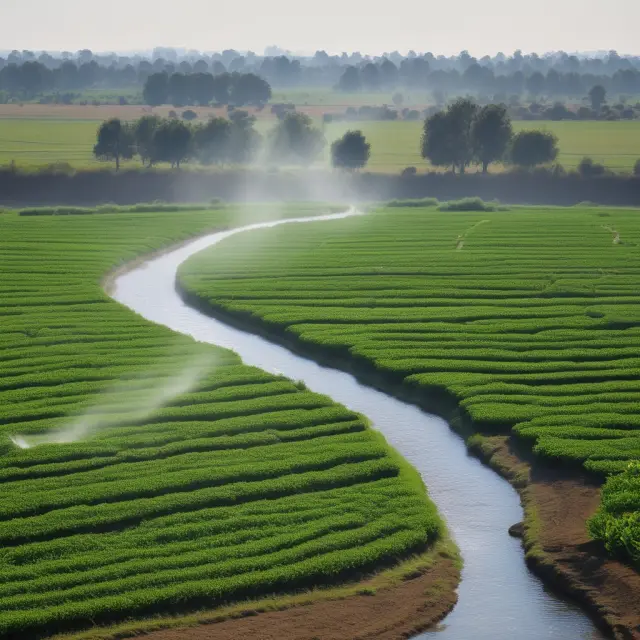
Impact of Water Rights on Agriculture and Irrigation
The impact of water rights on agriculture and irrigation is significant in both riparian and prior appropriation regions. In areas where riparian water rights are dominant, landowners can typically make use of the water adjacent to their lands for various purposes, including domestic uses such as drinking, watering livestock, bathing, or gardening. However, restrictions on diverting the water might limit irrigation potential. For instance, in some cases, agricultural activities may not be allowed due to riparian doctrines that protect the downstream needs of neighboring landowners.
In contrast, prior appropriation water rights allow for diversion and use of water as long as the individual or entity was the first to put it to beneficial use. Farmers in prior appropriation areas may have more flexibility in using water for irrigation purposes since they can apply for water permits to divert water from its source. These permits grant them the right to use the water for their agricultural needs, making this type of water rights more suitable for large-scale and commercial agriculture operations.
However, even with prior appropriation rights, farmers face challenges as water availability fluctuates based on climate conditions and upstream uses. Droughts, for instance, can significantly impact agriculture in these areas since water is a finite resource. The ongoing competition among various water users, such as mining industries and municipalities, adds to the complexity of water management in prior appropriation states.
Water rights regulations also play a role in how agriculture is managed on both sides of the country. In eastern riparian systems, permits for irrigation may be more restricted due to the government-regulated system that requires individuals or companies to apply and demonstrate reasonable use. However, these restrictions might encourage efficient water usage through technological advancements such as drip irrigation systems.
In western prior appropriation regions, farmers can typically divert water from their sources with permits. This flexibility in water usage allows for large-scale agriculture operations that rely heavily on irrigation to thrive. However, the competition among water users and potential water scarcity due to climate conditions necessitates the implementation of efficient irrigation methods and the adoption of technology like sensor systems, satellite imagery, and weather forecasting tools to optimize water usage and minimize wastage.
Understanding water rights’ impact on agriculture and irrigation is crucial for farmers and investors in real estate, particularly those who own land adjacent to bodies of water. Familiarizing oneself with the unique regulations in each state and municipality can help mitigate potential risks and maximize opportunities in both riparian and prior appropriation areas.
In conclusion, water rights play a vital role in agriculture and irrigation in the United States. Understanding how these rights differ between riparian and prior appropriation systems is essential for landowners, farmers, and investors to effectively manage their lands and mitigate potential risks. By being informed of local regulations, landowners can make the most of the water resources available to them, while also respecting the needs of other stakeholders in the area.
Water Rights and Mining Operations
Mining operations require substantial amounts of water for various processes such as dust suppression, mineral processing, and the washing of equipment. Since mining sites are often located near bodies of water, it’s essential to understand how water rights impact these operations.
In areas governed by riparian water rights, landowners along flowing bodies of water like rivers or streams generally have the right to use the water for domestic purposes such as drinking, providing water for animals, and watering gardens. However, diverting water may be restricted due to concerns about harming upstream or downstream neighbors. Mining operations that involve the removal of significant volumes of water could potentially impact the availability of water for riparian landowners.
Mining companies must comply with state regulations and limits on water diversion and usage. Some localities do not allow mining operations to use water from navigable waters without a permit, while others might grant special permits or consider temporary water rights for mining projects. The process for obtaining these permits can be lengthy and involve consultation with various stakeholders including state agencies and other landowners.
In the western United States, where prior appropriation water rights are commonly practiced, mining operations may hold senior water rights that grant them priority access to water resources during times of scarcity. Mining companies must apply for permits to divert water from rivers or streams in accordance with state and federal regulations. The water is then used for mining purposes, such as washing equipment and processing minerals.
The process for obtaining water rights for mining operations can be complex and costly. Mining companies need to prove beneficial use of the water and may be required to submit hydrological studies and environmental impact assessments. State regulations often place restrictions on the amount of water that can be diverted and limit the duration of the permit. Additionally, the permitting process for mining operations in areas with senior water rights could take years to complete.
The impacts of mining operations on water resources and the environment are a major concern for various stakeholders, including governments, local communities, and environmental groups. Mining companies must ensure they comply with regulations that protect the health of aquatic ecosystems and maintain a balance between their operations and the availability of water for other uses.
In some cases, mining companies may invest in water conservation efforts to minimize their impact on water resources. For example, recycling wastewater or using treated effluent from wastewater treatment plants can help reduce overall water usage. Additionally, implementing best management practices and utilizing advanced technologies such as closed-loop systems can help improve the environmental sustainability of mining operations.
Understanding the complexities of water rights is crucial for mining companies when considering setting up operations in new locations or expanding existing ones. By familiarizing themselves with local regulations, engaging with stakeholders, and investing in sustainable practices, mining companies can minimize their impact on water resources while ensuring long-term success.
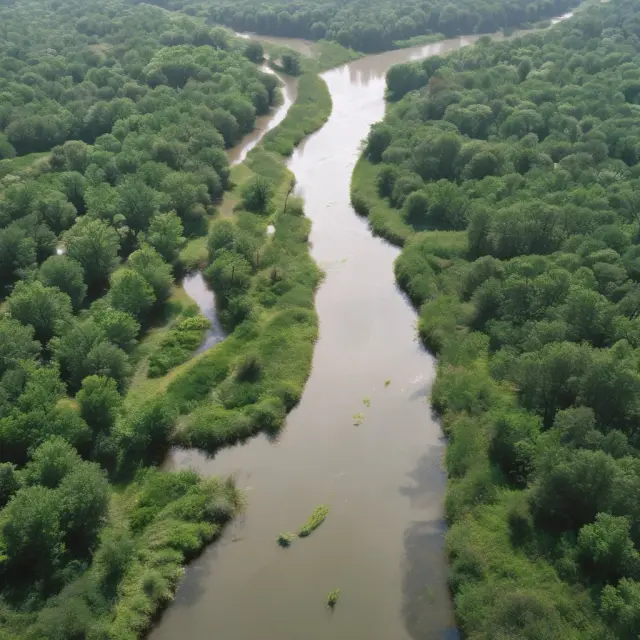
How to Apply for Water Rights
Water rights can significantly impact landowners whose properties border flowing bodies of water or large, navigable lakes and oceans. In order to secure access to and use of these waters, it is crucial for property owners to understand the application process for both riparian and prior appropriation water rights.
Riparian Water Rights in Action
In the context of riparian water rights, landowners whose properties are situated along flowing bodies of water such as rivers or streams typically have the legal right to make reasonable use of the water for domestic purposes. These uses may include drinking, providing water for animals, bathing, and watering gardens. However, the specific application process and requirements vary from state to state. Generally, riparian water rights are governed by government-regulated systems in which individuals or companies must apply for a permit to use the water for purposes beyond domestic uses. In some cases, these permits may be subject to review by multiple agencies and stakeholders, including environmental groups and other landowners downstream.
Prior Appropriation Water Rights
The prior appropriation system is common in western states where water resources are scarce. Under this doctrine, the first person to divert water from a stream or river for beneficial use (e.g., irrigation) has the right to continue using that water, as long as their use remains senior to later diversions. The process for securing these prior appropriation water rights can be complex and lengthy. It typically involves demonstrating proof of beneficial use, ensuring compliance with minimum flows during low-flow periods, and adhering to specific diversion regulations set forth by the state or local water management agencies.
Common Elements of Water Rights Applications
Regardless of whether you are seeking riparian or prior appropriation water rights, certain application requirements apply across the board. These may include providing detailed information about your property, specifying the intended use of the water, demonstrating a clear need for the water, and agreeing to comply with any regulations and restrictions imposed by state or local authorities. In addition, applicants may be required to submit maps, surveys, and other documentation as part of their application package.
Preparing for Your Water Rights Application
To streamline the application process and ensure a successful outcome, it is essential to thoroughly research the requirements specific to your water right type and jurisdiction. This may involve consulting local water management agencies, engaging with legal experts, and seeking guidance from other property owners who have gone through the process before. By taking a proactive and informed approach, you can increase your chances of securing the water rights that will enable you to make the most of your land and its water resources.

Frequently Asked Questions about Water Rights
Water rights are a crucial aspect of land ownership, particularly for those whose properties border or sit alongside bodies of water. Understanding the complexities of water rights is essential to ensure the full potential benefits from owning such lands and avoiding any potential disputes. Here we answer some common questions about water rights.
What exactly are water rights?
Water rights pertain to the legal privileges granted to property owners, allowing them access to and usage of bodies of water adjacent to their lands. Water rights can vary significantly depending on factors such as location, state regulations, and historical practices.
What is the difference between riparian and prior appropriation water rights?
Riparian water rights are typically associated with landowners whose properties border flowing bodies of water like rivers or streams. Riparian rights give these landowners the right to use the water as long as their usage doesn’t harm upstream or downstream neighbors. Prior appropriation water rights, on the other hand, grant the first person who diverts the water for beneficial uses the right to continue using it, even if they are no longer the owner of the land where they initially took the water from.
How do riparian rights impact agriculture and irrigation needs?
Riparian rights can limit landowners’ ability to remove water from a flowing body of water or divert it for irrigation purposes. The extent of these limitations depends on state regulations and local laws, which may allow for specific irrigation uses under certain conditions. In some areas, landowners can apply for permits or water diversion rights to use the water for commercial agricultural operations, but this may come with stipulations to minimize potential harm to the environment.
What is a riparian system in the context of water rights?
A riparian system is a government-regulated approach to managing water resources where individuals or companies must apply for permits to use a body of water, providing details about their intended use and any potential environmental impacts. The state agency overseeing the application process will determine if the proposed usage is reasonable before granting the permit.
What are littoral rights?
Littoral rights refer to the legal privileges granted to landowners whose properties border large navigable bodies of water, like lakes, seas, or oceans. Littoral rights allow these landowners unrestricted access to the waters but do not necessarily include ownership of the land beneath the water. Instead, landowners typically own the land up to the median high-water mark.
What is prior appropriation and how does it impact commercial uses of water?
Prior appropriation is a system under which individuals or companies are granted water rights based on who first took and put the water to beneficial use. This can limit the ability for others to divert or remove the same water source, making it more challenging for commercial entities to secure enough water for their operations. Many states have introduced legislation limiting or restricting certain prior appropriation water rights to protect the environment and promote fair usage among all parties involved.
How do federal laws like the Clean Water Act, National Environmental Policy Act, and Endangered Species Act impact water rights?
Federal legislation like these can restrict or limit water rights acquired through prior appropriation, causing potential conflicts between the federal government and states that follow this doctrine. The regulations aim to protect water resources and maintain a balanced approach to water usage across various industries while ensuring the health and wellbeing of aquatic ecosystems.
 Next entry · No. 5,637Watercraft Insurance: A Comprehensive Guide for Professional and Institutional Investors
See also
-
 No. 127
07 Apr 2024
18 min
Agribusiness: Understanding the Business of Agriculture
Business Strategy
No. 127
07 Apr 2024
18 min
Agribusiness: Understanding the Business of Agriculture
Business Strategy -
 No. 3,967
11 May 2025
21 min
Understanding Per Stirpes: An Essential Aspect of Estate Planning
Legal & Contracts
No. 3,967
11 May 2025
21 min
Understanding Per Stirpes: An Essential Aspect of Estate Planning
Legal & Contracts -
 No. 3,774
26 Apr 2025
18 min
The Legally Binding Nature of Oral Contracts: What You Need to Know
Legal & Contracts
No. 3,774
26 Apr 2025
18 min
The Legally Binding Nature of Oral Contracts: What You Need to Know
Legal & Contracts -
 No. 2,910
13 Feb 2025
18 min
Understanding Liquidated Damages in Contract Law: A Comprehensive Guide
Legal & Contracts
No. 2,910
13 Feb 2025
18 min
Understanding Liquidated Damages in Contract Law: A Comprehensive Guide
Legal & Contracts -
 No. 5,794
08 Oct 2025
16 min
Workout Agreements: A Mutual Solution for Borrowers and Lenders
Business Finance
No. 5,794
08 Oct 2025
16 min
Workout Agreements: A Mutual Solution for Borrowers and Lenders
Business Finance -
 No. 5,674
28 Sep 2025
19 min
The Weightless Economy: Intangible Products and Services in the Digital Age
Business Strategy
No. 5,674
28 Sep 2025
19 min
The Weightless Economy: Intangible Products and Services in the Digital Age
Business Strategy