Understanding Yacht Insurance: Coverage and Key Considerations

Learn everything you need to know about yacht insurance, from coverage to key considerations. Discover components, factors affecting rates, exclusions & more.
Introduction to Yacht Insurance
Yacht insurance is a specialized form of marine coverage designed for sailing vessels that cater to the unique needs of larger, more valuable boats. The term yacht is not universally defined, but generally, it refers to boats measuring at least 30 feet in length. Yachts are different from pleasure boats due to their size, capabilities, and exposure to greater risks during open-water voyages.
The two primary types of insurance coverage for yachts are hull insurance and Protection & Indemnity (P&I) insurance. Hull insurance covers the physical damage to the vessel itself, while P&I insurance provides liability protection for third parties. Let’s delve deeper into each component.
Understanding Hull Insurance
Hull insurance is an all-risk coverage that protects the insured from financial loss due to direct physical damage to a yacht. The policyholder and insurer agree on the insured value, which determines the payout for total loss incidents. In cases of partial losses, replacement cost coverage is typically offered, although exclusions may apply for certain items like sails, canvas, batteries, outboards, and sometimes outdrives.
Distinguishing Yacht Insurance from Pleasure Boat Insurance
While there’s no universally accepted definition, yachts are generally considered larger vessels with a minimum length of 30 feet. This threshold separates them from pleasure boats, which are smaller in size and scope. Yacht insurance policies offer broader coverage than those for pleasure boats due to the risks associated with longer voyages and more extensive features.
Yacht Classification and Regulation
The Federal boat classification system categorizes boats based on their length. Yachts fall within classes 2 and 3, making them larger vessels that travel farther distances and encounter greater risks compared to pleasure boats. The National Boat Owners Association distinguishes between yachts and pleasure boats at a length of 27 feet.
Factors Affecting Yacht Insurance Rates
Several factors influence the cost of yacht insurance, including size, length, age, boat type, safety features, location, and boating education. Understanding these variables can help you make informed decisions when selecting a policy. For example, having safety equipment, taking boating courses, and opting for hybrid or electric boats could lead to discounts.
In the following sections, we will explore hull insurance in more detail, discuss the role of maritime law in yacht insurance, and address common questions and concerns about obtaining a yacht insurance policy.
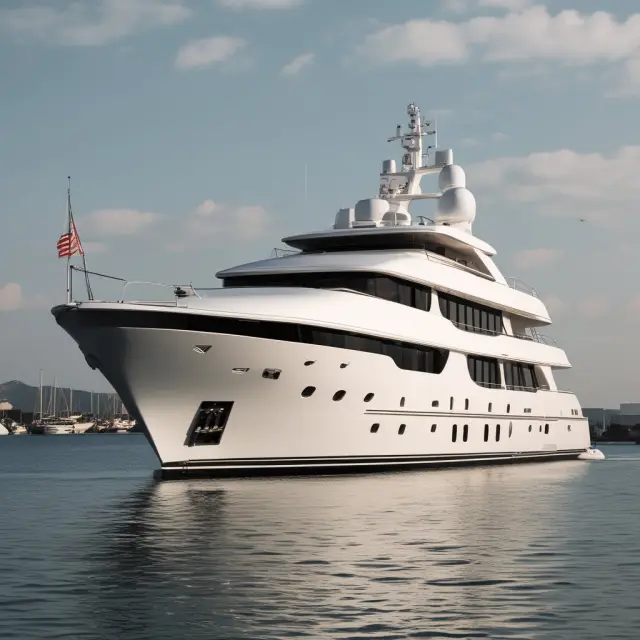
Components of a Yacht Insurance Policy
Yacht insurance policies consist of two primary parts: hull insurance and protection and indemnity (P&I) insurance. Hull insurance, also known as physical damage coverage, is an all-risk, direct damage insurance policy that sets an agreed amount for the hull coverage. In a total loss situation, this amount will be paid out in full. For partial losses, replacement cost coverage is applied, except for certain items like sails, canvas, batteries, outboards, and sometimes outdrives, which are subject to depreciation.
Protection and indemnity (P&I) insurance, on the other hand, provides the broadest liability coverage, addressing exposures unique to maritime law. It includes Longshore and harbor workers’ compensation coverage, which ensures that third-party contractors and laborers working on your yacht are protected against workplace injuries. Additionally, Jones Act coverage is incorporated for the crew, providing protection in case of injury or illness during the course of their employment. P&I insurance covers any judgments against you as well as the defense costs associated with admiralty court proceedings.
The hull insurance policy can be written based on either an agreed value or actual cash value basis. An agreed value policy, which is typically more expensive, provides coverage for the insured amount, irrespective of depreciation and market fluctuations. On the other hand, actual cash value policies factor in depreciation, meaning that the payout will be less than the initial insured amount.
Factors such as size, length, age, boat type, safety features, location, and boating education can significantly impact yacht insurance rates. It is essential to explore various options to find the most suitable policy for your needs and budget.
In summary, understanding the components of a yacht insurance policy and their respective coverages is crucial when choosing the ideal insurance solution for your vessel. This knowledge not only offers you peace of mind but also provides an informed foundation for making well-informed decisions regarding your coverage options.
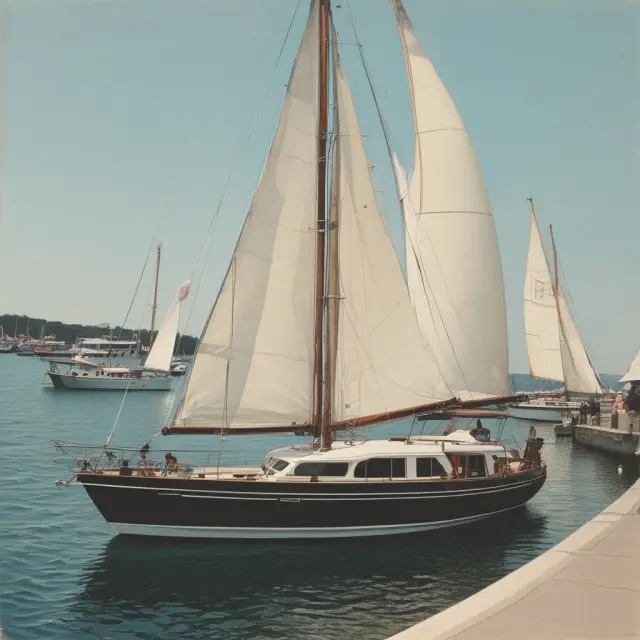
Factors Influencing Yacht Insurance Rates
When it comes to yacht insurance, various factors can significantly impact the cost of your policy. These elements include your vessel’s size, length, age, boat type, safety features, location, and boating education. Let us dive deeper into each factor and discuss its influence on yacht insurance rates.
Size and Length
The larger the yacht, typically the higher the insurance premiums. This is because bigger vessels come with greater risks due to their size, weight, and complex systems. Moreover, extensive repair or replacement costs can lead to increased insurance prices.
Age of the Vessel
An older yacht may be more costly to insure compared to a newer one. While an aging hull may require frequent maintenance and repairs, an older vessel might not have the latest safety features, increasing the perceived risk for insurers.
Boat Type
The type of yacht can significantly impact your insurance premiums. Sailing yachts, motor yachts, and custom-designed vessels all have different risks and require varying levels of coverage. For example, a sailing yacht may need additional coverage for sails and rigging.
Safety Features
Equipping your vessel with safety features can help lower insurance rates. Some essential safety features include fire prevention systems, liferafts, radar systems, and navigation electronics. A well-equipped yacht is less risky to insure due to its enhanced safety measures.
Location:
Your yacht’s location can significantly influence the cost of your insurance premiums. Yachts registered in certain high-risk areas or regions with a history of extreme weather events may have higher rates than those located in calmer waters.
Boating Education
By taking boating education courses and obtaining certifications, you may be eligible for discounted insurance rates. Demonstrating your knowledge of safe boating practices can help insurers see you as a lower-risk client.
To illustrate the potential cost difference, let us compare two hypothetical yachts: a 40-foot motor yacht and a 60-foot sailing yacht. The larger sailing yacht would likely have higher insurance premiums due to its increased size, complex systems, and greater repair costs compared to the smaller motor yacht.
In conclusion, understanding these factors can help you make informed decisions when it comes to yacht insurance coverage. By considering your vessel’s characteristics and potential risks, you can find a policy that provides comprehensive protection while minimizing unnecessary expenses.

Understanding Deductibles in Yacht Insurance
Deductibles play a crucial role when it comes to yacht insurance coverage. A deductible is the amount of money that the policyholder agrees to pay out-of-pocket before their insurance coverage becomes effective. In the context of yacht insurance, this amount is typically expressed as a percentage of the insured value. For instance, if you have a yacht insured for $100,000 and your deductible is 1%, the policy will require you to pay the first $1,000 (1% of the insured value) before making any claims.
Deductibles can significantly impact your premiums, as a larger deductible generally leads to lower premiums. However, it’s essential to consider the financial implications when selecting a deductible amount. For instance, if you have a higher deductible and then encounter a claim, you may need to cover a substantial portion of the loss before the insurance company reimburses the remaining balance.
Most lenders who provide financing for yachts will impose a maximum acceptable deductible based on the insured value. For example, they might only approve policies with a maximum deductible of 2% of the insured value. It’s crucial to discuss these conditions with your insurer and ensure that your coverage aligns with your financial situation.
While having a thorough understanding of deductibles is essential, it’s important to remember that they do not cover certain aspects of yacht insurance. Factors such as wear and tear, gradual deterioration, marine life, marring, denting, scratching, animal damage, osmosis, blistering, electrolysis, manufacturer’s defects, defects in design, ice and freezing are not typically covered under yacht insurance policies. It is crucial to familiarize yourself with these exclusions when purchasing a policy.
In conclusion, deductibles represent a critical consideration when it comes to purchasing a yacht insurance policy. By understanding the role of deductibles and their impact on premiums, insured values, and coverage options, you can make informed decisions that best suit your financial needs.

Yacht Insurance Coverage Exclusions
One of the most significant aspects to consider when purchasing a yacht insurance policy is understanding what falls outside its scope of protection. While yacht insurance covers many risks, it does not include all perils. Here are some common exclusions you should be aware of:
- Wear and Tear: Yacht insurance policies do not cover wear and tear or gradual deterioration that naturally occurs due to the passage of time. Maintenance and upkeep are essential for prolonging the life of your yacht and preventing damage, ensuring a safe experience onboard.
- Marine Life: Damage caused by marine life such as barnacles, mussels, oysters, starfish, or other organisms is not typically covered under standard yacht insurance policies. Regular boat maintenance practices like antifouling, keeping the hull clean and painted, and using a raw water intake filter can help minimize damage from marine growth.
- Osmosis: Yachts that are made of composite materials such as fiberglass are susceptible to osmotic blistering and delamination over time due to the absorption of moisture. While some insurance policies may offer coverage for this damage, it is often limited or comes with high deductibles. Preventative measures like regular inspections and applying a protective coating can help delay the onset of osmosis.
- Blistering: Similar to osmosis, blisters can occur when moisture gets trapped between fiberglass layers, causing air bubbles. This damage is typically not covered under standard yacht insurance policies but can be prevented with proper maintenance practices like regular inspections and using the correct bottom paint.
- Electrolysis: Also known as stray current damage or galvanic corrosion, electrolysis occurs when electrical currents from dissimilar metals in the water interact, causing oxidation and deterioration. Although not always excluded under yacht insurance policies, it can be difficult to prove that the damage was a result of electrolysis rather than other factors. Regular checks on your boat’s bonding system and zinc anodes help prevent this type of damage.
- Ice and Freezing: Yachts used in colder climates require additional protection against ice and freezing conditions, which are typically not covered under standard yacht insurance policies. Consider purchasing a separate policy or supplemental coverage to ensure adequate protection during winter months.
- Manufacturer’s Defects: While some yacht insurance policies may cover damage caused by manufacturer’s defects, it is essential to note that this coverage might have specific limitations and conditions. It is always recommended to consult with your insurer or broker for a clear understanding of the policy terms regarding manufacturer’s defects.
- Defects in Design: Damage resulting from design flaws in the yacht is typically not covered under standard insurance policies. Regular inspections and maintenance by experienced professionals can help identify and address any potential issues before they develop into significant problems.
- Animal Damage: Yacht insurance policies generally do not provide coverage for damages caused by animals, such as bites or scratches. Regular checks on the docklines, fenders, and other areas susceptible to animal damage are essential to prevent potential losses.
- Consequential Loss: Insurance companies may exclude coverage for consequential loss, which refers to indirect damages such as loss of use or rental income resulting from a covered peril. It is crucial to read the policy documents carefully to determine if your yacht insurance covers these types of losses.
Understanding these common exclusions and taking proactive measures to mitigate potential risks can help ensure you have adequate protection for your yacht, minimizing the financial impact of unexpected damages.
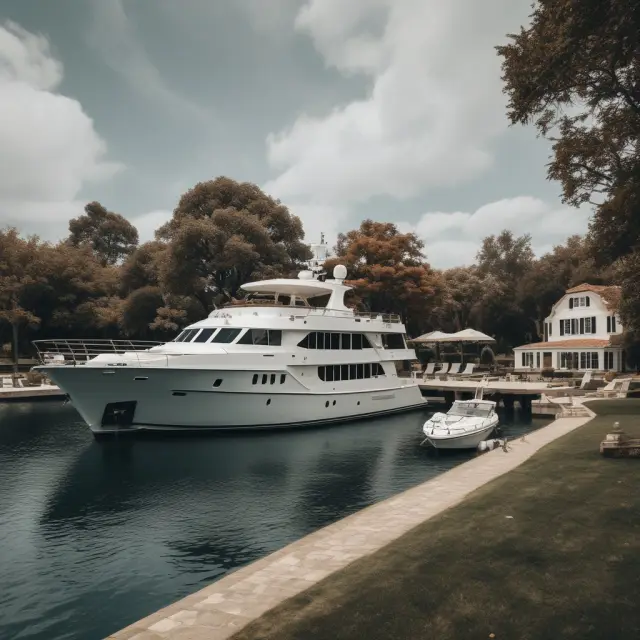
Specialty Yacht Insurance Policies
When considering yacht insurance, one may come across several additional policies tailored to unique vessel types, features, or bundled coverage options that can help enhance protection and provide cost savings. This section explores three such specialty yacht insurance policies: antique and classic boat coverage, discounts for hybrid or electric boats, and bundled policies with home/car insurance.
1. Antique and Classic Boat Coverage
A number of insurers offer specialized policies designed specifically for the unique risks associated with antique and classic boats. These vessels require additional care and attention due to their historical significance and often high value, making a dedicated coverage option an attractive choice for enthusiasts. With antique and classic boat insurance, the policy typically offers agreed value coverage, which ensures that the insured vessel is covered for its appraised or insured value at the time of loss.
2. Discounts for Hybrid or Electric Boats
The environmental movement has brought about a growing trend in hybrid and electric boats. As more boaters make the switch to greener alternatives, insurance companies are starting to offer incentives through lower premiums. These discounted rates acknowledge the reduced risks associated with quieter, cleaner boats that produce fewer emissions and have lower maintenance costs compared to their gasoline-powered counterparts.
3. Bundled Policies with Home/Car Insurance
Another cost-effective strategy for yacht owners is bundling insurance policies to take advantage of multi-line discounts provided by insurance providers. By purchasing a home, car, and yacht insurance package from the same carrier, clients can potentially save on their overall premiums due to the combined coverage. This not only simplifies the administrative process but also offers a streamlined approach to managing multiple insurance policies.
In conclusion, yacht insurance provides essential protection for sailing vessels and comes with various specialized policy options catering to antique and classic boats, hybrid or electric vessels, as well as bundled home/car insurance packages. By understanding these offerings, boaters can make informed decisions that best suit their unique needs and requirements.
The Role of Maritime Law in Yacht Insurance
Maritime law plays a significant role in shaping yacht insurance policies. As a body of international rules governing the rights and responsibilities of governments, private entities, and individuals engaged in marine commerce, maritime law influences various aspects of yacht insurance, particularly liability coverage.
Understanding Maritime Law
Maritime law refers to the collection of laws, regulations, and judicial decisions that govern activities at sea. These rules are a blend of domestic, international, and customary law and cover various matters such as vessel ownership and operation, maritime liens, salvage, collisions, pollution, cargo claims, and admiralty jurisdiction.
Marine Insurance and Maritime Law
The application of maritime law to marine insurance policies is crucial for determining coverage, particularly in cases involving third-party liability. For instance, a yacht may be responsible for damage to other vessels, their cargoes, or harbor structures – all of which can result in expensive claims. Yacht insurance policies must include provisions addressing these potential liabilities.
Longshore and Harbor Workers’ Coverage (LHWC)
One critical coverage aspect of yacht insurance is Longshore and Harbor Workers’ Compensation Act (LHWCA). This federal law provides compensation for work-related injuries or illnesses to employees engaged in maritime activities such as loading, unloading, repairing, and constructing vessels. If you hire crew members, this coverage ensures that they are protected against work-related accidents.
Jones Act Coverage (Seamen’s Liability)
Another crucial aspect of yacht insurance is Jones Act coverage. It applies to seafaring employees who become injured or sick due to their employer’s negligence. This type of coverage protects yacht owners against liability for the costs resulting from accidents on board, including medical expenses, maintenance and cure, and lost wages.
Other Maritime Law-Related Coverages
Maritime law influences other aspects of yacht insurance as well. For example, yacht policies may include coverage for:
- Collision with other vessels
- Stranding or grounding
- Salvage operations
- Marine environmental damage (pollution) liability
- Quarantine expenses
These coverages are essential to protect the insured against potential liabilities and financial losses.
In summary, maritime law is a critical factor in shaping yacht insurance policies. The application of these laws helps determine coverage for third-party liability, wages, and medical expenses related to crew members, as well as various other risks and losses that can occur at sea. By understanding the role of maritime law, yacht owners and insurers can craft comprehensive insurance packages that effectively manage their risks and mitigate potential financial liabilities.
Yacht Insurance vs. Pleasure Boat Insurance: Key Differences
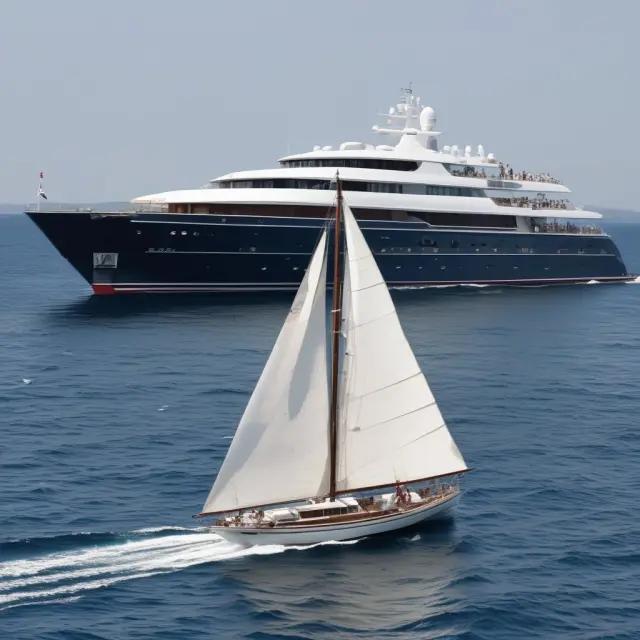
While yacht insurance and pleasure boat insurance may seem similar at first glance, they differ significantly in terms of coverage, exclusivity, and cost. Yachts are typically larger vessels that sail farther distances, exposing them to greater risks and necessitating more comprehensive coverage. In contrast, a pleasure boat is generally considered to be smaller in size, with the dividing line falling around 27 feet.
Coverage:
The primary components of a yacht insurance policy include hull insurance and protection and indemnity (P&I) insurance. Hull insurance is an all-risk coverage that includes agreed value for a total loss, replacement cost coverage on partial losses, and additional expenses such as storage fees during repairs. P&I insurance, the broadest liability coverage, covers third party liabilities for bodily injury or property damage as well as legal defense costs.
Exclusivity:
One significant difference between yacht and pleasure boat insurance is exclusivity. Yacht insurance policies are often more specialized and provide additional coverage that might not be included in a standard pleasure boat policy. For instance, they may offer gas delivery, towing services, and assistance in the event of stranding or sinking. Some insurers even offer bundled deals with discounts for multiple policies, such as home and car insurance.
Cost:
The cost of yacht insurance varies significantly based on factors like size, length, age, boat type, safety features, location, and boating education. Yacht insurance is more expensive than pleasure boat insurance due to the added risks and coverage required for larger vessels. As a result, it’s crucial for yacht owners to work with an experienced broker or agent who can help navigate the complexities of the market and secure the best rates and terms.
Size and Length
In the world of boating, size truly matters when it comes to insurance coverage. A pleasure boat is generally considered a vessel under 27 feet in length, while a yacht typically starts at around 30 feet and can extend well beyond that. Understanding this distinction is vital because various regulations and insurers classify boats differently based on their size and intended use.
The Federal Boat Classification System and the National Boat Owners Association (NBOA) both distinguish between yachts and pleasure boats at different sizes. However, neither has an agreed-upon definition of what constitutes a yacht or a pleasure boat. Instead, the industry relies on a general agreement that yachts are larger vessels with more comprehensive insurance coverage and specialized features to accommodate their longer journeys and increased risks.
In conclusion, while both yacht and pleasure boat insurance may seem similar on the surface, they have essential differences in coverage, exclusivity, and cost. Yacht insurance is typically more comprehensive, catering to larger vessels and providing additional services and coverage that pleasure boat insurance does not offer. Understanding these distinctions can help yacht owners make informed decisions when shopping for insurance and ensure they secure the right policy for their unique needs.
Understanding Yacht Classification and Regulation
The Federal boat classification system categorizes vessels based on length, with boats being defined as those under 197 feet long and ships being 197 feet or longer. However, no agreed-upon definition exists for a yacht, although it is generally considered to be a larger vessel than a pleasure boat. The National Boat Owners Association marks the dividing line at 27 feet, with most yacht coverage offering broader and more specialized protection due to their extended traveling range and greater risks they face.
The Federal boat classification system categorizes vessels based on length, defining boats as those under 197 feet long and ships being 197 feet or longer (Source: USCG). Although there isn’t a standard definition for what the size of a yacht is, it’s generally accepted that they are larger than pleasure boats, which are typically defined as vessels under 27 feet.
Yacht insurance policies often provide more extensive coverage due to their greater exposure to risks, such as long travel distances and navigational challenges, compared to smaller pleasure boats. Consequently, yacht insurance is usually broader and more specialized than standard boat insurance policies.
Federal regulations classify boats based on length; however, there’s no universally accepted definition for a yacht. The National Boat Owners Association marks the dividing line at 27 feet. Most insurers offer more extensive coverage for yachts due to their extended travel ranges and navigational challenges, which are not typically encountered with smaller pleasure boats.
Understanding these distinctions is crucial when it comes to securing appropriate insurance coverage. Insurers use various factors to determine the risk profile and pricing of a yacht policy. The vessel’s classification plays an essential role in determining the cost and scope of insurance coverage.
FAQ: Common Questions About Yacht Insurance
What is yacht insurance?
Answer: Yacht insurance is a specialized type of marine insurance that provides liability coverage for sailing vessels. It typically includes hull coverage, protection and indemnity (P&I) insurance, as well as various additional benefits like gas delivery, towing, and assistance in the case of strandings.
What sets yacht insurance apart from pleasure boat insurance?
Answer: Yacht insurance policies offer broader coverage than their pleasurable counterparts due to the greater risks associated with larger vessels. Yachts typically travel farther distances and face more navigational challenges, necessitating more extensive protection.

FAQ: Common Questions About Yacht Insurance
The following section aims to address common questions and concerns about yacht insurance, providing answers that offer clarity on various aspects of this specialized coverage.
What is the difference between a yacht and a pleasure boat?
While there’s no universally accepted definition of what constitutes a yacht, it’s generally agreed upon that they are larger vessels, typically ranging from 27 to 30 feet in length or more. A vessel under 27 feet is considered a pleasure boat. Yacht insurance offers broader coverage and more specialized protection compared to standard pleasure boat insurance due to the greater risks associated with larger boats.
What does yacht insurance cover?
Yacht insurance consists of two main parts: hull insurance (all-risk, direct damage) and protection and indemnity (P&I) insurance (broadest liability coverage). Hull insurance covers the agreed amount for total loss, and partial losses incur replacement cost. P&I provides comprehensive liability coverage and protects against third-party claims, as well as covering defense costs in admiralty courts.
What are deductibles in yacht insurance?
Deductibles in yacht insurance refer to the amount you pay out of pocket before your insurance coverage kicks in. Typically, this is a percentage of the insured value. For instance, if your boat has an insured value of $100,000 and a 1% deductible, you would pay $1,000 before your insurance covers any damages or losses.
How does maritime law impact yacht insurance?
Maritime law plays a significant role in shaping yacht insurance policies through various regulations and requirements, such as Longshore and harbor workers’ coverage and Jones Act coverage (for the yacht’s crew). These coverages protect against potential high-value losses from accidents or injuries.
How do I apply for yacht insurance?
To apply for yacht insurance, contact a specialized marine insurance provider or broker, who can assess your specific needs and offer personalized coverage options. Ensure you provide accurate information about the boat, its equipment, usage, and crew (if applicable).
What happens during the claims process?
Once a loss occurs, contact your insurance company to initiate the claims process. Provide all necessary documentation and cooperate fully with their investigations. Your insurer will evaluate the damages or losses and determine coverage based on the policy terms. If the claim is approved, you will receive compensation to cover repair costs or a payout for total loss.
How do underwriting requirements impact my yacht insurance?
Underwriting requirements refer to specific conditions your insurer considers before issuing a policy. They may include factors like the boat’s condition, location, safety equipment, and crew (if applicable). Meeting these requirements helps secure the most favorable terms and rates for your coverage.
 Next entry · No. 5,840Understanding the Yale School of Management: A Comprehensive Guide for Institutional Investors
See also
-
 No. 5,214
20 Aug 2025
19 min
Understanding the Essential Role of Underwriting in Finance
Business Finance
No. 5,214
20 Aug 2025
19 min
Understanding the Essential Role of Underwriting in Finance
Business Finance -
 No. 5,935
07 Sep 2026
17 min
How Much Life Insurance You Actually Need
Insurance
No. 5,935
07 Sep 2026
17 min
How Much Life Insurance You Actually Need
Insurance -
 No. 5,824
10 Oct 2025
20 min
Understanding Written Premium: The Principal Source of Revenue for Insurance Companies
Insurance
No. 5,824
10 Oct 2025
20 min
Understanding Written Premium: The Principal Source of Revenue for Insurance Companies
Insurance -
 No. 5,769
06 Oct 2025
18 min
Understanding Without Evidence of Insurability: An Overview for Institutional Investors
Insurance
No. 5,769
06 Oct 2025
18 min
Understanding Without Evidence of Insurability: An Overview for Institutional Investors
Insurance -
 No. 5,653
26 Sep 2025
18 min
Understanding Wear and Tear Exclusions in Insurance Policies: What They Are and Why They Matter
Insurance
No. 5,653
26 Sep 2025
18 min
Understanding Wear and Tear Exclusions in Insurance Policies: What They Are and Why They Matter
Insurance -
 No. 5,637
25 Sep 2025
19 min
Watercraft Insurance: A Comprehensive Guide for Professional and Institutional Investors
Insurance
No. 5,637
25 Sep 2025
19 min
Watercraft Insurance: A Comprehensive Guide for Professional and Institutional Investors
Insurance