From Scam Capital of the World to a Global Benchmark: Understanding the Vancouver Stock Exchange’s Evolution

Discover how the Vancouver Stock Exchange transformed from a 'Scam Capital' to a global benchmark for venture capital listings.
History of the Vancouver Stock Exchange (VAN)
The Vancouver Stock Exchange (VAN), originally established in 1903, marked a significant milestone as Canada’s third-largest stock marketplace behind Toronto Stock Exchange (TSX) and Montreal Stock Exchange. With its headquarters in the vibrant city of Vancouver, British Columbia, VAN became synonymous with specialized listings in small-cap mining, oil, and gas exploration companies.
By the mid-20th century, VAN had evolved into a unique marketplace catering to venture capital securities, a sector that was considered high-risk but potentially high-reward. However, this distinct character attracted controversy and skepticism. As the 1990s approached, the Vancouver exchange became known as the ‘scam capital of the world.’
The VAN’s reputation stemmed primarily from its listing of over 2,300 companies, many of which were later unveiled to be total failures or frauds. The infamous “dot-com bubble” further exacerbated matters, with floating-point calculation errors in the index reading adding to the market’s volatility.
Despite these challenges, VAN persisted as a testament to resilience and transformation. By 1999, the Vancouver Stock Exchange merged with the Alberta Stock Exchange and Bourse de Montreal, giving birth to the Canadian Venture Exchange (now known as TSX Venture Exchange).
The Vancouver exchange’s legacy is significant for both its historical relevance and lessons learned. The exchange provided a real-life example of the importance of stringent regulatory frameworks and investor confidence. While VAN was notorious for its speculative listings, it played a critical role in venture capital financing within Canada, particularly for resource sectors.
Following the merger with Alberta Stock Exchange and Bourse de Montreal, the trading floor of the Vancouver exchange became the centerpiece of the new venture division. However, this only lasted until 2001 when TMX Group—the parent company of TSX—purchased the newly formed marketplace and renamed it to reflect its new identity as a part of the Toronto Stock Exchange family.
Today, the TSX Venture Exchange thrives as a global benchmark for venture capital listings, with over $45 billion in total market value for approximately 1,673 companies. The exchange continues to offer unique services and trading opportunities with various fees, order types, rules, and regulations that cater to its diverse clientele.
The evolution of the Vancouver Stock Exchange provides valuable insights into the dynamic nature of financial markets and the importance of regulatory oversight in maintaining investor confidence. Despite its past challenges, VAN has emerged as a key player in the world’s stock market landscape.

Specialized Securities on VAN
The Vancouver Stock Exchange (VAN) distinguished itself as a unique trading platform in Canada with its focus on small-cap mining, oil, and gas exploration stocks. These sectors were chosen due to the inherent risks and high growth potential that attracted venture capitalists and investors alike. By 1992, VAN had evolved into a specialized market for venture capital securities, which would ultimately lead to both its downfall and renaissance.
Mining and oil exploration companies in Canada were ideal candidates for the Vancouver Stock Exchange due to their geographical proximity and resource-rich potential. However, this niche focus resulted in an influx of small, unproven enterprises seeking capital, which gave rise to numerous fraudulent or questionable listings. In fact, at its peak, VAN listed approximately 2,300 stocks, with many proving to be total failures or outright scams.
One significant issue affecting the Vancouver exchange was discrepancies in the index reading due to errors in floating-point calculations. As the number of companies grew and trading volumes increased, it became difficult for the exchange to accurately calculate index values, leading to inconsistencies that further tarnished its reputation.
Despite these challenges, the Vancouver Stock Exchange continued to draw investors during the market turmoil of the late 1990s, fueled by the dotcom bubble and the promise of venture capital gains. However, when the bubble burst in 2000, many of the speculative listings on VAN were exposed as fraudulent or worthless.
Following this period of instability, VAN was rebranded and integrated into a larger venture exchange in 1999 through mergers with the Alberta Stock Exchange (ABX) and the Bourse de Montreal (BDM). As part of the Canadian Venture Exchange (now TSX Venture Exchange), VAN’s trading floor remained the centerpiece for this new venture division. However, this only lasted until 2001 when electronic trading took over, and the TSX Venture Exchange moved its headquarters to Calgary.
The transformation of the Vancouver Stock Exchange into the TSX Venture Exchange allowed it to reinvent itself as a global benchmark for venture capital listings. Today, the exchange boasts about $45 billion in total market value for its 1,673 listed companies. Additionally, it offers specialized services such as dark orders and different trading rules designed specifically for venture capital companies. Despite its past controversies, the TSX Venture Exchange stands tall as an example of resilience and adaptation within the volatile financial industry.

The Vancouver Exchange’s Reputation as ‘Scam Capital’
The Vancouver Stock Exchange (VAN) garnered a less-than-desirable reputation over time due to the listing of questionable companies and index calculation discrepancies. VAN was known primarily for its small-cap mining, oil, and gas exploration stocks, with many speculative ventures based in Canada. However, as the Vancouver exchange grew throughout the 1980s and 1990s, it became apparent that a considerable number of listed companies were either failures or outright frauds.
Investors began to lose confidence in the VAN, which was fueled by discrepancies found within the index calculations. These errors in floating-point numbers resulted in significant inconsistencies and controversy regarding the accuracy of the index readings. By the early 2000s, the Vancouver exchange listed around 2,300 stocks, most of which were considered high-risk or fraudulent ventures.
The Vancouver Stock Exchange’s poor reputation as a ‘scam capital’ was not an overnight development but rather a gradual erosion of trust among investors. However, it is important to note that some companies listed on the exchange did experience considerable growth and success. It is merely the perception of the market that has been tarnished by a few bad apples.
Despite these challenges, the Vancouver Stock Exchange managed to weather the market turmoil of the dotcom bubble and eventually merged with the Alberta Stock Exchange and Bourse de Montreal in 1999 to form part of what is now known as the TSX Venture Exchange. The new venture division absorbed the trading floor from the Vancouver exchange, but it was only a temporary solution. In 2001, TMX Group, the parent company of the Toronto Stock Exchange, purchased the newly formed marketplace and quickly renamed it.
The TSX Venture Exchange today is headquartered in Calgary, Alberta, and all trading is executed electronically—there is no longer a trading floor. Despite its past reputation as a riskier exchange, the TSX Venture Exchange has emerged as a global benchmark for venture capital listings. The TSX Venture Exchange boasts a market capitalization of about $3.2 trillion and serves 1,673 companies with a total market value of approximately $45 billion. Companies listed on the exchange are subject to various fees like initial application, registration, and monthly costs.
As we reflect on the Vancouver Stock Exchange’s evolution, it is crucial to consider the lessons learned from this experience. The exchange has faced numerous challenges that ultimately shaped its identity as a global leader in venture capital solutions. From its early days as a specialized market for mining and oil exploration stocks to its transformation into an electronic trading platform, the TSX Venture Exchange has proven resilient and adaptable. The exchange’s journey serves as a reminder of the importance of maintaining investor confidence and combatting fraudulent activity within financial markets.

Rebranding and Redemption: VAN Becomes TSX Venture Exchange
The Vancouver Stock Exchange (VAN), a once-thriving Canadian marketplace, experienced a tumultuous transformation that ultimately led to its incorporation into the TSX Venture Exchange in 1999. This merger was the result of a union between the Vancouver and Alberta stock exchanges, as well as the Bourse de Montreal—a significant shift that would rebrand VAN and relocate its trading floor from Vancouver to Calgary.
Following the merger, the newly formed entity was initially named the Canadian Venture Exchange (CDNX). The Vancouver Stock Exchange had earned a dubious reputation due to its listing of numerous small-cap mining, oil, and gas exploration companies with questionable financial standing—some of which were proven fraudulent. In an effort to distance itself from this past, the exchange sought to rebrand as a specialized venture capital marketplace.
The Vancouver Exchange’s trading floor remained the heart of the new venture division following the merger. However, just two years later, in 2001, TMX Group—the parent company of the Toronto Stock Exchange (TSX)—acquired the Canadian Venture Exchange and renamed it the TSX Venture Exchange. This move marked the closure of the trading floor and the shift to fully electronic trading.
The Vancouver exchange’s history as a home for venture capital solutions was not easily shed, however. The exchange continued to face criticism for its role in listing and fostering the growth of numerous failed or fraudulent companies. However, with the merger into the TSX Venture Exchange, the marketplace gained new regulatory frameworks, stronger compliance measures, and a more robust infrastructure that significantly improved investor confidence.
Today, the TSX Venture Exchange is headquartered in Calgary, Alberta, and is an integral part of the TMX Group. The exchange now boasts about $45 billion in market capitalization from its 1,673 listed companies. Though its reputation may still carry the weight of its past, it has evolved into a reputable benchmark for global venture capital listings, offering an essential platform to innovative and growing businesses.

TSX Venture Exchange Today: Global Benchmark for Venture Capital Listings
After undergoing a significant transformation from a once-dubbed ‘scam capital of the world’ to a globally recognized venture exchange, TSX Venture Exchange (formerly Vancouver Stock Exchange or VAN) stands tall as a vital platform for venture capital listings. With a market capitalization worth approximately CAD 3.2 trillion, the Toronto-Dominion Securities-owned exchange is home to 1,673 companies. These listed entities collectively hold a market value of around CAD 45 billion, making TSX Venture Exchange an essential player in global markets.
A Pioneering Venture Capital Market
In its current form, the TSX Venture Exchange focuses on small-cap, high-growth companies, primarily within the technology and life sciences sectors. This specialization in venture capital solutions distinguishes the exchange from other major bourses. With a commitment to fostering innovation, TSX Venture Exchange attracts both emerging and established businesses, providing them with unparalleled access to financing opportunities and market exposure.
Competitive Trading Environment
Trade on the TSX Venture Exchange is executed electronically, ensuring a competitive trading environment for its clientele. Various order types are accessible to cater to diverse investment strategies, including traditional limit and market orders as well as more intricate dark orders. Dark pools enable investors to transact anonymously with pre-defined counterparties without exposing their trades in the open market.
Diverse Trading Rules and Regulations
The TSX Venture Exchange maintains a robust regulatory framework that promotes transparency, integrity, and investor protection. Companies listed on this exchange must comply with stringent listing requirements outlined by the Canadian Securities Exchange Act. The Ontario Securities Commission (OSC), Investment Industry Regulatory Organization of Canada (IIROC), and the TSX Company Services act as regulatory bodies responsible for ensuring that all firms and individuals trading on the exchange adhere to these regulations.
Flexible Fees and Services
Investors looking to engage with the TSX Venture Exchange can opt for various fee structures based on their investment goals and strategies. The exchange offers a range of flexible services, such as Initial Application Fee, Registration Fee, and Monthly Maintenance Fee, among others, to accommodate diverse clientele. These fees are subject to change depending on the specific requirements and size of each investor’s portfolio.
In conclusion, TSX Venture Exchange has risen from its humble beginnings as Vancouver Stock Exchange (VAN) to become a significant player in global venture capital markets. The exchange’s transformation involved overcoming past challenges and rebranding itself to gain the confidence of investors worldwide. Today, TSX Venture Exchange plays an essential role in providing valuable services, fostering innovation, and promoting economic growth through its commitment to entrepreneurial ventures.
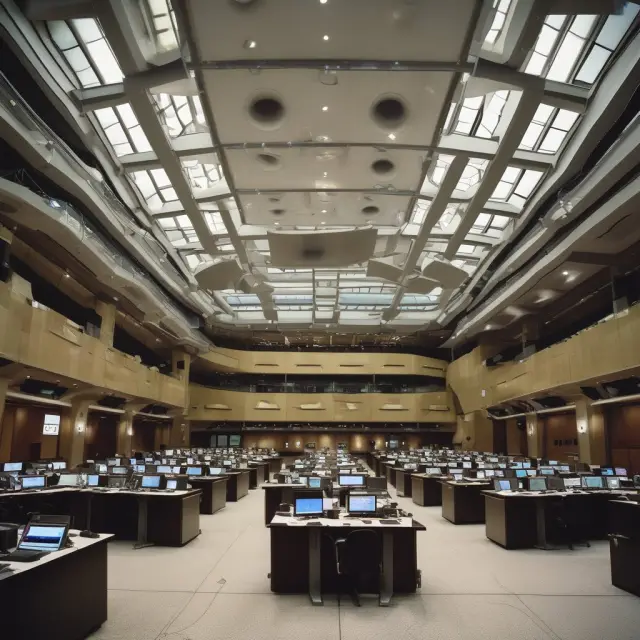
VAN’s Transformation: Lessons Learned
The Vancouver Stock Exchange (VAN) marked a significant chapter in Canadian financial history with its transformation from a thriving venture capital hub into a cautionary tale of risky listings and regulatory missteps, ultimately leading to its merger with the Alberta Stock Exchange and Bourse de Montreal to create the TSX Venture Exchange in 1999.
The Vancouver Exchange’s initial focus on smaller-cap mining, oil, and gas exploration stocks allowed it to establish itself as a specialized venture capital market within the Canadian financial industry. However, this focus came with its consequences as the exchange became increasingly attractive for less reputable companies seeking easy access to public markets and investors’ funds.
The exchange’s reputation took a hit when it was discovered that numerous listings proved to be total failures or outright scams. Some of these fraudulent companies had manipulated floating-point calculations, causing enormous discrepancies in the index readings and contributing significantly to the Vancouver Stock Exchange’s notoriety as a “scam capital.”
Despite its challenges, the Vancouver Stock Exchange managed to weather the market turmoil of the dotcom bubble in the late 1990s. Its resilience proved that even the most tarnished brands could be reclaimed and transformed into successful ventures with proper oversight and restructuring.
In 1999, the Vancouver Stock Exchange underwent a major transformation when it merged with the Alberta Stock Exchange and Bourse de Montreal to become part of the Canadian Venture Exchange. The new entity—renamed as TSX Venture Exchange—inherited the VAN’s reputation but also its unique niche in the global venture capital market.
The move proved to be successful as the exchange gained legitimacy through its association with respected financial institutions and the Toronto Stock Exchange. This merger marked a significant turning point for the TSX Venture Exchange, enabling it to attract a larger pool of investors and issuers while adhering to more stringent regulatory requirements.
Fast forward to today, the TSX Venture Exchange has grown into a leader in global benchmarks and venture capital listings with a market capitalization of about $3.2 trillion and over 1,670 listed companies worth approximately $45 billion. This transformation offers valuable insights for financial markets worldwide on the importance of strong regulatory frameworks, transparency, and investor protection in shaping the success of stock exchanges.
Furthermore, the Vancouver Stock Exchange’s experience provides a unique perspective on how financial markets can recover from reputational damage and adapt to changing economic conditions. It also highlights the potential risks associated with venture capital investments and the importance of careful due diligence and risk management.
In conclusion, the story of the Vancouver Stock Exchange is a compelling reminder of the complexities and uncertainties that come with investing in emerging markets and ventures, as well as the crucial role that strong regulatory frameworks and oversight play in safeguarding investor confidence and maintaining financial stability.

Unique Features of the TSX Venture Exchange
The TSX Venture Exchange (TSXV) has emerged as a global benchmark for venture capital listings from its turbulent past as the Vancouver Stock Exchange (VAN). While it may not be as well-known as its larger counterpart, the Toronto Stock Exchange (TSX), the TSX Venture Exchange holds distinct advantages that make it an essential component of the Canadian and international financial landscape.
Unique Order Types
One significant distinguishing feature is the variety of order types available on TSXV. Traditional order types like limit and market orders are commonplace in most stock markets. However, the TSX Venture Exchange introduces investors to dark orders. These orders are executed without revealing the price or volume information to the public, ensuring discretion for both buyers and sellers. Dark pools are typically used by institutional investors for large transactions to avoid market impact. This feature offers increased flexibility and anonymity that can be particularly attractive for venture capital companies with sensitive information.
Competitive Fees
Compared to other stock exchanges, the TSX Venture Exchange is known for its competitive fees. Companies listed on the exchange are subject to various costs such as initial application, registration, and monthly fees. These expenses vary depending on factors like the company’s market capitalization and trading activity level. Despite these charges, the relatively low entry barriers make it an attractive option for smaller companies and startups seeking venture capital or public funding.
Innovative Services
The TSX Venture Exchange offers a range of services specifically designed to cater to its clientele. For example, the exchange features a centralized information facility where investors can access real-time news, market data, and research reports to help make informed investment decisions. Additionally, the TSXV provides comprehensive educational resources for investors looking to learn about venture capital investing, market regulations, and other related topics. These services not only add value but also promote investor confidence in the exchange and its listed companies.
Regulatory Compliance
The regulatory framework and compliance requirements for listing on the TSX Venture Exchange are unique as well. Companies seeking admission to the exchange must comply with various securities acts under provincial and federal jurisdiction. Regulatory bodies such as the Investment Industry Regulatory Organization of Canada (IIROC) and the Canadian Securities Administrators (CSA) oversee these regulations. This comprehensive regulatory landscape helps maintain transparency, trust, and accountability within the venture capital marketplace.
In conclusion, despite its rocky past, the TSX Venture Exchange has successfully transformed itself into a thriving hub for venture capital listings. Its unique features like innovative order types, competitive fees, and tailored services make it an attractive alternative to larger exchanges. The exchange’s resilience and adaptability serve as valuable lessons for other financial institutions seeking growth in the face of market volatility and changing investor demands.

The Role of Technology in Vancouver’s Stock Exchange Evolution
From a physical floor to electronic trading; the impact on efficiency, accessibility, and risk management
The evolution of Vancouver’s stock exchange (VAN) is marked by significant technological advancements that transformed the way securities were traded. Initially, like most exchanges in the early 1900s, VAN operated as a traditional floor exchange where brokers gathered to execute trades verbally and manually. However, technological progression started to impact VAN in the late 20th century, leading to substantial changes in its operations and market positioning.
One of the early milestones was the implementation of computerized trading systems, which automated the trade execution process significantly. This enhancement increased efficiency by reducing the time and effort required for manual transactions. It also allowed brokers to access more up-to-date market information, making it easier to make informed decisions. As a result, Vancouver’s exchange gained an edge over its competitors by offering faster and more reliable trading services.
In the 1990s, VAN continued to advance technologically, transitioning from computerized systems to electronic trading platforms. This move eliminated the need for a physical trading floor entirely. The shift towards electronic trading brought significant benefits: increased accessibility, improved risk management capabilities, and cost savings for both buyers and sellers.
With no physical exchange floor to restrict access or limit trading hours, electronic trading enabled investors from all corners of the globe to participate in the Vancouver market at any time. This leveled the playing field for small investors and promoted transparency, further enhancing investor confidence.
Additionally, electronic trading introduced advanced risk management tools that helped mitigate potential losses and manage market volatility more effectively. These systems allowed traders to monitor markets closely, identify trends, and execute trades strategically based on real-time data. This shift towards sophisticated technology also positioned VAN as a leader in venture capital solutions and venture capital listings.
Today, the TSX Venture Exchange, which evolved from the Vancouver Stock Exchange, is recognized as a global benchmark for venture capital listings. It offers numerous technological advancements like dark orders, advanced trading algorithms, and sophisticated risk management tools that cater to various trading needs. The integration of technology has been instrumental in transforming VAN’s reputation, creating a more stable and accessible marketplace for investors and businesses alike.

Regulatory Framework and Compliance for TSX Venture Exchange
The Vancouver Stock Exchange (VAN) has had its fair share of challenges over the years, including a reputation as the “scam capital of the world.” This notoriety was due to the listing of numerous speculative or fraudulent companies in the past. As part of the TSX Venture Exchange today, it has undergone significant changes in terms of its regulatory framework and compliance measures.
Securities Act Regulations
Canadian securities regulations are crucial for maintaining fairness, transparency, and investor protection within stock exchanges. The Securities Act is a key piece of legislation that outlines the requirements for companies seeking to list on Canadian stock exchanges like TSX Venture Exchange. It sets guidelines for financial reporting, disclosure of information, and other essential aspects related to offering securities to the public.
Roles of Regulatory Bodies
The Investment Industry Regulatory Organization of Canada (IIROC) plays a significant role in the regulatory landscape of the TSX Venture Exchange. IIROC is responsible for overseeing trading practices, enforcing rules, and protecting investors. The Canadian Securities Administrators (CSA), on the other hand, focus on ensuring companies comply with securities regulations. They review prospectus filings and provide guidance to issuers regarding disclosure requirements.
Impact of Regulations and Compliance
Strict adherence to regulatory frameworks and robust compliance measures have been instrumental in rebuilding investor trust in the Vancouver Stock Exchange (now TSX Venture Exchange). Companies must meet specific listing requirements to join the exchange, ensuring a higher quality of businesses. This not only improves market integrity but also encourages long-term growth and stability for investors and companies alike.
In conclusion, the regulatory framework and compliance measures in place for the TSX Venture Exchange are crucial for fostering an environment conducive to growth while protecting investors. By enforcing guidelines set forth by securities legislation and maintaining oversight through organizations like IIROC and CSA, this exchange has transformed its reputation and emerged as a global benchmark for venture capital listings.

FAQ: Frequently Asked Questions about the Vancouver Stock Exchange (VAN)
**1. What is the history of the Vancouver Stock Exchange (VAN)?**
The Vancouver Stock Exchange (VAN), now part of the TSX Venture Exchange, was established in 1903 as the third-largest marketplace in Canada. The exchange initially focused on small-cap mining, oil, and gas exploration stocks but grew into a specialized venture capital market by the early 1990s. However, VAN’s reputation suffered due to numerous fraudulent listings, resulting in its merger with the Alberta Stock Exchange and Bourse de Montreal in 1999 to create the Canadian Venture Exchange (now TSX Venture Exchange).
**2. What made the Vancouver Stock Exchange (VAN) notorious as ‘Scam Capital of the World’?**
VAN was once known for its numerous listings of dubious companies, resulting in a reputation as the “scam capital of the world.” The discrepancies in the index reading due to floating-point calculation errors only added to VAN’s negative image. Despite these issues, it managed to recover and evolve into a global benchmark for venture capital listings under the TSX Venture Exchange umbrella.
**3. Where is the TSX Venture Exchange (TSXV) headquartered today?**
The TSX Venture Exchange is currently headquartered in Calgary, Alberta, with offices in other major cities throughout Canada. All trading on the exchange is conducted electronically, so a physical trading floor no longer exists.
**4. What types of companies are listed on the TSX Venture Exchange (TSXV)?**
Companies listed on the TSX Venture Exchange primarily focus on venture capital solutions and technology sectors. Some industry sectors include life sciences, mining, oil & gas, clean technology, renewable energy, and industrial products.
**5. How did the Vancouver Stock Exchange become part of the TSX Venture Exchange?**
The Vancouver Stock Exchange was a standalone marketplace until it merged with the Alberta Stock Exchange and Bourse de Montreal in 1999 to form the Canadian Venture Exchange, which later became the TSX Venture Exchange. The trading floor remained the center of the new venture division for two years before being moved electronically.
**6. What is unique about the TSX Venture Exchange (TSXV) compared to other exchanges?**
The TSX Venture Exchange features specialized services such as dark orders, which are not offered on most major exchanges. Dark orders allow investors to trade large volumes anonymously without affecting market prices. Additionally, companies listed on the exchange are subject to various fees, including application, registration, and monthly costs.
**7. What is the role of technology in the evolution of the Vancouver Stock Exchange (VAN) and TSX Venture Exchange (TSXV)?**
The transformation from physical trading floors to electronic trading has significantly impacted stock exchanges like the Vancouver Stock Exchange and TSX Venture Exchange. Electronic trading has increased efficiency, accessibility, and risk management capabilities, allowing markets to adapt to the ever-changing financial landscape.
 Next entry · No. 5,421Understanding Vandalism and Malicious Mischief Insurance: What It Covers and What It Doesn’t
See also
-
 No. 4,595
01 Jul 2025
18 min
Understanding the Stock Exchange Daily Official List (SEDOL): A Unique and Efficient Security Identifier for UK Stocks
Finance Policy
No. 4,595
01 Jul 2025
18 min
Understanding the Stock Exchange Daily Official List (SEDOL): A Unique and Efficient Security Identifier for UK Stocks
Finance Policy -
 No. 3,303
17 Mar 2025
23 min
Multilateral Trading Facility (MTF): Understanding Europe’s Alternative Trading Platform
Finance Policy
No. 3,303
17 Mar 2025
23 min
Multilateral Trading Facility (MTF): Understanding Europe’s Alternative Trading Platform
Finance Policy -
 No. 2,535
14 Jan 2025
19 min
The Ins and Outs of Trading an Iron Butterfly
Finance Policy
No. 2,535
14 Jan 2025
19 min
The Ins and Outs of Trading an Iron Butterfly
Finance Policy -
 No. 1,199
11 Aug 2024
25 min
Understanding Electronic Communication Networks (ECNs) in Finance and Investment
Finance Policy
No. 1,199
11 Aug 2024
25 min
Understanding Electronic Communication Networks (ECNs) in Finance and Investment
Finance Policy -
 No. 1,033
18 Jul 2024
19 min
Understanding Direct Market Access: Benefits, Technology, Regulations, and More
Finance Policy
No. 1,033
18 Jul 2024
19 min
Understanding Direct Market Access: Benefits, Technology, Regulations, and More
Finance Policy -
 No. 5,616
24 Sep 2025
18 min
Understanding Warrants: A Comprehensive Guide for Institutional Investors
Financial Education
No. 5,616
24 Sep 2025
18 min
Understanding Warrants: A Comprehensive Guide for Institutional Investors
Financial Education