Understanding the Toronto Stock Exchange (TSX): Canada’s Premier Stock Market

Understand Canada's premier stock exchange, the Toronto Stock Exchange (TSX). Learn its history, trading transactions, and notable companies.
Introduction to the TSX
The Toronto Stock Exchange (TSX) is a significant stock exchange based in Toronto, Ontario, Canada. Established on March 25, 1861, this prestigious financial institution has been serving its clientele for more than 160 years and counts over 1,500 listed companies, making it the largest exchange in Canada. The TSX is a part of the TMX Group, which also includes other entities such as the Montreal Exchange (MX), the TSX Venture Exchange, the Canadian Derivatives Clearing Corporation, and the TSX Alpha Exchange.
The Toronto Stock Exchange has seen various transformations over the years, evolving from its initial establishment to becoming a fully electronic exchange in 1997. Its trading hours extend from Monday to Friday, excluding statutory holidays. Regular trading activities take place between 9:30 a.m. Eastern Time (ET) and 4:00 p.m. ET. Pre-open trading orders may be entered between 7:00 a.m. and 9:30 a.m. ET, but they will not be executed until regular trading commences.
Incorporated in 1878 as the Toronto Stock Exchange (or TSE), it adopted its current name in 2002 following a rebranding initiative. The exchange primarily deals with shares, investment trusts, and exchange-traded products (ETPs) in Canadian dollars. A wide range of financial instruments is actively traded on the TSX, including bonds, commodities, futures, options, and other derivative products.
The Toronto Stock Exchange’s first index was launched in 1977 as the TSE 300 Composite Index. Renamed S&P/TSX Composite Index in 2002, this benchmark tracks the performance of over 95% of all publicly traded companies listed on the exchange. The index is updated quarterly, with rebalancing occurring in March, June, September, and December.
The TSX was Canada’s only exchange for senior equities until it acquired the TSX Venture Exchange, which primarily lists small-cap stocks, in 1999. The exchange underwent a major transformation when it merged with the Montreal Exchange (MX) to form the TMX Group in 2007. Since then, the group has become a dominant player in Canada’s financial market landscape and facilitates the clearing of various financial instruments through its subsidiaries.
The TSX has experienced significant milestones in its history, including its merger with the Montreal Exchange to form the TMX Group, the acquisition of the TSX Venture Exchange, and its proposed merger with the London Stock Exchange (LSE) that ultimately failed in 2011. Despite the challenges, the TSX remains a vital platform for investors seeking opportunities within the Canadian market.
In conclusion, understanding the Toronto Stock Exchange is essential for any investor interested in the Canadian financial market. This section has provided an overview of the exchange’s history, transformation into an electronic exchange, trading hours, and various instruments traded. We invite readers to continue exploring this captivating topic further by delving deeper into the listed companies, indexes, and role of the TMX Group on the TSX in future sections.

Trading on the TSX: Transactions and Instruments
The Toronto Stock Exchange (TSX) is Canada’s leading stock exchange, boasting more than 1,500 listed companies across various sectors. This section focuses on understanding the types of transactions that take place on the TSX and the instruments traded, including shares, investment trusts, and exchange-traded products (ETPs).
Transaction Types
The Toronto Stock Exchange has evolved over time from its early beginnings as a physical trading floor to a fully electronic exchange in 1997. Transactions are conducted electronically between market participants through various order types such as limit orders or market orders. Market orders allow investors to buy or sell securities at the current best available price, while limit orders permit traders to specify the exact price they’re willing to pay for a security (a buy limit order) or the price they wish to receive for selling their holdings (a sell limit order).
Investment Instruments
The TSX offers investors access to various investment instruments, including shares, investment trusts, and exchange-traded products. Shares represent ownership in a corporation and provide investors with the potential for capital gains or dividend income. Investment trusts are open-ended investment funds that pool together investor capital to purchase and manage a diversified portfolio of securities on behalf of investors. ETPs such as exchange-traded funds (ETFs) and exchange-traded notes (ETNs) provide investors with exposure to various asset classes, including commodities, currencies, or specific industries. These investment instruments cater to different risk profiles and investment strategies, allowing investors to build diversified portfolios tailored to their unique financial goals.
Key Takeaways
- The Toronto Stock Exchange (TSX) is Canada’s premier stock exchange with over 1,500 listed companies in various sectors.
- Transactions on the TSX are fully electronic and can be executed through limit orders or market orders.
- The TSX offers various investment instruments, including shares, investment trusts, and ETPs, catering to different investor profiles.
- The exchange operates Monday to Friday from 9:30 a.m. ET to 4:00 p.m. ET, with pre-open orders accepted between 7:00 a.m. and 9:30 a.m. ET.
- The Toronto Stock Exchange is operated by the TMX Group, which also oversees other Canadian financial markets such as the Montreal Exchange (MX), TSX Venture Exchange, TSX Alpha Exchange, and Canadian Derivatives Clearing Corporation (CDCC).

The Toronto Stock Exchange Index
As the largest stock exchange in Canada, the Toronto Stock Exchange (TSX) boasts an impressive history and influence on the global financial landscape. The S&P/TSX Composite Index is a prominent symbol of this influence, offering valuable insights into the Canadian market for investors worldwide. In this section, we will dive deep into the inception, composition, and importance of this influential index.
The Origin of the S&P/TSX Composite Index
The S&P/TSX Composite Index was initially known as the TSE 300 Composite Index when it made its debut in 1977. It was a reflection of the most significant stocks listed on the Toronto Stock Exchange (TSE), which later became the TSX. The index provided investors with a comprehensive view of the Canadian market’s performance, making it an essential tool for those interested in investing in Canadian companies.
Composition:
The S&P/TSX Composite Index comprises over 200 constituent stocks that represent various sectors, such as financial services, industrials, energy, materials, consumer staples, and technology, among others. These companies are weighted according to their market capitalization, with larger companies having a more significant impact on the index’s performance than smaller ones. This weighting methodology ensures that the S&P/TSX Composite Index closely mirrors the broader Canadian stock market.
The Importance of the S&P/TSX Composite Index
The S&P/TSX Composite Index serves several essential functions for investors. First, it offers a benchmark against which to measure the performance of their investment portfolios. Additionally, it helps investors gauge the overall health and direction of the Canadian economy. By analyzing trends within the index, investors can gain insights into sectors that are outperforming or underperforming, allowing them to adjust their investments accordingly.
Quarterly Rebalancing
The S&P/TSX Composite Index is rebalanced on a quarterly basis in March, June, September, and December to ensure it remains an accurate reflection of the Canadian stock market. During each rebalancing period, the index undergoes changes based on shifts in market capitalization among its constituent stocks. This regular rebalancing process ensures that the index remains representative of the broader market and maintains a high level of accuracy for investors.
Canadian Investment Opportunities
Investors seeking exposure to the Canadian market can consider purchasing American depositary receipts (ADRs) for larger Canadian corporations listed on the S&P/TSX Composite Index. These securities offer a more accessible and convenient way for international investors to invest in Canadian companies without dealing with foreign exchange issues and other logistical complexities.
Staying Informed
As the S&P/TSX Composite Index is an essential tool for understanding the performance of the Canadian stock market, it is crucial for investors to stay informed about its developments. Regularly monitoring index constituents, trends, and rebalancing can help you make informed decisions regarding your investment strategy in the Canadian market.
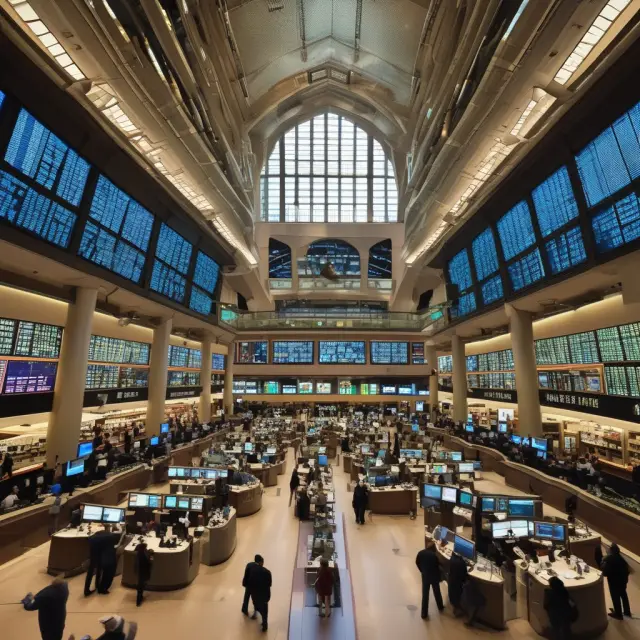
Listed Companies on the TSX
The Toronto Stock Exchange (TSX) hosts a diverse range of issuers with more than 1,500 listed companies as of 2022. These companies come from various sectors and industries, representing a wide array of investment opportunities for both retail and institutional investors. The exchange’s robust ecosystem includes companies in the energy, mining, technology, finance, real estate, healthcare, and consumer goods sectors, among others.
The TSX is home to numerous prominent Canadian corporations, some of which have global reach. The exchange also lists international issuers seeking access to a growing investor base in Canada. Investors can benefit from the depth and breadth of opportunities provided by such a vast selection of companies.
In addition to equities, the TSX offers investment trusts and exchange-traded products (ETPs) as alternative investment vehicles for its investors. ETPs represent various indices, commodities, currencies, or market sectors, providing access to a diverse range of asset classes under one roof. This variety allows investors to build well-diversified portfolios tailored to their unique investment objectives.
Moreover, the TSX is not only known for its extensive roster of companies but also for the high-caliber regulatory environment provided by organizations such as the Investment Industry Regulatory Organization of Canada (IIROC) and the Canadian Securities Exchange Commission (CSEC). These organizations maintain investor protection and market integrity, ensuring a level playing field for all participants.
Investors seeking to capitalize on opportunities in the Canadian stock market can consider purchasing American depositary receipts (ADRs) of larger Canadian corporations if they prefer dealing with U.S. brokers or trading platforms. The presence of ADRs makes investing in Canadian companies more accessible for a broader audience, further expanding the reach of the exchange and its listed issuers.
The TSX has undergone significant changes throughout its rich history, transforming from an auction-based system to a fully electronic marketplace. It is now part of the TMX Group, alongside the Montreal Exchange (MX), which specializes in derivatives trading, and the TSX Venture Exchange, focusing on small cap companies. The group also oversees the Canadian Derivatives Clearing Corporation, ensuring the clearing of exchange-traded derivatives products and other financial instruments traded on its exchanges.
Understanding the diverse offerings of the Toronto Stock Exchange and the unique advantages it provides for investors can open doors to new opportunities in the ever-evolving world of finance and investment.

TSX Mergers and Acquisitions: Key Moments in History
The Toronto Stock Exchange (TSX) is a significant player in Canada’s financial markets, with a rich history dating back to the mid-1800s. Through various mergers and acquisitions over the years, the TSX has evolved into the premier stock exchange it is today, owned by the TMX Group. Let us explore some of the crucial moments that shaped the TSX and its parent company.
History of the TSX: Incorporated in 1878, the Toronto Stock Exchange (TSE) officially adopted its current name, TSX, in 2002. Initially established to facilitate transactions between buyers and sellers of securities, it has grown into a world-class exchange offering various financial instruments and boasting over 1,500 listed companies as of 2021. The TSX operates from Monday through Friday, except for statutory holidays.
Fully Electronic Exchange: In 1997, the TSX underwent a significant transformation by becoming a fully electronic exchange. Trading orders were no longer executed on the exchange floor but instead became part of an automated system, similar to the Nasdaq in the United States. This transition brought numerous advantages, such as increased efficiency and real-time trade confirmation.
Merger with Montreal Exchange (MX): In 2007, the TSX and Montreal Exchange merged to form the TMX Group. This merger united two major Canadian exchanges under one umbrella, allowing for a more coordinated approach in the provision of trading services and facilitating the growth of the derivatives market.
TSX Venture Exchange: In 1999, the TSX became Canada’s only exchange for senior equities. Two years later, it acquired the TSX Venture Exchange to cater to small-cap stocks. Today, the TSX Venture Exchange provides a platform for smaller companies to access capital and grow their businesses.
Other Subsidiaries: The TMX Group also operates several other entities under its umbrella, including the TSX Alpha Exchange, Shorcan, and the Canadian Derivatives Clearing Corporation (CDCC). The CDCC facilitates the clearing of Canadian exchange-traded derivatives products and other financial instruments.
Proposed Merger with London Stock Exchange: In 2011, the TMX Group attempted to merge with the London Stock Exchange (LSE), but it failed due to a lack of the required two-thirds majority of votes from shareholders. This merger was aimed at avoiding a takeover by Maple Group Acquisition Corporation, a consortium of Canadian investors.
Eventually, the TMX Group agreed to a takeover by Maple Group in 2012. This transaction marked a new era for the Toronto Stock Exchange, enabling it to maintain its position as Canada’s leading stock exchange and adapt to the ever-changing financial markets landscape.

The Role of the TMX Group
The Toronto Stock Exchange (TSX) is a prominent member of the global financial landscape and holds significant influence over the Canadian economy. Established as an independent entity in 1861, the TSX has grown into Canada’s premier stock exchange, with more than 1,500 listed companies representing various sectors such as energy, mining, technology, and real estate. In 2007, the TSX merged with the Montreal Exchange (MX) to form the TMX Group – a leading Canadian financial market infrastructure provider.
The merger brought together several essential functions under one umbrella: the Toronto Stock Exchange, Montreal Exchange, TSX Venture Exchange, and the Canadian Derivatives Clearing Corporation (CDCC). Each of these entities plays a vital role in the Canadian financial markets and facilitates various financial transactions. In this section, we will discuss the TMX Group’s key components and their respective functions.
TSX Alpha Exchange: A Fully Electronic Trading Platform
The Toronto Stock Exchange transitioned from traditional open-outcry trading to a fully electronic platform in 1997. The success of this transformation paved the way for the creation of TSX Alpha Exchange, which serves as a primary market for trading Canadian equities. This innovative exchange operates continuously from 6:30 a.m. ET to 8:00 p.m. ET, allowing investors to access real-time pricing and liquidity in over 2,500 securities, including equities, exchange-traded funds (ETFs), and Canadian Depositary Receipts (CDRs).
Canadian Derivatives Clearing Corporation (CDCC): Clearinghouse for Exchange-Traded Derivatives
The CDCC is a clearinghouse that plays an essential role in the Canadian financial markets by providing risk management, settlement services, and other infrastructure necessary to support the trading of exchange-traded derivatives. CDCC offers clearing services for various financial instruments such as options, futures, and exchange-traded funds (ETFs). It operates under the regulatory oversight of both the Investment Industry Regulatory Organization of Canada (IIROC) and the Ontario Securities Commission (OSC).
TSX Venture Exchange: A Premier Platform for Small-Cap Stocks
The TSX Venture Exchange, a subsidiary of the TMX Group, is an innovative exchange dedicated to facilitating the growth and development of emerging companies. This platform lists and trades shares in over 40 industry sectors and provides access to a broad base of potential investors. The TSX Venture Exchange’s goal is to create opportunities for small-cap companies by offering a cost-effective and efficient alternative to trading on larger exchanges.
The TMX Group: Connecting Markets, Information, and Capital
In summary, the TMX Group plays a significant role in connecting markets, information, and capital by operating various entities that cater to various aspects of Canadian financial markets. Through its subsidiaries, the TSX, Montreal Exchange, TSX Venture Exchange, TSX Alpha Exchange, and Canadian Derivatives Clearing Corporation, the TMX Group enables diverse participants, including investors, issuers, and market intermediaries, to access innovative financial solutions that meet their unique needs.

Canada’s Financial Markets: Other Exchanges and Organizations
The Toronto Stock Exchange (TSX) is not the only financial market player in Canada. It shares the stage with other organizations such as the Montreal Exchange (MX) and the Investment Industry Regulatory Organization of Canada (IIROC). Let’s take a closer look at these entities that play significant roles in Canadian financial markets.
The Montreal Exchange (MX), commonly known as the “Bourse de Montréal,” is the leading Canadian marketplace for derivatives trading. Established in 1832, it predates the TSX and is the oldest exchange in North America. The MX operates under the umbrella of the TMX Group, which also owns the TSX and other subsidiaries. Its primary products include Canadian dollar-denominated futures and options contracts on interest rates, equities, and commodities.
The Investment Industry Regulatory Organization of Canada (IIROC) is a self-regulatory organization that oversees investment dealers and trading activity in all markets, including the TSX, TSX Venture Exchange, and MX. IIROC’s primary objective is to protect investors by setting standards of professional conduct for its members. They administer rules regarding trading practices, ethics, and business conduct.
The relationship between these organizations provides a robust ecosystem that supports liquidity and diversity in the Canadian financial markets. The TSX, with its broad-based equity index and diverse sectors, complements the MX’s focus on derivatives trading. IIROC’s role as the regulatory body ensures transparency, fairness, and investor protection across various markets and instruments.
Key Takeaways
- The Montreal Exchange (MX) is a significant player in Canadian financial markets with a focus on derivatives trading.
- The Investment Industry Regulatory Organization of Canada (IIROC) is the regulatory body for investment dealers and trading activity across various markets, including the TSX, TSX Venture Exchange, and MX.
- The presence of these organizations allows for a diverse and robust Canadian financial market ecosystem that provides investors with various opportunities to invest in equities, derivatives, and other financial instruments.

TSX vs. NYSE vs. Nasdaq: Comparing North America’s Largest Exchanges
The Toronto Stock Exchange (TSX), New York Stock Exchange (NYSE), and Nasdaq are three of the most prominent stock exchanges in North America. While all three offer a wide range of investment opportunities, there are significant differences between these financial powerhouses. Let’s examine how the TSX stands out from its counterparts, the NYSE and Nasdaq.
History:
The Toronto Stock Exchange was founded in 1861 as the Trinity Market. In 1878, it officially became a registered exchange under the name Toronto Stock Exchange or TSE. The exchange has a long-standing history in Canada’s financial markets and was the only exchange for senior equities from 1999 until its merger with the Montreal Exchange (MX) in 2007. Today, it is owned by the TMX Group, which also owns other exchanges, including the Montreal Exchange, TSX Venture Exchange, and the TSX Alpha Exchange.
The NYSE, on the other hand, was established in 1817 as the New York Stock & Exchange Board. It officially became the New York Stock Exchange in 1865 when it moved to its iconic location at 11 Wall Street. The Nasdaq, however, is a more recent entrant to the scene, having been founded in 1971 by the National Association of Securities Dealers Automated Quotations (NASDAQ).
Market Size and Listed Companies
The Toronto Stock Exchange hosts over 1,500 listed companies, with a primary focus on energy, mining, technology, real estate, and international listings. The New York Stock Exchange boasts a larger number of publicly traded companies, with approximately 3,200 issuers as of March 2023. Nasdaq, with its emphasis on tech giants like Apple, Microsoft, Amazon, and Google, has around 3,450 listed companies.
Trading Hours
All three exchanges offer trading during regular market hours, with the TSX open Monday to Friday from 9:30 a.m. ET to 4:00 p.m. ET, while the New York Stock Exchange operates from 9:30 a.m. ET to 4:00 p.m. ET and Nasdaq from 9:30 a.m. ET to 4:15 p.m. ET.
Traded Instruments and Currencies
The TSX deals mainly in shares of Canadian companies, investment trusts, and exchange-traded products, all executed in the Canadian dollar. The NYSE and Nasdaq, however, offer a broader range of traded instruments, including bonds, commodities, futures, options, and other derivatives, primarily conducted in US dollars.
Geographical Differences
The Toronto Stock Exchange caters mostly to companies based in Canada, whereas the New York Stock Exchange focuses on U.S.-based companies and multinational corporations that list their shares there. Nasdaq is more international in scope, with a diverse range of issuers from various countries around the world.
Electronic Transactions
The Toronto Stock Exchange completed its transition to fully electronic trading in 1997, while both the New York Stock Exchange and Nasdaq have been electronic since the late 1990s. This shift eliminated the need for physical trading floors.
Comparing Market Capitalizations
Market capitalization refers to a company’s total value of outstanding shares. As of March 2023, the combined market capitalization of all companies listed on the Toronto Stock Exchange is around $3 trillion (CAD), making it one of the largest exchanges in the world. In comparison, the NYSE has a larger market cap of approximately $40 trillion (USD), while Nasdaq boasts a market capitalization of about $18 trillion (USD).
Investing Strategies for Institutional Investors
Institutional investors interested in Canadian companies can consider purchasing American depositary receipts (ADRs) or investing directly through the TSX. ADRs represent ownership in a foreign stock and are traded on U.S. exchanges, making them an accessible investment opportunity for U.S.-based institutional investors.
Conclusion:
In conclusion, while all three—TSX, NYSE, and Nasdaq—provide unique opportunities for investors seeking various investment vehicles, each exchange possesses distinct characteristics that cater to different financial markets and geographical locations. Understanding these nuances can help investors make informed decisions when choosing which exchange best fits their investment objectives.

Investing in Canadian Companies: Strategies for Institutional Investors
The Toronto Stock Exchange (TSX) is a prominent global stock exchange with more than 1,500 listed companies and a diverse range of sectors, making it an attractive investment destination for institutional investors. Understanding the various strategies to invest in these Canadian firms can be crucial for long-term growth. In this section, we explore some essential aspects of investing in Canadian companies on the TSX, including purchasing American depositary receipts (ADRs).
Background: A Historical Context
The Toronto Stock Exchange (TSX), Canada’s largest stock exchange, has a rich history dating back to 1861. The exchange was officially incorporated in 1878 and adopted the name TSX in 2002. With a significant presence in energy, mining, technology, real estate, and other sectors, it is home to numerous publicly-traded companies suitable for institutional investment.
Electronic Transformation: Modernizing Investment Practices
The TSX transitioned to fully electronic trading in 1997, making it a modernized stock exchange compared to its counterparts. Trades on the TSX are executed electronically and primarily conducted in Canadian dollars. The exchange’s advanced technology enables seamless transactions, reducing friction and increasing efficiency for investors.
Listed Companies: A Diverse Range of Sectors
The TSX hosts more than 1,500 listed companies, providing institutional investors with a broad range of sectors to invest in. These firms represent various industries, including energy, technology, financial services, healthcare, and consumer goods, among others. In fact, the exchange’s index—the S&P/TSX Composite Index—is a comprehensive representation of the most influential Canadian stocks.
Canadian Companies via American Depositary Receipts (ADRs)
For institutional investors interested in investing in Canadian companies without the complications associated with foreign exchange transactions, purchasing American depositary receipts (ADRs) can be an excellent strategy. ADRs are negotiable certificates that represent ownership of a specified number of shares held in trust by a U.S. bank or broker. By investing in these securities, institutional investors can benefit from the liquidity and transparency offered on the U.S. stock market while gaining exposure to Canadian firms listed on the TSX.
Exploring Opportunities: Strategies for Institutional Investors
When considering investing in Canadian companies through the Toronto Stock Exchange (TSX), institutional investors may consider various strategies to maximize returns and mitigate risks. These include:
- Diversification: Investing in a range of sectors can help minimize overall portfolio risk.
- Research and Analysis: A thorough assessment of a company’s financial health, business model, and management team is essential.
- Timing: Market conditions, economic indicators, and industry trends can impact investment decisions.
- Asset Allocation: Distributing investments across various asset classes and regions can help maintain overall portfolio balance.
- Monitoring: Regularly reviewing the performance of individual Canadian holdings and adjusting strategies as necessary is vital.
With this comprehensive understanding of the Toronto Stock Exchange (TSX) and its investment opportunities, institutional investors are well-equipped to make informed decisions when investing in Canadian companies. By employing effective strategies, such as ADRs and a diversified portfolio, they can mitigate risk while maximizing returns.

FAQ: Frequently Asked Questions about the TSX
What is the Toronto Stock Exchange (TSX)?
The Toronto Stock Exchange (TSX) is a Canadian stock exchange located in Toronto, Ontario. Established in 1861 and officially incorporated in 1878, it is Canada’s premier stock market with more than 1,500 listed companies, including those from various sectors such as energy, mining, technology, and real estate. The TSX became fully electronic after closing its trading floor in 1997. Today, the exchange operates under the TMX Group, which also oversees other financial markets and institutions such as the Montreal Exchange (MX), Canadian Derivatives Clearing Corporation (CDCC), and the TSX Alpha Exchange.
Where is the Toronto Stock Exchange (TSX) located?
The Toronto Stock Exchange (TSX) is situated in Toronto, Ontario, Canada.
When was the Toronto Stock Exchange (TSX) founded?
The Toronto Stock Exchange (TSX) was established in 1861 and officially incorporated in 1878.
What instruments are traded on the TSX?
Traded instruments on the Toronto Stock Exchange (TSX) include shares in companies, investment trusts, exchange-traded products (ETPs), bonds, commodities, futures, options, and other derivative products. All transactions on the TSX are conducted in Canadian dollars.
When is the Toronto Stock Exchange open for trading?
The Toronto Stock Exchange operates Monday to Friday, except for statutory holidays. Trading hours are from 9:30 a.m. ET to 4:00 p.m. ET, with pre-open available between 7:00 a.m. and 9:30 a.m. ET.
Why did the TSX eliminate its trading floor?
The Toronto Stock Exchange (TSX) eliminated its trading floor in 1997 to transition into a fully electronic exchange, similar to the Nasdaq in the United States.
What is the significance of the S&P/TSX Composite Index?
The S&P/TSX Composite Index is the most influential index on the Toronto Stock Exchange (TSX) and tracks the performance of Canada’s largest stocks. The index is rebalanced quarterly in March, June, September, and December.
What is a Canadian Depository Receipt?
Canadian Depository Receipts (CDRs) are negotiable certificates issued by foreign issuers to facilitate trading on the Toronto Stock Exchange for shares that aren’t traded locally. Institutional investors interested in investing in Canadian companies can consider purchasing CDRs, which provide a more convenient and cost-effective way to access international stocks without dealing with foreign currency or other complications.
What is the TMX Group?
The TMX Group is a publicly-traded company that operates multiple markets and financial services, including the Toronto Stock Exchange (TSX), Montreal Exchange (MX), Canadian Venture Exchange, CDCC, and TSX Alpha Exchange.
Why did the TSX merge with the Montreal Exchange (MX)?
The TSX merged with the Montreal Exchange (MX) in 2007 to form the TMX Group, which now oversees multiple financial markets and institutions. The merger was aimed at creating a comprehensive trading platform for Canadian investors, enabling the exchange to offer a broader range of products and services.
What are the benefits of investing in Canadian companies through the Toronto Stock Exchange (TSX)?
Investing in Canadian companies through the Toronto Stock Exchange offers numerous advantages, including:
– Diversification: Canada’s economy is robust and diversified, with sectors that include energy, mining, technology, and real estate.
– Strong financial institutions: The banking system in Canada is considered one of the soundest and most efficient in the world.
– Stable political climate: Canada boasts a stable political environment that supports long-term investment strategies.
– Attractive tax policies: Canadian corporations pay lower taxes on their earnings than many of their counterparts in other countries, making them attractive investments for international investors.
What is the TSX Venture Exchange?
The TSX Venture Exchange (TSXV) is a subsidiary of the Toronto Stock Exchange that primarily lists small-cap stocks and emerging companies. The exchange offers capital formation solutions designed to help these companies grow, providing them with access to investment and financing opportunities.
What is the TSX Alpha Exchange?
The TSX Alpha Exchange is a new market operated by the TMX Group, which allows participants to trade in real-time with Canadian securities at the midpoint price. This exchange offers alternative trading models and aims to provide investors with increased liquidity, flexibility, and efficiency when executing trades.
 Next entry · No. 5,001Understanding Tort Law: Categories, Famous Cases and Reform
See also
-
 No. 3,601
11 Apr 2025
19 min
The New York Stock Exchange (NYSE): History, Operation, and Significance
Business Finance
No. 3,601
11 Apr 2025
19 min
The New York Stock Exchange (NYSE): History, Operation, and Significance
Business Finance -
 No. 5,835
11 Oct 2025
18 min
Understanding Xetra: Germany’s Dominant Electronic Trading Platform
Business Finance
No. 5,835
11 Oct 2025
18 min
Understanding Xetra: Germany’s Dominant Electronic Trading Platform
Business Finance -
 No. 3,814
29 Apr 2025
20 min
Understanding the OTCQB: A Guide for Institutional and Professional Investors
Business Finance
No. 3,814
29 Apr 2025
20 min
Understanding the OTCQB: A Guide for Institutional and Professional Investors
Business Finance -
 No. 4,809
18 Jul 2025
23 min
Understanding Support Levels: A Key Concept in Technical Analysis
Market Trends
No. 4,809
18 Jul 2025
23 min
Understanding Support Levels: A Key Concept in Technical Analysis
Market Trends -
 No. 5,906
17 Oct 2025
21 min
Understanding Zero-Sum Games: Concepts and Applications in Finance and Investment
Business Finance
No. 5,906
17 Oct 2025
21 min
Understanding Zero-Sum Games: Concepts and Applications in Finance and Investment
Business Finance -
 No. 5,573
20 Sep 2025
19 min
Wage Push Inflation: An Overview for Institutional Investors
Business Finance
No. 5,573
20 Sep 2025
19 min
Wage Push Inflation: An Overview for Institutional Investors
Business Finance