Property Insurance: Understanding the Basics of Property Protection Coverage

Explore the fundamentals of Property Insurance to ensure adequate protection for your assets. Learn about various policy types and their coverages.
Introduction to Property Insurance
Property insurance plays a significant role in protecting individuals and businesses against financial losses due to property damages or liabilities. It is an essential aspect of comprehensive risk management, providing coverage for a range of risks including fire, wind, theft, vandalism, and personal injury. This article explores the basics of property insurance, its importance, applications, and the various types of policies available.
Understanding Property Insurance Policies
Property insurance is a vital financial safeguard that shields property owners or tenants from unexpected expenses arising from damages or loss. Homeowners insurance and renters insurance are two common types of property insurance. Homeowners insurance covers both the structure and its contents, offering protection against perils such as windstorms, hail, fire, theft, and liability for third-party injury claims.
Renters insurance is designed specifically for tenants living in rented properties, providing coverage for personal belongings, liability for third-party injuries, and additional living expenses if the renter needs to temporarily relocate due to property damage. Other types of property insurance include flood insurance and earthquake insurance.
Three Types of Property Insurance Coverage: Replacement Cost, Actual Cash Value, and Extended Replacement Costs
Property insurance policies come in three primary coverage forms: replacement cost, actual cash value, and extended replacement costs.
- Replacement cost coverage: This option pays for the full cost of repairing or replacing damaged property without any deductions for depreciation. The policy covers items at their current replacement value, ensuring that policyholders receive a complete reimbursement.
- Actual cash value coverage: Also known as depreciated value coverage, this type pays the actual value of the property at the time of the loss. Depreciation is subtracted from the replacement cost to determine the payout, which may leave policyholders with a lower reimbursement compared to replacement cost coverage.
- Extended replacement costs: This coverage pays more than the coverage limit if the repair or replacement expenses exceed the stated amount due to an increase in construction costs. It is capped at 25% of the limit in most cases.
Stay tuned for the following sections, where we will dive deeper into property insurance, including how it works, special considerations, and the differences between various policy types like HO3, HO4, and hybrid policies.

Understanding the Basics of Property Insurance Policies
Property insurance is a crucial aspect of owning or renting a property, providing protection against various perils that could result in financial loss due to damage or theft. Property insurance encompasses several types of policies such as homeowners insurance, renters insurance, flood insurance, and earthquake insurance. Understanding the distinctions between these policies can help you choose the best coverage for your specific needs.
Homeowners Insurance: Homeowners insurance is a popular choice for property owners who want to protect their dwelling and its contents against damage caused by perils such as fire, wind, hail, theft, vandalism, and other select weather-related events. It typically covers the structure of your house, detached garages, sheds, fences, swimming pools, landscaping, and personal belongings within the home. Homeowners insurance also offers liability coverage for accidents that may happen on your property, ensuring financial protection against lawsuits.
Renters Insurance: For those renting a property, renters insurance is essential in protecting their personal property from damage or theft. Renters insurance covers the insured’s belongings and provides liability protection in case someone is injured on the premises. It does not typically cover the actual rental unit itself, which should be covered under the landlord’s insurance policy.
Flood Insurance: Homeowners and renters living in areas susceptible to flooding can benefit from flood insurance coverage. Traditional homeowners policies do not cover flood damage, making this additional policy crucial for those at risk. Flood insurance covers damages caused by flooding due to heavy rainfall, storm surges, and other water-related perils.
Earthquake Insurance: Earthquakes are another natural disaster that property insurance might not cover under standard policies. Earthquake insurance protects against damage caused by earthquakes or volcanic eruptions. This is especially important for those living in seismically active areas where the risk of earthquakes is relatively high.
When it comes to property insurance, you’ll find three primary types of coverage: replacement cost, actual cash value, and extended replacement costs. Replacement cost coverage pays for the amount required to repair or replace the damaged property at current market prices, ensuring you receive a brand-new item or structure. Actual cash value coverage, on the other hand, reimburses policyholders for the depreciated value of damaged items based on their age and condition before the loss. Finally, extended replacement cost coverage offers additional financial protection by paying more than the coverage limit if construction costs have risen since your initial purchase date.
Understanding these various types of property insurance policies is crucial in safeguarding your property and personal belongings against potential financial losses due to damages or theft. It’s essential to assess your specific needs and consult with an insurance professional to determine the best policy for you.

Property Insurance Coverage: What is Covered?
In the realm of property insurance, understanding what perils are covered under various policies is vital to safeguarding your assets effectively. Property insurance primarily protects against damages from certain risks and perils, with different policies catering to various needs. The three primary categories of coverage—homeowners insurance, renters insurance, flood insurance, and earthquake insurance—each have their unique benefits and exclusions.
Homeowners Insurance: Homeowners insurance typically provides extensive protection for personal property and the structure itself against a wide range of perils like fire, lightning strikes, windstorms, hail, explosion, and theft. However, it usually excludes coverage for damage caused by flooding or earthquakes.
Renters Insurance: Renters insurance, on the other hand, primarily offers protection for an individual’s personal belongings against various risks, such as theft, vandalism, and fire. This type of insurance does not typically cover damages to the dwelling or building structure itself.
Flood Insurance: Given that homeowners insurance policies do not usually cover flooding, separate flood insurance is needed for individuals living in areas susceptible to flooding. Flood insurance provides coverage for damage resulting from heavy and prolonged rainfall, storm surges, or snowmelt, among other water-related events.
Earthquake Insurance: Similarly, earthquake insurance covers damages caused by seismic activities that may not be covered under a standard homeowners policy. This type of insurance can help protect property owners from financial losses resulting from earthquakes and related perils.
Understanding the exclusions in property insurance policies is equally important as knowing what’s covered. Perils like tsunamis, floods (in standard homeowners insurance), drain and sewer backups, seeping groundwater, standing water, mold, and nuclear events are typically not included in most property insurance coverage.
In conclusion, comprehensively understanding the various types of perils that property insurance covers and excludes is crucial to ensure adequate protection for your assets. By being aware of these details, you can make informed decisions when choosing the right policy for your needs.

Three Types of Property Insurance Coverage
Property insurance policies come in various types, with three main coverage options being replacement cost, actual cash value, and extended replacement costs. Understanding these differences is crucial for homeowners and renters to make informed decisions about their insurance needs.
Replacement Cost: Replacement cost is the most comprehensive type of property insurance coverage. It pays for the repair or replacement of damaged or destroyed property at the same or equal value as its pre-existing condition. This means that if your roof gets destroyed in a storm, the insurer will pay to replace it with an identical one. The coverage is based on replacement cost values rather than the cash value of items.
Actual Cash Value: Actual cash value coverage pays for the difference between the repair or replacement costs and the depreciated value of the property at the time of loss. In other words, if your 10-year-old roof is damaged and needs replacement, the insurer will pay the cost to replace it minus the amount of depreciation. This coverage can leave policyholders paying a substantial portion of the repair or replacement costs out-of-pocket.
Extended Replacement Cost: Extended replacement cost offers an additional layer of protection beyond the standard coverage limit. This coverage will pay for the costs that exceed the insurance limit in case the costs for construction have gone up. However, it usually won’t exceed 25% of the limit.
Choosing the right type of property insurance coverage depends on various factors such as the age and value of your property, your budget, and personal preferences. Consulting with a trusted insurance advisor can help you make an informed decision that best fits your needs.
In summary, property insurance covers physical loss or damage to property due to various perils, and comes in three main coverage options: replacement cost, actual cash value, and extended replacement costs. Understanding the differences between these types of coverage is essential for making an educated choice on insurance protection.

How Property Insurance Works: Claims and Payouts
Once an insured event occurs, policyholders file a claim with their insurance provider. The process for filing a claim will differ slightly depending on the specifics of the situation but generally involves contacting the insurance company or filing through an online portal, providing documentation, and working with an adjuster to assess the damage. Once a claim is approved, the insurance company issues a check to the policyholder for the amount of coverage.
The payout structure for property insurance can vary based on the type of coverage. For example, replacement cost coverage pays the homeowner or renter the full value needed to repair or replace damaged or destroyed property, while actual cash value coverage deducts depreciation from that total. Extended replacement costs policies may provide additional funds if the repair or replacement expenses exceed the policy limit due to inflation.
It’s important to note that not all damages are covered by property insurance. Common exclusions include damage caused by natural disasters like earthquakes and floods, as well as perils such as war, nuclear events, or acts of terrorism. These risks may require separate coverage. Additionally, regular wear-and-tear damages and valuables not explicitly listed in a policy are typically not covered. Homeowners or renters seeking protection for these risks can consider purchasing home warranties to supplement their property insurance coverage.
Understanding the property insurance claims process involves knowing what information to provide to the insurance company, the role of an adjuster, and the potential for a denial of coverage. Being familiar with your policy’s terms and conditions will help you file a claim efficiently and ensure that you receive the appropriate coverage in the event of damage or loss.
In summary, property insurance policies provide financial protection to homeowners and renters against perils like fire, theft, and vandalism. The claims process involves filing a claim with the insurance company, providing documentation, and working with an adjuster to assess the damage. Property insurance payouts can differ based on coverage types such as replacement cost or actual cash value. Exclusions such as earthquakes, floods, and wear-and-tear damages may require separate coverage, like a home warranty. By understanding how property insurance works, you’ll be better prepared to navigate the claims process and ensure that your property is adequately protected.

Special Considerations in Property Insurance
One crucial aspect of purchasing a property insurance policy is understanding its limitations and the importance of covering valuable items through riders or specialized policies. Let’s delve deeper into some essential special considerations when it comes to property insurance.
Peril Coverage
A standard property insurance policy covers perils such as fire, windstorm, hail, theft, explosion, and lightning strikes, among others. However, it’s important to be aware of which perils are excluded from coverage. For example, flood damage is typically not included in a standard property insurance policy; instead, a separate flood insurance policy is required for protection against this potential hazard.
Valuables Coverage
When it comes to high-value items like jewelry, fine arts, collectibles, and other personal belongings, standard property insurance policies often have coverage limits. For instance, homeowners’ insurance policies typically provide limited coverage for expensive items without the addition of a rider or a specialized policy. For valuable items, an appraisal is usually required to determine their true value. Homeowners can choose to add a “rider” to their policy for specific valuables that exceed the coverage limit or opt for a separate insurance policy tailored to the high-value item.
Deductibles and Policy Limits
Understanding your property insurance deductible and policy limits is essential to ensure you have sufficient coverage for potential damages. A deductible refers to the amount you pay out of pocket before the insurance company begins to cover damages. Higher deductibles can lead to lower premiums, but this means that homeowners will bear more costs when filing a claim. Policy limits represent the maximum amount an insurer will pay for a particular loss. Ensuring the policy limit covers the replacement cost or the value of the property and belongings is crucial to avoid underinsurance.
Home Warranties vs Property Insurance
A home warranty and property insurance serve different purposes in protecting your property. While property insurance covers damage caused by specific perils, a home warranty covers normal wear-and-tear damages not covered by property insurance for systems like HVAC, plumbing, electrical, and other major appliances. Homeowners can consider purchasing both property insurance and home warranties to protect their property comprehensively.
In conclusion, understanding the special considerations in property insurance is vital to ensure proper coverage for your valuable belongings and peace of mind. By being aware of policy limits, riders, deductibles, and other factors, homeowners can make informed decisions about their property insurance needs.

Understanding Specific Types of Property Insurance Policies
While most property insurance covers damages arising from various perils, it is essential to understand the nuances of different policy types that cater to specific risks and needs. This section focuses on HO3, HO4, HO5, and hybrid policies.
Homeowners Insurance Policy (HO3)
A popular homeowners insurance policy (HO3) covers physical loss or damage caused by 16 perils, including fire, vandalism, windstorms, theft, hail, and others. The coverage is comprehensive yet comes with predefined limitations on certain valuables and collectibles. For instance, a HO3 policy may exclude accidental breakage/damage and mysterious disappearance of valuable items like fine art and antiques.
Furthermore, a HO3 policy covers the structure itself, but not floods or earthquakes. It may include a predetermined limit on coverage for personal belongings, such as jewelry or collectibles. If the property is older than 40 years, it might be challenging to obtain an HO3 policy.
Renters Insurance Policy (HO4)
A renter’s insurance policy (HO4) is designed to provide tenants with protection for their personal belongings and liability coverage against third-party claims. It does not cover the actual building or apartment being rented, which should be covered by the landlord’s policy. HO4 policies do not typically include coverage for floods, earthquakes, or normal wear-and-tear damages to personal property.
Hybrid Insurance Policies (HO5 and Others)
HO5 homeowners insurance is a comprehensive coverage that goes beyond the conventional HO3 policy, focusing primarily on the structure itself and contents within the house. This type of policy does not cover floods or earthquakes but offers replacement cost coverage for personal belongings and structures at the insured value. To be eligible for an HO5 policy, a property must have been built recently (within the last 30 years) or undergone significant renovations within the last 40 years.
Hybrid policies can include extended coverage options such as water backup, personal property replacement cost, and others. One popular variant is the HO8 policy, which offers limited coverage for older homes that might not qualify for standard homeowners insurance due to their age or condition. It typically covers only the bare essentials, like windstorm and hail damages, but may provide limited coverage for detached structures like garages and sheds.
In summary, understanding specific property insurance policies such as HO3, HO4, HO5, and hybrid policies is crucial when selecting the most suitable protection plan based on your unique requirements, risk exposures, and property conditions.
The Role of Home Warranties in Protecting Your Property
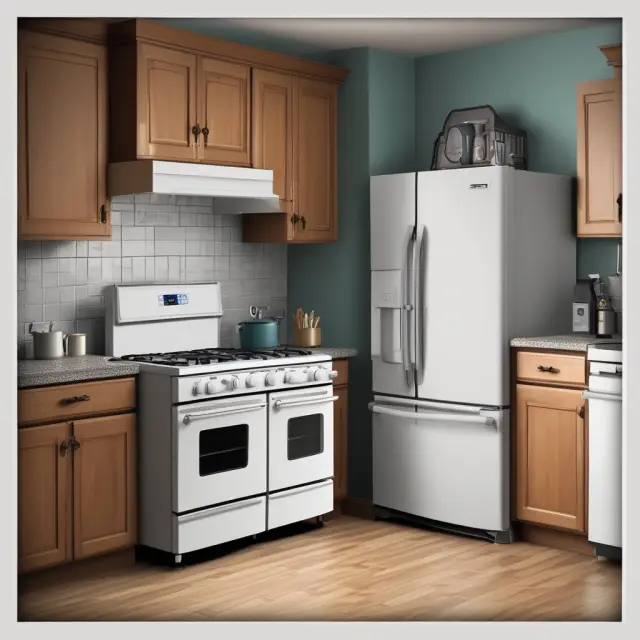
While property insurance is crucial for protecting against unforeseen events such as fires, thefts, or storm damage, it does not cover the costs associated with normal wear and tear that can result from everyday use. This is where home warranties come into play. Home warranties act as a supplement to property insurance, offering coverage for specific systems and appliances within your home that may malfunction due to aging or routine use.
A home warranty can provide peace of mind for both homeowners and renters by minimizing the financial burden of unexpected repair costs. The majority of home warranties offer coverage for essential systems like HVAC, electrical, plumbing, and water heaters, along with major appliances such as refrigerators, ovens, dishwashers, and washers/dryers. In comparison to property insurance, home warranties tend to have lower premiums and deductibles, making them more accessible for homeowners and renters alike.
When considering a home warranty, it’s essential to understand the difference between comprehensive coverage and select coverage options. Comprehensive plans typically provide more extensive protection by covering various systems and appliances, whereas select plans may only cover specific items. Be sure to carefully review the terms of your potential home warranty policy to ensure that it meets your needs and budget.
It is important to note that not all home warranties are created equal. Shopping around for a reputable provider can help ensure that you receive quality coverage and customer service. Additionally, be aware that some home warranty providers may have exclusions or limitations on specific items, so it’s crucial to thoroughly read the contract before signing.
In summary, property insurance plays an essential role in protecting your home and possessions from unforeseen events, but it does not cover everyday wear and tear. Home warranties offer a cost-effective solution for addressing these common issues, helping you save money on repairs and maintenance while providing added peace of mind. By understanding the benefits of both property insurance and home warranties, you’ll be well equipped to protect your property in various ways.

FAQs: Common Questions about Property Insurance
What Does Property Insurance Cover?
Property insurance covers various perils, including fire, smoke, wind, hail, lightning, and theft. It also provides liability coverage for injuries sustained on the property. However, it does not cover damage caused by floods, earthquakes, or acts of war or terrorism.
What Is the Difference Between Actual Cash Value and Replacement Cost?
Actual cash value is the replacement cost minus depreciation, while replacement cost covers repairing or replacing property at its current value. The former provides a lower payout, as it’s based on the age of the damaged item. In contrast, replacement cost coverage ensures that you receive enough money to restore your property to its original state.
How Does Property Insurance Handle Claims and Payouts?
If you file a claim with your insurance company due to damage or theft of your insured property, they will evaluate the loss and pay the policyholder accordingly. The compensation may be in the form of a check or direct payment into the bank account, depending on your agreement with the insurer.
What Is a Home Warranty and How Does It Differ from Property Insurance?
Home warranties provide coverage for normal wear-and-tear damages not typically covered by property insurance. While property insurance covers perils like theft and fire, home warranties protect against issues like malfunctioning appliances and leaking pipes.
Is Flood Damage Covered under Property Insurance?
No, flood damage is typically excluded from standard property insurance policies. Instead, separate flood insurance coverage must be purchased to ensure that you are protected against potential water damage caused by a flood.
What Is the Role of a Deductible in Property Insurance?
A deductible refers to the amount that an insured person pays out-of-pocket before their property insurance covers the rest of the loss. A higher deductible generally results in lower premiums, but it may mean paying more when you file a claim.
Can I Get Property Insurance If My Home or Apartment Is Older Than 30 Years?
Yes, older homes can still be insured; however, they might not qualify for the most comprehensive coverage options like HO5 policies. Consult with your insurance provider to discuss available options tailored to your specific property.

Conclusion
In the ever-changing world of financial investments, securing property insurance is an essential component of safeguarding one’s assets. Property insurance serves as a vital safety net by providing coverage for damages and losses incurred due to various perils—from fire and wind to theft and vandalism. Understanding the different types of property insurance policies can help you make informed decisions regarding the protection and preservation of your valuable investments.
Property insurance encompasses several policy types, such as homeowners insurance, renters insurance, flood insurance, and earthquake insurance, each designed to cater to specific needs and risks. Homeowners insurance protects both the physical structure of a property and its contents against covered perils. In contrast, renters insurance primarily covers personal belongings within a rented dwelling, along with liability protection for potential injuries or damages to others.
When it comes to coverage options, there are three primary types: replacement cost, actual cash value, and extended replacement costs. Replacement cost policies cover the full cost of repairing or replacing damaged items at their current market value, while actual cash value takes depreciation into account when determining compensation. Extended replacement costs offer additional coverage if construction costs have increased beyond the policy limit.
It’s essential to be aware that property insurance does not cover all potential damages and losses. Common exclusions include events such as floods, earthquakes, and extreme weather conditions like tsunamis or acts of war. It is also vital to understand the specific limitations and coverage provided for valuable items under different policies.
Furthermore, homeowners may consider purchasing additional protection through home warranties to cover normal wear-and-tear damages that are not typically covered by property insurance. Home warranties can help provide peace of mind and save you from unexpected repair or replacement costs.
In summary, securing comprehensive property insurance coverage is a crucial element in safeguarding your investments. With various policy types, coverage options, and exclusions to consider, it’s essential to conduct thorough research and consult with professionals to ensure optimal protection for your valuable assets.
 Next entry · No. 4,128A Comprehensive Guide to Property Management: Responsibilities, Types, Regulations, and Benefits
See also
-
 No. 5,607
23 Sep 2025
22 min
Understanding Warehouse-to-Warehouse Clauses in Insurance Policies: Protecting Goods from Warehouse to Destination
Insurance
No. 5,607
23 Sep 2025
22 min
Understanding Warehouse-to-Warehouse Clauses in Insurance Policies: Protecting Goods from Warehouse to Destination
Insurance -
 No. 5,602
22 Sep 2025
19 min
Understanding War Risk Insurance: Protecting Against Losses from War-Related Events
Insurance
No. 5,602
22 Sep 2025
19 min
Understanding War Risk Insurance: Protecting Against Losses from War-Related Events
Insurance -
 No. 5,504
14 Sep 2025
18 min
Understanding Vis Major: An Overview of Superior Forces and Their Impact on Contracts and Insurance
Insurance
No. 5,504
14 Sep 2025
18 min
Understanding Vis Major: An Overview of Superior Forces and Their Impact on Contracts and Insurance
Insurance -
 No. 4,475
21 Jun 2025
22 min
Understanding Insurance Riders: Enhancing Your Policy’s Coverage
Insurance
No. 4,475
21 Jun 2025
22 min
Understanding Insurance Riders: Enhancing Your Policy’s Coverage
Insurance -
 No. 3,963
11 May 2025
19 min
Understanding Personal Lines Insurance: A Comprehensive Overview
Insurance
No. 3,963
11 May 2025
19 min
Understanding Personal Lines Insurance: A Comprehensive Overview
Insurance -
 No. 3,864
02 May 2025
19 min
Understanding Over-Lines: Examining Insurance Companies’ Unusual Coverage
Insurance
No. 3,864
02 May 2025
19 min
Understanding Over-Lines: Examining Insurance Companies’ Unusual Coverage
Insurance