Understanding and Trading the Cup and Handle Pattern

Learn about the Cup and Handle pattern, its identification, and successful trading strategies using real-world examples.
Introduction to the Cup and Handle Pattern
The cup and handle pattern is a technical chart configuration recognized as a bullish indicator in stock trading. This price movement formation, described by William J. O’Neil in his 1988 book “How to Make Money in Stocks,” is characterized by a shallow reversal from a downtrend followed by a continuation of the uptrend. The pattern takes its name from the cup-like shape formed during the reversal, and the subsequent handle-shaped consolidation period before the price resumes its upward trend.
Understanding the historical significance of this pattern is crucial for traders seeking to capitalize on potential opportunities. The creator of the term, William J. O’Neil, first introduced the concept in his comprehensive guide on technical analysis. Since then, it has become a widely used tool for identifying bullish signals and signaling potential buying opportunities.
The cup and handle pattern is particularly important for traders looking to go long or extend their existing positions within an uptrend. With its unique characteristics and reliable performance history, understanding the mechanics of this pattern can contribute significantly to a successful trading strategy. In this article, we will discuss the identifying features and strategies associated with this intriguing price configuration.
Identifying Characteristics of a Cup and Handle Pattern:
To recognize a cup and handle pattern on a stock price chart, you must be able to identify its distinct components. The first part of the formation, known as the “cup,” is characterized by a U-shaped, rounded bottom in the price action that signifies a period of consolidation or potential reversal from a downtrend.
The second component, called the “handle,” is a continuation pattern featuring lower trading volume and a downward drift. It can be observed as a slight pullback within the uptrend, giving the appearance of a handle extending from the cup’s bottom. This portion of the pattern usually forms in the top half of the cup and allows traders to anticipate an eventual breakout above the resistance level set by the previous high or the cup’s rim.
Traders using this indicator should consider several factors when assessing potential cup and handle patterns, including the length, depth, and volume. Length refers to the duration between the start of the pattern and the eventual breakout, which can range from seven weeks to over a year. Deeper cups with longer bottoms are often considered more reliable as they provide a stronger signal.
Depth refers to the extent of the decline during the handle’s formation. Ideally, the cup should not be excessively deep or flat, while the handle should form in the top half of the cup and display lower trading volume compared to the rest of the pattern. A retest of previous resistance is not always required for a valid breakout, but it can add confidence to traders when the price touches or comes close to these levels before resuming its upward trend.
Trading Strategies for Cup and Handle Patterns:
Once identified, traders can employ various strategies to capitalize on cup and handle patterns. The most common approach is entering long positions as prices break above the upper trendline of the handle. This typically occurs when the pattern demonstrates strong buying pressure and a clear bullish momentum shift.
Stop buy orders placed slightly above the trendline provide traders with protection from potential false breakouts or whipsaws, while also ensuring an entry point at a desirable price. Alternatively, some traders may wait for confirmation of the breakout before entering their positions, placing limit orders just below the anticipated breakout level to capitalize on any potential pullbacks or retests.
It’s essential to note that every trading strategy carries inherent risk, and cup and handle patterns are no exception. Traders should be prepared for potential volatility and market fluctuations when executing their strategies. Proper position sizing, stop-loss orders, and risk management techniques can help mitigate these risks while maximizing profits.
Limitations of Cup and Handle Patterns:
While the cup and handle pattern is a powerful tool in the technical analysis arsenal, it’s not without its limitations. The primary concern is that the pattern may take some time to develop fully, potentially leading to late entry or missed opportunities for traders. Additionally, there can be ambiguity surrounding the depth of the cup and the formation of the handle, which may result in false signals or misinterpreted patterns.
Understanding these limitations is crucial for traders looking to successfully implement a cup and handle strategy. Incorporating multiple indicators and confirmation signals, as well as conducting thorough fundamental analysis, can help mitigate potential risks and enhance overall trading performance.
In conclusion, the cup and handle pattern provides a valuable insight into potential bullish opportunities within an uptrend. By understanding its unique features, identifying reliable patterns, and employing effective trading strategies, traders can capitalize on this powerful technical indicator to maximize their profits while minimizing risks. Stay tuned for upcoming sections in our article series, where we will delve deeper into real-world examples of successful cup and handle trades and the importance of volume in these formations.
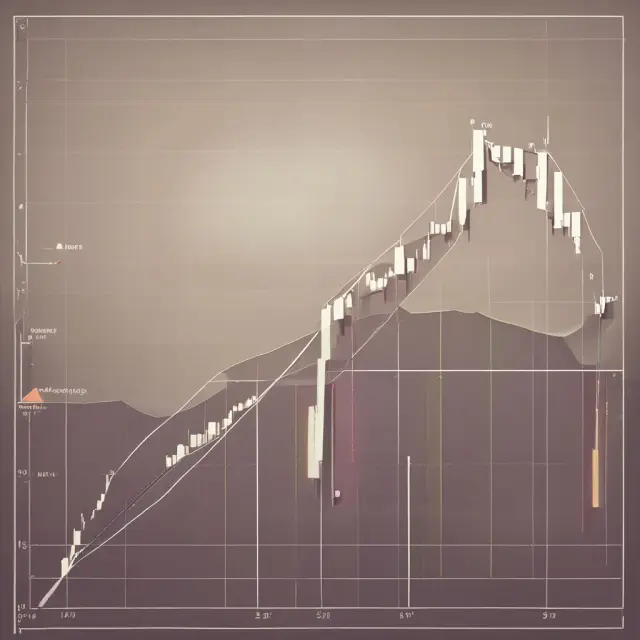
Identifying Characteristics of a Cup and Handle Pattern
The cup and handle is an essential bullish continuation pattern in technical analysis, defined by its distinct shape—a shallow “u-shaped” dip followed by a consolidating period called the handle. This formation offers traders an opportunity to enter long positions during a stock’s uptrend when the price reaches new highs. By understanding the intricacies of a cup and handle pattern, investors can make informed decisions on entry points and potential profit targets.
To identify a valid cup and handle pattern, consider these key characteristics:
1. Length and Depth
A well-formed cup and handle pattern comprises a relatively long and shallow “u” shape with a brief downward correction—the handle. While there is no definitive rule regarding the length of this formation, most patterns last between one to three months. A more extended cup tends to provide stronger confirmation, while a shallow dip does not necessarily signal a false pattern.
2. Volume
Volume plays a crucial role in the validity and strength of a cup and handle pattern. As stock prices begin to retreat from their highs, trading volume typically decreases significantly. Following this decline, when the stock resumes its uptrend, volume should increase substantially compared to its previous levels. This pick-up in volume during the final leg of the bullish move indicates that new buyers have entered the market, strengthening the potential for a sustainable trend continuation.
3. Shape and Consolidation
A valid cup and handle pattern displays a rounded, well-defined bottom, often accompanied by a slight downward drift during the consolidating period. This dip is called the handle, which should not be too deep or long. Ideally, it should last for a few days to weeks and form in the top half of the cup pattern. The shallow nature of the correction helps prevent premature entry and ensures that the price remains within the larger uptrend.
Understanding these elements will help you recognize valid cup and handle patterns and make informed trading decisions based on this technical indicator. In the next section, we’ll discuss how to trade this bullish signal effectively.

Trading the Cup and Handle Pattern
The cup and handle pattern is a bullish continuation indicator in stock trading, formed when an asset’s price chart resembles a cup followed by a slight downward drift, called a “handle.” This signal is used to identify buying opportunities and can lead to significant gains if executed correctly. In this section, we will discuss various strategies for trading the cup and handle pattern, as well as its implications on market positioning.
Strategies for Trading Cup and Handle Patterns
- Entering Long Positions: The most basic approach to trading a cup and handle pattern is entering long positions once the price breaks the upper trendline of the handle part of the pattern. Traders can place stop buy orders slightly above this level, but only if the price confirms the breakout by closing above the resistance. This strategy aims for profits equal to the height of the cup plus the breakout point.
- Using Stop Buy Orders: Another method is to use a stop buy order slightly above the upper trendline of the handle. The advantage of this approach is that it ensures entry at the desired price level, but comes with the risk of experiencing slippage and potentially missing the trade if the price continues to advance without pulling back.
- Waiting for Price Closure: Traders can also wait for the price to close above the upper trendline before entering a long position using a limit order slightly below the breakout level. This strategy minimizes the risk of false signals and missed trades, but requires patience.
Profit Target and Stop-Loss Orders
Upon entering a long position based on a cup and handle pattern, traders may place a profit target determined by measuring the distance between the bottom of the cup and the pattern’s breakout level and extending that distance upward from the breakout point. Conversely, stop-loss orders should be placed below the handle or the cup depending on risk tolerance and market volatility to limit potential losses.
Example: Trading Wynn Resorts (WYNN)
To illustrate the application of these strategies, let’s consider an example using the historical stock price chart of Wynn Resorts (WYNN). In 2013, this company broke out from a well-defined cup and handle pattern, providing investors with a significant buying opportunity. By employing various approaches, traders could have captured substantial profits as the stock continued to climb in the short-term.
Limitations of Cup and Handle Patterns
It is important to note that no technical indicator or pattern is foolproof, including the cup and handle formation. Traders should be aware of potential limitations when using this signal, such as late identification due to the time it takes for the pattern to fully form and ambiguous depth requirements. Additionally, the cup and handle can be unreliable in illiquid stocks with low trading volumes.
In conclusion, the cup and handle pattern is an effective bullish continuation signal that allows traders to capitalize on a confirmed price reversal by entering long positions. By understanding various strategies for identifying, trading, and optimizing this pattern, investors can maximize potential gains in their portfolios while minimizing risks through careful market positioning.

Limitations of the Cup and Handle Pattern
While the cup and handle pattern is a valuable tool for traders looking to buy at dips in a bullish trend, there can be limitations and ambiguities when it comes to identifying reliable cup and handle patterns. The following are some common challenges that may arise:
1. Ambiguity of Timeframe: The time required to form a valid cup and handle pattern can range significantly, with some taking just a few weeks while others may take several years to fully develop. This ambiguity in the timeframe can make it difficult for traders to make accurate decisions based on this pattern alone.
2. Shallow Cups or Deep Handles: One limitation is that shallow cups or deep handles can sometimes lead to false signals, making it essential to consider other technical indicators and price action before entering a trade. Additionally, some stocks may never form a cup and handle at all, which highlights the importance of considering multiple chart patterns in combination with each other.
3. Illiquid Stocks: The effectiveness of the cup and handle pattern is often most reliable in more liquid stocks as they generally exhibit clearer price movements and volume trends. In less liquid stocks, however, identifying a valid cup and handle pattern can be significantly more challenging due to the lack of sufficient data and potential for inconsistent or misleading price movements.
4. Market Volatility: Another factor that may impact the reliability of this technical pattern is market volatility. During periods of increased volatility, price movements can be more erratic and unpredictable, potentially leading to false signals or missed opportunities when trying to identify a cup and handle pattern.
5. Confirmation Signals: It’s important for traders to understand that the cup and handle pattern should not be relied upon in isolation but rather used as a complementary tool in conjunction with other technical indicators, such as moving averages, trendlines, or support and resistance levels. By combining multiple indicators, traders can build a more robust understanding of the market conditions and improve their chances of making successful trades based on this pattern.
In summary, while the cup and handle pattern is a valuable technical indicator, it’s essential to be aware of its limitations and potential ambiguities when using it for investment purposes. By considering these challenges and combining this pattern with other tools, traders can increase their chances of accurately identifying bullish opportunities and maximizing their profit potential.
Avoiding False Signals in Cup and Handle Patterns
False signals or unreliable cup and handle patterns can occur when certain conditions are not met, leading to missed opportunities or even losses for investors. Here are some common causes of false signals:
1. Incomplete Formation: If a pattern does not fully form, it may result in premature entry into trades and missing the actual trend reversal. Be patient and wait for the entire formation to develop before attempting to enter a position.
2. Shallow Cups or Deep Handles: A shallow cup with insufficient depth or a deep handle with extended duration can lead to false signals, making it crucial to evaluate the chart carefully and consider other technical indicators to confirm the validity of the pattern.
3. High Volatility: In highly volatile markets, price movements can be unpredictable, potentially leading to false signals when trying to identify a cup and handle pattern. By combining this pattern with other technical indicators and assessing market conditions, traders can minimize the impact of volatility on their investment decisions.
4. Lack of Volume: A weak volume base or inconsistent trading activity during the formation of the cup and handle pattern may result in false signals. Always pay close attention to volume trends and consider other technical indicators that can help confirm the validity of the pattern.
5. Market Trends: If the overall market trend is bearish, it may negatively impact even a reliable cup and handle pattern, potentially resulting in missed opportunities or losses. Keeping an eye on broader market conditions and understanding the context of your investment decisions can help minimize the risk of false signals and improve the chances of successful trades based on this pattern.
By being aware of these common causes of false signals and combining the cup and handle pattern with other technical indicators, investors can increase their chances of accurately identifying bullish opportunities and maximizing their profit potential in the market.

Understanding the Bullish Signal
A cup and handle is a bullish continuation pattern formed on a stock’s price chart, characterized by a “U” shaped cup and a slight downtrend in a handle. This pattern indicates that the security has reached a temporary low and is poised for a significant price increase. The pattern is considered a bullish signal as it signifies the continuation of an uptrend.
The formation of a cup and handle occurs when a security tests old resistance levels, which may lead to selling pressure and consolidation. During this consolidation phase, the volume tends to decrease, creating the base or “cup” of the pattern. Once the support level is breached, the stock resumes its upward trend and begins to test previous highs once more, forming the handle.
The bullish signal is confirmed when the stock breaks out above the resistance level set by the highest point in the cup or the upper trendline of the handle. This breakout indicates that the security has regained enough momentum to challenge previous resistance levels and potentially reach new highs.
Upon confirmation, traders may enter long positions using a stop buy order slightly above the upper trendline of the handle. The profit target for this pattern is typically determined by measuring the distance between the bottom of the cup and the breakout level and extending that distance upward from the breakout. For example, if the distance between the bottom of the cup and the handle breakout level is 20 points, a profit target is placed 20 points above the pattern’s handle.
It is essential to note that there are potential limitations to using the cup and handle pattern. It can take some time for the pattern to fully form, making it ambiguous in certain situations. Additionally, the depth of the cup can vary, with both shallow and deep cups potentially producing false signals. Lastly, the reliability of this pattern may be affected by illiquid stocks or securities with low trading volumes.
By understanding the bullish signal provided by a cup and handle pattern, traders can potentially identify opportunities to go long on a security, capitalize on its upward trend, and reap significant profits.

Detecting False Signals in Cup and Handle Patterns
While cup and handle patterns can serve as bullish indicators for traders, it is essential to be aware of potential false signals or unreliable formations. Here are some common characteristics of non-reliable cup and handle patterns that you should look out for:
Shallow cups: The depth of the cup part of a reliable cup and handle pattern is typically significant enough to suggest a substantial correction in price. However, if a cup appears too shallow, it might not provide sufficient evidence of the stock’s potential strength or commitment from buyers. Instead, a shallow cup can potentially lead to false breakouts and missed opportunities, making it important for traders to evaluate the significance of the cup’s depth before considering entering long positions.
Deep handles: Conversely, deep handles can be problematic in the context of a cup and handle pattern as well. While a handle is expected to provide a brief pullback or consolidation phase before resuming an uptrend, an overly deep handle may imply prolonged weakness, resulting in delayed breakouts or even potential reversals instead of continuations. As a result, traders should be cautious when encountering cups and handles with unusually long or deep handles.
Lack of volume confirmation: Volume plays a crucial role in the formation and validity of cup and handle patterns. For a reliable bullish signal, it is essential that volume decreases during the cup phase and increases during the breakout from the handle. However, false signals can sometimes occur if this volume confirmation does not take place. In such cases, traders might want to consider alternative technical indicators or wait for more evidence of market interest before entering a trade.
By staying informed about potential pitfalls in cup and handle patterns and remaining vigilant about the specific characteristics of each formation, traders can improve their chances of making well-timed decisions and maximizing their investment opportunities.
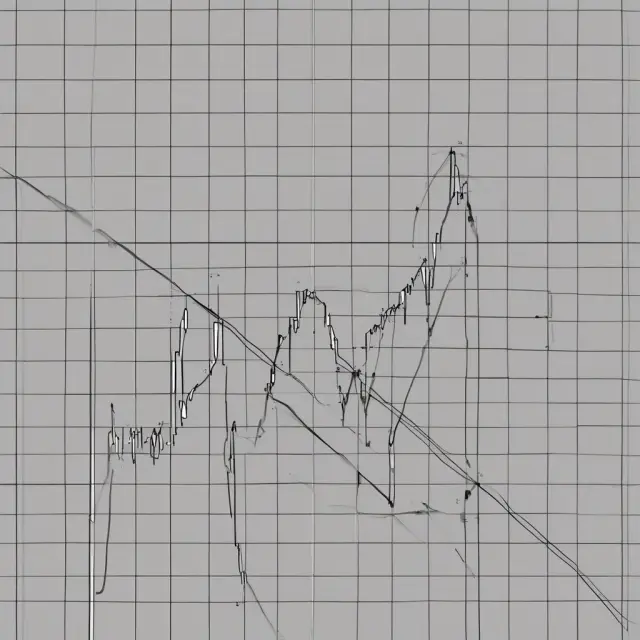
Using Support and Resistance Levels with the Cup and Handle Pattern
Intraday and long-term traders often apply support and resistance levels in conjunction with a cup and handle pattern (C&H) for optimizing their trades. Support and resistance levels are price points where buyers or sellers tend to enter or exit the market based on historical data, offering valuable insights into potential future price movements.
To effectively use support and resistance levels with C&H patterns, it is crucial to understand the key characteristics of both technical concepts:
1. Support Levels: A support level is a price level where buyers are believed to step in and prevent further price decline. In the context of a cup and handle pattern, a support level can serve as an entry point for buying or a stop loss point for selling. For example, if a stock experiences a significant drop before forming a cup and handle pattern and then starts to recover, the previous low (support level) might act as a potential entry point for traders who anticipate the continuation of the upward trend.
2. Resistance Levels: A resistance level is a price level where sellers tend to enter the market, causing the price to stop or reverse direction. When using the cup and handle pattern in combination with resistance levels, traders can use them as targets for taking profits or setting stop loss orders. For instance, if a stock forms a cup and handle pattern and reaches a new high during its breakout phase, the previous resistance level might become a profit target.
Identifying support and resistance levels can be achieved using various methods:
1. Fibonacci retracement levels: These levels are based on the mathematical ratios between key price movements. By applying this method to a cup and handle pattern, traders can determine potential support or resistance levels based on the Fibonacci sequence. For example, the 38.2% and 50% fibonacci retracement levels might serve as possible support or resistance levels during different stages of the pattern’s formation.
2. Pivot points: This method uses historical price data to determine support and resistance levels at specific price intervals. In the context of a cup and handle pattern, pivot points can help traders identify potential entry or exit points based on the pattern’s trend direction.
3. Trend lines: By drawing trend lines connecting the lows and highs, traders can determine support and resistance levels based on where these lines intersect with the price chart. For example, a descending trend line (connecting the recent highs) might serve as a resistance level, while an ascending trend line (connecting recent lows) might act as a potential support level during the handle or cup formation phases.
Using support and resistance levels in conjunction with cup and handle patterns can help traders make more informed decisions regarding entry, exit, and stop loss points. Combining these techniques allows traders to increase their chances of successful trades by capitalizing on significant price movements and identifying potential trends.
Real-World Examples of Successful Trades Using Cup and Handle Patterns
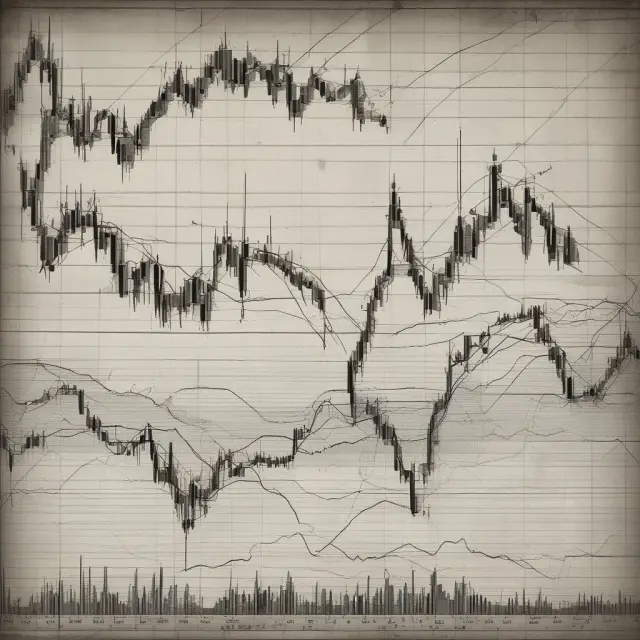
The bullish significance of a cup and handle pattern can be clearly seen in various historical examples. One prominent instance is the trading history of Wynn Resorts (WYNN), an American company specializing in casino entertainment, hospitality, and gaming. The stock went public on the Nasdaq exchange in October 2002 with a price near $13, marking the beginning of its impressive bullish trend.
Following a significant uptrend, WYNN reached an all-time high in early 2006 at around $154, only to experience a correction where its price dropped nearly to the IPO level. This price decline was not in line with O’Neil’s requirement for a shallow cup high in the prior trend. However, it still presented an opportunity for patient investors looking for a strong rebound.
Approximately seven years later, in 2013, WYNN returned to its previous high resistance levels and formed a clear cup and handle pattern (as shown below). The stock then dipped into a sideways trend before breaking out of the handle, signaling an imminent price surge.
Image by Julie Bang © Investopedia 2020
The bullish signal from this cup and handle pattern was validated when WYNN broke above its previous highs in October 2013, adding around 90 points to its value within the following five months. This case demonstrates how a well-formed cup and handle can lead to substantial gains for long-term investors.
Another example worth mentioning is the trading history of IBM (International Business Machines) in the late 1980s. During this period, IBM experienced an extended downtrend due to significant industry changes and internal restructuring. However, a clear cup and handle pattern emerged around 1989, providing an opportunity for traders and long-term investors alike (as shown below).
Image by Julie Bang © Investopedia 2020
As the stock broke through its resistance levels and moved upwards, it eventually reached new highs in 1990. This bullish reversal marked a significant turning point for IBM’s stock price, showcasing the potential of using cup and handle patterns for identifying buying opportunities during bear markets or extended downtrends.
In conclusion, a cup and handle pattern is an essential technical indicator for traders looking to capitalize on bullish market trends. By examining historical examples like those of Wynn Resorts and IBM, it becomes evident that these patterns can lead to substantial gains when identified correctly. However, as with any trading strategy or technical analysis tool, it’s crucial to exercise proper risk management and consider multiple factors before making any investment decisions.

The Importance of Volume in Cup and Handle Patterns
Volume plays a significant role in detecting reliable and genuine cup and handle patterns, as it can provide valuable insights into potential bullish reversals and price movements. As mentioned earlier, the cup and handle pattern is characterized by a cup-shaped low followed by a shallow correction, known as the handle. Understanding the volume dynamics during these stages of the pattern can help traders make informed decisions on potential entry and exit points.
Volume typically decreases as prices decline and remain lower than average in the base of the bowl during the formation of the cup part of the pattern. This decrease in trading activity is a result of selling pressure from investors who previously bought at higher levels, causing the stock price to consolidate and potentially enter into a downtrend for a period of several days to weeks. As the price starts to move upwards again to test the previous high, volume should increase significantly to confirm the bullish reversal.
Volume may be measured as either on-balance volume (OBV) or Chaikin money flow (CMF). Both OBV and CMF are momentum indicators that consider the relationship between stock prices and trading volumes to assess buying and selling pressure. By analyzing these indicators, traders can gain a clearer understanding of the underlying price trend and potential reversal points.
For instance, if a cup and handle pattern is detected using the traditional price chart analysis approach, it’s crucial to validate its reliability by observing volume trends. If there is no corresponding increase in volume during the breakout or no significant change from the overall volume trend, it might be wise to reconsider the entry decision as the signal could potentially be a false one.
Furthermore, the depth of both the cup and handle can also influence the significance of the volume analysis. For instance, shallow cups with relatively lower volume increases during the breakout may not be as strong of bullish signals compared to deeper cups accompanied by substantial volume surges. In the latter case, it could indicate a more powerful reversal and potential for greater price appreciation in the long term.
Additionally, observing the price movements and trading volume trends around resistance levels can offer valuable insights into potential cup and handle patterns. For example, if the stock price tests a previous resistance level with increased volume during the pullback, it could suggest that this level will hold as support during the subsequent upswing. Conversely, a lack of significant volume during these price movements may indicate a weaker pattern or an opportunity for profit-taking by early buyers.
In conclusion, understanding the role and significance of volume in cup and handle patterns is essential for technical traders to make informed decisions when entering the market. By analyzing volume trends alongside the traditional price chart analysis approach, one can improve their confidence in identifying genuine bullish reversals and maximizing potential returns from this powerful technical pattern.

FAQ: Commonly Asked Questions about Trading the Cup and Handle Pattern
The cup and handle pattern is a bullish continuation signal found in stock charts with a shape resembling a teacup. This technical analysis tool, created by William J. O’Neil, is used to identify opportunities for entering long positions when the market starts a new uptrend. Let us address some frequently asked questions about trading this pattern.
What are the identifying characteristics of a cup and handle?
A valid cup and handle consists of a deep V-shaped dip (cup) that retraces up to 50% before rebounding into an uptrend, followed by a shallow downtrend with lower volume than the preceding uptrend – the “handle.” The length of the pattern may vary from weeks to years.
How do I trade this pattern?
To enter a long position when trading the cup and handle, place a stop buy order above the upper trendline of the handle. Alternatively, wait for the price to close above that trendline before executing a limit buy order below the breakout level. The target profit is determined by measuring the distance between the bottom of the cup and the pattern’s breakout level and extending it upward from the breakout.
What are some common limitations of using this pattern?
The primary limitations include: (i) the ambiguous nature of the formation timeframe, which can lead to delayed decisions; (ii) the depth of the cup part of the pattern, which can yield both reliable and false signals; or (iii) the unreliability in illiquid stocks. It is essential to combine this technical analysis tool with other indicators before making a trading decision.
What’s an example of a successful trade using a cup and handle?
One real-world historical example of a successful trade based on this pattern can be found in the stock chart of Wynn Resorts, Limited (WYNN), which experienced a substantial rebound after testing old high resistance levels, forming a cup and handle pattern. The stock broke out in October 2013, adding 90 points in the following five months.
How do I use support and resistance levels with this pattern?
Support and resistance levels can be used to confirm or refute the validity of the cup and handle pattern by determining price movements before and after the pattern’s formation. If the stock breaks below the support level, it may indicate a false signal or pattern failure. Conversely, if it holds, it confirms the bullish continuation.
What are some common misconceptions about this pattern?
A common misconception is that a cup and handle requires a retest of previous resistance levels, but that’s not mandatory as long as the top of the handle is far enough from the highs. Additionally, some traders assume that the cup must have an “U” shape with rounded bottoms, but shallow cups are also valid signals.
How do I know if a cup and handle pattern is a false signal?
To differentiate between true and false cup and handle patterns, consider the following: (i) a shallow cup or deep handle; (ii) an inconsistent volume pattern; (iii) a breakout level that’s too close to the previous high; (iv) a failure to retest previous resistance levels; or (v) an extended period for the handle part of the pattern.
Can I combine this pattern with other technical indicators?
Absolutely! Combining the cup and handle pattern with other technical indicators, such as moving averages, relative strength index (RSI), Bollinger bands, or Fibonacci retracements can increase the validity of your analysis and trading decisions.
 Next entry · No. 843Understanding Currency Exchanges: How They Work, Where to Find Them, and Bid-Ask Spreads in Retail Forex Market
See also
-
 No. 881
24 Jun 2024
21 min
Day Trading: Strategies, Techniques, Advantages, and Disadvantages
Markets
No. 881
24 Jun 2024
21 min
Day Trading: Strategies, Techniques, Advantages, and Disadvantages
Markets -
 No. 622
09 May 2024
23 min
Understanding Capitulation: The Point of No Return for Investors
Markets
No. 622
09 May 2024
23 min
Understanding Capitulation: The Point of No Return for Investors
Markets -
 No. 2,718
29 Jan 2025
17 min
Understanding the Klinger Oscillator: A Powerful Technical Indicator for Trend Identification and Reversal Signals
Financial Data Analysis
No. 2,718
29 Jan 2025
17 min
Understanding the Klinger Oscillator: A Powerful Technical Indicator for Trend Identification and Reversal Signals
Financial Data Analysis -
 No. 2,094
09 Dec 2024
19 min
Understanding the Herrick Payoff Index: A Forward-Looking Technical Analysis Tool for Derivatives Markets
Financial Tools
No. 2,094
09 Dec 2024
19 min
Understanding the Herrick Payoff Index: A Forward-Looking Technical Analysis Tool for Derivatives Markets
Financial Tools -
 No. 1,156
05 Aug 2024
21 min
Understanding the Durbin-Watson Statistic: Testing for Autocorrelation in Regression Analysis
Finance Policy
No. 1,156
05 Aug 2024
21 min
Understanding the Durbin-Watson Statistic: Testing for Autocorrelation in Regression Analysis
Finance Policy -
 No. 1,082
25 Jul 2024
20 min
Understanding Divergence in Technical Analysis: Positive and Negative Signals
Financial Data Analysis
No. 1,082
25 Jul 2024
20 min
Understanding Divergence in Technical Analysis: Positive and Negative Signals
Financial Data Analysis