Understanding Business Insurance: Types and Coverage for Small Business Owners

Learn about types, importance, and coverage of various business insurance policies for small businesses. From property to product liability and more.
What Is Business Insurance?
Business insurance is an essential investment designed to safeguard businesses from financial losses arising from various risks and uncertainties in their day-to-day operations. This comprehensive class of insurance policies covers a broad spectrum of potential damages, ranging from property damage to legal liabilities and employee risks. For small business owners, it’s crucial to identify and evaluate the specific risks associated with their industry and assess the appropriate coverage required to mitigate those risks effectively.
The Importance and Significance of Business Insurance
Businesses are increasingly susceptible to various threats, including property damage, lawsuits, contract disputes, employee-related issues, and natural disasters. Business insurance serves as a financial safety net, protecting businesses from significant financial losses that could potentially cripple their operations or force closure. By transferring the risks to insurers, business owners can focus on growing their enterprises while maintaining peace of mind.
Commercial Lines Insurance: A Key Economic Driver
Commercial lines insurance, also known as business insurance, makes up around half of the U.S. property casualty insurance industry. This sector plays a pivotal role in keeping the economy running smoothly by shielding businesses from potential losses they couldn’t afford to cover on their own. Commercial lines insurance policies protect a wide range of industries and sectors, enabling businesses to operate even during uncertain or risky conditions.
Understanding Different Types of Business Insurance
Small business owners must carefully consider various types of business insurance to ensure comprehensive coverage tailored to their industry-specific risks. The following are some common business insurance types for small businesses:
- Professional Liability Insurance: Protects against negligence claims and other potential damages arising from professional services provided by the business.
- Property Insurance: Covers damage to a business’s property, including equipment, inventory, furniture, and signage.
- Product Liability Insurance: Provides protection for businesses involved in manufacturing products that could cause harm or damage to consumers or other third parties.
- Vehicle Insurance: Offers coverage for commercial vehicles, ensuring protection against accidents, theft, or other potential damages.
- Home-Based Business Insurance: Essential for home-based businesses, as standard homeowners policies do not provide adequate coverage for business operations and assets.
- Business Interruption Insurance: Compensates a business for lost income due to disruptions caused by events such as fires, storms, or other unforeseen circumstances.
- Cyber Insurance: Protects businesses from financial losses arising from cyber attacks, data breaches, and other cybersecurity threats.
- Workers’ Compensation Insurance: Provides benefits to employees who suffer work-related injuries or illnesses.
The Role of an Insurance Broker in Small Business Insurance
Small business owners should collaborate with experienced, reputable, and licensed insurance brokers to assess their unique risks, navigate the complexities of various insurance policies, and secure the most appropriate coverage for their businesses. With a deep understanding of the industry landscape and access to multiple insurance providers, insurance brokers help small businesses make informed decisions while securing competitive pricing and favorable terms.
In conclusion, business insurance is an essential investment that enables small business owners to protect their assets, mitigate risks, and maintain financial stability. By working with experienced insurance brokers and exploring various types of insurance offerings, business owners can create a comprehensive risk management strategy tailored to the unique needs of their industry and operations.

Understanding Commercial Lines Insurance
Commercial lines insurance, also known as business insurance, plays an essential role in protecting businesses from potential losses they may face during their operations. It comprises a significant portion of the U.S. property casualty insurance industry, covering various risks and liabilities faced by companies. This type of insurance coverage is crucial for small business owners as they might have more personal financial exposure if a loss occurs.
Business Insurance vs Personal Lines Insurance
Commercial lines insurance can be differentiated from personal lines insurance, which primarily focuses on individual policies for homeowners, automobiles, and health care. Commercial lines insurance products cater specifically to businesses’ unique risks and liabilities, including property damage, legal liability, and employee-related risks.
Impact on the Economy
Commercial lines insurance helps keep the economy running smoothly by enabling companies to operate despite potential losses they may not be able to cover individually. These policies offer peace of mind and financial security, allowing businesses to focus on their core functions and growth rather than worrying about unforeseen risks.
Key Types of Commercial Lines Insurance for Small Businesses
Some essential types of business insurance that small business owners should consider include:
1. Professional Liability Insurance – This coverage protects against claims arising from mistakes, errors, or omissions in providing professional services. Each industry has its specific concerns, and customizable policies cater to these unique risks.
2. Property Insurance – Property insurance safeguards buildings, inventory, equipment, and signage against damage caused by fires, storms, and theft. Although it usually does not cover mass-destruction events like floods and earthquakes, businesses in high-risk areas may opt for additional coverage.
3. Home-Based Businesses – Homeowner’s policies generally do not extend to home-based businesses. Small business owners working from home should check their existing coverage or consider obtaining additional insurance to cover equipment, inventory, and other business assets.
4. Product Liability Insurance – This critical insurance type protects manufacturers in case of lawsuits arising from damages caused by their products. Even seemingly minor errors can result in significant claims against a business, making product liability insurance essential for any manufacturing company.
5. Vehicle Insurance – Companies using vehicles as part of their operations must ensure they are adequately insured. Comprehensive automobile insurance covers accidents, damages, and injuries to third parties, while some policies may extend coverage to the driver and vehicle.
6. Business Interruption Insurance – This type of insurance compensates businesses for lost income during disruptions caused by unforeseen events that prevent normal business operations, such as a fire or storm. It is especially crucial for companies with high fixed costs and limited cash reserves.
In conclusion, understanding the importance and various types of commercial lines insurance is crucial for small business owners to effectively manage their risks and protect their investments. By working with experienced, licensed insurance brokers, they can evaluate their needs and secure comprehensive coverage tailored to their unique circumstances.
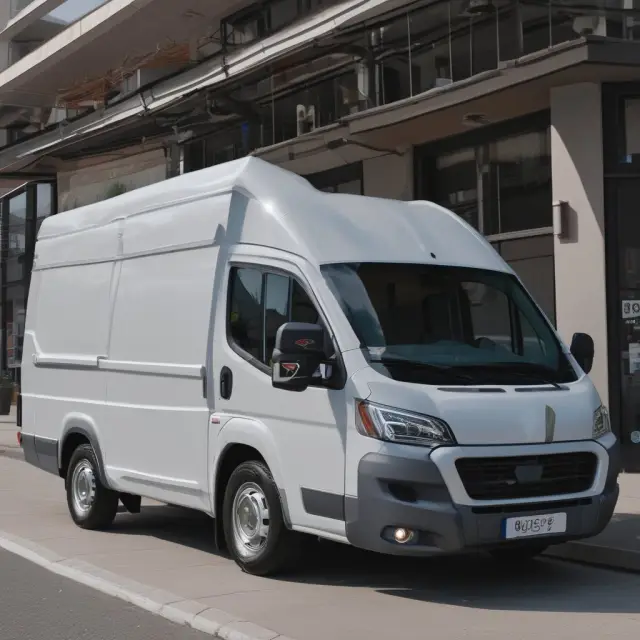
Types of Business Insurance for Small Businesses
Business insurance is an essential investment for businesses, providing coverage for various risks and potential damages. For small business owners, understanding different types of business insurance can help mitigate financial losses and protect their enterprise from unforeseen circumstances. In this section, we’ll discuss four common types of business insurance: professional liability, property, product liability, and vehicle insurance.
Professional Liability Insurance
Also known as errors & omissions (E&O) insurance, professional liability coverage protects businesses against claims arising from mistakes, errors, or negligence in the rendering of professional services. This type of insurance is crucial for small businesses operating in industries with significant risks such as law, medicine, and accounting. Professional liability policies vary depending on the nature of each industry, ensuring comprehensive protection against potential losses.
Property Insurance
Property insurance offers coverage for a business’s physical assets, including equipment, inventory, signage, and furniture, from damage or loss caused by fire, theft, vandalism, and other perils. While property insurance is essential, it typically does not cover mass-destruction events like floods and earthquakes. If your business operates in areas susceptible to these risks, a separate policy for such disasters may be necessary.
Product Liability Insurance
If you’re running a manufacturing business or selling products, product liability insurance should be on your list of essential coverages. This type of insurance safeguards businesses against potential lawsuits arising from damages caused by their merchandise. Product liability insurance offers peace of mind to small business owners, knowing that their investments are protected should any unforeseen incidents occur.
Vehicle Insurance
Small businesses utilizing vehicles for transportation purposes must ensure they have proper commercial vehicle insurance. Minimum coverage includes third-party injury and property damage. However, comprehensive automobile insurance can offer additional protection by covering the business’s vehicles in case of accidents, as well as providing coverage for the drivers and their personal vehicles if they are being used for business activities.
In conclusion, understanding various types of business insurance is crucial for small business owners to protect their investments and mitigate potential risks. Each type of coverage offers unique benefits tailored to specific industry needs, ensuring a strong foundation for continued business growth. Consulting with a reputable insurance broker can provide further insight into your options and help you create an effective insurance strategy for your enterprise. Stay informed and safeguard your business with the proper insurance coverage!

Home-Based Business Insurance Considerations
As more individuals turn to home businesses to generate income, it’s essential to understand the unique challenges and risks involved in insuring these ventures. Homeowner’s policies do not cover home-based businesses like commercial property insurance does. To protect your business from potential losses, you need to consider additional coverage for equipment and inventory.
Equipment:
Homeowners’ insurance may not adequately cover the cost of replacing or repairing essential equipment used in a home office setting. Equipment failure, power surges, and theft are just some risks that could impact your business operations. Insurers offer several types of coverage for small businesses, such as standalone Business Owner’s Policy (BOP) packages or inland marine insurance. Consult your broker to find the most suitable option based on your specific needs and budget.
Inventory:
Stockpiled goods, raw materials, or supplies are valuable assets that a homeowner’s policy may not cover fully. Inadequate coverage could result in financial difficulties during a loss situation. To mitigate this risk, consider obtaining an inventory insurance endorsement as part of your business insurance package. This endorsement can help ensure that the cost of replacing or repairing lost inventory is covered up to a specified limit.
Limits and Deductibles
When purchasing coverage for a home-based business, be aware of the policy’s limits and deductibles. Limits define the maximum amount your insurance company will pay out for losses or damages, whereas deductibles represent the amount you pay before insurance coverage kicks in. Keep in mind that lowering your premiums by increasing deductibles could result in larger out-of-pocket expenses during a loss event.
Regulations and Zoning Laws
Before starting a home-based business, ensure you’re aware of local zoning laws and regulations specific to your area. Some municipalities may restrict or require certain permits for specific types of businesses. Failure to comply with these rules could lead to insurance coverage denial in the event of a loss or damage. To avoid potential complications, consult your city or county’s planning department and discuss your business plans with a licensed insurance broker.
In conclusion, securing adequate insurance coverage for a home-based business is essential for ensuring operational continuity and financial stability. By understanding the unique risks and requirements of insuring a home business and collaborating with an experienced insurance broker, you can create a customized policy that addresses your specific needs while staying within budget.

Business Interruption Insurance: What It Is and Why It Matters
Business interruption insurance, also known as business continuity or business income insurance, is an essential coverage type for businesses, particularly those that rely heavily on a physical location to operate. Business interruption insurance protects companies from financial losses resulting from disruptions caused by various unforeseen circumstances. These events include property damage due to natural disasters or accidents, fires, and other calamities that may disrupt the normal operations of a business.
The primary aim of business interruption coverage is to provide businesses with a financial safety net during times when they cannot generate revenue due to unexpected disruptions. It compensates businesses for their lost income during the recovery period from an insured event, enabling them to cover ongoing expenses and maintain liquidity until normal operations resume. Business interruption insurance often includes extra expense coverage that pays for necessary expenses incurred by a business to minimize its losses and continue its operations at a temporary location or with alternative providers.
The significance of business interruption insurance is twofold: it protects businesses from financial distress during unexpected disruptions, ensuring their long-term survival and stability; and it plays an important role in the economy by enabling companies to keep operating when they might otherwise be unable to do so due to unforeseen circumstances. By providing businesses with the financial resources to continue their operations and recover from disruptions, business interruption insurance helps maintain the economic vitality and competitiveness of industries, communities, and countries.
Businesses that are heavily reliant on a physical location, such as retail stores, manufacturing facilities, offices, or restaurants, should consider obtaining business interruption insurance coverage to protect themselves from potential financial losses due to disruptions caused by unforeseen events. The extent of coverage offered by this type of insurance can vary depending on the specific terms and conditions of each policy, so it’s essential for businesses to carefully evaluate their risks and work with a reputable and experienced insurance broker to determine the right level of coverage for their needs.

The Role of an Insurance Broker in Small Business Insurance
Small businesses often face significant financial risks that can lead to major losses or even bankruptcy in the event of unexpected incidents, making it crucial for small business owners to have a solid understanding of their insurance needs. Working with a licensed and experienced insurance broker is an essential step in navigating the complex world of commercial insurance policies, ensuring the proper coverage for your business.
Understanding the Role of Insurance Brokers
An insurance broker acts as an expert advisor and advocate for small business owners seeking to secure appropriate insurance coverage. They work with multiple insurance carriers to identify the best policy options tailored to each unique risk profile, ultimately helping businesses make informed decisions about their coverage needs and costs. In essence, insurance brokers help businesses manage risk more effectively, allowing them to focus on what they do best: growing and operating their enterprises.
The Importance of Choosing a Reputable Insurance Broker
A reputable and experienced insurance broker can offer numerous benefits for small business owners, including:
- Expertise and Knowledge: An insurance broker can help you navigate the intricacies of different types of coverage, providing valuable insights into which policies are most suitable for your industry and risk profile.
- Time and Cost Savings: By negotiating with multiple insurers on behalf of their clients, brokers can secure more competitive rates and better overall coverage terms.
- Customized Solutions: Insurance brokers possess in-depth knowledge of various insurance products, enabling them to tailor solutions for specific industries and business sizes.
- Ongoing Support: A good broker will be available to answer questions and provide guidance throughout the policy lifecycle, ensuring you always have the right coverage as your business evolves.
Finding a Reliable Insurance Broker
To find a reputable insurance broker for your small business, consider the following steps:
- Research Brokers: Begin by researching local and national brokers, checking their reputation, licensing, and certifications.
- Request Referrals: Ask other business owners or industry professionals for recommendations.
- Schedule Consultations: Interview multiple brokers to assess their expertise, communication style, and level of service.
- Review Contracts Thoroughly: Make sure the broker’s agreements align with your needs before signing any contracts.
- Regularly Evaluate Your Insurance Needs: Keep your insurance coverage under regular review, seeking advice from your broker to ensure it remains appropriate for your business as it grows and changes.
Conclusion
Effective risk management is essential for small businesses seeking long-term success in a competitive landscape. Partnering with an experienced insurance broker can help you make informed decisions about the right insurance coverage, ultimately providing peace of mind and protection against potential losses. By working together, small business owners and their brokers can craft a customized strategy to mitigate risk and ensure their enterprise’s long-term viability.

Insurance Coverage for Mass Destruction Events
When it comes to managing risks and protecting your business, understanding the various types of insurance coverage is essential. Although standard commercial property insurance typically covers losses from fire, theft, or vandalism, there are additional policies needed to address potential damages due to mass destruction events like floods, earthquakes, hurricanes, or other natural disasters. These natural disasters can cause immense financial damage and disrupt business operations for an extended period.
Flood Insurance: A separate policy is required for flood protection since standard commercial property insurance does not cover this peril. Flood insurance protects against damages caused by flooding from heavy rains, storm surges, or other sources. Areas prone to flooding are at increased risk, and businesses located in these areas should consider obtaining flood insurance coverage.
Earthquake Insurance: Similar to flood insurance, earthquake insurance is not typically included in standard commercial property insurance policies. Earthquakes can cause extensive damage to a business’s infrastructure, inventory, and equipment. Depending on the geographical location, businesses situated in areas with high seismic activity should consider obtaining earthquake insurance coverage.
Business Interruption Insurance: In the event of a catastrophic loss due to mass destruction events, such as earthquakes or floods, business interruption insurance can provide valuable coverage. This type of insurance compensates businesses for lost income during the disrupted period while repair and recovery efforts take place. Business interruption insurance policies often include coverage for increased expenses incurred during the restoration process, including renting temporary facilities or relocating to a new location.
When evaluating your business’s risk exposure, it is essential to consider the impact of potential mass destruction events. Obtaining the appropriate insurance coverage can help mitigate financial losses and provide peace of mind for small business owners. It is always recommended that you consult with a licensed insurance broker to discuss your specific needs and determine the most suitable coverage options for your business.

The Importance of Product Liability Insurance for Manufacturing Businesses
Product liability insurance is an essential type of coverage for businesses in the manufacturing industry. This insurance shields companies from potential financial ruin due to legal claims arising from their products causing harm or injury to individuals, consumers, or other entities. In today’s highly litigious society, product liability risks are increasingly common and potentially devastating for small businesses.
Product Liability Insurance: What It Is
Product liability insurance is a form of business liability coverage specifically designed to protect manufacturers against claims arising from allegations that their products caused injury or property damage to third parties. This type of coverage helps manage the costs associated with legal fees, settlements, and judgments in case a product results in harm.
Product Liability Insurance: Why It Matters for Manufacturing Businesses
Manufacturers face unique risks when it comes to their products, as each item produced has the potential to enter the hands of consumers or other businesses. In the event that a product causes injury, illness, or property damage, a single claim could lead to substantial financial consequences. Product liability insurance helps mitigate these risks by providing coverage for legal fees and damages that might be incurred during a lawsuit.
Real-World Examples of Product Liability Claims
The importance of product liability insurance becomes even clearer when we look at some real-world examples:
- Toy manufacturer: A faulty toy design leads to choking hazards for children, resulting in numerous lawsuits and potential damages.
- Pharmaceutical company: A new medication is introduced with unforeseen side effects that harm a large number of patients, leading to product recalls and significant financial repercussions.
- Food processor: An outbreak of foodborne illnesses caused by contaminated produce results in widespread consumer illnesses and numerous lawsuits against the company.
Product Liability Insurance: Coverage and Limits
Typical product liability insurance policies include coverage for:
- Bodily injury or property damage to third parties
- Legal defense costs, including attorneys’ fees and court expenses
- Settlements, judgments, or other damages resulting from the covered event
Product liability insurance policies often come with certain limits and deductibles that businesses should be aware of when assessing their coverage needs. These may include:
- Aggregate limit: The maximum amount an insurer will pay for all claims in a policy term.
- Per occurrence limit: The maximum amount an insurer will pay for any single claim.
- Deductible: The portion of each covered loss that the policyholder must pay out-of-pocket before coverage kicks in.
Product Liability Insurance: Importance for Small Businesses
Small businesses face unique challenges when it comes to product liability risks, as they typically have more limited financial resources and less experience dealing with potential claims. Product liability insurance is crucial for small manufacturing businesses because it can help mitigate the financial impact of a single claim, allowing them to continue operating during the legal process without facing significant financial hardships.
In conclusion, product liability insurance is an indispensable investment for manufacturing businesses that want to protect their operations from potential financial ruin. By understanding the importance and coverage options available through this type of policy, small business owners can make informed decisions about the level of protection they need to mitigate risk and safeguard their company’s future.

Insurance for Personal Property, Equipment, and Inventory
Personal property, equipment, and inventory are essential assets for most businesses. Ensuring these assets are protected is crucial for maintaining financial stability in the face of unforeseen events. Business insurance provides coverage options that can help safeguard a business’s belongings from loss or damage.
Property Insurance
Property insurance offers protection against physical damage to a business’s tangible property, such as buildings, machinery, inventory, and furniture. It covers losses resulting from risks like fire, theft, or vandalism. While property insurance is generally included in commercial lines packages, it may not include coverage for mass-destruction events such as earthquakes or floods. In such cases, separate policies must be purchased to ensure adequate protection.
High-Value Property and Equipment Riders
For assets with particularly high values, adding a rider, or an additional coverage, to the policy is recommended. A rider is a customized insurance extension that increases the policy’s limit for specific items, enabling business owners to protect their investments fully. This additional coverage ensures that businesses can replace or repair their high-value property and equipment without significant financial burden in the event of loss or damage.
Business Inventory Insurance
Business inventory insurance provides protection for a business’s stock against various risks like theft, fire, and vandalism. It is essential for retailers and manufacturers to have adequate coverage for their inventory as its loss can significantly impact their operational capacity and profitability. By investing in inventory insurance, small business owners can rest assured knowing that they are protected against potential losses and can recover quickly when unexpected events occur.
Home-Based Business Insurance Considerations
When operating a home-based business, it is essential to consider separate coverage for equipment and inventory. Homeowners’ policies generally do not offer adequate protection for businesses, leaving them vulnerable to financial loss in case of damage or theft. As a result, small business owners working from home should consult their insurance broker about additional coverage options tailored to their unique needs.
In conclusion, insuring personal property, equipment, and inventory is crucial for small business owners as it provides the financial security needed to recover quickly from unexpected losses. By understanding the different insurance types and coverage options available, businesses can make informed decisions and protect their valuable assets effectively.

FAQs: Business Insurance for Small Business Owners
As a small business owner, you are likely aware of the importance of protecting your business from potential losses and liabilities. Business insurance, also known as commercial lines insurance, plays a crucial role in this process. In this section, we aim to answer some of the most frequently asked questions regarding business insurance for small business owners.
Question 1: What exactly is business insurance?
Answer: Business insurance refers to various types of coverage intended for purchase by businesses rather than individuals. The primary purpose of business insurance is to protect companies from potential losses resulting from events such as property damage, lawsuits, or contract disputes. Business insurance accounts for about half of the U.S. property casualty insurance industry.
Question 2: Why is it essential for small businesses?
Answer: Small businesses may face more significant financial exposure in the event of a loss compared to individuals. Having business insurance can help mitigate these risks and keep the company operating during difficult times. If you don’t feel confident in assessing business risk and determining the need for coverage, consider working with an experienced and licensed insurance broker.
Question 3: What types of business insurance should I be aware of?
Answer: Some common types of insurance that small businesses might consider include professional liability insurance (covers mistakes or failure to perform), property insurance (protects equipment, inventory, and signage), product liability insurance (protects against damages caused by products), vehicle insurance (covers company vehicles), business interruption insurance (compensates for lost income during disruptions), and home-based business considerations (additional coverage for equipment and inventory).
Question 4: What is the role of an insurance broker?
Answer: An insurance broker can help small business owners evaluate their insurance needs, choose the best policies based on potential risks, and ensure a comprehensive understanding of each policy’s terms and conditions. Working with a reputable and experienced broker can save time and provide peace of mind.
Question 5: What about mass-destruction events like floods or earthquakes?
Answer: Standard property insurance may not cover these events. If your business is located in an area prone to flooding or earthquakes, you’ll need separate policies to address these risks.
Question 6: How does product liability insurance work for manufacturing businesses?
Answer: Product liability insurance protects manufacturers from potential lawsuits arising due to damages caused by their products. This coverage is essential for any business producing goods for sale or distribution.
Question 7: What about personal property, equipment, and inventory?
Answer: Homeowner policies do not typically cover home-based businesses. To ensure adequate protection for equipment and inventory, consider purchasing additional insurance coverage specifically designed for home-based businesses.
By addressing these frequently asked questions, we hope to provide small business owners with valuable insights into the world of business insurance. Stay tuned for further information on specific types of business insurance policies and their potential benefits.
 Next entry · No. 559Understanding Business Intelligence (BI): Types, Tools, and Benefits for Institutional Investors
See also
-
 No. 5,504
14 Sep 2025
18 min
Understanding Vis Major: An Overview of Superior Forces and Their Impact on Contracts and Insurance
Insurance
No. 5,504
14 Sep 2025
18 min
Understanding Vis Major: An Overview of Superior Forces and Their Impact on Contracts and Insurance
Insurance -
 No. 5,211
20 Aug 2025
17 min
Understanding Underwriting Income and Its Significance in the Insurance Industry
Insurance
No. 5,211
20 Aug 2025
17 min
Understanding Underwriting Income and Its Significance in the Insurance Industry
Insurance -
 No. 5,207
20 Aug 2025
18 min
Navigating the Underwriting Cycle in Insurance: A Comprehensive Guide for Investors
Insurance
No. 5,207
20 Aug 2025
18 min
Navigating the Underwriting Cycle in Insurance: A Comprehensive Guide for Investors
Insurance -
 No. 4,955
31 Jul 2025
18 min
Understanding Third-Party Insurance: A Comprehensive Guide for Institutional Investors
Insurance
No. 4,955
31 Jul 2025
18 min
Understanding Third-Party Insurance: A Comprehensive Guide for Institutional Investors
Insurance -
 No. 701
23 May 2024
19 min
Understanding Coinsurance: A Comprehensive Guide
Insurance
No. 701
23 May 2024
19 min
Understanding Coinsurance: A Comprehensive Guide
Insurance -
 No. 5,042
07 Aug 2025
19 min
Understanding Per-Transaction Fees: An Essential Guide for Professional Investors and Business Owners
Business Finance
No. 5,042
07 Aug 2025
19 min
Understanding Per-Transaction Fees: An Essential Guide for Professional Investors and Business Owners
Business Finance