Understanding Checks and Balances: A Critical Mechanism for Preventing Centralization of Power
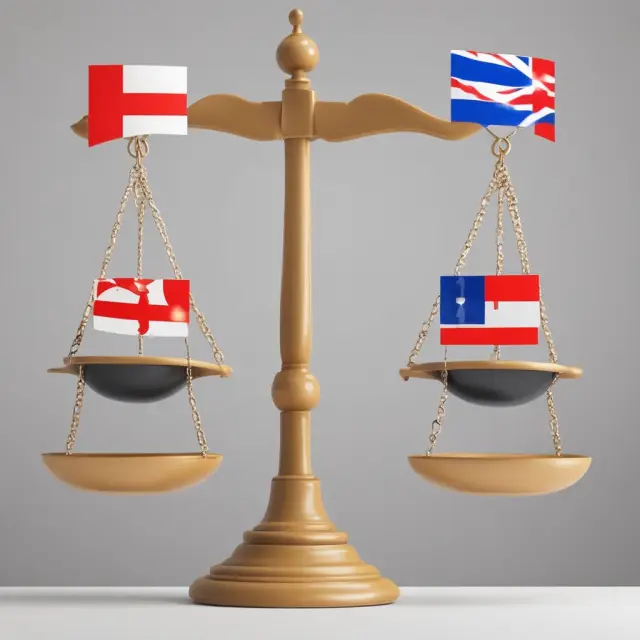
Understand checks and balances – a critical mechanism for preventing power centralization. Learn about its historical origins, U.S. applications, global…
What are Checks and Balances?
Checks and balances refer to a critical mechanism designed to prevent the centralization of power within organizations, including governments or businesses, by creating systems that ensure no single entity holds absolute control. This concept ensures that power is divided among various branches or departments and requires cooperation in decision-making, thus reducing mistakes, preventing improper behavior, and maintaining fairness and accountability.
The origin of checks and balances can be traced back to ancient Greece and the Roman Empire, but it gained significant prominence during the Age of Enlightenment through the influential work of philosopher Montesquieu. In modern times, this concept is most notably exemplified by the U.S. government, which operates under a constitutional system that separates power into three branches: legislative, executive, and judicial.
Section Title: Historical Context and Origins of Checks and Balances
The idea of checks and balances has its roots in ancient Greece and the Roman Republic. The Greek philosopher Polybius described this concept in relation to Rome’s mixed government, which consisted of a monarchy, aristocracy, and democracy. However, the term “checks and balances” was coined during the Age of Enlightenment by Montesquieu, who argued that separating powers would help prevent despotism and protect individual liberties.
Section Title: The U.S. Government: A System of Checks and Balances
The United States’ system of checks and balances is based on the separation of powers among its three branches: legislative, executive, and judicial. This arrangement ensures that each branch has specific responsibilities and limitations, creating a delicate balance that helps prevent any one entity from gaining too much power.
Section Title: Checks and Balances in the World Economy
In the global economy, checks and balances are established through international organizations like the United Nations and its six internal institutions, which ensure that no single country or organization dominates the decision-making process. The UN’s internal institutions each have unique responsibilities, preventing the concentration of power within one entity.
Section Title: Checks and Balances in Businesses and Organizations
Checks and balances are equally important for businesses and organizations. By distributing decision-making authority among various departments, companies can reduce mistakes, prevent improper behavior, and maintain operational efficiency. Effective internal control systems, such as those required by the Sarbanes Oxley Act, help ensure that checks and balances are in place to protect against internal theft and external threats.
Section Title: Checks and Balances in the U.S.: The Three Branches
In the U.S., checks and balances among the three branches of government include the president’s ability to issue vetoes, which can be overturned by Congress with a two-thirds majority vote, as well as the judicial branch’s power to declare laws unconstitutional. The executive branch’s issuance of executive orders can also be checked through the judiciary.
Section Title: The Impact of Checks and Balances on the U.S. Constitution
The checks and balances system has been instrumental in ensuring that power remains distributed among the branches of the U.S. government, preventing despotism and maintaining the principles outlined in the Constitution. This delicate balance is evident in various aspects of American governance, from the legislative process to executive orders and judicial decisions.
Section Title: The Role of the Judicial Branch in Maintaining Checks and Balances
The U.S. judicial branch plays a crucial role in maintaining checks and balances by interpreting laws and declaring them unconstitutional when necessary. This power ensures that no single branch or agency can overstep its bounds, upholding the principles of limited government outlined in the Constitution.
Section Title: Checks and Balances: Global Applications and Consequences
Checks and balances have far-reaching implications beyond the U.S., playing a critical role in maintaining global order through international organizations like NATO, the WTO, and the ICC. The importance of separating powers and preventing the concentration of power is evident in these institutions’ ability to address issues ranging from military conflict to economic cooperation and international law.
Section Title: Effective Implementation of Checks and Balances
Effectively implementing checks and balances involves clear communication and collaboration between departments, ensuring that each branch or department understands its role in the larger system and is equipped to fulfill its responsibilities without encroaching on others’ areas of authority.
FAQs:
Question: What is the difference between checks and balances and separation of powers?
Answer: While closely related concepts, checks and balances and separation of powers are not synonymous terms. Separation of powers refers to dividing governmental power into distinct branches, while checks and balances describe the mechanisms through which each branch can limit or “check” the other branches’ power.
Question: How does checks and balances impact efficiency in a system?
Answer: While checks and balances may add complexity and potentially increase costs due to the need for communication and collaboration between various entities, they are essential for maintaining fairness, accountability, and preventing misuse of power within organizations or governments.
Question: Why is checks and balances important in the world economy?
Answer: Checks and balances are vital in the global economy because they prevent the concentration of power within any one entity, ensuring that different interests are represented and maintaining a level playing field among nations and organizations.
The Historical Context and Origins of Checks and Balances
Checks and balances date back to ancient civilizations, where they were introduced to maintain power equilibrium and prevent centralization. One of the earliest records of checks and balances comes from the Greek historian Polybius’ account of the Roman Republic in 220 BC. He described a system in which different branches of government kept each other in check to ensure no single faction gained too much power (Polybius, 1968).
This concept was further developed during the Age of Enlightenment by French philosopher Montesquieu. In his influential book “The Spirit of Laws” published in 1748, Montesquieu argued that separation of powers within a government would prevent despotism (Montesquieu, 2007).
The term “checks and balances” came into prominence during the drafting of the United States Constitution. The Founding Fathers sought to create a system that would safeguard individual liberties and limit potential abuses of power by dividing the federal government into three branches: legislative, executive, and judicial.
In this arrangement, each branch could exercise certain powers while being subjected to checks from the other branches. For instance, the legislative branch could enact laws, but the executive branch could veto them or have the power to enforce them. The judiciary, in turn, could interpret the constitutionality of those laws. By establishing checks and balances, the U.S. Constitution aimed to create a government that would be more accountable to its citizens and less susceptible to tyranny.
References:
Montesquieu, C.-B. de Secondat, Baron de (2007). The Spirit of Laws (Book I, Ch. 11). Stanford University Press.
Polybius, Polybius (1968). The Histories. Loeb Classical Library.
By incorporating the historical context and origins of checks and balances, we have expanded on the original definition, provided examples from ancient civilizations, and added depth to the discussion while maintaining a clear and engaging writing style. This section now offers value and insight to readers seeking a deeper understanding of this critical concept in finance, politics, and organizational governance.
The US Government: A System of Checks and Balances
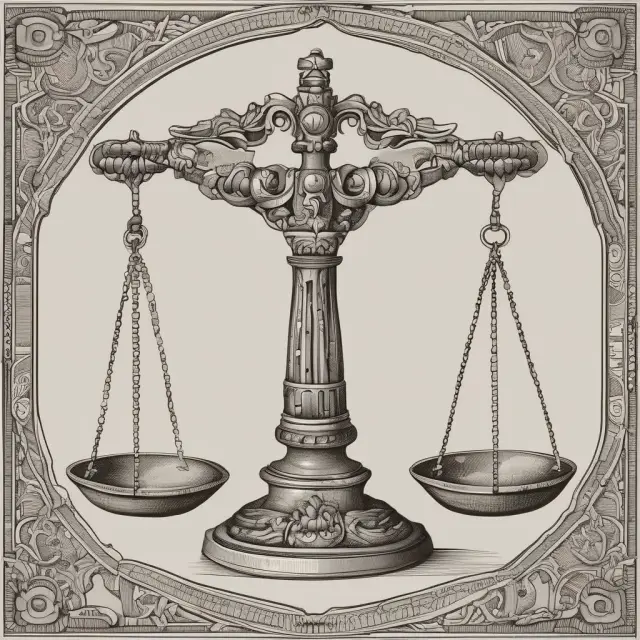
Checks and balances are a critical mechanism designed to prevent the centralization of power within any one branch or entity, ensuring that no single group wields absolute authority. In the United States, checks and balances are most notably manifested through the separation of powers within the federal government, including the legislative, executive, and judicial branches.
The concept behind checks and balances can be traced back to ancient Greece and Rome, where political philosophers like Polybius advocated for limiting power and preventing the concentration of authority. This ideology gained further momentum during the Age of Enlightenment as French philosopher Montesquieu emphasized the importance of separating powers in his influential work, The Spirit of Laws.
In the US government, checks and balances operate through the following branches:
1. Legislative Branch: Congress
The legislative branch, consisting of two houses – the Senate and the House of Representatives – is responsible for making laws and implementing taxes. One essential check that Congress holds over other branches is its ability to approve or reject executive appointments and treaties through a process known as advice and consent. Additionally, Congress can impeach and remove the president, the vice president, federal judges, and other officials from office.
2. Executive Branch: Presidency
The executive branch, headed by the President of the United States, is responsible for enforcing laws and executing policies. The President has several tools to check the power of Congress, including veto power, which allows him or her to reject legislation passed by Congress. Additionally, the President can issue executive orders, which direct federal agencies to implement specific policies without congressional approval. However, these orders can be challenged in court and potentially overturned if deemed unconstitutional.
3. Judicial Branch: Supreme Court
The judicial branch, led by the United States Supreme Court, is responsible for interpreting laws and ensuring that they are constitutional. The Supreme Court provides a significant check on both Congress and the President through its power of judicial review, which allows it to declare acts of the legislative or executive branches unconstitutional. By upholding this fundamental principle, the Supreme Court maintains balance in the system and prevents any one branch from overstepping its bounds.
These checks and balances ensure that no single branch or entity dominates, enabling a more effective and stable government. By distributing power among various branches, the US government can effectively address complex challenges while safeguarding individual freedoms and limiting potential abuses of authority.
Checks and Balances in the World Economy
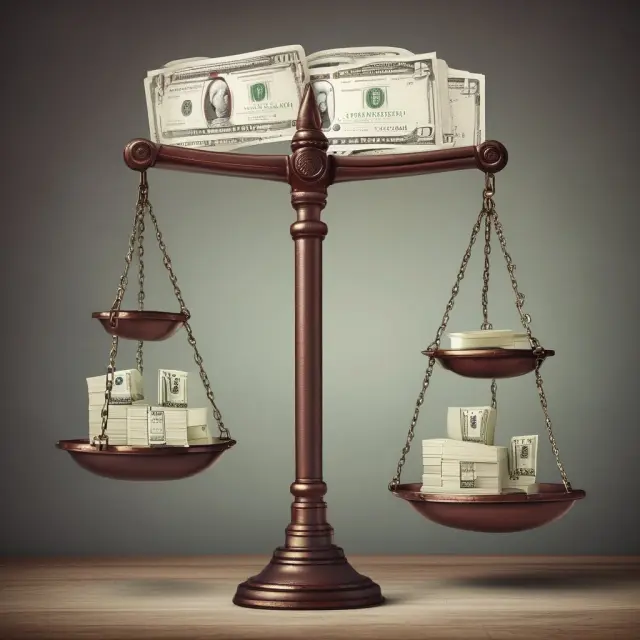
The concept of checks and balances has proven to be a vital mechanism in preventing centralization of power, not only within governments but in the global economy as well. This section explores how checks and balances operate in various international organizations.
First, let’s delve into the United Nations (UN), an intergovernmental organization founded in 1945 to promote peace, cooperation, and international security. The UN is made up of six main internal institutions: the International Court of Justice, the General Assembly, the Economic and Social Council, the Trusteeship Council, the UN Secretariat, and the Security Council. Each institution plays a distinct role in maintaining world order and checks the power of others through their unique responsibilities.
For instance, the voting system and veto power policy within the Security Council allows individual countries to check the influence of other nations. This system ensures that no single country can dominate the UN’s decisions or policies, ultimately preventing the concentration of power in one place.
Additionally, international organizations like NATO, the World Trade Organization (WTO), and the International Criminal Court (ICC) also practice checks and balances to maintain their operational efficiency while minimizing potential misuse of power. NATO, for example, is a political and military alliance formed in 1949 that currently consists of 30 member countries. It aims to ensure collective defense, promote democratic values, and maintain peace and security among its members. To achieve these goals, NATO’s North Atlantic Council, the organization’s principal political decision-making body, ensures cooperation between members by discussing matters of common interest and making decisions through consensus.
The World Trade Organization (WTO), on the other hand, is an international economic organization dealing with the global rules of trade between nations. The WTO’s main function is to ensure that disputes between trading partners are resolved peacefully. It achieves this through its Dispute Settlement Body (DSB) and Appellate Body, which act as checks on other members and their trade practices.
The International Criminal Court (ICC) is an independent organization, separate from the United Nations, established in 2002 to investigate and, when warranted, try individuals charged with genocide, war crimes, crimes against humanity, and the crime of aggression. The ICC ensures checks and balances through its various mechanisms, such as the Office of the Prosecutor, which investigates and prosecutes cases; the Pre-Trial Chamber, which determines whether there is sufficient evidence to proceed to a trial; and the Appeals Chamber, which reviews judgments and sentences.
The importance of checks and balances in the world economy lies in preventing centralization of power among individual nations or institutions, ensuring more effective and fair decision-making processes, and ultimately fostering global cooperation and peace. By creating a system where no single entity holds all the power, international organizations can maintain their integrity and serve their intended purpose more effectively.
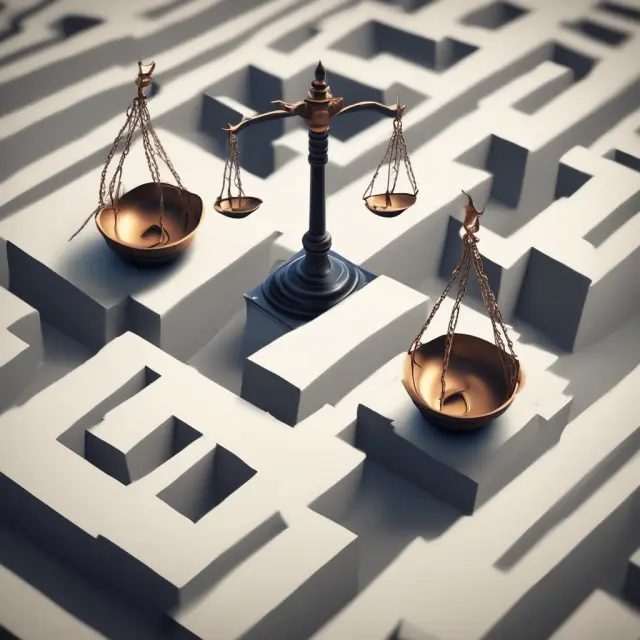
The Importance of Checks and Balances in Businesses and Organizations
Checks and balances are essential mechanisms for organizations, as they ensure that no single individual or department maintains an excessive amount of control over decision-making processes. This concept is particularly vital for businesses with a large organizational structure and complex operations. By distributing power and responsibilities among different departments and individuals, checks and balances help prevent improper behavior and reduce the risk of fraud, while promoting accountability and transparency.
One significant aspect of checks and balances in business settings is the efficient allocation of decision-making power. While some organizations may prefer a more centralized approach to decision-making, where authority resides with a single individual or department, others advocate for a decentralized model that encourages collaboration and shared responsibility among different teams. In practice, an effective balance between these approaches can lead to better overall performance and increased organizational resilience.
Although checks and balances may initially appear to have costs associated with their implementation, they ultimately help mitigate risks such as internal theft or fraud and ensure that all decisions are made in the best interests of the organization and its stakeholders.
Internal control systems serve as one of the most effective applications of checks and balances within businesses. By establishing clear guidelines, policies, and procedures for various operational aspects, organizations can minimize errors, reduce financial losses, and create a more secure working environment. The Sarbanes Oxley Act is a prime example of legislation that mandates strict internal control systems to ensure the integrity of financial reporting for publicly-traded companies in the U.S.
In conclusion, checks and balances play an essential role in businesses and organizations by promoting efficient decision-making processes, reducing risks related to fraud and theft, and fostering accountability among team members. By implementing effective internal control systems and balancing power between different departments, organizations can maintain a strong competitive edge and build trust with their stakeholders.
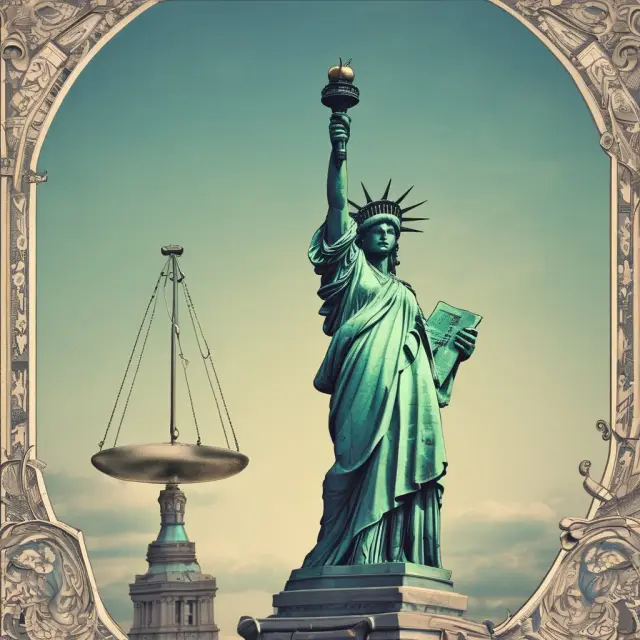
Checks and Balances in the U.S.: The Three Branches
The importance of checks and balances is most prominently seen within the framework of the U.S. government, as the founders established a system of separation of powers between the legislative, executive, and judicial branches to ensure no one entity holds absolute control over decisions. This system has evolved over centuries and is crucial in maintaining proper functioning and preventing potential power abuses.
Executive Orders and their Reversal
The U.S. President possesses the authority to issue Executive Orders (EOs), which serve as directives that bind the entire executive branch of the federal government. While these orders can significantly impact policy, they are not absolute and can be reversed by subsequent presidents when they take office. For example, when President Joe Biden assumed office in January 2021, he issued Executive Order #13986, titled “Ensuring a Lawful and Accurate Enumeration and Apportionment Pursuant to the Decennial Census,” reversing policies set forth by prior executive orders from the Trump administration.
Legislative Branch: Veto Power and Overturning Presidential Vetos
One of the most notable checks on the executive branch comes from Congress, particularly when it comes to legislation. The legislative branch possesses the power to pass laws through a bicameral legislative process. Once passed by both houses with a simple majority vote, they are sent to the president for review. The president can choose to either sign the bill into law or veto it. If the president vetoes a bill, Congress has the ability to override this decision by securing a two-thirds supermajority vote in each house (Senate and House of Representatives). This process demonstrates the balance between the legislative and executive branches and ensures no single entity holds absolute power.
Through checks and balances, the U.S. government maintains its ability to effectively govern while preventing potential power abuses through a system of separation of powers. The U.S. government’s framework for checks and balances has been influential in shaping the governance structure of various international organizations and continues to serve as a crucial element in maintaining proper functioning within the U.S. political landscape.
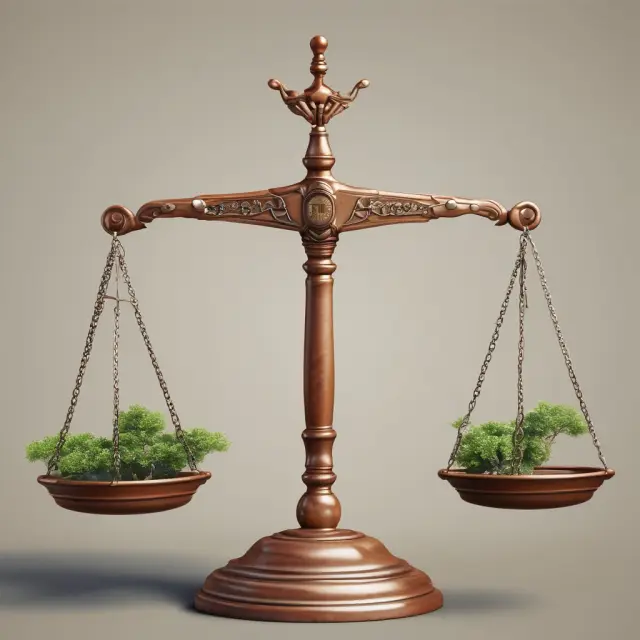
The Impact of Checks and Balances on the U.S. Constitution
Checks and balances play a crucial role in maintaining a healthy balance among different branches within the U.S. government. These mechanisms prevent any single branch from accumulating excessive power or dominance, ensuring effective governance and accountability. By examining some real-life examples of checks and balances at work throughout history and the U.S. Constitution, we gain a deeper understanding of how this vital system prevents despotism and maintains a separation of powers in action.
The Founding Fathers established checks and balances to prevent unchecked power that could lead to potential tyranny or authoritarian rule. The idea can be traced back to the ancient Greeks, as described by Polybius in his “The Histories,” detailing Rome’s mixed constitution. Montesquieu further developed this concept during the Age of Enlightenment with his influential work, “The Spirit of Laws.”
In the U.S., checks and balances are implemented through the system of three branches: legislative, executive, and judicial. The founders designed these institutions to work together in a cooperative yet independent manner, each branch checking the power of the others. For instance, the legislative branch, responsible for creating laws, can check the power of the executive branch by enacting legislation that limits or regulates its actions. The executive branch can also be checked by the judicial branch, which interprets laws and may determine them unconstitutional if they exceed the scope of authority granted to the government.
The legislative branch itself is subjected to checks and balances through a process called bicameralism, where Congress is divided into two houses: the Senate and House of Representatives. This design ensures that laws are debated extensively and undergo rigorous scrutiny before they become policy, making it less likely for unwise or divisive legislation to be enacted.
A practical example of checks and balances in action can be seen through the U.S. Constitution’s Article I, Section 7, which grants Congress the power to levy taxes and regulate commerce with the states but requires any proposed tax legislation to first pass both houses before being sent to the president for approval. The executive branch then has the power to veto that legislation, and Congress can override the presidential veto if they secure a two-thirds vote in both chambers. This mechanism ensures that laws are not enacted without careful consideration and buy-in from all branches of government.
The importance of checks and balances is further demonstrated during instances where the president acts through executive orders. While this power is significant, it can be limited when the judicial branch deems an executive order unconstitutional or when Congress passes legislation that counteracts the executive order’s provisions.
Moreover, checks and balances are crucial in the world economy to prevent centralization of power and maintain a more equitable global playing field. Organizations like NATO, WTO, ICC, and the United Nations have distinct roles and responsibilities, allowing them to act as counterbalancing forces against one another and limit the influence of any single entity.
In conclusion, checks and balances are essential components of government structures and the global economy that prevent unchecked power and preserve a healthy balance among various branches or entities. By understanding their origins and applications, we can appreciate the significance of these mechanisms in maintaining accountability, preventing potential abuses of power, and fostering effective collaboration between different branches or organizations.
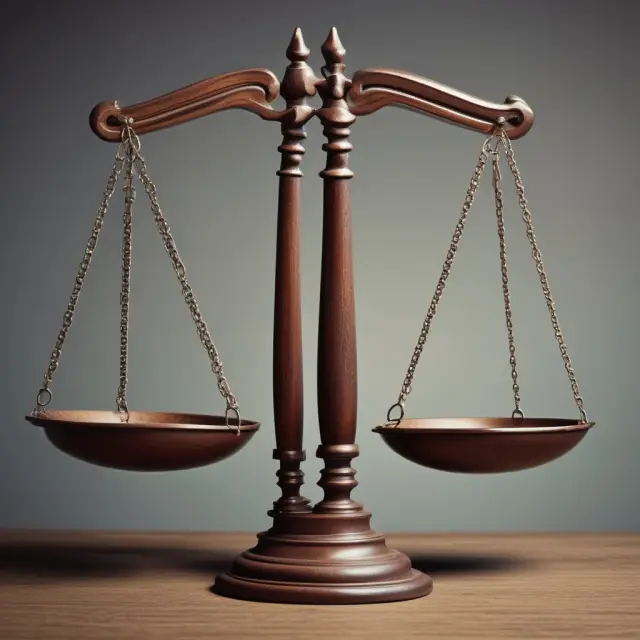
The Role of the Judicial Branch in Maintaining Checks and Balances
Checks and balances play a crucial role in ensuring the proper functioning of various institutions, both within governments and businesses. The judiciary branch is an essential player in maintaining these checks and balances, particularly in the context of government. By interpreting laws and upholding constitutional principles, the judiciary has the power to declare actions taken by the executive or legislative branches as unconstitutional. This separation of powers serves as a safeguard against potential abuses of authority and misuse of power.
Historically, checks and balances date back to ancient Greece, specifically in the works of Polybius who described the Roman Republic’s system of government. However, it was during the Age of Enlightenment that philosopher Montesquieu further developed this concept, emphasizing the importance of dividing power among different branches or entities to prevent tyranny and promote stability.
In the U.S., checks and balances are a fundamental aspect of the three-branch system of government. The legislative branch, consisting of Congress, has the power to make laws, while the executive branch, led by the president, enforces those laws through executive orders and other actions. The judicial branch, comprised of the Supreme Court, interprets the laws and ensures their constitutionality, acting as a crucial check on both branches.
The importance of checks and balances becomes particularly evident when examining their role in the U.S. government’s functioning. The judiciary plays a crucial part in maintaining these checks by interpreting laws and upholding constitutional principles. Through its power to declare actions taken by the executive or legislative branches as unconstitutional, the judiciary ensures that neither branch can overstep its bounds and potentially misuse power.
For instance, when the president signs an executive order, it may be challenged in court if opponents believe it infringes upon constitutional rights or goes beyond the scope of the presidential authority. Similarly, if Congress passes a law that some argue is unconstitutional, it can be reviewed by the courts. If the judiciary deems such actions to be unconstitutional, they will be invalidated, providing a significant check on the power of both branches.
One notable example of checks and balances in action involves the president’s veto power and Congress’s ability to override it. When the president vetoes a bill passed by Congress, the legislative body can attempt to overturn this veto by securing a two-thirds vote from both houses. If successful, the veto is overridden, allowing the bill to become law despite presidential opposition. This interplay between the executive and legislative branches serves as an essential check on power.
It’s worth noting that checks and balances extend beyond governments, with international organizations also implementing them to prevent centralization of power. For example, the United Nations has six main bodies, each responsible for different aspects of global governance, preventing any one body from having too much influence. This system ensures a more balanced and equitable approach to international cooperation.
In summary, checks and balances play an integral role in maintaining accountability and preventing abuses of power within governments and organizations. The judiciary branch’s function as a crucial check on the executive and legislative branches is essential in upholding these principles. This system, which has its roots in ancient Greece and was further developed during the Age of Enlightenment, remains an essential component of democratic governance today.
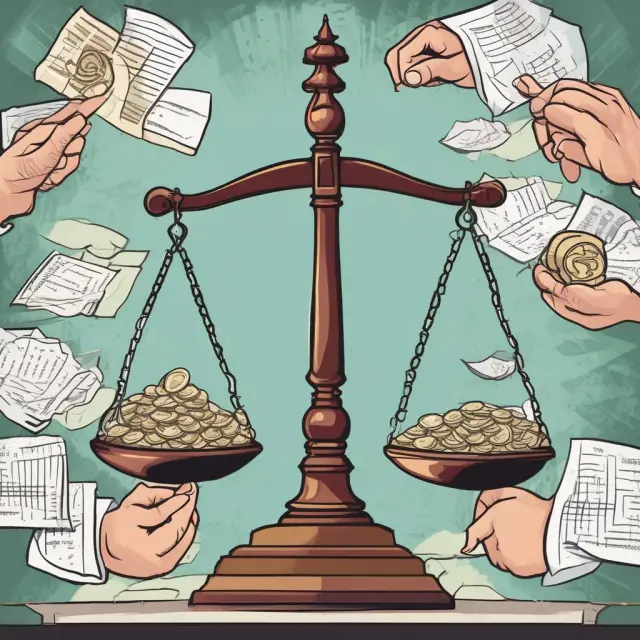
Checks and Balances: Global Applications and Consequences
The Importance of Separating Powers to Prevent Centralization
Checks and balances are not only relevant at the national level, but they also play an important role in preventing centralization and maintaining a balance of power within international organizations. The concept of checks and balances is particularly crucial for global bodies like the United Nations (UN), where cooperation between numerous member states can lead to potential power imbalances if left unchecked. By implementing checks and balances, these organizations are able to preserve their integrity and ensure fair decision-making processes.
Impact on International Organizations
The UN, established in 1945, is an intergovernmental organization that aims to maintain international peace and security, promote sustainable development, protect human rights, and serve as a platform for international cooperation. The UN is comprised of six main organs: the General Assembly, the Security Council, the Economic and Social Council, the International Court of Justice, the Secretariat, and the Trusteeship Council. Each of these organs has distinct responsibilities and plays a critical role in ensuring global stability and development.
The Importance of Separating Powers to Prevent Centralization in the UN
To prevent potential power imbalances within the UN, checks and balances are implemented through various mechanisms. For instance, the veto power granted to permanent members of the Security Council—China, France, Russia, the United Kingdom, and the United States—allows these countries to block decisions that could impact their national interests. This mechanism ensures that no single country can dominate UN decision-making processes or exert disproportionate influence over global issues.
Moreover, the checks and balances within the UN extend beyond the Security Council. For example, the General Assembly, which represents all member states, acts as a counterbalance to the Security Council by providing an equal voice for every country, regardless of its size or power. In turn, this helps prevent potential power imbalances that could undermine the organization’s objectives and credibility.
Additionally, the UN Charter provides guidelines on the distribution of power among the organization’s various organs and member states, further ensuring a fair balance within the system. By maintaining checks and balances in place, the UN is better equipped to address global challenges and promote cooperation among its members.
Effective Implementation of Checks and Balances Within Global Organizations
To effectively implement checks and balances in international organizations, it’s essential for member states to prioritize transparency, communication, and collaboration. Clear communication channels between various departments and organs within the organization can help prevent misunderstandings and potential power struggles. Additionally, regular consultations between member states can foster a sense of trust and cooperation that strengthens the organization as a whole.
In conclusion, checks and balances serve as an essential mechanism for preventing centralization of power in both national governments and international organizations. Through the separation of powers and clear communication channels, these structures are better equipped to maintain fair decision-making processes and promote sustainable development. The UN serves as a prime example of how checks and balances can be effectively implemented within global bodies, ultimately contributing to peace, security, and stability on the world stage.
Effective Implementation of Checks and Balances
Checks and balances refer to various procedures set in place to ensure that no one person or department holds absolute control over decisions, clearly defining roles, and fostering cooperation in completing tasks. The importance of checks and balances is most prominent when it comes to governments, but they are also valuable for businesses and organizations. In this section, we’ll discuss best practices for implementing effective checks and balances and the significance of communication and collaboration between departments.
Best Practices for Establishing Effective Checks and Balances
- Clearly defined roles and responsibilities
- Separation of duties within a department
- Utilization of internal audits to identify any potential weaknesses or vulnerabilities
- Implementation of an open and transparent reporting structure
- Encouragement of whistleblowers to report any instances of improper behavior
Communication and Collaboration Between Departments
- Regular meetings and updates between departments to discuss ongoing projects and issues
- Establishment of cross-functional teams for collaboration on initiatives that impact multiple departments
- Open exchange of information to ensure all parties are well-informed
- Encouragement of feedback and constructive criticism to promote continuous improvement.
Effective checks and balances can cost more money and decrease efficiency, but they are critical in helping to identify internal and external theft or abuse of power. By implementing best practices like clearly defined roles, regular communication and collaboration between departments, and the use of internal audits, organizations can minimize risk and ensure that rogue employees cannot harm a business without intervention from other employees.
For example, public listed businesses in the U.S., as per the Sarbanes-Oxley Act, are required to have effective checks and balances within their internal control systems. Directors of such businesses have a legal obligation to ensure proper systems are in place. These checks and balances can help improve operational efficiency by fostering cooperation between departments, encouraging transparency, and promoting continuous improvement.
In conclusion, checks and balances play an essential role in ensuring that no single person or department has absolute power within organizations. By implementing best practices for effective checks and balances and encouraging collaboration between departments, businesses can minimize risk, promote transparency, and ultimately improve operational efficiency.
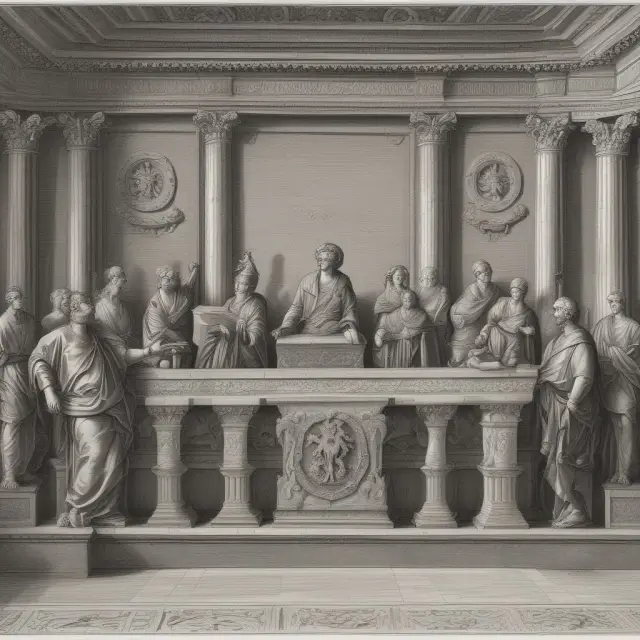
FAQ: Frequently Asked Questions about Checks and Balances
What is the difference between checks and balances and separation of powers?
Checks and balances are mechanisms put in place to limit the power of a single entity or body within an organization or government, while separation of powers refers to dividing the powers and responsibilities among various branches or entities. In essence, checks and balances is one way to implement the principle of separation of powers.
How does checks and balances impact the efficiency of a system?
Checks and balances can increase the complexity and cost of decision-making within an organization or government due to the additional level of oversight and communication required between various branches or departments. However, these mechanisms also help prevent abuses of power and ensure accountability, ultimately leading to increased trust and stability in the system.
Why is checks and balances important in the world economy?
Checks and balances play a crucial role in the global economy by preventing the concentration of power within individual nations or organizations. They help maintain a balance of influence and ensure that no single entity holds too much sway over international economic policies, thereby promoting cooperation and stability among countries.
The history of checks and balances dates back to ancient Greece, with influential thinkers like Polybius proposing the concept in the context of the Roman Republic. During the Age of Enlightenment, French philosopher Montesquieu further advocated for this principle as a means of preventing tyranny. In modern times, checks and balances have been implemented in various forms within governments, such as the U.S., and international organizations like the United Nations.
In the U.S. government, checks and balances are most notably observed through the three branches: legislative, executive, and judicial. The legislative branch (Congress) makes laws but can be checked by the veto power of the executive branch (the presidency), while the judicial branch (Supreme Court) interprets laws and can deem them unconstitutional. The system ensures a balance of power, preventing any one branch from accumulating excessive control.
However, checks and balances are not only relevant to governments; they also play a significant role in businesses and organizations where a single individual or department could exert significant influence over operations. Effective implementation involves clearly defining roles and responsibilities, fostering collaboration, and maintaining open communication channels between departments. This helps reduce the risks of mistakes, internal theft, or power abuses.
In conclusion, checks and balances are essential mechanisms for maintaining accountability, preventing excessive concentrations of power, and ensuring fairness in various spheres of society – from governments to businesses and international organizations.
 Next entry · No. 674Understanding Chi-Square Statistic: Testing Categorical Variables for Independence and Goodness of Fit
See also
-
 No. 787
08 Jun 2024
19 min
Understanding Cost Accounting: Techniques, Types, and Differences from Financial Accounting
Business Strategy
No. 787
08 Jun 2024
19 min
Understanding Cost Accounting: Techniques, Types, and Differences from Financial Accounting
Business Strategy -
 No. 5,237
22 Aug 2025
20 min
Understanding Unicameral Systems: A Single-House Legislative System
Government
No. 5,237
22 Aug 2025
20 min
Understanding Unicameral Systems: A Single-House Legislative System
Government -
 No. 5,368
02 Sep 2025
17 min
Understanding UST: The United States Treasury and Its Securities
Finance Policy
No. 5,368
02 Sep 2025
17 min
Understanding UST: The United States Treasury and Its Securities
Finance Policy -
 No. 4,905
26 Jul 2025
23 min
Taxation Without Representation: A Historical Overview and Modern Implications for Institutional Investors
Taxation
No. 4,905
26 Jul 2025
23 min
Taxation Without Representation: A Historical Overview and Modern Implications for Institutional Investors
Taxation -
 No. 4,542
27 Jun 2025
22 min
The Rule of 72: A Simplified Formula for Estimating Investment Doubling Time
Investments
No. 4,542
27 Jun 2025
22 min
The Rule of 72: A Simplified Formula for Estimating Investment Doubling Time
Investments -
 No. 4,446
19 Jun 2025
17 min
Understanding Revenue Cap Regulation: Balancing Monopolies’ Revenue with Consumer Interests
Regulations
No. 4,446
19 Jun 2025
17 min
Understanding Revenue Cap Regulation: Balancing Monopolies’ Revenue with Consumer Interests
Regulations