Understanding Copyright Laws: Protecting Intellectual Property
Understanding the fundamentals of copyright law and its role in protecting intellectual property through registration process, key concepts, fair use…
What is Copyright?
Copyright law refers to the exclusive rights granted to creators of original works that allow them to reproduce and distribute their creations without permission from others. The concept of copyright protects creators by safeguarding their intellectual property against unauthorized use or duplication. Copyrightable works include, but are not limited to, music, literature, art, computer software, and architectural designs.
To qualify for protection under copyright law, original works must meet two conditions: be in a tangible form and demonstrate a degree of creativity. By law, creators of original works automatically acquire the copyright, and this right persists until a set period after their death or 70 years from publication if the creator is a corporation. The duration of copyright protection may vary by country.
Copyright safeguards creators from unauthorized reproduction, performance, adaptation, distribution, or display of their works. It allows creators to control how their work is used, license it for profit, and prevent others from profiting off their ideas without permission. The copyright holder can also prevent others from creating derivative works based on the original creation.
Copyright law grants creators economic rights, including the right to:
– reproduce the work in copies or phonorecords
– prepare derivative works
– distribute copies or phonorecords of the work
– perform the copyrighted work publicly
– display the copyrighted work publicly
– perform the copyrighted work digitally and transmit it via the internet
– publicly perform a sound recording by means of digital audio transmission
Additionally, copyright holders can license others to use their works under certain conditions. By licensing, copyright owners allow others to use their works in exchange for compensation or other benefits. This is common practice in industries such as music and film, where creators grant licenses to record labels, streaming services, and distributors.
The importance of copyright law lies in its ability to promote creativity, foster innovation, and encourage the production and distribution of creative content. It allows creators to earn a living from their work while providing consumers with access to a diverse range of artistic expressions. Copyright protection also helps maintain a level playing field for creators by preventing free riding on others’ intellectual property.
Stay tuned as we delve deeper into the significance of copyright law and explore its various aspects, including what can be copyrighted, international copyright laws, and the difference between copyrights, trademarks, and patents.
Why is Copyright Important?
In the world of creative industries and intellectual property, copyright plays an essential role in protecting the rights of creators and businesses alike. Copyright acts as a legal safeguard for original works and provides their creators with exclusive rights to reproduce and distribute those works, allowing them to profit from their creations without the fear of unauthorized duplication or exploitation.
Understanding the significance of copyright protection begins by recognizing that copyright law covers a wide range of tangible and original forms of expression. Examples of protected materials include novels, songs, films, photographs, software code, architectural designs, and graphic art, among many others. These works are considered Original Works of Authorship (OWA) under copyright law – meaning they have been produced by human intelligence and creativity.
By granting their creators exclusive rights to reproduce and distribute their original work for a specified period, copyright laws encourage the creation of new works while ensuring that authors, artists, musicians, and other creative professionals receive financial compensation for their labor. The legal protection granted through copyright also serves as an incentive for businesses to invest in the development of innovative products or services.
Copyright law varies in its duration from country to country; in the U.S., copyrights are typically protected until 70 years after the creator’s death, with extensions possible for certain corporate-owned works. In other jurisdictions, copyright protection can last as long as 100 years after the author’s passing. This lengthy protection period ensures that creators and their heirs reap the benefits of their work for generations to come.
It is essential to note that copyright laws have limitations, with exceptions including fair use provisions that allow limited duplication or quotation of a copyrighted work without requiring permission from the original creator. Additionally, works that enter the public domain – typically after the protection period has expired – can be freely used and reproduced by anyone.
In summary, copyright plays an indispensable role in protecting the rights of creators and businesses by providing them with exclusive rights to reproduce and distribute their original works for a specified period. The legal framework surrounding copyright encourages creativity while ensuring that financial rewards flow to the individuals and organizations that develop innovative ideas or products.
What Can Be Copyrighted?
Under the umbrella of intellectual property law, copyright is one aspect that protects original works from unauthorized duplication or use. Copyright grants creators exclusive rights to reproduce, distribute, perform, display, transmit, and create derivative works based on their creations for a specified period. To better understand what can be protected under copyright law, it’s essential to delve into the concept of Original Works of Authorship (OWA). An original work refers to an expression of ideas that requires a significant amount of creativity from the author. Examples range from computer software and art to poetry, graphic designs, musical lyrics and compositions, novels, film, architectural designs, website content, and more. A crucial prerequisite for copyright protection is that the work must be in tangible form. Speeches, discoveries, musical scores, or ideas need to be written down or recorded in some physical medium.
Copyright law does not extend its protection over various aspects of intellectual property. Ideas, discoveries, concepts, theories, and facts are generally considered non-copyrightable material. Brand names, logos, slogans, domain names, and titles also fall outside the scope of copyright protection. Instead, trademark laws govern the protection of these elements as they serve to distinguish goods or services from competitors.
In the U.S., original creations are protected by copyright law for the lifetime of the author plus 70 years after their death. If the copyrighted material is owned by a corporation, the protection period lasts 95 years from the date of publication or 120 years from its creation, whichever expires first. Copyright laws can vary significantly between countries, with protection periods ranging from 50 to 100 years after the creator’s death.
Copyright law does share boundaries with other intellectual property protection mechanisms such as patents and trademarks. While copyrights focus on original works of authorship, patents cover inventions for a limited period, and trademark laws protect unique symbols or phrases that distinguish products from competitors.
Duration of Copyright Protection
Copyright protection grants creators exclusive rights over their original works, offering a significant incentive for innovation and creativity. However, the length of copyright protection varies depending on multiple factors including the country where the work was created and whether the author is an individual or corporation. The ultimate goal of copyright law is to strike a balance between promoting progress in the arts while safeguarding the rights of creators.
In the United States, original works are protected under copyright laws for the lifetime of their creator plus 70 years after their death. This means that the copyright for a work created by an individual lasts until 70 years following their demise. The protection period is longer for corporations; their copyrighted material remains under protection for 95 years from the initial publication date or 120 years, whichever expires first.
The U.S. Copyright Office notes that there have been several amendments to copyright laws since its inception in 1790. One of these amendments, the Sonny Bono Act (also known as the Mickey Mouse Protection Act), extended copyright protection by an additional 20 years in the U.S., making it essential for content creators to be aware of the latest changes.
Globally, copyright protection duration can range from 50 to 100 years after the creator’s death. For instance, many European countries grant copyright protection for a term of 70 years posthumously. However, it is important to note that copyright laws may differ substantially among nations. Therefore, creators looking to protect their work internationally should consult the copyright laws applicable in each target market.
It’s crucial for content creators to understand copyright protection duration as it helps them effectively monetize and manage their intellectual property rights. By being well-versed in this aspect of copyright law, creators can secure their financial interests while ensuring that their work is shared with the world in a manner that complies with applicable laws.
The Copyrighting Process
Understanding how to register and protect your original work under copyright law is crucial for creators and businesses alike. A copyright refers to the exclusive right granted to an author or creator of an original work to reproduce, distribute, perform, display, and create derivative works based on their creation. This legal protection ensures that creators can financially benefit from their intellectual property without fear of unauthorized duplication.
To qualify for copyright protection, your work must meet the following criteria: it must be original—created independently by you, in a fixed form, meaning it can be seen or touched—and possess a certain level of creativity. Once your creation meets these requirements, you automatically own the copyright as soon as the work is created and fixed in a tangible medium. However, registering your copyright with the U.S. Copyright Office (USCO) provides additional legal advantages, especially if you need to pursue infringement claims in court.
The process of copyright registration involves submitting an application and paying a fee to the USCO. You can file for registration electronically through the Electronic Copyright Office (eCO), which streamlines the application process. The application consists of several parts: Form CO, a detailed description of your work, and a deposit or sample copy of your original creation.
After receiving your application and fee, the USCO reviews it to ensure that all requirements are met. Once approved, you will receive a certificate of registration, which serves as proof of copyright ownership. This certificate is not mandatory for copyright protection; however, it may be necessary for legal proceedings or licensing agreements. In the U.S., copyright protection lasts for the life of the author plus 70 years after their death. If the copyrighted work is owned by a corporation, the protection lasts for 95 years from the date of publication or 120 years, whichever expires first.
Copyright laws vary significantly between countries and have undergone numerous amendments over time. While most jurisdictions grant authors similar rights to those in the U.S., it is essential to familiarize yourself with your country’s specific copyright laws to ensure that you fully understand how they apply to your situation. By registering and protecting your original work under copyright law, you can safeguard your intellectual property and secure financial benefits for years to come.
What Cannot Be Copyrighted?
While copyright law protects creators of original material from unauthorized duplication or use, it does not cover all intellectual property elements. Some things cannot be copyrighted due to their inherent nature, as defined by the U.S. Copyright Office and other international copyright laws. These include:
1. Ideas, discoveries, concepts, and theories: Abstract ideas or concepts cannot be protected under copyright law since they are not considered original works of authorship. Examples of such intangible intellectual properties include mathematical formulas, scientific theories, or fundamental principles.
2. Brand names, logos, slogans, domain names, and titles: These can only be protected under trademark laws. Trademark protection covers distinctive signs, phrases, and logos used to distinguish the goods or services of one entity from another in the market. Copyright law does not provide any legal recourse for protecting these elements.
3. Government works: Any works created by the U.S. federal government are generally not eligible for copyright protection under U.S. copyright law as they belong to the public domain. This includes publications, reports, maps, charts, and databases produced by federal agencies and their employees.
4. Short phrases, slogans, common sayings: Copyright does not protect short expressions like catchphrases or commonly used phrases because they are considered too generic to qualify for protection as original works of authorship.
5. Titles: Title selection alone does not warrant copyright protection; however, the creative expression associated with a title can be protected if it meets the originality requirement under copyright law.
6. Public domain works: Works that fall in the public domain are no longer subject to copyright protection and can be used by anyone without obtaining permission from the copyright owner. These include literary works, music, and other creative content whose copyrights have expired or were not properly registered within specific timeframes.
7. Facts, historical information, biographical facts, news summaries: Copyright law does not provide protection for factual data or information that is considered common knowledge in a particular field or industry. This includes historical events, news articles, and scientific research findings.
Understanding the limitations of copyright protection can help creators and businesses tailor their intellectual property strategies to effectively protect their valuable assets while also respecting the rights of others in the marketplace.
Copyright vs. Trademarks and Patents
Understanding intellectual property protection requires a clear distinction between different legal frameworks, including copyright, trademarks, and patents. Although these terms are often used interchangeably, they each offer distinct types of protections for creators and innovators. Let’s examine the differences.
Copyright law primarily protects original works of authorship from unauthorized reproduction. This includes literary, dramatic, musical, and artistic works, such as computer software, poetry, graphic designs, musical compositions, novels, films, original architectural designs, website content, and more (as long as the work is in a tangible form). Copyright grants creators exclusive rights to reproduce, distribute, perform, display, and create derivative works based on their original creations for a specified period of time.
Trademark law, however, safeguards distinctive signs, symbols, or expressions used to distinguish goods or services from those provided by others. Examples include brand names, logos, slogans, and domain names. Trademarks enable businesses to differentiate themselves in the marketplace and protect their reputation, ensuring consumers can trust that a particular product comes from a specific source.
Patents, on the other hand, grant inventors exclusive rights to manufacture, use, or sell an invention for a limited period of time (typically 20 years from the filing date). Patents cover industrial processes, machines, chemical compounds, and other novel inventions. Unlike copyrights and trademarks, patents require the applicant to disclose a full description of their invention to the public for others to learn and build upon after the patent expires.
In conclusion, while copyright law focuses on protecting original works of authorship from unauthorized copying, trademark law ensures that distinctive signs used to identify goods or services remain unique, and patents provide inventors with a temporary monopoly on new inventions to enable their commercial exploitation while allowing others to learn from the knowledge shared. A well-rounded intellectual property strategy may involve a combination of all three protections based on the specific needs of creators or innovators.
Copyright Infringement and Legal Consequences
When it comes to copyrighted works, the law grants exclusive rights to the original creators or copyright owners, allowing them to reproduce, distribute, perform, display, and create derivative works based on their intellectual property for a limited time. However, unauthorized use of copyrighted material by others can result in infringement, leading to potential legal consequences.
Copyright infringement occurs when someone breaches one or more of the exclusive rights granted to the copyright owner, such as:
- Copying an original work and distributing it without permission.
- Creating a new work based on the copyrighted material (derivative work) without authorization.
- Displaying or performing a copyrighted work publicly without proper consent.
- Importing, possessing, or selling infringing copies of the original work.
Penalties for copyright infringement depend on several factors including the nature and extent of the violation, whether it was intentional, and the applicable jurisdiction’s laws. Some potential consequences can include:
- Monetary damages: Compensating the copyright owner for financial losses due to the infringement.
- Statutory damages: Awarded in lieu of actual damages as a result of infringement, ranging from $750 to $30,000 per work and up to $150,000 for willful infringement.
- Injunctions: Court orders preventing the infringing activity from continuing.
- Criminal penalties: For willful copyright infringement, individuals could face fines up to $250,000 and imprisonment for up to five years or up to ten years for repeat offenders. Corporations may be subjected to fines of up to $2.5 million and potential criminal action if the infringing activity is found to be widespread.
To protect their intellectual property from copyright infringement, copyright owners can take legal actions such as sending a cease-and-desist letter or initiating litigation against the alleged infringer. In some cases, copyright disputes may be resolved through mediation or arbitration to reach an amicable settlement.
It is crucial for copyright owners to understand their rights and the potential consequences of copyright infringement, while others must respect these exclusive rights to avoid legal repercussions. By fostering a culture of fair use and licensing agreements, creators can encourage innovation and collaboration in various industries while protecting their intellectual property interests.
International Copyright Laws
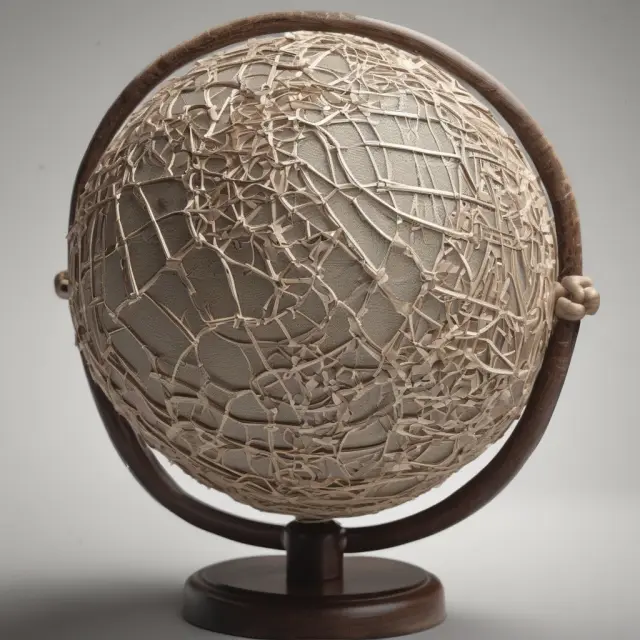
Copyright protection is essential in today’s globalized economy where intellectual property can be easily replicated, shared, or sold without permission. The universal recognition of copyright laws ensures that creators are fairly compensated for their original works and encourages innovation. However, copyright law regulations differ from country to country, necessitating an understanding of international copyright conventions.
The Berne Convention for the Protection of Literary and Artistic Works was enacted in 1886 to establish minimum standards for protecting literary, dramatic, musical, and artistic works. Since then, numerous amendments have been made to broaden the scope of protection. For example, the Paris (1928), Rome (1934), Brussels (1948), Stockholm (1961), and Geneva (1975) Conventions expanded protection to include cinematographic works, sound recordings, broadcasts, and performances.
Under the World Trade Organization’s Agreement on Trade-Related Aspects of Intellectual Property Rights (TRIPS), copyright protection is mandatory for member countries. TRIPS sets minimum standards for copyright term duration, national treatment, and enforcement measures. The basic requirement for copyright protection includes being a creative expression in tangible form, such as literature, music, artwork, software, and architecture.
The United Nations Diplomatic Conference on Intellectual Property (WIPO) adopted the Universal Copyright Convention in 1952 to provide a framework for international copyright cooperation. Although it is no longer the primary international agreement for copyright protection, it still influences copyright law in several countries. This treaty established basic standards for copyright ownership, protection against unauthorized use, and exceptions such as fair use or public domain.
When it comes to copyright infringement, international agreements provide a mechanism for resolving disputes through mutual legal assistance, diplomatic intervention, or judicial proceedings. Additionally, many countries have signed bilateral or multilateral agreements to facilitate the sharing of information, resources, and best practices in the field of intellectual property protection.
The World Intellectual Property Organization (WIPO) plays a crucial role in administering international copyright agreements, offering legal expertise, and fostering global cooperation among member states. By adhering to these conventions, countries can strengthen their own copyright laws while contributing to an interconnected network of intellectual property protection that benefits creators, businesses, and consumers alike.
Fair Use and Public Domain
The concept of intellectual property protection through copyright is vital to creators, but it does not grant them absolute control over their work. Copyright law recognizes certain exceptions that balance the interests of creators with those of the public. Fair use is one such limitation to copyright protection. This legal doctrine allows limited usage of copyrighted material without requiring permission from the rightsholder.
Fair Use: Under U.S. copyright law, fair use permits the unlicensed use of copyright-protected material for specific purposes. The most common scenarios that enable the application of fair use include criticism or commentary, news reporting, teaching, scholarship, and research. Fair use does not require seeking permission from the copyright holder. However, it is essential to note that fair use is not an absolute right; the usage must meet particular criteria for the limitation to apply. These criteria are:
- The purpose of the use, including whether such use is commercial in nature or is for nonprofit educational purposes.
- Nature of the copyrighted work.
- Amount and substantiality of the portion taken, considering both the quantity and quality of the content used.
- Effect on potential market for, or value of, the original work.
Whether the use of the material can be considered transformative in nature—that is, does it add something new to the original work?
Public Domain: Copyright protection eventually expires, and when a copyrighted work loses its protective status, it enters the public domain. At this point, the work becomes available to everyone without requiring permission or payment to use it. Public domain is an essential part of the creative process since it encourages new ideas by building upon existing ones.
Public domain can occur through various means:
- The copyright term has expired.
- The creator failed to meet formalities required for copyright protection, such as registration or proper notice.
- The work was created and published before 1978 in the U.S., in which case copyright protection is not mandatory.
- Copyrighted works that are considered government works are generally in the public domain.
- In some cases, creators choose to dedicate their copyrighted material to the public domain, either during their lifetime or posthumously.
Examples of works within the public domain include Shakespeare’s plays, Beethoven’s symphonies, and many classic novels. Copyright law and its exceptions serve to strike a balance between protecting creators’ rights and promoting free expression and creativity for future generations.
FAQs About Copyright Laws
What is the meaning of copyright?
Copyright refers to the legal protection given to creators of original works, granting them exclusive rights to reproduce their work. These exclusive rights include distributing copies, displaying publicly, performing, and making adaptations.
What types of intellectual property can be protected by copyright?
A variety of creative works can be copyrighted, such as novels, poems, music, photographs, films, software code, and architectural designs. For a work to be eligible for copyright protection, it must meet the criteria of being original and requiring a certain degree of creativity.
How long does copyright last?
In the U.S., copyrights are generally in effect for the life of the author plus 70 years after their death. However, copyright duration can differ from country to country. For instance, in countries like France or Spain, copyright protection may last up to 100 years after the creator’s demise.
What can’t be protected by copyright?
Copyright law does not protect ideas, facts, concepts, or discoveries. Instead, it focuses on protecting specific expressions of those concepts. For example, a cookbook that shares recipes cannot be copied in its entirety even if the individual recipes are not copyrightable. However, the arrangement and presentation of the information may qualify for protection under design copyrights.
What is fair use in copyright law?
Fair Use refers to the legal principle that allows limited use of copyrighted material without permission from the copyright owner for specific purposes such as criticism, commentary, news reporting, teaching, scholarship or research. It’s important to note that fair use is not a guaranteed right and its application varies from case to case.
What happens when a copyright expires?
When a copyright expires, the work enters the public domain, which means that the material becomes accessible for everyone to freely use and build upon without requiring permission or payment to the copyright owner.
What is the process of registering a copyright?
To register a copyright, you should submit a completed registration application along with a non-returnable deposit consisting of the original work or its copy to the U.S. Copyright Office. The cost varies depending on the type and size of the work. After receiving and processing your application, the Copyright Office will issue a certificate of registration confirming the copyright protection.
What is the difference between copyrights, trademarks, and patents?
Copyrights, trademarks, and patents serve distinct functions in intellectual property law. Copyrights protect original creative works such as literary works, musical compositions, dramatic works, and artistic works. Trademarks safeguard signs, symbols, phrases, logos or other distinctive features that distinguish the goods and services of one entity from another. Patents grant exclusive rights to inventors for a limited period to manufacture, use, and sell an invention.
 Next entry · No. 774Understanding Corporate Social Responsibility (CSR): The Four Pillars and Their Benefits
See also
-
 No. 5,523
16 Sep 2025
23 min
The Volcker Rule: Understanding the Regulation That Prohibits Banks from Certain Trading Activities
Finance Policy
No. 5,523
16 Sep 2025
23 min
The Volcker Rule: Understanding the Regulation That Prohibits Banks from Certain Trading Activities
Finance Policy -
 No. 5,356
01 Sep 2025
20 min
Understanding the Role and Workings of the U.S. House Financial Services Committee
Business Finance
No. 5,356
01 Sep 2025
20 min
Understanding the Role and Workings of the U.S. House Financial Services Committee
Business Finance -
 No. 4,502
23 Jun 2025
18 min
Understanding Risk-Weighted Assets and Their Role in Banking Regulations
Business Finance
No. 4,502
23 Jun 2025
18 min
Understanding Risk-Weighted Assets and Their Role in Banking Regulations
Business Finance -
 No. 4,348
11 Jun 2025
18 min
Understanding Regulation O: Preventing Favorable Credit Extensions for Insiders in Banking
Regulations
No. 4,348
11 Jun 2025
18 min
Understanding Regulation O: Preventing Favorable Credit Extensions for Insiders in Banking
Regulations -
 No. 4,345
11 Jun 2025
19 min
Regulation CC: Understanding the Banking Regulation That Improved Funds Availability
Finance Policy
No. 4,345
11 Jun 2025
19 min
Regulation CC: Understanding the Banking Regulation That Improved Funds Availability
Finance Policy -
 No. 3,630
14 Apr 2025
20 min
Understanding the Role and Impact of OFAC: Enforcing U.S. Trade and Economic Sanctions
Business Finance
No. 3,630
14 Apr 2025
20 min
Understanding the Role and Impact of OFAC: Enforcing U.S. Trade and Economic Sanctions
Business Finance