Understanding Currency Revaluation: Effects, Causes, and Implications

Understand the concept of currency revaluation through definition, causes, impacts on assets, economies, and more in this comprehensive guide.
What Is a Currency Revaluation?
A currency revaluation refers to the deliberate calculation and adjustment of a country’s official exchange rate relative to a chosen baseline, resulting in an upward shift from its previous value. This baseline could consist of wage rates, gold prices, or foreign currencies. The process is opposite to devaluation, which represents a downward adjustment of a country’s exchange rate.
In fixed exchange rate systems, only a government decision can alter the official currency value. Fixed exchange rates are commonly adopted by developing countries to limit speculation and establish stability within their economies. However, in floating exchange rate environments, revaluation occurs naturally due to fluctuations in interest rates or significant economic events.
Under the U.S. fixed exchange rate regime until 1973, all currencies were pegged to the dollar. China, despite its advanced economy, has maintained a fixed exchange rate since 1994. When China revalued its currency in 2005, it moved from being pegged to the U.S. dollar to a basket of world currencies.
Currency revaluation significantly impacts both the country’s currency and assets held by foreign companies in that specific currency. The change in exchange rate influences book values of these assets, necessitating adjustments in order to reflect the effect of the currency revision. For instance, suppose 10 units of a foreign currency previously equaled $1 in U.S. dollars. A revaluation would then change this rate to 5 units per dollar, effectively doubling the value of that foreign asset in home currency terms.
What triggers a currency revaluation? Interest rates and large-scale events are some common causes, with changes in leadership or speculative demand also playing roles. Currency revaluations generally boost the value of a currency within the economy, making it less expensive to purchase foreign goods for domestic importers. Conversely, the increased currency strength negatively impacts export competitiveness and the level of exports for domestic exporters.
A currency revaluation has its pros and cons. While it is beneficial for a country’s currency, its increase in value can lead to decreased levels of imports as foreign goods become more expensive. In contrast, increased demand for domestic products may offset this loss due to the reduced cost of imported goods for domestic consumers.
Countries seeking to enhance their currency values employ various strategies such as purchasing their own currency while selling foreign exchange assets or raising interest rates to attract foreign investment. Economic policies like reducing inflation and increasing competitiveness further strengthen a nation’s currency.
A well-known example of currency revaluation can be seen in China, which underwent a significant change in 2005, shifting from a pegged dollar exchange rate to one tied to a basket of currencies. The implications of this shift extended far beyond China’s borders due to its impact on global trade and financial markets.
The value of the U.S. dollar significantly influences the worth of other currencies across the globe, affecting various exchange rates within the international marketplace. As such, understanding currency revaluation is crucial for investors seeking to navigate this complex web of economic interdependence and capitalize on global opportunities.

Understanding Fixed Exchange Rate Systems
A fixed exchange rate system is an arrangement between countries where their currencies’ values remain constant in relation to one another. This type of monetary arrangement was popular among countries during the Bretton Woods era, which lasted from 1945 until the early 1970s. In a fixed exchange rate system, only the country’s central bank or government can change the official value of its currency by intervening in foreign exchange markets to buy or sell currencies as needed (Eichengreen & Temin, 1992). Fixed exchange rates provide stability for international trade and investment, allowing businesses and individuals to predict future prices for goods and services.
However, this system limits a country’s ability to respond independently to economic shocks. In the face of external pressures or changes in economic fundamentals, countries utilizing fixed exchange rates may experience balance of payment deficits or surpluses. These imbalances could necessitate currency revaluations.
Currency revaluation occurs when a country adjusts its official exchange rate upwards, increasing the value of its currency relative to another. The most common reason for a currency revaluation in fixed exchange rate systems is a persistent balance of payment deficit (IMF, 2016). In this situation, a country may find itself spending more on foreign goods and services than it earns through exports. A revaluation can help to correct the imbalance by making foreign currencies more expensive for domestic residents, which discourages imports and encourages exports.
The implementation of a currency revaluation requires careful consideration, as it may adversely impact various stakeholders. For instance, a depreciating currency can make imports cheaper, potentially benefiting consumers; however, it also makes exports more expensive, potentially hurting exporters (Galbis-Reig & Marrero, 2019). A revaluation could lead to inflation if not accompanied by appropriate fiscal and monetary policy measures. Additionally, speculation regarding a potential currency revaluation can lead to significant short-term volatility in exchange rates.
Therefore, understanding the implications of a fixed exchange rate system is crucial when considering currency revaluation. A country’s ability to change its official exchange rate is restricted within such a regime. Knowing this, countries may adopt a floating exchange rate system instead to provide more flexibility and responsiveness in managing their currencies.
References:
Eichengreen, B., & Temin, P. (1992). Exchange Rates and the International Economy. MIT Press.
Galbis-Reig, L., & Marrero, S. (2019). Monetary policy in Latin America: A survey of recent developments and challenges. World Development, 114, 105671.
International Monetary Fund. (2016). Exchange Rates, Balance of Payments, and International Monetary Reform: Selected Issues. IMF Country Report No. 16/273.
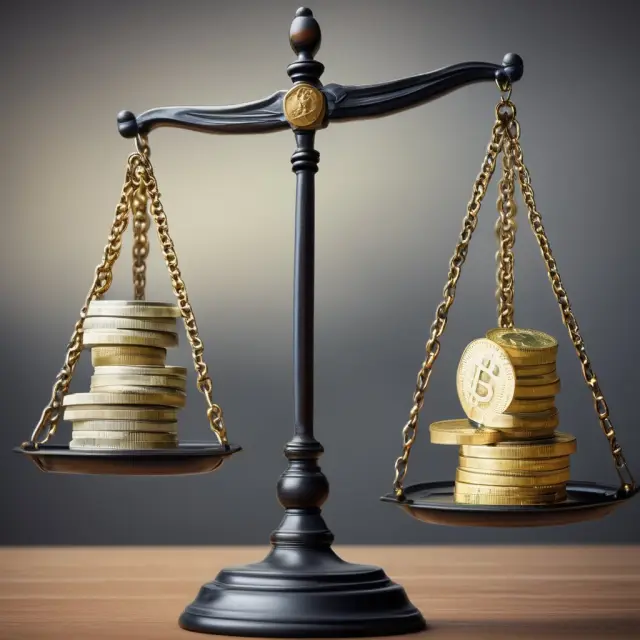
Impacts on Currency Valuation After Revaluation
A revaluation of a country’s currency has significant implications for the valuation of assets held by foreign companies in that currency. In essence, a currency revaluation changes the exchange rate between two currencies and necessitates adjustments to the values of foreign-held assets.
For instance, consider a foreign government that sets 10 units of its currency equal to $1 in U.S. dollars. Should this government decide to revalue its currency, the rate might change to five units per dollar. This means that one unit of the foreign currency will now be worth twice as much when compared to the U.S. dollar.
As a result of such a revaluation, any assets held by a U.S.-based company in that foreign economy would need to be revalued. For example, suppose that an asset was previously valued at $100,000 based on the old exchange rate; after the revaluation, its value in the home currency would change to $200,000. This adjustment reflects the new worth of the foreign asset in terms of the domestic currency.
Causes and Effects
Currencies can be revalued due to various reasons. One common cause is a shift in interest rates between countries. For example, if one country increases its interest rate, it may attract investors looking for higher returns, leading to an increase in demand for that currency. This increased demand causes the currency’s value to rise, often triggering a revaluation.
Additionally, large-scale events can also impact a currency’s value and necessitate a revaluation. For instance, political instability or economic downturns can affect the perceived stability of a particular market and cause speculative demand for that currency. This demand can lead to a rise in the currency’s value and result in a revaluation.
Consequences:
A currency revaluation has significant effects on both the domestic economy and foreign investors. For domestic exporters, a revaluation may result in reduced export business since their goods become more expensive for foreign importers. In contrast, domestic importers benefit as purchasing foreign goods becomes less costly due to the depreciation of their own currency.
Furthermore, a currency revaluation can impact the profitability of companies operating abroad, particularly those with significant investments in the country whose currency has been revalued. The adjustment required for assets held in that currency might result in unexpected losses or gains depending on the timing and size of the investment.
In summary, currency revaluations have far-reaching implications for both domestic economies and foreign investors. Understanding their causes, effects, and potential consequences can help companies navigate the complex world of global finance and make informed decisions about their investments in various currencies.

Causes of Currency Revaluations
A currency revaluation represents an upward adjustment to the official exchange rate between two currencies. This change can be brought about by various factors, including alterations in interest rates and major events that influence an economy’s overall profitability or competitiveness. In a fixed exchange rate regime, revaluations are typically determined by government decisions. Conversely, floating exchange rates allow for automatic adjustments to currency valuation based on market forces.
When it comes to fixed exchange rate systems, governments possess the authority to decide upon and implement a currency revaluation. Developing economies often employ this system, which provides stability against speculation, as the official value of their currency remains constant in relation to other currencies or commodities such as gold. The Chinese yuan, for instance, was pegged to the U.S. dollar from 1994 until its revaluation in 2005, after which it was tied to a basket of international currencies.
In contrast, floating exchange rates allow currency revaluations to occur naturally as market conditions evolve. In this scenario, changes in interest rates between countries can cause revaluations due to their influence on the relative attractiveness of different investment opportunities. For example, suppose that country A raises its interest rate significantly higher than country B’s. Investors may then be more inclined to hold assets denominated in country A’s currency because of the higher returns, leading to increased demand for the currency and a subsequent revaluation.
Moreover, major events can trigger currency revaluations by altering the economic landscape or investor sentiment. Political instability or significant shifts in fiscal policy can lead to repercussions that ripple across markets, potentially resulting in changes to exchange rates. A prime example is the Brexit vote in 2016, which sent shockwaves through financial markets and caused substantial fluctuations in various currencies.
Speculative demand also plays a role in currency revaluations. As investors seek to take advantage of perceived opportunities, their actions can influence market conditions and lead to shifts in exchange rates. The anticipation surrounding the Brexit vote exemplifies this phenomenon, with significant volatility observed in the days leading up to the referendum.
Overall, currency revaluations serve as a tool for governments and markets to address changing economic realities. These adjustments can impact the relative value of assets held by foreign investors and influence international trade dynamics. In the following sections, we will explore further the effects and implications of currency revaluations for various stakeholders, including domestic exporters and importers.

Currency Revaluation: Effects on Domestic Exporters and Importers
Understanding the intricacies of currency revaluations is crucial for assessing their implications on domestic exporters and importers. A currency revaluation refers to a calculated adjustment upwards in a country’s official exchange rate relative to another currency or basket of currencies, typically in response to changes in economic conditions or market dynamics.
In the context of a fixed exchange rate regime, only the government (for instance, its central bank) can change the official value of its currency. The difference between a fixed and floating exchange rate system is that under a floating system, revaluation occurs naturally as foreign currencies fluctuate in relation to one another due to various economic factors.
A country’s decision to revalue its currency has significant consequences for domestic exporters and importers alike. Here’s a closer look at the potential effects of a currency revaluation on both groups:
Domestic Exporters
When a currency is revalued, it becomes more expensive compared to foreign currencies. As a result, the cost for foreign buyers to purchase goods from that country increases due to higher exchange rates. Consequently, demand for exports may decrease as buyers seek alternative suppliers with lower prices or look to hedge their risk through other means.
However, there are potential benefits for domestic exporters. A revaluation can lead to an improvement in the overall competitiveness of a country’s goods and services in global markets. This is because a stronger local currency makes imports more expensive and less attractive compared to domestic offerings. In turn, this could help boost demand for domestically produced goods and encourage export-oriented economic policies.
Domestic Importers
A currency revaluation has the opposite effect on domestic importers, as they now face lower costs when purchasing foreign goods due to a weaker foreign currency. As a result, demand for imported goods may increase, potentially leading to higher trade deficits and increased pressure on the country’s balance of payments.
However, it’s essential to note that not all imports are negatively impacted by a currency revaluation. For example, essential commodities or raw materials that cannot be domestically produced will continue to be imported regardless of the exchange rate. Additionally, some industries may benefit from lower input costs due to cheaper foreign goods and increased competition, potentially leading to improved efficiency and productivity.
In conclusion, a currency revaluation has various effects on domestic exporters and importers depending on their specific circumstances. While there are potential benefits for both groups, it’s important for governments, businesses, and investors to carefully evaluate these implications and adapt accordingly. By understanding how exchange rate fluctuations can impact exporting and importing activities, countries can make informed decisions about economic policies and capitalize on the opportunities presented by a changing global economy.

Is Currency Revaluation Good or Bad?
Currency revaluation is a significant event that impacts the value of a country’s currency in relation to others. The primary question many investors ask when considering a currency revaluation is: Is it good for the economy or bad? Let us examine both sides of this question.
First, let’s consider the positive aspects: A successful revaluation increases the value of a currency by making it more expensive relative to other currencies in the foreign exchange market. This can lead to increased purchasing power and improved competitiveness for domestic industries. For example, a stronger home currency makes imports cheaper, reducing import costs for domestic firms, which in turn can lower production expenses.
Moreover, revaluations can improve confidence in a country’s economy and its central bank. A strong, stable currency is often perceived as a sign of economic strength and stability, leading to increased foreign investment. This foreign capital influx can further contribute to the growth of the domestic economy.
However, it’s also essential to consider the negative implications: A revalued currency can negatively impact export industries, as exports become more expensive for foreign buyers. This may lead to a decrease in demand for those goods and potentially result in job losses within the affected sector. Furthermore, a stronger home currency can increase the cost of imported raw materials or components used by domestic manufacturers, which can increase production costs and reduce profitability.
Additionally, revaluation can lead to capital outflows as foreign investors look to take advantage of higher yields or returns in other markets where their own currencies have weakened due to a depreciation or devaluation. This can put downward pressure on the revalued currency, reducing its value and negating some of the benefits that were initially gained from the revaluation itself.
When examining whether a currency revaluation is good or bad, it’s essential to consider the context in which the event occurs. For instance, countries undergoing structural reforms that focus on improving competitiveness, reducing inflation, and increasing productivity may benefit more significantly from a revaluation than those with underlying economic instabilities or vulnerabilities.
In conclusion, currency revaluation is a complex issue with both positive and negative implications. While it can lead to increased purchasing power, improved competitiveness, and foreign investment inflows, it can also negatively impact export industries, increase production costs, and potentially trigger capital outflows. The ultimate outcome of a currency revaluation depends on various factors, including the specific economic conditions of the country involved and the broader global context in which the event takes place.

Methods for Increasing a Country’s Currency Value
A currency revaluation increases the value of a country’s currency in relation to other currencies. This can have significant implications for the economy, both domestically and internationally. To understand how a currency revaluation is initiated and what methods countries utilize to increase their currency value, let us delve deeper into this concept.
First, it is essential to distinguish between fixed exchange rate systems and floating exchange rate regimes. In a fixed exchange rate system, only the country’s government, such as its central bank, can change the official value of the currency. This type of regime is commonly used by developing economies seeking stability in their currencies. Fixed exchange rates can be pegged to various bases like wage rates or the price of gold. In contrast, a floating rate system allows for more flexibility and adjustments as market forces determine the exchange rate based on supply and demand dynamics.
In a fixed exchange rate regime, currency revaluation can only occur through official government intervention. This might include purchasing foreign exchange assets to sell in the local market or raising interest rates, thereby making the domestic currency more attractive. In this context, countries may aim for a “hard peg,” where they commit to maintaining a stable exchange rate at all times. A prime example of this strategy was observed during Hong Kong’s monetary system under the link with the U.S. dollar.
In a floating exchange rate system, market forces dictate currency value based on factors such as interest rates, inflation, and economic stability. For instance, a country with high interest rates or low inflation compared to its trading partners will likely have a stronger currency. Similarly, countries pursuing supply-side policies like increasing competitiveness can improve their currency value in the long run.
Countries may also engage in various international financial agreements to strengthen their currencies. For instance, in 1973, the United States abandoned the gold standard and adopted a floating exchange rate system. This change allowed for greater flexibility and adjustments to economic conditions while reducing the need to manage foreign currency reserves.
The European Monetary Union (EMU) is another example of an international agreement that influences currency values in its member states. The EMU, established in 1999, introduced the euro as a common currency for participating countries. This fixed exchange rate system among EU members has led to greater economic integration and trade between these nations.
In summary, countries employ various methods to increase their currency value, including official interventions and implementing supply-side policies within a fixed or floating exchange rate regime. Understanding the underlying mechanisms of currency revaluation can provide valuable insights for investors and policymakers alike as they navigate the complex world of international finance.

Currency Revaluation: An Example of China’s Currency Reform
China’s 2005 currency revaluation serves as a significant example of how a country can alter its exchange rate. Before the revaluation, China had maintained a fixed exchange rate for its currency, the Renminbi (RMB), against the U.S. dollar since 1994. The People’s Bank of China, China’s central bank, pegged the RMB to the U.S. dollar at a ratio of approximately 8.27 yuan to one U.S. dollar.
However, due to China’s rapid economic growth and increasing inflation rates, a growing trade surplus, and pressure from the International Monetary Fund (IMF) for a more flexible exchange rate system, the Chinese government decided to revalue its currency in July 2005. The People’s Bank of China increased the value of the RMB by approximately 2% against the U.S. dollar, effectively setting the exchange rate at around 8.11 yuan per U.S. dollar.
The revaluation was significant because it marked the end of China’s currency peg to the U.S. dollar and the beginning of a new era for the Chinese economy. The RMB was no longer fixed, but rather pegged to a basket of currencies, including the U.S. dollar, euro, and Japanese yen. This move allowed the Chinese government greater flexibility in managing its exchange rate in response to economic conditions and market pressures.
The 2005 currency revaluation led to several notable consequences for China and the global economy. First and foremost, it made Chinese goods more expensive for foreign buyers, potentially reducing China’s competitiveness and trade surplus. This, however, helped increase domestic demand for Chinese-made products as they became relatively cheaper for Chinese consumers. Additionally, the revaluation reduced the inflationary pressures experienced by China during this period, allowing it to maintain a stable economy and manage its rapid growth.
In conclusion, China’s currency revaluation in 2005 serves as a critical example of how a country can alter its exchange rate to address economic challenges and adapt to global market conditions. By understanding the causes, effects, and implications of this significant event, we gain valuable insights into the role of currency revaluations within the broader context of international trade, economics, and finance.

How the U.S. Dollar Affects Global Currencies and Exchange Rates
The United States dollar (USD) is one of the most influential factors in global currencies and exchange rates due to its status as the world’s primary reserve currency. The USD’s value significantly impacts various economies through exchange rate fluctuations, which can influence trade, capital flows, and interest rates. This section delves into how the U.S. dollar affects global currencies and exchange rates.
Exchange Rate Impact: One of the most direct ways the USD affects other currencies is via exchange rates. Since many countries peg their currencies to the USD or use it as a benchmark, changes in the value of the USD can influence the values of these linked currencies. A stronger USD makes other currencies weaker, making imports less expensive for U.S. consumers but hurting domestic exporters and potentially reducing foreign demand for U.S. exports. Conversely, a weaker USD makes imports more expensive and stimulates export growth as foreign goods become relatively cheaper for U.S. buyers.
Global Trade and Capital Flows: The US dollar plays an essential role in international trade as it is the currency used for settling most international transactions due to its stability and liquidity. When the value of the USD changes, it can significantly impact global trade volumes and capital flows. For instance, a stronger USD may deter foreign investment in U.S. assets or discourage foreign companies from purchasing goods from the U.S., potentially leading to decreased demand for U.S. exports.
Interest Rates: The Federal Reserve (Fed) sets U.S. monetary policy through interest rates, which can influence global capital flows and exchange rates. For example, when the Fed raises interest rates, it can attract foreign capital due to higher returns on investment relative to other countries with lower rates. This influx of capital drives up the value of the USD and puts downward pressure on other currencies. Conversely, a decrease in U.S. interest rates makes the USD less attractive as an investment destination, potentially causing its value to decrease.
Economic Policies: The Fed’s monetary policy is just one aspect of broader economic policies that can impact the USD and exchange rates. Fiscal policies, such as taxation or public spending, also play a role. For instance, if the U.S. government implements expansionary fiscal policies to stimulate growth during an economic downturn, it could lead to increased demand for U.S. dollars and result in a stronger USD, putting downward pressure on other currencies.
Financial Markets: Lastly, financial markets play a significant role in the relationship between the US dollar and global currencies. For instance, currency derivatives, such as options or futures contracts, are widely used to hedge against exchange rate risk. These contracts can influence currency values by changing the perception of risk and potential market movements. Additionally, foreign investors often hold large positions in U.S. assets, such as Treasury bonds, which can impact the value of the USD based on their buying or selling decisions.
In summary, the US dollar’s status as a primary reserve currency gives it substantial influence over global currencies and exchange rates. Its value affects trade volumes, capital flows, interest rates, economic policies, and financial markets. Understanding this relationship is crucial for investors, businesses, and policymakers to make informed decisions in an increasingly interconnected global economy.

Currency Revaluation: Frequently Asked Questions
A revaluation refers to a calculated upward adjustment of a country’s official exchange rate relative to a chosen baseline, be it gold, wage rates, or another foreign currency. Revaluation is the counterpart to devaluation – a downward adjustment of a country’s official exchange rate. In this section, we address some frequently asked questions regarding currency revaluations and their implications for investors.
How does a central bank determine when to implement a currency revaluation?
Central banks in fixed exchange rate systems, such as China, may decide on a revaluation based on their assessment of the economy’s stability and competitiveness. This decision can result from changes in interest rates or large-scale events that impact the economy.
What are some reasons for currency revaluations?
Currency revaluations can be triggered by changes in interest rates between countries, shifts in a country’s overall profitability (or competitiveness), and leadership changes that signal a change in market stability. In addition, speculative demand can cause fluctuations in the value of currencies.
What is the impact on foreign-owned assets after currency revaluation?
When an exchange rate changes due to a revaluation, the book values of foreign-held assets must be adjusted to reflect the new exchange rate. For instance, if the foreign government revalues its currency and the home country’s currency value doubles as a result, any assets held by investors in that particular currency would require a corresponding adjustment in their reported value.
Is currency revaluation beneficial for countries?
Generally, a currency revaluation is advantageous for the revaluing country as it strengthens its currency’s value on the global market. However, this can make exports more expensive for foreign buyers and may negatively impact exporters. In turn, imports become cheaper for domestic importers. The overall effect depends on the specific circumstances of each situation.
How does a country increase its currency’s value?
Countries can employ various strategies to boost their currency’s value. These methods include purchasing their own currency using foreign exchange assets and raising interest rates to attract foreign investment. Supply-side economic policies, like increasing competitiveness, can also contribute to the strengthening of a country’s currency.
 Next entry · No. 4,444Understanding Revaluation Reserves: Balance Sheet Line Items for Value Fluctuations
See also
-
 No. 5,022
05 Aug 2025
19 min
Understanding Trade Surpluses: Causes, Effects, and Key Countries
International Trade
No. 5,022
05 Aug 2025
19 min
Understanding Trade Surpluses: Causes, Effects, and Key Countries
International Trade -
 No. 4,939
29 Jul 2025
19 min
Understanding Terms of Trade: An Essential Metric for Institutional Investors
Finance Policy
No. 4,939
29 Jul 2025
19 min
Understanding Terms of Trade: An Essential Metric for Institutional Investors
Finance Policy -
 No. 4,333
10 Jun 2025
22 min
Understanding the Real Effective Exchange Rate (REER): An Essential Indicator for Institutional Investors
Finance Policy
No. 4,333
10 Jun 2025
22 min
Understanding the Real Effective Exchange Rate (REER): An Essential Indicator for Institutional Investors
Finance Policy -
 No. 3,581
10 Apr 2025
22 min
Understanding the Nepalese Rupee (NPR): A Comprehensive Guide
Finance Policy
No. 3,581
10 Apr 2025
22 min
Understanding the Nepalese Rupee (NPR): A Comprehensive Guide
Finance Policy -
 No. 2,741
31 Jan 2025
21 min
Understanding the Cayman Islands Dollar (KYD): Currency of the Offshore Financial Hub
Finance Policy
No. 2,741
31 Jan 2025
21 min
Understanding the Cayman Islands Dollar (KYD): Currency of the Offshore Financial Hub
Finance Policy -
 No. 2,720
29 Jan 2025
18 min
Understanding the Comorian Franc (KMF): The Currency of a Small African Island Nation
Finance Policy
No. 2,720
29 Jan 2025
18 min
Understanding the Comorian Franc (KMF): The Currency of a Small African Island Nation
Finance Policy