Understanding CUSIP Numbers: A Unique Identifier for Securities in the United States and Canada

A CUSIP is a nine-character code that identifies a stock, bond or other security issued in the United States or Canada: six characters identify the issuer, two identify the specific issue, and the last is a check digit. CUSIP Global Services assigns them, managed for the American Bankers Association by FactSet.
Introduction to CUSIP Numbers: What Are They and Their Importance
CUSIP, or Committee on Uniform Securities Identification Procedures, is a unique identifier system for all stocks and registered bonds traded in the United States and Canada. In the complex realm of finance and investment, CUSIP numbers play an essential role by serving as a consistent, easily identifiable means to distinguish securities within trades, facilitating transactions and simplifying record-keeping processes for investors and financial institutions alike.
What sets CUSIPs apart is their distinct nine-digit structure comprising letters and numbers, acting much like a serial number. The first six characters (also known as the base or CUSIP-6) represent the issuer of the security; while the seventh and eighth digits denote the specific type of security, such as equity or debt. The final digit functions as a “check digit,” ensuring data accuracy throughout transactions.
CUSIP numbers were introduced in 1964 to streamline securities clearance and settlement processes, making it easier to manage large volumes of trades. They are primarily used in computerized trading systems for record-keeping purposes like trades and shareholder records. In the case of international securities, identifiers such as CINS or ISIN numbers are employed instead of a CUSIP.
The significance of CUSIP numbers lies in their ability to provide a standardized method for identifying securities and facilitate the clearance and settlement of market transactions. By offering a consistent identifier that distinguishes securities, CUSIPs help minimize errors and streamline processes, ensuring seamless execution of trades and enabling efficient record-keeping.
CUSIP numbers are essential for financial institutions to manage their portfolios, maintain accurate records, and settle transactions swiftly. They also play an integral role in the regulatory landscape as they help monitoring authorities and market participants track securities’ ownership, price movements, and other relevant information.
The next section will dive deeper into the composition of a CUSIP number, shedding light on its structure and meaning behind each digit or character.

Composition of a CUSIP Number
A CUSIP number is a nine-digit alphanumeric identifier for stocks and registered bonds issued in the United States and Canada. The system was introduced in 1964 to simplify the settlement process and clearance of associated securities, making it essential for trades and record-keeping systems. Each CUSIP number comprises a unique combination of letters and numbers that helps distinguish securities from one another.
The structure of a CUSIP number consists of six initial characters (the base or CUSIP-6), which uniquely identifies the issuer, and three subsequent digits that define the security type. The final digit acts as a check digit to ensure accuracy during data entry. Here’s a closer look at each part:
1. Base (CUSIP-6): The first six characters represent the issuer of the security. It includes two letters, one representing the country where the issuer is domiciled and four alphanumeric characters denoting the issuer’s unique identifier. For instance, ‘AC’ might denote American Companies, and ‘ABC123456’ could be the internal code assigned by this issuer for its specific security.
2. Security type (3 digits): The third, fourth, and fifth characters define the specific security being identified. These digits can represent various securities like common stocks, preferred stocks, bonds, or other financial instruments based on their issue type. For example, ‘126’ could signify a common stock, while ‘013’ might denote a municipal bond.
3. Check digit (1 digit): The final character is the check digit and is calculated from the other eight digits for verification purposes during data entry. It ensures accuracy in preventing errors when entering or transferring CUSIP numbers. This number is derived through a mathematical formula based on the first eight digits of the CUSIP number.
It’s important to note that there are minor variations within this structure for specific security types and issuers. For instance, international securities might include an additional two-character prefix for their respective countries in the base portion (CUSIP-8). This system is known as the CUSIP International Numbering System (CINS) or ISIN numbering system.
In conclusion, CUSIP numbers serve a vital role in identifying and distinguishing securities within the United States and Canadian markets. Its unique combination of letters and digits provides essential information about the issuer and security type while ensuring data accuracy through the use of check digits. As our financial markets continue to evolve, the importance of this standardized identification system will only grow.

CUSIP Number Assignment Process
The process of assigning a CUSIP number involves several steps and entities. The unique identifier for each financial instrument is essential as it supports accurate tracking and settlement throughout the securities industry.
CUSIP numbers are issued by two primary organizations: The American Bankers Association (ABA) and Standard & Poors (S&P). The ABA, in conjunction with S&P, manages the CUSIP system to provide a consistent method for identifying securities.
To assign a new CUSIP number, issuers must first submit an application form to either the ABA or S&P. This document includes information about the securities being offered, such as the issuer’s name and its industry sector, along with essential details like the bond’s maturity date, coupon rate, and issue size.
Once this information is reviewed and processed, a new CUSIP number will be generated and assigned to the security. The first six characters of the number are known as the base or CUSIP-6, which identifies the issuer. This portion of the identifier can include a combination of letters and numbers to ensure uniqueness.
The seventh and eighth digits further identify the specific security type. For example, these digits could represent the issue, maturity date, or coupon rate, depending on the nature of the financial instrument being issued.
A check digit is added as the final ninth character to ensure data integrity throughout the system. This digit is calculated based on the previous eight characters and provides an automatic verification mechanism during processing and recording transactions.
In summary, the CUSIP number assignment process involves submitting information about the security being issued to either the American Bankers Association or Standard & Poors. Once reviewed and verified, a unique 9-character identifier is generated and assigned to that specific financial instrument. This consistent method for identifying securities supports efficient trading, clearance, and settlement processes throughout the industry.

Understanding CUSIP Numbers: Differences with ISINs and CINS
When it comes to unique identifiers for securities, the United States and Canada primarily utilize CUSIP numbers (Committee on Uniform Securities Identification Procedures). However, international markets rely on two alternative systems: International Securities Identification Number (ISIN) and Canadian Identification Number Service (CINS). These three systems serve similar functions but have distinct differences.
A CUSIP number is a nine-digit identifier assigned to all stocks and registered bonds in the United States and Canada. It’s primarily used for facilitating trades, settling transactions, and tracking securities within the financial system. The CUSIP number comprises six initial characters that denote the issuer, followed by two characters specifying the security type and a final check digit.
In contrast, ISIN numbers (International Securities Identification Number) are used for identifying securities in international markets. An ISIN consists of twelve alphanumeric digits: two country codes, an optional one-letter market identifier, nine digits representing the security identification code, and a check digit. ISINs are widely accepted across the globe for simplifying cross-border trades, particularly in the context of international investing.
Meanwhile, CINS numbers (Canadian Identification Number Service) are similar to CUSIP numbers, but they’re used specifically for securities issued in Canada. The primary difference between a CUSIP number and a CINS number is that the former starts with an ‘X’ as the first character if it represents a Canadian security, whereas CINS numbers start with one or two letters signifying the issuer. For instance, X012345A0 could represent a CUSIP number for a Canadian security, while CA012345A0 would be its equivalent CINS number.
While both ISIN and CINS numbers are international alternatives to CUSIP numbers, they share some similarities with their counterpart. Like CUSIP numbers, they uniquely identify securities, making it easier for financial institutions and regulatory bodies to facilitate transactions, maintain records, and track securities within the financial system. However, the significant difference lies in their application, as ISINs are used mainly for international markets and CINS numbers serve a more specific purpose for Canadian securities.
In summary, each unique identifier – CUSIP, ISIN, and CINS – plays a crucial role in facilitating transactions, maintaining records, and tracking securities within financial markets. Their primary differences lie in their applications: CUSIP for the United States and Canada, ISIN for international markets, and CINS for Canadian securities. Understanding these systems can help investors navigate various markets with confidence and make informed decisions based on accurate information.

How Do I Find a CUSIP Number?
CUSIP numbers play a crucial role in facilitating trades, settlements, and record-keeping within the financial markets. Knowing how to locate these vital identifiers can save time and ensure smooth transactions for investors and financial institutions alike. In this section, we’ll explore various methods for obtaining CUSIP numbers.
1. Stock Quote Websites: One of the quickest ways to find a CUSIP number is by using stock quote websites such as Yahoo Finance, Google Finance, or any other reputable financial data provider. Simply search for the company name and enter the ticker symbol in the search field. The resulting page will display essential information about the security, including its CUSIP number.
2. Official Statements: Another method to access a CUSIP number is by examining official statements provided by companies or financial institutions. These documents, which include periodic reports, confirmations of purchase, and other communications to shareholders, typically list all securities issued by the company and their corresponding CUSIP numbers.
3. Financial Databases: Numerous databases exist that store vast amounts of financial information, including CUSIP numbers. Examples of such databases include Bloomberg Terminal, FRED (Federal Reserve Economic Data), and EDGAR Online (Electronic Data Gathering, Analysis, and Retrieval system), which contains SEC filings for publicly traded companies.
4. Regulatory Bodies: Some regulatory bodies, like the Municipal Securities Rulemaking Board (MSRB) or the Electronic Municipal Market Access (EMMA) system, offer CUSIP numbers for municipal securities. These resources are particularly valuable for individuals interested in fixed-income investments related to states and local governments.
In conclusion, understanding how to locate CUSIP numbers is essential for investors, traders, and financial institutions when engaging with various investment products within the United States and Canadian markets. By employing methods such as stock quote websites, official statements, or financial databases, you can efficiently access the necessary information to ensure that your transactions are processed accurately and without delay.
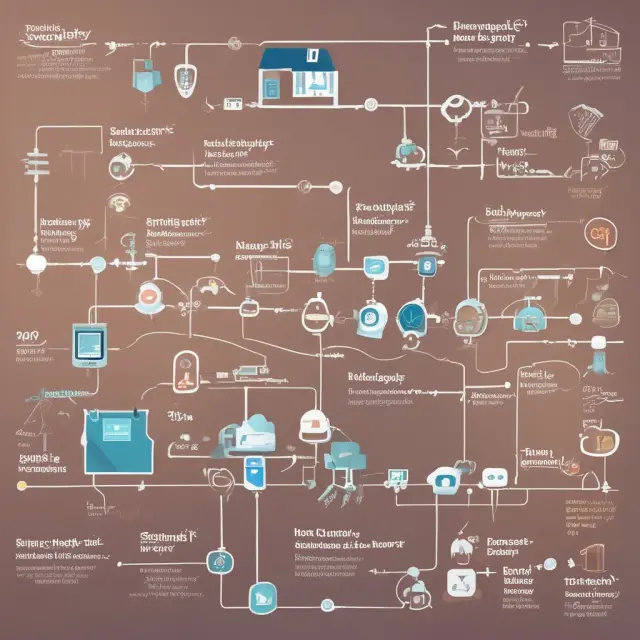
Historical Context of CUSIP Numbers: Origins and Evolution
CUSIP, or the Committee on Uniform Securities Identification Procedures, numbers have been an essential aspect of the United States’ and Canada’s securities markets since their introduction in 1964. These unique nine-digit identifiers were created to bring simplicity and standardization to the process of identifying and distinguishing various securities in trades.
Before CUSIP, securities lacked a uniform method for identification, making it challenging for financial institutions and investors to differentiate between similar securities, particularly when dealing with high volumes or complex transactions. This often resulted in miscommunication, errors, and longer settlement times. To address this issue, the American Bankers Association (ABA) and Standard & Poors collaborated to establish a unified system for identifying securities, which ultimately led to the creation of the CUSIP numbering system.
Each CUSIP number is composed of nine characters, with the first six digits uniquely representing the issuer, followed by two digits that denote the security type and another digit acting as a check digit. This structure makes it easier for financial institutions to process trades, clearances, and settlements efficiently.
As technology evolved, CUSIP numbers became an integral part of computerized trading record-keeping systems. They facilitate transactions by providing a consistent identifier that distinguishes securities, simplifying actions such as trades and settlements. The system processes up to 1,000 to 2,000 new identifiers daily, ensuring there is no overlap or confusion with existing numbers.
CUSIP numbers were initially limited to the United States and Canadian markets but later expanded into international markets through the International Securities Identification Number (ISIN) system. ISINs include a two-character prefix for the issuing country and an additional check character, allowing easier differentiation of securities issued in various countries.
The importance of CUSIP numbers can be seen in their widespread adoption and use within the financial industry. They are not only used for record-keeping but also play a crucial role in taxation processes for various investment types. Understanding CUSIP numbers is essential for investors, financial institutions, and regulatory bodies to ensure smooth transactions and proper tracking of securities.

Benefits of Using CUSIP Numbers
The implementation of the CUSIP system has significantly streamlined securities trading and settlement processes since its introduction in 1964. The unique identification provided by these nine-digit codes offers numerous benefits for investors, financial institutions, and regulatory bodies:
1. Efficient Settlement and Clearance Processes: CUSIP numbers provide a consistent identifier that distinguishes securities, allowing financial organizations to settle transactions more quickly and efficiently. These codes make it easier to track trades and automate record-keeping systems, reducing the time and cost associated with manual processes.
2. Facilitates Electronic Trading: CUSIP numbers play a crucial role in electronic trading platforms and automated systems used by brokerages and clearing firms to execute trades and facilitate settlements. By providing a standardized method for identifying securities, these codes help ensure that trades are executed accurately and efficiently.
3. Enhanced Security and Fraud Prevention: The use of CUSIP numbers in securities transactions provides an additional layer of security, as the codes serve as a unique identifier for each security. This helps prevent fraudulent activities, such as counterfeit certificates or duplicate trades.
4. Global Recognition: With international extensions like ISIN and CINS numbers, CUSIP numbers have gained global recognition. This extension allows international securities to be identified and processed using a similar system, simplifying the trading processes in foreign markets.
5. Enhanced Record-Keeping: By providing a consistent identifier for all securities, CUSIP numbers make it easier for financial institutions to maintain accurate records. This information is vital for investor relations, regulatory reporting, and tax purposes.
6. Improved Regulatory Compliance: The use of CUSIP numbers in securities transactions helps ensure that organizations are compliant with various regulations, such as those related to financial reporting, trade settlements, and record-keeping. By providing a standardized method for identifying securities, these codes simplify the regulatory environment.
7. Cross-Industry Adoption: The CUSIP system is used across multiple industries, including banking, insurance, and investment management. This widespread adoption makes it an essential tool for professionals working in these fields, ensuring they have a comprehensive understanding of securities identification and processing.
In conclusion, the implementation of CUSIP numbers has revolutionized the way securities are identified and processed in the United States and Canadian markets. The unique identifier provided by these codes offers numerous benefits to investors, financial institutions, and regulatory bodies, enabling more efficient processes, enhanced security, global recognition, and improved record-keeping. As a result, understanding CUSIP numbers is essential for anyone interested in securities trading or investment management.
CUSIP Numbers and Taxation: Impact on Investors
The role of CUSIP numbers extends beyond just identifying stocks and bonds; it plays a significant part in the tax implications for investors as well. CUSIP numbers are essential in tracking and reporting securities transactions to tax authorities and regulatory bodies, particularly when dealing with capital gains taxes.
Capital gains tax is levied on profits from selling investments that have increased in value since their acquisition. It’s crucial to know the cost basis of a security, which can be determined using its CUSIP number. By providing this unique identifier, investors and financial institutions can easily access the original purchase price or other relevant information required for tax reporting purposes. This simplifies the tax filing process and ensures accuracy in calculating capital gains or losses.
CUSIP numbers help maintain proper records of securities transactions, allowing for efficient tracking of cost basis, ensuring that investors’ tax liabilities are calculated correctly. For example, if an investor buys a stock with a specific CUSIP number at $50 and later sells it for $100, they’ll have a capital gain of $50 per share ($50 cost basis + $50 selling price = $100 total proceeds). The cost basis information is crucial in calculating taxes on these gains.
Investors holding securities within tax-advantaged accounts, such as 401(k)s or IRAs, can also benefit from CUSIP numbers when it comes to reporting and tracking the necessary tax events related to their investments. This ensures that they remain in compliance with IRS regulations and avoid any potential penalties.
Financial institutions like brokerages and mutual funds use CUSIP numbers to keep records of investors’ transactions, simplifying the tax reporting process for both parties involved. Additionally, these financial intermediaries employ complex software systems to process vast amounts of transactional data using the unique identifier. By leveraging this technology, they can efficiently calculate capital gains, maintain accurate records, and provide their clients with detailed tax reports.
In summary, CUSIP numbers play a crucial role in facilitating the taxation process for investors and financial institutions by providing a standardized method of identifying securities, tracking transactions, and ensuring tax reporting accuracy. By using these unique identifiers, investors can maintain an organized record of their investments, calculate capital gains or losses correctly, and stay compliant with relevant regulatory bodies.

Common Questions About CUSIP Numbers
CUSIP (Committee on Uniform Securities Identification Procedures) numbers are essential identifiers for stocks and registered bonds in the United States and Canada, providing a simple way to distinguish between various securities. In this section, we’ll discuss frequently asked questions about CUSIP numbers and their importance in financial markets.
How Does a CUSIP Number Facilitate Trades and Settlements?
CUSIP numbers help traders and financial institutions to execute trades efficiently by providing a standardized and unique identifier for each security. They enable the automation of various processes, such as settlement instructions, clearing, and recording transactions.
Who Issues CUSIP Numbers?
The American Bankers Association (ABA) in conjunction with Standard & Poors manages and assigns CUSIP numbers to securities. This organization is responsible for the maintenance of the CUSIP system, which is utilized by various financial institutions and markets across North America.
How Are CUSIP Numbers Structured?
CUSIP numbers consist of nine digits or characters: the first six digits (also known as CUSIP-6) identify the issuer, while the seventh and eighth digits specify the security type. The final digit acts as a verification checksum.
What Happens If a Company Issues a New Security?
When a company issues a new security, it submits an application to the American Bankers Association for a CUSIP number assignment. This process typically takes around 24 hours and is necessary to ensure proper recording and tracking of financial instruments.
What Are ISINs and CINS, and How Do They Differ from CUSIP Numbers?
ISINs (International Securities Identification Numbers) are used for international securities and consist of 12 digits. They include a two-letter country code, followed by a nine-digit number similar to a CUSIP number. The CINS (Canadian Identification Number Service) is an alternative Canadian identifier with a similar structure but is specific to the Canadian market.
How Do I Find a CUSIP Number for a Specific Security?
To find a CUSIP number, you can utilize various sources such as securities databases, financial websites, or by contacting your brokerage firm. The information is also typically provided in official statements, prospectuses, and other documentation related to the security.
Can I Use CUSIP Numbers for Tax Reporting?
CUSIP numbers are essential for tax reporting purposes, as they help identify the specific securities being held within investment portfolios. They are used by regulatory agencies and financial institutions to accurately track capital gains, income distributions, and other taxable events.
What Is the Significance of CUSIP Numbers in Trading Systems?
In modern trading systems, CUSIP numbers serve as a crucial component for facilitating automated trading and settlements. They are integrated into various databases and platforms, allowing for seamless trade executions and real-time information exchange between market participants.
Can I Use a CUSIP Number to Verify the Authenticity of a Security?
Although CUSIP numbers do provide some level of verification for securities, they are not foolproof. It’s essential to conduct thorough due diligence and consult multiple sources when evaluating the authenticity or legitimacy of financial instruments.

FAQ: Frequently Asked Questions About CUSIP Numbers
CUSIP, or Committee on Uniform Securities Identification Procedures, is a unique identifier assigned to all stocks and registered bonds issued in the United States and Canada. These numbers help facilitate trades and settlements by providing a constant identifier that distinguishes securities within a trade. In this FAQ, we will answer some common questions about CUSIP numbers and their practical use in financial markets.
What does a CUSIP number look like?
A typical CUSIP number consists of nine characters, including letters and numbers. It is unique to each security, helping to distinguish between various stocks and bonds.
How are CUSIP numbers assigned?
The American Bankers Association (ABA), in collaboration with Standard & Poors, oversees the assignment of CUSIP numbers to securities. Organizations such as the Depository Trust Company (DTC) and National Securities Clearing Corporation (NSCC) use these numbers to process trades, settle accounts, and maintain records.
What is the difference between a CUSIP number, an ISIN number, and a CINS number?
Although similar in purpose, CUSIP numbers are specific to the United States and Canadian markets, while International Securities Identification Numbers (ISINs) are used for international securities. The main difference lies in their length, with ISINs consisting of 12 digits compared to CUSIP’s nine. Additionally, the first two letters of an ISIN indicate the issuing country, providing an international standardization that supports cross-border trading.
Can I find a CUSIP number for a particular security?
CUSIP numbers can be located through various sources including official statements, stock quote websites, and financial databases such as those offered by brokerages or the Municipal Securities Rulemaking Board (MSRB). The EMMA system is particularly helpful in obtaining municipal bond CUSIPs.
What historical significance does the CUSIP number hold?
The CUSIP system was first introduced in 1964 to simplify the settlement process and clearance of stocks. Since then, it has expanded its reach to include bonds and other financial instruments. Today, over 11 million securities are categorized by the CUSIP system.
How does a CUSIP number help investors?
CUSIP numbers facilitate trades, provide essential information about securities, and assist in tracking activities like dividend payments or capital gains transactions. For instance, they can be used to distinguish between various classes of identical stocks or to identify complex structured products. By using this standardized identifier, investors can better manage their portfolios and streamline communication with financial professionals.
How are CUSIP numbers used in taxation?
CUSIP numbers play a role in determining tax implications for investors. For instance, they help differentiate between various classes of stocks within the same issuer. Additionally, they provide essential information about the security’s type and issuer, enabling more precise tax reporting for individuals or institutions.
What happens if I enter an incorrect CUSIP number?
Misentering a CUSIP number can result in delayed settlements or transaction errors. To avoid this issue, it’s crucial to double-check the CUSIP number with reliable sources before executing a trade. Your brokerage firm or financial advisor may have access to these details and can assist you in verifying the correct CUSIP number for your security.
Is there a way to check if a security has an active CUSIP number?
Yes, various resources exist to verify the status of a CUSIP number. The MSRB’s EMMA system is one popular source for checking municipal bonds, while brokerages or financial databases can help you determine the validity of other securities. Additionally, contacting your brokerage firm may provide quick answers regarding a security’s active CUSIP status.
In conclusion, CUSIP numbers are an essential aspect of the United States and Canadian financial markets, providing a standardized system for identifying securities and facilitating trades. By understanding their importance and how they function, investors can streamline their investment process, ensuring accurate transactions and efficient portfolio management.
 Next entry · No. 855Understanding Custodial Accounts: An Essential Guide for Professional and Institutional Investors
See also
-
 No. 244
07 Apr 2024
21 min
Understanding Asset Swaps: A Comprehensive Guide for Institutional Investors
Corporate Finance
No. 244
07 Apr 2024
21 min
Understanding Asset Swaps: A Comprehensive Guide for Institutional Investors
Corporate Finance -
 No. 100
07 Apr 2024
24 min
Understanding the Average Directional Index (ADX): Identifying Trend Strength in Financial Markets
Indicators
No. 100
07 Apr 2024
24 min
Understanding the Average Directional Index (ADX): Identifying Trend Strength in Financial Markets
Indicators -
 No. 3,270
15 Mar 2025
41 min
Morningstar Inc.: Understanding the Global Investment Research Firm’s History, Offerings, and Ratings
Business Finance
No. 3,270
15 Mar 2025
41 min
Morningstar Inc.: Understanding the Global Investment Research Firm’s History, Offerings, and Ratings
Business Finance -
 No. 1,695
24 Oct 2024
20 min
Understanding the Financial Times Stock Exchange Group (FTSE) and Its Popular Indexes
Business Finance
No. 1,695
24 Oct 2024
20 min
Understanding the Financial Times Stock Exchange Group (FTSE) and Its Popular Indexes
Business Finance -
 No. 1,495
23 Sep 2024
22 min
Understanding First In, First Out (FIFO): A Comprehensive Guide for Professional and Institutional Investors
Business Finance
No. 1,495
23 Sep 2024
22 min
Understanding First In, First Out (FIFO): A Comprehensive Guide for Professional and Institutional Investors
Business Finance -
 No. 1,416
12 Sep 2024
22 min
Understanding Expense Ratios: An Essential Metric for Investors
Investments
No. 1,416
12 Sep 2024
22 min
Understanding Expense Ratios: An Essential Metric for Investors
Investments