Understanding Depth of Market (DOM) and Its Role in Investing

Understand the role, workings, and significance of Depth of Market (DOM) for making informed investment decisions in this comprehensive article.
What is Depth of Market (DOM)?
Depth of market (DOM) represents an essential metric for assessing the liquidity and trading potential of a financial instrument. In simplest terms, DOM quantifies the supply and demand for a tradeable asset by analyzing the volume of open buy and sell orders available in the market. The depth of market is expressed as a real-time list of pending trades, arranged by price level, which can significantly impact trading strategies for investors.
DOM is particularly significant in understanding the potential volatility and liquidity of an asset. Assets with deep markets display strong demand and offer ample opportunities to buy or sell without drastically affecting the market price. Conversely, assets with shallow depths present more considerable risks due to their susceptibility to larger price swings following a single large order.
The importance of DOM goes beyond merely assessing liquidity; it also provides valuable insights into the likely direction of an asset’s price movements. By monitoring real-time buy and sell orders, traders can make informed decisions about when to enter or exit trades, potentially capitalizing on short-term opportunities.
To illustrate this concept further, consider two stocks: Company XYZ and ABC. Company XYZ has a large market cap, high trading volume, and an extensive list of both buyers and sellers. This results in a deep market for its stock with many orders at different price levels, allowing traders to place significant orders without causing substantial price fluctuations. In contrast, Company ABC is a smaller company with limited trading activity. Its stock features fewer buy and sell orders, making it more susceptible to price swings when large orders are placed.
To truly master depth of market, it’s crucial to understand the factors affecting its size and how to interpret the data presented in the order book. In the following sections, we will delve deeper into these aspects and provide practical examples of how traders use DOM to gain an edge in the financial markets.

How Does Depth of Market Work?
Depth of market (DOM) represents a crucial piece of information for investors, as it reveals current interest levels in an asset by displaying the number of open buy and sell orders at various price levels. This data helps determine the likely direction of an asset’s price by assessing real-time supply and demand dynamics.
The greater the liquidity or depth of a market, the more buyers and sellers there are participating in the trade. A large, liquid market, like that of well-established corporations with substantial market capitalization, typically has numerous buy and sell orders at different price levels. As a result, buying or selling a significant quantity of shares doesn’t significantly impact the stock’s price.
On the other hand, stocks in less liquid markets can be characterized by smaller market capitalizations and lower volumes. In such cases, a substantial order can substantially alter the stock’s price. The depth of market is often displayed as a real-time list of pending buy and sell orders, updated continuously to reflect current activity.
The ability to access and interpret depth of market data enables traders to gauge potential opportunities for profit, especially when dealing with stocks undergoing initial public offerings (IPOs). This information can also help determine the optimal time to enter or exit a trade based on the changing dynamics of supply and demand in the market.
To illustrate how DOM works, let’s consider Stock A trading at $1.00 with the following orders: 250 sell offers at $1.05, 250 buy offers at $1.08, 125 buy orders at $1.10, and 100 sell orders at $1.12, while there are also 50 sell offers at $0.98, 40 sell orders at $0.95, 10 buy offers each at $0.93, and $0.92. Based on this data, a trader might predict that Stock A is likely to increase in price due to the higher number of buy orders at relatively higher prices compared to sell orders. With this information, the trader can make an informed decision about whether it’s the right time to invest in or sell the stock, thereby potentially capitalizing on short-term volatility and market movements.
In conclusion, depth of market data is essential for investors seeking insight into current interest levels in an asset and potential price movements. By understanding how DOM works, traders can make more informed decisions regarding when to buy or sell a security based on the dynamics of supply and demand within the market.

Interpreting Depth of Market Data
Depth of market (DOM) data plays a vital role for investors in determining optimal times to buy or sell an asset based on real-time supply and demand information. By understanding how to interpret this critical data, traders can make informed decisions and maximize their investment potential.
Market depth is represented as an electronic list of outstanding buy and sell orders, updated continuously in real-time to reflect current market activity. The size and price level of these orders offer valuable insight into the potential direction of an asset’s price movement.
For instance, consider a stock with a strong DOM, such as Apple Inc. (AAPL). With high volumes and deep liquidity, this large-cap company allows traders to place significant orders without significantly impacting its market price. Conversely, securities with poor depth of market, like those of less popular or smaller companies, are susceptible to more substantial price swings when a trader places a sizeable buy or sell order.
To effectively interpret DOM data, it is essential to analyze the bid-ask spread and volume levels. The bid-ask spread represents the difference between the highest price that a buyer is willing to pay for an asset (the bid) and the lowest price that a seller is offering (the ask). A narrower bid-ask spread typically indicates greater market depth, as there is a larger number of potential buyers and sellers within close proximity to one another.
Volume, on the other hand, represents the total number of shares or contracts traded in a specific security during a given timeframe. High trading volumes provide an additional layer of confidence for investors when considering entering or exiting positions based on DOM data, as they suggest a more stable and liquid market environment.
In summary, understanding and interpreting depth of market data is crucial for making informed investment decisions. By closely monitoring the bid-ask spread and volume levels in real-time, traders can effectively navigate the market to maximize their profits and minimize risk.
FAQs about DOM and Trading
What is Depth of Market (DOM) used for in trading?
Depth of market data is used to gauge the supply and demand of an asset, providing valuable information about the optimal time to buy or sell. It offers insight into the bid-ask spread and volume levels, allowing traders to make informed decisions based on real-time market activity.
How does Depth of Market affect trading?
The depth of market data impacts trading by revealing potential price movements based on the number of buyers and sellers in a security. A deep market typically indicates a more stable pricing environment, while a shallow market may result in increased volatility due to fewer potential buyers or sellers.
What is the difference between Bid and Ask prices in DOM?
The bid price represents the highest price that a buyer is willing to pay for an asset, while the ask price represents the lowest price that a seller is offering. The difference between these two prices, known as the bid-ask spread, reflects the market’s demand and supply dynamics.
How can I access Depth of Market data?
Depth of market data is readily available through most online brokerages or trading platforms, providing traders with real-time insights into current buying and selling activity for various securities. This information is essential for making informed investment decisions in an ever-changing market environment.

Factors Affecting Depth of Market
Depth of market (DOM) data plays a crucial role in determining a security’s liquidity, which in turn influences the price movement of the asset. Two primary factors significantly impact DOM: volume and market capitalization.
Volume is the number of shares or contracts traded during a given period. A high trading volume indicates that there are numerous buyers and sellers actively participating in the market, leading to a larger depth of market for an asset. Conversely, low volume implies fewer orders and less liquidity. As a result, small trades can have a more significant impact on the stock price when the volume is low.
Market capitalization refers to the total value of all a company’s outstanding shares. Large companies with substantial market capitalizations usually have deep markets due to their broad investor base and high trading activity levels. In contrast, smaller companies tend to have less depth due to limited liquidity. This difference is evident in how stock prices react when large orders are placed: the larger the market capitalization, the less price impact a single trade will create.
To illustrate, consider Apple Inc. (AAPL), a well-known and highly-traded stock. Its substantial depth of market enables traders to execute large orders without significantly influencing its price. In contrast, a small biotech company might have limited liquidity, meaning that even a modest trade can lead to considerable price volatility.
Understanding DOM’s dependence on volume and market capitalization is crucial for investors as it helps them gauge the risk associated with an investment. By analyzing DOM data alongside other fundamental indicators, traders can make informed decisions regarding when to buy or sell particular securities. For instance, a stock with low depth of market could be considered a high-risk investment due to its susceptibility to significant price swings caused by large orders.
In summary, depth of market is an essential factor in assessing the liquidity and potential price movements of various assets. By examining the relationship between DOM and volume and market capitalization, investors can develop a more comprehensive understanding of the investment landscape and profit from informed trading decisions.

Benefits of Using DOM in Trading
One of the primary advantages of Depth of Market (DOM) data lies in its ability to provide valuable insights into current interest in an asset, which can help traders make informed decisions regarding buying and selling opportunities. By analyzing real-time supply and demand, market depth provides a clear picture of where the price of a security is heading in the near term.
Depth of Market data offers several benefits:
1) Identifying the optimal time to buy or sell an asset: Traders can use DOM to assess the bid-ask spread for a stock along with its volume. This information helps traders determine if it’s the right moment to enter or exit a position, based on the current market conditions.
2) Understanding short-term price volatility: DOM data offers valuable insights into how prices may react to large orders, allowing traders to capitalize on short-term price movements. For example, when a company launches an Initial Public Offering (IPO), traders can closely monitor its depth of market in real-time to identify entry or exit points based on changes in demand and supply.
3) Gauging liquidity: By analyzing the size and consistency of buy and sell orders, traders can assess the liquidity of a security. Stocks with a strong depth of market are more likely to have stable prices, as there is a large number of potential buyers and sellers. In contrast, securities with poor depth of market may be subject to greater price volatility due to smaller order sizes or lower trading volumes.
4) Improving execution efficiency: DOM data allows traders to place larger orders without significantly impacting the market price. This can help minimize slippage – the difference between the expected and actual trade price – and maximize profits.
In summary, Depth of Market is a powerful tool for traders looking to make informed decisions regarding their investment strategies. By providing real-time insights into supply and demand, DOM data empowers traders to take advantage of short-term price movements, identify entry and exit points, and evaluate the liquidity of securities.
Additionally, the depth of market indicator can be broken down into various components, including bid-ask spreads and order books, which are crucial for understanding the underlying dynamics of financial markets. In our next section, we’ll dive deeper into these concepts to further explore their significance in trading.

Understanding the Depth of Market Indicator
Depth of Market (DOM) is a crucial metric for investors and traders in understanding the liquidity and real-time supply and demand dynamics of financial instruments, including stocks, bonds, and currencies. The DOM indicator can be thought of as an extension of the bid-ask spread, revealing the underlying market depth that helps determine where the price may head next.
DOM data consists of two main components: the order book and the bid-ask spread. The order book lists all the pending buy and sell orders for a specific financial instrument at different price levels, while the bid-ask spread represents the difference between the highest bid (demand) and the lowest ask (supply) prices for that same instrument.
When assessing the DOM of an asset, traders look beyond just the best bid and ask prices displayed by exchanges or brokerages. Instead, they analyze the depth of orders at different price levels to determine potential entry and exit points, as well as gauge overall market sentiment. A deeper order book indicates a more liquid instrument, with a larger number of buy and sell orders at various price levels.
The importance of the DOM indicator lies in its ability to provide insight into real-time market conditions and help traders make informed decisions based on supply and demand dynamics. By examining the order book depth, investors can estimate the potential volume and price impact of their trades, manage risk more effectively, and respond to market movements with confidence.
For instance, in a highly liquid stock like Apple (AAPL), there might be numerous buy and sell orders at various price levels due to its large market capitalization and significant trading volume. In such cases, traders can place larger orders without significantly impacting the security’s price. Conversely, for less liquid stocks or assets with smaller market capitalizations, even a modest order could cause noticeable price fluctuations.
In summary, the DOM indicator is an essential tool for understanding the real-time supply and demand dynamics of financial instruments, providing valuable insights into market conditions and helping traders make informed decisions based on the underlying bid-ask spread and order book depth.

Real-time Depth of Market Data
Understanding the Significance of Real-Time DOM Information
In today’s fast-paced financial markets, having access to real-time depth of market (DOM) data is essential for investors and traders looking to make informed decisions. Real-time DOM offers insights into the current interest in a security or asset by providing up-to-the-minute information on the number and price levels of outstanding buy and sell orders.
What Is Real-Time Depth of Market Data?
Real-time depth of market data reflects the supply and demand for an asset at any given moment. This information is crucial because it reveals how many buyers and sellers are present in the market, their respective price levels, and the total volume of potential trades that can be executed without significantly impacting the market price.
The Importance of Real-time DOM Data for Investors
Real-time depth of market data plays a vital role in helping traders make informed decisions about when to buy or sell an asset. By analyzing the current state of the order book, traders can determine the optimal entry and exit points for their trades based on the prevailing bid-ask spread and available liquidity.
For instance, if a trader is considering buying shares of a company, they might examine the depth of market data to see if there are sufficient buy orders at or near the desired price level. If the order book shows a considerable number of buyers willing to purchase shares at that price, the trader can enter the market with confidence. Conversely, if the DOM indicates a lack of demand for the security at the target price, the trader might choose to wait until the market conditions improve before making their move.
The Power of Real-Time Depth of Market Data in Volatile Markets
Real-time depth of market data becomes particularly valuable during periods of high volatility when market prices can shift rapidly and unpredictably. In such situations, DOM information can help traders capitalize on short-term price movements by providing insights into the current state of supply and demand for a given asset.
For example, during initial public offerings (IPOs), real-time depth of market data is invaluable for traders looking to buy or sell shares at the most opportune moment. By monitoring the DOM closely, they can identify trends in buying and selling pressure and adjust their trades accordingly.
Real-World Applications of Real-Time Depth of Market Data
Real-time depth of market data is not just useful for traders; it’s also essential for institutional investors, market makers, and other financial professionals who need to stay informed about market conditions in order to make sound investment decisions. In fact, the ability to access real-time DOM information is often considered a prerequisite for success in today’s dynamic financial markets.
In conclusion, understanding and utilizing real-time depth of market data is an essential tool for investors and traders seeking to gain a competitive edge in today’s complex and ever-changing financial landscape. By providing insights into the current state of supply and demand for an asset, DOM information can help users make informed decisions about when to enter or exit trades, capitalize on short-term price movements, and navigate volatile markets with confidence.

Using DOM to Identify Opportunities in IPOs and Volatile Markets
Depth of Market (DOM) is a valuable tool for traders looking to capitalize on short-term price volatility, particularly during Initial Public Offerings (IPOs) and market swings. By analyzing DOM data in real-time, investors can make informed decisions based on the current supply and demand of a given asset.
When a company goes public, its shares become available for trading, creating immense interest from both retail and institutional buyers. As orders start to flood in, the DOM serves as an essential resource for gauging the stock’s price direction. Traders closely monitor the depth of market data during this period to determine when to buy or sell based on the changing dynamics of supply and demand.
For example, if a large block order is placed at a particular price level, the DOM may indicate that the bid-ask spread widens. This could be a signal for traders to consider buying at a lower price before the market rebalances itself. Conversely, if the order book shows a significant increase in buy orders at a specific price level, it might suggest an upcoming price surge, prompting sellers to act accordingly.
Market volatility is another instance where depth of market plays a crucial role. In volatile markets, price swings can occur rapidly and unexpectedly, leading to substantial profits or losses for investors. By staying updated on the DOM, traders can quickly respond to these shifts and adjust their strategies accordingly. For example, if a security’s depth of market suddenly drops drastically due to increased selling pressure, a trader might decide to sell their holdings before the price plummets further.
Furthermore, the depth of market indicator offers valuable insights into the underlying liquidity of an asset. By analyzing the order book data, traders can gain a better understanding of the asset’s volatility and potential price swings. In general, assets with deeper markets are more stable, as they have a larger pool of potential buyers and sellers. As such, these securities may offer reduced risk compared to their less liquid counterparts.
In summary, depth of market data provides traders with critical information about the supply and demand dynamics of an asset, allowing them to identify opportunities in IPOs and volatile markets. By closely monitoring the DOM, investors can make informed decisions that could help maximize profits while minimizing risk.
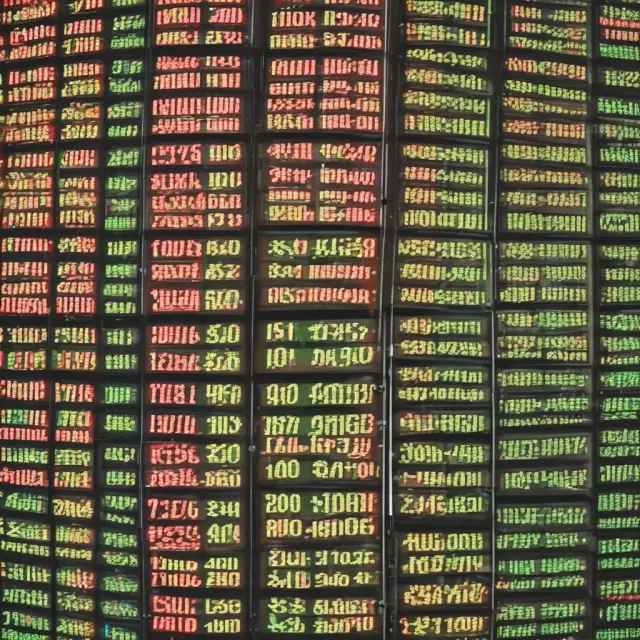
Examples of Depth of Market
To better understand the significance of depth of market (DOM) data in trading, let’s delve deeper into real-life examples of its use. Depth of market is a critical indicator for investors and traders as it reveals crucial information about an asset’s liquidity, volatility, and overall health.
Imagine you are a trader analyzing the stock of a well-established tech company like Apple (AAPL), which boasts a significant market capitalization and impressive trading volumes. In this context, AAPL represents an asset with a strong depth of market. By observing its DOM data, you can determine that numerous buy and sell orders are present at various price levels. This extensive list of pending orders allows you to execute large trades without causing a noticeable impact on the stock’s price.
Now, let’s contrast this example with a smaller, lesser-known company whose stock has a shallow depth of market. As a trader, you might find that there are only a handful of buy and sell orders available at any given price level for this company’s stock. This limited volume can make it challenging to execute larger trades without significantly affecting the stock’s price.
A crucial insight from these examples is that depth of market data plays a pivotal role in assessing an asset’s liquidity and volatility. Assets with deeper markets exhibit stronger trading volumes, enabling greater flexibility for traders to enter or exit their positions with minimal impact on the stock price. On the other hand, securities with shallow markets may be more prone to volatility due to the limited availability of buy and sell orders at various price levels.
Furthermore, depth of market is invaluable when it comes to capitalizing on short-term price movements or volatile events. For instance, when a company announces its initial public offering (IPO), traders can closely monitor its DOM data to identify potential buying or selling opportunities as the stock price reacts to this significant market event. By staying informed about the depth of market for various assets and reacting accordingly, investors and traders can potentially seize profitable trading opportunities while minimizing risk.
In summary, understanding depth of market (DOM) and its importance in the financial world goes beyond mere theory. Real-life examples demonstrate how DOM data is a crucial tool in assessing liquidity, volatility, and potential buying or selling opportunities for various assets. By analyzing DOM information, investors and traders can make informed decisions that lead to profitable outcomes while minimizing risk.

FAQs about Depth of Market and Its Use in Trading
Depth of market (DOM) is a crucial concept for investors and traders seeking insights into asset liquidity, price movements, and potential opportunities. DOM can be understood as an indicator of the current interest in a stock or other asset, providing valuable information for assessing optimal buy/sell decisions. In this section, we address some common FAQs about depth of market and its role in trading.
What is Depth of Market (DOM)?
Depth of market refers to the number of open buy and sell orders for a given asset such as stocks or futures contracts. It represents real-time supply and demand information, helping investors gauge liquidity, price movements, and potential opportunities.
How is Depth of Market Data Used?
DOM data is employed by traders to assess the likely direction of an asset’s price and determine the optimal time for buying or selling based on current demand levels. A strong depth of market indicates a high level of liquidity and stability, reducing the impact of large buy/sell orders on the asset price.
What is the Difference Between Depth of Market and Market Capitalization?
Although related, depth of market and market capitalization serve distinct purposes in investing. Market capitalization refers to a company’s total market value based on its outstanding shares and stock price, whereas depth of market measures the number of available buy and sell orders for a specific asset.
How Does Depth of Market Impact Volatility?
A deep market depth with numerous orders at various price levels can help reduce volatility since it allows traders to enter/exit positions more efficiently without significantly impacting the asset’s price. Conversely, assets with thin markets and fewer available orders may experience heightened volatility as a result of large buy/sell orders.
How Can Depth of Market Data Benefit Investors?
Depth of market data provides valuable insights into current market conditions, offering investors an edge when making decisions about buying or selling assets based on real-time liquidity and demand levels. This information can help minimize risk by enabling better entry/exit points and informed trading strategies.
 Next entry · No. 1,011Deregulation in Finance: History, Effects, and Implications
See also
-
 No. 1,740
30 Oct 2024
20 min
Understanding Gapping: Types, Causes and Trading Strategies in Finance
Business Finance
No. 1,740
30 Oct 2024
20 min
Understanding Gapping: Types, Causes and Trading Strategies in Finance
Business Finance -
 No. 1,713
26 Oct 2024
18 min
Fungibility in Finance: Understanding Fungible vs Non-Fungible Assets
Business Finance
No. 1,713
26 Oct 2024
18 min
Fungibility in Finance: Understanding Fungible vs Non-Fungible Assets
Business Finance -
 No. 1,438
15 Sep 2024
24 min
Understanding FAANG Stocks: A Comprehensive Overview of the Five Tech Giants Dominating Wall Street
Business Finance
No. 1,438
15 Sep 2024
24 min
Understanding FAANG Stocks: A Comprehensive Overview of the Five Tech Giants Dominating Wall Street
Business Finance -
 No. 1,208
12 Aug 2024
22 min
Understanding Economic Equilibrium: Concept, Types, and Implications for Investors
Economics
No. 1,208
12 Aug 2024
22 min
Understanding Economic Equilibrium: Concept, Types, and Implications for Investors
Economics -
 No. 885
25 Jun 2024
17 min
Understanding Dead Cat Bounces: Recognizing This Short-Lived Market Rally
Markets
No. 885
25 Jun 2024
17 min
Understanding Dead Cat Bounces: Recognizing This Short-Lived Market Rally
Markets -
 No. 590
01 May 2024
22 min
Understanding Calls in Finance: Options or Auctions?
Financial Tools
No. 590
01 May 2024
22 min
Understanding Calls in Finance: Options or Auctions?
Financial Tools