Understanding Development Economics: A Guide for Professional and Institutional Investors

Understanding Development Economics: A guide for professional investors. Learn historical contexts, modern theories, & real-life examples.
Introduction to Development Economics: What Is It and Why Is It Important?
Development economics is a specialized branch of economics that focuses on enhancing the fiscal, economic, and social conditions of developing countries. This field of study is particularly significant for professional investors because it deals with matters related to improving living standards, productivity, and economic growth in underdeveloped nations. Development economics encompasses various aspects including health, education, working conditions, market structures, population dynamics, international trade, globalization, sustainable development, and humanitarian aid, among others.
The term “development economics” emerged primarily to address the unique challenges faced by economies in transition from low-income to middle- and high-income status. In this context, understanding development economics is essential for investors who aim to allocate resources in a socially responsible manner while generating returns.
One of the earliest forms of development economics can be traced back to mercantilism, an economic theory practiced during the 16th through 18th centuries in Europe. Mercantilist policies aimed to strengthen the nation by limiting exports and promoting imports, optimizing domestic resources, and increasing national wealth (Bernard, 2014).
In modern times, development economics has been influenced by numerous theories and practices that have shaped its evolution. Some of these include economic nationalism, linear stages of growth model, and structural-change theory. By examining the historical background and underlying principles of each theory, investors can better comprehend their implications on contemporary economic policies and investment opportunities.
Understanding development economics is crucial for professional investors as it offers insights into the complexities of creating effective fiscal, monetary, trade, and social policies in developing economies. In the following sections, we will delve deeper into mercantilism as an early form of development economics and explore its relevance to modern economic policies.
Historical Context: Mercantilism – An Early Form of Development Economics (to be continued)
References:
Bernard, T. A. (2014). The History of Economic Thought: A Very Short Introduction. Oxford University Press.
Disclaimer: This section is intended for informational purposes only and should not be considered as investment advice or a recommendation to buy, sell, or hold any particular securities. It is recommended that you consult with a financial advisor for specific guidance regarding your individual situation.

Historical Context: Mercantilism – An Early Form of Development Economics
Mercantilism is considered one of the earliest forms of development economics, originating in Europe between the 16th and 18th centuries. This economic theory aimed to enhance a nation’s power by boosting its wealth through international trade and the regulation of economic activities within its borders (Sewell & Wood, 2004). Mercantilism emphasized the importance of maintaining a favorable balance of trade – exports exceeding imports (Cameron, 1964) – as a means to accumulate bullion, which was believed to increase national wealth and power (Hont, 2005).
The mercantilist state implemented several policies to achieve these objectives, including:
1. Colonial monopolies: Mercantilist states established colonial territories where they held exclusive trading rights and controlled production of raw materials (Sewell & Wood, 2004). This enabled them to maintain a monopoly on certain commodities, ensuring that these resources would be used primarily for the domestic market or sold at high prices in international markets.
2. Navigation acts: Mercantilist states enforced navigation acts, which required their ships to transport goods between the colonies and the metropole (Cameron, 1964). This policy aimed to limit foreign involvement in colonial trade and strengthen the domestic merchant fleet.
3. Protectionism: Mercantilist states employed protectionist measures such as high tariffs and import prohibitions to shield domestic industries from foreign competition (Cameron, 1964). This enabled these industries to grow and develop without being undercut by cheaper foreign alternatives.
4. State intervention: The mercantilist state played a significant role in shaping the economy through regulation and intervention (Sewell & Wood, 2004). For example, they imposed regulations on wages, prices, and production to ensure that domestic industries remained competitive.
The implications of mercantilism on modern economic policies can be seen in several ways:
1. Trade protectionism: Some countries still employ protectionist measures to shield their industries from foreign competition, a policy inherited from the mercantilist era.
2. Economic nationalism: Mercantilist ideas influenced economic nationalists, who advocated for restricting the movement of capital, goods, and labor in order to protect domestic industries and promote self-sufficiency.
3. Colonial economics: The legacy of colonial economics can be observed in the continued focus on resource extraction from developing countries by advanced economies, a practice that harks back to mercantilist principles (Amin, 1976).
4. Sovereignty over resources: Mercantilism’s emphasis on controlling valuable resources – both domestically and in its colonies – has influenced modern debates on economic sovereignty and resource nationalism (Hont, 2005).
Overall, understanding mercantilism is crucial for investors, policymakers, and students of economics as it provides insights into the historical foundations of development economics. This early economic theory laid the groundwork for modern economic policies aimed at promoting national prosperity through international trade and state intervention.
Modern Development Economic Theories
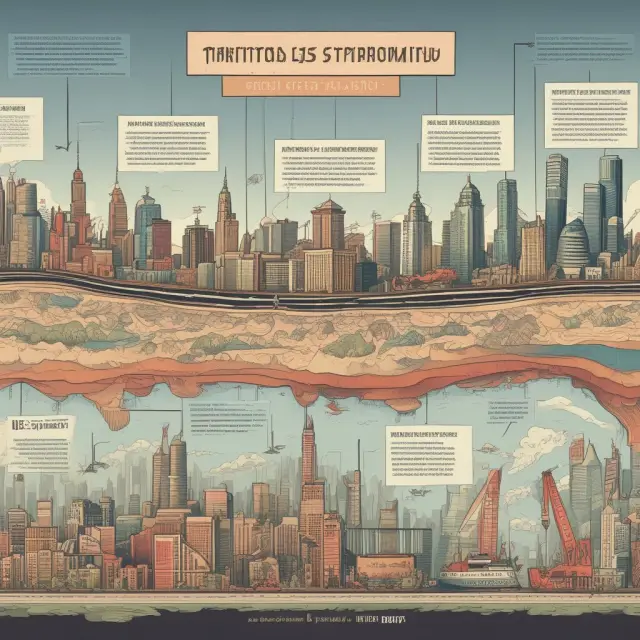
Development economics is a multifaceted discipline that encompasses various theories and approaches to understanding and transforming the economies of developing nations. Among these theories are Mercantilism, Economic Nationalism, Linear Stages of Growth Model, and Structural-Change Theory. In this section, we will provide an overview of these modern development economic theories.
1. Mercantilism: An Early Form of Development Economics
Mercantilism is considered one of the earliest forms of development economics, originating from Europe during the 16th to 18th centuries. Its primary objective was to strengthen a nation’s power and wealth by focusing on increasing exports while limiting imports. This economic theory emphasized government intervention in trade policies through the implementation of protectionist measures, such as tariffs and monopolies. Mercantilism aimed to create a favorable balance of trade and promote domestic industries through various means, including colonization, establishing trading companies, and imposing regulations on foreign trade. Although mercantilism has been criticized for its focus on national self-interest rather than international cooperation, it paved the way for modern economic theories, such as economic nationalism.
2. Economic Nationalism: A Modern Spin on Mercantilism
Economic nationalism shares some similarities with mercantilism but is more focused on domestic control and isolationism. It involves government intervention in protecting local industries through protectionist measures, like tariffs, quotas, and subsidies. Economic nationalism emphasizes self-sufficiency and the belief that domestic industries should be shielded from foreign competition to ensure their growth. While this economic theory can foster industrial development, it can also lead to trade tensions and barriers, hindering international cooperation and economic integration.
3. Linear Stages of Growth Model: A Sequential Approach to Development
The Linear Stages of Growth Model, also known as the “Harrod-Domar Model,” posits that there is a specific sequence or stages in the development process that countries must follow to achieve economic growth and industrialization. The model suggests that for an economy to transition from an agrarian stage to an industrial one, it must first focus on increasing agricultural productivity through capital investment, followed by investing in industry and services sectors. This linear approach emphasizes the importance of planning, investment, and saving in driving economic growth and development.
4. Structural-Change Theory: Adapting and Evolving Economies
Structural-change theory challenges the notion of a fixed sequence of stages or linear progression in economic development. Instead, this theory focuses on the dynamic nature of economies and their ability to adapt and evolve over time. By analyzing the shifts and transformations within an economy’s structure, structural-change theory provides valuable insights into the factors that drive economic growth, such as technological advancements, labor market changes, and institutional reforms. This approach highlights the importance of understanding the underlying structural aspects of an economy to create effective development policies.
In conclusion, modern development economic theories provide essential frameworks for understanding the complexities of developing economies and designing policies aimed at promoting sustainable and inclusive growth. By analyzing historical approaches like mercantilism and contemporary theories such as economic nationalism, linear stages of growth model, and structural-change theory, we can gain a deeper appreciation for the diverse perspectives and challenges within this field. Ultimately, these theories offer valuable insights into the interconnected factors that shape economic development and help inform professionals and institutional investors in their quest to make informed decisions and create positive change.

The Role of Globalization in Development Economics
Globalization, a term used to describe the increasing interconnectedness of economies around the world, has played a significant role in shaping development economics. This section will explore the impact of globalization on development economics and its implications for professional investors.
International Trade and Investment: Advantages and Disadvantages
One major component of globalization is international trade, which involves the exchange of goods, services, capital, and information between countries. International trade has several advantages including increased competition, access to a larger market, and greater economies of scale. For developing countries, exports can serve as a valuable source of foreign currency and contribute to economic growth.
However, globalization also presents challenges, particularly for less developed countries. They may face intense competition from more established exporting nations and struggle with adjusting their industries to meet international standards. In addition, globalization can lead to the displacement of domestic labor due to cheaper labor markets in other countries.
Navigating Globalization: Success Stories
Despite these challenges, there are numerous examples of developing countries that have successfully navigated globalization and reaped significant economic benefits as a result. South Korea is one such example. In the 1960s, South Korea was considered a developing country with an economy heavily reliant on agriculture. Through strategic government investment in industries and a focus on export-oriented growth, South Korea transformed its economy into a global powerhouse known for its technological innovations and manufacturing capabilities.
Another example is China, which has experienced rapid economic growth since it embraced market reforms in the late 1970s. By joining the World Trade Organization in 2001, China further integrated itself into the global economy, leading to increased exports and foreign investment. The country’s success story is a testament to the potential opportunities that globalization offers for developing countries.
Conclusion:
In conclusion, understanding the role of globalization in development economics is essential for professional investors. By examining the advantages and disadvantages of international trade and investment, as well as examples of successful economic transformations, we can gain valuable insights into how to navigate this complex and ever-changing field. Stay tuned for more in-depth discussions on the theories and practices that shape development economics.
In the upcoming sections, we will delve deeper into the historical context of development economics through a discussion of mercantilism as an early form of the field. We will also explore modern development economic theories such as economic nationalism and the linear stages of growth model. Additionally, we’ll look at the importance of social and human development in development economics and the future trends, challenges, and opportunities that lie ahead.

Importance of Social and Human Development in Development Economics
Social and human development play a pivotal role in economic growth and overall national progress. This section delves into understanding the significance of education, healthcare, and other essential social factors in the realm of development economics.
The interconnected nature of social and economic advancement is widely recognized by economists and policymakers alike. The World Bank defines human development as “the process of enlarging people’s freedoms and opportunities and improving their quality of life.” This perspective aligns with the goal of development economics, which seeks to foster a better living standard for individuals within developing countries through comprehensive policies.
Education: An Investment in Human Capital
The importance of education as a catalyst for economic growth cannot be overstated. In the context of development economics, investing in education is considered an investment in human capital—an asset that enhances individual skills and capabilities, making them more productive contributors to society and the economy. A well-educated workforce not only leads to labor market advantages but also drives innovation and technological progress.
According to the World Bank, each additional year of education raises a person’s potential earnings by 10%. Furthermore, it is estimated that increasing literacy rates by just one percentage point can increase economic growth by 0.3% per annum. These figures underline the significant long-term benefits that an investment in education provides for both individuals and economies.
Healthcare: Foundation of Human Capital and Productivity
Access to quality healthcare is another crucial social factor that plays a decisive role in development economics. Healthy workers are more productive, leading to increased labor force participation and overall economic growth. Moreover, better health outcomes enable a larger portion of the population to contribute economically instead of being burdened by illnesses or disabilities.
The World Bank reported that an improvement of just one standard deviation in health can lead to a 10% increase in per capita income. This statistic underscores the significant impact healthcare has on a nation’s economic progress and overall well-being.
Investment in human capital through education and healthcare ultimately translates into higher productivity levels, increased competitiveness, and improved living standards for individuals within developing countries. The role of these social factors cannot be ignored when devising development policies or formulating strategies aimed at fostering sustainable economic growth.
By acknowledging the importance of social and human development in development economics, policymakers can focus on implementing comprehensive policies that address both economic and social needs, ensuring a more balanced and sustainable approach to growth.

Economic Growth: Measuring Development Economics Success
Development economics is a crucial branch of economics that aims to enhance economic conditions in developing countries by focusing on areas such as health, education, working conditions, market structures, policies, and more. A significant aspect of development economics is measuring the success and progress towards sustainable economic growth. In this section, we will discuss key performance indicators, Gross Domestic Product (GDP), and interpreting data to assess development progress.
Key Performance Indicators for Economic Growth
Key Performance Indicators (KPIs) are quantifiable measures used to evaluate the success of an organization’s strategic objectives. In the context of development economics, KPIs are employed to gauge a country’s economic advancement and growth trajectory. Some commonly used KPIs include:
- Gross Domestic Product (GDP): Represents the total value of all goods and services produced within a country during a specific period.
- Per Capita Income: The average income earned per person in a nation.
- Human Development Index (HDI): A multidimensional index that assesses a country’s overall human development by measuring health, education, and income.
- Poverty Rate: The percentage of the population living below a specific poverty line.
- Employment Rates: The proportion of the labor force that is currently employed.
- Inflation: The rate at which prices for goods and services rise over time.
- Foreign Direct Investment (FDI): Capital investment made by a foreign company in the domestic economy.
- Balance of Trade: The difference between a country’s imports and exports.
Gross Domestic Product (GDP) and Other Relevant Measures
Gross Domestic Product (GDP), a fundamental KPI, is an essential metric used to gauge a nation’s economic progress. GDP measures the total value of all goods and services produced in a country during a specific time period. It provides insight into a country’s overall production level and economic output.
Interpreting Economic Data to Assess Development Progress
Development economists analyze various economic indicators to assess development progress and create evidence-based recommendations for policymakers. These data points help determine the impact of specific policies, identify growth opportunities, and evaluate a country’s economic trajectory. When interpreting economic data, it is essential to consider both quantitative and qualitative aspects and explore potential implications on various dimensions, such as poverty reduction, social development, and environmental sustainability.
In conclusion, measuring the success of development economics is crucial for determining effective policy recommendations and assessing a nation’s progress towards sustainable economic growth. By focusing on key performance indicators (KPIs), understanding Gross Domestic Product (GDP) and other relevant measures, and interpreting data, development economists can provide valuable insights and help shape the future of developing nations.

The Future of Development Economics: Trends, Challenges, and Opportunities
Development economics is a dynamic and continually evolving field that aims to improve the economic conditions in developing countries by understanding and shaping fiscal, social, and economic policies. As we look towards the future, there are several trends, challenges, and opportunities that are reshaping the landscape of development economics. In this section, we will discuss these trends, explore their implications for development economics researchers, and identify potential investment opportunities.
Technological Advancements: The Digital Revolution
The rapid pace of technological advancements has been a game-changer for developing countries, with mobile technologies, e-commerce platforms, and digital finance creating new opportunities for economic growth. For instance, mobile technology has enabled better access to financial services and improved communication between businesses and consumers (World Bank, 2017). Moreover, e-commerce platforms like Alibaba and Jumia have transformed the retail landscape in developing countries by connecting buyers and sellers across borders (Alibaba Group, 2022; Jumia, 2022). This trend is expected to continue, with the digital economy projected to grow at a CAGR of 17.8% from 2022 to 2026 (GlobalData, 2022).
Implications for Development Economics Researchers
Development economics researchers will need to stay up-to-date with the latest technological trends and their implications on economic growth in developing countries. This includes understanding how digital technologies can be used to address various development challenges such as poverty, education, health, and employment (World Bank, 2016).
Investment Opportunities
Investors looking to capitalize on this trend could consider investing in technology companies operating in developing countries or those that provide services related to digital transformation. These may include e-commerce platforms, fintech startups, and mobile technology providers (World Bank, 2016).
Globalization and Trade
Globalization has been a key driver of economic growth for many developing countries over the past few decades. The increasing integration of economies through trade agreements such as the World Trade Organization (WTO) and the Regional Comprehensive Economic Partnership (RCEP) has created opportunities for developing countries to expand their exports, attract foreign investment, and improve their competitiveness (World Bank, 2016). However, the COVID-19 pandemic and geopolitical tensions have posed challenges to the global trade system.
Implications for Development Economics Researchers
Development economics researchers will need to closely monitor the impact of these challenges on global trade patterns and assess how developing countries can adapt to this changing environment. This includes understanding the potential implications of protectionist policies and the role of regional trade agreements in promoting economic growth (World Bank, 2016).
Investment Opportunities
Despite the challenges faced by the global trade system, there are still opportunities for investors in this sector. For instance, countries that have successfully diversified their economies and focused on export-oriented industries such as technology, healthcare, and renewable energy may be better positioned to weather these challenges (World Bank, 2016).
Sustainability and the Environment
As the world grapples with the pressing issues of climate change, resource scarcity, and environmental degradation, there is an increasing focus on sustainable development. This involves finding ways to promote economic growth while minimizing negative impacts on the environment and preserving natural resources for future generations (World Bank, 2016).
Implications for Development Economics Researchers
Development economics researchers will need to explore innovative solutions for promoting sustainable economic growth in developing countries. This may include understanding the role of green technologies, circular economy principles, and public-private partnerships in driving sustainable development (World Bank, 2016).
Investment Opportunities
Investors looking to capitalize on this trend could consider investing in companies that focus on renewable energy, green technologies, or sustainable agriculture. These investments not only offer potential financial returns but also contribute to a more sustainable future for developing countries (World Bank, 2016).
Conclusion
The future of development economics is shaped by a number of trends, challenges, and opportunities that will continue to reshape the economic landscape in developing countries. By staying informed about these developments and understanding their implications, development economics researchers and investors can position themselves to capitalize on new opportunities and contribute to sustainable economic growth in developing countries.

Success Stories: Examples of Countries That Have Transformed Their Economies Through Development Economics
Development economics offers valuable insights into how countries can transform their economies and improve their social conditions. This section examines a few case studies of successful economic transformations, exploring the lessons learned and best practices from these nations.
Firstly, South Korea provides an inspiring example. In the 1950s, this nation was ravaged by poverty and devastation following World War II. With a clear focus on heavy industry and export-led growth strategies, South Korea’s economy rapidly industrialized. The government played a crucial role in this transformation through targeted investments, education reforms, and protectionist trade policies. Today, South Korea is a global economic powerhouse, ranking 12th in the world by nominal Gross Domestic Product (GDP), according to World Bank data from 2020.
A second example comes from China. In the late 1970s, following years of economic stagnation and political turmoil, China embarked on a journey towards market-oriented reforms. With a focus on opening up its economy, adopting free trade practices, and investing in infrastructure, China experienced explosive growth, becoming the world’s largest exporter by 2013.
India is another compelling case study. Once known as the “Sick Man of Asia,” India adopted structural adjustment policies in the late 1980s, focusing on liberalizing its economy and opening up to global trade. As a result, the Indian economy grew at an average rate of over 7% per annum between 2003 and 2013. This impressive growth was driven by several factors including deregulation, privatization, and increased foreign investment.
These success stories demonstrate that development economics, with its focus on improving fiscal, economic, and social conditions in developing countries through targeted policies and interventions, can play a crucial role in transforming economies and lifting nations out of poverty. It is essential for professional investors to understand the historical context and theories behind development economics, as well as current trends and challenges, to make informed investment decisions and navigate this complex field.
By studying the success stories of South Korea, China, India, and other countries that have transformed their economies through development economics, we can identify best practices and lessons learned for today’s investors, policymakers, and students. These insights offer valuable knowledge and perspective on how to create sustainable economic growth in a globalized world while addressing the complex social, political, and cultural challenges that come with economic transformation.

The Role of Government in Development Economics
Development economics is a dynamic discipline that examines ways to improve economic conditions in developing countries, focusing on areas such as health, education, working conditions, domestic policies, and international markets. An integral part of this field involves understanding the role of governments in shaping development economics through various policies and interventions.
Government plays a crucial role in development economics due to its power to implement fiscal, monetary, and structural measures that can significantly impact a country’s economy. Throughout history, different economic theories have emphasized various aspects of government intervention in development economics, such as mercantilism, nationalism, or the linear stages of growth model.
Mercantilism, an early form of development economics, was characterized by a focus on state control and protectionist trade policies. Mercantilist governments sought to maximize their wealth by increasing exports and limiting imports, regulating markets, and developing their domestic industries. This approach emphasized government intervention to promote economic growth, as seen in the historical context of European colonies.
In contrast, economic nationalism views government intervention through the lens of protectionist policies and trade barriers to protect local industries from foreign competition. Nationalist governments aim to promote self-sufficiency and economic self-determination, limiting the influence of external actors on their economies.
More recent development economics theories, such as the linear stages of growth model, suggest that a well-designed public sector role is essential for long-term economic growth and industrialization. This approach involves targeted investments in infrastructure, education, and research to boost productivity and create sustainable development.
Despite the diverse perspectives on government intervention in development economics, one common theme remains: the recognition of the potential impact that government policies can have on a country’s economic progress. In light of this, understanding the role of government in shaping development economics is crucial for professional investors and policymakers alike.
In the next section, we will delve deeper into historical examples of government interventions in development economics, beginning with mercantilism as an early form of the field.

FAQ: Frequently Asked Questions about Development Economics
Development economics is a specialized area within economics that focuses on improving fiscal, economic, and social conditions in developing countries. It analyzes key factors affecting development, including health, education, working conditions, domestic and international policies, and market conditions. Here are some common questions about development economics and their answers:
**1. What Is Development Economics?**
Development economics is a branch of economics that seeks to understand and shape macro and microeconomic policies in order to lift poor countries out of poverty. It emphasizes the unique challenges and complexities faced by developing nations due to their diverse social, cultural, and economic backgrounds.
**2. What Are Some Key Theories in Development Economics?**
Four prominent theories of development economics include:
- Mercantilism: An early economic theory focusing on government regulation and the promotion of a trade surplus.
- Economic nationalism: Policies that prioritize domestic control over capital formation, economy, and labor through tariffs or other barriers.
- Linear stages of growth model: A post-WWII approach emphasizing industrialization as the key to economic development.
- Structural-change theory: The focus on transforming a nation’s overall economic structure from agrarian to industrial.
**3. How Does Development Economics Differ From Regular Economics?**
Regular economics, also known as ‘mature economies,’ deals primarily with the functioning and efficiency of developed markets. In contrast, development economics is concerned with the unique challenges faced by developing nations.
**4. Who Are Some Prominent Figures in Development Economics?**
Some notable figures in development economics include Jeffrey Sachs, Hernando de Soto Polar, and Nobel Laureates Simon Kuznets, Amartya Sen, and Joseph Stiglitz.
**5. What Role Does the Government Play in Development Economics?**
The government plays a crucial role in development economics by creating policies to improve fiscal, economic, and social conditions. These interventions can include infrastructure investment, education initiatives, trade agreements, or targeted financial assistance for specific sectors.
**6. How Can Development Economics Be Applied?**
Development economics is used as a tool for policymakers, economists, and students to create theories, methods, and practices that can be implemented at the domestic and international policy level. It considers factors such as population growth, industrialization, education, healthcare, and sustainable development.
**7. What Challenges Face Developing Countries?**
Developing countries face numerous challenges including weak infrastructure, limited access to education and healthcare, political instability, and a lack of economic diversification. Addressing these challenges requires a multifaceted approach that considers both the macroeconomic and microeconomic factors affecting development.
 Next entry · No. 1,020Understanding Degree of Financial Leverage (DFL) – Magnifying Profits and Risks
See also
-
 No. 4,005
14 May 2025
19 min
Understanding Political Economy: A Comprehensive Guide for Institutional Investors
Economics
No. 4,005
14 May 2025
19 min
Understanding Political Economy: A Comprehensive Guide for Institutional Investors
Economics -
 No. 3,413
26 Mar 2025
18 min
Understanding Net Foreign Factor Income (NFFI) in Finance and Investment
Economics
No. 3,413
26 Mar 2025
18 min
Understanding Net Foreign Factor Income (NFFI) in Finance and Investment
Economics -
 No. 2,163
15 Dec 2024
25 min
Understanding Hollowing Out: The Deterioration of Middle-Class Manufacturing Jobs and Its Socioeconomic Consequences
Economics
No. 2,163
15 Dec 2024
25 min
Understanding Hollowing Out: The Deterioration of Middle-Class Manufacturing Jobs and Its Socioeconomic Consequences
Economics -
 No. 1,219
14 Aug 2024
20 min
Economic Growth: Understanding Its Phases, Measurement, and Drivers
Economics
No. 1,219
14 Aug 2024
20 min
Economic Growth: Understanding Its Phases, Measurement, and Drivers
Economics -
 No. 686
21 May 2024
22 min
The Illusion of Closed Economies: Understanding Self-Sufficiency in Today’s Global Market
Economics
No. 686
21 May 2024
22 min
The Illusion of Closed Economies: Understanding Self-Sufficiency in Today’s Global Market
Economics -
 No. 612
07 May 2024
24 min
Capitalism: An Economic System Built on Private Property Rights and the Profit Motive
Economics
No. 612
07 May 2024
24 min
Capitalism: An Economic System Built on Private Property Rights and the Profit Motive
Economics