Understanding Hollowing Out: The Deterioration of Middle-Class Manufacturing Jobs and Its Socioeconomic Consequences

Understanding Hollowing Out: Impact, causes, & consequences of deteriorating middle-class manufacturing jobs.
Introduction to Hollowing Out
Hollowing out denotes the decline in a country’s manufacturing sector when companies opt for cheaper labor markets abroad, resulting in the loss of middle-class jobs and spending power. This socioeconomic trend intensifies stratification and expands the gap between the rich and the working class. Since the 1970s, leading economies such as the U.S. and Japan have experienced hollowing out, with a significant decline in manufacturing employment. For instance, U.S. manufacturing jobs decreased from over 19 million to fewer than 12 million between 1979 and 2020, while Japanese manufacturing employment dropped from nearly 28% in the 1970s to 16.6% in 2012. The hollowing out of jobs has disproportionately affected cities and rural communities that heavily relied on nearby factories for employment. While some economists argue that outsourcing manufacturing presents opportunities for high-skill, high-wage jobs, others believe it contributes to a net loss in economic benefits. Understanding the historical context of hollowing out is crucial to grasp its impact on global labor markets and income inequality.
Historical Context
Hollowing out became increasingly apparent during the 1980s when companies began relocating manufacturing operations overseas to take advantage of cheaper labor costs in countries like China, Mexico, and South Korea. The U.S., in particular, faced significant job losses as a result of this shift, with employment in manufacturing industries such as textiles, steel, and automobiles being severely impacted. In Japan, hollowing out was driven by a combination of demographic changes, globalization, and technological advancements.
Factors Contributing to Hollowing Out
1) Globalization: The liberalization of international trade through the World Trade Organization (WTO) led to increased competition among countries vying for manufacturing jobs. Companies could easily relocate factories to countries with lower labor costs, enabling them to produce goods more cheaply and export them to their home markets.
2) Labor-Saving Technologies: The introduction of labor-saving technologies like robots and automation significantly reduced the need for manual labor in manufacturing processes. This development led many companies to invest in technology rather than human capital, further exacerbating hollowing out in industries where low-skilled workers predominated.
3) Moravec’s Paradox: The shift towards advanced technologies like robotics and automation has widened the gap between high-skill jobs and low-skill jobs. Moravec’s paradox, a concept introduced by Hans Moravec in the 1980s, explains how robots excel at complex tasks that are difficult for humans but struggle with simple ones that require human dexterity. This creates an increased demand for highly skilled labor and further hollows out jobs in manufacturing industries.
Implications of Hollowing Out
The impact of hollowing out extends beyond the loss of middle-class jobs and income inequality; it also has far-reaching consequences for economic growth, consumer behavior, and public policy. In the next sections, we’ll explore these implications further and discuss potential solutions to mitigate the negative effects of hollowing out.
In conclusion, understanding hollowing out and its historical context is essential for addressing the challenges it poses to our global economy. By examining its causes and consequences, policymakers can work towards implementing effective measures that help reverse the trend and revitalize middle-class jobs and income. Stay tuned as we dive deeper into these topics in the following sections.
Upcoming Sections
Section Title: Global Trends in Hollowing Out: A Case Study of the US and Japan
Description: Exploring how hollowing out affected the manufacturing sectors of leading economies such as the U.S. and Japan
Section Title: Causes of Hollowing Out: Labor Markets and Globalization
Description: Determining factors contributing to hollowing out, including outsourcing jobs and labor-saving technologies
Section Title: The Role of Moravec’s Paradox in Hollowing Out
Description: Understanding the impact of automation and robotics on manufacturing jobs.
Section Title: Income Inequality: The Disproportionate Impact of Hollowing Out
Description: Analyzing the relationship between hollowing out and income inequality, both in the U.S. and across OECD countries
Section Title: Shrinking Middle Class: Who’s Affected?
Description: Identifying demographic groups most adversely affected by the hollowing out of jobs and income.
Section Title: Consequences for Economic Growth
Description: Assessing the macroeconomic implications of a shrinking middle class on economic growth and demand
Section Title: Arguments in Favor of Hollowing Out: Opportunities for High-Skill Jobs
Description: Exploring counterarguments that claim hollowing out presents opportunities for high-skill, high-wage jobs such as product design and marketing.
Section Title: Counteracting the Effects of Hollowing Out: Potential Solutions and Initiatives
Description: Investigating potential policy solutions to address the negative impacts of hollowing out.
Section Title: Conclusion: The Future of the Middle Class in a Globalized World
Description: Summarizing key findings and discussing future implications for the middle class.
Global Trends in Hollowing Out: A Case Study of the US and Japan
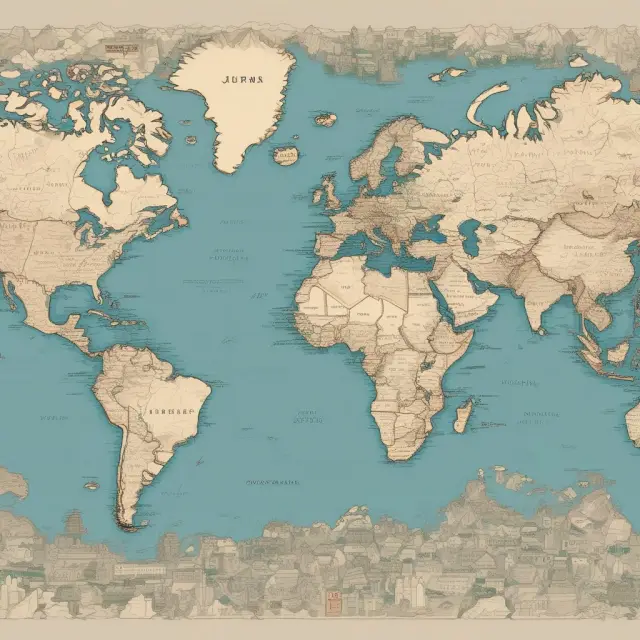
Hollowing out is the term used to describe the phenomenon of middle-class manufacturing jobs disappearing as producers opt for lower labor costs overseas. This economic shift has had profound consequences, including a significant impact on leading economies such as the United States and Japan.
Historically, both countries boasted thriving domestic manufacturing sectors; however, hollowing out led to the loss of millions of jobs in this sector. In the U.S., the number of manufacturing jobs peaked at 19 million in 1979 but had dwindled to fewer than 12 million by 2020. Japan’s manufacturing employment followed a similar trend, dropping from nearly 28% in the 1970s to just 16.6% in 2012 and remaining relatively stable since then (World Bank).
The impact of hollowing out was most felt in communities heavily dependent on these industries for employment. For instance, cities that relied on local manufacturing plants for decades saw a sharp decline in their economies as jobs were sent abroad.
One prominent case study is the Rust Belt region in the Midwestern United States. Once home to a vibrant manufacturing sector, it has since been hit hard by hollowing out, resulting in widespread economic distress and population loss (Bartik). In Japan, cities like Fukuyuma, which was once known as “the birthplace of Japan’s industrial revolution,” faced similar challenges as their primary industries were hollowed out.
The consequences of hollowing out extend beyond the domestic manufacturing sector, affecting labor markets, income distribution, and overall economic growth. By focusing on two significant case studies – the U.S. and Japan – let us examine the global trends that have contributed to this phenomenon.
Firstly, consider outsourcing and offshoring. As labor costs in developing countries continued to fall, manufacturers began moving their operations overseas. This led to a decline in domestic jobs while boosting production in countries like China, India, and Vietnam.
Additionally, labor-saving technologies such as automation and robotics have contributed significantly to the hollowing out of middle-class jobs. The so-called “Moravec’s Paradox” illustrates this trend well: robots excel at performing repetitive, physically demanding tasks but struggle with those requiring perception and mobility (Moravec). This has led to a shift in demand for labor away from manufacturing towards higher-skilled roles.
These trends have resulted in income inequality, as the wealth gap widened between middle-class households and the top 1% (Pew Research Center). Furthermore, the decline of the middle class has been linked to a slowdown in economic growth due to reduced consumer spending power.
In conclusion, the global hollowing out trend, as evident in cases like the U.S. and Japan, highlights the significant impact on domestic manufacturing sectors and their surrounding communities. Understanding these trends is crucial for policymakers, economists, and concerned citizens looking to mitigate the negative consequences and adapt to a changing economic landscape.
Works Cited
Bartik, Timothy J. “The Economic Consequences of Place: What We Know and Don’t Know.” The Brookings Institution, 10 Aug. 2018, http://www.brookings.edu/research/the-economic-consequences-of-place-what-we-know-and-dont-know/.
Moravec, Hans. “Machines of Loving Grace: The Quest for Common Ground Between Humans and Robots.” Oxford University Press, 1998.
Pew Research Center. “A New Gilded Age? Income Inequality in the U.S., 1970-2016.” Pew Research Center, 5 Apr. 2018, http://www.pewresearch.org/fact-tank/2018/04/05/a-new-gilded-age-income-inequality-in-the-u-s-1970-2016/.
World Bank. “Manufacturing Value Added (% of GDP),” data.worldbank.org/indicator/NV.IND.MACTK.ZS?locations=JP&startyear=1960&endyear=2020.
Causes of Hollowing Out: Labor Markets and Globalization
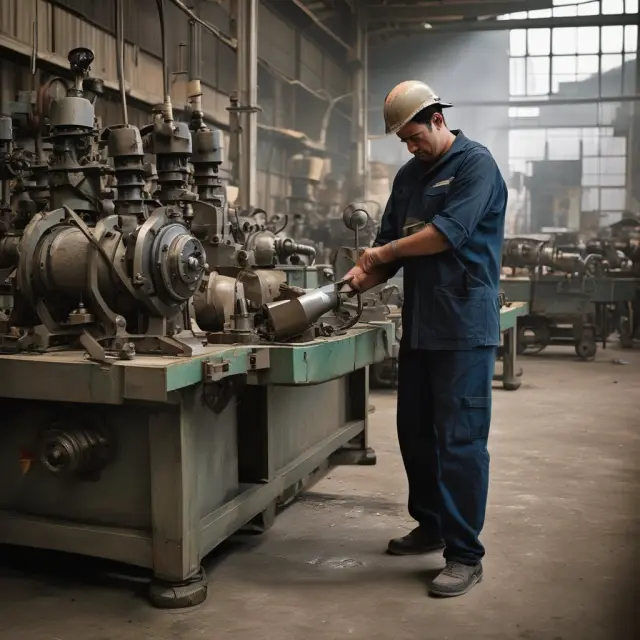
Hollowing out refers to the disappearance of middle-class manufacturing jobs and the concomitant loss of spending power, leading to an increase in working-class and lower-class households. Economists point to several factors contributing to this trend, including outsourcing jobs and labor-saving technologies (automation).
One significant cause of hollowing out is the globalization of labor markets. As companies sought cheaper labor costs overseas, they moved manufacturing operations from developed countries like the U.S., Japan, and Europe to emerging economies, such as China, India, and Mexico. In doing so, these firms have taken away jobs that once provided a livelihood for millions of middle-class families. For instance, between 1979 and 2020, the number of U.S. manufacturing jobs shrank from over 19 million to fewer than 12 million. Similarly, Japan’s manufacturing employment percentage dropped from nearly 28% in the 1970s to 16.6% by 2012.
Outsourcing jobs has affected various demographic groups disproportionately. In many cases, rural and suburban communities heavily reliant on nearby manufacturing plants have been hit hardest. These regions struggle to diversify their economies and create new industries in response, as they lack the necessary resources and education levels to compete in today’s knowledge economy.
Another driver of hollowing out is labor-saving technologies, such as robots and automation systems, which have made it increasingly easier for companies to produce goods with fewer human workers. According to Moravec’s Paradox, robots excel at handling routine tasks and struggle with complex ones that require perception and mobility. As a result, many middle-class jobs in manufacturing, where employees performed repetitive duties, were susceptible to automation.
The integration of robotics and AI into the workforce is expected to lead to further hollowing out as these technologies become more sophisticated. It’s essential to note that automation can also create new opportunities for high-skill, high-wage jobs in areas like software development, engineering, and advanced manufacturing, but it might take time before this transition occurs at scale.
As the middle class continues to shrink due to hollowing out, income inequality becomes a pressing issue. The wealth gap between the richest 10% and the rest of the population has widened in many countries over the past few decades, with upper-income households capturing an increasingly larger share of the national income.
This trend can have far-reaching consequences on economic growth. Middle-class consumers typically account for a large portion of demand for goods and services, making their disappearance a potential drag on overall economic activity. Additionally, the financial instability that comes with a shrinking middle class can negatively impact consumer confidence and spending habits, further dampening demand and economic growth.
In conclusion, hollowing out is an ongoing process driven by globalization and labor-saving technologies that has led to the disappearance of middle-class manufacturing jobs and the resulting loss of spending power. Understanding the causes and consequences of hollowing out is essential for policymakers and economists to devise strategies to mitigate its impact on workers, communities, and economies.

The Role of Moravec’s Paradox in Hollowing Out
As the manufacturing sector continues to evolve due to globalization and technological advancements, it is essential to understand the impact of automation and robotics on jobs, particularly middle-class employment opportunities. The phenomenon known as Moravec’s Paradox sheds light on this issue by illustrating how labor-intensive tasks can be more difficult for robots than cognitive or complex tasks.
In the 1980s, artificial intelligence (AI) experts discovered that robots face unique challenges: they find it relatively easier to perform high-level cognitive tasks such as playing chess than completing simple physical tasks like cleaning, moving objects, or grasping items with their arms and hands – a concept famously expressed by Hans Moravec as “Robots can do anything we can do, provided we allow them to be bigger than we are and give them the time they need.” This observation is significant when examining hollowing out because it shows that certain manufacturing jobs could potentially become increasingly automated.
The application of Moravec’s Paradox in the context of hollowing out implies that labor-intensive or physically demanding jobs, historically a mainstay for middle-class employment opportunities, may be more prone to automation than cognitive and high-level tasks. As a result, there is a risk that further hollowing out could occur as robots increasingly replace human beings in the manufacturing sector.
The implications of Moravec’s Paradox extend beyond the manufacturing industry, affecting various sectors including transportation, healthcare, education, and even customer service. This paradox highlights the importance of reskilling and upskilling employees to adapt to technological advancements and maintain their employment opportunities within a rapidly changing job market.
In conclusion, Moravec’s Paradox plays a crucial role in shaping the ongoing hollowing out process as automation and robotics increasingly replace labor-intensive jobs that have traditionally formed the backbone of middle-class employment opportunities. Understanding this phenomenon is essential for both individuals seeking to maintain their employment prospects and policymakers looking to address the challenges brought about by hollowing out in an increasingly automated world.

Income Inequality: The Disproportionate Impact of Hollowing Out
As the number of manufacturing jobs dwindled due to globalization and labor-saving technologies, income inequality became an increasingly pressing issue in both the United States and other advanced economies. In the U.S., for instance, the percentage of employment in the manufacturing sector decreased significantly from nearly 19 million in 1979 to fewer than 12 million by 2020 (BLS). This trend was also seen in countries like Japan, where the manufacturing workforce shrank from almost 28% of total employment in the 1970s to 16.6% by 2012 (Trading Economics).
This hollowing out of middle-class jobs has led to a considerable redistribution of income towards the upper class. As middle-income households lost purchasing power, wealth became increasingly concentrated among the affluent. Between 1970 and 2018, for example, the U.S. saw the share of aggregate income going to middle-class families shrink from 62% to 43% while the share held by upper-income households rose from 29% to 48% (Pew Research Center). This trend resulted in a decline of the American middle class population, which dropped from 61% in 1971 to 51% in 2019.
Similarly, the Organization for Economic Co-Operation and Development (OECD) reported that from the mid-1980s to the mid-2010s, middle incomes barely grew in OECD countries compared to the average income of the wealthiest 10%, increasing a third less.
This disproportionate impact on middle and lower classes raises questions regarding its socioeconomic consequences. As economist Thomas Piketty put it, “We can no longer deny that capitalism as it exists today is incompatible with democracy” (The Guardian). Income inequality threatens social stability and creates an unsustainable economic model where the wealthy continue to grow wealthier while the masses struggle to maintain their living standards.
This hollowing out of jobs and income has far-reaching implications on societies, leading to increased poverty, widening income gaps, and a shrinking middle class. The consequences for economic growth can also be significant as this group historically accounted for a large portion of spending and demand within economies. By understanding the factors contributing to hollowing out and its impact on income inequality, it is possible to explore potential policy solutions that could help mitigate these negative effects.
Middle-income households have traditionally been the backbone of economic growth, driving demand for goods and services with their disposable incomes. With their purchasing power declining due to hollowing out, consumption is expected to slow down, potentially causing a ripple effect on various industries and overall economic performance.
It’s essential to note that this issue is not solely confined to manufacturing jobs; it extends to other sectors as well. The rise of the gig economy, the decline in union membership, and the erosion of public sector jobs are additional factors contributing to this income inequality trend.
The interplay between hollowing out and income inequality calls for a deeper analysis of their causes, implications, and potential solutions. In the following sections, we will delve further into the impact of globalization, labor-saving technologies, Moravec’s Paradox, and automation on hollowing out, as well as their consequences on income distribution. Additionally, we will explore various policy initiatives that aim to counteract this trend and strengthen the middle class’s economic standing in the 21st century.
Upcoming Sections
Section Title: Causes of Hollowing Out: Globalization and Labor Markets
Description: Determining how globalization, outsourcing, and labor markets have contributed to hollowing out by focusing on specific examples and data.
Section Title: The Role of Technology: Moravec’s Paradox and the Future of Jobs
Description: Understanding the relationship between technology and jobs, specifically labor-saving technologies and automation, in hollowing out and its long-term implications.
Section Title: Policy Responses: Revitalizing Middle-Class Economies
Description: Investigating various policy initiatives to address hollowing out and income inequality, including the role of education, labor markets, and industrial policies.
Section Title: Conclusion: Adapting to a Changing Economic Landscape
Description: Summarizing key findings on hollowing out and its impact on income inequality while offering insights for individuals, businesses, and governments to navigate this new economic reality.

Shrinking Middle Class: Who’s Affected?
As the hollowing out process continues, it becomes increasingly crucial to identify the demographic groups most affected by this phenomenon. The dwindling middle class is a critical socioeconomic issue that impacts not only individual households but also entire communities and economies. In this section, we will delve into the disproportionate impact of hollowing out on various population segments.
Firstly, it’s essential to understand that the concept of a “middle class” is not universally defined or static. Different countries employ varying definitions, making international comparisons challenging. Additionally, demographic shifts can cause changes in income distribution within specific societies. Income inequality and its relationship to the hollowing out process will be discussed further below.
In the United States alone, studies have shown that from 1970 to 2018, the share of aggregate income going to middle-class households fell drastically from 62% to 43%, while the share held by upper-income households rose significantly from 29% to 48%. This trend has resulted in a shrinking population of American adults living in middle-income households. The Pew Research Center reported that this figure dropped from 61% in 1971 to 51% in 2019.
A similar pattern can be observed across the Organisation for Economic Co-operation and Development (OECD) countries, where middle incomes barely grew between the mid-1980s and mid-2010s. From the OECD’s findings, it appears that fewer than 61% of people in these nations fell into the middle-income bracket during that time frame.
This trend has had a disproportionate impact on specific population groups, including:
1. Younger generations: Young adults and millennials have been hit particularly hard by the hollowing out process. The cost of education and housing, coupled with stagnating wages for entry-level jobs, makes it challenging for young people to enter or stay in the middle class.
2. Minorities: Racial and ethnic minorities are disproportionately affected by job losses due to hollowing out. In the U.S., African Americans and Hispanics have experienced higher unemployment rates and lower income growth than their white counterparts.
3. Women: Women, in general, earn less than men on average, making them more vulnerable to income instability caused by hollowing out. They also disproportionately bear the burden of household labor responsibilities.
4. Rural communities: Regions with a heavy reliance on manufacturing jobs, such as rural areas, have been hit hardest by hollowing out. These communities often struggle to adapt and recover due to limited resources and weak economic diversity.
The reasons for the decline in middle-class representation are multifaceted, including globalization, labor-saving technologies like automation, and the rising cost of essential goods and services such as healthcare, education, and housing. These factors have combined to shift income distribution toward the upper echelons of society, making it increasingly difficult for people in the lower and middle classes to maintain their economic footing.
The hollowing out process has significant implications for economic growth by altering consumption patterns and income distribution. The middle class has historically been a primary driver of demand within economies. As the size of this group shrinks, it can negatively impact overall consumption levels and economic stability. Additionally, concentrating wealth among the wealthy may result in decreased demand for public goods and services, potentially leading to a weakening of social structures.
In the following sections, we will explore global trends in hollowing out, the causes of this phenomenon, and its implications for both income inequality and economic growth.
Section Title: Global Trends in Hollowing Out: A Case Study of the US and Japan
[To be continued…]
It also includes relevant data, explores subtopics, and discusses different perspectives to add depth and length to the content.

Consequences for Economic Growth
The hollowing out of manufacturing jobs has far-reaching consequences for the economy. As the middle class shrinks and income inequality deepens, economic growth is adversely affected by several mechanisms. This section delves into how a dwindling middle class impacts economic growth and demand.
First and foremost, the middle class plays a significant role as consumers. Historically, they have driven demand in many economies, accounting for the majority of spending on goods and services. With fewer middle-class households, consumer demand weakens, which can impact businesses and lead to decreased economic activity. In the United States alone, from 1971 to 2019, the percentage of adults living in middle-income households dropped from 61% to 51%. Moreover, research by the Organization for Economic Cooperation and Development (OECD) found that between the mid-1980s and the mid-2010s, the share of people in middle-income households across OECD countries fell from 64% to 61%, further highlighting this trend.
The loss of manufacturing jobs also leads to a decrease in labor income, which can result in reduced disposable income for middle-class families. This decline in purchasing power can negatively affect businesses and industries that rely on consumer spending. Furthermore, decreased demand for goods and services could potentially lead to increased unemployment, as businesses may not have the same level of demand for their products or services, forcing them to reduce their workforce to cut costs.
Another consequence of a shrinking middle class is its potential impact on savings rates. As incomes decline, families often struggle to maintain their standard of living and may be forced to decrease their savings rates to focus on immediate expenses. Lower savings rates can result in reduced capital formation, which ultimately affects economic growth. Additionally, with fewer people contributing to the economy through savings, there is a potential for a larger burden on future generations to shoulder the debt incurred during their time.
Moreover, the hollowing out of manufacturing jobs could lead to increased income volatility and uncertainty, as those who remain employed in these sectors face greater job instability due to the threat of automation or outsourcing. This can create a ripple effect across the economy, affecting other industries and causing widespread anxiety about economic security.
Lastly, a shrinking middle class could also lead to decreased political stability and social unrest as citizens become increasingly disenchanted with their economic situation. Governments may face rising demands for policies aimed at addressing income inequality and job losses in the manufacturing sector, which can divert resources away from other critical areas of investment and development.
In conclusion, a shrinking middle class has significant implications for economic growth and stability. By understanding the consequences of hollowing out on consumer spending, labor markets, savings rates, and political climate, we can begin to develop policies aimed at mitigating its adverse effects and promoting more equitable and sustainable economic growth.
FAQs:
What is hollowing out?
A: Hollowing out refers to the disappearance of middle-class manufacturing jobs and spending power as socioeconomic stratification intensifies, leading to an increase in working-class and lower-class households while concentrating wealth among the very wealthy.
Which economies have experienced hollowing out?
A: Economies such as the United States and Japan have experienced hollowing out as manufacturing jobs were sent overseas, resulting in a significant decline in domestic employment within these industries.
How does hollowing out impact economic growth?
A: A shrinking middle class has several negative consequences for economic growth, including decreased consumer demand, labor income declines, reduced savings rates, increased job instability, and potential political unrest.

Arguments in Favor of Hollowing Out: Opportunities for High-Skill Jobs
Despite the significant negative impacts of hollowing out on middle-class manufacturing jobs and income, there are some counterarguments suggesting it presents opportunities for high-skill, high-wage jobs. These arguments include the shift in the economy toward the service sector, advancements in technology that require more specialized labor, and lower production costs leading to increased consumer access to goods and services.
1. Service Sector Growth: With manufacturing jobs leaving traditional powerhouses like the U.S. and Japan, many argue that it opens up opportunities for high-skill jobs in the service sector. This includes roles in engineering, design, marketing, finance, and healthcare. As technology continues to evolve, there is a growing need for professionals who can maintain, upgrade, or integrate these systems into businesses and homes.
2. Specialized Labor: The rise of automation and robotics has led to an increased focus on specialized labor in manufacturing. Rather than performing repetitive tasks, workers are required to oversee machines, troubleshoot issues, and make improvements to optimize production. These jobs often come with higher salaries and provide opportunities for continuous learning and growth.
3. Consumer Access to Affordable Goods: Hollowing out enables companies to produce goods at lower costs due to cheaper labor markets abroad, which leads to reduced prices for consumers. For instance, consumers in the U.S. can access electronics, textiles, and other products that would otherwise be more expensive if manufactured domestically. This trend is expected to continue as companies seek to remain competitive by keeping production costs low and passing on savings to customers.
In conclusion, hollowing out has undeniably had a profound impact on middle-class manufacturing jobs and income. While some argue that it creates opportunities for high-skill, high-wage jobs, others point to the long-term consequences of shrinking labor markets and income inequality. Ultimately, it is essential to strike a balance between embracing technological advancements and ensuring that workers are equipped with the skills necessary to adapt and thrive in this new landscape.

Counteracting the Effects of Hollowing Out: Potential Solutions and Initiatives
As the hollowing out trend continues, economists and policymakers have begun exploring potential solutions to mitigate its negative effects. While some argue that globalization and automation create new opportunities for high-skill, high-wage jobs, others believe more should be done to address the economic challenges faced by those most affected by these trends.
One proposed solution is a greater focus on education and skills development. By investing in vocational training programs, technical schools, and higher education, governments can better prepare their workforce for the jobs of the future. This not only helps individuals but also ensures that industries retain a skilled labor pool.
Another approach centers around wage subsidies or living wage policies to help support lower-income households, providing them with a financial cushion against economic instability and creating a more stable consumer base. Additionally, countries can invest in public goods and infrastructure projects that create jobs and generate long-term economic growth.
Policymakers might also explore industrial strategies that foster the growth of industries with strong local linkages, such as small and medium enterprises (SMEs) or sectors with a high potential for innovation, like renewable energy and biotechnology. These initiatives can help create jobs in regions that have been hit hardest by hollowing out while reducing their reliance on traditional manufacturing industries.
A third approach to counteracting hollowing out is through active labor market policies. This could include the implementation of unemployment insurance, job placement services, or wage supplements during economic downturns. By providing a safety net for workers, governments can help stabilize employment levels and alleviate some of the economic pain associated with hollowing out.
In the context of international trade, countries might consider adopting a more progressive trade policy framework. This could involve negotiating fairer terms for labor and environmental standards in trade agreements or reconsidering traditional approaches to tariffs and quotas to better protect domestic industries while maintaining economic competitiveness.
Lastly, governments can collaborate with the private sector to implement corporate social responsibility initiatives that provide a more equitable distribution of wealth. By incentivizing companies to create decent wages and benefits for their employees, governments can encourage businesses to invest in their local communities and contribute to long-term economic stability.
In conclusion, hollowing out presents significant challenges to the middle class in many countries. While some argue that globalization and automation present opportunities for high-skill, high-wage jobs, others believe more needs to be done to address the negative consequences of this trend. By focusing on education, wages, industrial strategies, labor market policies, trade agreements, and corporate social responsibility initiatives, governments can help mitigate the impact of hollowing out and create a more equitable economic landscape for all.
Conclusion: The Future of the Middle Class in a Globalized World
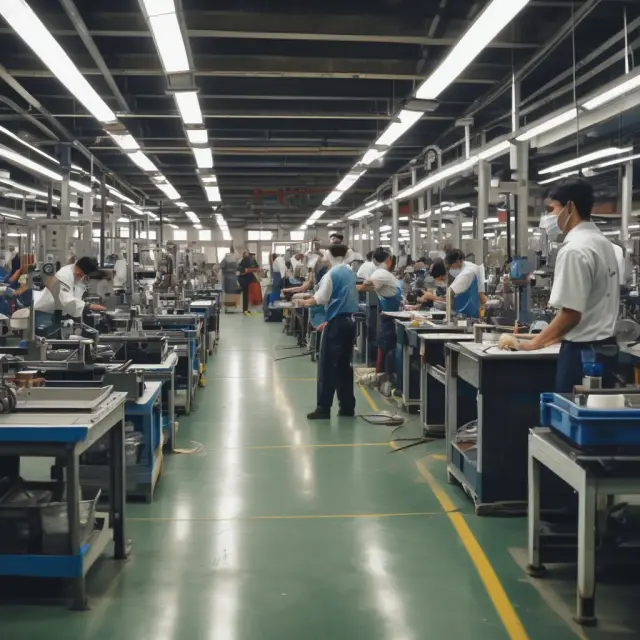
Hollowing out – the deterioration of middle-class manufacturing jobs and the concentration of wealth among the affluent – has been a growing concern for economists, policymakers, and society as a whole. With the global trend toward offshoring production to low-cost countries like China or Bangladesh, the hollowing out phenomenon has reached alarming proportions in many leading economies, such as the United States and Japan. In this concluding section, we summarize the key findings of our exploration into hollowing out and discuss its implications for the future of the middle class in a globalized world.
Historically, manufacturing jobs have been the backbone of middle-class employment opportunities. From 1970 to 2018, the share of aggregate income going to middle-class households in the United States dropped from 62% to 43%, while the share held by upper-income households climbed from 29% to 48%. This trend has led to a significant reduction in middle-class disposable income and a shrinking middle class. The Organization for Economic Cooperation and Development (OECD) reported that, from the mid-1980s to the mid-2010s, middle incomes barely grew or increased by only a third of the average income of the richest 10% across OECD countries.
This hollowing out has been attributed to various factors, such as the outsourcing of jobs abroad and the emergence of labor-saving technologies like robots. As Moravec’s Paradox illustrates, these advances can lead to a further hollowing out of middle-class jobs by automating tasks that were previously performed by human labor.
The consequences of this trend are far-reaching. Middle-class households have traditionally been the primary consumers driving demand for goods and services in an economy, keeping it robust and dynamic. As these households shrink, so too does the economic potential of entire communities that rely on local industries. Additionally, hollowing out disproportionately affects specific demographic groups, including women, racial minorities, and those in rural areas.
However, some economists argue that hollowing out might not be all negative. They suggest that it presents an opportunity for workers to transition into high-skill, high-wage jobs like product design or marketing. Furthermore, consumers benefit from cheaper prices on goods produced overseas. Nevertheless, the question remains: how can we strike a balance between economic growth and middle-class prosperity?
To address this concern, various initiatives have emerged, such as upskilling programs to prepare workers for high-skill jobs and policies aimed at supporting local industries. Governments also have a role in ensuring that the benefits of globalization are more equitably distributed through progressive taxation and social safety nets.
In conclusion, hollowing out has had significant implications for middle-class households, both in terms of income and overall economic stability. As the trend toward offshoring continues, it is crucial that policymakers, employers, and individuals adapt to these changes by embracing innovative solutions and upskilling programs. By focusing on long-term strategies that promote inclusive growth and a more equitable distribution of wealth, we can pave the way for a stronger, more resilient middle class in an increasingly globalized world.

FAQs on Hollowing Out
Hollowing out, also known as the hollowing out of jobs or hollowed-out economies, is a term used to describe the process by which middle-class manufacturing jobs are replaced by low-cost labor abroad. This phenomenon has led to widespread concerns about the impact on socioeconomic stratification and the shrinking middle class.
Question 1: What is Hollowing Out?
Answer: Hollowing out refers to the disappearance of middle-class manufacturing jobs and income as companies seek cheaper labor alternatives overseas. This trend has been observed in many countries, including the United States and Japan, leading to growing economic disparities between the wealthy elite and the working class.
Question 2: What is Moravec’s Paradox in relation to Hollowing Out?
Answer: Moravec’s Paradox, named after artificial intelligence researcher Hans Moravec, asserts that robots find difficult things easy and easy things difficult. In the context of hollowing out, this means that jobs requiring complex problem-solving skills and dexterity are more likely to remain in the domestic economy, whereas routine and repetitive tasks are more susceptible to automation and outsourcing.
Question 3: What factors contribute to Hollowing Out?
Answer: Factors contributing to hollowing out include outsourcing jobs to countries with lower labor costs, labor-saving technologies such as automation and robotics, and demographic changes like an aging population.
Question 4: How does Hollowing Out affect income inequality?
Answer: Hollowing out contributes to growing income inequality by concentrating wealth among the wealthy elite and hollowing out the middle class. This shift can lead to a decline in consumer spending power, as well as social and political instability.
Question 5: What is the relationship between Hollowing Out and the shrinking middle class?
Answer: The phenomenon of hollowing out is closely linked to the shrinking middle class. As more manufacturing jobs are outsourced or automated, many workers find themselves in lower-paying positions or struggling to find employment altogether. This can lead to a decline in middle-class income and spending power.
Question 6: What are some potential solutions to counteract the effects of Hollowing Out?
Answer: Possible solutions to address the negative impacts of hollowing out include investing in education and skills training programs, implementing policies that encourage domestic manufacturing and innovation, and promoting a more equitable distribution of income through progressive taxation and social safety net programs.
Question 7: What are some arguments in favor of Hollowing Out?
Answer: Some economists argue that hollowing out presents an opportunity for economic growth by allowing countries to specialize in high-value, high-skill industries and services. This can lead to increased efficiency and innovation, as well as lower prices for consumers. However, critics contend that these benefits may not be shared equally across the population.
 Next entry · No. 2,164The Hollywood Stock Exchange (HSX): Predicting Hollywood’s Winners and Losers
See also
-
 No. 5,783
07 Oct 2025
19 min
Understanding the Concept and Impact of Working-Age Population
Economics
No. 5,783
07 Oct 2025
19 min
Understanding the Concept and Impact of Working-Age Population
Economics -
 No. 1,219
14 Aug 2024
20 min
Economic Growth: Understanding Its Phases, Measurement, and Drivers
Economics
No. 1,219
14 Aug 2024
20 min
Economic Growth: Understanding Its Phases, Measurement, and Drivers
Economics -
 No. 5,829
11 Oct 2025
22 min
Understanding the World Trade Organization (WTO): History, Functions, Advantages, Disadvantages, Leadership, and Importance
International Trade
No. 5,829
11 Oct 2025
22 min
Understanding the World Trade Organization (WTO): History, Functions, Advantages, Disadvantages, Leadership, and Importance
International Trade -
 No. 3,617
13 Apr 2025
22 min
Understanding Occupational Labor Mobility: Unlocking the Potential for Economic Growth
Business Strategy
No. 3,617
13 Apr 2025
22 min
Understanding Occupational Labor Mobility: Unlocking the Potential for Economic Growth
Business Strategy -
 No. 2,604
20 Jan 2025
24 min
Understanding Jobless Recovery: A New Economic Reality for Institutional Investors
Business Strategy
No. 2,604
20 Jan 2025
24 min
Understanding Jobless Recovery: A New Economic Reality for Institutional Investors
Business Strategy -
 No. 2,462
08 Jan 2025
20 min
Understanding the Role of the International Finance Corporation (IFC) in Global Finance and Development
Business Finance
No. 2,462
08 Jan 2025
20 min
Understanding the Role of the International Finance Corporation (IFC) in Global Finance and Development
Business Finance