Understanding the Upper Class: Definition, Composition, Power, and Influence

Exploring the definition, composition, power, influence, and wealth of the upper class. Understand its historical significance and contemporary relevance.
Introduction to the Upper Class
The term “upper class” refers to a select group of individuals occupying the top echelons of society, characterized by substantial economic wealth and social power. Historically, this elite class was predominantly composed of land-owning aristocrats who enjoyed significant influence over politics and economics. However, the contemporary definition encompasses celebrities, politicians, investors, and other wealthy individuals, along with generations-old families whose status has been passed down. Understanding the upper class is crucial due to its profound impact on economic development and political power dynamics.
Historical Definition of the Upper Class
In historical contexts, the term “upper class” was synonymous with landed aristocracy – individuals who inherited wealth from their ancestors and held vast territories, thus wielding immense influence over their societies. This class was largely exempt from engaging in labor-intensive work, as their livelihoods were derived from their land holdings or passive investments. The privileged status of the upper class was firmly entrenched through exclusive social clubs, political power structures, and cultural norms that reinforced their position at the pinnacle of society.
Modern Definition of the Upper Class
Contemporary definitions of the upper class expand beyond landed aristocracy to include a broader range of individuals with substantial wealth and influence, such as celebrities, politicians, investors, and business leaders. Income, education levels, social connections, and cultural capital play significant roles in defining and maintaining this elite status. The power dynamics between the upper class and other socioeconomic groups continue to shape society’s economic, political, and cultural landscapes.
Economic Wealth and Power of the Upper Class
The upper class’s control over substantial financial resources enables them to exert significant influence on economic developments and investments. They are often involved in venture capital, real estate, and other lucrative industries, making them crucial players in market trends. Additionally, their political clout allows them to lobby for favorable legislation and regulations that further solidify their power and wealth.
Upper Class vs. Middle Class: Income and Social Mobility
The gap in income and wealth between the upper class and other classes is substantial. The middle class falls in between, characterized by a less stable income base and limited access to resources. Social mobility remains an issue, as individuals from lower socioeconomic backgrounds often face significant barriers to upward mobility. Understanding these dynamics is crucial for addressing issues of economic inequality and promoting greater social justice.
The Role of Politics in the Upper Class
Political power is a defining factor for the upper class, enabling them to influence policy decisions that impact their wealth and maintain their status. Political connections are often leveraged to secure favorable business deals, tax benefits, and access to exclusive resources. Understanding these dynamics sheds light on the complex relationship between politics and economic power in society.
Upper Class Influence on the Economy
The upper class’s significant financial resources enable them to invest in various industries, making them crucial players in market trends and economic development. Their influence extends beyond their individual investments, as they often employ lobbying efforts, political connections, and philanthropic initiatives to shape the broader economic landscape.
Upper Class and Social Status
Social status is intricately linked to membership in the upper class. The exclusivity of this elite group has been reinforced through cultural norms, social clubs, and educational institutions. Understanding how social status shapes access to opportunities and resources is essential for addressing issues related to inequality and social mobility.
Upper Class Philanthropy and Charitable Contributions
Despite their substantial wealth, members of the upper class are not only consumers of goods and services but also significant contributors to charities and philanthropic initiatives. Their giving patterns reveal much about their priorities, values, and influence on society as a whole. Analyzing these trends can provide valuable insights into the role of philanthropy in addressing social issues and promoting societal progress.
FAQs on the Upper Class
What is the upper class?
The upper class is a socioeconomic group that occupies the highest level of society, characterized by substantial economic wealth and social power. Historically, this elite class was predominantly composed of landed aristocrats, but contemporary definitions expand to include celebrities, politicians, investors, and other wealthy individuals.
How does the upper class maintain its power?
The upper class maintains its power through financial resources, political connections, exclusive social networks, and cultural capital.
What is the impact of the upper class on economic development?
Members of the upper class influence economic development by investing in various industries, lobbying for favorable legislation, and engaging in philanthropic initiatives. Their financial resources and political clout make them crucial players in market trends.
How does social status factor into the upper class?
Social status plays an essential role in defining and maintaining membership in the upper class, with exclusivity reinforced through cultural norms, social clubs, and educational institutions. Understanding its importance is vital for addressing issues related to inequality and social mobility.
What is the relationship between politics and the upper class?
Politics is a significant factor for the upper class, enabling them to influence policy decisions that impact their wealth and maintain their status. Political connections are often leveraged to secure favorable business deals, tax benefits, and access to exclusive resources.
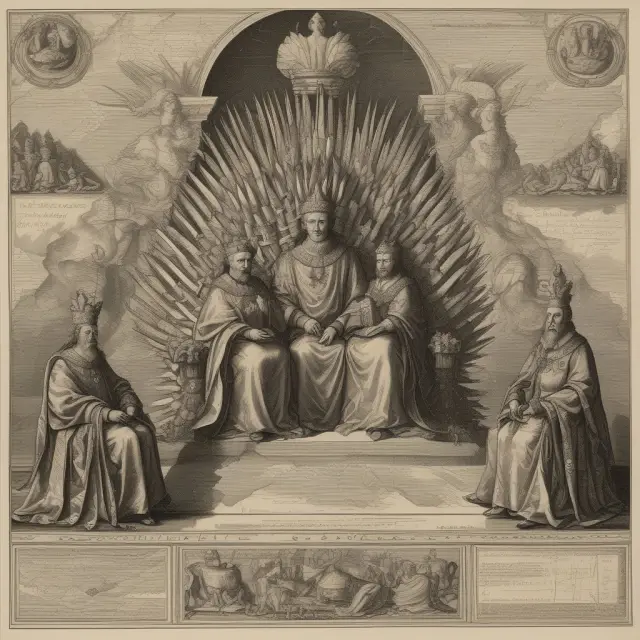
Historical Definition of the Upper Class
The term upper class carries significant historical significance, defining a social stratum that has long held substantial power and wealth. In its original form, it referred to groups of individuals who possessed considerable land or inherited titles, granting them control over the resources and societal influence.
Historically, those classified as part of the upper class included nobility and aristocrats who lived in grandeur compared to their counterparts in the working and middle classes. This socioeconomic group didn’t have to engage in manual labor or work for a living; instead, they inherited their wealth or relied on rents from their land holdings. Inheritance allowed these families to maintain their status, passing it down through generations and creating lineages of influential and affluent individuals.
The upper class’ historical dominance can be attributed to the control over natural resources, which granted them significant power and influence. As a result, they shaped laws and policies that favored their interests, solidifying their position atop the social hierarchy. Over time, those who managed to amass considerable wealth but did not originate from such families were excluded from this group and remained in the middle or lower classes.
However, as societal structures evolved, the definition of the upper class expanded. Today, it encompasses a broader range of individuals, including politicians, celebrities, investors, and other wealthy people who hold significant influence and exert considerable control over economic and political developments. In contemporary society, those in the upper class are characterized by their high net worths, substantial financial resources, and social standing that sets them apart from others in the working and middle classes.
In conclusion, understanding the historical definition of the upper class provides valuable context to its modern meaning and significance. The power dynamics, wealth disparities, and societal structures shaped during this time continue to impact today’s socioeconomic landscape, making it essential to examine this foundational definition.

Modern Definition of the Upper Class
The definition of the upper class has evolved significantly over time. Historically, it was a term used to describe the aristocracy and land-owning nobility who did not need to work for a living. However, as society progressed and economic opportunities expanded, new definitions emerged. Today, the upper class refers to a select group of wealthy individuals with high income levels and significant political, financial, or social power.
The Pew Research Center defines an upper-class household as one that earned a median annual income of $187,872 in 2016. This represents only 19% of American adults. These families wield considerable influence over economic and political developments due to their wealth and resources.
Membership in the upper class is not limited to traditional aristocracy or inherited wealth. Contemporary members include celebrities, politicians, investors, business owners, and entrepreneurs who have amassed substantial fortunes. Influence in society can also be gained through social status or family connections, which are passed down through generations.
The upper class holds a disproportionate amount of power within the economy due to their wealth and resources. While working and middle-class households make up the majority of the population, they handle most of the economic production and consumption. The upper class, however, plays an influential role in shaping markets, businesses, and investments due to its significant financial resources.
The gap between the upper class and other classes continues to widen, leading to social and political tensions. While some argue that this disparity is necessary for economic growth and innovation, others advocate for policies addressing income inequality and increasing opportunities for upward mobility. The evolving definition of the upper class highlights its continued relevance in modern society and its significant impact on our economic and political landscape.
It’s important to note that while wealth and power differentiate the upper class from other classes, a more nuanced understanding acknowledges that individuals within these categories exhibit varying levels of income, influence, and opportunities. Nevertheless, the upper class retains its position as the wealthiest and most powerful segment of society.

The Economic Wealth and Power of the Upper Class
Understanding the upper class entails delving into its economic wealth and power, which sets it apart from other social classes. Historically, the term “upper class” was synonymous with landed nobility or aristocracy, a group that held considerable control over both political and economic spheres due to their significant land ownership. However, modern definitions extend beyond traditional notions, embracing a diverse range of individuals with substantial wealth and power.
In contemporary society, the upper class boasts a disproportionate share of the overall wealth. According to a 2018 study by Pew Research Center, American adults in the upper-class households accounted for approximately 19% of the population, while possessing median earnings of $187,872 annually. This substantial income disparity further solidifies the financial chasm between the upper class and other classes.
The wealth and power wielded by the upper class significantly impact various sectors, including politics, economics, and finance. Politically, they hold sway over policy decisions, often securing favorable legislation for their interests through significant campaign contributions, lobbying efforts, or personal connections. Economically, upper-class individuals can influence markets through strategic investments, shaping businesses, industries, and even entire economies.
Upper class members have an inherent ability to shape the economic landscape due to their substantial financial resources. For instance, they often possess a diversified portfolio of assets, including stocks, bonds, real estate, and other investments that generate significant returns. Furthermore, upper-class individuals frequently leverage their wealth to establish and sustain businesses, providing employment opportunities for others while generating further wealth through the growth of these ventures.
Aside from direct economic influence, the upper class also impacts society indirectly. Philanthropic efforts and charitable contributions are essential parts of this impact. Many wealthy individuals use their resources to fund non-profit organizations, educational institutions, research initiatives, and other philanthropic projects. These endeavors not only benefit communities but also foster goodwill towards the donor, further cementing their place in society as generous and influential figures.
In conclusion, understanding the economic wealth and power of the upper class is crucial to comprehending its significance in modern society. Its influence transcends mere financial resources, extending to political power, economic decision-making, and philanthropic endeavors. By recognizing their impact, we can better understand how they shape our world and what role they play in shaping the future.

Upper Class vs. Middle Class: Income and Social Mobility
The upper class and middle class represent two distinct social strata with significant differences in income levels, opportunities for upward mobility, and wealth accumulation. A closer examination of these classes provides insight into the extent of inequality and economic opportunity in society.
Historically speaking, the upper class was primarily composed of nobility and aristocrats who inherited their wealth and status. Membership in this elite group required little effort beyond being born into the right family. The defining characteristics of the upper class included extensive land holdings, substantial income from rents or investments, and political influence.
As society evolved, the definition of the upper class expanded to include those who amassed significant wealth through entrepreneurship and professional endeavors, such as banking, finance, and industry. In contemporary society, celebrities, politicians, and wealthy investors often fall into this category. However, entry into the upper class remains a challenge for most individuals due to the substantial wealth required to maintain membership.
On the other hand, the middle class has undergone significant shifts over time. Initially characterized by artisans and traders, it expanded with the rise of industrialization and the growth of white-collar jobs. Today, the middle class is often defined as individuals who possess a modest income, stable employment, and a reasonable standard of living. However, despite this broad definition, the income gap between the upper class and the middle class continues to widen.
Income disparities between these classes have significant implications for social mobility, or the ability for individuals to move up the socioeconomic ladder. The United States, for example, has a higher level of income inequality compared to its OECD counterparts. According to data from the OECD, the top 1% of Americans held approximately 39% of all wealth in 2016. In contrast, the bottom 50% owned just 2.4%. This gap makes upward mobility a challenge for many middle-class families, as they struggle to accumulate the necessary resources to join the upper class.
Additionally, social mobility can vary significantly between countries. For instance, in some societies, such as Denmark and Norway, high levels of education and meritocracy create more opportunities for upward mobility than in others like the United States or Chile. This discrepancy highlights the importance of considering not only income differences but also the broader social and political context when analyzing the upper class and middle class.
The upper class’s economic power extends beyond its control over wealth to shape the economic landscape as a whole. Members of this elite group can influence policy decisions through their political clout, wielding significant influence on fiscal and monetary matters. As investors, they can impact asset prices and entire industries, making strategic investments that generate substantial returns. Furthermore, their philanthropic efforts contribute to social and cultural institutions, shaping the values and norms of society.
In conclusion, understanding the income disparities and social mobility dynamics between the upper class and middle class is crucial for analyzing societal inequality and economic opportunity. While wealth and power are essential components of both classes, their distribution and access to resources create unique challenges and opportunities for individuals striving to improve their socioeconomic standing. By examining these classes, we gain a better understanding of the factors that contribute to income inequality and the implications for society as a whole.
Keywords: upper class, middle class, income disparities, social mobility, wealth, power, economic opportunity, societal inequality, OECD, fiscal policy, monetary policy, asset prices, industries, philanthropy.
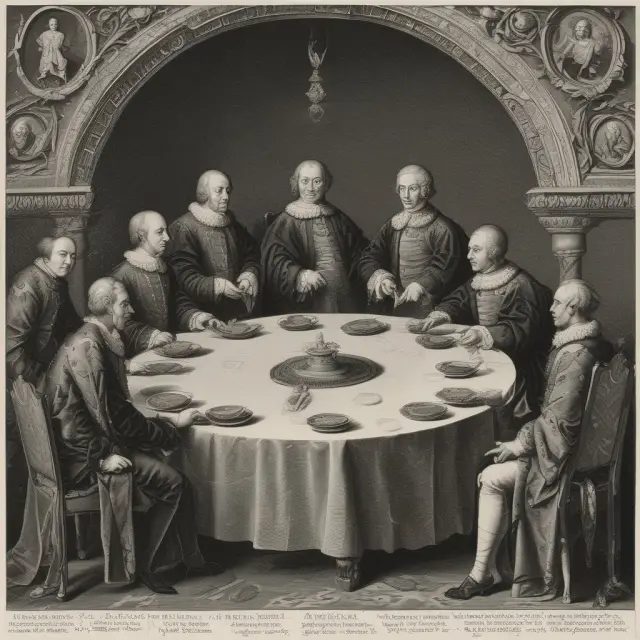
The Role of Politics in the Upper Class
Historically, the upper class has wielded substantial political power in many societies. This influence is rooted in their economic wealth, which enables them to control resources and shape policies that favor their interests. In some cases, members of the upper class have even been directly involved in governing roles, shaping laws and institutions in ways that maintain their position atop the social hierarchy.
The relationship between the upper class and politics is multifaceted, with various aspects influencing one another. In many societies, the political system has reinforced class distinctions by granting privileges to the wealthy elite. For instance, landowning nobility historically held significant power in European feudal systems, which were based on a hierarchical social order. These aristocrats had a direct impact on laws and policies that governed their lands, protecting their interests while marginalizing those of the working class.
In contemporary politics, the upper class continues to influence policy through various means, such as lobbying, campaign contributions, and personal connections. In the United States, for example, wealthy individuals and organizations spend billions of dollars on political campaigns and lobbying efforts each year, shaping legislative outcomes that benefit their economic interests. This phenomenon is not unique to the U.S., with similar trends observable in many other countries.
However, it’s essential to recognize that the upper class doesn’t always hold a monolithic political stance. Members of this class can have diverse political views and alignments. Some may advocate for progressive policies, while others might support more conservative positions. This complexity highlights the importance of understanding the nuances of the upper class’s role in politics, rather than viewing it as a homogeneous entity with uniform interests.
Additionally, some scholars argue that the concentration of political power among the wealthy can lead to a lack of representation for marginalized communities and perpetuate social and economic inequality. Critics of this phenomenon have called for reforms aimed at increasing the political influence of the working and middle classes and reducing the disproportionate power wielded by the upper class.
Overall, understanding the intricate relationship between the upper class and politics is crucial for grasping how power dynamics operate in society and shaping informed opinions on policies that impact economic and social inequality.

Upper Class Influence on the Economy
The upper class holds significant economic influence in societies across the world. Members of this exclusive group have vast financial resources at their disposal and often use these funds to invest, create jobs, and shape market trends. This section examines the ways that the upper class impacts markets, businesses, and investments.
Historically, the upper class’s economic might was rooted in land ownership. Aristocrats and nobility ruled over vast tracts of land, which provided them with substantial income from agricultural production and tenant rentals. In modern times, however, the sources of wealth have diversified considerably. Today, the upper class derives its fortune through various channels:
1. Investments: A significant portion of the upper class’s wealth comes from investments in stocks, bonds, real estate, commodities, and hedge funds. Many families have passed down their wealth for generations, allowing them to build substantial investment portfolios. These investments provide a steady income stream, which can be reinvested or used to fund philanthropic initiatives.
2. Entrepreneurship: Some upper class members start businesses that generate significant revenue and create jobs for the wider population. For instance, the Walton family—founders of Walmart—are among the wealthiest people in the world thanks to their entrepreneurial endeavors. Such ventures not only benefit the founders but also contribute to the overall economy by providing employment opportunities and increasing consumer choice.
3. Market Trends: Upper class consumers set market trends that influence businesses and industries. Their purchasing power can make or break a product or service. For example, their preference for organic food products has led to an increase in demand for such goods, driving the growth of the organic food industry.
4. Economic Policy: The upper class wields considerable political power, which they use to influence economic policy. They often lobby governments to create favorable tax structures and business regulations. For instance, a wealthy individual might hire a team of lobbyists to advocate for lower taxes on their business or investments. This can result in significant financial gains for the upper class but may not always benefit the wider population.
5. Philanthropy: Members of the upper class often use their wealth to support charitable causes and philanthropic initiatives. This can help address social issues, improve education, and advance scientific research. In some cases, these philanthropic efforts can also generate positive publicity for the donors.
In conclusion, the upper class plays a crucial role in shaping the economic landscape of societies around the world. Through their investments, entrepreneurial endeavors, market influence, political power, and philanthropy, they contribute to the overall economy while simultaneously benefiting from its growth. Understanding this relationship can provide valuable insights into the complex interplay between wealth, power, and economic development.

The Upper Class and Social Status
Social status is a crucial determinant of who belongs to the upper class. Historically, the upper class was characterized by inherited wealth and social pedigree, with individuals being born into nobility or aristocratic families. However, contemporary definitions have widened to include those who have amassed significant wealth through entrepreneurial activities or other means, such as politics or entertainment.
Social status in the context of the upper class has undergone a shift in recent decades. While wealth remains an essential component, non-financial factors like education, connections, and cultural capital have gained significance in defining membership. As a result, individuals who may not necessarily possess vast fortunes can still claim membership in this exclusive club due to their social standing.
Social networks play a crucial role in maintaining the upper class’s power and influence. Connections to influential people and institutions serve as a vital source of access to resources, opportunities, and information. These networks enable members of the upper class to maintain their economic advantage while also exerting considerable control over society’s political and cultural discourse.
Membership in the upper class often transcends individual achievements and is passed down through generations. Family ties and dynastic wealth play a significant role in shaping the upper class landscape. These intergenerational connections provide stability, legitimacy, and continuity to this social stratum. Furthermore, they foster a strong sense of community among its members and contribute to the preservation of cultural traditions and values that reinforce their collective identity.
It is important to note that the concept of the upper class remains controversial. Some critics argue that it perpetuates inequality and reinforces an unfair power structure, while others view it as a natural outcome of individual merit and economic success. Regardless of one’s stance on the matter, it is undeniable that the upper class continues to wield significant influence in various aspects of society.
In conclusion, understanding the upper class requires recognizing its historical roots, contemporary composition, and the role of social status in its definition. As the economic landscape evolves, new factors contribute to the dynamics of this exclusive social stratum, underscoring the importance of ongoing research into its complexities and implications for society as a whole.

Upper Class Philanthropy and Charitable Contributions
The upper class has long been a significant contributor to charitable causes, both historically and in contemporary times. Members of this elite class have the financial resources, social networks, and influence to make substantial contributions that can positively impact society as a whole. The philanthropic efforts made by the upper class often aim to address pressing societal issues, such as poverty, education, healthcare, and disaster relief, among others. In many cases, charitable giving serves not only as an act of benevolence but also as a means for members of the upper class to maintain their social standing and legitimize their wealth.
Historically, philanthropy was a primary way for European aristocrats and American industrialists to demonstrate their status and power within society. For instance, the construction of grand public buildings, such as libraries, museums, and hospitals, served as symbols of their wealth and influence. In contemporary times, charitable giving remains an integral part of upper-class culture.
One notable example is Bill Gates, co-founder of Microsoft and one of the world’s richest individuals. Through his philanthropic foundation, the Bill & Melinda Gates Foundation, he has pledged to donate over $30 billion to various causes, including global health, education, and poverty alleviation. Another notable philanthropist is Warren Buffett, who has committed more than 99% of his fortune to charitable giving through the Giving Pledge.
Philanthropy provides multiple benefits for the upper class. It can help maintain their social status and influence within their communities. Moreover, it offers tax incentives that reduce their overall tax burden. In recent years, there has been a growing trend among younger members of the upper class to embrace more socially conscious investment strategies. These strategies involve investing in companies or funds that focus on environmental, social, and governance (ESG) issues. By combining their charitable efforts with their investment portfolios, they can create positive change while generating financial returns.
The impact of philanthropy extends beyond the direct contributions made by upper-class individuals. Their involvement can also inspire and mobilize others to contribute to charitable causes. For example, major donations from Bill Gates helped raise awareness about the importance of vaccines in combating diseases such as polio and malaria. As a result, various governments and organizations have pledged billions in funding for these initiatives, leading to significant progress in global health.
In conclusion, philanthropy is an integral part of upper-class culture and plays a crucial role in addressing societal issues and driving positive change. The financial resources, social networks, and influence of upper-class individuals enable them to make substantial contributions to various causes and inspire others to do the same. As society continues to evolve, it’s essential to recognize the significant impact of philanthropy on communities and the role that the upper class plays in shaping a better future for all.

FAQs on the Upper Class
Who is considered part of the upper class?
The upper class refers to a group of individuals who occupy the highest place and status in society. They are generally wealthy, with higher levels of disposable income and exert more control over natural resources. In contemporary times, celebrities, politicians, investors, and other high-earning professionals often fall into this category.
How does the upper class differ from middle and lower classes?
The primary distinction between the upper class and other classes is economic wealth and power. While those in the upper class generally possess more disposable income and significant control over natural resources, the working and middle classes typically handle most economic production and consumption due to their larger numbers. The definition of each class varies depending on location and socio-economic factors.
What was historically considered the upper class?
Historically, the term upper class referred to landowning aristocrats or nobility who inherited their wealth rather than having to work for a living. Today, however, the definition has expanded to include individuals who hold significant power and wealth through various means, such as investing, entrepreneurship, or professional careers.
How large is the upper class?
According to recent studies, about 19% of American adults belong to upper-class households, which earn a median income of $187,872 per year. This group holds a disproportionate amount of the overall wealth and wields considerable political and financial power in society.
What is the impact of the upper class on politics?
The upper class has significant influence over political decisions and power dynamics due to their substantial economic resources. They often contribute large sums to political campaigns and use their networks and media outlets to shape public opinion.
How does the upper class affect economic markets and businesses?
Members of the upper class invest heavily in various industries, shaping market trends and influencing business decisions. Their buying power also affects consumer markets, leading to demand for luxury goods and services.
Does social status matter in defining the upper class?
Yes, social status plays a role in determining who is considered part of the upper class. While wealth and income are essential factors, social connections and prestige can also contribute to an individual’s standing within this group.
What are some examples of philanthropy by the upper class?
The upper class often engages in philanthropic activities, donating significant amounts to charities and foundations. These donations can help address societal issues and improve the lives of millions.
Is the upper class a global phenomenon?
Yes, the concept of an upper class exists in various forms across the globe, reflecting the concentration of wealth and power among a small percentage of the population in different societies. Understanding this class’s composition, influence, and dynamics is crucial to comprehending socio-economic disparities and trends worldwide.
 Next entry · No. 5,334Understanding the Role and Importance of Upper Management in Corporate Strategy
See also
-
 No. 4,857
22 Jul 2025
21 min
Understanding Tariffs: Definition, Reasons, Types, Pros, Cons, History
International Trade
No. 4,857
22 Jul 2025
21 min
Understanding Tariffs: Definition, Reasons, Types, Pros, Cons, History
International Trade -
 No. 3,388
24 Mar 2025
17 min
Understanding Negative Returns: Losses in Finance and Investment
Business Finance
No. 3,388
24 Mar 2025
17 min
Understanding Negative Returns: Losses in Finance and Investment
Business Finance -
 No. 3,346
21 Mar 2025
17 min
Understanding National Insurance Contributions in the UK: An Overview and History
Finance Policy
No. 3,346
21 Mar 2025
17 min
Understanding National Insurance Contributions in the UK: An Overview and History
Finance Policy -
 No. 3,291
16 Mar 2025
19 min
Understanding Metropolitan Statistical Areas (MSA): Definition, Size, Differences & Largest Metro Area
Business Finance
No. 3,291
16 Mar 2025
19 min
Understanding Metropolitan Statistical Areas (MSA): Definition, Size, Differences & Largest Metro Area
Business Finance -
 No. 3,096
28 Feb 2025
21 min
Understanding Market Segments: A Comprehensive Guide for Financial Investors
Business Finance
No. 3,096
28 Feb 2025
21 min
Understanding Market Segments: A Comprehensive Guide for Financial Investors
Business Finance -
 No. 5,757
05 Oct 2025
25 min
Understanding Wisdom of Crowds: The Collective Intelligence of Diverse Groups
Business Strategy
No. 5,757
05 Oct 2025
25 min
Understanding Wisdom of Crowds: The Collective Intelligence of Diverse Groups
Business Strategy