Understanding Disruptive Technology: Implications for Institutional Investors

Learn about disruptive technology, its characteristics, historical examples, and the implications for institutional investors, including investing…
Introduction to Disruptive Technology
Disruptive technology, coined by Harvard Business School professor Clayton Christensen, represents an innovation that fundamentally changes how consumers, industries, or businesses operate. A disruptive technology doesn’t merely improve upon existing processes; it supplants them with something entirely new. The rise of e-commerce platforms like Amazon, online news sites, ride-sharing apps, and GPS systems are prime examples of disruptive technologies that have significantly altered the way we live and work.
Understanding Disruptive Technology: Origins and Characteristics
In 1995, Christensen introduced the concept in a Harvard Business Review article, later expanding upon it in his 1997 book, The Innovator’s Dilemma. The term gained prominence among startups looking to introduce disruptive products or services that catered to overlooked customer segments. In contrast, established companies tended to focus on incremental improvements for their most demanding customers and neglected the potential of disruptive technologies.
Disruptive technologies possess several distinguishing features: they supersede older processes, have immediately apparent superior attributes (though not always), and often originate from upstarts rather than industry incumbents. Upstarts can target emerging markets, allowing them to gain a presence before larger competitors adapt.
The Risks and Rewards of Disruptive Technologies: Successes and Failures
The potential rewards for investing in disruptive technologies are significant, but they also come with inherent risks. Some disruptive products take years to be adopted by consumers or businesses, or fail to gain widespread adoption entirely. The Segway electric vehicle, once touted as a game-changer, is an example of a disruptive technology that ultimately did not live up to the hype.
Preparing for the Impact of Disruptive Technology: Adapting to Change
To stay competitive in the face of disruptive technologies, companies must adapt and integrate these innovations into their operations. This may involve investing in research and development, hiring tech talent, or acquiring innovative startups. Established companies that fail to do so risk losing market share to competitors.
The Future of Disruptive Technology: Trends and Implications
As we look towards the future, several emerging trends in disruptive technology hold significant implications for various industries, including robotics, artificial intelligence, and virtual reality. Understanding these trends can help investors identify potential investment opportunities and prepare businesses for the disruptions that lie ahead.
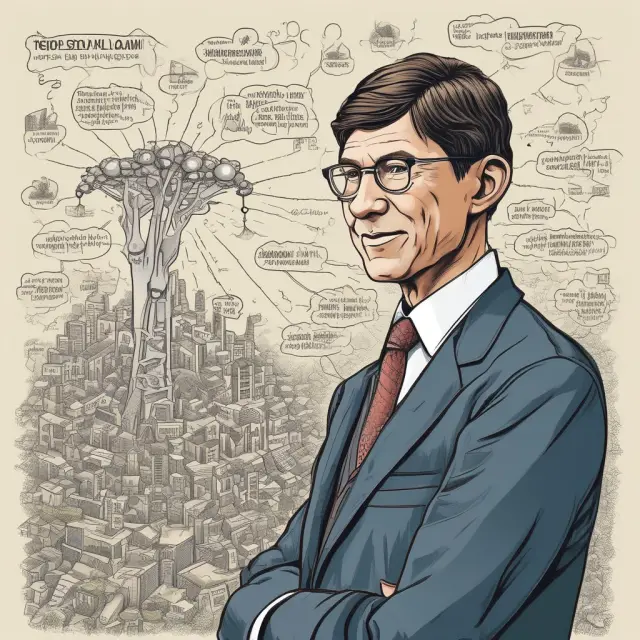
Origins of the Concept
Disruptive technology is a term used to describe innovations that significantly change how we live, work, or conduct business. The concept was first introduced by Harvard Business School professor Clayton M. Christensen in 1995, and later expanded upon in his influential book “The Innovator’s Dilemma,” published in 1997 (Christensen, 1997). In the era of the fourth industrial revolution, disruptions are becoming increasingly frequent and impactful, shaping industries and economies.
Christensen defined disruptive technology as an innovation that “displaces an established industry or business model.” He argued that disruptors often originate from smaller companies with limited resources but possess the agility to innovate and target overlooked markets (Christensen, 1997). Established firms, by contrast, may not prioritize such opportunities due to their focus on core businesses and larger customer bases.
The term “disruptive technology” has since gained widespread recognition in startup communities as a buzzword representing a product or service that challenges the status quo. Companies embracing disruptive technologies can create entirely new markets or change how existing markets operate (Christensen, 1997). However, these innovations often bring significant risk along with the potential for substantial rewards.
Understanding Disruptive Technology
Disruptions differ from incremental improvements in that they replace entire systems, products, or habits (Christensen, 1997). Disruptive technologies typically have superior attributes that are immediately apparent to early adopters, even if their full potential is not yet understood. For example, e-commerce platforms disrupted traditional brick-and-mortar retail by offering convenience and greater choice to consumers. Similarly, the arrival of smartphones disrupted the personal computer market by enabling a more portable and versatile digital platform (Christensen, 1997).
The disruptive technology phenomenon can be challenging for established companies to address due to their focus on serving larger and more demanding customers and incremental improvements rather than radical changes. Companies that do not anticipate these disruptions risk losing market share and eventually becoming obsolete. Conversely, firms that successfully adopt and adapt to disruptive technologies can reap significant rewards (Christensen, 1997).
Blockchain as a Disruptive Technology: An Example
One of the most notable examples of a disruptive technology is blockchain, which represents a decentralized digital ledger for recording transactions between two parties. This system moves transactions from centralized servers to a transparent cryptographic network, reducing reliance on intermediaries (Laseter et al., 2018).
Blockchain’s potential impact on financial institutions, such as banks and stock brokerages, is significant. For instance, blockchain could enable peer-to-peer trade confirmations, thereby eliminating the need for custodians and clearinghouses, reducing transaction costs, and accelerating settlement times (Laseter et al., 2018).
Investing in Disruptive Technologies: Risks and Rewards
The pursuit of disruptive technologies can bring substantial risks as well as rewards. Some technologies take a considerable time to be adopted by consumers or businesses, or may even fail to gain widespread acceptance (Christensen, 1997). For example, the Segway electric vehicle was once hailed as a game-changing technology but ultimately failed to disrupt the automobile market.
Investors can access disruptive technologies through exchange-traded funds (ETFs), such as the ALPS Disruptive Technologies ETF (DTEC). This fund invests in sectors like robotics, artificial intelligence, cloud computing, and the internet of things (ALPS Investment Management, 2023). By investing in a diversified portfolio of disruptors, investors can spread their risk while potentially benefiting from emerging technological trends.
Preparing for Disruptive Technologies: Adapt or Perish
To mitigate the risks associated with disruptive technologies and maintain a competitive edge, companies must be prepared to adapt. This requires understanding the potential of disruptors, identifying opportunities to integrate them into existing business models, and remaining agile enough to respond to changing market dynamics (Christensen, 1997). By embracing disruption rather than fighting it, businesses can thrive in an increasingly competitive landscape.

Characteristics of Disruptive Technology
Disruptive technology is a term used to describe an innovation that fundamentally changes the way industries or businesses operate (Christensen, 1995). This type of technology surpasses traditional methods by offering clear advantages and can significantly alter consumer behavior, business models, and even industries. Examples include e-commerce platforms like Amazon, ride-sharing apps such as Uber, and online news sites.
The concept of disruptive technology was first introduced by Clayton M. Christensen in his 1995 Harvard Business Review article and later expanded upon in The Innovator’s Dilemma, published in 1997 (Christensen, 1997). Disruptive technologies often originate from startups that take advantage of an unmet need or overlooked customer segment.
Key Features of Disruptive Technologies
Disruptive technologies share several defining characteristics:
- Superior Attributes: These technologies provide recognizably superior advantages, particularly for early adopters.
- Upstarts Over Established Companies: Startups and smaller companies are more likely to develop disruptive technology.
- Adaptation Challenges: Established firms may struggle to adapt quickly to new threats and risk losing market share as a result.
- Unexpected Impact: Disruptive technologies can materialize suddenly, making it difficult for companies to prepare and respond effectively.
Disruptive Technologies: A Game Changer for Financial Institutions
One of the most recent examples of disruptive technology is blockchain, the decentralized distributed ledger that underpins cryptocurrencies like Bitcoin (Christensen & Raynor, 2003). Blockchain enables transactions between two parties on a transparent cryptographic network, removing the need for manual verification and intermediaries. This technology has substantial implications for financial institutions such as banks and stock brokerages.
For instance, financial firms could execute peer-to-peer trade confirmations on the blockchain, eliminating custodians and clearinghouses, resulting in reduced costs and expedited transaction times (Levine & Swartz, 2015).
Investing in Disruptive Technologies: Balancing Risk and Opportunity
Disruptive technologies pose significant risks for investors as their adoption can take years or even decades. Some promising products or companies never reach widespread success, while others transform entire industries. Investors looking to gain exposure to disruptive technology can consider exchange-traded funds (ETFs), such as the ALPS Disruptive Technologies ETF (DTEC). This fund provides access to a variety of innovative sectors like artificial intelligence, cloud computing, robotics, fintech, and the internet of things.
However, it’s essential for investors to understand that investing in disruptive technology carries inherent risks and rewards. Diligent research and careful analysis are crucial when considering exposure to potentially game-changing innovations.

Examples of Disruptive Technologies
The concept of disruptive technology has become increasingly popular among businesses that aim to revolutionize their industries with game-changing innovations. But what exactly constitutes a disruptive technology? Let’s explore some historical examples and their far-reaching impacts.
**Automobile:** One of the earliest examples of disruptive technology was the automobile. Before cars, transportation relied on horses and carriages, which were time-consuming and labor-intensive. The introduction of affordable cars drastically altered travel methods, making long-distance journeys faster and more accessible to a broader population. This led to the decline of traditional horse-drawn carriage industries and created new ones, such as automobile manufacturing.
**Electricity:** Another game-changer was the advent of electricity service. Prior to its widespread availability, businesses relied on candles, oil lamps, or gas lights for illumination. Electricity, however, provided a more consistent and controllable source of light, fundamentally transforming daily life and industries such as manufacturing, communication, and transportation.
**Television:** The invention of television was another disruptive technology that altered the way people consumed media. Before its inception, entertainment primarily relied on live performances, radio broadcasts, or reading printed materials. With TV, viewers could enjoy a more diverse range of content from the comfort of their homes, leading to the decline of vaudeville theaters and radio stations.
Fast forward to today, where disruptive technology continues to reshape industries at an accelerating pace. A prime example is blockchain technology, which has enormous implications for financial institutions.
**Blockchain Technology:** Blockchain, the technology behind Bitcoin, is a decentralized distributed ledger that records transactions between two parties on a transparent cryptographic network. It removes the need for manual verification and intermediaries, significantly reducing costs and expediting transaction times.
For instance, a brokerage firm could execute peer-to-peer trade confirmations using blockchain technology, eliminating the need for custodians and clearinghouses. This could potentially save billions of dollars in financial intermediary costs while also dramatically improving transaction processing times.
Investing in disruptive technologies comes with risks as many products or services considered groundbreaking can take years to gain widespread adoption or may ultimately fail. Investors seeking exposure to disruptive technology can consider exchange-traded funds (ETFs) like the ALPS Disruptive Technologies ETF, which invests in areas such as the Internet of Things, cloud computing, fintech, robotics, and artificial intelligence.
By examining historical examples, we gain insights into the power of disruptive technologies to transform industries and reshape markets. Keep an eye on emerging trends to understand how your business can adapt and thrive in the era of rapid technological change.

Blockchain as a Disruptive Technology
Blockchain is an innovative technology with the potential to disrupt numerous industries, particularly those within the financial sector. Coined by its mysterious creator(s) under the pseudonym Satoshi Nakamoto in 2008, blockchain refers to a decentralized digital ledger system that records and verifies transactions across a distributed network of computers. Its first application was for the cryptocurrency Bitcoin; however, the technology’s capabilities extend far beyond digital currencies. In essence, blockchain eliminates the need for intermediaries like banks or clearinghouses in financial transactions, enabling secure, peer-to-peer transfer of value in a trustless environment. This decentralized nature is what sets blockchain apart as a disruptive technology.
Understanding Blockchain’s Disruptive Nature
The term “disruptive technology” was popularized by Harvard Business School professor Clayton M. Christensen. He described it as an innovation that significantly alters the way businesses or industries operate, often displacing established competitors and business models in the process (Christensen, 1997). Blockchain’s impact can be seen in its ability to eliminate intermediaries, reducing costs and increasing efficiency. Additionally, its decentralized nature enables a more democratized approach to financial services, with potential applications ranging from micropayments to cross-border transactions.
Historically, disruptive technologies have emerged from small companies that target overlooked segments or markets. In the case of blockchain, this shift away from traditional intermediaries challenges long-standing business models, particularly within financial institutions and their regulatory frameworks. Established financial entities may initially dismiss these innovations as insignificant or even unworthy of consideration. However, those that fail to adapt risk losing market share to agile competitors with the ability to disrupt industry norms (Christensen & Raynor, 2003).
Characteristics of Disruptive Technologies
Disruptive technologies differ from incremental innovations in several ways. They often emerge from unexpected sources, are typically more accessible and affordable for end-users, and provide a new or alternative solution to an existing problem (Christensen, 1997). Blockchain embodies these characteristics in its elimination of intermediaries, accessibility through decentralized networks, and ability to facilitate secure peer-to-peer transactions.
Impact on Financial Institutions
The financial sector has been one of the most significant areas affected by blockchain technology. The potential for this innovation to disrupt traditional financial intermediaries is evident in various applications like decentralized finance (DeFi), digital currencies, and cross-border payments. For example, peer-to-peer trade confirmations on a blockchain network could remove the need for custodians and clearinghouses, significantly reducing intermediary costs while expediting transaction times.
Investing in Disruptive Technologies
Investing in disruptive technologies comes with inherent risks and rewards. The unpredictability of market adoption can result in significant volatility, as seen with cryptocurrencies and other emerging technologies. However, the potential for outsized returns attracts investors willing to embrace uncertainty. To gain exposure to disruptive technology investments, consider exchange-traded funds (ETFs) such as the ALPS Disruptive Technologies ETF (DTEC), which invests in a range of innovative areas like the Internet of Things, cloud computing, fintech, robotics, and artificial intelligence.
In conclusion, blockchain technology represents a disruptive innovation that has the potential to significantly alter the way financial institutions operate. Its decentralized nature challenges traditional intermediaries and business models while providing new opportunities for increased efficiency, security, and accessibility. As with any disruptive technology, it comes with inherent risks and rewards. Understanding these dynamics is essential for both investors and businesses looking to navigate the complex landscape of emerging technologies.

Investing in Disruptive Technologies
Disruptive technology carries significant investment potential for those willing to take calculated risks. The key challenge lies in identifying a disruptive technology that will achieve widespread adoption. For instance, the Segway electric vehicle was once heralded as a groundbreaking innovation, but it failed to capture the consumer market’s attention and ultimately disrupted very little in the transportation industry.
Investors can pursue two primary strategies when investing in disruptive technologies: backing the creators of the technology or supporting established companies that adopt it. Both approaches come with their risks and rewards.
Backing the Creators of Disruptive Technology
Supporting emerging businesses that develop a disruptive technology can yield significant returns if the innovation succeeds. This path, however, is also more uncertain as these startups may lack the financial stability and resources needed to navigate market challenges. Moreover, many promising young companies never make it beyond their initial stages or are acquired by larger corporations before reaching maturity.
Investing in Established Companies that Adopt Disruptive Technology
Conversely, investing in established companies that successfully integrate disruptive technologies can provide a more stable and less risky investment opportunity. These firms have the financial resources to develop new products or services based on emerging technology and may already have a large customer base and brand recognition. However, they face the challenge of retaining their competitive edge while adapting to disruptive trends.
Investment Vehicles for Disruptive Technology
To gain exposure to disruptive technologies without directly investing in individual companies, investors can consider exchange-traded funds (ETFs). ETFs pool capital from multiple investors and provide diversified investment opportunities across various sectors or industries. The ALPS Disruptive Technologies ETF (DTEC) is an example of a fund that invests in innovative areas such as the internet of things, cloud computing, fintech, robotics, and artificial intelligence. Investing in a disruptive technology ETF can help minimize risks by spreading investments across numerous companies and sectors.
Conclusion
Disruptive technologies continue to reshape industries and present investors with new investment opportunities. By understanding the potential rewards and risks associated with investing in disruptive technologies, investors can make informed decisions and develop a well-diversified portfolio. The key lies in identifying promising innovations that have a high likelihood of widespread adoption while minimizing risk through diversification.

Preparing for the Impact of Disruptive Technology
To maintain a competitive edge in an era dominated by disruptive technology, businesses need to be open to change and prepared for the unexpected. The ability to pivot quickly and adapt to new technologies is crucial for survival in today’s rapidly evolving business landscape. Companies that fail to account for disruptive technologies may risk losing market share to their competitors.
Investing in Disruptive Technologies: Strategy and Risks
For companies, the decision to invest in disruptive technology carries significant risks but also substantial rewards. The key is to identify which areas of the business stand to gain the most from this shift, and then allocate resources accordingly. A successful strategy requires a deep understanding of the market, as well as a solid plan for implementation.
Case Study: Blockbuster vs Netflix
A notable example of a company that failed to adapt to disruptive technology is Blockbuster. The video rental giant was unable to see the potential in digital streaming and chose instead to focus on its brick-and-mortar stores. In contrast, Netflix recognized the shift towards digital streaming early on and adapted accordingly. As a result, they have become a dominant force in the media industry, while Blockbuster filed for bankruptcy in 2010.
Adapting to Disruptive Technologies: Staying Ahead of the Curve
To stay ahead of the curve when it comes to disruptive technologies, businesses need to be proactive rather than reactive. This means keeping an eye on emerging trends and being willing to experiment with new ideas. By fostering a culture of innovation and encouraging collaboration between teams, companies can better position themselves to embrace change and seize opportunities.
The Role of Regulation in Adapting to Disruptive Technology
Regulation plays a significant role in shaping the impact of disruptive technology on various industries. For businesses, it is essential to understand the regulatory landscape and adapt their strategies accordingly. This may involve collaborating with regulators to ensure that they are aware of the potential benefits and risks of the technology, as well as advocating for policies that support innovation and growth.
In conclusion, preparing for the impact of disruptive technology requires a deep understanding of the market, a willingness to experiment, and a proactive approach to change. By staying ahead of the curve and embracing new technologies, businesses can maintain a competitive edge and thrive in today’s rapidly evolving business landscape.

Regulation and Disruptive Technology
Disruptive technology often challenges traditional regulatory frameworks, as it can upend established business practices and create new markets. This instability is a double-edged sword for both startups and incumbent companies. While disruptive technologies can provide new opportunities to challenge the status quo, they also bring with them the potential for increased regulation. Understanding the complex relationship between disruptive technology and regulation is crucial for businesses looking to capitalize on new opportunities or navigate the changing regulatory landscape.
Regulation’s Role in Disruption
Traditional regulations are often designed to govern traditional industries. However, as disruptive technologies emerge, regulatory frameworks can struggle to keep pace. This lag can create a window of opportunity for disruptors to challenge existing market dynamics and gain a competitive edge. For instance, Uber’s emergence disrupted the taxi industry, which had long been subjected to burdensome regulations. Uber’s business model, built on peer-to-peer ride-sharing, flew in the face of traditional taxi regulations, providing a cheaper and more flexible alternative for consumers.
The Challenges of Regulating Disruptive Technologies
Regulating disruptive technologies can be challenging for several reasons. One is the rapidly changing nature of the technologies themselves. Another challenge lies in determining which regulations apply to these emerging technologies. This ambiguity can result in regulatory uncertainty, which may deter businesses from adopting disruptive technologies. For example, the lack of clear guidelines around blockchain technology has left many financial institutions hesitant to adopt it for fear of running afoul of existing regulations.
The Importance of Staying Ahead of Regulatory Changes
As disruptive technologies continue to evolve, companies must stay abreast of regulatory changes that could impact their operations. Failure to do so can result in significant financial and reputational damage. For instance, when the European Union introduced the General Data Protection Regulation (GDPR) in May 2018, many companies were caught off guard, leading to substantial fines and public relations nightmares.
Adapting to Changing Regulatory Landscapes
To navigate the complex relationship between disruptive technology and regulation, companies must be proactive in engaging with regulatory bodies and industry associations. By staying informed about regulatory developments and collaborating with regulatory experts, businesses can adapt to changing regulatory landscapes and ensure they remain competitive. For example, ride-sharing companies like Uber and Lyft have worked closely with regulators to create frameworks that balance consumer protection, safety, and innovation.
In conclusion, disruptive technology and regulation are intertwined, presenting both opportunities and challenges for businesses. As new technologies continue to emerge, companies must be agile in navigating the regulatory landscape and staying ahead of the curve. By working with regulatory bodies and industry experts, businesses can mitigate risk, ensure compliance, and capitalize on emerging opportunities.

Case Studies: Successes and Failures
Disruptive technology has brought about significant changes to various industries, with some companies managing to capitalize on these shifts while others have failed to adapt. In this section, we’ll explore a few examples of both success stories and cautionary tales from the world of disruptive technologies.
A classic case study of successful disruption is that of Netflix. Originally founded as a DVD-by-mail service in 1997, Netflix initially faced competition from traditional video rental stores like Blockbuster. However, with the advent of streaming technology and the shift towards online content consumption, Netflix transformed itself into a dominant force in the media industry. Today, Netflix boasts over 200 million subscribers worldwide, while Blockbuster has long since filed for bankruptcy.
Another example comes from the realm of ride-hailing services. Uber, which was founded in 2009, disrupted the taxi industry by providing a convenient and more affordable alternative to traditional taxis. This was achieved through its innovative business model that relied on ridesharing, surge pricing, and user ratings to offer a better experience for both drivers and passengers. Uber’s success forced the taxi industry to adapt or face irrelevance in the marketplace.
However, there are also numerous instances where companies failed to adapt to disruptive technology. One such example is Kodak, which was once an industry leader in photographic film. When digital photography started gaining popularity in the late 1990s, Kodak focused on protecting its film business instead of investing in the emerging digital technology. As a result, they missed out on the opportunity to capture the growing market for digital cameras and lost significant market share.
Investing in disruptive technologies can yield impressive returns but also carries inherent risks. Companies like Amazon and Apple have seen substantial growth by embracing new technologies early on, while others have failed to keep pace. Successful investors recognize the potential of disruptive technologies and allocate resources accordingly, whereas those who lag behind may find themselves losing ground in their respective industries.
To make informed investment decisions, it is essential to stay updated on emerging disruptive technologies and their implications for various sectors. By understanding how these trends are shaping the business landscape, investors can position themselves to capitalize on opportunities and mitigate risks effectively.

Future Trends in Disruptive Technology
Disruptive technology continues to reshape industries and challenge traditional business models. By understanding the trends shaping the future of disruptive technology, investors can identify potential opportunities and risks. Here are a few emerging areas that are poised to significantly impact various sectors.
1. Artificial Intelligence (AI) and Machine Learning: AI has already started to change many industries, from healthcare and finance to manufacturing and retail. Deep learning algorithms and natural language processing enable machines to learn from data and make decisions like humans. The growing prevalence of AI will require businesses to rethink their strategies and invest in technologies that can adapt to these changes.
2. Internet of Things (IoT): IoT is a network of interconnected devices, vehicles, buildings, and other items that can collect and exchange data. This technology has the potential to revolutionize industries such as manufacturing, logistics, and transportation. As more businesses adopt IoT solutions, they will need to ensure their security protocols are robust enough to protect sensitive data and prevent cyber attacks.
3. Quantum Computing: Traditional computers use bits (binary digits) that can only have a value of 0 or 1. Quantum computers, on the other hand, use quantum bits or qubits, which can exist in multiple states at once, allowing for vastly increased processing power. This technology could revolutionize industries such as finance and logistics by enabling faster and more accurate data analysis and optimization.
4. Biotechnology: The field of biotechnology is rapidly advancing, with potential applications in healthcare, agriculture, and energy production. Gene editing techniques like CRISPR have already made headlines for their ability to cure genetic diseases and improve crop yields. As this technology continues to evolve, it will require significant investment from both the public and private sectors.
5. Space Technology: SpaceX and other private companies are pushing the boundaries of space technology, with implications for satellite communications, remote sensing, and even tourism. This sector could provide opportunities for investors looking to capitalize on advancements in reusable rockets and satellite technology. However, investing in this area comes with significant risks, as demonstrated by the recent failure of SpaceX’s Crew Dragon test launch.
In conclusion, understanding disruptive technologies and identifying emerging trends is crucial for institutional investors looking to stay ahead of the competition. By diversifying their portfolios and keeping a close eye on disruptive innovations, investors can capitalize on new opportunities while minimizing risks. As Christensen noted in The Innovator’s Dilemma, “It’s not about being right, it’s about staying adaptable.”
 Next entry · No. 1,069Understanding Dissenters’ Rights: The Easy Way Out of a Company for Shareholders?
See also
-
 No. 1,344
02 Sep 2024
20 min
Understanding Ether (ETH): The Fuel Powering the Ethereum Blockchain
Crypto
No. 1,344
02 Sep 2024
20 min
Understanding Ether (ETH): The Fuel Powering the Ethereum Blockchain
Crypto -
 No. 432
23 Apr 2024
21 min
Bitcoin: Understanding the Digital Gold Rush
Crypto
No. 432
23 Apr 2024
21 min
Bitcoin: Understanding the Digital Gold Rush
Crypto -
 No. 142
07 Apr 2024
18 min
Understanding Altcoins: Types, Pros and Cons, and Future Outlook
Crypto
No. 142
07 Apr 2024
18 min
Understanding Altcoins: Types, Pros and Cons, and Future Outlook
Crypto -
 No. 5,924
19 Oct 2025
19 min
Understanding the Zone of Possible Agreement (ZOPA) in Negotiations: Bridging the Gap Between Parties
Business Strategy
No. 5,924
19 Oct 2025
19 min
Understanding the Zone of Possible Agreement (ZOPA) in Negotiations: Bridging the Gap Between Parties
Business Strategy -
 No. 5,853
13 Oct 2025
21 min
Understanding Yellow Knights: From Hostile Takeover Attempts to Mergers of Equals
Business Strategy
No. 5,853
13 Oct 2025
21 min
Understanding Yellow Knights: From Hostile Takeover Attempts to Mergers of Equals
Business Strategy -
 No. 5,613
23 Sep 2025
19 min
Maximizing Opportunities: A Strategic Approach to Warm Calling in Finance and Investment
Business Strategy
No. 5,613
23 Sep 2025
19 min
Maximizing Opportunities: A Strategic Approach to Warm Calling in Finance and Investment
Business Strategy