Understanding Earnest Money: A Crucial Deposit in Real Estate Transactions

Explore the importance of earnest money in real estate transactions, including its definition, workings, and differences from down payments.
What Is Earnest Money?
Earnest money, also known as a deposit or good faith money, represents a buyer’s commitment to complete a real estate transaction. It acts as a guarantee that the buyer intends to follow through with purchasing the property once all contingencies are met and inspections pass. The concept is essential during the escrow process, ensuring that sellers can trust buyers by removing their listing from the market for a designated period. In essence, earnest money is a serious indicator of the buyer’s good faith, as it secures the seller’s interests while allowing time for necessary procedures before closing the deal.
Earnest money payments can vary in size, depending on the market and the contract terms between the buyer and seller. Generally, they range from 1-2% of the property’s purchase price but may reach up to 5-10% in hot markets where competition is high. The amount is often negotiable and agreed upon during the offer presentation or at the time of making an offer.
The earnest money deposit is typically transferred via certified check, wire transfer, or cashier’s check and is placed into a trust or escrow account managed by a reputable third party. This ensures the funds remain secure throughout the transaction process. In some cases, buyers may agree to make ongoing periodic earnest deposits during the due diligence period if required by the seller. These deposits serve as proof of the buyer’s continued commitment to the purchase.
The importance of earnest money lies in its ability to provide a safety net for both parties involved in a real estate deal. It gives sellers peace of mind knowing that their property is under contract and gives buyers confidence that they have secured the right to buy the property. Moreover, it allows time for inspections, appraisals, title checks, and other due diligence activities without worrying about losing the opportunity to purchase a property.
In summary, earnest money serves as an essential part of the real estate transaction process, providing both parties with security, trust, and a means to ensure that all contingencies are met before proceeding with the final sale.

How Does Earnest Money Work?
Earnest money refers to a deposit made by a homebuyer as a sign of their good faith commitment towards purchasing a property. In real estate transactions, the earnest money deposit is transferred from the buyer to either the seller or an escrow account, acting as an assurance that the buyer intends to go through with the deal. The funds are held securely until closing, at which point they are applied toward the down payment and closing costs.
The process of transferring earnest money begins when a prospective buyer submits an offer on a home for sale. Once the seller accepts the offer and both parties sign a purchase agreement, the buyer transfers the deposit to either the seller or an escrow account managed by a neutral third party such as a title company.
To ensure a smooth transfer process, buyers often pay earnest money using certified checks, personal checks, or wire transfers. In some cases, sellers may prefer that buyers submit ongoing periodic earnest deposits throughout the due diligence period to demonstrate their commitment and seriousness.
In return for the earnest deposit, the seller takes the property off the market, giving the buyer ample time to complete essential pre-purchase steps like securing financing, conducting inspections, and completing appraisals. If these steps reveal any issues that breach the contract, buyers have the right to request their earnest money back or negotiate with the seller for repairs or compensation.
The amount of earnest money deposited is negotiable between the buyer and seller and varies widely depending on market conditions. In hot markets, earnest money deposits can reach up to 10% of the sales price, while in slower markets, they may be as low as 1%. Ultimately, buyers aim to make a deposit large enough to secure the property but not so large that they risk losing more than intended if the deal falls through.
If the buyer fails to meet any contingency requirements or breaches the contract, the seller is entitled to keep the earnest money deposit as compensation for their losses. However, buyers can protect themselves by including clear and specific contingencies in the purchase agreement and working with reputable third-party escrow services to manage the funds securely throughout the transaction process.

How Much Is the Earnest Money Deposit?
Earnest money deposit acts as a buyer’s commitment to proceed with a real estate transaction in good faith. The amount of earnest money can vary depending on market conditions, negotiation, and terms set in the sales contract. Generally, earnest money deposits range between 1% and 2% of the home purchase price, although hot markets may require a higher deposit, ranging from 5-10%. Some sellers opt for fixed amounts instead of percentage-based deposits, with values such as $5,000 or $10,000.
The earnest money amount serves several purposes. It demonstrates the buyer’s commitment to the transaction and shows sellers that potential buyers are serious about buying their property. The higher the deposit, the more likely sellers will consider a buyer as a strong candidate for purchasing their home. Conversely, low deposits may send a message to sellers that a buyer might not be financially capable of completing the sale.
During negotiations, buyers and sellers can agree on an appropriate earnest money deposit amount based on factors like the seller’s motivation, market conditions, and specific property features. In competitive markets with numerous offers on a single property, buyers may offer higher earnest deposits to increase their chances of winning the bid.
For instance, a buyer offering $10,000 as an earnest money deposit for a home worth $500,000 might have an edge over other bidders who only offer 1% or 2% of the sales price. A larger deposit demonstrates the buyer’s commitment and may reassure the seller that they are less likely to back out of the deal.
While earnest money deposits typically range between 1-10% of the sale price, there are exceptions depending on local market conditions or specific property factors. For example, in a highly competitive market with many buyers vying for limited inventory, sellers may request higher earnest deposits to manage the demand and ensure that only serious buyers are considered. In other cases, a seller might opt for ongoing, periodic earnest deposits throughout the due diligence process.
Regardless of the deposit amount, it is crucial for buyers to protect their investment by ensuring the funds are held securely in an escrow account until closing. This not only safeguards the deposit but also ensures that the seller cannot access or misappropriate the money during the transaction process. By working with reputable third parties like title companies or real estate brokers to manage the escrow account, buyers can have peace of mind knowing their earnest money is secure and available for the intended purpose – demonstrating their commitment to purchasing a property.

Is Earnest Money Refundable?
Understanding Conditions for Earnest Money Deposit Refunds
Earnest money is a crucial component in the real estate buying and selling process, representing a buyer’s commitment to purchase a property in good faith. In essence, earnest money is a deposit made by the buyer towards the home they wish to buy, with the understanding that the seller will take the home off the market while inspections and appraisals are conducted. This section dives deeper into the refundability of earnest money deposits and the conditions under which buyers can reclaim their funds.
When Is Earnest Money Refunded to the Buyer?
In most cases, the buyer is entitled to a refund of their earnest money deposit should the seller breach the contract or if certain contingencies are met. These conditions can include:
- Contingency for Appraisal and Inspection: If the home fails to appraise for its agreed-upon value or issues arise from inspections, buyers may opt to back out of the deal and receive their deposit back.
- Financing Contingency: When a buyer is unable to secure financing, they can reclaim their earnest money deposit.
- Home Sale Contingency: If a homebuyer is unable to sell their current property before closing on the new one, they may be entitled to a refund of their deposit under certain conditions.
- Time Frames and Deadlines: Buyers are required to meet specific deadlines in the contract, such as completing inspections within a specified timeframe. Failing to do so can result in forfeiting the earnest money deposit unless stated otherwise in the terms of the agreement.
- Mutual Agreement: In some cases, buyers and sellers may mutually agree to terminate the contract, allowing the buyer to recover their deposit.
What Happens When the Buyer Breaches the Contract?
While earnest money is typically refundable when contingencies are not met or when a seller breaches the contract, it’s important for buyers to understand that they can still lose their deposit if they do not adhere to the terms of the agreement. Examples of contract breaches by buyers include:
- Unilaterally Changing Contractual Terms: If a buyer renegotiates or unilaterally alters the contract’s terms, such as price or closing date, without the seller’s consent, they may lose their deposit.
- Failure to Provide Required Documentation: Failure to provide necessary documentation, like proof of financing or employment, can result in forfeiting the deposit.
- Breaking Contingencies: If a buyer breaches any agreed-upon contingencies, like not obtaining proper inspections or appraisals, they may lose their earnest money deposit.
Protecting Your Earnest Money Deposit
To safeguard your earnest money deposit during the buying process, consider employing these best practices:
- Understand and Adhere to Contractual Terms: Ensure that you are aware of all contractual obligations and deadlines, including contingencies, and make it a priority to meet them.
- Use a Reputable Escrow Account: Always utilize the services of a reputable escrow company or title agency to hold your earnest money deposit, as this ensures the funds will be handled in a secure and transparent manner.
- Read, Review, and Sign All Documents Carefully: Thoroughly read all documentation related to your home purchase, including the sales agreement, before signing anything. If you have any questions, consult with a real estate attorney or professional for clarification.
- Keep Communication Lines Open: Regularly communicate with the seller, their agent, and your own agent throughout the buying process to avoid misunderstandings and ensure that all parties are on the same page regarding the terms of the agreement.
- Obtain a Contingency Release: In some cases, buyers may be able to secure a contingency release from the seller. This document can provide additional peace of mind by releasing the earnest money deposit back to the buyer if the contingencies aren’t met but allows them to still purchase the property at the agreed-upon price.
Conclusion: The Crucial Role and Refundability of Earnest Money Deposits
Earnest money deposits play a pivotal role in real estate transactions as they allow buyers to secure their desired property while undergoing inspections, appraisals, and financing processes. Understanding the refundability of earnest money deposits, the conditions under which buyers can reclaim their funds, and best practices for protecting these deposits are crucial elements in ensuring a smooth buying process. By following these guidelines, both buyers and sellers can navigate the real estate landscape with confidence, ultimately leading to successful transactions for all parties involved.
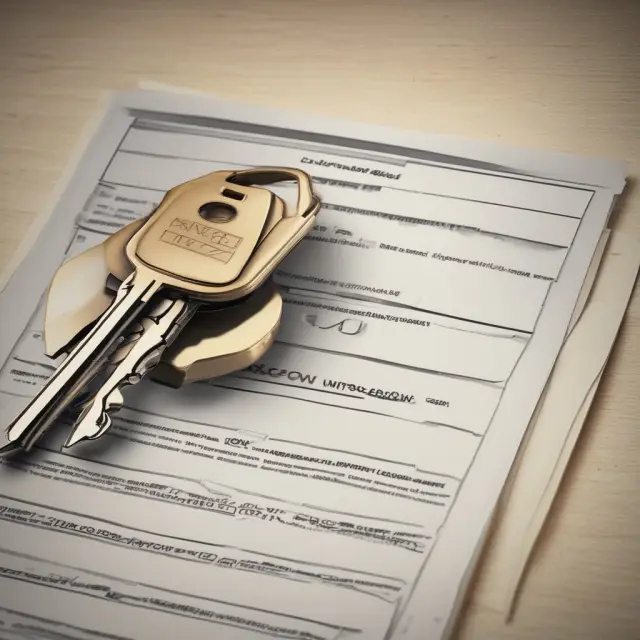
Protecting Your Earnest Money Deposit
Once you’ve made an earnest money deposit as part of a real estate transaction, it’s crucial to safeguard your investment. Earnest money is a substantial sum of money, and losing it could cause financial distress. In this section, we will discuss best practices for protecting your earnest money deposit.
First and foremost, it’s essential to understand that the earnest money deposit isn’t a gift; rather, it represents good faith from both parties involved in the transaction. As a buyer, you must ensure contingencies are met before forfeiting this deposit. The following steps can help protect your earnest money:
1. Include Contingencies in Your Contract
Contingencies are essential conditions included in a real estate contract to safeguard both parties’ interests. For buyers, common contingencies include home inspections and appraisals. By having these contingencies written into the contract, you ensure that you have the right to back out of the deal if any issues arise during this process.
2. Ensure Contract Terms are in Writing
A well-written real estate contract is crucial for both parties involved. It sets clear expectations and provides a legal framework for resolving disputes. Always make sure all terms, conditions, and agreements are documented in writing and signed by both parties to avoid misunderstandings and potential loss of your earnest money deposit.
3. Read, Understand, and Adhere to the Terms
The contract’s terms and conditions should be a priority for any home buyer. Make sure you read and understand every clause carefully. If there are any concerns, consult your real estate agent or attorney before signing. Adhering to the contract terms is crucial to protect your earnest money deposit.
4. Utilize a Third-Party Escrow Account
Avoid sending the earnest money directly to the seller. Instead, utilize a third-party escrow account to hold the funds securely. This ensures that the money remains separate from the seller’s accounts and can only be released once all contractual obligations have been met.
5. Obtain Receipts for All Payments and Deposits
Maintain proper documentation for your transactions, including receipts for earnest money payments and any other expenses related to the home purchase. This will help you keep track of your funds and provide evidence should any disputes arise during or after the transaction.
6. Be Aware of Local Laws and Regulations
Real estate laws vary from one jurisdiction to another. Make sure you are familiar with the specific rules that apply to your area. Consulting with a real estate attorney can help ensure you understand any local regulations related to earnest money deposits.
By following these steps, you’ll be in a better position to protect your earnest money deposit during a real estate transaction. In the next section, we will discuss the differences between earnest money and down payments when purchasing a home.

Earnest Money vs. Down Payment
When navigating the complex process of buying a new home, two key financial concepts come into play: earnest money and down payment. Both terms might be used interchangeably, but they serve distinctly different purposes in real estate transactions. In this section, we delve into understanding the differences between earnest money deposits and down payments, their roles, and when each is required during a home purchase.
Earnest Money: Deposit of Good Faith
At its core, an earnest money deposit (EMD) represents the buyer’s commitment to completing the homebuying process in good faith. The deposit acts as an assurance that the buyer will adhere to the terms of the sales agreement, giving them a set period for conducting necessary inspections and securing financing. Essentially, earnest money is the buyer’s way of proving their intent to buy the property.
In most cases, earnest money is transferred into an escrow account shortly after a purchase offer has been accepted by the seller. The funds remain in the account until closing day, at which point they become part of the down payment and cover some or all of the closing costs. If the buyer cannot fulfill the conditions outlined in their sales contract, such as obtaining financing or passing inspections, they could lose their earnest money deposit.
Down Payment: Upfront Capital for Homeownership
A down payment refers to the initial amount of funds a buyer pays upfront when purchasing a house. The down payment serves two primary purposes: demonstrating financial commitment to lenders and reducing the size of the mortgage loan.
The down payment amount is typically a percentage of the home’s purchase price, but it can also be a fixed amount or a combination of both. The buyer’s creditworthiness, debt-to-income ratio, and loan program determine the minimum down payment required to secure a mortgage. For example, conventional loans may require a 20% down payment, while Federal Housing Administration (FHA) loans can allow for as low as 3.5%.
Comparing Earnest Money Deposits & Down Payments
While both earnest money deposits and down payments are essential elements of homebuying, they serve distinct purposes:
Earnest Money Deposits
– A deposit made to prove the buyer’s good faith intention to purchase a property.
– Typically held in an escrow account until closing day.
– Can be forfeited if contingencies are not met or if the buyer breaches the sales contract.
– Ranges from 1% to 10% of the home sale price, depending on market conditions.
Down Payments
– A portion of the house purchase price paid upfront by a buyer.
– Demonstrates financial commitment and reduces mortgage size.
– Determined by a creditworthiness assessment, debt-to-income ratio, and loan program requirements.
In summary, earnest money deposits act as a demonstration of the buyer’s intent to purchase a property, while down payments represent the upfront capital investment in owning a home. Both are integral components of the homebuying process but serve distinctly different purposes.

Legal Considerations for Earnest Money Deposits
When considering buying or selling a property, earnest money plays a crucial role in the transaction process, representing a buyer’s commitment to follow through with the purchase. However, the legal aspects of earnest money can be complex and vary between jurisdictions. It is essential for both buyers and sellers to understand the legal implications surrounding earnest money deposits to ensure a successful transaction.
Legal Stipulations
The specific laws governing earnest money deposits depend on the state and local jurisdiction where the property is being bought or sold. For instance, some states may have different definitions for earnest money or require additional disclosures from buyers and sellers. It is always recommended that parties consult with an attorney to ensure they are complying with all applicable laws and regulations.
One of the primary legal considerations surrounding earnest money deposits is how they are handled during a transaction. In most cases, the deposit is held in escrow by a third-party agent or title company until the sale has closed. This setup ensures that neither party can unilaterally control the funds and provides an impartial entity to manage the transfer of funds between the buyer and seller.
Jurisdiction Differences
The legal handling of earnest money deposits may differ significantly from one jurisdiction to another. For example, in some states, a buyer’s deposit might be considered an advance payment on real estate taxes or homeowners insurance, while in other locations, the deposit is viewed as a non-refundable fee. It is essential for buyers and sellers to be aware of these differences when negotiating their contracts to avoid potential miscommunications or disputes.
Written Contracts
A written contract is a crucial component of any real estate transaction involving earnest money deposits. This document outlines the terms of the agreement, including the deposit amount, how it will be held, and under what circumstances it can be refunded. Having a well-drafted contract that addresses potential contingencies ensures that all parties are protected throughout the transaction process.
It is essential for buyers to carefully review the contract and understand their obligations before signing. This step helps minimize the risk of misunderstandings or disputes arising later in the transaction due to ambiguities or inconsistencies in the agreement. Additionally, sellers should also ensure that they have a clear understanding of their obligations under the contract and the potential implications for the earnest money deposit if any contingencies are triggered.
In summary, earnest money deposits play an essential role in real estate transactions by demonstrating a buyer’s commitment to complete the purchase. Understanding the legal considerations surrounding these deposits, including jurisdiction differences and written contracts, is vital for both buyers and sellers to ensure a successful transaction that benefits all parties involved.

Earnest Money FAQs for Buyers
One common question that arises in the minds of buyers when they come across the term “earnest money” is, what exactly does this term mean? In simple terms, earnest money refers to a deposit made by a buyer towards the purchase of a property as a sign of their good faith and intent to buy the property. Let’s explore some frequently asked questions related to earnest money deposits for buyers:
What is the purpose of an earnest money deposit?
An earnest money deposit is made by a buyer to demonstrate their commitment to buying a particular property, providing them with time to arrange financing and conduct necessary inspections or appraisals before closing on the deal. In essence, it acts as a guarantee that the buyer is serious about the transaction, and the seller can trust that the property will not be sold to another buyer while these steps are being taken.
How much earnest money deposit should I make?
The amount of an earnest money deposit varies depending on several factors, including the market conditions and the specific terms agreed upon by both parties in the sales contract. In most cases, it ranges from 1% to 5% of the purchase price or even up to 10% in highly competitive markets. However, it’s essential for buyers to carefully consider the amount they are willing to risk, balancing their commitment to the property with their overall financial situation.
What happens if I need to back out of the deal?
While earnest money deposits act as a show of good faith, there are circumstances under which a buyer can get their deposit back. Contingencies specified in the contract, such as a home appraisal coming in lower than expected or an inspection revealing significant issues, may allow a buyer to terminate the agreement while retaining their earnest money. It’s crucial for buyers to understand and negotiate these contingencies carefully before signing the sales contract.
How is the earnest money deposit handled?
Typically, earnest money deposits are held in an escrow account maintained by a neutral third party such as a real estate broker or title company. This ensures that both parties can trust the secure handling of the funds and simplifies the transfer of the deposit to the seller during closing.
Can I make multiple earnest money deposits throughout the home buying process?
Yes, sellers may require buyers to make ongoing earnest money deposits as part of their due diligence process. These periodic payments help demonstrate a buyer’s commitment to the transaction while also providing additional financial security for the seller.
Is the earnest money deposit refundable if I change my mind?
Earnest money is not always refundable if a buyer decides to cancel the deal without valid reasons, as stated in the sales contract. However, contingencies and specific conditions outlined in the agreement may provide buyers with options for recovering their deposit or negotiating other terms with the seller. It’s essential to carefully review and understand these terms before signing the sales contract.
What are potential risks associated with earnest money deposits?
The primary risk for buyers when making an earnest money deposit is losing it if they fail to meet their obligations under the sales agreement or if they do not have a well-defined contingency plan in place. For this reason, it’s essential for buyers to carefully consider the terms of the contract and work with experienced professionals to ensure that their interests are protected throughout the home buying process.

Earnest Money FAQs for Sellers
Sellers naturally have concerns regarding earnest money deposits, as they represent a significant portion of the sale price in advance. In this section, we will address common questions from sellers about how earnest money is handled throughout a real estate transaction.
How long does a seller hold the earnest money deposit?
The seller holds the earnest money deposit until closing day when it’s applied towards the buyer’s down payment and closing costs. In some cases, a buyer might ask for an extension of the escrow period if they need more time to secure financing or complete inspections. In these instances, the seller will typically agree to extend the holding period in exchange for an additional earnest money deposit or extension agreement.
Can I request my share of the interest earned on the earnest money deposit?
The buyer is required by law to report any interest earned above $600 from their portion of the escrow account, including the earnest money deposit. The seller should consult a tax professional to determine if they are eligible to claim any interest earned on their portion of the deposit. In most cases, the interest accrues to the benefit of the buyer and is not typically shared with the seller.
What happens if I want to sell my home to another buyer before closing?
If a seller accepts an offer from another buyer while the original sale is still pending, they must follow the terms outlined in their original contract. Typically, this involves returning the earnest money deposit to the initial buyer and paying any associated penalties as outlined in the contingencies of the contract.
What happens if the buyer breaches the sales contract?
If a buyer breaches the sales contract by failing to meet contingency requirements, such as securing financing or making necessary repairs, the seller can choose to terminate the contract and retain the earnest money deposit as liquidated damages for their losses. In some cases, the seller may be entitled to seek additional damages beyond the earnest money deposit.
Can I collect more than one earnest money deposit from potential buyers?
While it’s possible for a seller to collect multiple earnest money deposits while marketing and selling their property, it is not recommended. Collecting multiple deposits could create complications during the closing process, as each buyer may have different requirements and expectations. In most cases, sellers are advised to stick with a single earnest money deposit and manage risks through the contract terms and contingencies.

Case Study: Earnest Money Deposit Example
Earnest money deposits are crucial components in real estate transactions and serve as a buyer’s demonstration of commitment to purchasing a property. In this section, we present an example of a successful earnest money deposit transaction, highlighting its importance and the various stages involved.
Let’s follow the story of Jane, who has been searching for her dream home in a competitive market. She finally finds a property that matches her requirements: a three-bedroom house located in a desirable neighborhood with a reasonable asking price. To secure this property, she decides to make an offer and submit an earnest money deposit.
First, Jane’s real estate agent helps her draft a purchase agreement, which outlines the terms of the sale. This contract includes contingencies for home inspections and appraisals. Once both parties sign the agreement, Jane transfers $5,000 as an earnest money deposit to her escrow account held by the title company. The funds are now earmarked towards her future down payment or closing costs upon successful completion of the contingencies.
Jane’s offer is accepted, and she proceeds with scheduling a professional home inspection. During this process, she learns that the property has some minor structural concerns which could be addressed through repairs at an estimated cost of $5,000. With this information in hand, Jane renegotiates the purchase price with the seller, who agrees to lower it by the same amount or cover the repair expenses. This is a win-win solution as both parties maintain their preferred outcome: Jane obtains her dream home at a reduced cost while the seller secures a sale at the original asking price.
Upon completion of all contingencies and ensuring that her mortgage application is approved, Jane finalizes the transaction by releasing the earnest money deposit held by the title company to cover her down payment and closing costs. The remaining balance from her earnest money is returned to her since she followed through on her obligations as outlined in the contract.
Through this case study, we’ve witnessed a successful earnest money deposit transaction that helped ensure a smooth home buying process for Jane. Earnest money serves as a powerful tool for demonstrating a buyer’s commitment and good faith towards purchasing a property while providing protection for both parties involved in the deal.
 Next entry · No. 1,172Understanding Earnings Announcements: Analyzing a Company’s Financial Performance
See also
-
 No. 5,619
24 Sep 2025
19 min
Understanding Warranty Deeds: A Comprehensive Guide for Professional Investors
Real Estate
No. 5,619
24 Sep 2025
19 min
Understanding Warranty Deeds: A Comprehensive Guide for Professional Investors
Real Estate -
 No. 2,825
07 Feb 2025
18 min
Understanding Lessees: Rights, Obligations, and Responsibilities
Real Estate
No. 2,825
07 Feb 2025
18 min
Understanding Lessees: Rights, Obligations, and Responsibilities
Real Estate -
 No. 2,247
22 Dec 2024
21 min
Understanding HUD-1 Form: A Comprehensive Guide for Institutional Investors
Real Estate
No. 2,247
22 Dec 2024
21 min
Understanding HUD-1 Form: A Comprehensive Guide for Institutional Investors
Real Estate -
 No. 1,806
09 Nov 2024
19 min
Gift of Equity: Understanding the Pros, Cons, and Implications for Sellers and Buyers
Real Estate
No. 1,806
09 Nov 2024
19 min
Gift of Equity: Understanding the Pros, Cons, and Implications for Sellers and Buyers
Real Estate -
 No. 5,960
24 Sep 2026
12 min
10% vs 20% Down: What the Extra $40,000 Is Actually Worth
Mortgage
No. 5,960
24 Sep 2026
12 min
10% vs 20% Down: What the Extra $40,000 Is Actually Worth
Mortgage -
 No. 1,804
08 Nov 2024
18 min
Understanding the Importance and Process of Gift Letters
Business Finance
No. 1,804
08 Nov 2024
18 min
Understanding the Importance and Process of Gift Letters
Business Finance