Understanding Economic Capital: Definition, Calculation and Importance for Institutional Investors

Understand Economic Capital, a critical risk measurement tool for financial institutions and institutional investors, its calculation, importance, & benefits.
What is Economic Capital?
Economic capital, a vital concept for financial institutions and investors alike, represents the amount of capital required to maintain financial stability against the risks that an institution faces. Distinguishing economic capital from regulatory capital is crucial, as they serve different purposes. While regulatory capital is the minimum amount of capital a bank must have according to regulatory standards, economic capital is an internal calculation that quantifies the risk profile and measures the actual capital needed for potential losses.
Economic capital provides a more comprehensive view of a financial institution’s solvency and risk position compared to regulatory capital, which may not always accurately represent risk due to its reliance on accounting and regulatory rules. By converting potential risks into required economic capital using expected losses and the financial strength or credit rating of the institution, financial organizations can make more informed decisions regarding their risk exposure and capital allocation.
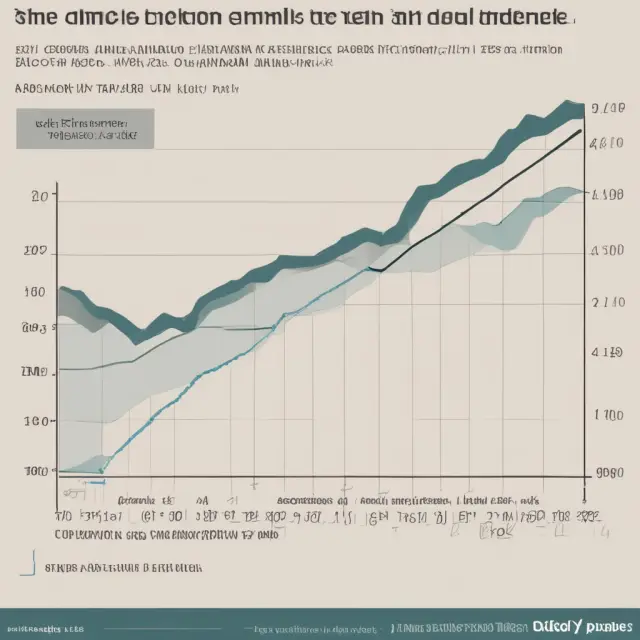
Economic capital calculation is based on a firm’s financial strength – or its confidence level that it won’t become insolvent during the measurement period – and anticipated expected losses. Financial strength is a measure of creditworthiness, while expected losses represent the average costs absorbed by operating profits. The relationship between the risk measurement, financial strength, confidence level, economic capital, and expected loss is illustrated below:
Economic capital plays a pivotal role in determining which business units within an organization generate the most value from the risk-reward trade-off. Performance metrics based on economic capital, such as return on risk-adjusted capital (RORAC), risk-adjusted return on capital (RAROC), and economic value added (EVA), are used to evaluate the efficiency of different business lines and allocate capital accordingly for optimal risk management.
Value-at-risk (VaR) and similar measures, which calculate the maximum potential loss under a specific confidence level, also rely on economic capital as their foundation for assessing and managing risks effectively.
A bank considering a loan portfolio’s risk profile over the next year can determine the amount of economic capital needed to cover potential losses using the 99.96% confidence interval, which represents a loss approaching the 0.04% mark in the loss distribution. If the calculated economic capital falls short of the required amount, the bank may take actions such as raising additional capital or improving underwriting standards to maintain its desired credit rating and manage risk effectively.
In summary, economic capital serves as a valuable tool for financial organizations by providing an accurate representation of their risk profile and quantifying the actual capital requirements needed to absorb potential losses, ultimately contributing to effective risk management, informed decision-making, and a stronger financial position.

Use of Economic Capital in Financial Services
Economic capital is a crucial tool for measuring and managing risks in financial services, providing insights into a firm’s actual financial position and helping it navigate the complex landscape of market and operational risks. In contrast to regulatory capital, which focuses on external requirements, economic capital represents an internal assessment of a company’s risk profile based on real-world economic factors. This section provides a closer look at how financial institutions employ economic capital in their day-to-day operations.
Measuring Market and Operational Risks: Economic capital serves as a key risk measurement tool for financial services firms seeking to understand their overall risk position. It evaluates both market risks, such as interest rate and foreign exchange fluctuations, as well as operational risks, which encompass internal processes, personnel, and external events. By providing a more accurate representation of the potential losses a firm might face, economic capital enables better resource allocation, more informed decision making, and improved risk management strategies.
Bridging the Gap Between Risk and Performance: The relationship between risk and performance is central to effective financial management. Economic capital plays a critical role in this context by offering a way to evaluate risk-adjusted returns for various business units within an institution. Measures like return on risk-adjusted capital (RORAC), risk-adjusted return on capital (RAROC), and economic value added (EVA) facilitate comparison between different business lines based on their risk/reward profiles. This information is vital for optimizing capital allocation to areas that generate the best risk-adjusted returns, ultimately driving long-term profitability.
Value-at-Risk and Economic Capital: Value-at-Risk (VaR) and other similar measures share a connection with economic capital as they too rely on this risk measurement methodology. VaR is used extensively in risk management practices to estimate potential losses from market movements under normal circumstances. By calculating the required amount of capital needed to cover these potential losses, financial institutions can manage their risks more effectively and make informed decisions regarding risk tolerance, portfolio construction, and allocation of resources.
In conclusion, economic capital is a valuable tool for financial services institutions seeking to better understand their risk profile and optimize their capital allocation in the context of market and operational risks. It provides a more realistic representation of a firm’s solvency by taking into account real-world economic factors. Through its use in performance measures such as RORAC, RAROC, EVA, and VaR, economic capital enables informed decision making that drives improved risk management strategies and long-term profitability.
Understanding Calculations for Economic Capital
Economic capital, a measure of financial strength against potential risks, is calculated by converting the quantifiable risks into required capital using the institution’s expected losses and financial strength or confidence level. In essence, economic capital represents the amount of capital that an organization must maintain to support its risk profile. This section offers an explanation of how calculations for economic capital are determined, focusing on expected losses and financial strength as critical components of this risk measurement tool.
Expected Losses: A Central Component of Economic Capital Calculations
The anticipated average loss over a specified timeframe is referred to as expected losses. These losses represent the cost of doing business and, under normal circumstances, are absorbed within operational profits. When calculating economic capital, these anticipated losses play a vital role in determining the amount of capital needed to cover potential losses that may exceed this average.
Financial Strength: Measuring Confidence Levels for Economic Capital Calculations
Financial strength is an essential component of economic capital calculations. It represents the probability of a firm not becoming insolvent over the chosen measurement period and is often described as the confidence level in statistical calculations. In simpler terms, financial strength indicates the firm’s ability to absorb potential losses without defaulting on its obligations. This metric plays a crucial role in calculating economic capital as it influences the required amount of capital needed to support the organization’s risk profile.
Determining Economic Capital: The Relationship Between Confidence Levels, Expected Losses, and Required Capital
The relationship between the frequency of loss, expected losses, financial strength or confidence level, and economic capital can be visualized through a graph. This graph illustrates how the confidence level (represented on the x-axis) impacts the required capital needed to maintain a given level of risk (represented on the y-axis).
A high confidence level translates to a lower requirement for economic capital, as the probability of potential losses is perceived to be lower. In contrast, a low confidence level necessitates a larger amount of economic capital to account for an increased likelihood of substantial losses.
Examples of Economic Capital: Applying Calculations to Real-World Scenarios
A financial institution, like a bank, may assess the risk profile of its loan portfolio over a one-year period using economic capital calculations. In such cases, the aim is to determine the required economic capital that can absorb potential losses within the specified measurement period while maintaining the desired credit rating. For instance, if a 99.96% confidence interval yields an economic capital surplus of $1 billion over expected losses, this indicates that the bank possesses sufficient economic capital to sustain its risk profile within the given timeframe.
Economic capital calculations can also be used for evaluating the risk-reward profiles of different business units or investment portfolios. For example, a bank might find that its mortgage portfolio exhibits better risk-reward performance than its personal loan portfolio, warranting more capital allocation to the former. This information enables the organization to optimize its capital usage and manage risk effectively.
Conclusion: The Role of Expected Losses and Financial Strength in Economic Capital Calculations
In summary, understanding economic capital calculations involves recognizing the significance of financial strength and expected losses as essential components of this risk measurement tool. By converting quantifiable risks into required capital using these metrics, organizations gain valuable insights into their risk profiles and can allocate resources efficiently to maintain their desired credit rating and optimize their risk-reward trade-offs.

Importance of Economic Capital for Institutional Investors
Economic capital plays a vital role in investment decision making and performance measurement for institutional investors. By calculating their economic capital, financial institutions can gain insight into their risk profile and determine the optimal allocation of resources to mitigate potential losses while maximizing returns. The significance of economic capital lies in its ability to provide a more realistic representation of a firm’s solvency as it measures risk using economic realities instead of accounting or regulatory rules that might be misleading. This information can help institutional investors make well-informed investment decisions and assess the overall health and stability of their portfolio.
Investment Decision Making
When evaluating potential investments, understanding a company’s economic capital can offer valuable insights. Institutional investors can compare a company’s economic capital to industry benchmarks or competitors within its sector to determine if the risk taken is commensurate with the expected return. Additionally, evaluating the trend in a firm’s economic capital over time can help investors identify potential risks and opportunities.
Performance Measurement
Economic capital is also crucial for measuring the performance of an investment. By calculating the economic capital associated with a specific investment or portfolio, investors can evaluate whether the risk taken aligns with their desired reward. Key performance measures such as return on risk-adjusted capital (RORAC), risk-adjusted return on capital (RAROC), and economic value added (EVA) use economic capital to provide more accurate assessments of investment returns. These performance measures can help institutional investors make informed decisions regarding the retention or divestment of investments within their portfolio.
Comparison with Regulatory Capital
It’s essential for institutional investors to distinguish between economic and regulatory capital when evaluating a company’s risk profile. While both measures serve important functions, they address different aspects of a firm’s financial health. Economic capital is an internally calculated measure that considers the market and operational risks faced by a financial institution, whereas regulatory capital is externally imposed by regulators to ensure a certain level of solvency and stability in the financial system.
In conclusion, economic capital provides institutional investors with valuable insights into their investment decisions and performance measurements. By understanding the concept, calculation, and importance of economic capital, investors can make more informed decisions and effectively manage risk within their portfolio while maximizing returns.

Performance Measures Based on Economic Capital
Understanding various performance measures based on economic capital is crucial for financial institutions and investors seeking an accurate assessment of a business’s risk-adjusted profitability. In this section, we will explore three vital performance metrics – return on risk-adjusted capital (RORAC), risk-adjusted return on capital (RAROC), and economic value added (EVA) – that are directly connected to the concept of economic capital.
1. Return on Risk-Adjusted Capital (RORAC):
RORAC is a performance metric that gauges a company’s profitability relative to its economic capital requirements. It measures the return generated by an investment in relation to the risk it carries, which enables investors and managers to evaluate the efficiency of capital allocation. In simpler terms, RORAC determines whether an investment or business line generates enough revenue to cover the associated risks. To calculate RORAC, divide the operating profit by the economic capital allocated:
RORAC = (Operating Profit / Economic Capital) x 100%
A higher RORAC figure indicates better performance as it demonstrates that the business line generates sufficient revenue to cover its risk requirements. Conversely, a lower RORAC signifies underperformance since the returns do not cover the economic capital needed to support the associated risks.
2. Risk-Adjusted Return on Capital (RAROC):
RAROC is another essential performance measurement tool that evaluates a business’s profitability by factoring in its risk exposure. RAROC compares the risk-adjusted return of an investment or business line with its cost of capital to determine whether it generates adequate returns for the amount of risk taken. To compute RAROC, divide the risk-adjusted net income (RANI) by the economic capital allocated:
RAROC = (RANI / Economic Capital) x 100%
A higher RAROC figure implies superior performance since it indicates that the business line generates a return that surpasses its cost of capital and risk requirements. In contrast, lower RAROC values suggest poorer performance as the returns do not meet the cost of capital or the required economic capital for supporting the risks.
3. Economic Value Added (EVA):
EVA is a performance measure that assesses a company’s financial performance after accounting for both operating costs and the cost of capital. EVA calculates the net operating profit adjusted for taxes minus the cost of capital. In essence, it signifies the true economic profit generated by an investment or business line. To calculate EVA, subtract the cost of capital from the net operating profit before interest and taxes (NOPBAT):
EVA = NOPBAT – Cost of Capital x Economic Capital
Business lines that yield a positive EVA contribute more value to the organization than their cost of capital implies. Conversely, those with negative EVA are generating less economic profit compared to the required cost of capital.
By using these performance measures based on economic capital, financial institutions and investors can make informed decisions regarding resource allocation and risk management, ultimately enhancing overall portfolio performance.

Value-at-Risk (VaR) and Economic Capital
Value-at-Risk (VaR) is a statistical measure used in risk management that quantifies potential future losses under given market conditions over a specified time frame, often one or 25 trading days. VaR provides insight into the extent of potential losses that a financial institution may experience under different market scenarios and confidence levels. The concept of VaR is closely linked to economic capital as both measures are employed in risk management for financial institutions.
Economic capital, also referred to as regulatory capital or own funds, represents a measure of a bank’s financial strength and its ability to absorb losses from market and operational risks without having to rely on external financing. Economic capital goes beyond mere accounting and regulatory requirements, providing a more realistic representation of an institution’s solvency. In this sense, economic capital acts as a buffer against potential losses in order to maintain the financial stability and creditworthiness of the bank.
The calculation process for economic capital involves assessing the amount of capital required to support risks taken by the bank based on its financial strength and expected losses. Financial strength is an essential factor that signifies the probability of a bank staying solvent over the measurement period, while expected losses reflect the average cost of business operations. A graphical representation of these factors can illustrate their relationship:
Economic capital is instrumental in evaluating and managing risk across various business lines within a financial organization. Performance measures based on economic capital, such as RORAC (return on risk-adjusted assets), RAROC (risk-adjusted return on assets), and EVA (economic value added), can be used to determine which business units optimally utilize the risk/reward tradeoff.
The VaR calculation process provides valuable information that complements economic capital measures. By quantifying potential losses, VaR allows financial institutions to allocate capital effectively and ensure that they maintain sufficient economic capital to absorb these losses while still pursuing profitable business opportunities. Additionally, VaR analysis can be used for stress testing, which assesses the impact of various market conditions on a bank’s balance sheet and income statement.
The link between VaR and economic capital is evident when examining their calculations: VaR is an estimate of potential losses under normal market conditions, while economic capital represents the amount of capital needed to absorb these losses and remain solvent. A higher VaR indicates that more economic capital will be required to support the underlying portfolio or business unit.
In conclusion, both Value-at-Risk (VaR) and economic capital are essential measures in risk management for financial institutions, providing valuable insights into potential losses under different market conditions and the amount of capital needed to absorb these risks. By effectively utilizing these tools, banks can optimize their capital allocation and maintain financial stability while continuing to pursue profitable business opportunities.

Comparison of Economic Capital and Regulatory Capital
Economic capital and regulatory capital serve different purposes within financial regulation, despite their similar names. Understanding these differences is crucial for financial institutions and investors alike. While economic capital is a measure of a firm’s ability to absorb potential losses based on the specific risk profile and market conditions, regulatory capital refers to the minimum amount of capital that a financial institution must maintain according to regulations set by regulatory bodies such as the Basel Committee on Banking Supervision.
Economic capital is an internally calculated metric, determined by a company’s own assessment of its risks and financial strength. It provides a more realistic representation of a firm’s solvency than regulatory capital since it accounts for economic realities rather than accounting and regulatory rules, which can sometimes be misleading.
Regulatory capital, on the other hand, is externally imposed by regulatory bodies. It reflects minimum capital requirements set to ensure financial stability and reduce the risk of insolvency. These regulations often focus on various components, such as Tier 1 and Tier 2 capital. Although regulatory capital serves an essential role in maintaining financial stability, it might not fully account for a firm’s unique risk profile or changing market conditions.
Both economic capital and regulatory capital have their distinct advantages and limitations:
– Economic Capital Advantages:
- More accurately reflects a firm’s solvency as it considers specific risks and financial conditions.
- Provides valuable insights for risk management, portfolio optimization, and investment decisions.
- Encourages better risk management practices as firms can assess their capital adequacy and adjust accordingly.
– Regulatory Capital Advantages:
- Sets minimum requirements to ensure financial stability and reduce the likelihood of insolvency.
- Offers a uniform standard for comparison across different financial institutions, facilitating transparency.
- Provides regulators with essential tools for monitoring systemic risk and addressing potential vulnerabilities.
Understanding economic capital and its differences from regulatory capital is crucial for investors as they evaluate potential investments in financial services companies or assess the risks of their own investment portfolios. By comparing both measures, investors can have a more comprehensive understanding of a firm’s overall capital position and risk management strategy.

Benefits and Limitations of Using Economic Capital
One question that arises when discussing economic capital is why it’s important for financial institutions. To understand this, we need to explore the benefits and limitations of using economic capital as a risk management tool.
Benefits of Economic Capital
Economic capital offers several advantages over other risk measurement tools. First, it provides a more realistic representation of a firm’s solvency compared to regulatory capital or accounting rules. The reason is that economic capital takes into account the actual risks faced by financial institutions, not just regulatory requirements. This leads to better decision-making and more accurate assessment of the institution’s risk profile.
Another advantage of economic capital lies in its use for performance measurement and optimization. By calculating the amount of economic capital required for various business lines or investment portfolios, financial institutions can assess the risk-reward trade-off for each unit. This helps them to allocate resources more effectively by focusing on those areas that generate the best return on risk-adjusted capital (RORAC), risk-adjusted return on capital (RAROC), and economic value added (EVA).
Moreover, economic capital is essential in risk management frameworks like Value-at-Risk (VaR) and related measures. These techniques use economic capital to assess potential losses within a specific time frame with a given confidence level. The resulting information assists in managing risks proactively instead of reacting to unexpected events.
Limitations of Economic Capital
Despite its benefits, economic capital also faces certain limitations. One concern is that it’s not a universally accepted or standardized measure due to the complexity involved in calculating it. Different institutions may have varying models and approaches, which can make comparisons between firms challenging. This lack of standardization could lead to inconsistencies in risk assessments and potential confusion among investors.
Additionally, economic capital might underestimate tail risks or extreme events that occur infrequently but have a significant impact on the financial institution’s balance sheet. These events are difficult to model accurately due to their rarity, making it crucial for firms to employ other risk management tools alongside economic capital to gain a comprehensive understanding of their risk exposure.
Another limitation of economic capital is its reliance on internal calculations and models. As such, there’s always a possibility that errors or assumptions within the models could impact the final outcome, leading to incorrect risk assessments. Regularly updating these models and validating their accuracy through external sources is essential for maintaining their effectiveness in measuring risk.
In conclusion, economic capital serves as an important risk management tool for financial institutions by offering a more realistic representation of a firm’s solvency and facilitating performance measurement and optimization. However, it also comes with limitations such as lack of standardization, underestimation of tail risks, and reliance on internal models that require regular updates and validation. Financial institutions should carefully consider these factors when implementing economic capital within their risk management framework.

Economic Capital in Portfolio Management
In today’s dynamic financial market environment, managing risk and optimizing returns is crucial for institutional investors. One powerful tool that has emerged as a vital component of risk management and performance measurement is economic capital. Economic capital goes beyond traditional regulatory capital by focusing on the actual amount of capital required to sustain a given level of risk. In this context, let’s explore how economic capital plays an essential role in portfolio management for institutional investors.
Economic capital can be applied effectively to optimize investment portfolios by providing a more accurate and realistic understanding of a portfolio’s risk profile compared to regulatory capital. This improved insight enables better informed decisions regarding asset allocation, risk taking, and overall portfolio construction. By using economic capital in portfolio management, institutional investors can gain the following benefits:
1. Enhanced Risk Management: Economic capital provides a more comprehensive assessment of risks that an investment may pose to the portfolio. With this knowledge, investors can make more informed decisions about which assets to include or exclude based on their risk tolerance and return expectations. Additionally, economic capital enables the identification of concentrations within a portfolio and facilitates risk diversification.
2. Informed Decision Making: Economic capital helps institutional investors evaluate various investment opportunities in terms of their risk/reward profile. It also provides a consistent framework for measuring the performance of different investment strategies against specific risk benchmarks, ensuring that risk is adequately considered when making decisions. This can lead to better alignment with an institution’s overall investment objectives and risk appetite.
3. Performance Measurement: Economic capital plays a crucial role in assessing the effectiveness of portfolio management strategies by providing a more accurate representation of risk-adjusted returns compared to traditional performance measures. By incorporating economic capital into performance measurement, investors can better understand the true return on investment and make data-driven decisions regarding portfolio optimization and reallocation.
Some popular performance measures based on economic capital include:
– Return on Risk-Adjusted Capital (RORAC): This metric evaluates the return generated from an investment relative to the economic capital required to support that risk. A higher ratio indicates a more efficient use of capital.
– Risk-Adjusted Return on Capital (RAROC): Similar to RORAC, RAROC compares a business line’s return to its economic capital requirements. It helps institutions allocate their capital efficiently by identifying areas with the best risk/reward balance.
– Economic Value Added (EVA): EVA is a performance measure that adjusts net income for both operating costs and the cost of capital. By using economic capital as part of the calculation, investors can gain a more accurate assessment of a company’s true profitability and its impact on the overall portfolio.
When implementing economic capital in portfolio management, it’s essential to consider both its benefits and limitations. While it offers a more accurate representation of risk, it may require significant resources for calculation and implementation. Additionally, investors must be aware that different models and approaches to calculating economic capital can yield varying results. Nevertheless, by embracing economic capital as part of their investment process, institutional investors gain valuable insights into their portfolios’ true risk profiles and the ability to make more informed decisions based on a clearer understanding of their potential exposures.

FAQs
What is economic capital, and how does it differ from regulatory capital?
Economic capital is a measure of risk in terms of capital used by financial institutions to assess their solvency based on their risk profile. It’s calculated internally, providing a more realistic representation of a firm’s financial strength. Economic capital differs from regulatory capital, which refers to the minimum amount of capital required by regulatory bodies to ensure the stability and soundness of financial institutions.
How is economic capital used in financial services?
Economic capital plays an essential role in measuring market and operational risks within a financial organization. It helps institutions optimize risk-reward trade-offs, identify underperforming business units, and allocate resources accordingly.
What are the key performance measures based on economic capital?
Performance measures like return on risk-adjusted capital (RORAC), risk-adjusted return on capital (RAROC), and economic value added (EVA) are all based on economic capital. These measures help financial institutions evaluate their risk exposure, assess business lines, and optimize resource allocation.
How is economic capital calculated?
Economic capital calculations involve converting potential risks to the required amount of capital needed to support them. This process considers a firm’s financial strength (or credit rating) and expected losses. The relationship between the frequency of loss, expected loss, financial strength, and economic capital can be visualized in a graph.
What is the significance of economic capital for institutional investors?
Economic capital plays an important role in investment decision making by offering insights into a company’s risk profile. It helps institutional investors measure the potential downside risk and assess the merits of various investments, which can lead to more informed investment strategies.
How does economic capital relate to Value-at-Risk (VaR)?
Both economic capital and VaR are related concepts used for risk management purposes. Economic capital is a measure of a firm’s overall financial strength in the context of its risks, while VaR provides an estimate of potential portfolio losses over a specified period under normal market conditions.
What are the benefits and limitations of using economic capital?
The primary benefit of using economic capital is that it offers a more accurate representation of a firm’s solvency by focusing on real economic risks, as opposed to accounting and regulatory rules. However, its limitations include being highly complex and requiring significant resources for implementation and maintenance. Additionally, there can be variations in how different institutions calculate their economic capital, making comparisons challenging.
 Next entry · No. 1,205Understanding Economic Collapse: Historical Examples and Response Strategies
See also
-
 No. 1,124
31 Jul 2024
21 min
Understanding the Credit Default Swap Index (CDX): A Comprehensive Guide for Institutional Investors
Business Finance
No. 1,124
31 Jul 2024
21 min
Understanding the Credit Default Swap Index (CDX): A Comprehensive Guide for Institutional Investors
Business Finance -
 No. 1,054
21 Jul 2024
18 min
Discretionary Investment Management: A Comprehensive Guide for Institutional and Professional Investors
Business Finance
No. 1,054
21 Jul 2024
18 min
Discretionary Investment Management: A Comprehensive Guide for Institutional and Professional Investors
Business Finance -
 No. 823
14 Jun 2024
17 min
Understanding Credit-Linked Notes: A Comprehensive Guide for Institutional Investors
Corporate Finance
No. 823
14 Jun 2024
17 min
Understanding Credit-Linked Notes: A Comprehensive Guide for Institutional Investors
Corporate Finance -
 No. 656
15 May 2024
21 min
Understanding the Certainty Equivalent in Finance and Investment
Investments
No. 656
15 May 2024
21 min
Understanding the Certainty Equivalent in Finance and Investment
Investments -
 No. 339
09 Apr 2024
22 min
Understanding Bank Reserves: A Crucial Element in Monetary Policy and Risk Management
Banking
No. 339
09 Apr 2024
22 min
Understanding Bank Reserves: A Crucial Element in Monetary Policy and Risk Management
Banking -
 No. 1,263
20 Aug 2024
22 min
Understanding the Emerging Markets Bond Index (EMBI): A Key Investment Tool for Institutional Investors
Business Finance
No. 1,263
20 Aug 2024
22 min
Understanding the Emerging Markets Bond Index (EMBI): A Key Investment Tool for Institutional Investors
Business Finance