Understanding Economic Expansion and Its Impact on Finance and Investment

Understand economic expansions' impact on finance and investment through this comprehensive guide. Learn phases, indicators, and historical context.
Introduction to the Business Cycle
Understanding the business cycle is crucial for investors, as it offers insight into the economy’s natural ebbs and flows. This economic concept describes the recurring expansion and contraction of an economy over time. In the expansion phase, real gross domestic product (GDP) grows for two consecutive quarters or more. During this phase, businesses build up inventories, consumers start spending, employment rises, and equity markets generally perform well.
Expansion Phases: A Comprehensive Look
The business cycle’s expansion phase is typically marked by rising real GDP, a decrease in unemployment rates, and an increase in consumer confidence. In this stage, the economy transitions from a recession into a recovery. As businesses begin to grow, they generate jobs, hire new staff, and expand production levels. Consumers, with improved economic conditions, begin spending again, driving up demand for goods and services. The stock market often experiences growth in this phase as investors gain confidence in the economy’s future prospects.
Determining Expansion Phases: A Closer Look at Leading Indicators and Interest Rates
To better understand where we are in the business cycle, investors can examine leading indicators and interest rates. Leading economic indicators like average weekly hours worked by manufacturing employees, unemployment claims, new orders for consumer goods, and building permits provide early hints as to whether an expansion or contraction is imminent. Additionally, interest rate movements play a significant role in determining the state of the economy. Central banks, such as the Federal Reserve (Fed), adjust interest rates based on economic conditions to influence the borrowing environment. Lower interest rates encourage spending and investment while higher interest rates can discourage it.
Understanding the Credit Cycle: Impact on Expansions
Central bank actions, including interest rate cuts, play a significant role in shaping expansion phases. When the economy requires stimulus, central banks lower borrowing costs to encourage businesses and consumers to spend more. This policy helps kickstart economic recovery. However, as mentioned earlier, the expansion phase eventually reaches its peak. At this point, demand exceeds supply, causing prices to surge, and inflation to rise, leading to a subsequent increase in interest rates.
Capital Expenditure (CapEx) and Expansions: A Connection
Company capital expenditures also impact economic expansions. Capital expenditures refer to the money businesses spend on maintaining, improving, and buying new assets. During expansion phases, management teams often seek to expand production levels by investing in new projects or purchasing additional equipment to meet growing demand. This leads to increased sales and decent returns on invested capital (ROIC) for these companies. However, as competition intensifies, margins eventually narrow, and ROIC declines.
Historical Context: Longest U.S. Expansions
Understanding historical context is essential when discussing economic expansions. The longest expansion on record in the United States lasted 128 months or just over ten and a half years, according to the National Bureau of Economic Research (NBER), ending in February 2020.
Short-Term vs. Long-Term Expansions: Understanding the Difference
Expansions can be classified as either short term or long term based on their duration. Short-term expansions usually last from six to twelve months, while long-term expansions last significantly longer, often spanning several years. Investors must understand this distinction to make informed decisions about asset allocation and timing.
Impact on Investors: Leveraging Opportunities During Expansions
Understanding the business cycle and its phases provides valuable information for investors looking to capitalize on economic expansion. By monitoring leading indicators, interest rates, and company capex cycles, investors can identify potential investment opportunities and adjust their asset allocation accordingly.
Conclusion: Preparing for Future Economic Cycles
The business cycle offers valuable insights into the economy’s natural fluctuations. Understanding these patterns helps investors prepare for future trends and make informed decisions. By remaining aware of key economic indicators and following historical context, investors can capitalize on expansion phases and avoid the risks associated with contractions.

Expansion Phase of the Business Cycle
The expansion phase is an essential part of the business cycle, characterized by real gross domestic product (GDP) growth for at least two successive quarters following a recession’s trough. During this period, economies recover and evolve from a state of contraction or stagnation toward one of strong growth, employment gains, rising consumer confidence, and thriving equity markets.
As the economy shifts from recession to expansion, companies rebuild inventories, consumers regain spending power, and business sentiment turns optimistic. This growth phase is often referred to as an economic recovery. Expansions last on average between four to five years but have been known to persist for significantly longer periods, lasting up to ten years or more.
Understanding the Elements of Economic Expansion
Expanding economies exhibit several characteristics, including:
- Real GDP Growth – The economy experiences sustained expansion as real gross domestic product rises for at least two consecutive quarters, marking a clear shift from recession.
- Employment Growth – Companies hire additional workers as the demand for their goods and services increases. This results in falling unemployment rates and rising wages.
- Consumer Confidence – As employment grows and personal income improves, consumers become more optimistic about their financial future. Consumer confidence indicators like the Conference Board Consumer Confidence Index show a noticeable increase.
- Equity Markets – With economic growth, investors are often more willing to invest in stocks, as they believe companies will generate higher profits and dividends. Consequently, equity markets typically perform exceptionally well during expansion phases.
Determining the Expansion Phase
To identify when an expansion phase begins, economists and investors alike focus on a range of economic indicators:
- Interest Rates – When central banks, such as the Federal Reserve, cut interest rates to encourage borrowing and spending, the expansion phase typically follows soon after.
- Capital Expenditures (CapEx) – Corporations increase their capital expenditures during expansions, investing in new projects and expanding production capabilities in response to rising demand.
- Leading Indicators – A set of economic indicators called leading indicators can help predict future expansion phases. These include average weekly hours worked by manufacturing employees, unemployment claims, new orders for consumer goods, and building permits. When these indicators show a consistent upward trend, an expansion phase may be underway.
In the next section, we’ll dive deeper into how central banks, particularly the Federal Reserve, influence economic expansions through interest rates. We will also discuss the role of capital expenditures in shaping expansion and contraction phases.

Determining Expansion with Leading Indicators and Interest Rates
When it comes to understanding the expansion phase of a business cycle, investors and economists closely watch economic indicators that provide valuable insights into the current state and future direction of the economy. Two essential factors for determining expansions are leading indicators and interest rates.
Leading Indicators: Ahead of the Curve
Leading indicators are a set of economic statistics that tend to change before the overall economy does. They include average weekly hours worked by manufacturing employees, unemployment claims, new orders for consumer goods, and building permits. By monitoring these leading indicators, economists can make educated predictions regarding whether an expansion or contraction is underway or on the horizon. For instance, if leading indicators consistently show positive trends, it may indicate that an economic expansion phase is in progress. Conversely, negative trends could signify a potential contraction.
Interest Rates: Setting the Tone
Central banks play a crucial role in setting interest rates, which can significantly impact economic growth and investment opportunities. When the economy requires stimulation, central banks typically lower interest rates to encourage borrowing and spending, ushering in an expansion phase. Conversely, if inflation becomes a concern or if the economy starts to overheat, central banks will raise interest rates to curb spending and slow economic growth. Understanding the relationship between interest rates and business cycles can help investors make informed decisions regarding asset allocation and investment opportunities during different phases of the cycle.
The Role of Interest Rates in Determining Expansions
Interest rates serve as a crucial tool for central banks to manage economic conditions. During an expansion phase, central banks often cut interest rates to encourage borrowing, boost consumer spending, and spur capital investment. This monetary easing allows businesses to invest in new projects, hire more workers, and expand operations. Conversely, when the economy is contracting, central banks increase interest rates to curb inflationary pressures and promote savings rather than spending, helping to put a halt to the contraction phase.
Case Study: The Fed’s Role During Economic Expansions
A prominent example of a central bank impacting economic expansions can be seen in the actions taken by the Federal Reserve during the 2003-2007 expansion in the United States. In response to the aftermath of the dot-com bubble, the Fed lowered interest rates multiple times between 2001 and 2004. This rate reduction helped stimulate borrowing for both consumers and businesses, leading to increased spending and investment during this expansion phase. The resulting economic growth lasted until late 2007 when the Fed began raising interest rates in response to inflationary pressures. By understanding how central banks’ decisions impact interest rates and, consequently, the business cycle, investors can position themselves for favorable investment opportunities during various phases of the cycle.
In conclusion, both leading indicators and interest rates play important roles in determining expansions and contractions within the business cycle. By closely monitoring these factors, investors can make informed decisions regarding asset allocation and investment strategies during different economic conditions. With a solid understanding of business cycles, expansion phases, and the tools used to determine these trends, individuals are better prepared to navigate their financial future and capitalize on various opportunities that arise throughout the ever-evolving economic landscape.

The Credit Cycle and Its Impact on Expansion
In an expansion phase, the economy is moving away from a recession, and the cost of borrowing is usually low. Central banks encourage businesses and consumers to spend more by cutting interest rates, which stimulate investment and growth. However, this cheap flow of money can eventually lead to inflation and rising prices, compelling central banks to hike interest rates to curb spending and keep inflation in check. This seesaw relationship between monetary policy, borrowing costs, and economic expansion is often referred to as the credit cycle.
Let’s dive deeper into how this cycle plays out:
1) Cheap Money: During an expansion phase, central banks like the Federal Reserve (Fed) reduce interest rates to make borrowing more affordable for businesses and consumers. This encourages increased spending on capital expenditures (CapEx), which can lead to new hires, production, and overall economic growth.
2) Boom in Lending: The reduction in interest rates also stimulates a boom in lending as banks increase the availability of credit. Businesses are more inclined to invest, take on loans for expansion projects, and consumers are encouraged to spend with easier access to credit.
3) Inflationary Pressures: As the economy experiences an increase in demand for goods and services due to the easy flow of money from low interest rates, inflationary pressures start to rise. This can manifest in the form of higher prices for goods and labor.
4) Central Banks Raise Interest Rates: To combat these inflationary pressures, central banks hike interest rates. This makes borrowing more expensive and puts a stop to excessive spending. Businesses may cut back on investment projects, and consumers might reduce their consumption due to higher interest costs on debt or mortgages.
5) Economic Contraction: The rate hikes ultimately lead the economy into the contraction phase, where economic growth weakens. Companies start laying off staff and reducing production as demand decreases. This sets the stage for a new expansion cycle.
The credit cycle is an essential concept in understanding business cycles and their impact on finance and investment. Staying informed about the current state of interest rates and inflation can help investors make more informed decisions regarding asset allocation, timing, and position sizing.

Capital Expenditure (CapEx) and Economic Expansion
The expansion phase of the economic cycle is characterized by significant growth in real Gross Domestic Product (GDP), typically lasting for two or more consecutive quarters. During this period, businesses build up inventories, consumers display renewed confidence, and employment levels rise. Capital expenditure (CapEx) plays a pivotal role during expansionary phases, impacting various aspects such as hiring, production, and the return on invested capital (ROIC).
Companies’ decisions to invest in CapEx significantly contribute to economic expansions. With increased confidence in market conditions, businesses invest heavily in upgrading their facilities, acquiring new machinery, or expanding operations. This investment influx generates employment opportunities as companies expand and require additional staff to manage the growth. Furthermore, higher levels of production ensue due to the acquisition of new assets or modernization of existing ones. The subsequent increase in supply, however, can sometimes result in price competition between firms, which might lead to declining prices if demand does not grow at an equally rapid pace.
Another important aspect of expansionary phases is the correlation between CapEx and interest rates. During economic downturns or recessions, central banks decrease interest rates to encourage borrowing and stimulate economic activity. As a result, it becomes more cost-effective for companies to invest in CapEx projects. With lower interest rates, businesses may be incentivized to borrow and expand their operations, triggering an expansionary cycle. Conversely, during the expansion phase, central banks gradually increase interest rates to counteract inflationary pressures. This rate hike can curtail a company’s incentive to invest in new projects, potentially leading to a contraction in capital expenditures and, subsequently, a slowdown in economic growth.
Historically, the longest recorded expansion period in the United States lasted 128 months, which is approximately ten and a half years (from March 1991 to March 2001), as determined by the National Bureau of Economic Research (NBER). During this time, businesses were able to reap substantial returns on their capital expenditures, ultimately fueling a long period of economic growth.
To better understand how CapEx and economic expansion are interrelated, it is essential to closely examine leading indicators and evaluate their role in determining business cycles. By examining these factors alongside the overall state of interest rates, investors can develop a more comprehensive perspective on the current stage of an economic cycle and make informed decisions regarding asset allocation and investment timing.

The Longest U.S. Expansions: Understanding Historical Context
Expansion is the phase where a country’s economy rebounds from a recession, lasting for two or more consecutive quarters of positive real Gross Domestic Product (GDP) growth. This phase is characterized by an increase in consumer confidence, employment, and equity markets. However, expansions don’t always last forever; some can only span ten months, while others might last over a decade. In this section, we will explore the historical context of economic expansions, their average length, and some of the longest expansion periods on record in the United States.
Historical Context of Economic Expansions
Since World War II, the U.S. economy has experienced approximately 11 recessions, each followed by an expansion phase (as determined by the National Bureau of Economic Research – NBER). On average, expansions last about four to five years; however, their duration varies significantly. The shortest expansion on record lasted only ten months, while the longest one stretched over a decade and a half.
Longest U.S. Expansions on Record
The longest economic expansion in recorded history occurred from March 1991 to March 2001, lasting a remarkable 108 months (just under 9 years). During this expansion, the economy grew at an average annual rate of 3.5%, and unemployment dropped significantly from 7.5% to 4%.
Leading Indicators and Interest Rates: Determining Expansion Phases
Understanding leading indicators and interest rates is crucial for investors and economists seeking insights into the current state of the economy and predicting future trends. Leading indicators, such as average weekly hours worked in manufacturing and new orders for consumer goods, can give clues about whether an expansion or contraction is imminent.
The credit cycle, specifically changes in interest rates, also significantly influences economic expansions. Lower borrowing costs encourage businesses and consumers to spend more, leading to increased economic activity during the expansion phase. Conversely, higher interest rates signal the beginning of a contraction.
Capital Expenditure (CapEx) and Economic Expansion: A Match Made in Cycles
Companies’ capital expenditures play a significant role in economic expansions. When the economy is expanding, companies invest more money in maintaining, improving, and buying new assets to meet growing consumer demand. This leads to increased sales and higher returns on invested capital (ROIC). However, as competition intensifies, companies may eventually overextend themselves. They begin to face declining revenues, lower profitability, and ultimately, layoffs.
In conclusion, understanding economic expansions and their historical context can help investors make informed decisions regarding asset allocation and market timing. Recognizing expansion patterns can provide valuable insights into the overall health of the economy, allowing investors to capitalize on opportunities during these periods.
Understanding Short-Term vs. Long-Term Economic Expansions
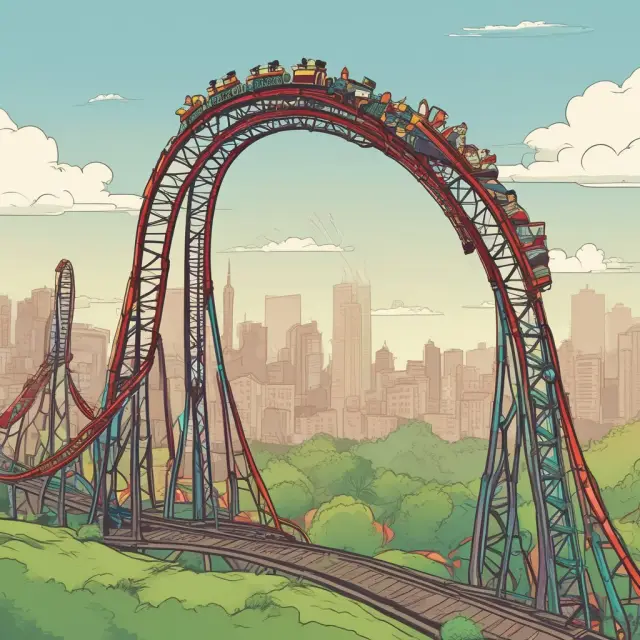
As previously mentioned, expansions are the phase of the business cycle when the economy is on the upswing, moving from a trough to a peak. However, it’s important to recognize that not all economic expansions are created equal. Some expansions last for just a few years, while others persist for more than a decade. Understanding this difference between short-term and long-term expansions is crucial for investors looking to capitalize on various opportunities throughout the business cycle.
Short-Term Expansions
A short-term expansion can last anywhere from 10 months to approximately three years, with some examples dating back to the late 1940s, such as the 32-month expansion between October 1960 and March 1962. Although not particularly lengthy, these expansions still contribute significantly to economic growth. During short-term expansions, businesses typically focus on capitalizing on immediate market opportunities by increasing production, investing in new projects, or hiring additional staff. In turn, consumers tend to spend more confidently, further fueling expansion.
Long-Term Expansions
Contrastingly, long-term expansions can last anywhere from 4 to over 10 years. These expansions are particularly noteworthy because their impact on the economy can be substantial and long-lasting. During this phase, companies may commit to large-scale investments or projects that require a considerable amount of capital and time to come to fruition. For instance, significant infrastructure improvements, product development, and even mergers and acquisitions may occur during long-term expansions. Consumer confidence also tends to remain high due to consistent economic growth and the associated job security.
Determining Expansion Duration
How do investors determine whether an expansion is short-term or long-term? One effective way is by focusing on interest rates and capital expenditures, as previously discussed in this article. When interest rates are low, businesses often invest more heavily due to the reduced cost of borrowing, indicating a likely long-term expansion. Conversely, when interest rates rise significantly, companies may be more hesitant to undertake large projects or expand their workforce, suggesting that an expansion could soon come to a close.
Historical Context
To better grasp the significance of short-term versus long-term economic expansions, let us examine some historical examples. For instance, the longest U.S. expansion on record lasted 128 months, or just over 10 and a half years, according to the NBER, ending in February 2020. This remarkable expansion period was characterized by an average annual GDP growth rate of about 2.5% from 2009 to 2019, demonstrating the potential impact that long-term expansions can have on economic progress.
In conclusion, understanding the differences between short-term and long-term economic expansions is crucial for investors as it provides insight into market opportunities and trends throughout various stages of the business cycle. By monitoring interest rates, capital expenditures, and historical contexts, investors can position themselves accordingly to maximize potential returns while mitigating risks associated with market fluctuations.

Impact on Investors: Identifying Opportunities During Expansion Phases
Understanding how to identify the business cycle phases can be crucial for investors seeking to make informed decisions regarding asset allocation and timing their investments. Expansions, particularly long ones, present valuable opportunities in various investment classes such as equities, fixed income, and commodities.
The longest expansions have historically offered significant gains for equity markets. For instance, the 128-month-long expansion that ended in February 2020 saw the S&P 500 Index rise by approximately 45 percent. This increase can be attributed to the numerous tailwinds present during the expansion phase: a growing economy, strong corporate earnings, and low interest rates.
Investors may also take advantage of expansions in fixed-income markets by investing in sectors that tend to perform well during such phases. For example, investment-grade bonds usually offer relatively stable yields during an expansion, making them a popular choice for income-focused investors seeking to balance risk with reward. Conversely, junk bonds may offer higher yields but can also come with heightened volatility and credit risk.
Commodities, particularly precious metals like gold, often benefit from the inflationary pressures that accompany the latter stages of an expansion. As interest rates rise, investors flock to safe-haven assets, bidding up prices for precious metals like gold.
Monitoring key economic indicators and leading indicators is essential for investors seeking to capitalize on investment opportunities during expansions. These indicators include average weekly hours worked by manufacturing employees, unemployment claims, new orders for consumer goods, and building permits. When these indicators point towards expansionary conditions, investors can consider increasing their exposure to equities, investment-grade bonds, or commodities depending on the stage of the cycle and personal risk tolerance.
On the other hand, short-term investors may also employ tactical strategies such as buying stocks during dips within an uptrend to capitalize on short-term gains. However, it’s important to note that investment opportunities in expansions are not without risks, and investors should always consider their individual risk tolerance, time horizon, and investment objectives before making any investment decisions.
As expansions evolve, central banks may gradually raise interest rates to curb inflationary pressures and prevent the economy from overheating. In such instances, bond yields usually rise while equity markets can become volatile. Investors need to be prepared for this transition by adjusting their portfolios accordingly or considering alternative investment strategies that are better suited to a contractionary environment.
In conclusion, understanding economic expansions and identifying the right opportunities during this phase of the business cycle can lead to significant gains in various investment classes. By closely monitoring key economic indicators, staying informed about market trends, and being flexible with your portfolio allocation, investors can make the most of expansionary conditions while minimizing potential risks.
Investors must also be prepared for the eventual transition from an expansionary to a contractionary phase. Economic expansions do not last forever, and understanding when to shift investment strategies is crucial to maintaining long-term financial success. Stay informed about current economic data, interest rates, and leading indicators to stay ahead of market trends and adapt your investment approach accordingly.
FAQs:
What is the best way for investors to take advantage of expansions?
A: Keeping a close eye on key economic indicators and staying informed about market trends are crucial for investors seeking to capitalize on opportunities during expansions. Monitoring leading indicators like average weekly hours worked by manufacturing employees, unemployment claims, new orders for consumer goods, and building permits can help determine expansionary conditions.
Which investment classes usually perform well during expansions?
Equities, fixed income, and commodities are all potential investments that can benefit from economic expansions depending on the stage of the cycle. For instance, equities may offer significant gains as the economy grows, while investment-grade bonds provide relatively stable yields and commodities like precious metals can serve as safe-haven assets during inflationary pressures.
How long do economic expansions last?
Expansions typically last for four to five years but have been known to go on much longer. The longest expansion on record in the United States lasted 128 months, or just over ten and a half years, according to the National Bureau of Economic Research (NBER).
What are leading indicators?
Leading indicators are economic data points that predict future trends before they become evident in the overall economy. Examples include average weekly hours worked by manufacturing employees, unemployment claims, new orders for consumer goods, and building permits. By monitoring these indicators, investors can identify potential economic conditions and adjust their investment strategies accordingly.
When should investors shift their investment strategies?
Investors should be prepared to shift their investment strategies when the business cycle transitions from an expansionary to a contractionary phase. Monitoring central bank actions, interest rates, and leading indicators can help determine the right time to adjust portfolio allocations and consider alternative investment strategies better suited for contracting economies.

Case Study: Notable U.S. Expansions and Their Impact on Finance and Investment
Economic expansions throughout history have had a significant impact on the financial markets. Understanding these historical trends can provide valuable insights into investment opportunities during expansion phases. Let’s delve deeper into some of the most notable U.S. economic expansions and their subsequent consequences for finance and investment:
1. The Roaring Twenties (1920-1929)
During the Roaring Twenties, the U.S. economy experienced one of its longest expansions on record, lasting nearly a decade. A period marked by prosperity, consumerism, and technological innovation, the expansion phase led to impressive gains in various industries such as automobiles, electronics, and construction. The stock market saw significant growth, with the Dow Jones Industrial Average increasing over 450% between 1921 and 1929. However, this period was followed by the Great Depression – a devastating contraction that lasted more than 13 years.
2. Post-WWII Boom (1946-1948)
Following World War II, the U.S. economy bounced back quickly with an expansion phase known as the “Post-WWII Boom.” This rapid economic growth was due in large part to pent-up demand, government spending on infrastructure projects, and demobilization of the military. The stock market experienced strong gains during this period, leading many investors to believe that good times would continue forever – a belief that ultimately proved to be false as the economy entered a recession in 1948.
3. Late 1960s Expansion (1965-1969)
The late 1960s expansion was marked by an increase in government spending, a growing economy, and rising inflation. This period also saw the introduction of innovative technologies, such as transistors and integrated circuits. The stock market experienced significant growth during this era, with the Dow Jones Industrial Average climbing nearly 27% from 1965 to 1968. However, the expansion phase was ultimately followed by a recession in 1970 that lasted over a year.
4. Late 1990s Expansion (1996-2000)
The late 1990s expansion marked one of the most impressive periods in U.S. economic history, commonly referred to as the “Dot-Com Boom.” This era was characterized by massive growth in the technology sector and significant innovation across various industries. The Nasdaq Composite Index nearly quadrupled from its 1995 low to a high in March 2000. However, this expansion phase ultimately led to an unprecedented bubble that burst in 2000, resulting in a stock market crash and a significant recession that lasted over a year.
Understanding the historical context of notable U.S. expansions can help investors identify potential opportunities during future expansion phases. By studying trends from past cycles, investors can make informed decisions regarding asset allocation and timing, ultimately helping to maximize returns while minimizing risk.

Conclusion: Preparing for Future Economic Cycles
Expansion is one of the most exciting yet unpredictable phases of the business cycle. In this period, economic growth resumes after a contraction or recession, and investors may see significant gains in their portfolios as consumer confidence rises, unemployment declines, and equity markets perform well. Understanding expansion goes beyond just recognizing the symptoms – it’s important to know what forces drive these cycles and how you can benefit from them.
At the core of an economic expansion are two essential factors: capital expenditure (CapEx) and interest rates. Companies invest in new assets, infrastructure, or projects, creating jobs and boosting production. The Federal Reserve, in turn, can lower borrowing costs by reducing interest rates, making it more attractive for businesses to take on debt and fuel the expansion.
However, every cycle comes with risks. While expansions are usually characterized by growth, they eventually culminate in a peak where inflation rises, and central banks hike interest rates to combat the oversupply of goods or services. This sudden reversal can cause economic contraction once again.
The knowledge that economic expansion follows a predictable pattern is vital for investors. By staying informed on indicators such as leading economic indicators and being mindful of these key factors, you’ll be better prepared to navigate the business cycle and make informed decisions about asset allocation, investments, and potential opportunities.
Looking at historical expansions can provide valuable context to help investors determine where we are in the current cycle and what lies ahead. The longest U.S. expansion on record lasted 128 months, ending in February 2020, a testament to the importance of being prepared for extended economic growth periods.
As an investor, it’s essential to remember that while expansions can bring substantial returns, they also come with inherent risks. By understanding the business cycle and staying informed on macroeconomic trends, you can make strategic moves to protect your investments and maximize profits during each phase.

FAQs About Economic Expansion
What is the business cycle?
The business cycle refers to the recurring pattern of economic expansion and contraction over time. It’s divided into four distinct phases, including expansion, peak, contraction, and trough.
How long does an economic expansion typically last?
Expansions usually last for about 4-5 years, but they can sometimes go on for up to a decade or more.
What happens during the expansion phase of the business cycle?
During an economic expansion, GDP rises, unemployment declines, consumer confidence grows, and equity markets perform well. It’s also referred to as the recovery phase following a recession.
How do interest rates factor into the business cycle?
Interest rates can influence expansions by encouraging businesses and consumers to borrow and spend during periods of low borrowing costs. Conversely, rising interest rates can lead to a slowdown in economic activity.
What is the credit cycle, and how does it relate to expansion?
The credit cycle is closely linked with expansions as central banks manipulate interest rates to spur growth. When interest rates are low, businesses and consumers borrow more, leading to increased spending and eventually driving inflation. Central banks respond by raising interest rates to curb inflation and economic activity slows down again, marking the end of an expansion.
What is capital expenditure (CapEx), and how does it affect expansions?
Capital expenditures, or CapEx, refer to the money companies spend on maintaining, improving, and buying new assets. During an economic expansion, increased sales and borrowing costs encourage companies to invest in CapEx, driving growth but eventually leading to supply exceeding demand and decreasing profitability as the expansion matures.
How can investors use knowledge of expansions and the business cycle to inform their investment decisions?
Understanding the phases of the business cycle helps investors anticipate market trends and identify opportunities for asset allocation. By recognizing the signals that indicate an economic expansion or contraction, they can make informed decisions regarding investments, diversification strategies, and overall portfolio management.
 Next entry · No. 1,406Expansionary Policy: Understanding the Macroeconomic Tool for Economic Growth
See also
-
 No. 1,476
21 Sep 2024
19 min
Understanding the Federal Funds Rate: Impact, Determination and Difference
Business Finance
No. 1,476
21 Sep 2024
19 min
Understanding the Federal Funds Rate: Impact, Determination and Difference
Business Finance -
 No. 1,243
17 Aug 2024
19 min
Maximizing Returns and Minimizing Risk: Understanding the Efficient Frontier
Business Finance
No. 1,243
17 Aug 2024
19 min
Maximizing Returns and Minimizing Risk: Understanding the Efficient Frontier
Business Finance -
 No. 1,063
22 Jul 2024
21 min
Disinvestment: Maximizing Returns through Strategic Sell-offs or Capital Expenditure Reductions
Business Finance
No. 1,063
22 Jul 2024
21 min
Disinvestment: Maximizing Returns through Strategic Sell-offs or Capital Expenditure Reductions
Business Finance -
 No. 3,643
15 Apr 2025
18 min
Official Settlement Accounts: An Overview of Central Bank’s Role in International Reserves Management
Finance Policy
No. 3,643
15 Apr 2025
18 min
Official Settlement Accounts: An Overview of Central Bank’s Role in International Reserves Management
Finance Policy -
 No. 1,227
15 Aug 2024
20 min
Understanding Economic Indicators: A Comprehensive Guide for Institutional Investors
Finance Policy
No. 1,227
15 Aug 2024
20 min
Understanding Economic Indicators: A Comprehensive Guide for Institutional Investors
Finance Policy -
 No. 1,216
13 Aug 2024
25 min
Understanding Economic Stimulus: Monetary and Fiscal Policy Tools for Jumpstarting Private Sector Growth
Economics
No. 1,216
13 Aug 2024
25 min
Understanding Economic Stimulus: Monetary and Fiscal Policy Tools for Jumpstarting Private Sector Growth
Economics