Understanding Economic Sectors and Investment Sectors: A Comprehensive Guide for Institutional Investors
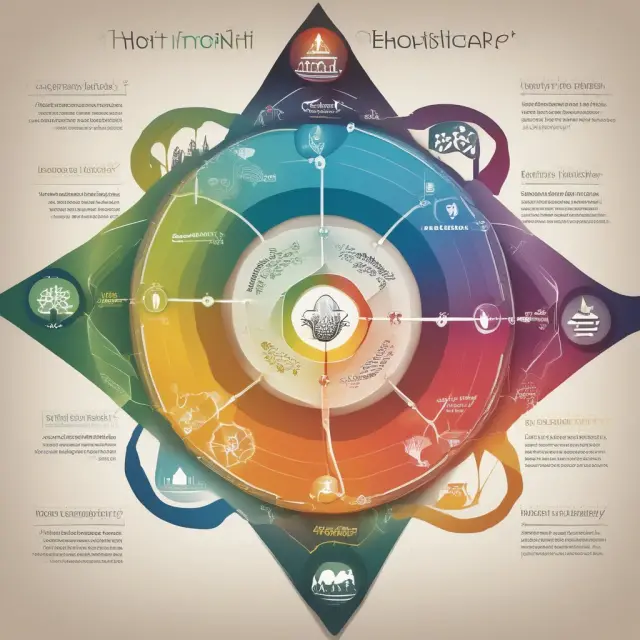
Explore the world of economic sectors and their impact on investment opportunities for Institutional Investors. Understand primary, secondary, tertiary…
Introduction to Sectors and Their Significance in the Economy
Understanding economic sectors plays a vital role for institutional investors in gauging the overall health and growth trajectory of an economy. Sectors represent a large grouping of companies with similar business activities, products, or services. Economists and financial analysts use sectors to categorize economic activity, providing valuable insights into the performance and trends within various industries. In this section, we explore the importance of sectors in understanding the economy and their role as an essential tool for investors.
Sectors are used to group companies by their business activities, making it easier to analyze economic data and market trends. There are four primary sectors that economists typically use: the primary sector, secondary sector, tertiary sector, and quaternary sector. Let’s take a closer look at each one.
The primary sector encompasses businesses involved in the extraction of natural resources from the earth. This includes companies engaged in mining, agriculture, fishing, forestry, and hunting. These sectors are crucial for economies that rely heavily on natural resources but employ relatively few people as advanced technology is often used to automate processes.
The secondary sector consists of manufacturing, construction, and energy production industries. These businesses transform raw materials into finished goods or services. Secondary sectors contribute significantly to economic growth by providing employment opportunities, increasing productivity, and reducing reliance on imports. Examples include automobile manufacturing, textile production, and energy utilities.
The tertiary sector focuses on providing services to consumers and businesses. These industries range from retail sales and transportation to education, health care, and financial services. Tertiary sectors represent a significant portion of the economy in most developed countries as they provide essential services that contribute to consumer and business well-being.
The quaternary sector represents intellectual activities and technological advancements. This sector includes companies involved in research and development, information technology (IT), and consulting services. The quaternary sector is crucial for driving innovation and improving processes across various industries, making it an essential component of modern economies.
In the financial markets, sectors are further broken down into investment sectors, which help investors compare the financial performance of similar businesses. Examples include technology, energy, financial services, real estate, industrials, consumer discretionary, consumer staples, and utilities. Understanding the relationship between economic sectors and investment sectors is essential for institutional investors looking to make informed decisions on investments and asset allocation strategies.
Stay tuned as we dive deeper into each sector, discussing their importance, challenges, and opportunities for investors in the next sections of this comprehensive guide for institutional investors.

Primary Sector: Engaging with Natural Resources and Raw Materials
Sectors are an integral part of the economy, helping economists analyze economic activity by grouping companies that share similar business activities. One of the most fundamental sectors is the primary sector. This sector represents businesses engaged in the extraction and harvesting of natural resources. The importance of understanding the primary sector lies in its direct connection to the Earth’s bounty.
The primary sector primarily includes natural resource-based companies, such as those involved in mining, agriculture, forestry, hunting, and fishing. These businesses utilize raw materials found within nature for commercial purposes. The extraction of these resources is essential since they serve as the foundation of the economy. In turn, the production of goods from these raw materials forms the basis for secondary sector activities like manufacturing.
In developing or emerging economies, primary industries often dominate the economic landscape, providing employment and contributing significantly to their overall Gross Domestic Product (GDP). However, in more developed economies, automation and technological advancements have reduced the labor-intensive nature of primary sector activities. As a result, the workforce in these countries tends to be smaller compared to other sectors, such as services or manufacturing.
Primary sector businesses include:
– Mining and quarrying
– Fishing
– Agriculture
– Forestry
– Hunting
Mining and quarrying involve extracting valuable minerals from the Earth, while fishing involves catching fish for commercial purposes. Agriculture is responsible for growing crops or raising livestock for food production or raw materials like cotton, wool, or silk. Forestry focuses on managing forests to produce timber, wood pulp, or other forest-derived products. Lastly, hunting includes activities related to trapping or raising game animals for consumption or commercial purposes.
Investors can consider the primary sector when assessing economic conditions since its performance often reflects the health of the broader economy. For example, a strong demand for raw materials, such as copper or crude oil, may indicate a growing economy with increasing consumer and business spending. Conversely, if there is a decrease in demand for natural resources due to a slowing economy, primary sector companies may experience reduced revenues.
By understanding the importance of sectors like the primary sector, investors can gain valuable insights into economic trends and opportunities within various industries. In the following sections, we will further explore secondary, tertiary, and quaternary sectors, as well as investment sectors, and their roles in shaping the global economy.

Secondary Sector: Manufacturing, Construction, and Processing
The secondary sector plays a significant role in the economy by transforming raw materials into valuable finished goods or services. Companies engaged in this sector produce a diverse range of items from automobiles to chemicals, and their activities include manufacturing, construction, and processing. Let’s explore each of these components in detail.
Manufacturing: Manufacturers use raw materials and machinery to create products for sale to businesses or consumers. For example, an automobile manufacturer utilizes raw materials like steel and aluminum to manufacture vehicles. The finished product can be sold to dealerships or directly to consumers. This sector is crucial for economic growth as it creates jobs, increases productivity, and stimulates innovation. Manufacturing activities include:
- Assembling components into a final product
- Incorporating technology and automation in the production process
- Developing new materials and processes
- Streamlining supply chains
- Optimizing logistics and transportation networks
Construction: Construction involves building structures or infrastructure, such as roads, bridges, hospitals, schools, and residential homes. In essence, the construction industry transforms raw materials like sand, gravel, and steel into structures that can house people and serve various functions within a community. Construction activities create jobs, boost economic growth, and provide essential services for both businesses and individuals.
Processing: Processing involves converting raw materials into usable products or extracting valuable substances from them. Examples include refining crude oil into gasoline and heating oil or transforming raw milk into dairy products like cheese or butter. Processing is a crucial aspect of the secondary sector, enabling the creation of valuable goods from initially unprocessed resources.
The secondary sector’s importance extends beyond its contribution to economic growth, as it also provides essential goods and services that form the foundation of other sectors. For example, the automobile industry relies on the production of steel and other raw materials, while construction is necessary for the development of new residential homes or commercial buildings. Moreover, secondary sector industries provide raw materials to the tertiary (service) sector, which includes activities like transportation, retail sales, and entertainment.
As institutional investors, understanding these interconnections between sectors can help you make informed decisions and adapt your investment strategies based on macroeconomic factors. For example, an investor may choose to focus on manufacturing stocks during an economic expansion or consumer staples companies in a slowing economy. In the following sections, we will further discuss how sectors perform during various economic conditions and provide insights into identifying trends and opportunities.

Tertiary Sector: Providing Services to Businesses and Consumers
The tertiary sector plays a crucial role in the economy by providing services that enable businesses and consumers to function effectively. This sector represents the largest portion of economic activity in most developed countries, generating more jobs than the primary and secondary sectors combined. The tertiary sector encompasses various sub-sectors, including retail sales, transportation, professional services, information technology (IT), financial services, healthcare, education, and creative arts.
Investors and economists use the term “services sector” interchangeably with “tertiary sector,” emphasizing its significance in modern economies. In the context of investment analysis, the tertiary sector is particularly important as it consists of numerous sub-sectors that cater to various industries and consumer needs, providing valuable insights into economic trends and company performance.
Retail sales represent a significant portion of the services sector. Retailers offer essential and non-essential goods, while some retailers specialize in particular products or target specific consumer demographics. In many developed countries, retail sales contribute significantly to their gross domestic product (GDP). Transportation is another critical sub-sector within the tertiary sector, including various modes of transportation such as road, rail, air, and maritime. This sector’s importance lies in facilitating trade, enabling businesses to distribute goods across different regions or even internationally.
Professional services encompass a range of industries, including law, accounting, engineering, architecture, and consulting. These services are essential for businesses to operate efficiently, making professional services an attractive investment sector for investors seeking stable returns. Information technology (IT) is another vital sub-sector within the tertiary sector. IT companies provide hardware, software solutions, and digital services that enable businesses to streamline their operations, innovate, and stay competitive in their respective industries.
Financial services form a significant part of the global economy, with various sectors such as banking, insurance, and securities. Financial services are essential for individuals and businesses alike, providing essential functions like managing savings, facilitating transactions, and mitigating financial risks. Healthcare services represent yet another sub-sector within the tertiary sector, catering to consumers’ growing need for quality healthcare and medical treatment. The healthcare industry includes hospitals, pharmaceuticals, medical equipment manufacturers, and insurance providers.
Education is a crucial component of the tertiary sector, providing knowledge, skills, and training to individuals at various stages of their lives. This sub-sector encompasses primary, secondary, and higher education institutions, as well as adult learning programs. The creative arts represent another significant sub-sector within the services sector. This includes industries like music, film, television, publishing, design, and advertising. Creative arts contribute to both economic growth and cultural enrichment in many countries.
Understanding the tertiary sector’s role in the economy is essential for investors, as it often exhibits different trends and dynamics compared to other sectors. For example, services tend to be more resilient during economic downturns due to their essential nature. Additionally, some sub-sectors within the tertiary sector, such as IT and professional services, exhibit growth potential that exceeds those of traditional industries like manufacturing or construction.
In conclusion, the tertiary sector represents the largest portion of economic activity in most developed countries and plays a crucial role in enabling businesses and consumers to function effectively. Investors can benefit from understanding this sector’s various sub-sectors and how they contribute to overall economic growth and stability. By analyzing the trends and dynamics within each sub-sector, investors can make informed investment decisions that cater to their risk tolerance, return expectations, and time horizon.

Quaternary Sector: Intellectual Activities and Technological Advancements
The quaternary sector represents a significant shift from traditional economic sectors towards knowledge-based activities. The primary, secondary, and tertiary sectors focus on extracting raw materials, manufacturing products, and providing services to consumers and businesses. In contrast, the quaternary sector deals with intellectual activities such as technological advancements, research, and innovation (Barnes, 2014).
Businesses in the quaternary sector contribute to the economy by fostering growth through technology development and improvements to processes. The most prominent examples of these businesses are those involved in information technology, biotechnology, education, consulting services, research, and stock markets (Barnes, 2014).
Technological Advancements in the Quaternary Sector
The rapid advancement of technology plays a crucial role in shaping economic activity within the quaternary sector. Technological innovations have led to significant improvements in various industries, including manufacturing, healthcare, and communication (Barnes, 2014). In turn, these technological advancements create new opportunities for businesses and contribute to a more efficient economy overall.
Research and Development
Another essential aspect of the quaternary sector is research and development (R&D), which leads to improvements in processes and products across various industries. This sector’s focus on innovation and knowledge-sharing drives economic growth, as new technologies and methods lead to increased productivity and competitive advantages for businesses.
Information Technology
The information technology sector plays a substantial role within the quaternary sector. It includes companies that design, develop, manufacture, and sell electronic equipment and software (Barnes, 2014). These firms contribute to economic growth by enabling businesses and consumers to communicate, process data, and access knowledge more efficiently than ever before.
Education:
The education sector is another significant component of the quaternary sector. It encompasses various educational institutions that provide students with the skills and knowledge necessary for a career in a rapidly evolving economy (Barnes, 2014). As technology continues to advance, the importance of continuous learning becomes increasingly apparent, making education a vital contributor to economic growth.
Consulting Services
Consulting services represent another essential part of the quaternary sector. Companies provide advice and expertise in various industries, helping clients optimize their business operations and navigate market challenges (Barnes, 2014). This sector’s contributions are critical as businesses increasingly rely on external resources to maintain a competitive edge in a constantly changing economic landscape.
Research:
The research sector is another essential component of the quaternary sector. It involves firms that engage in scientific research and development, leading to technological innovations across various industries (Barnes, 2014). This sector’s importance is underscored by its role in driving economic growth through groundbreaking discoveries and improvements in processes, which create new opportunities for businesses and contribute to increased productivity.
Stock Markets
Finally, stock markets are an integral part of the quaternary sector. They offer investors a platform to buy and sell shares in various companies (Barnes, 2014). As the economy evolves, stock markets provide essential information about the performance of industries and individual companies, allowing investors to make informed decisions based on market trends and economic indicators.
In conclusion, the quaternary sector plays a crucial role in driving economic growth by fostering innovation, research, and knowledge-sharing through intellectual activities. This sector’s focus on technology development, education, consulting services, research, and stock markets has created new opportunities for businesses while contributing to an increasingly efficient economy. Understanding the significance of the quaternary sector is essential for investors seeking to navigate economic trends and make informed decisions in today’s rapidly evolving global economy.
References:
Barnes, J. (2014). Economic Sectors: Classification, Analysis, and Determinants. New York: Routledge.

Sectors in a Growing Economy: Identifying Trends and Opportunities
Economic sectors are crucial for understanding the overall performance of an economy by grouping companies based on their related business activities. As economies expand, some sectors perform better than others, providing investors with valuable insights into economic trends and investment opportunities. In this section, we delve deeper into how various sectors behave during periods of economic growth.
Economic sectors are broad categories that help economists analyze the economic activity within an economy. The most common sectors include primary, secondary, tertiary, and quaternary sectors. These sectors represent different stages in the production process:
1. Primary Sector: Companies involved in natural resource extraction and agriculture fall under the primary sector. During a growing economy, this sector can experience significant growth due to increased demand for raw materials and resources, leading to attractive investment opportunities. For example, a thriving global economy often drives up demand for minerals and metals used in manufacturing industries, creating potential investment opportunities in mining companies.
2. Secondary Sector: This sector includes manufacturing, construction, and processing industries. In a growing economy, the secondary sector benefits from increased consumer spending and production demands as companies expand their operations to meet market needs. For instance, the automobile industry may experience strong growth during an economic expansion due to rising demand for vehicles.
3. Tertiary Sector: The tertiary sector consists of service-oriented industries, such as retail, finance, and healthcare. During a growing economy, consumer spending increases, leading to significant opportunities in this sector. For instance, companies providing consumer services can see substantial growth due to an expanding economy’s rising demand for discretionary goods and services.
4. Quaternary Sector: The quaternary sector encompasses intellectual activities like research and development (R&D), information technology (IT), education, and consulting. As economies grow, the demand for innovation and knowledge-based industries increases. For example, a growing economy might spur investment opportunities in IT companies that develop advanced technologies or create innovative solutions to address new market demands.
Investment sectors are sub-categories of economic sectors that focus on specific industries within each sector. These categories help investors make informed decisions by comparing the financial performance of similar businesses. For example, technology and healthcare can be considered investment sectors under the quaternary sector, allowing investors to assess the financial health and growth prospects of companies in these fields more effectively.
As a growing economy creates opportunities across various sectors, it is essential for institutional investors to identify trends and adapt their portfolios accordingly. By staying informed on the performance of each sector, investors can position themselves to capitalize on emerging economic conditions and potential investment opportunities.

Sectors in a Slowing Economy: Adapting to Challenges and Thriving Through Downturns
Understanding which sectors are resilient during economic downturns can help investors position their portfolios for success. While some sectors may falter during an economic slowdown, others continue to perform well. In this section, we’ll explore the sectors that tend to fare best during tough economic conditions and discuss strategies for navigating sector performance in a sluggish economy.
In a contracting or slow-growing economy, consumer spending can be one of the first areas impacted. However, certain sectors continue to thrive even when consumers are holding back on discretionary spending. Consumer staples, such as food, beverages, and household essentials, typically remain in demand regardless of economic conditions. These companies often experience steady sales growth during an economic downturn due to the necessity of their products.
Another sector that tends to perform well during tough economic times is healthcare. People’s need for medical care doesn’t fluctuate with the economy; therefore, healthcare services and pharmaceutical companies can continue to see consistent revenue growth. Additionally, population aging in developed countries means a growing demand for healthcare services and products over the long term.
Energy is another sector that tends to be relatively stable during economic downturns. While consumer and business spending may decline during an economic slowdown, energy demand typically remains steady since it’s required for daily life and industrial processes. Furthermore, energy companies often have the financial resources and stable cash flows to weather economic storms better than other sectors.
Investors looking to capitalize on these trends can consider investing in exchange-traded funds (ETFs) that track specific sector indices, such as the Consumer Staples Select Sector SPDR ETF (XLC), Health Care Select Sector SPDR ETF (XLV), and Energy Select Sector SPDR ETF (XLE). These ETFs can offer diversified exposure to the sectors and help investors navigate economic downturns.
However, it’s essential for investors to remain vigilant during a slowing economy. While certain sectors may be resilient, others can face significant challenges. Industries that rely on consumer discretionary spending, such as luxury goods or travel, are typically more vulnerable during an economic downturn. Additionally, companies in cyclical industries, like automobiles or construction materials, may experience declining sales due to reduced business investment and lower consumer demand.
Investors should also be prepared for increased volatility within sectors during a slowing economy. For instance, the healthcare sector can experience fluctuations based on regulatory changes, drug pricing debates, and shifting patient demographics. Similarly, energy prices can be affected by geopolitical tensions or unexpected supply disruptions.
To mitigate risks in a sluggish economy, investors can employ various strategies to protect their portfolios. These include:
– Diversifying across sectors: Investing in multiple sectors can help spread risk and potentially balance out sector performance during different economic conditions.
– Monitoring valuations: Evaluating company valuations within each sector can help identify undervalued or overvalued stocks, allowing investors to make informed investment decisions.
– Regularly reviewing sector trends: Keeping up with economic trends and sector performance is crucial for adjusting portfolios as needed during a slowing economy.
– Maintaining a long-term perspective: While economic downturns can be challenging, they are often temporary. Maintaining a long-term investment horizon can help investors ride out market volatility and potentially reap rewards when the economy recovers.
In conclusion, understanding which sectors perform well during a slowing economy is crucial for investors looking to position their portfolios effectively. By focusing on resilient sectors like consumer staples, healthcare, and energy, while also staying informed about sector trends and risks, investors can navigate economic downturns and potentially thrive in challenging market conditions.
In this section, we explored the three sectors that tend to fare well during economic downturns: consumer staples, healthcare, and energy. We also discussed strategies for navigating sector performance during a slowing economy, including diversification, monitoring valuations, reviewing sector trends, and maintaining a long-term perspective. By staying informed about these sectors and their trends, investors can make well-informed decisions that help protect their portfolios during challenging economic conditions.
In the next section of our article, we will discuss investment sectors and how they differ from economic sectors. We’ll also explore how investment sectors help investors measure the financial performance of similar companies within an economy. Stay tuned for more insights on understanding sectors and investing in today’s global economy.

Investment Sectors: Categorizing Companies for Comparative Analysis
Understanding investment sectors plays a significant role in the financial markets by providing a means to compare the performance of various companies within specific industries. Investment sectors are sub-sectors that focus on grouping companies based on their business activities. By analyzing different investment sectors, investors can evaluate how various industries may impact one another and make informed decisions regarding their investments.
Investors rely on economic sectors to understand the overall health of an economy. However, economic sectors represent a broad categorization of various industries, while investment sectors help narrow this focus by providing further definition for more detailed analysis.
To illustrate, consider primary, secondary, tertiary, and quaternary sectors as the primary categories of economic activity. In the same vein, investment sectors like technology, energy, financial services, real estate, industrials, utilities, consumer discretionary, and consumer staples provide a more granular view of specific industries within each economic sector.
For instance, companies within the technology sector focus on developing, manufacturing, and selling electronics, software, or other technological innovations. Within the energy sector, investors can look into oil and gas extraction, renewable energy production, and alternative fuels. The financial services sector includes banking and insurance institutions, while industrials encompass companies involved in manufacturing, machinery, construction, and transportation sectors.
Investment sectors are essential tools for investors to evaluate the overall performance of an economy and specific industries within it. They help provide insights into which sectors might outperform others, enabling investors to position their portfolios accordingly. Additionally, investment sectors can indicate how sensitive certain sectors may be to economic conditions, such as expansion or contraction.
Understanding investment sectors and their correlation with broader economic indicators is crucial for institutional investors seeking a deeper understanding of market trends and potential investment opportunities. By examining sector performance alongside economic data like Gross Domestic Product (GDP) and inflation rates, investors can make more informed decisions based on both quantitative and qualitative analysis.
When considering investment sectors, it’s essential to recognize that various sectors exhibit different behaviors during periods of expanding and slowing economies. For example, in an expanding economy, investors might focus on sectors such as industrials, real estate, and consumer discretionary due to their potential for growth. Conversely, in a slowing economy, companies within the consumer staples sector may outperform other sectors as consumers continue to purchase essential goods despite economic challenges.
As investors delve deeper into investment sectors, they will also encounter various sector trends and opportunities. For instance, the technology sector is expected to experience significant growth due to the increasing reliance on digital platforms and automation across industries. Likewise, renewable energy investments may gain momentum as the world transitions towards greener sources of power in response to growing concerns over climate change and resource depletion.
In conclusion, investment sectors serve as a critical tool for institutional investors seeking to navigate the complex financial markets. By providing a more detailed perspective on specific industries within broader economic sectors, investment sectors enable investors to make informed decisions regarding their investments while preparing for future economic conditions.

Sector Performance and Economic Indicators
Understanding economic sectors and their role in the economy is crucial for investors as they provide insights into the overall health of an economy. By examining sector performance and its relationship to key economic indicators such as Gross Domestic Product (GDP) and inflation rates, you can make informed decisions based on the financial conditions within specific sectors.
Economic sectors represent large groupings of companies engaged in similar business activities. The primary sector includes firms involved in natural resource extraction and agriculture, while secondary sector businesses are focused on manufacturing and construction. Tertiary sector enterprises provide services to consumers and businesses, such as retail, transportation, and healthcare. Quaternary sector firms operate within the knowledge economy, offering intellectual services like technology research and development.
Investment sectors take this categorization a step further by grouping companies based on their business activities. Examples of investment sectors include technology, energy, financial services, real estate, industrials, consumer discretionary, consumer staples, and utilities. Understanding these sub-sectors is essential for investors as they help measure an economy’s performance by focusing on the financial performance of similar businesses.
A thriving economy tends to see increased demand for raw materials like copper or crude oil, indicating a growing economy. In such an environment, industrial companies will likely experience revenue growth due to heightened manufacturing and construction activities. The real estate sector also benefits from an expanding economy, with both commercial and residential sales increasing. Consumer discretionary firms can also benefit from increased consumer spending on non-essential goods.
Conversely, a slowing economy may lead to reduced demand for raw materials, indicating economic contraction. During these times, companies specializing in consumer staples like paper towels and toilet paper might experience increased revenue as consumers continue purchasing essential products despite economic downturns. This pattern holds true even during recessions when people tend to focus on necessities.
Furthermore, key economic indicators such as GDP and inflation rates can provide valuable insights into sector performance. A strong economy is characterized by a rising Gross Domestic Product (GDP) and low inflation rates, making it an ideal environment for growth-oriented sectors like technology and industrials. Conversely, negative or falling GDP and high inflation rates may indicate an economic slowdown, favoring defensive sectors like consumer staples and utilities.
As an investor, analyzing sector performance in relation to economic indicators enables you to make informed decisions based on the financial conditions within specific sectors. By understanding both short-term and long-term trends, you can adapt your investment strategy and position yourself to capitalize on opportunities as they arise.

FAQs: Frequently Asked Questions about Economic Sectors
Question 1: What are sectors, and why are they important?
Answer: Sectors represent a large grouping of businesses with similar business activities. They enable economists to analyze economic activity, identify trends, and understand the economic conditions within an economy. By understanding the performance of various economic sectors, investors can make informed decisions about where to allocate their capital.
Question 2: What are the four main economic sectors?
Answer: The primary sector includes companies that extract or harvest natural resources, such as mining, agriculture, and forestry. The secondary sector consists of manufacturing, construction, and processing industries. The tertiary sector encompasses service-based businesses. The quaternary sector represents intellectual activities and technological advancements.
Question 3: What is the difference between economic sectors and investment sectors?
Answer: Economic sectors represent a broad representation of the economy, while investment sectors further define and categorize companies within specific industries for investment purposes. Investment sectors help investors compare companies with similar business activities and measure how well an economy is performing based on the financial performance of corporations within that sector.
Question 4: Which economic sector is most critical during a recession?
Answer: The consumer staples sector typically performs better in a slowing economy because consumers continue to purchase essential goods regardless of the overall economic conditions. Other sectors, such as technology and discretionary goods, may experience increased volatility or decreased revenue during economic downturns.
Question 5: How do sectors influence an economy’s growth?
Answer: The performance of various economic sectors can provide insight into the overall health and direction of an economy. For example, if there is a large increase in raw material purchases, such as copper or crude oil, it may indicate that the economy is expanding. Conversely, if economic growth is slowing, companies that sell essential goods, like consumer staples, may experience increased revenue since consumers continue to purchase these items regardless of the broader economic conditions.
Question 6: How can investors use sectors in their investment strategies?
Answer: Investors can use sectors as a tool for diversification and asset allocation. By understanding how various economic sectors perform during different economic conditions, investors can build a well-diversified portfolio that includes companies from multiple sectors to minimize risk and maximize returns. Additionally, investors may choose to focus on specific sectors based on their investment objectives, such as growth or income generation.
Question 7: What are some examples of investment sectors?
Answer: Some examples of investment sectors include technology, financial services, real estate, industrials, energy, utilities, consumer discretionary, and consumer staples. These sector classifications help investors compare companies with similar business activities and make informed decisions about where to allocate their capital.
 Next entry · No. 4,589Understanding Secular Trends in Finance and Investing: Long-Term Market Movements and their Implications
See also
-
 No. 5,861
14 Oct 2025
18 min
Understanding Yield Curves: Normal, Inverted, and Flat – Predictors of Economic Transitions
Business Finance
No. 5,861
14 Oct 2025
18 min
Understanding Yield Curves: Normal, Inverted, and Flat – Predictors of Economic Transitions
Business Finance -
 No. 5,712
01 Oct 2025
17 min
Understanding Wholesale Trade: A Key Economic Indicator for Institutional Investors
Business Finance
No. 5,712
01 Oct 2025
17 min
Understanding Wholesale Trade: A Key Economic Indicator for Institutional Investors
Business Finance -
 No. 4,941
29 Jul 2025
19 min
Understanding the Term Structure of Interest Rates and Its Significance for Institutional Investors
Business Finance
No. 4,941
29 Jul 2025
19 min
Understanding the Term Structure of Interest Rates and Its Significance for Institutional Investors
Business Finance -
 No. 4,545
27 Jun 2025
24 min
A Comprehensive Overview of the Russell 2000 Index: Understanding Small-Cap Stocks, Performance, and Investment Opportunities
Business Finance
No. 4,545
27 Jun 2025
24 min
A Comprehensive Overview of the Russell 2000 Index: Understanding Small-Cap Stocks, Performance, and Investment Opportunities
Business Finance -
 No. 4,320
09 Jun 2025
20 min
Understanding Recessions: Causes, Predictions, and Impact on Economy
Business Finance
No. 4,320
09 Jun 2025
20 min
Understanding Recessions: Causes, Predictions, and Impact on Economy
Business Finance -
 No. 4,148
26 May 2025
20 min
Understanding Public vs Private Goods: A Comprehensive Guide for Institutional Investors
Business Finance
No. 4,148
26 May 2025
20 min
Understanding Public vs Private Goods: A Comprehensive Guide for Institutional Investors
Business Finance