Understanding Estates: Everything You Need to Know About Managing Your Assets

Understand the concept of an estate, learn about estate planning, components of an estate, inheritance, taxes, writing a will, probate process, trusts, FAQs…
What Is an Estate?
An estate represents a person’s total net worth, encompassing all real estate, possessions, financial securities, cash, and other assets and interests they own or have controlling interest in. In essence, an estate refers to everything of value that an individual has accumulated during their lifetime.
In colloquial usage, the term ‘estate’ is often used to describe a large property with extensive grounds, such as a historical home or a rural farmstead. However, its legal definition extends far beyond this, encompassing both tangible and intangible assets.
From a financial and legal standpoint, an estate refers to the entirety of a person’s economic value upon death. The importance of an estate lies in two primary contexts: bankruptcy proceedings and the distribution of wealth through inheritance. Estate planning—the process of managing how one’s assets will be transferred to beneficiaries after their demise—is a crucial aspect of financial planning, particularly considering that estates are significant contributors to income inequality.
Understanding Estates and Their Value
An estate comprises all the real property, personal belongings, investments, collectibles, cash, and entitlements owned by an individual. Its value is determined by subtracting any outstanding liabilities from the total worth of the assets.
The estimation of a person’s estate becomes crucial in two principal scenarios: bankruptcy and death. When filing for bankruptcy, creditors assess the debtor’s estate to identify which debts they can reasonably expect to be paid off. Similarly, upon an individual’s death, their estate is evaluated to determine how their assets will be distributed among heirs or beneficiaries.
Estate planning plays a vital role in managing this distribution process and ensuring the testator’s wishes are respected. By creating a well-drafted will, an individual can specify who they wish to receive their assets after their death, minimizing potential disputes and complications. The beneficiaries of an estate—those who inherit wealth or property—are subject to various tax obligations, most notably estate taxes.
Estate Taxes and Their Complexity
Estate taxes are levied on the value of a deceased person’s estate. These taxes can be significant, often necessitating the sale of inherited assets to cover the tax bill. In the United States, inheritance taxes are not always required if the majority of an estate is left to a spouse or charity.
To navigate the complex world of estate planning and minimize tax burdens on beneficiaries, it’s advisable for both the individual drafting their will and their beneficiaries to consult legal counsel specializing in estate matters. Proper guidance can help ensure that taxes are paid accurately and efficiently.
Writing a Will and Probate Processes
A will is an essential document that expresses an individual’s wishes regarding the division of their assets upon death. It also designates a trustee or executor to manage these matters on behalf of the deceased.
The authenticity of a will is determined through probate, which is the initial step in administering the estate of a deceased person and distributing their assets to beneficiaries. During this court-supervised process, the executor appointed by the will submits the document for validation, giving them the legal authority to act on behalf of the deceased.
By following a well-planned estate strategy and seeking expert advice when necessary, individuals can effectively manage their assets, minimize tax liabilities, and ensure their wishes are carried out upon their death.

Estate Planning: Managing Your Assets Upon Death
An integral part of financial planning is managing your assets for the distribution upon death. This process is known as estate planning. Estate planning ensures that your wishes are carried out, minimizing potential complications and tax liabilities, and providing peace of mind to both you and your loved ones.
Estate planning involves drafting a will that outlines your intentions for the distribution of your assets upon death. The individual creating the will is known as a testator, while those who inherit the assets are referred to as beneficiaries. A key objective of estate planning is to minimize taxes on inherited assets by employing various strategies such as trusts and other legal instruments.
Understanding the importance of estate planning:
Estate planning is crucial for individuals seeking to control the disposition of their assets after death, particularly those with significant wealth or complex estates. A well-drafted will helps to avoid potential disputes among family members or beneficiaries, ensures that your assets are distributed according to your wishes, and minimizes estate taxes.
The process of estate planning:
To effectively manage your assets upon death, consider the following steps:
- Evaluate your assets: Start by assessing the value of all your assets, including real estate, personal property, investments, and any liabilities you may have.
- Set clear objectives: Determine what you hope to achieve through your estate plan. Common goals include minimizing taxes, providing for loved ones, and preserving wealth.
- Choose a trusted executor: Select an executor or trustee to administer your estate and execute your wishes as outlined in the will.
- Consider tax implications: Consult with legal professionals and financial advisors to explore available strategies for reducing potential estate taxes.
- Create a living will (advance directive): A living will outlines your preferences regarding medical care if you are unable to make decisions due to incapacitation.
- Review and update regularly: Regularly review and update your estate plan to reflect changes in your circumstances, such as marriage, divorce, births, deaths, or significant financial events.
Estate planning’s impact on wealth distribution and income inequality:
Historically, inheritance has played a substantial role in the accumulation of wealth across generations, perpetuating income inequality. Many governments impose estate taxes to mitigate this issue, ensuring that a portion of an individual’s assets are redistributed to the public. In the United States, for example, only a small percentage of estates are subjected to estate tax due to significant exemptions and the marital deduction.
By effectively planning your estate, you not only ensure that your wishes are carried out but also contribute to more equitable wealth distribution.
Conclusion:
Estate planning is an essential aspect of financial planning, offering peace of mind and ensuring that your assets are managed according to your wishes upon death. With careful consideration and the help of trusted professionals, you can minimize potential complications and maximize the value of your estate for future generations.

Components of an Estate
An estate, in essence, is the aggregation of all the valuable possessions and assets owned by a person. It includes real property, personal possessions, financial securities, cash, and other tangible or intangible assets that an individual holds or controls. To gain a thorough understanding of what constitutes an estate, it’s essential to delve deeper into its various components.
Real Estate: Real estate plays a significant role in an estate’s overall worth. This includes commercial buildings, residential properties, and land. For many families, their primary residence serves as the most valuable asset that comprises a substantial portion of their estate. Inheriting real estate can bring considerable wealth to beneficiaries upon an individual’s demise.
Possessions: Personal belongings also contribute to an estate’s value. These items include collections of art, jewelry, antiques, vehicles, furniture, and other valuable items. Sometimes, these possessions hold sentimental value that surpasses their monetary worth but can still significantly impact the overall net worth of an estate.
Financial Securities: Financial securities such as stocks, bonds, and mutual funds are vital components of an estate. These investments represent a significant share of many individuals’ wealth and must be managed carefully during estate planning to minimize potential tax implications for beneficiaries.
Liabilities: It’s essential not to overlook the importance of calculating an individual’s debts or liabilities when assessing their net worth. Debts such as mortgages, loans, taxes, or other financial obligations must be paid off from the estate before distributing assets to beneficiaries. These debts can significantly impact the total value of an estate and its tax implications.
Understanding these components is crucial for individuals when creating an estate plan. Ensuring that all assets are accounted for helps ensure a smooth and efficient distribution process, minimizing potential disputes among heirs or beneficiaries. Furthermore, thorough planning can help optimize the value of your estate by implementing strategies to minimize taxes and maximize the wealth passed on to future generations.

Inheritance: Distributing Wealth to Heirs
One significant aspect of estate planning is the distribution of wealth to heirs upon an individual’s death. The passage of assets from one generation to another is a complex process, often involving substantial financial and legal implications. Understanding the role of inheritance in wealth distribution and income inequality is crucial for effective estate planning.
Inheritance, as the transfer of property or financial wealth from a deceased individual to their beneficiaries, plays an essential role in shaping family wealth and contributing to persistent income inequality. Inherited wealth often remains within families for generations, providing a foundation for future prosperity and financial security. However, it can also contribute to growing disparities between the rich and the less affluent.
Inheritance’s influence on wealth distribution is substantial: according to the Federal Reserve, about two-thirds of all estate wealth in the United States is inherited. Additionally, a study by the Pew Research Center revealed that in 2012, approximately half of American adults believed they would receive an inheritance, and 35% had already received one. The distribution of this inherited wealth can significantly impact income inequality, as those who receive large inheritances may enjoy greater economic opportunities than those without such financial resources.
To address the tax implications of inherited wealth, governments levy inheritance or estate taxes on the value of a deceased individual’s assets. These taxes are designed to offset some of the potential increase in income inequality and ensure that the government can maintain revenue levels while providing essential public services. In many cases, estate planning involves minimizing the amount of tax that beneficiaries will have to pay. This is typically accomplished through strategies such as setting up trusts or gifting assets during the individual’s lifetime.
Inheritance taxes are notoriously complex and can vary significantly depending on jurisdiction, asset type, and the specific circumstances surrounding the deceased individual and their beneficiaries. In some cases, inheritance taxes may even result in beneficiaries having to sell a portion of the inherited assets to cover the tax liability. To navigate these complications, it is essential for both those drafting wills and the intended beneficiaries to seek professional advice from experienced estate attorneys.
Writing a will is an essential aspect of ensuring that one’s wishes regarding the distribution of their assets are carried out after death. A will allows individuals to name their preferred beneficiaries, establish trusts if desired, and appoint an executor to manage the probate process. Probate is the legal process by which the authenticity of a will is proven and the estate is distributed among the deceased’s named beneficiaries. It is crucial that both those drafting their wills and those who stand to inherit follow this complex process carefully to minimize potential disputes and ensure the proper execution of the deceased’s wishes.
In conclusion, understanding the role of inheritance in estate planning and its impact on wealth distribution and income inequality is essential for effectively managing one’s assets. Seeking professional advice from experienced estate attorneys can help individuals navigate the complexities of inheritance taxes, minimize potential disputes, and ensure that their wishes are carried out after death.

Estate Taxes: Understanding the Complexity
Estate taxes, also known as inheritance or death taxes, are levied on the value of an estate upon the death of its owner. Estate taxes add a layer of complexity to estate planning and distribution. This section will delve deeper into the intricacies of estate taxes and provide insights on exemptions and the role attorneys play in this process.
Estate Tax Overview
The federal government collects estate taxes on estates valued above a certain threshold, referred to as the “exemption amount.” In 2021, this threshold is $11.7 million for individuals and $23.4 million for married couples. If an individual’s estate exceeds these thresholds, they will be subject to federal estate taxes at a rate of up to 40%. Moreover, several states impose their own estate or inheritance taxes, further complicating the process.
Exemptions and Tax Rates
The tax rates and exemption amounts for estate taxes are set by Congress, and they change regularly. In 2017, the federal estate tax threshold was lowered to $5.49 million per individual, but it was increased to $11.7 million in 2018 as part of the Tax Cuts and Jobs Act (TCJA). Married couples’ exemptions were effectively doubled under TCJA, allowing for portability between spouses. Portability allows surviving spouses to use their deceased spouse’s unused exemption amount.
Taxing Heirs
Estate taxes are typically paid by the beneficiaries of an estate rather than the deceased individual. This can lead to significant liquidation of assets, as beneficiaries may be forced to sell property or other assets to cover the tax bill. This can result in unintended consequences, such as loss of control over family businesses or the sale of cherished personal items.
Planning and Reducing Estate Taxes
Proactive planning is essential for minimizing estate taxes. The most common strategies include making charitable contributions, gifting assets to loved ones during your lifetime, and establishing trusts.
Gift Taxes
Gifts made during a person’s lifetime can reduce their taxable estate. Each individual is allowed to gift up to $15,000 per year ($30,000 for married couples) without incurring federal gift taxes. These gifts are subtracted from the donor’s remaining exemption amount.
Trusts:
Setting up trusts can significantly reduce estate tax liabilities by transferring assets out of an individual’s taxable estate. A trustee manages the trust, and the beneficiaries receive its benefits while avoiding paying estate taxes on those assets. There are several types of trusts that can be used for estate planning purposes:
- Living Trusts: A living trust is created during a person’s lifetime to manage their assets while they are still alive. This type of trust allows individuals to maintain control over their assets and avoid probate, saving time and money.
- Testamentary Trusts: A testamentary trust is created through a will after an individual passes away. Its purpose is to provide for beneficiaries, usually children or grandchildren, under specific conditions set by the deceased.
- Charitable Remainder Trusts: These trusts allow individuals to make charitable donations while providing income to themselves or other beneficiaries during their lifetimes. The remaining assets in the trust then pass on to a charity of their choice upon their death, reducing their taxable estate and creating a lasting philanthropic legacy.
- Grantor Retained Annuity Trusts (GRATs): A GRAT is an irrevocable trust that allows individuals to transfer assets to the trust while retaining the right to receive an annual income stream for a specified term, usually their lifetime. The remaining assets in the trust pass on to beneficiaries and are excluded from the individual’s taxable estate.
- Grantor Retained Unitrusts (GRUTs): Similar to GRATs, GRUTs allow individuals to transfer assets into an irrevocable trust while retaining a variable income stream based on a percentage of the trust’s value. The remaining assets in the trust are then distributed to beneficiaries and excluded from the individual’s taxable estate.
- Qualified Personal Residence Trusts (QPRTs): A QPRT is an irrevocable trust that allows individuals to transfer their primary residence or a second home to the trust while retaining the right to live in it for a specified term of years. After this term ends, the property passes on to the beneficiaries and is excluded from the individual’s taxable estate.
Attorneys:
Professional legal advice is essential when dealing with complex estate planning strategies such as trusts. Estate attorneys help individuals navigate the intricacies of estate taxes, draft wills, and create trusts to minimize tax liabilities while ensuring that a person’s wishes are carried out. They also handle probate proceedings, ensuring that assets are distributed to beneficiaries in an efficient and effective manner. Involving an experienced attorney can save families time, money, and stress during the estate planning process.

Writing a Will: Expressing Your Wishes
A will is a vital legal document that serves as a testament to your wishes for how your estate should be managed and distributed upon your demise. It’s an essential part of comprehensive estate planning, providing a clear roadmap for the transfer of assets, designating guardianship of minor children, and ensuring that your intended beneficiaries receive their rightful inheritance.
Your will is essentially a formal document in which you articulate how you wish to distribute your assets, who should manage those assets on behalf of your beneficiaries, and any specific instructions regarding the care of dependents or causes dear to your heart. It’s an empowering tool that not only offers peace of mind but also helps minimize potential family discord and unnecessary complications during a time of loss.
The process of creating a will begins with careful consideration of your assets, liabilities, and intended recipients. Consultation with an experienced estate attorney can provide valuable insights into the intricacies of will drafting, tax implications, and the legal requirements specific to your jurisdiction. Your attorney will also assist you in identifying any necessary trusts or other structures that may help mitigate taxes or address unique circumstances.
Upon completion of the will, it’s crucial to store this document in a safe, accessible location, ideally with your estate attorney, and notify designated executors or trusted individuals of its existence and whereabouts. By ensuring your will is updated regularly and executed according to legal formalities, you significantly increase the likelihood that your wishes are honored as intended and minimize potential for disputes or misunderstandings among beneficiaries.
The authenticity and validity of a will are established through a court-supervised process called probate. This procedure ensures that the deceased person’s assets are legally transferred to the named beneficiaries, with any debts and taxes settled prior to distribution. Probate can be time-consuming and costly, but it is an essential step in ensuring a smooth transition of wealth and closure for families during a challenging period.
In conclusion, writing a will is a crucial component of estate planning that not only ensures your wishes are fulfilled but also provides a sense of security and peace of mind. By engaging the expertise of an experienced estate attorney and following legal procedures, you can effectively manage your estate upon death, minimize potential complications, and provide for the continued well-being of loved ones and future generations.
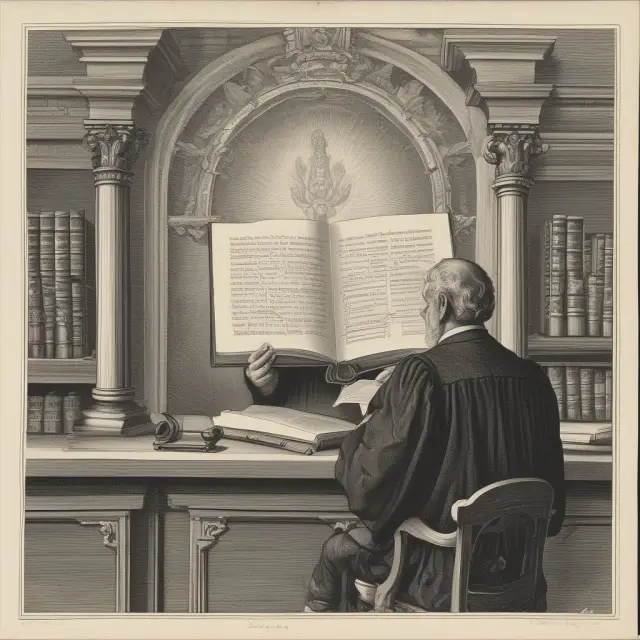
Probate Process: Validating the Authenticity of a Will
Upon an individual’s death, it is crucial to establish the validity and authenticity of their final wishes as expressed in their will. This process is carried out through probate – a legal proceeding that verifies the legitimacy of the decedent’s last testament. Probate plays a pivotal role in ensuring that assets are distributed according to the deceased person’s expressed desires, while also mitigating potential conflicts and disputes among heirs.
The probate process begins when an executor or the custodian of the will files it with the local probate court within the 30 days following the decedent’s demise (this time frame may vary between jurisdictions). The probate court appoints the executor, granting them the legal authority to manage and settle the estate according to the instructions outlined in the will. During this process, the court examines the will and ensures that:
- The decedent’s death has been proven – the presentation of a certified death certificate is typically sufficient.
- The will is valid, meaning that it conforms to the legal requirements for a will in the state where the decedent resided at the time of their passing.
- There are no conflicts or disputes regarding the validity of the will.
- The executor named in the will has been approved by the court and is deemed trustworthy and competent to carry out their duties.
In cases where there isn’t a valid will, the estate enters intestacy, which means that state laws dictate how assets are distributed among the decedent’s heirs. Probate can be a complex and time-consuming process, as it involves numerous steps, including inventorying assets, paying debts, filing tax returns, and distributing assets to beneficiaries according to the will or applicable state laws in case of intestacy.
Though probate is an essential aspect of administering an estate, it also incurs costs in terms of time and money. The court fees, executor’s compensation, and attorney’s fees associated with probate can add up significantly, leaving a smaller portion of the estate for distribution to beneficiaries. To mitigate these expenses and minimize the impact on your loved ones, it is advisable to consult an experienced estate planning attorney who can guide you through various strategies aimed at avoiding or reducing the need for probate, such as creating trusts, joint ownership, and other legal structures tailored to your specific situation.

Trusts: Minimizing Estate Taxes
Inheritance tax, also known as estate tax, is a complex and significant component of managing an estate. An estate tax can result in a substantial financial burden for beneficiaries, often necessitating the sale of inherited assets to cover tax liabilities. However, there are strategies that individuals can employ to minimize the amount paid in estate taxes. One such strategy involves setting up trusts.
A trust is a legal arrangement where an individual transfers property or assets to another party (trustee) for management on behalf of beneficiaries. Trusts offer several benefits: they provide control over how and when assets are distributed, protect assets from creditors, and can minimize estate taxes. There are various types of trusts, each designed for specific goals.
For instance, a living trust is established during an individual’s lifetime and allows them to maintain control over the assets transferred into it while minimizing probate costs upon death. A testamentary trust comes into existence after the grantor’s death, ensuring that their wishes are carried out according to the terms set forth in the will.
Trusts can also be used strategically to reduce estate taxes. For example, a credit shelter trust (also known as a bypass or family trust) is designed to minimize estate taxes when an individual leaves property to a surviving spouse. By transferring assets to the trust, the surviving spouse can benefit from the assets without paying estate taxes until their own death.
A grantor-retained annuity trust (GRAT) is another strategy used to reduce estate tax liability. In this type of trust, the grantor transfers assets into it and receives an income for a fixed term. The remaining assets are then passed on to beneficiaries free of estate taxes.
It is crucial for individuals considering a trust to consult with an attorney experienced in estate planning to understand their options and ensure that the trust is structured effectively to minimize tax liabilities while fulfilling their wishes. While setting up a trust involves costs, the potential long-term savings can be significant. By carefully considering the benefits of trusts and implementing them into an overall estate plan, individuals can maximize their assets’ value for future generations.

FAQ: Common Questions About Estates
Understanding the concept of an estate can be a complex process for many individuals. As you delve deeper into estate planning and wealth distribution, numerous questions arise. Below, we answer some frequently asked questions about estates to help clarify your understanding of this important financial and legal topic.
What is an estate in the financial sense?
An estate, in the financial sense, refers to an individual’s net worth, which includes all their investments, assets, real estate, possessions, and other financial interests.
How does estate planning factor into managing assets after death?
Estate planning involves organizing how your assets will be distributed upon your death. This process typically begins with drafting a will or trust to outline your wishes and appoint an executor or trustee.
What types of assets are included in an estate?
An individual’s estate can include real estate, possessions, financial securities, cash, investments, collectibles, life insurance policies, and even digital assets like cryptocurrencies and social media accounts.
Who is considered the beneficiary of an estate?
A person or entity that receives assets through inheritance is called a beneficiary.
How can estates impact income inequality?
Large inheritances can contribute to persistent income inequality, as wealth tends to be passed down from one generation to the next. Inheritance taxes have been implemented in some countries as a means of mitigating this issue.
What is estate tax and how does it affect beneficiaries?
Estate tax is a levy applied to an individual’s estate upon their death, with the tax payable by the beneficiaries from the estate’s assets. The tax rate and exemptions can vary depending on the jurisdiction.
Is there a difference between a will and a trust?
Both a will and a trust are legal documents used to manage the distribution of assets, but they function differently. A will goes into effect after an individual’s death, while a trust can be established during their lifetime.
What is probate, and why is it necessary?
Probate is the process by which a court determines the validity of a deceased person’s will and administers the distribution of assets to beneficiaries. It is required in most jurisdictions and helps ensure that an individual’s final wishes are carried out.
Do I need an attorney for estate planning?
While it is not mandatory, hiring an experienced estate planning attorney can help ensure your documents are legally sound and effectively manage tax liabilities, particularly when dealing with complex estates or significant assets.

Estate Planning Strategies: Maximizing Your Assets
Effective estate planning is crucial for managing and distributing one’s assets upon death while minimizing tax liabilities. By implementing various strategies, individuals can ensure their hard-earned wealth is passed on to their desired beneficiaries with minimal interference from the government through inheritance taxes. This section delves into some of these strategies, including establishing trusts and utilizing gifting techniques.
1. Trusts: Trusts are legal entities that hold assets for the benefit of an individual or a group of individuals. By transferring assets to a trust during one’s lifetime, individuals can reduce their taxable estate while maintaining control over the distribution of those assets. There are different types of trusts, such as revocable living trusts and irrevocable trusts, each with its unique benefits and purposes. Revocable trusts provide flexibility to make changes or even cancel the trust during the grantor’s lifetime, while irrevocable trusts offer greater tax advantages by permanently transferring assets from the grantor’s estate.
2. Gifting: Gifting assets to family members or other beneficiaries during one’s lifetime is another strategy for reducing the size of the taxable estate. In the U.S., individuals are allowed to gift up to a certain amount annually (known as the annual exclusion) without incurring any gift taxes. This strategy not only reduces the value of the estate subject to estate taxes but also provides an opportunity to transfer wealth to the next generation while enjoying their gratitude and involvement in managing those assets.
3. Charitable Contributions: Making charitable contributions is yet another effective strategy for minimizing tax liabilities. By donating a portion of one’s assets or creating a charitable trust, individuals can significantly reduce the overall value of their estate while making a positive impact on society and leaving a lasting legacy. Additionally, certain charitable contributions may provide substantial tax benefits, enabling individuals to minimize their inheritance taxes and maximize the value left for their beneficiaries.
In conclusion, thorough estate planning is essential for ensuring that one’s hard-earned assets are distributed according to their wishes while minimizing tax liabilities. By utilizing strategies such as trusts, gifting, and charitable contributions, individuals can effectively manage their estates and secure their financial legacy for future generations. It’s always recommended to consult with an experienced estate planning attorney or financial advisor to determine the best course of action tailored to individual circumstances.

Historical Perspective: The Role of Estates in Wealth Distribution
An estate is a term that carries significant historical significance and relevance, particularly when it comes to wealth distribution. While estates are most commonly discussed in relation to inheritance and the transfer of assets upon death, their historical importance goes beyond this modern connotation. In fact, throughout history, estates have played a crucial role in the accumulation and preservation of wealth, often shaping societal structures and income inequality.
An estate historically refers to the land and property owned by a noble or wealthy family, encompassing their power and influence within feudal societies. These vast holdings not only granted prestige but also generated substantial revenue through various means such as agriculture, trade, and rents. Estates were often passed down from generation to generation, perpetuating the wealth and privilege of powerful families.
Inheritance has always been a contentious issue, with debates surrounding its impact on income inequality persisting throughout history. Many argue that inheritance serves as a catalyst for wealth accumulation, enabling individuals and families to maintain their economic standing across generations. Conversely, others contend that inheritance perpetuates existing inequalities, creating a significant obstacle to upward mobility.
The role of estates in shaping income inequality has been most pronounced during periods of rapid societal change and wealth redistribution. For instance, during the Industrial Revolution, many families with substantial landholdings transitioned to industrial production, further solidifying their economic position through vertical integration and consolidation of resources. This period saw an unprecedented increase in income inequality, as the vast fortunes generated by industrialization were primarily inherited rather than earned through merit or skill.
Throughout history, inheritance taxes have been employed to counterbalance the effects of intergenerational wealth transfer on income distribution. While these taxes can be an effective means of redistributing wealth and mitigating the impact of inheritance on inequality, they are often met with resistance and controversy.
Estate planning has evolved significantly over time, with modern practices focusing on minimizing estate taxes and ensuring a smooth transition of assets to heirs. The use of trusts as an estate planning tool dates back to medieval Europe, with their primary purpose being the preservation of wealth across generations while circumventing the feudal system’s restrictions on inheritance. In this context, trusts allowed nobles to protect their wealth and maintain their family’s economic position amidst societal changes.
The historical significance of estates lies not only in their role as a reflection of societal structures and income distribution but also as an essential component of individual financial planning. Estate planning remains a crucial aspect of wealth management, with the primary goal being to minimize estate taxes, ensure the orderly transfer of assets, and protect the interests of both the testator and the beneficiaries.
As the distribution of wealth continues to shape societal structures and income inequality, the historical perspective on estates offers valuable insights into the complex relationship between inheritance, taxation, and generational wealth accumulation.
 Next entry · No. 1,340Estate Planning: A Comprehensive Guide for Institutional Investors
See also
-
 No. 2,398
03 Jan 2025
21 min
Understanding Inheritance Taxes and the Probate Process: A Comprehensive Guide for Professional Investors
Financial Education
No. 2,398
03 Jan 2025
21 min
Understanding Inheritance Taxes and the Probate Process: A Comprehensive Guide for Professional Investors
Financial Education -
No. 1,340
01 Sep 2024
22 min
Estate Planning: A Comprehensive Guide for Institutional Investors
Finance Policy
-
 No. 2,935
15 Feb 2025
22 min
Understanding Living Trusts: A Comprehensive Guide
Financial Education
No. 2,935
15 Feb 2025
22 min
Understanding Living Trusts: A Comprehensive Guide
Financial Education -
 No. 1,779
05 Nov 2024
20 min
Generation-Skipping Trusts (GST): A Tax-Efficient Wealth Transfer Strategy for Institutional Investors
Finance Policy
No. 1,779
05 Nov 2024
20 min
Generation-Skipping Trusts (GST): A Tax-Efficient Wealth Transfer Strategy for Institutional Investors
Finance Policy -
 No. 1,162
05 Aug 2024
20 min
A Comprehensive Guide to Dynasty Trusts: Wealth Preservation Across Generations
Finance Policy
No. 1,162
05 Aug 2024
20 min
A Comprehensive Guide to Dynasty Trusts: Wealth Preservation Across Generations
Finance Policy -
 No. 1,009
15 Jul 2024
19 min
Understanding Depreciation Recapture – Taxes on Previously Deducted Capital Gains
Taxation
No. 1,009
15 Jul 2024
19 min
Understanding Depreciation Recapture – Taxes on Previously Deducted Capital Gains
Taxation