Understanding Fixed Capital: Definition, Requirements, Depreciation, & Liquidity

Learn about fixed capital: definition, requirements, depreciation, & liquidity for successful business operations. Understand examples, impact on industry…
Introduction to Fixed Capital
Fixed capital represents long-term investments in business assets that contribute significantly to the production process while remaining functional for extended periods—often years or even decades. The term originated during the late 18th century, introduced by economist David Ricardo as a contrast to circulating capital, which refers to resources consumed or exhausted through the business cycle. In today’s economic context, fixed capital encompasses property, plant, and equipment (PP&E) that plays a pivotal role in the productivity of industries like manufacturing, infrastructure development, and various services such as telecommunications and transportation.
Understanding the Concept of Fixed Capital
Fixed capital is an integral component of a company’s total capital investment. It includes long-lived assets not consumed during production processes but remain productive over several accounting periods. Ricardo first introduced fixed capital in contrast to circulating capital, which pertains to resources (like labor and raw materials) used up during the production cycle. In Marxian economics, constant capital is the counterpart of variable capital (wages), representing the value tied to non-labor inputs that persist within the production process.
The distinction between fixed and circulating capital is essential since it influences various aspects of business operations. Fixed capital is often contrasted with a company’s output or scale. For instance, machinery used for manufacturing processes remains an integral component of the factory regardless of changes in production levels. The key difference lies in the turnover times: whereas raw materials and labor are consumed during the production process, fixed assets are reusable and long-lasting, contributing to the overall efficiency of a business over time.
Required Capital for Business Operations
The need for fixed capital varies across industries depending on their inherent nature and size. Industrial sectors such as manufacturing, transportation, energy, and infrastructure development typically require substantial investments in fixed assets due to their scale and long production cycles. In contrast, service industries like accounting or software development usually have limited requirements for fixed capital as their primary inputs are intangible resources such as human expertise and knowledge rather than tangible assets.
Procuring Fixed Capital Assets
The process of obtaining fixed capital involves careful planning, financing considerations, and potential risks. Companies might purchase outright or lease long-term assets to meet their production needs. However, securing the necessary capital can be a lengthy procedure. Obtaining loans for substantial investments can take considerable time due to the extensive paperwork involved and the evaluation of creditworthiness. This could potentially hinder a business during periods of low production or high demand, increasing the risk of financial losses if an equipment failure occurs without redundancy in place.
Depreciation of Fixed Capital Assets: An Overview
The depreciation method applied to fixed capital assets helps businesses assess their value and contribution towards the current performance by estimating how much of the asset’s original value remains after a specific period. Depreciation methods differ depending on factors such as the asset’s useful life, salvage value, and how it is accounted for under different accounting standards. However, it’s essential to note that depreciation does not reflect an actual cash outflow; rather, it is an allocation of a non-cash expense based on the economic use of the asset over its lifetime.
Liquidity of Fixed Capital Assets: The Challenge
Fixed capital investments offer long-term value but are not considered highly liquid due to the limited market for specific assets and their high sales price. For instance, selling industrial machinery or specialized equipment can be a lengthy process requiring significant marketing efforts, time, and resources dedicated to potential buyers. Additionally, the sales proceeds may not fully compensate for the initial investment. This aspect of fixed capital assets is crucial to consider when assessing the overall financial health and risk profile of a company.
Upcoming Sections
– The Role of Fixed Capital in Business Scalability
– Investment Strategies for Fixed Capital
– Challenges and Best Practices for Managing Fixed Capital Assets.
By offering an engaging, expertly crafted, and comprehensive exploration of fixed capital as a critical component of finance and investment, this section provides unique value to readers, ensuring search engine rankings, retention, and attracting potential investors and professionals interested in expanding their knowledge in the realm of capital investments.
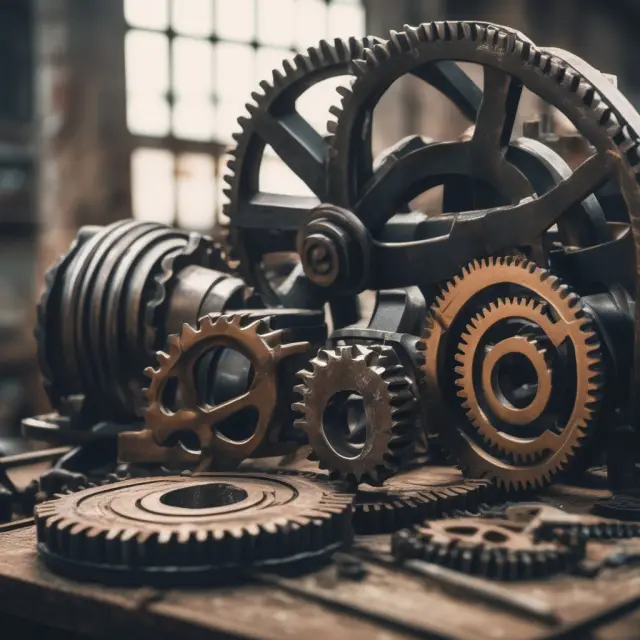
The Importance of Fixed Capital in Business Operations
In today’s business environment, understanding the role of fixed capital is crucial for entrepreneurs and investors alike. Fixed capital represents those assets that are required for starting up a business or maintaining it at an operational level, such as property, plant, and equipment (PP&E). These long-term investments are integral to various industries, playing a significant role in production processes and influencing the scale of a company’s output.
In comparison to variable capital, which includes raw materials, labor costs, and operating expenses that change with each cycle, fixed capital is relatively stable. Fixed capital assets, such as machinery or buildings, are not consumed during the production process but instead remain in use for extended periods. The primary goal of investing in fixed capital is to improve efficiency, increase capacity, and support the long-term growth of a business.
The amount of fixed capital required varies significantly depending on the industry. Industrial sectors like manufacturing and infrastructure require substantial investments in machinery, factories, and other physical assets, as opposed to service industries where fixed capital needs are less extensive. While raw materials may fluctuate according to output levels, fixed capital remains constant, forming the foundation upon which a company can build its operations.
Investing in fixed capital involves certain risks and challenges. Obtaining financing for these long-term assets can be time-consuming and may require substantial resources. Additionally, large equipment purchases can lead to significant financial commitments, making it essential for companies to consider the potential risks and rewards carefully. The lengthy depreciation period for fixed capital assets further complicates matters. While fixed capital items provide long-term value, their depreciation is not straightforward. Some assets may lose significant value quickly, while others maintain their worth over extended periods. Depreciation methods like straight-line, declining balance, and sum-of-the-years’ digits help investors gain a better understanding of how much value fixed capital investments are contributing to the company’s performance in a given period.
Another challenge is the liquidity of fixed capital assets. Unlike variable or current assets, which can be easily bought and sold on the market, fixed assets often have limited markets and may take an extended period to sell. The lengthy sales process makes it essential for businesses to consider redundancy when investing in fixed capital assets, ensuring a backup plan is in place if equipment fails or becomes obsolete.
In conclusion, understanding the importance of fixed capital investments for businesses lies in their ability to provide long-term value and support efficient production processes. Fixed capital plays an essential role in various industries, from manufacturing to infrastructure, by improving output capacity and enabling sustainable growth. Proper planning, risk assessment, and a clear understanding of depreciation methods and the sales process are all crucial factors for businesses when considering fixed capital investments.

Requirements for Obtaining Fixed Capital
The acquisition of fixed capital assets can be an intricate process that calls for significant time, resources, and planning from businesses, particularly those in industries that heavily rely on substantial investments in physical assets such as industrial manufacturing, telecommunications, or oil exploration. To understand the requirements involved, we will discuss the lengthy procurement process and the importance of proper timing and financing.
Procurement Process
The process for obtaining fixed capital begins with the identification of required assets based on a company’s production needs and business strategy. This could include new machinery, vehicles, office buildings, or even land. Once the need has been established, businesses can explore various options: purchasing outright, leasing, or financing. Each route has its advantages and disadvantages that should be carefully weighed before making a decision.
Timing and Financing
Securing fixed capital assets may take considerable time due to the substantial investment involved. It is essential for companies to plan accordingly and consider their cash flow and financial resources. They might require financing options, which could involve obtaining loans from financial institutions or other third-party investors. The process of securing funding can be lengthy and includes several steps: application, credit assessment, documentation, and approval. A well-prepared business case can help expedite this process and improve the chances of approval.
Potential Risks
The investment in fixed capital assets presents risks that must be carefully managed. The uncertainty around the timing and success of the procurement process could lead to potential delays in operations or production, causing financial losses if the business experiences low output levels during this period. Companies should also consider redundancy and contingency plans to mitigate the risk associated with equipment failure before making significant investments.
In conclusion, understanding the requirements for obtaining fixed capital is crucial for any business that intends to expand its operations or invest in new assets. It involves careful planning, consideration of financing options, and managing potential risks. As we delve further into the topic, we will explore examples of common fixed capital assets and discuss their depreciation methods.

Examples of Fixed Capital Assets
Fixed capital investments are often substantial and long-term commitments made by businesses, providing essential infrastructure and resources for operations. These assets, such as property, plant, and equipment (PP&E), serve as the foundation for any organization’s growth. In this section, we examine some common examples of fixed capital assets.
Property: Real estate is a significant component of many companies’ fixed capital investments. Buildings can house offices, production facilities, storage areas, or research centers. The value of property often appreciates over time and provides essential stability for a business, acting as a long-term asset that doesn’t depreciate rapidly.
Plant: Machinery and manufacturing equipment are crucial fixed capital investments for industries like automotive, heavy machinery, electronics, and pharmaceuticals. These assets can be costly upfront but yield significant benefits through increased production capabilities, higher efficiency, and better product quality.
Equipment: Fixed capital investments in equipment encompass a wide range of items used to support various business activities. Examples include vehicles like trucks or buses for transportation services or specialized tools for construction companies. Equipment can help streamline processes, increase productivity, and provide essential resources for daily operations.
Fixed Capital Assets vs Circulating Capital
While fixed capital represents long-term investments in physical assets that maintain their value over an extended period, circulating capital refers to the current expenses required to produce goods or services. The distinction between fixed and circulating capital is crucial for understanding a company’s financial situation and performance. Fixed capital includes items like property, plant, and equipment that are not consumed during production processes but remain in use for multiple accounting periods. Circulating capital consists of variable costs, such as wages, raw materials, or utilities, which fluctuate depending on the level of output. By knowing a company’s fixed and circulating capital requirements, investors can make more informed decisions about its growth potential, profitability, and financial health.
In conclusion, understanding the role and importance of fixed capital assets is essential for businesses, especially those seeking growth and expansion. From property to plant and equipment, these investments form a critical foundation upon which a company builds its future success. By evaluating the examples provided above and delving deeper into their significance in business operations, investors can gain valuable insights that set them apart from their competitors.

Depreciation of Fixed Capital Assets
Fixed capital assets represent significant investments made by businesses, and their depreciation significantly impacts financial statements and accounting practices. The process of allocating the cost of these long-term assets over their useful lives is crucial for accurately representing a company’s financial position and performance. In this section, we delve into methods for depreciating fixed capital assets, reasons behind depreciation, and its overall impact on financial statements.
Understanding Depreciation
Depreciation refers to the systematic allocation of an asset’s cost over its useful life. This process provides an accurate representation of the asset’s contribution to a company’s operations as it declines in value over time. For fixed capital assets, depreciation methods vary depending on the specific nature and type of investment. Two common methods are the Straight-Line Depreciation Method and the Sum-of-the-Years’ Digits Depreciation Method.
Straight-Line Depreciation Method
This method involves allocating an equal amount to expense recognition every year, allowing for a constant depreciation charge over the asset’s entire useful life. It is also known as the book depreciation rate, as it appears as a line item on the income statement under ‘Depreciation Expense.’
Sum-of-the-Years’ Digits Depreciation Method
Also called the declining balance method, this approach allocates a larger amount of depreciation in earlier years and smaller amounts towards the end. This method assumes that the asset will lose value more rapidly during the early periods of its useful life, which may be true for certain types of assets like machinery or vehicles.
Reasons for Depreciation
Depreciation is an essential accounting principle, as it allows businesses to recognize the reduction in value of their fixed capital assets over time. This process provides valuable insights into a company’s financial health by revealing trends in asset usage and investment strategies. It also impacts various financial ratios such as the return on assets (ROA) and debt-to-equity ratio, which are essential for investors when evaluating a business’s financial position and performance.
Impact on Financial Statements
Depreciation affects both the balance sheet and income statement. On the balance sheet, it reduces the value of fixed assets over time. Conversely, the asset is being expensed as depreciation on the income statement, which decreases net income and ultimately impacts cash flow. This relationship between balance sheet assets and income statement expenses is crucial for maintaining an accurate representation of a company’s financial position.
In conclusion, understanding fixed capital assets and their depreciation processes plays a significant role in evaluating a company’s financial health and performance. By exploring various methods and reasons behind depreciation, businesses can make informed decisions regarding investments and asset allocation strategies while providing valuable information for investors.

Liquidity of Fixed Capital Assets
While understanding the importance of fixed capital in business operations cannot be overstated, its impact on liquidity deserves close examination. In contrast to circulating capital or assets that are consumed or converted into cash quickly like inventory and accounts receivable, fixed capital assets can be a challenge to sell due to their illiquid nature.
The limited market for some types of fixed capital makes it difficult to find a buyer willing to pay the price asked. Moreover, the sales process for fixed assets is usually lengthy and time-consuming. This lack of liquidity could lead to financial challenges if a company needs cash urgently to cover operational expenses or invest in new opportunities.
When assessing the liquidity of fixed capital investments, it’s essential to understand that not all these assets have equal marketability. For instance, real estate properties often possess greater liquidity than specialized machinery or equipment, as there is a more significant pool of potential buyers interested in such assets.
The illiquidity issue becomes even more pronounced for larger fixed capital investments. These assets may require extensive marketing efforts to reach the right buyer and negotiating terms that maximize the sale price. This process could take months or even years depending on the asset type and market conditions.
When a company decides to sell its fixed capital, several factors can affect its liquidity:
- Market demand: The size and competitiveness of the market for the specific asset will determine how quickly it can be sold and at what price. For instance, highly specialized machinery or industrial equipment may not have an extensive buyer pool due to limited demand, making the sale process more complicated.
- Depreciation: Fixed capital assets depreciate over time, which can impact their market value. The lower the residual value of a fixed asset, the less attractive it becomes to potential buyers and, consequently, the longer the sales process may take.
- Location: Local or regional factors can also influence a fixed asset’s liquidity. For example, an industrial plant located in an area with fewer competitors might be more difficult to sell than one situated near multiple buyers within a competitive market.
- Condition: The condition and maintenance of the fixed capital assets are significant determinants of their marketability. An asset that requires extensive repairs or upgrades may take longer to sell or fetch a lower price.
- Accessibility: Factors such as transportation, access to utilities, and zoning regulations can impact the liquidity of real estate properties, making them easier or harder to sell based on their location.
- Alternative options: In certain situations, selling fixed assets outright might not be the most beneficial option for a company. Instead, they could consider leasing, renting, or selling assets on installment plans, providing more immediate liquidity while retaining ownership or access.
In conclusion, understanding the implications of the illiquid nature of fixed capital investments is essential for any business looking to make large-scale purchases or sell existing assets. Companies must weigh the benefits and risks associated with fixed capital against their cash flow requirements, financial goals, and overall strategy, keeping in mind that liquidity may not always be a top priority.
This section aims to provide a comprehensive exploration of the challenges and considerations surrounding the liquidity of fixed capital assets while offering insights and strategies for investors looking to navigate this aspect of investing in fixed capital.

Fixed Capital and Investor Analysis
Assessing a Company’s Fixed-Capital Investments: A vital aspect of analyzing companies from an investment perspective lies in evaluating their fixed capital assets. This comprehensive evaluation helps investors assess the potential impact on stock valuation, future performance, and overall business sustainability. Understanding a firm’s approach to acquiring, maintaining, and managing its fixed-capital investments can be instrumental in making informed investment decisions.
Fixed Capital: The Infrastructure of Successful Businesses
The role of fixed capital in various industries is significant. Industries with a high dependence on fixed capital assets include manufacturing, construction, energy, transportation, telecommunications, and technology. These sectors rely on long-term investments to maintain their operations and generate profitability. Fixed capital’s importance can also be observed when comparing it to variable capital. While fixed capital is the long-term investment in physical assets that stay within a company, variable capital represents the expenditures that fluctuate based on production levels, such as wages and raw materials.
Fixed Capital Assets: Analyzing a Company’s Core Investments
Investing in fixed capital assets involves both risks and rewards for businesses. The initial outlay of funds can be substantial, and obtaining the necessary financing may take time. However, these investments often yield long-term benefits and contribute to increased efficiency, productivity, and competitiveness. When assessing a company’s financial statements, investors should consider the following questions:
What percentage of total assets is allocated to fixed capital?
How have the company’s fixed capital investments changed over time?
Which industries or sectors does the company primarily operate in, and what are the typical fixed capital requirements for those industries?
Are there any significant upcoming fixed capital expenditures that should be factored into future financial projections?
Impact on Valuation and Performance
A comprehensive assessment of a firm’s fixed-capital investments can have a considerable influence on its stock valuation and overall performance. Well-managed companies with high-quality fixed assets may experience better operational efficiency, improved production capacity, and a competitive edge over their peers. Conversely, companies with poorly maintained or outdated fixed capital assets may face lower productivity levels, increased maintenance costs, and potential downtime due to equipment failures.
Fixed Capital Depreciation: A Closer Look at Amortization and Depreciation
When analyzing a company’s financial statements, investors should consider the methods used for calculating depreciation on fixed capital assets. The depreciation of fixed-capital assets is essential in understanding how much value these investments are contributing to current performance and future profitability. There are several common methods for calculating depreciation:
- Straight-line depreciation: A constant percentage of the asset’s book value is written off each year over its useful life.
- Double declining balance method: The rate of depreciation is increased each year to reflect the accelerated loss in value as the asset ages.
- Sum-of-the-years’ digits method (SYD): An increasing percentage of the asset’s book value is written off each year, with a larger percentage in the early years due to the sum of the years’ digits.
Understanding the methodology employed by a company can help investors analyze trends and make more informed investment decisions.
Fixed Capital Liquidity: A Concern for Investors
While fixed capital assets can contribute significantly to a business’s operations, they also present a challenge when it comes to liquidity. These assets typically have limited resale value in the market or take considerable time to sell due to their size and unique characteristics. The lengthy sales process can pose challenges for companies facing financial difficulties or requiring quick access to cash. Investors should consider the liquidity risk associated with a company’s fixed-capital investments when evaluating its overall investment appeal.
Conclusion
A thorough understanding of a firm’s fixed capital investments is crucial in making informed investment decisions. By analyzing the allocation, depreciation methods, and impact on valuation and liquidity, investors can gain insights into a company’s potential for future success and profitability.
The Role of Fixed Capital in Industries and Economies
Understanding how fixed capital impacts various industries and economies can shed light on its importance as a key business investment. In many instances, the presence and allocation of fixed capital have shaped industries and their economic landscapes. Let us explore some examples to illustrate this point.
The Industrial Revolution
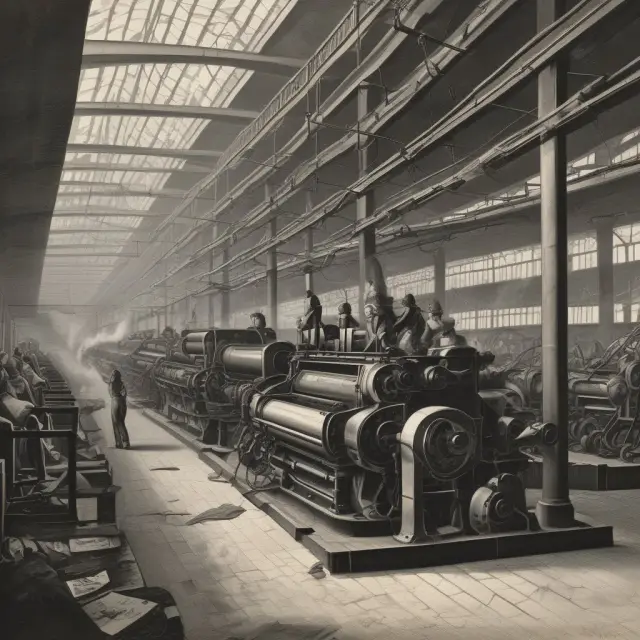
Fixed capital played a significant role during the Industrial Revolution when factories became centralized production sites that required substantial investments in buildings, machinery, and infrastructure. The invention of the power loom—an early type of mechanized textile manufacturing machine—was one of the most important fixed-capital investments at that time. The power loom allowed manufacturers to produce cloth much more efficiently than before, paving the way for the mass production of textiles and leading to a surge in industrialization.
Telecommunications
Another industry where fixed capital has played an essential role is telecommunications. In the early days of this sector, significant investment was needed to lay down physical infrastructure, such as telephone lines and cables, as well as the construction of central offices. These investments were crucial for delivering services to end-users. Today, the introduction of fiber-optic networks has increased the importance of fixed capital even further, as they require enormous capital outlays for installation and maintenance.
Oil Exploration
Another example is oil exploration companies that require extensive investment in drilling rigs, pipelines, processing plants, and other infrastructure to discover and extract oil from underground reservoirs. These investments often span decades and involve billions of dollars. This high level of fixed capital commitment is a necessity for oil exploration companies as they seek to maintain their competitive edge and meet the growing demand for energy resources.
Economic Growth
Fixed capital also influences overall economic growth by stimulating productivity, increasing efficiency, and driving innovation. The availability of ample fixed capital has been linked to higher wages, lower consumer prices, and increased industrial output in an economy. Moreover, it enables companies to invest in research and development, allowing them to create new products or improve existing ones, which further enhances their competitiveness and long-term sustainability.
In conclusion, the role of fixed capital extends far beyond individual businesses as it shapes industries and economies by providing a foundation for productivity, innovation, and growth. Understanding the impact of fixed capital is crucial for investors looking to evaluate companies in various sectors and assess their potential for success.

Reducing the Need for Fixed Capital through Leasing
One way companies can limit their need for large amounts of upfront capital investment in fixed assets is through leasing options. Leasing refers to the practice of acquiring the use of an asset, such as machinery or vehicles, on a long-term contractual basis rather than buying it outright. The lessee pays a regular rent or lease payment to the lessor, who retains ownership and title to the asset throughout the lease term.
There are several advantages to leasing:
- Lower upfront costs: Leasing allows companies to spread their capital expenditures over time instead of paying for an entire fixed asset at once.
- Flexibility: Lease terms are typically shorter than the useful life of most fixed assets, providing businesses with the opportunity to upgrade equipment or expand as needed without being locked into long-term contracts.
- Predictable expenses: A lease payment is a known, recurring expense, helping companies maintain financial stability and more accurately forecast cash flow.
- Lower tax implications: In many cases, leasing offers tax advantages compared to purchasing assets outright. Lease payments can be classified as operating expenses instead of capital expenditures on a company’s income statement.
- Reduced maintenance risks: Leasing companies often handle equipment maintenance and repair, eliminating the need for businesses to allocate internal resources for these tasks.
However, leasing is not without its disadvantages. The most significant drawback is the higher long-term cost compared to buying an asset outright. Over time, leasing can result in paying more than the actual value of the asset. Additionally, lease agreements may include provisions restricting the lessee from modifying or selling the leased assets without consent from the lessor.
In conclusion, while owning fixed capital is necessary for many industries, leasing provides a viable alternative for reducing upfront capital requirements and mitigating financial risk. By carefully considering the advantages and disadvantages of leasing versus purchasing fixed capital assets, businesses can optimize their investments to best meet their operational needs.
FAQs about Fixed Capital Leasing
What is lease financing?
Lease financing refers to a type of debt financing where a business borrows money from a lender to pay for leased assets and repays the loan over time, usually along with the lease payments. This can provide additional flexibility for businesses seeking to manage their cash flow.
How does leasing differ from renting?
Leasing is different from renting in that, under a leasing agreement, the lessee has exclusive use of the asset, and the lessor retains ownership throughout the lease term. With a rental agreement, the property or asset remains with the owner, who maintains control over its usage.
What are the most common types of lease agreements?
There are three primary types of leases: Operating Leases, Finance Leases, and Capital Leases. Operating leases provide the lessee with limited use of the leased asset for a specific period, while Finance or Capacity Leases give the lessee ownership rights over the asset’s economic benefits and transfer of risks to the lessee.
How can companies negotiate better lease terms?
To secure favorable lease terms, businesses should conduct thorough research on the market value of the leased asset, assess their own negotiation power, and consider involving a broker or third party to help manage the process. Additionally, lease terms can be negotiated based on factors such as lease length, payment structure, maintenance responsibilities, and transfer options.

The Impact of Technology on Fixed Capital
Fixed capital has traditionally been associated with physical assets that are not consumed in production processes but remain useful for an extended period. These include property, plant, and equipment (PP&E), such as factories, vehicles, and machinery. However, technology is rapidly transforming the nature of fixed capital by reducing the need for certain types of physical assets, increasing their efficiency, and altering the way companies invest in these assets.
Fixed Capital: Past vs Present
In the past, industries heavily relied on substantial investments in fixed capital to remain competitive. For instance, automobile manufacturing required significant amounts of capital for factories, machinery, and equipment. However, technology advancements have drastically changed the landscape. Modern production processes can be highly automated, resulting in lower demands for large-scale physical assets and a shift from labor-intensive work to knowledge-based tasks.
Impact on Manufacturing
Manufacturing is one of the most significantly impacted sectors by technological advances on fixed capital investments. Automated machinery, 3D printing, robots, and computerized systems are increasingly replacing human labor, thereby reducing the need for extensive physical assets dedicated to production. For example, an automobile manufacturer can produce a car using fewer machines than before, as each machine is now more advanced and capable of producing multiple components.
Effect on Warehousing and Logistics
Technology has also had a substantial influence on logistics and warehousing, traditionally known for their extensive fixed capital requirements. Companies are increasingly implementing automated storage and retrieval systems, such as AS/RS (Automated Storage/Retrieval Systems), to manage their inventory efficiently. These systems can store and retrieve goods much faster than human labor, reducing the need for large warehouses and the associated costs.
The Future of Fixed Capital
As technology continues to evolve, its impact on fixed capital will continue to change. Companies will need to reassess their approach to fixed capital investments. While some industries may still require significant investments in physical assets, others might experience a shift towards more intangible forms of capital, such as software or intellectual property. This evolution could lead to new challenges and opportunities for businesses, requiring them to adapt quickly to remain competitive.
Implications for Investors
Understanding the impact of technology on fixed capital is vital for investors as well. Companies that can effectively manage their fixed-capital investments in a rapidly changing technological landscape are likely to outperform those that cannot. As investors, we need to monitor trends in industries and assess how they might impact fixed capital requirements and associated risks.
In conclusion, technology has significantly influenced the nature of fixed capital investments. It has led to reduced needs for extensive physical assets, increased efficiency, and altered investment strategies. This transformation brings new challenges and opportunities for businesses and investors alike as they adapt to a rapidly evolving technological landscape.

FAQs about Fixed Capital
What exactly is fixed capital?
Fixed capital refers to assets that are not consumed during the production process but rather remain in place to support the ongoing operation of a business. Property, plant, and equipment (PP&E) are common examples of fixed capital assets. These assets typically have a long lifespan, sometimes up to 20 years or more, and are depreciated over time to reflect their declining value.
What is the difference between fixed capital and circulating capital?
Fixed capital contrasts with circulating capital, which is used in the production process but is consumed or transformed into a final product. In other words, circulating capital includes raw materials and labor. Fixed capital’s primary function is to provide a foundation for the operation of a business and enable production to occur.
What industries require significant fixed capital investments?
Industries that necessitate large-scale manufacturing or infrastructure development often demand substantial fixed capital investments. Examples include heavy manufacturing, telecommunications, and oil exploration. In contrast, service-based industries typically have less extensive fixed capital requirements.
How is the procurement process for fixed capital different from circulating capital?
The acquisition of fixed capital assets can be a lengthy process due to the substantial financial commitment involved. Companies may require significant time and resources to generate funds for large purchases, such as new facilities or equipment. Additionally, securing financing for these acquisitions can add another layer of complexity.
How does depreciation impact fixed capital?
Depreciation is a method used to allocate the cost of fixed capital assets over their useful life. The process helps investors understand the contribution of fixed-capital investments to a company’s performance over time, providing valuable financial information for decision making and analysis.
What challenges come with selling or exchanging fixed capital assets?
Fixed capital assets can be difficult to sell due to limited market availability and high prices. The process is usually lengthy as potential buyers may take their time evaluating the asset before deciding to make a purchase, potentially leading to lost production opportunities if the sale takes too long.
 Next entry · No. 1,551Understanding the Fixed-Charge Coverage Ratio (FCCR) – A Key Metric for Evaluating a Company’s Creditworthiness
See also
-
 No. 5,788
07 Oct 2025
18 min
Understanding Working Capital: A Measure of a Company’s Short-Term Financial Health
Business Finance
No. 5,788
07 Oct 2025
18 min
Understanding Working Capital: A Measure of a Company’s Short-Term Financial Health
Business Finance -
 No. 5,304
28 Aug 2025
18 min
Understanding Unrestricted Cash and Its Importance in Balance Sheets
Business Finance
No. 5,304
28 Aug 2025
18 min
Understanding Unrestricted Cash and Its Importance in Balance Sheets
Business Finance -
 No. 4,942
29 Jul 2025
20 min
Understanding Term to Maturity: Duration, Yield, and Risks of Long-Term Bond Investments
Business Finance
No. 4,942
29 Jul 2025
20 min
Understanding Term to Maturity: Duration, Yield, and Risks of Long-Term Bond Investments
Business Finance -
 No. 4,767
15 Jul 2025
17 min
Understanding Stock Splits: What It Is, How It Works, and Its Advantages and Disadvantages for Investors
Business Finance
No. 4,767
15 Jul 2025
17 min
Understanding Stock Splits: What It Is, How It Works, and Its Advantages and Disadvantages for Investors
Business Finance -
 No. 4,265
04 Jun 2025
19 min
Understanding Quoted Prices: The Basics for Institutional Investors
Business Finance
No. 4,265
04 Jun 2025
19 min
Understanding Quoted Prices: The Basics for Institutional Investors
Business Finance -
 No. 4,248
03 Jun 2025
19 min
Understanding Quick Assets: A More Conservative Measure of a Company’s Liquidity
Business Finance
No. 4,248
03 Jun 2025
19 min
Understanding Quick Assets: A More Conservative Measure of a Company’s Liquidity
Business Finance